
Spotted something crawling across the kitchen counter and have no idea what it is? You are not alone. This bug identification chart covers 20 of the most common household and garden bugs in the US, with real size references, clear appearance notes, and an honest friend-or-foe rating for each one.
Use the chart as a quick reference, then read the field tips below to confirm your ID in under a minute. Knowing exactly which bug you are looking at changes everything: a ladybug deserves a ride back outside, while a German cockroach means it is time for a plan.
Bug Identification Chart: 20 Common US Bugs
The table below is ordered by how often each bug shows up in American homes and gardens. Sizes are for adults unless noted.
| Bug | What to look for | Size | Where you will find it | Friend or foe |
|---|---|---|---|---|
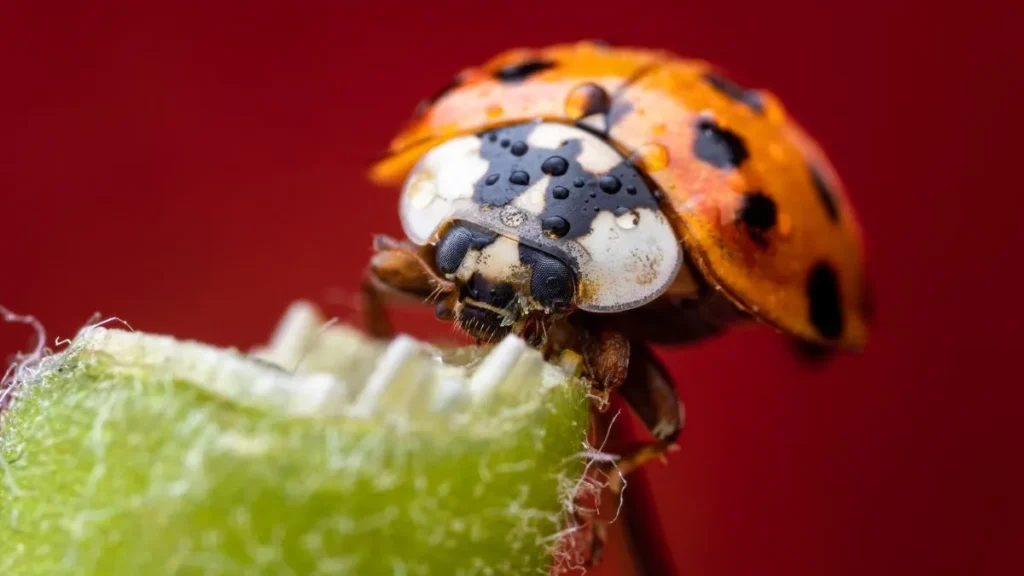
| Ladybug (Coccinellidae) | Round, dome-shaped body; red or orange with black spots (some species are spotless or black with red spots) | 1/4 inch (6 to 8 mm) | Gardens, houseplants, window sills in fall | Friend: eats aphids and mites |
| Brown marmorated stink bug (Halyomorpha halys) | Shield-shaped body, mottled brown with pale bands on the antennae and abdomen edges | 2/3 inch (17 mm) | Window screens, siding, attic walls in fall | Foe: garden pest, smells bad when disturbed |
| German cockroach (Blattella germanica) | Light tan body with two dark parallel stripes running down the back; long antennae | 1/2 to 5/8 inch (13 to 16 mm) | Behind refrigerators, under sinks, inside cabinets | Foe: contaminates food, triggers allergies |
| Earwig (Forficula auricularia) | Dark brown, flattened body with a pair of pincer-like cerci at the rear; short wing covers | 1/2 to 3/4 inch (13 to 20 mm) | Under pots, mulch, doormats, damp basements | Nuisance: harmless, may nibble seedlings |
| Boxelder bug (Boisea trivittata) | Black body with bright red-orange edging on the wings and behind the head | 1/2 inch (13 mm) | Sunny walls, boxelder and maple trees in fall | Nuisance: stains walls, does not bite or damage plants |
| Japanese beetle (Popillia japonica) | Metallic green head and coppery-brown wing covers; five white tufts of hair on each side of the abdomen | 3/8 to 1/2 inch (10 to 13 mm) | Roses, grapes, linden trees in summer | Foe: skeletonizes leaves, grubs kill lawns |
| Red imported fire ant (Solenopsis invicta) | Reddish-brown body with a darker abdomen; two-segmented waist; stings when the mound is disturbed | 1/8 to 1/4 inch (3 to 6 mm) | Lawns, driveways, electrical boxes in the South | Foe: painful sting, damages wiring |
| Praying mantis (Mantodea) | Long green or brown body; triangular head that turns; folded raptorial front legs | 2 to 4 inches (50 to 100 mm) | Garden shrubs, flower beds in late summer | Friend: ambush predator of pest insects |
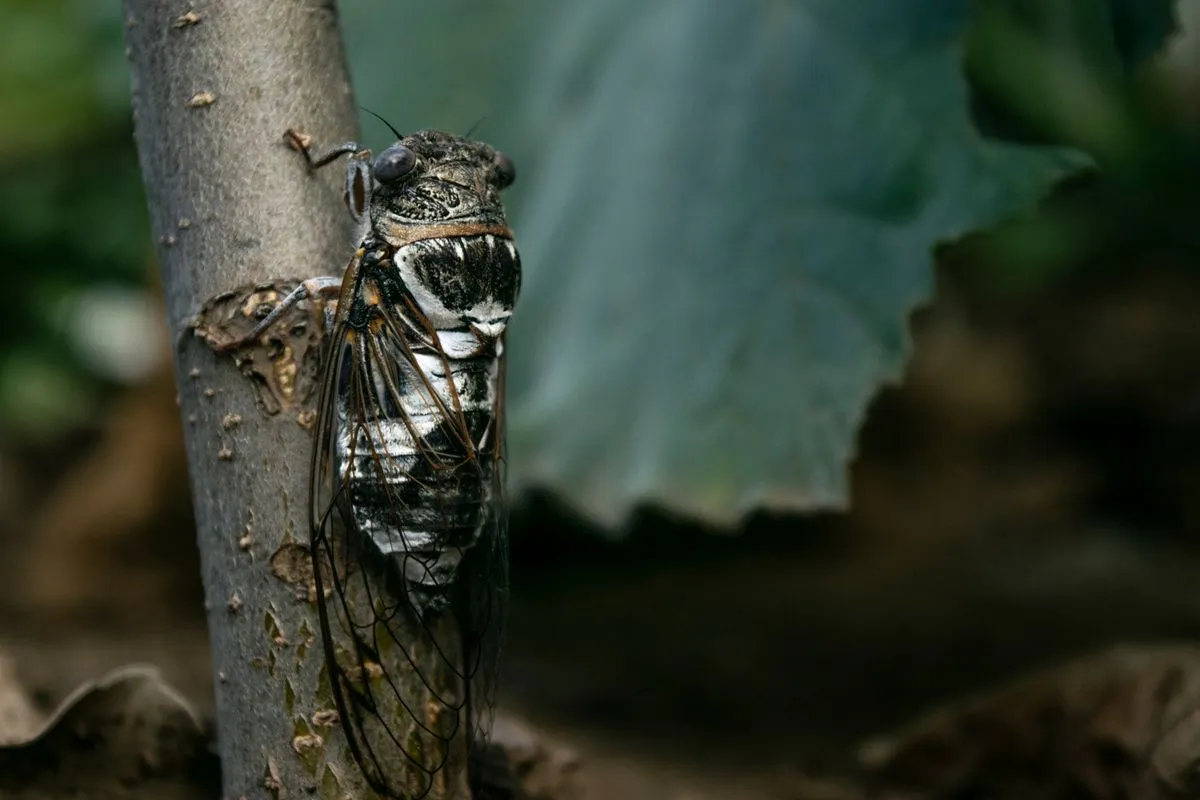
| Cicada (Tibicen / Magicicada) | Stout black body, wide-set red or black eyes, veined transparent wings held rooflike over the body | 1 to 2 inches (25 to 50 mm) | Tree trunks, sidewalks after emergence | Neutral: loud but harmless; heavy broods can stress young trees |
| Mealybug (Pseudococcidae) | Small, soft, oval insects covered in white cottony wax; look like tiny clumps of lint on stems | 1/20 to 1/5 inch (1 to 4 mm) | Houseplants, succulents, citrus in greenhouses | Foe: drains sap, spreads sooty mold |
| Thrips (Thysanoptera) | Tiny, slender, yellow to dark brown insects with fringed wings; leave silvery stippled scars on leaves | 1/25 to 1/16 inch (1 to 1.5 mm) | Flowers, onions, houseplant leaves | Foe: scars flowers and foliage, spreads viruses |
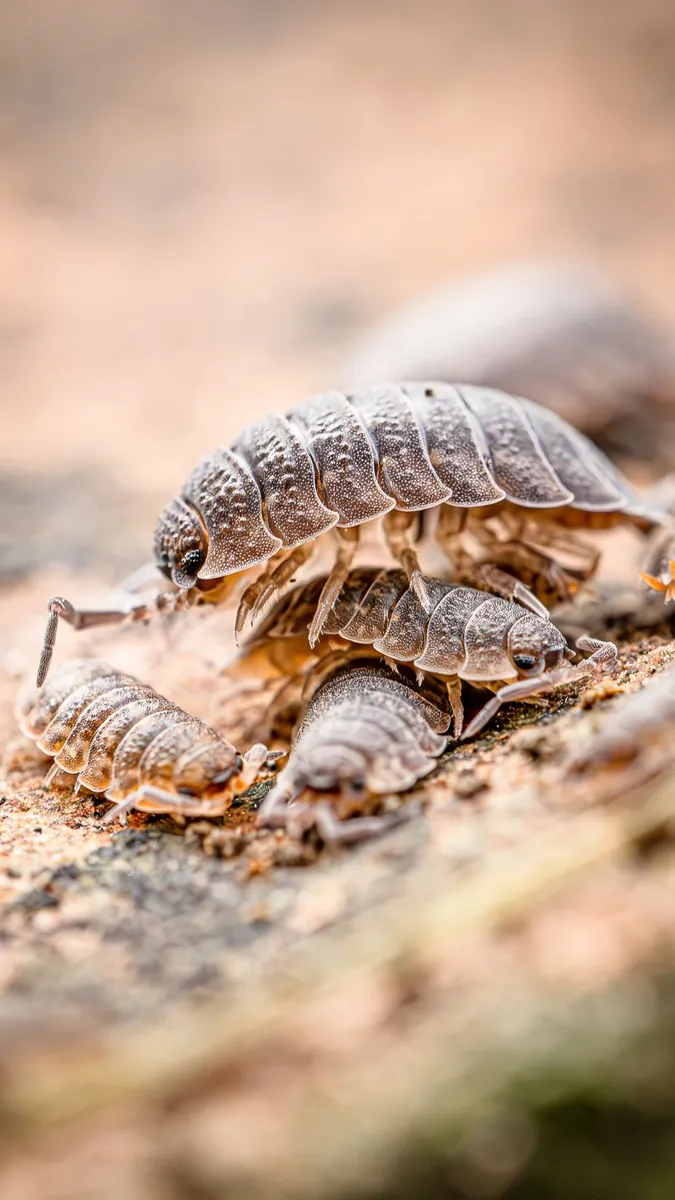
| Pillbug (roly-poly) (Armadillidium vulgare) | Gray, armored, segmented oval; rolls into a tight ball when touched; has seven pairs of legs | 1/4 to 1/2 inch (6 to 13 mm) | Under logs, mulch, damp garden beds | Nuisance: eats decaying matter, only harms seedlings |
| Aphid (Aphidoidea) | Tiny pear-shaped insects in clusters on new growth; green, black, or yellow; some have wings | 1/16 to 1/8 inch (2 to 4 mm) | Roses, vegetables, houseplants | Foe: weakens plants, spreads disease |
| Silverfish (Lepisma saccharina) | Silvery-gray, carrot-shaped, wingless; three long tail-like bristles; fast fish-like movement | 1/2 to 3/4 inch (13 to 19 mm) | Bathrooms, basements, bookshelves | Nuisance: damages paper, wallpaper, and fabric |
| Carpet beetle (Anthrenus verbasci) | Small oval beetle with a mottled pattern of white, brown, and yellow-orange scales; larvae are fuzzy brown “woolly bears” | 1/16 to 1/8 inch (2 to 3 mm) | Closets, under rugs, pantry shelves | Foe: larvae eat wool, silk, and stored food |
| Grain weevil (Sitophilus granarius) | Dark reddish-brown beetle with a long snout (rostrum) and elbowed antennae; cannot fly | 1/8 to 1/5 inch (3 to 5 mm) | Flour, rice, pasta, dry pet food | Foe: ruins stored grains |
| Eastern subterranean termite (Reticulitermes flavipes) | Workers are creamy-white and soft; swarmers have two pairs of equal-length wings and straight antennae | Workers 1/4 inch (6 mm); swarmers 3/8 inch (10 mm) | Mud tubes on foundations, damp wood, crawlspaces | Foe: destroys wooden structures silently |
| Bed bug (Cimex lectularius) | Flat, reddish-brown, oval, wingless; apple-seed shaped; leaves rusty spots on sheets | 3/16 inch (5 mm) | Mattress seams, headboards, luggage | Foe: bites at night, hard to eliminate |
| Cat flea (Ctenocephalides felis) | Tiny dark reddish-brown insect with powerful jumping hind legs; hard to catch; flea dirt (black specks) on pet fur | 1/16 to 1/8 inch (2 to 5 mm) | Pet bedding, carpets, yards | Foe: bites pets and people, spreads tapeworm |
| House centipede (Scutigera coleoptrata) | Long gray-yellow body with 15 pairs of banded legs and very long antennae; startlingly fast | 1 to 1.5 inches (25 to 40 mm) | Basements, bathrooms, behind furniture | Friend: hunts cockroaches, silverfish, and spiders |

Quick ID Rules That Cover 90% of Cases
Before you dig into guides, try these shortcuts that pest professionals use every day.
- Shield-shaped and brown? It is almost always a stink bug. The white bands on the antennae confirm a brown marmorated stink bug, the most common species around US homes.
- Tiny and clustered on new plant growth? Aphids. Blast them off with a hard stream of water before you reach for anything stronger. Our aphid identification chart covers 20 species in detail.
- Small brown beetle with a long snout in the pantry? A weevil. Toss infested packages, vacuum the shelves, and store new grains in sealed jars.
- Winged insects swarming indoors in spring? Check the waist and antennae. Termites have a thick waist and straight antennae; flying ants have a pinched waist and elbowed antennae. See our termite identification chart to be sure.
- Something tiny jumping on the dog? Fleas. Look for flea dirt: black specks on the belly that turn reddish-brown on a wet paper towel (that is dried blood).
- Long, fast, and scary in the basement? Probably a house centipede. Ugly but useful: it is hunting the real pests.
Garden Bugs: Friend or Foe at a Glance
Not every bug in the garden is a problem. A quick way to decide is to watch what the insect is doing. Predators like ladybugs, praying mantises, and lacewings patrol leaves and stems hunting other insects. Plant feeders stay in one spot, usually on the undersides of leaves or on tender new shoots, and the damage appears nearby: stippled leaves, curled tips, or honeydew stickiness.
Japanese beetles are the exception that proves the rule about watching behavior. Adults chew ragged holes in rose and grape leaves during the day, while their grubs feed on grass roots underground, leaving brown patches in the lawn that peel up like carpet. For beetles of every kind, our beetle identification chart breaks down 20 common species by sight.

If you keep a vegetable garden, learn the look of the beneficials first. A single ladybug larva (which looks nothing like the adult: spiny, dark, and alligator-shaped) can eat several thousand aphids in its lifetime. Squashing “weird bugs” indiscriminately is how gardeners accidentally kill their best allies.

Household Bugs: What to Do When You Find One Indoors
One bug is a visitor; a pattern is a problem. Here is how to respond to the most common indoor finds from the chart.
Cockroaches: German cockroaches are the number one indoor pest in the US. One sighting at night means there are likely more. Declutter under the sink, fix drips, seal food in containers, and use gel baits in cracks rather than sprays, which scatter them deeper into walls.

Silverfish and firebrats: These moisture lovers signal dampness. Run a dehumidifier in the basement, and store books and papers off the floor.
Boxelder bugs and stink bugs: They are not after your food; they want warmth for winter. Vacuum them up (empty the bag outside) instead of crushing them, and seal the window and door gaps they came through.

Bed bugs: Do not move the mattress to another room; that spreads them. Confirm with the rusty spots and shed skins, then call a professional. Heat treatment is the most reliable fix.
Ants trailing through the kitchen: Identify the species first, because the treatment differs. Fire ants, carpenter ants, and odorous house ants all need different approaches. Our ant identification chart identifies 20 common ants by sight.

Frequently Asked Questions
What is the most common bug found in US homes?
The German cockroach tops nearly every survey of US household pests, followed by ants, spiders, and silverfish. In the fall, brown marmorated stink bugs and boxelder bugs dominate as they move indoors to overwinter.

How can I identify a bug from a picture?
Start with the body shape (beetle-like, shield-shaped, ant-like, or worm-like), then note the size, color pattern, leg count, and where you found it. Compare against a chart like the one above. Phone photos zoomed in usually show enough detail for a confident ID.


Are stink bugs dangerous to humans or pets?
No. Stink bugs do not bite, sting, or transmit disease. Their only weapon is the foul-smelling defensive chemical they release when disturbed, which can irritate skin in sensitive people. They are a serious agricultural pest but harmless in the home.
Which bugs in this chart are actually beneficial?
Ladybugs, praying mantises, and house centipedes are the clear allies. Ladybugs and mantises protect gardens by eating pests, and house centipedes hunt cockroaches, silverfish, and spiders indoors. Pillbugs and cicadas are neutral decomposers and seasonal visitors.
When should I call a pest control professional?
Call one for bed bugs, termites, German cockroaches, and fire ant mounds near the home. These four are genuinely difficult to eliminate without professional tools, and termites can cause thousands of dollars in hidden structural damage.
Conclusion
Most bug encounters end well once you know what you are looking at. Bookmark this bug identification chart and run through the quick ID rules the next time something with six legs crosses your path. Identify first, react second, and you will protect the helpful bugs while dealing with the harmful ones decisively.


Pingback: Wasp Identification Chart: Identify 20 Common US Wasps – Chart Identify
Pingback: Hornet Identification Chart: 20 Common US Hornets – Chart Identify
Pingback: Types of Cockroaches: 20 Species, Sizes and How to ID Them – Chart Identify
Pingback: Types of Crickets: 20 Species, Sizes and Habitats – Chart Identify
Pingback: Types of Cicadas: 20 Species, Sizes and Habitats – Chart Identify
Pingback: Types of Water Bugs: 20 Species, Sizes and Habitats – Chart Identify
Pingback: Types of Bugs: 20 Species, Sizes and Habitats – Chart Identify
Pingback: Bug Lifespan Chart – Chart Identify