A flying insect identification chart is the fastest way to name the bug buzzing around your kitchen, garden, or porch light. Instead of guessing from a blur of wings, match size, wing shape, markings, and where you found it, and you can narrow it down to one insect in under a minute. This guide covers 19 common flying insects, with a full comparison chart, simple identification steps, and honest notes on which ones bite, sting, or are harmless.
Flies have one pair of wings. Bees and wasps have two pairs plus a narrow waist. Butterflies and moths have large, scaly wings. Beetles hide theirs under hard covers.
Flying Insect Identification Chart: 19 Insects Compared
Sizes are adult body length, not counting wings or legs.
| Insect | Wings | Size | Markings | Habitat | Sting or Bite Risk |
|---|---|---|---|---|---|
| Housefly | 1 pair, clear, flat at rest | 6 to 7 mm | Gray, 4 dark thorax stripes, red eyes | Kitchens, garbage, compost | No bite or sting, spreads germs |
| Fruit fly | 1 pair, clear | 3 to 4 mm | Tan, large red eyes, dark abdomen bands | Fruit bowls, kitchens, compost bins | Harmless, no bite or sting |
| Drain fly | 1 pair, broad, moth-like, fuzzy | 2 to 5 mm | Gray brown, fuzzy body and wings | Drains, sinks, damp bathrooms | Harmless, no bite or sting |
| Fungus gnat | 1 pair, delicate, clear | 2 to 4 mm | Slender black body, long legs | Houseplants, damp potting soil | Harmless to people, larvae harm roots |
| Crane fly | 1 pair, long and narrow | 13 to 25 mm | Tan or gray, very long legs | Lawns, gardens, near lights at night | Harmless, does not bite |
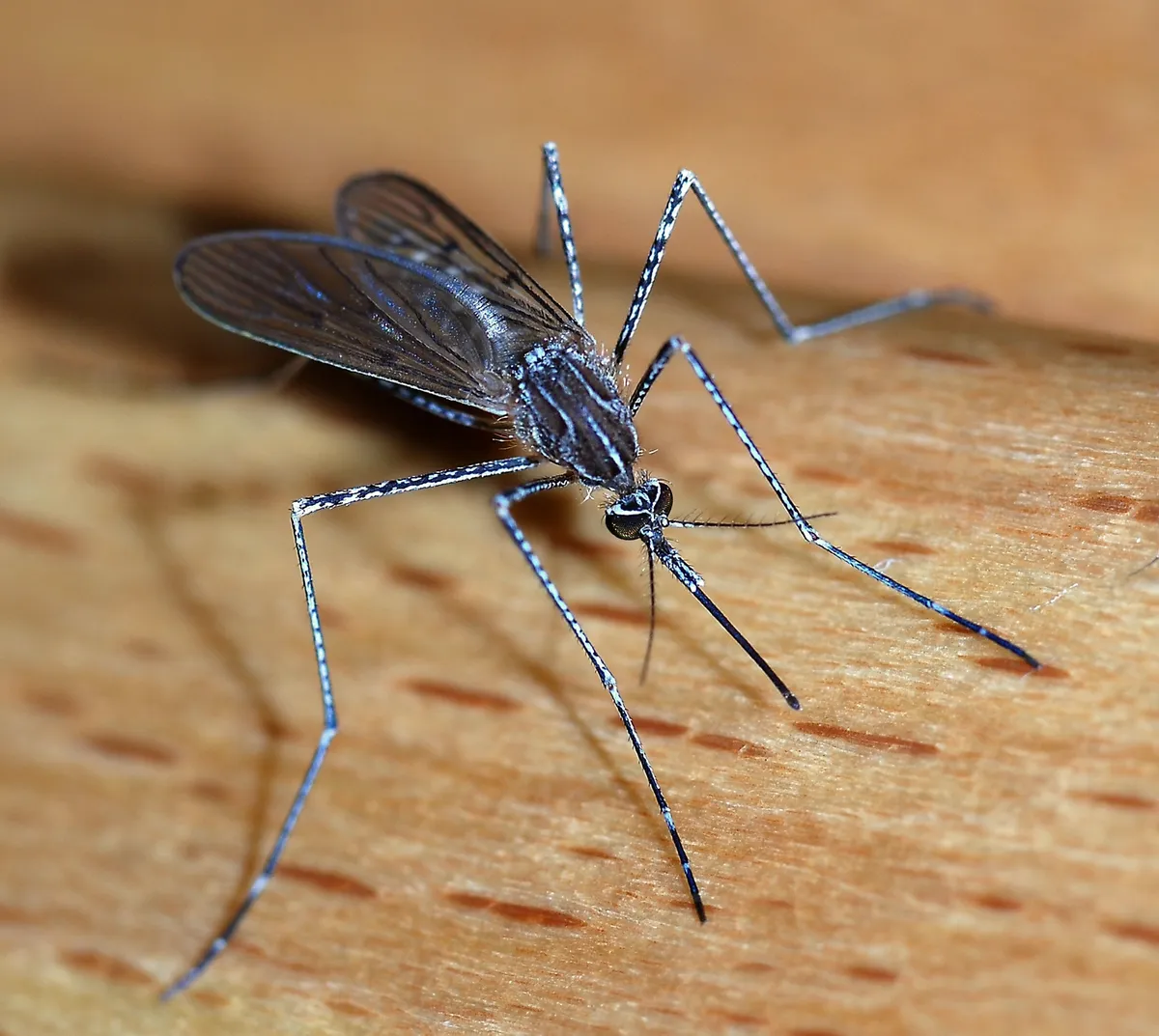
| Mosquito | 1 pair, narrow, scaled edges | 3 to 6 mm | Slender, long needle mouthparts | Near standing water, dawn and dusk | Bites, can spread disease |
| Horse fly | 1 pair, clear or smoky | 6 to 25 mm | Stout gray or black body, large eyes | Near livestock, ponds, trails | Painful bite, no sting |
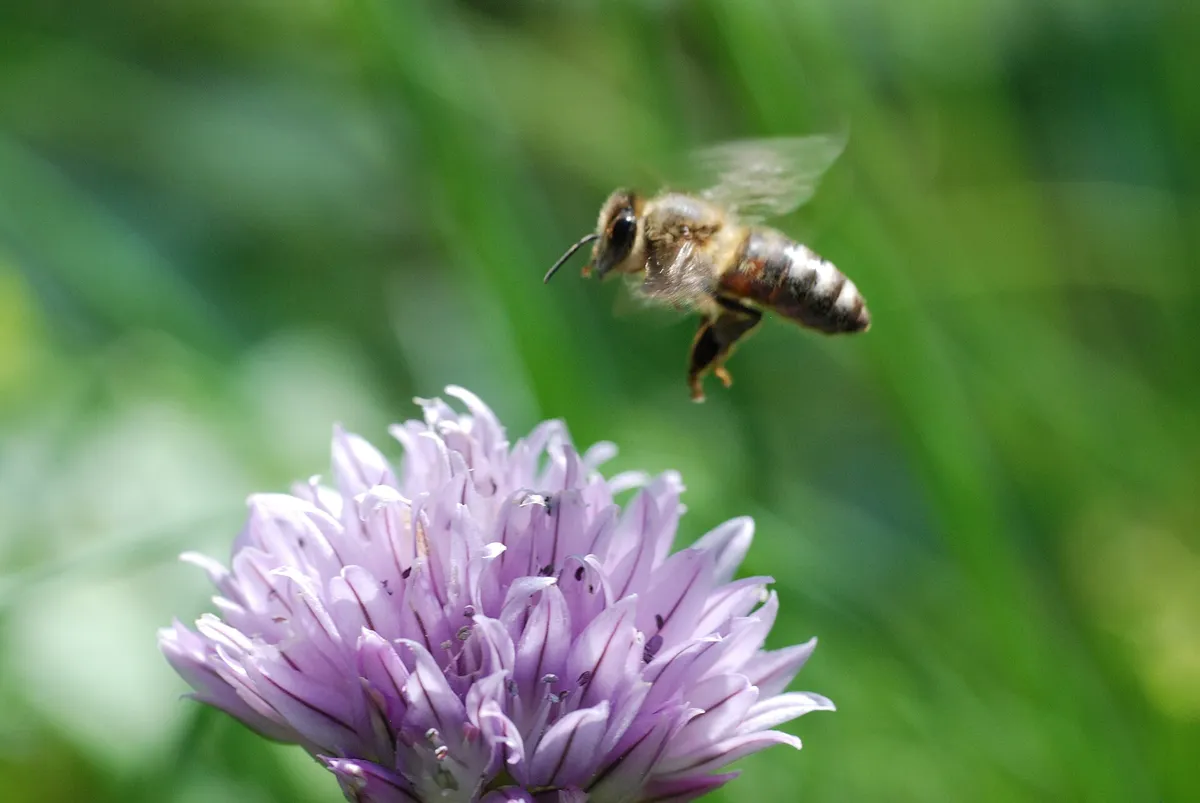
| Honey bee | 2 pairs, clear, hooked together | 12 to 15 mm | Golden brown, black bands, fuzzy | Flowers, gardens, hives | Stings once, then dies |
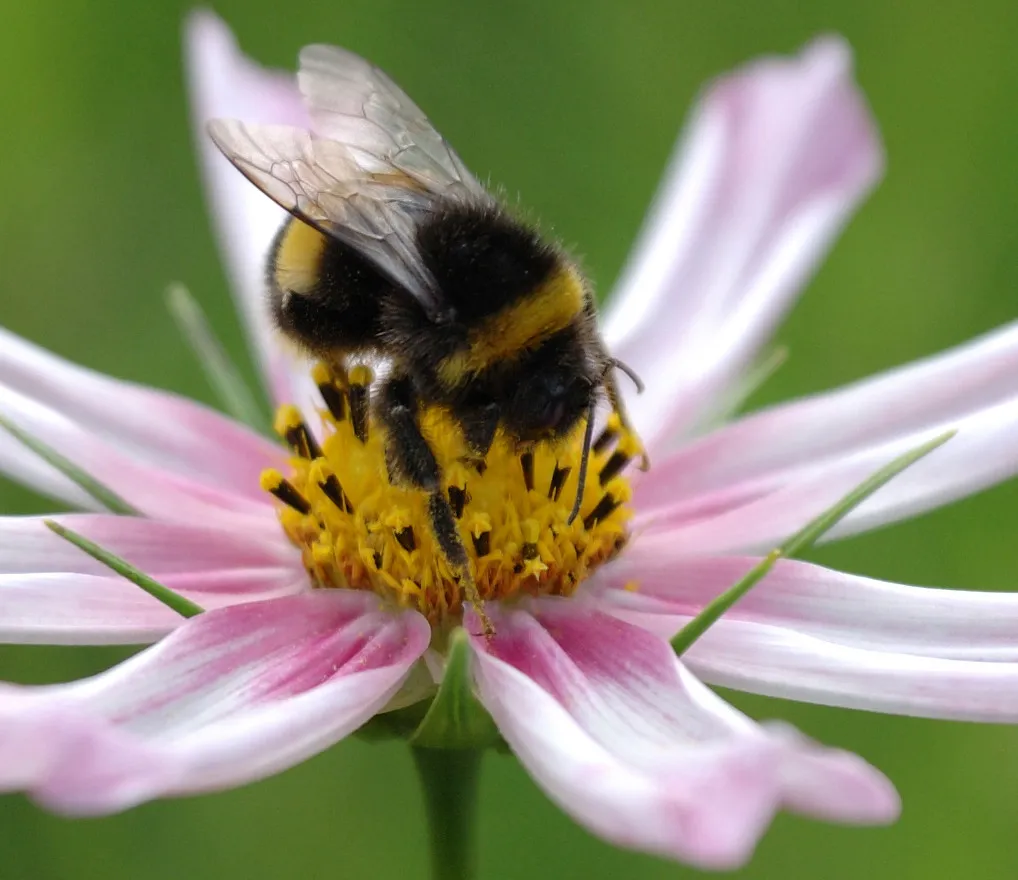
| Bumblebee | 2 pairs, clear | 17 to 23 mm | Large, very fuzzy, black and yellow bands | Flowers, gardens, meadows | Can sting repeatedly, usually calm |
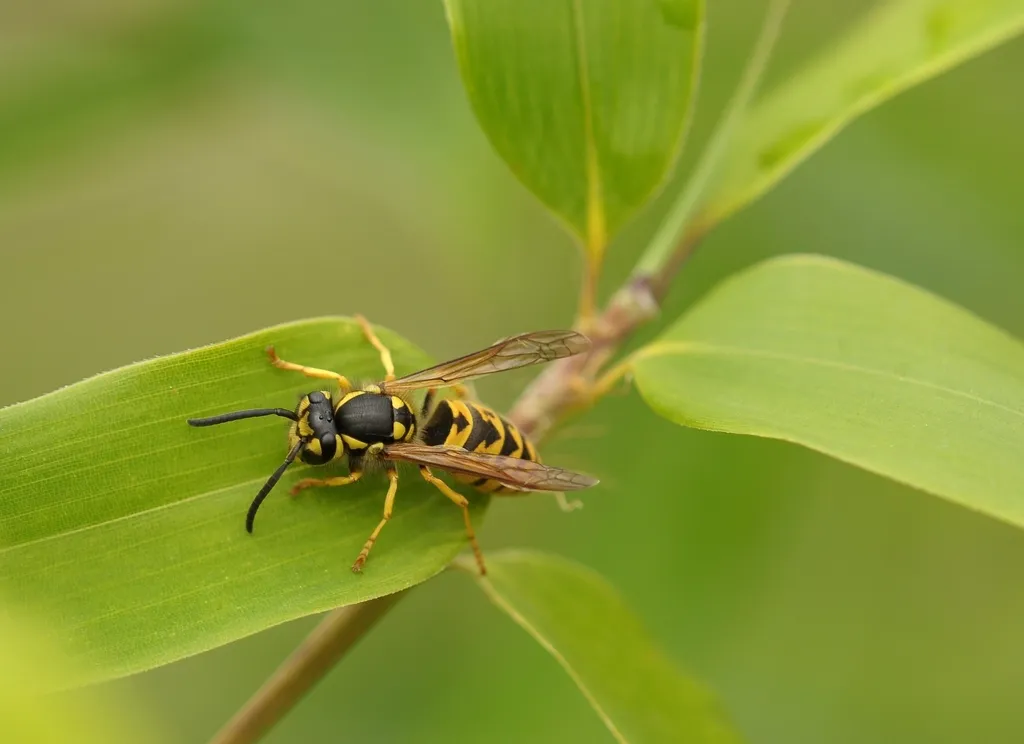
| Yellow jacket | 2 pairs, clear, folded at rest | 10 to 16 mm | Bright yellow and black, smooth, thin waist | Picnics, garbage, wall cavities, ground nests | Aggressive, stings repeatedly |
| Paper wasp | 2 pairs, clear | 16 to 20 mm | Reddish brown or black, yellow marks, long legs in flight | Eaves, porches, sheds | Stings if nest is disturbed |
| Mud dauber | 2 pairs, clear | 20 to 25 mm | Black, yellow marks, thread-like waist | Mud nests on walls, sheds, barns | Shy, rarely stings |
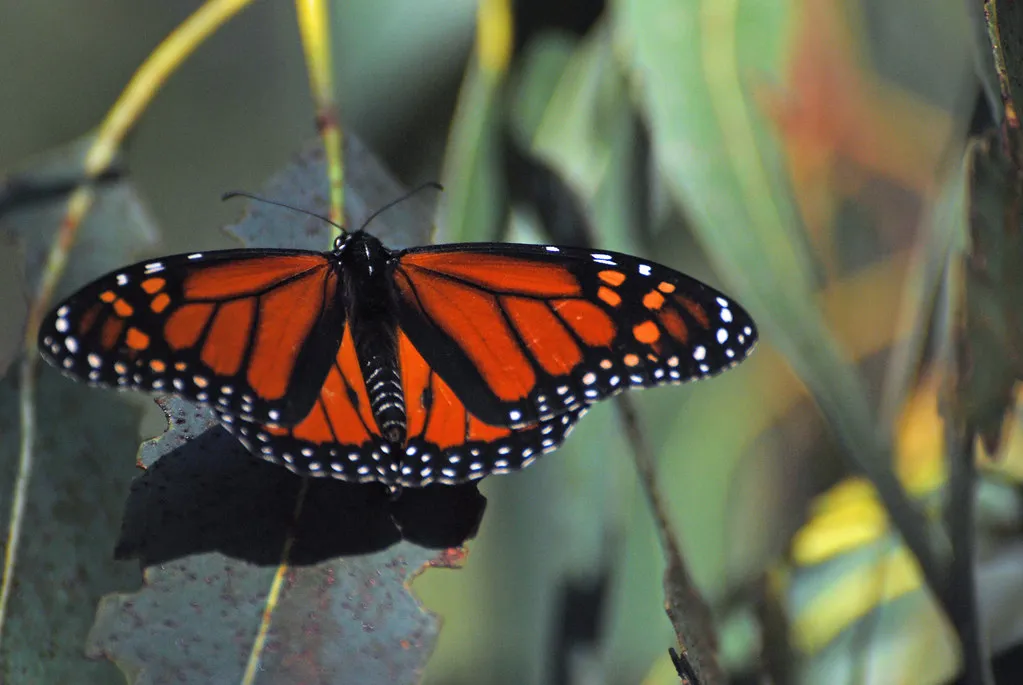
| Monarch butterfly | 2 pairs, large, scaly | Wingspan 90 to 100 mm | Bright orange wings, black borders, white spots | Gardens, meadows, milkweed | Harmless, no bite or sting |
| Indian meal moth | 2 pairs, scaly | Wingspan 16 to 20 mm | Gray wings, reddish brown outer band | Pantries, grain, dried food | Harmless, larvae spoil stored food |
| Clothes moth | 2 pairs, scaly, narrow | Wingspan 12 to 16 mm | Golden tan, plain wings, no spots | Closets, wool, stored clothing | Harmless, larvae eat natural fibers |
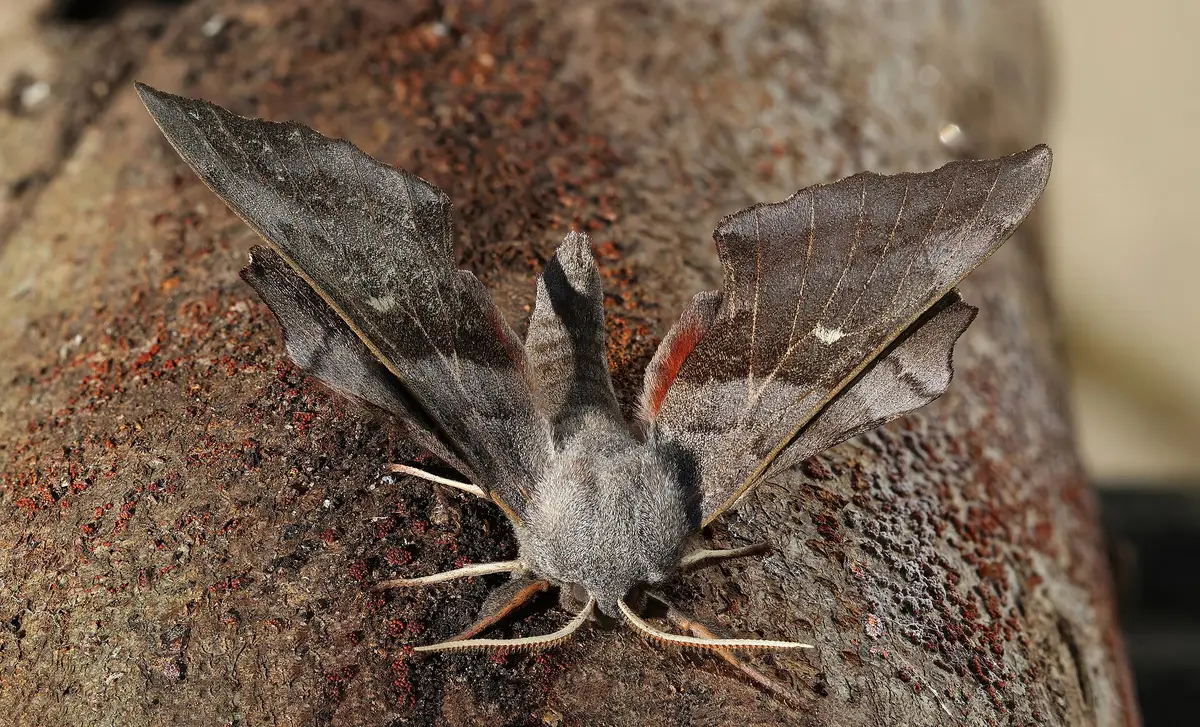
| Sphinx moth | 2 pairs, stout, narrow | Wingspan 50 to 130 mm | Thick body, mottled brown or gray, hovers like a hummingbird | Gardens, near flowers at dusk | Harmless, does not bite |
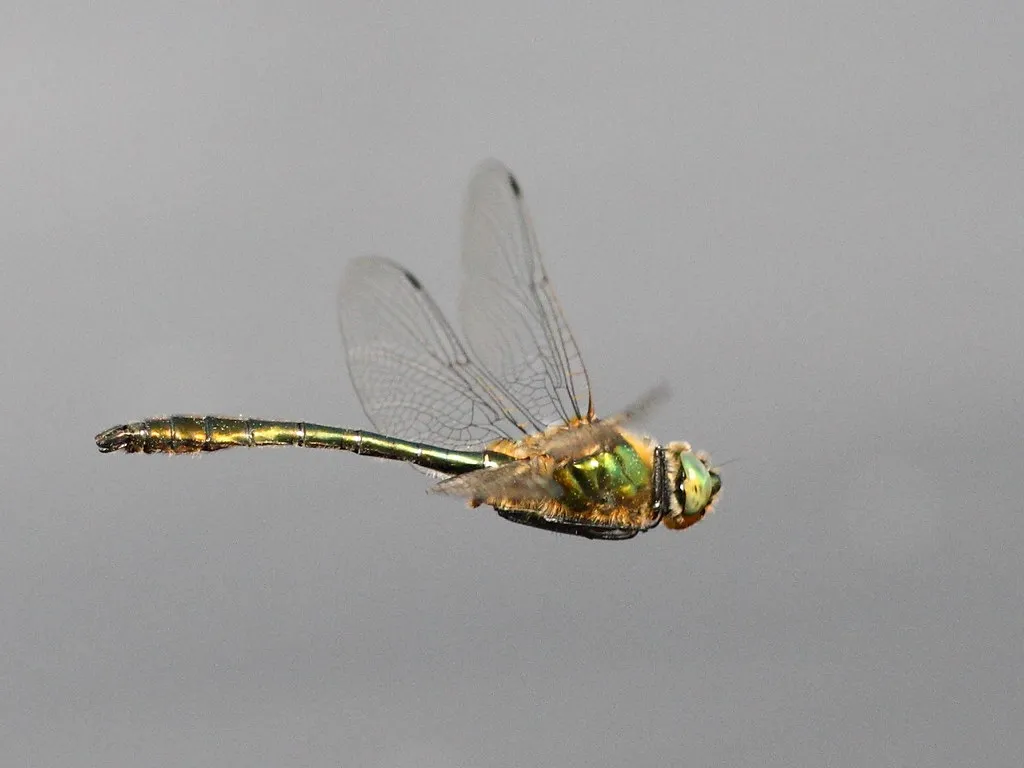
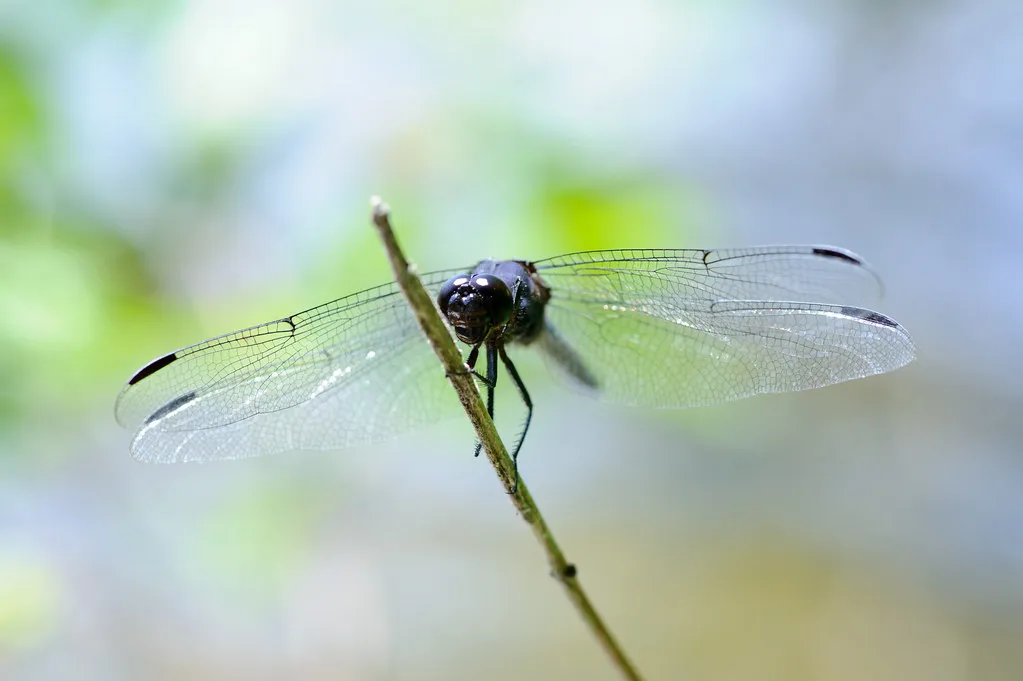
| Dragonfly | 2 pairs, clear, held flat at rest | 25 to 100 mm | Long thin body, huge eyes, blue, green, or red | Ponds, lakes, wetlands | Harmless, eats mosquitoes |
| Damselfly | 2 pairs, clear, held above body at rest | 20 to 50 mm | Very slender, metallic blue or green | Ponds, streams, marsh edges | Harmless, no bite or sting |
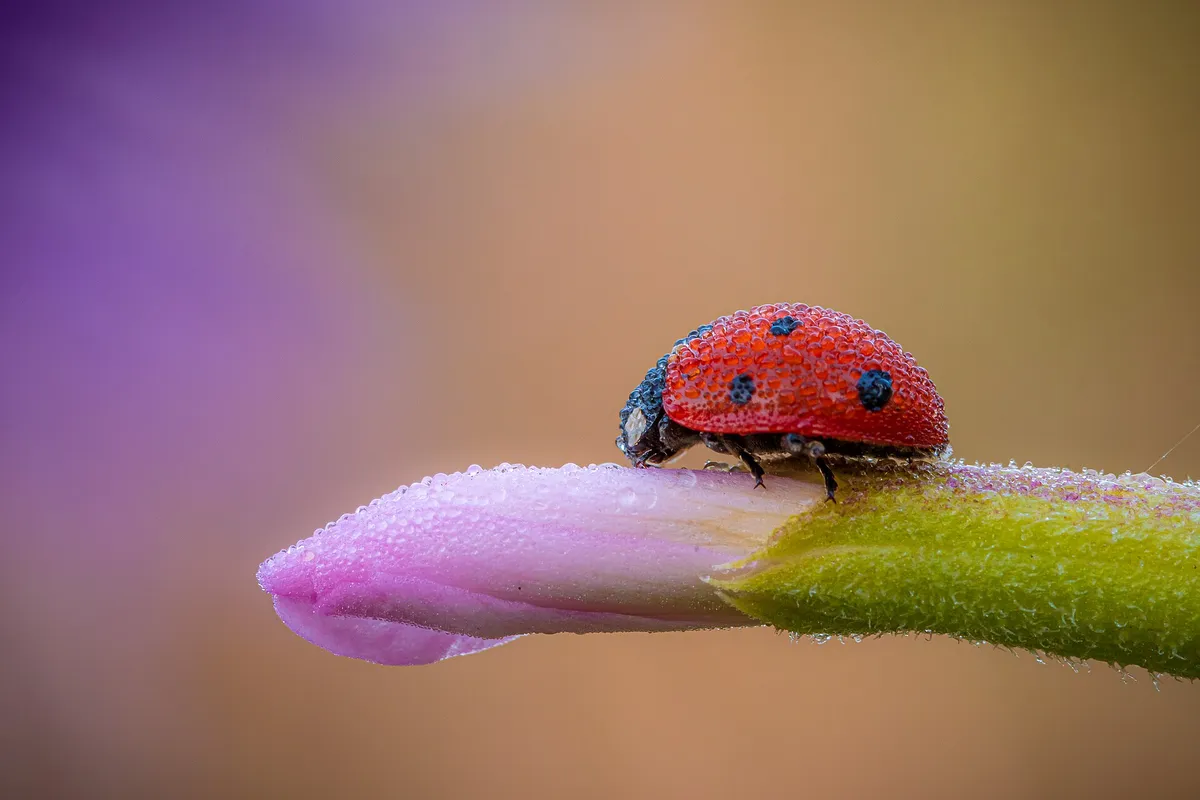
| Asian lady beetle | 2 pairs, front wings hard shells | 5 to 8 mm | Orange or red dome, black spots, white M behind head | Windows, walls, gardens in fall | Harmless, may nip lightly |
Silverfish do not fly, and most cockroaches do not fly either, so neither belongs on this chart. If your bug has no wings, use a wingless insect guide instead.

How to Identify a Flying Insect in 4 Steps
Work through these four questions in order.
Step 1: Count the wings. One pair means a true fly, such as a housefly or mosquito. Two pairs means a bee, wasp, butterfly, moth, dragonfly, or beetle. Beetle front wings are hard shells, so you will see a shiny cover instead of a second flying wing.
Step 2: Measure it against something familiar. A grain of rice is about 6 mm, so a fruit fly is half a grain and a housefly is about one grain. A yellow jacket is roughly paperclip length. Size alone rules out half the chart.
Step 3: Look at the waist and body. Bees are fuzzy all over. Wasps are smooth with a pinched waist. Flies have short antennae and big eyes. Moths and butterflies have feathery antennae and scaly wings.
Step 4: Note where and when you saw it. A tiny fly over a banana is almost certainly a fruit fly. A fuzzy fly near a drain is a drain fly. A big, loud fly near a pond at dusk is a horse fly.
Black Flying Insects: How to Tell Them Apart
Dark color hides small details, so start with size and wings.
Tiny, 2 to 4 mm, around houseplants: fungus gnat. Tiny near a drain: drain fly. Both are harmless and point to dampness.
Housefly sized, gray with stripes: housefly. Solid black, smooth, thin waist: wasp or yellow jacket, give it space. Solid black, large, very fuzzy: carpenter bee or bumblebee, far calmer than it looks.
At rest, a housefly holds wings flat, a wasp folds them along its body, and a moth holds them like a tent. Feathery antennae give a moth away. When in doubt, photograph it and zoom in.
Brown Flying Insects: How to Tell Them Apart
Moths are the fuzzy camp: soft, dusty bodies, broad wings, active at night around lights. A pantry moth with a reddish brown band is an Indian meal moth, so check flour, rice, and pet food for webbing.
The hard camp is mostly beetles. An Asian lady beetle is a small orange dome with black spots, gathering on sunny windows in fall. A brown stink bug is shield shaped and smells when disturbed.
A brown lacewing has delicate, netted wings and eats aphids, a helpful garden predator. Wing pattern is the tiebreaker: lacewing wings look like netting, moth wings look dusty, beetle wings hide under a shell.
Flying Insects That Bite, Sting, or Are Harmless
Most flying insects cannot hurt you. The ones that can fall into two groups.
Biters are almost always flies. Mosquitoes, horse flies, and black flies bite because females need blood to lay eggs. Bitten near water at dawn or dusk, a mosquito is the likely culprit. A painful daylight bite near livestock points to a horse fly.
Stingers are bees, wasps, and hornets. A sting is defensive, used only when trapped or the nest is threatened. Honey bees sting once and die. Yellow jackets, paper wasps, and bumblebees can sting more than once.
Harmless insects make up most of the chart: butterflies, moths, dragonflies, damselflies, crane flies, fruit flies, and lady beetles. Dragonflies eat hundreds of mosquitoes a day, lady beetles eat aphids, and bees pollinate garden plants.
Most Common Flying Insects Indoors
Five insects cause most indoor sightings.
Houseflies mean food or garbage is accessible. They breed in trash, pet waste, and compost, so sealed bins and prompt cleanup cut their numbers fast. Fly screens stop most of them.

Fruit flies mean ripe or fermenting produce is out in the open. Store fruit in the fridge, empty compost bins daily, and wipe up juice spills. A bowl of apple cider vinegar with a drop of dish soap catches the adults.
Drain flies mean a drain has organic buildup. They breed in slime inside pipes, so boiling water helps only briefly. Scrub the drain with a brush and enzyme cleaner to remove the film.
Fungus gnats mean potting soil stays wet too long. Let the top inch of soil dry between waterings, remove dead leaves, and add a thin sand layer on the surface to block egg laying.
Pantry moths mean stored food is infested. Check flour, rice, cereal, nuts, and pet food for webbing and caterpillars. Throw out infested packages, vacuum shelves, and store dry goods in sealed containers.
For more detail, our wasp identification chart covers 20 common wasps with nest types, the bee identification chart separates honey bees, bumblebees, and carpenter bees, and the insect egg identification chart shows common eggs before they grow wings.
What Attracts Flying Insects and How to Keep Them Out
Flying insects come indoors for food, water, and light.
Food is the biggest draw. Keep fruit covered or refrigerated, seal dry goods, take out garbage daily, and clean spills right away. Pick up pet food bowls after feeding time.
Water is the second draw. Fix leaking taps, empty saucers under pots, and clear clogged gutters. Mosquitoes breed in a bottle cap of water, so tip out anything that holds water after rain.
Light is the third draw, especially for moths. Porch lights left on all night pull moths, crane flies, and beetles to your door. Use yellow bug lights or motion sensors, and close curtains at night.
For insects you want to keep, plant native flowers and leave a small wild corner in your garden. The chart above tells a welcome visitor from a pest before you spray.
Frequently Asked Questions
What is the most common flying insect in a house?
The housefly, followed by fruit flies in kitchens and drain flies in bathrooms. All three are controlled by removing the source, not by spraying.
How can I tell a bee from a wasp?
Bees are fuzzy with pollen on their legs. Wasps are smooth, shiny, narrow waisted, and bright yellow and black. Bees visit flowers; wasps visit picnics and garbage and defend nests aggressively.

Do crane flies bite humans?
No. They look like giant mosquitoes but have no biting mouthparts. Adults live only a few days and mostly do not feed.
What flying insect looks like a mosquito but is bigger?
A crane fly: 13 to 25 mm with very long legs, against a mosquito at 3 to 6 mm. Crane flies are harmless and gather around porch lights at night.
Are dragonflies dangerous?
No. They do not bite or sting, and they hunt mosquitoes, midges, and other small insects on the wing. A garden with dragonflies has fewer biters.

Conclusion
Count the wings, check the size and markings, and note where you found it, and you will name most flying insects on the first try. Most are harmless or helpful, so identify first, then decide whether the insect needs removing or deserves to stay.