The first time most people meet one of the largest domestic cat breeds, they do a double take. The cat is not fat and not a wild animal, just built on a bigger scale: longer body, heavier bones, bigger paws, and a tail that seems to go on forever. A full grown Maine Coon stretched out on a sofa can be longer than a toddler.
Size in cats is not one number, though. A breed can be the heaviest without being the tallest, and the longest without being the heaviest. This guide ranks the largest domestic cat breeds by real measurements, so you can compare weight, height, length, and lifespan, and pick the giant that fits your home. For a month by month breakdown, see our Maine Coon weight chart.
Largest Domestic Cat Breeds: 10 Breeds Ranked by Size
The chart below lists the ten largest domestic cat breeds, ordered by typical adult weight. Weights are for healthy adults, males usually at the top of the range. Height is at the shoulder, length from nose to tail tip.
| # | Breed | Adult Weight | Height | Length | Lifespan | Temperament |
|---|---|---|---|---|---|---|
| 1 | Maine Coon | 13 to 18 lb (large males to 25 lb) | 10 to 16 in | 19 to 40 in | 10 to 13 years | Gentle, dog-like, chatty |
| 2 | Savannah | 12 to 25 lb | 14 to 18 in | 20 to 30 in | 12 to 20 years | Active, loyal, bold |
| 3 | Norwegian Forest Cat | 13 to 22 lb | 9 to 12 in | 18 to 30 in | 14 to 16 years | Calm, sturdy, independent |
| 4 | Ragdoll | 15 to 20 lb | 9 to 11 in | 17 to 21 in | 12 to 17 years | Docile, floppy, affectionate |
| 5 | Chausie | 15 to 25 lb | 12 to 18 in | 18 to 28 in | 12 to 14 years | Athletic, bold, high energy |
| 6 | Siberian | 12 to 20 lb | 9 to 11 in | 17 to 25 in | 11 to 18 years | Playful, affectionate, hardy |
| 7 | British Shorthair | 12 to 17 lb | 9 to 11 in | 18 to 25 in | 12 to 17 years | Calm, quiet, independent |
| 8 | Ragamuffin | 12 to 20 lb | 9 to 11 in | 18 to 20 in | 12 to 16 years | Sweet, cuddly, patient |
| 9 | Turkish Van | 10 to 18 lb | 9 to 11 in | 18 to 24 in | 13 to 17 years | Energetic, playful, loves water |
| 10 | Pixie-bob | 8 to 17 lb | 10 to 12 in | 18 to 24 in | 13 to 15 years | Dog-like, loyal, chatty |
Two things stand out. The Maine Coon is the largest overall, combining heavy weight with the longest body of any domestic breed. The Savannah is the tallest, thanks to its long legs.
Meet the 7 Biggest Breeds Up Close
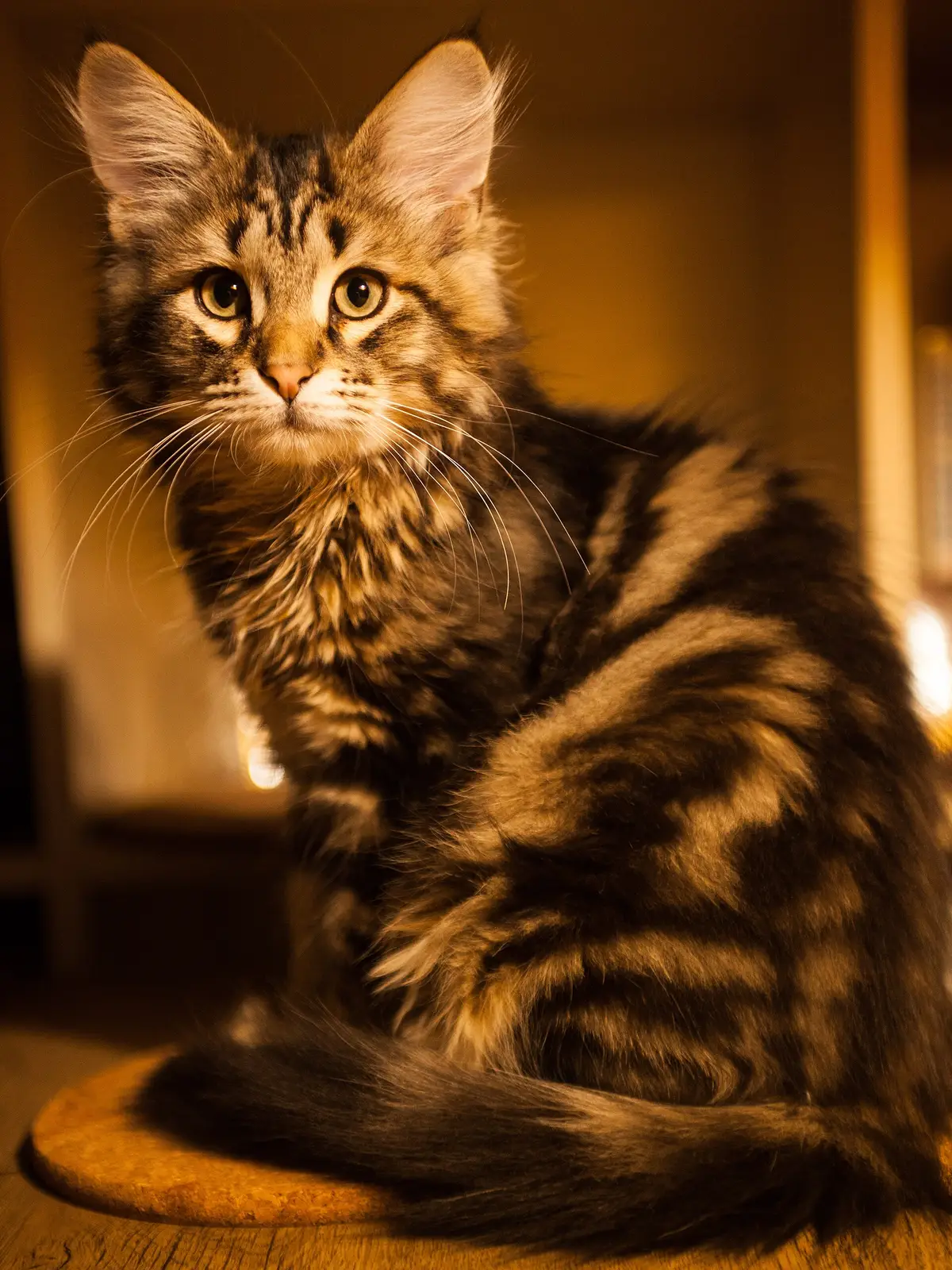
Maine Coon. The classic gentle giant. Males weigh 13 to 18 pounds, large males passing 20 pounds without being overweight. They have tufted ears, a heavy neck ruff, and a long bushy tail, and often follow their owners around. Brush them twice a week to prevent mats.

Savannah. The tallest domestic cat, bred from a domestic cat crossed with a serval. It has long legs, big upright ears, and a spotted coat. Early generations (F1 and F2) reach 17 to 25 pounds, while later generations are smaller and more settled. They jump to the top of bookshelves and learn to walk on a leash. Check local laws first: early generations are restricted in some states.

Norwegian Forest Cat. Built for cold Scandinavian winters, this breed is heavy, muscular, and covered in a thick double coat that sheds water and snow. Males reach 13 to 22 pounds, taking four or five years to reach full size. Despite the rugged look, these cats are calm and friendly, and love a tall cat tree near a window.

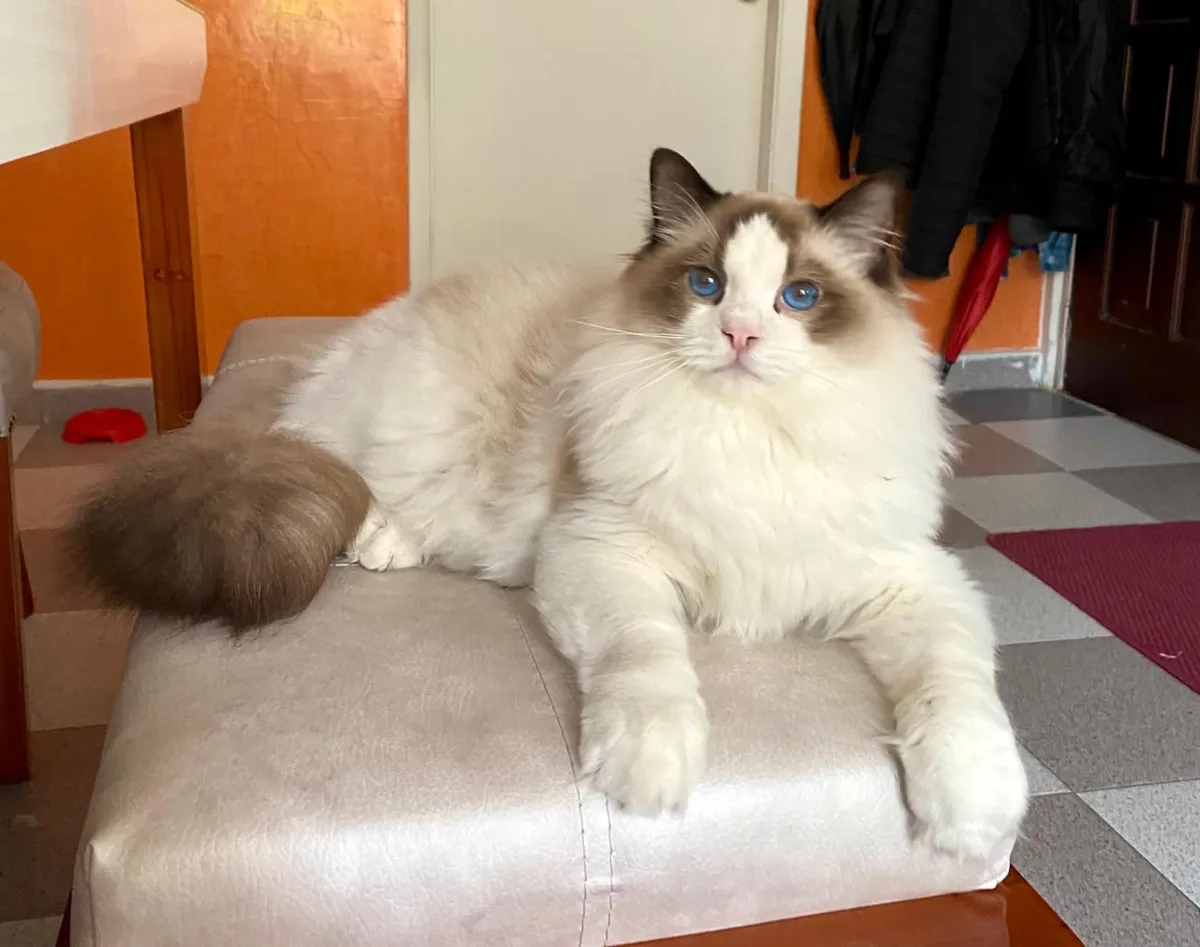
Ragdoll. Famous for going limp when picked up, which is how the breed got its name. Males often weigh 15 to 20 pounds under a soft semi-long coat, with blue eyes and colorpoint markings. Ragdolls are among the most people-oriented cats here, often greeting visitors at the door. Our Ragdoll cat weight chart shows their growth.
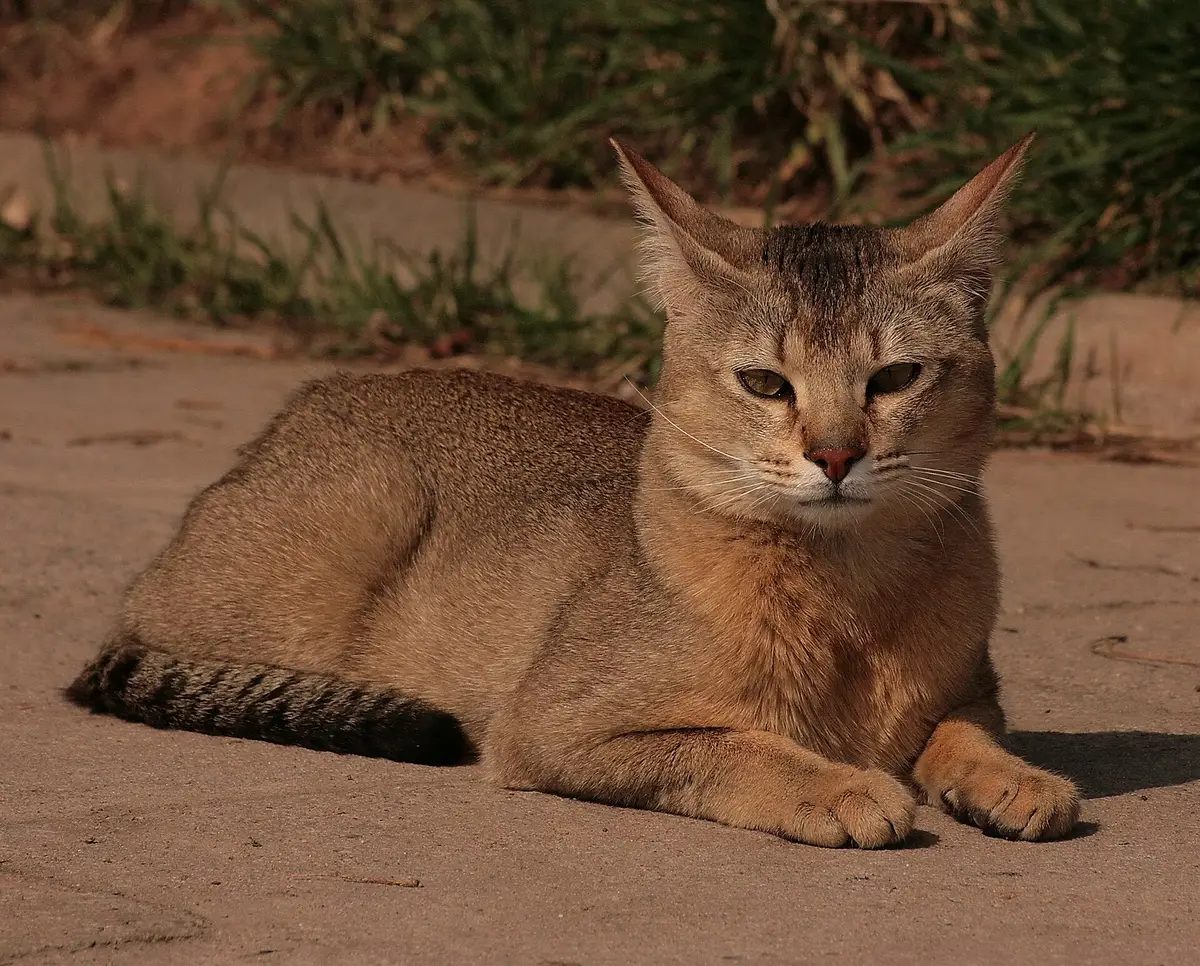
Chausie. Long, lean, and powerful rather than bulky, more athlete than heavyweight. Bred from a domestic cat crossed with a jungle cat, it stands 12 to 18 inches at the shoulder. Chausies need space and play: a bored Chausie will invent its own games, usually involving your shelves.
Siberian. A heavy, compact cat from Russia, with a thick triple coat and a sturdy, barrel-chested body. Males weigh 12 to 20 pounds, yet the breed is agile, jumping and climbing with surprising ease. Siberians stay playful well into adulthood. Many people with mild cat allergies report fewer symptoms around Siberians, which tend to produce less of the Fel d 1 protein.
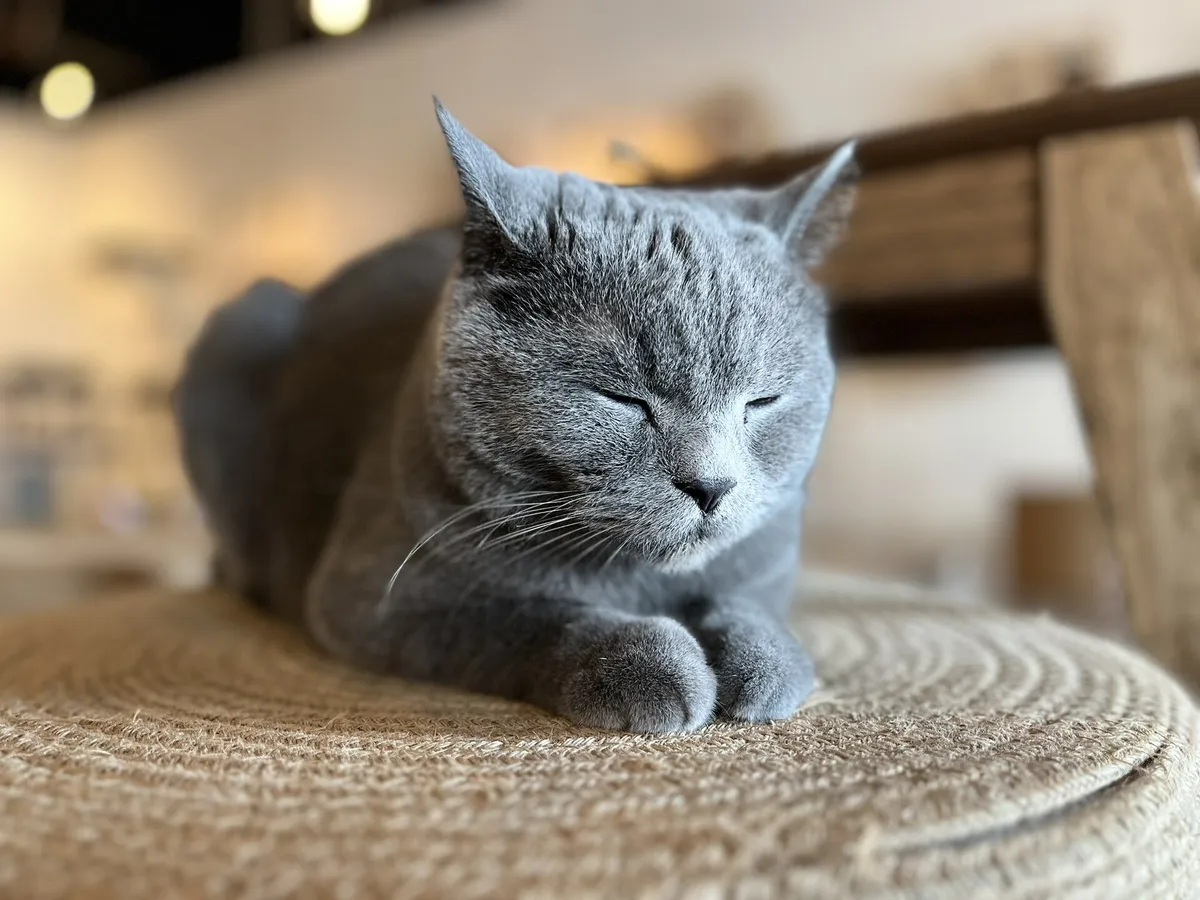
British Shorthair. This breed earns its place through density, not height. It is short and stocky, with a broad chest, thick legs, and a plush coat that makes it look even bigger than it is. Males weigh 12 to 17 pounds. British Shorthairs are calm, quiet, and undemanding, suiting people who work during the day.
How Big Do Large Cats Get? Growth Timeline
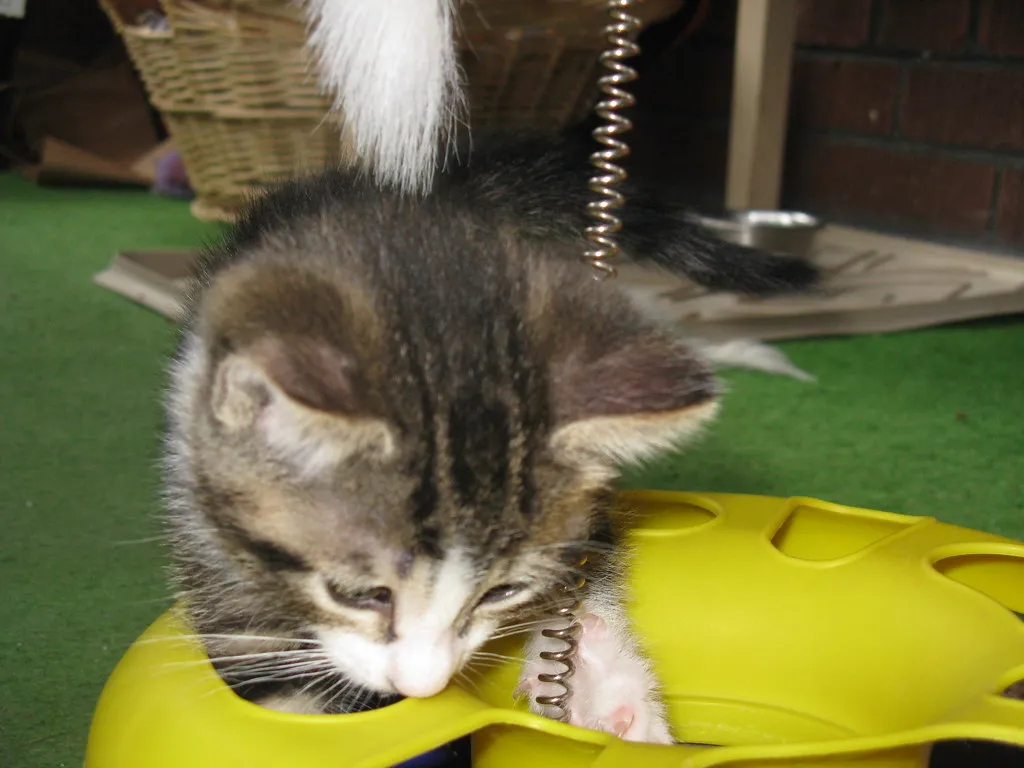
One surprise for new owners is how slowly the largest domestic cat breeds grow. An ordinary house cat is full grown at about one year old, while a Maine Coon or a Norwegian Forest Cat can keep growing until it is four or five years old.
| Age | Share of Adult Weight | What to Expect |
|---|---|---|
| 3 months | About 25 to 30 percent | Fast growth, big appetite |
| 6 months | About 50 percent | Gangly legs, adult coat coming in |
| 1 year | About 70 to 80 percent | Nearly full size, still filling out |
| 2 years | About 90 percent | Nearly full weight, still broadening |
| 3 to 5 years | 100 percent | Full adult size |
Because growth lasts so long, large breed kittens need kitten food until at least 12 to 18 months. Weigh your kitten monthly in the first year: a kitten that stops gaining, or gains far too fast, is worth a vet visit. For lifespans by size, see our cat lifespan chart.
What Actually Makes a Cat Breed Large?
Three different measurements make a cat large, and they do not always go together. Weight reflects bone, muscle, and body mass. Height at the shoulder reflects leg length, which is why the Savannah and Chausie tower over heavier breeds. Length reflects the spine and tail, where the Maine Coon wins, some males reaching 40 inches from nose to tail tip.
Males are almost always bigger than females in these breeds, often by 3 to 6 pounds, so check whether a weight range is for males, females, or both. Bone structure matters too: a British Shorthair and a Ragdoll can weigh the same while looking completely different, one short and dense, the other long and heavy. An overweight cat is not a large breed cat.
Living With a Large Cat
A large cat changes the practical details of a home. The litter box is the first thing to upgrade: most standard boxes are too small for a 20 pound cat to turn around in, so buy an extra large box. Food is the second cost, since a big cat eats roughly a third more than an average cat, and a growing kitten can eat twice as much.
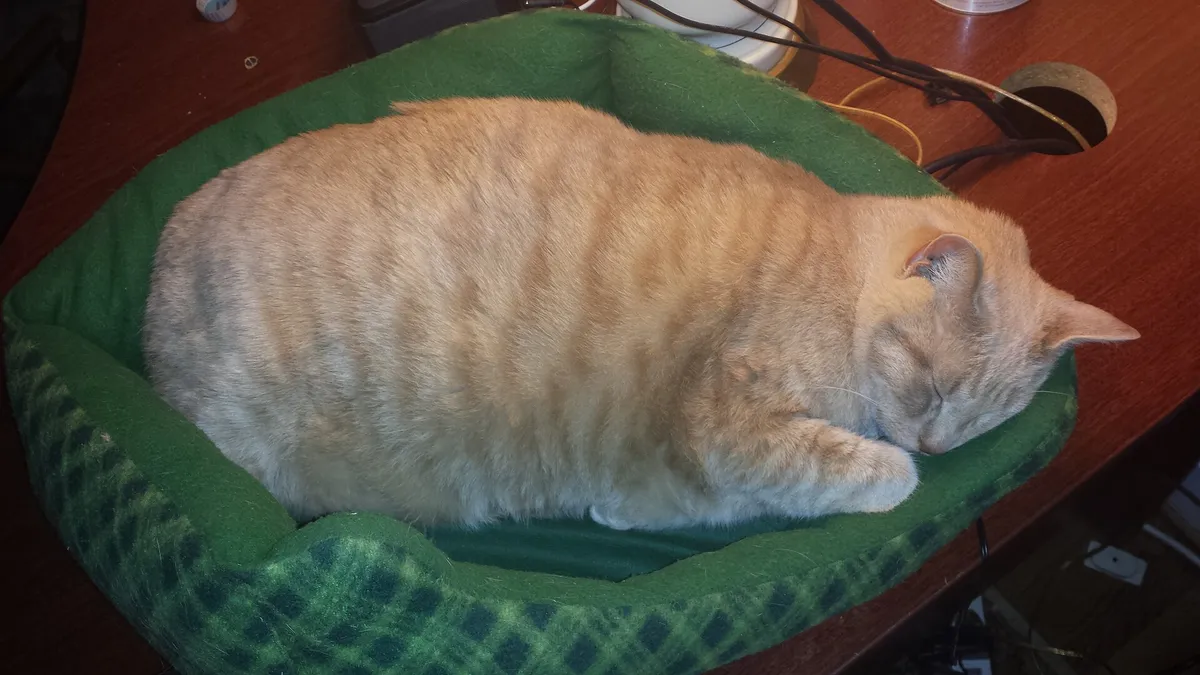
Furniture needs to be sturdier than you think. A light cat tree will wobble or tip under a heavy cat, so choose a solid wood tree with a wide base and a platform rated for at least 20 pounds. Scratching posts should be tall enough for a full stretch, at least 32 inches. Longhaired breeds need brushing two or three times a week, daily during spring shedding, to prevent painful mats.
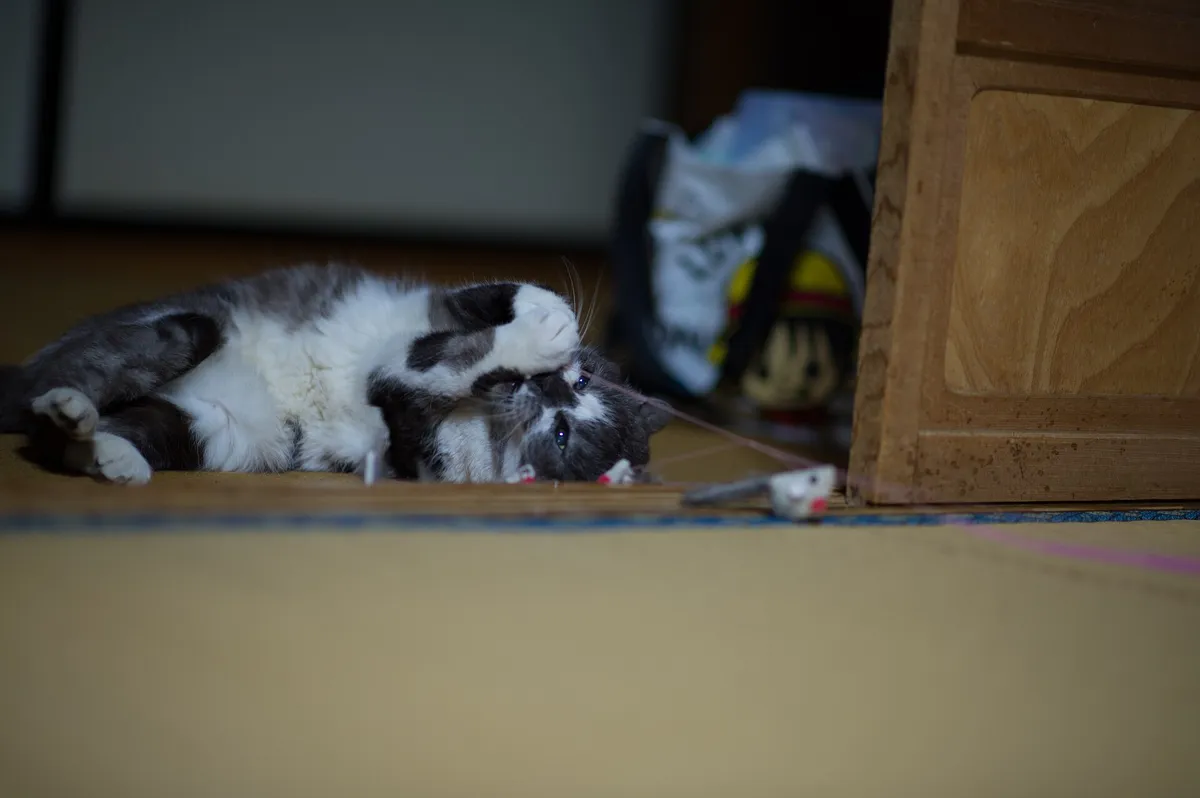
Exercise is not optional, especially for the athletic breeds. Savannahs and Chausies need daily interactive play, puzzle feeders, and climbing space, or they get bored and destructive. Even calmer giants benefit from two short play sessions a day.
Choosing the Right Large Breed for Your Home
The best large breed depends on your home and daily life, not just on which cat is biggest. For families with children, Ragdolls, Maine Coons, and Ragamuffins are the safest bets: patient, tolerant, and sturdy. For a small apartment, a British Shorthair or a Ragdoll fits better than a Savannah or a Chausie, which need room to run.

Budget matters too. Prices from reputable breeders run roughly 1,000 to 2,500 dollars for a Maine Coon or Ragdoll, and 1,500 to 5,000 dollars or more for a Savannah, depending on generation. Add vet care, litter boxes, a sturdy cat tree, and extra food, and the first year commonly costs 1,500 to 3,000 dollars. Rescue is cheaper: breed specific rescues regularly have adult Maine Coons and Ragdolls looking for homes.
Whatever breed you choose, buy from a breeder who health tests for the problems that affect large cats, especially hypertrophic cardiomyopathy, a heart condition common in Maine Coons and Ragdolls, and hip dysplasia. Ask to see the test results and meet the mother cat. A breeder who refuses either is one to walk away from.
Frequently Asked Questions
What is the largest domestic cat breed?
The Maine Coon is the largest domestic cat breed overall. Males typically weigh 13 to 18 pounds, large males reaching 25 pounds, and they can measure up to 40 inches long.
What is the tallest domestic cat breed?
The Savannah is the tallest, standing 14 to 18 inches at the shoulder thanks to its long serval legs.
Do large cat breeds eat more food?
Yes. A large adult cat eats roughly a third more than an average size cat, and a growing kitten can eat twice as much. Keep treats under 10 percent of daily calories.
Do large cat breeds live shorter lives?
Not necessarily. Most large breeds live 12 to 17 years, a normal cat lifespan. The Maine Coon is shorter lived at 10 to 13 years, while Savannahs and Siberians often reach 20 years.
Are Savannah cats legal everywhere?
No. Early generation Savannahs are restricted or banned in some US states, including New York, Georgia, and Hawaii, and in some cities. Later generations (F4 and beyond) are legal in most places, but check your state and city rules first.
Conclusion
The largest domestic cat breeds are gentle giants with real differences behind the size. The Maine Coon is the biggest all rounder, the Savannah is the tallest, the Ragdoll is the most relaxed, and the British Shorthair proves that heavy does not have to mean tall. Use the size chart above to compare them honestly, then choose the breed that fits your space, budget, and energy level. A large cat is a 12 to 20 year commitment.