
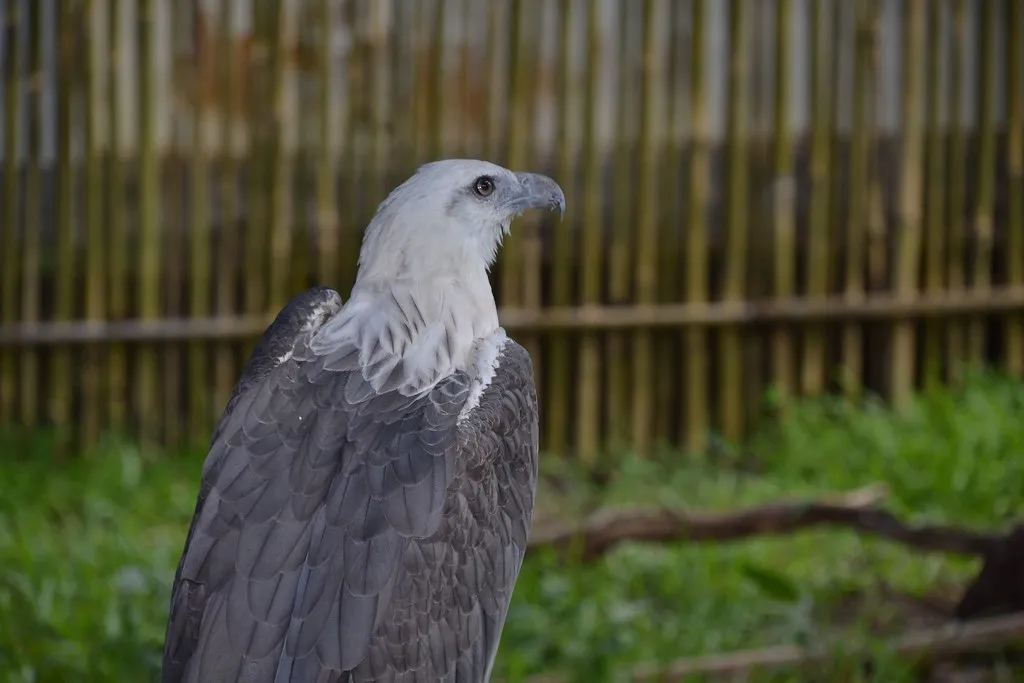
Some birds number in the millions. Others could fit in a single school hall. This endangered birds chart lists 15 of the rarest birds on Earth, with their IUCN status, estimated populations, home ranges, and the main threat each one faces.
Every number below is an estimate. What does not change is the pattern: most of these birds are in trouble because of things people did, from cutting forests to trapping birds for the pet trade. Several of them are also proof that conservation works when it is funded and sustained.
Endangered Birds Chart: 15 Species at Risk
The table uses the IUCN Red List categories. Critically Endangered (CR) means a species faces an extremely high risk of extinction in the wild. Endangered (EN) means a very high risk.
| # | Bird | IUCN Status | Estimated Population | Home Range | Main Threat |
|---|---|---|---|---|---|
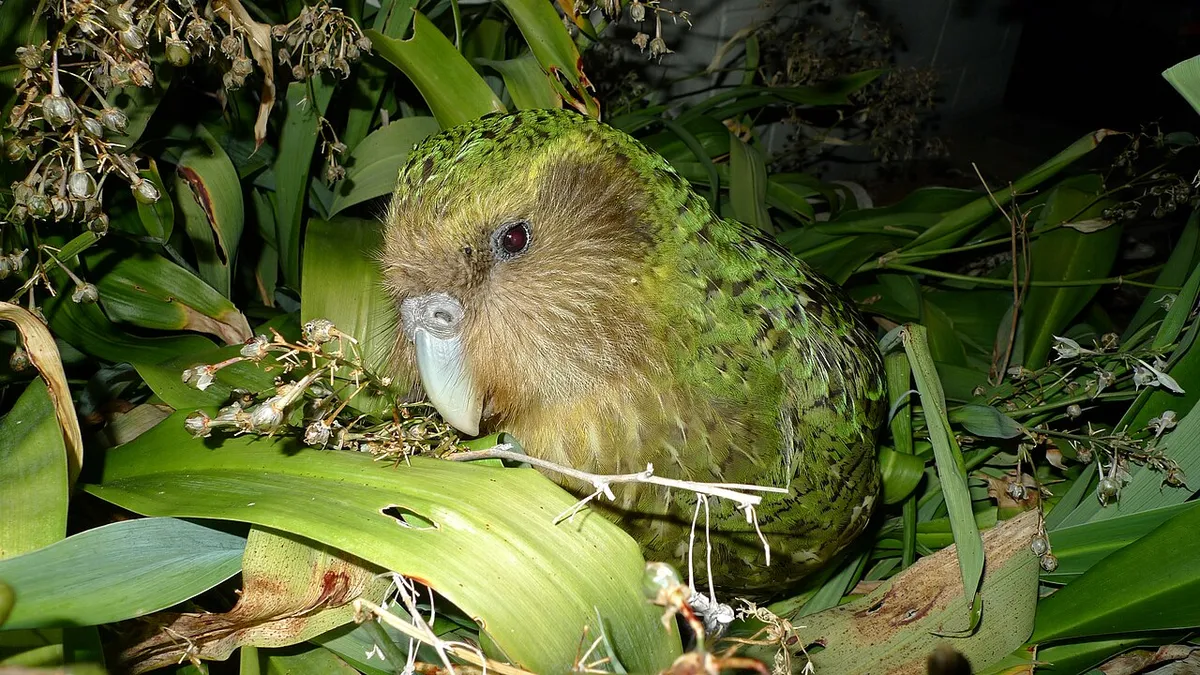
| 1 | Kakapo | Critically Endangered | About 250 | New Zealand | Introduced predators (stoats, rats, cats) |
| 2 | California Condor | Critically Endangered | About 560 (around 350 in the wild) | Western North America | Lead poisoning from ammunition |
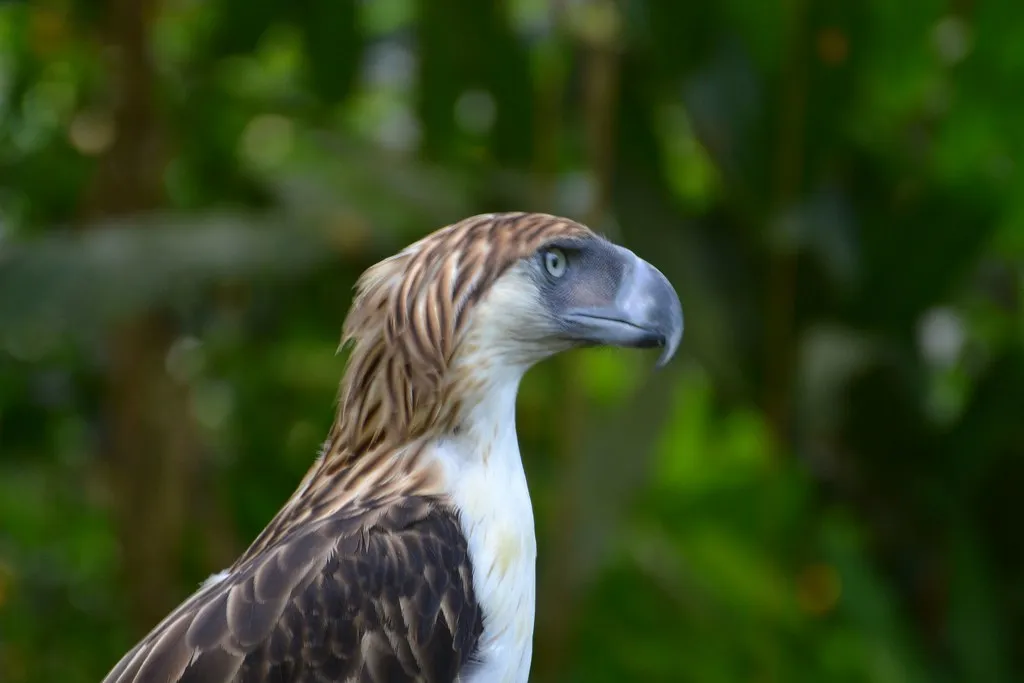
| 3 | Philippine Eagle | Critically Endangered | Fewer than 500 mature birds | Philippines | Forest loss |
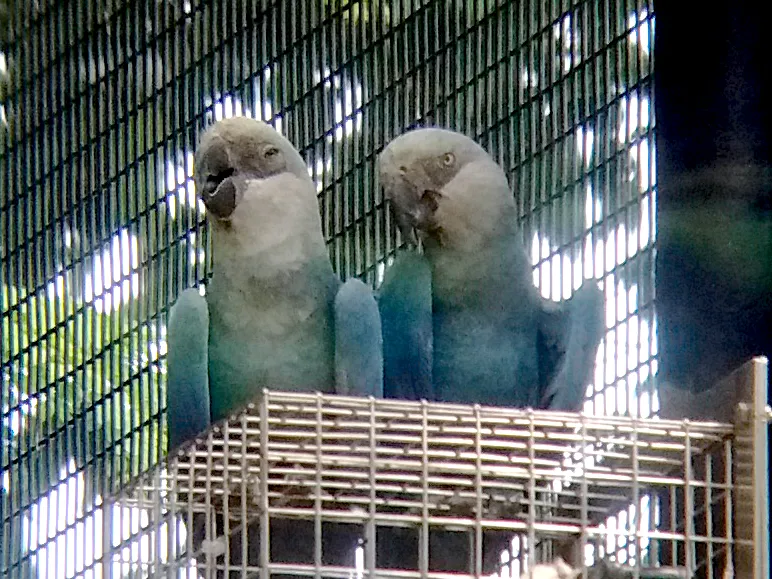
| 4 | Spix’s Macaw | Critically Endangered | About 350 in captivity; small reintroduced flock | Brazil | Pet trade and habitat loss |
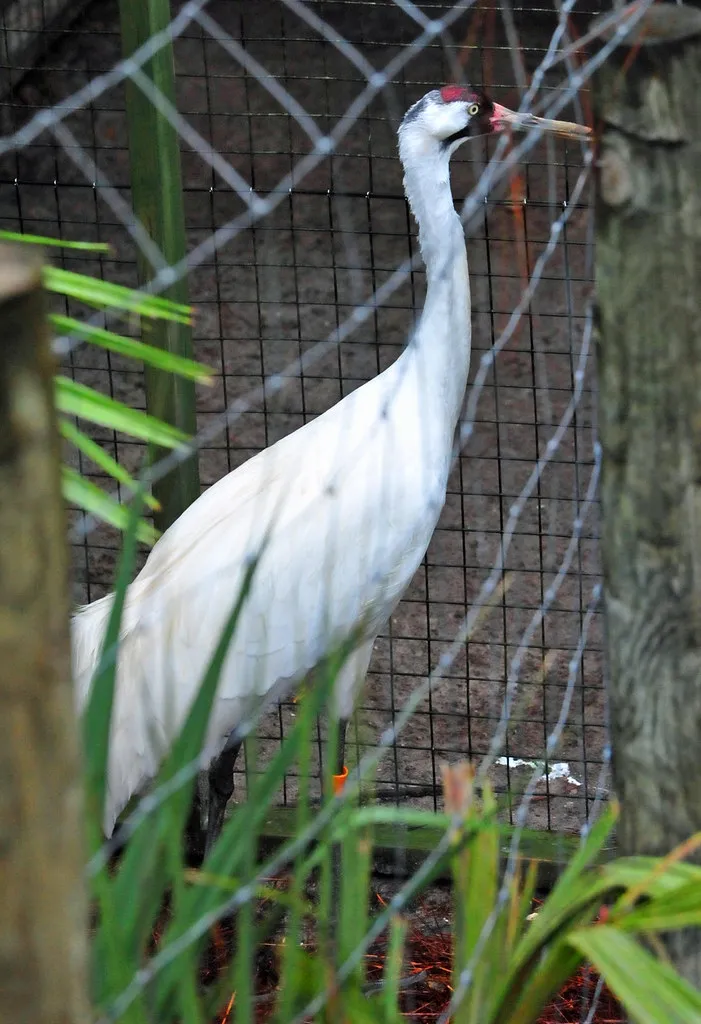
| 5 | Whooping Crane | Endangered | About 830 | North America | Habitat loss and power line collisions |
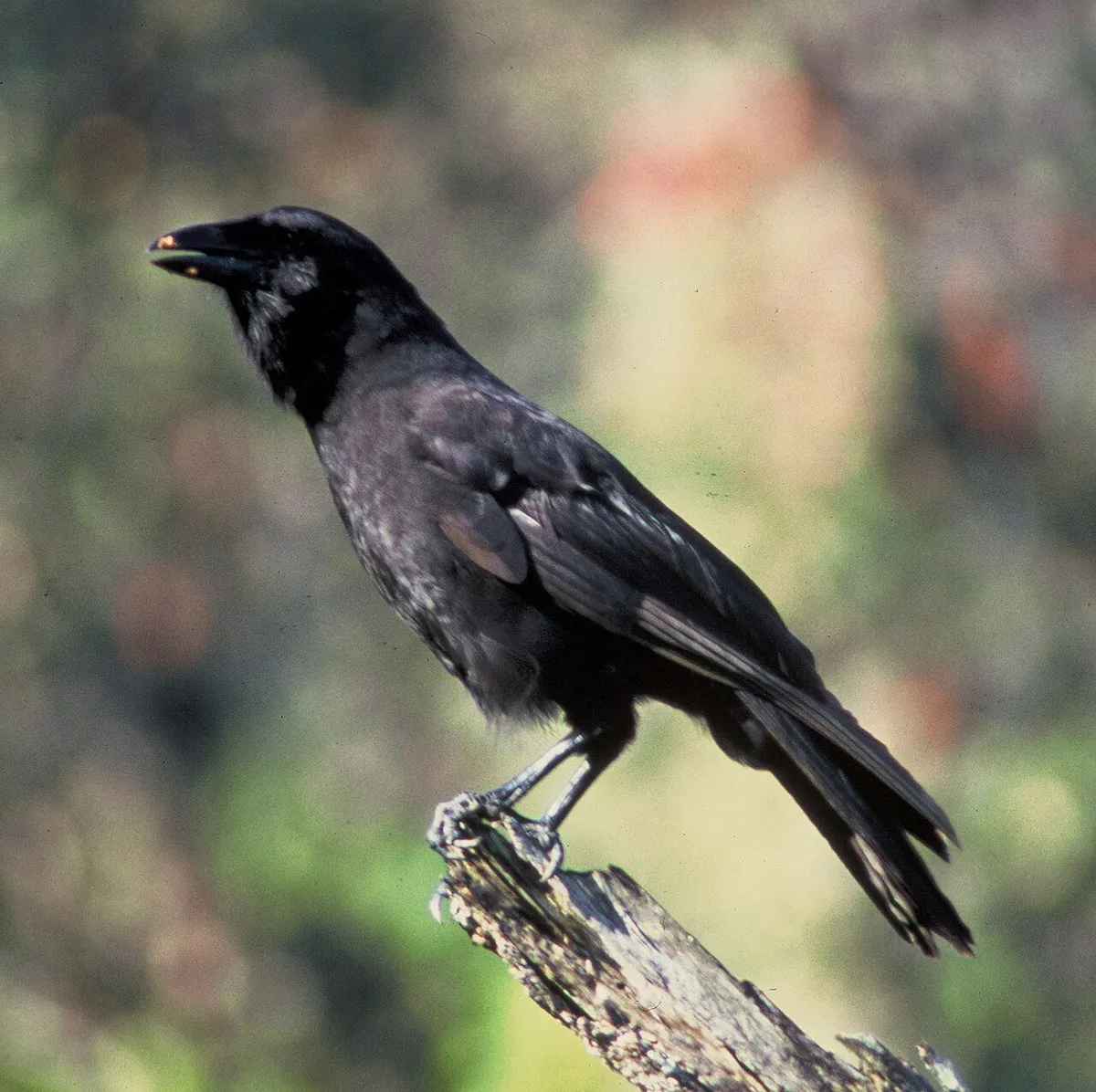
| 6 | Hawaiian Crow (‘Alala) | Critically Endangered | About 120 in captivity | Hawaii | Disease and introduced predators |
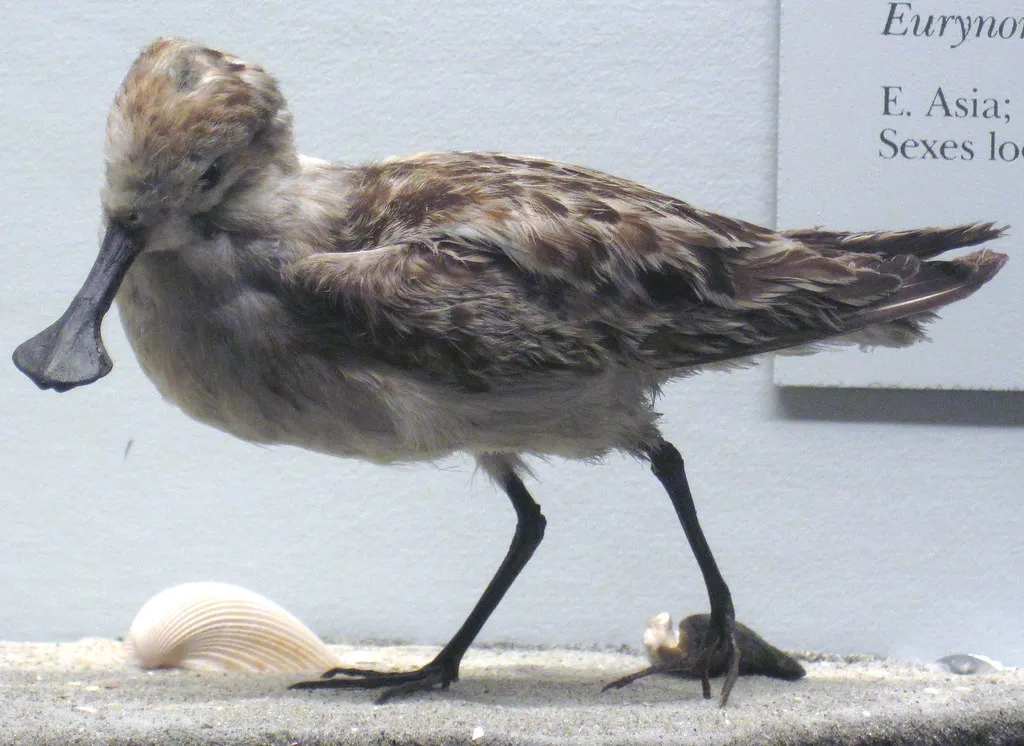
| 7 | Spoon-billed Sandpiper | Critically Endangered | About 400 to 600 mature birds | North-east Russia to South-east Asia | Mudflat loss and trapping |
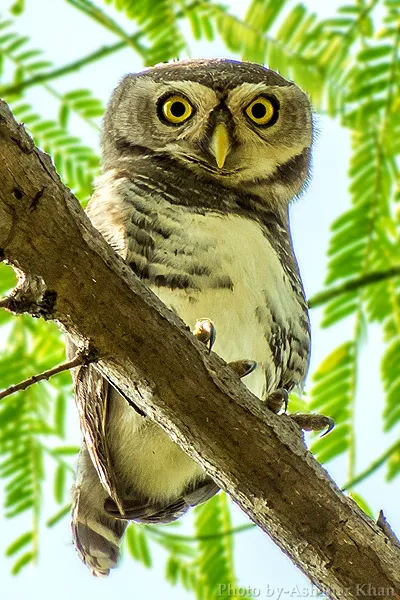
| 8 | Forest Owlet | Endangered | Fewer than 1,000 | Central India | Forest loss |
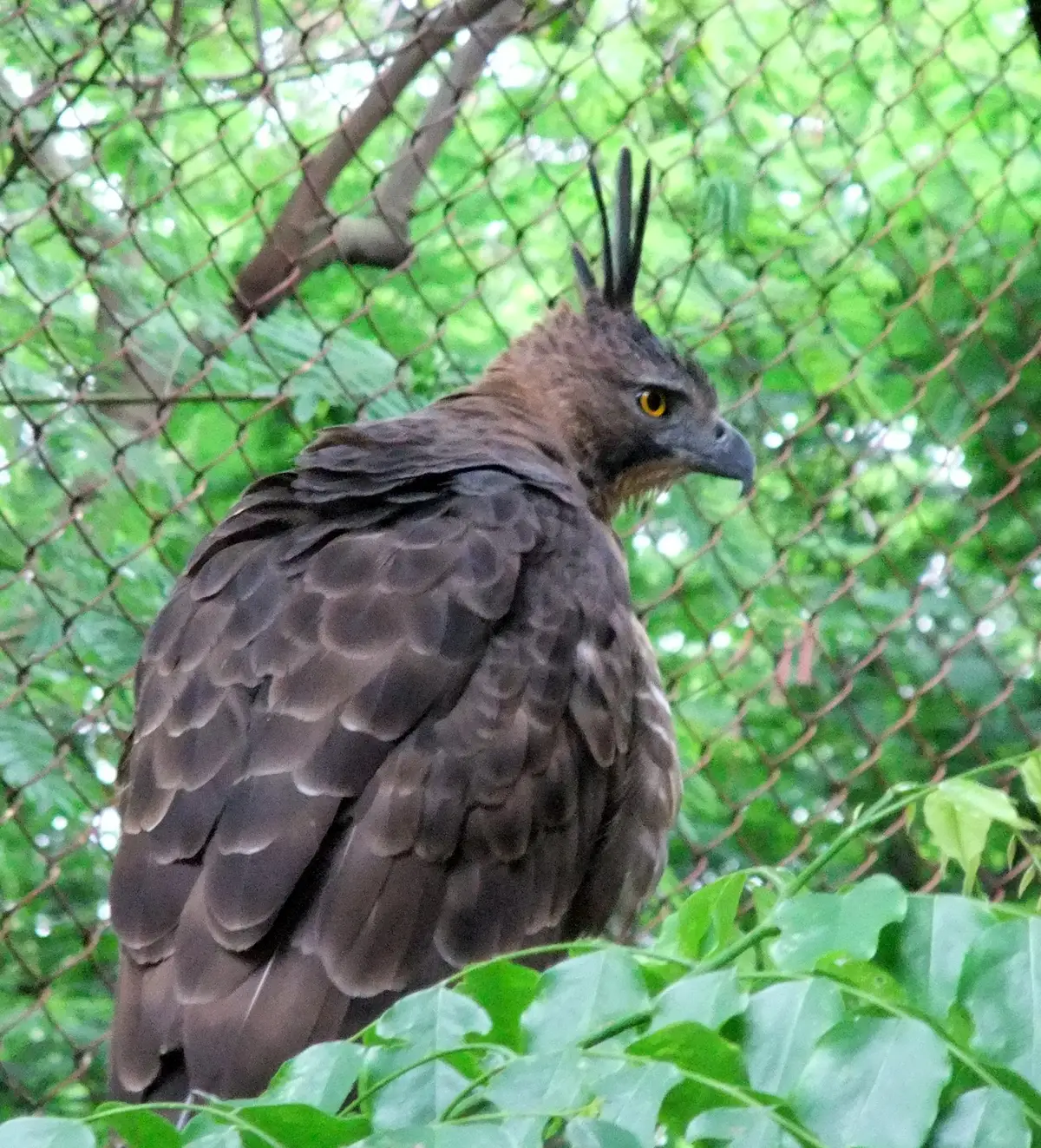
| 9 | Javan Hawk-Eagle | Endangered | About 600 to 900 | Java, Indonesia | Forest loss and pet trade |
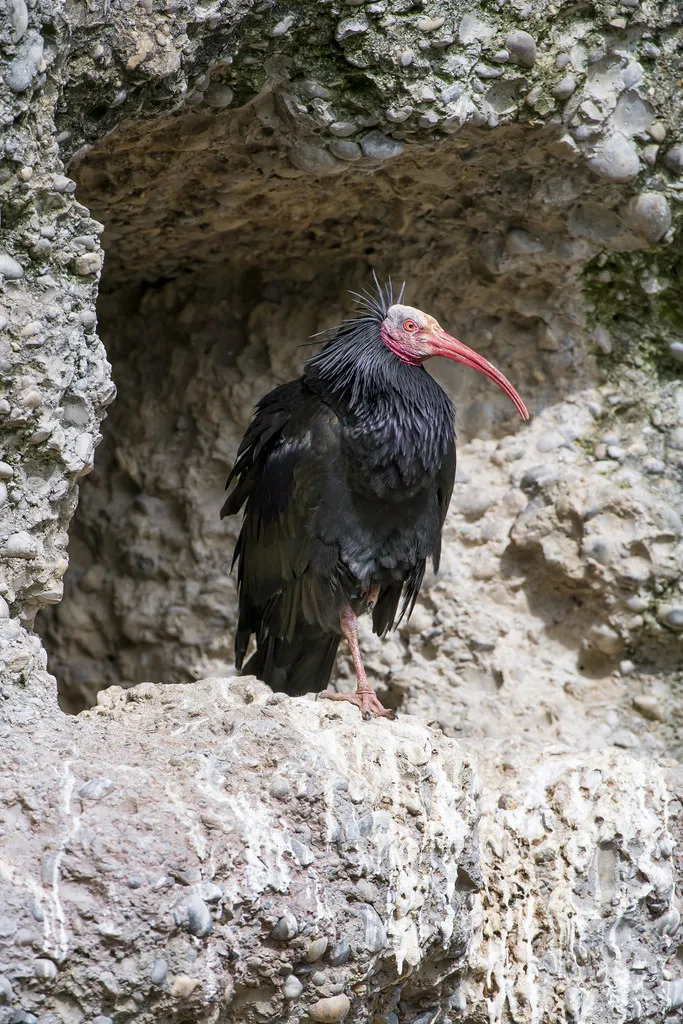
| 10 | Northern Bald Ibis | Endangered | About 700 in the wild | Morocco; reintroduced in Europe | Hunting and habitat loss |
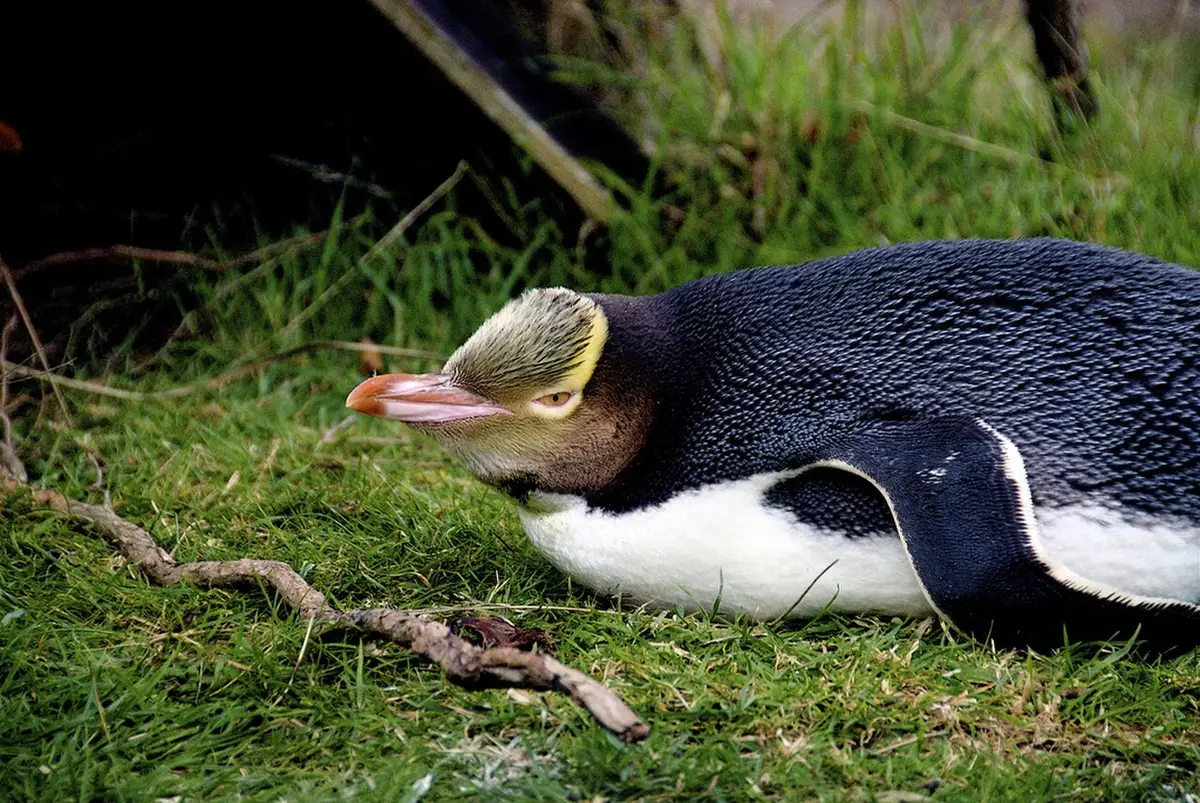
| 11 | Yellow-eyed Penguin | Endangered | About 4,000 to 5,000 | New Zealand | Disease, predators and fishing nets |
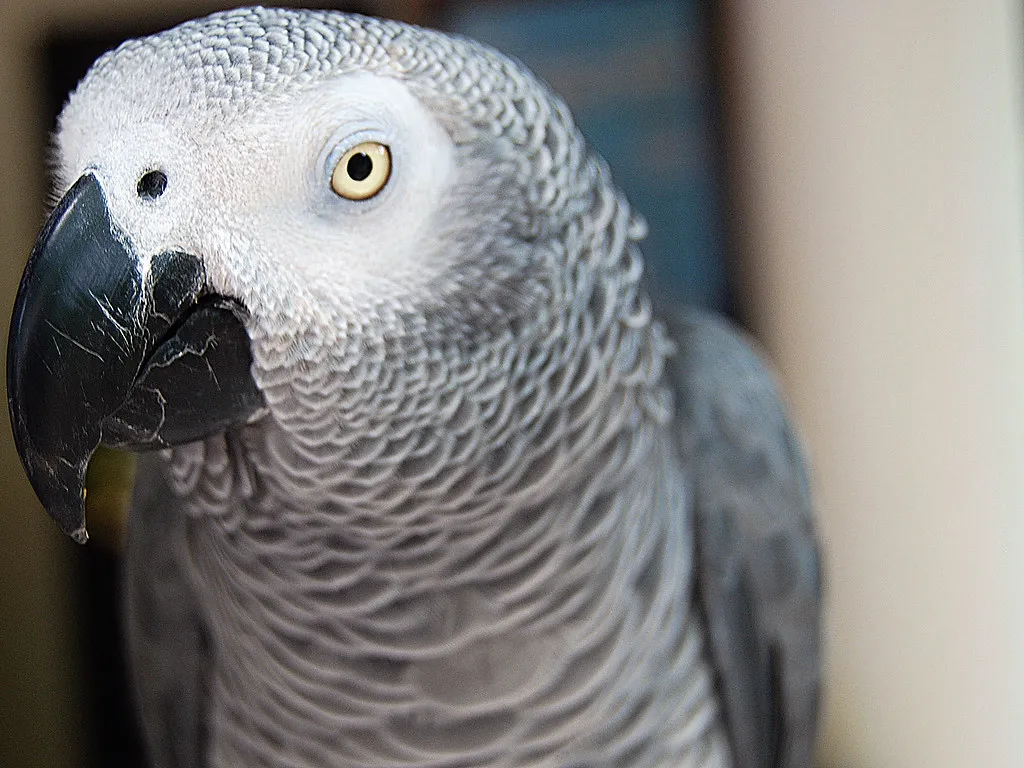
| 12 | African Grey Parrot | Endangered | Hundreds of thousands, falling fast | Central Africa | Pet trade |
| 13 | Lear’s Macaw | Endangered | About 1,300 to 1,600 | Brazil | Pet trade and habitat loss |
| 14 | Indian Vulture | Critically Endangered | About 30,000 | South Asia | Diclofenac poisoning |
| 15 | Ivory-billed Woodpecker | Critically Endangered (probably extinct) | Fewer than 50, if any survive | South-eastern United States | Loss of old-growth forest |
Two notes on the table. First, the Spix’s Macaw was extinct in the wild from 2000 until captive-bred birds were released back into Brazil starting in 2022. Second, the Ivory-billed Woodpecker is listed as Critically Endangered, but no confirmed sighting has been accepted since 1944, and the US Fish and Wildlife Service has proposed declaring it extinct.
What Does Endangered Mean?
The IUCN Red List is the global standard for measuring extinction risk. Scientists assess each species against strict criteria: how fast its population is falling, how small its range has become, and how few breeding adults remain. The categories run from Least Concern, through Near Threatened and Vulnerable, to Endangered and Critically Endangered.
A bird does not need a tiny population to be listed. The African Grey Parrot still numbers in the hundreds of thousands, but it is Endangered because trappers take so many birds for the pet trade that the population is falling fast across its whole range.
The Birds Closest to Disappearing
The Kakapo sits at the top of this chart for good reason. It is the world’s only flightless parrot, it is active at night, and it lives only in New Zealand. About 250 remain, all of them on predator-free islands, each one named and tracked by rangers. The Kakapo breeds only in years when rimu trees fruit heavily, sometimes just once every two to four years, which makes recovery slow even with full protection.
The California Condor tells a different story. In 1987 there were just 27 left, all in captivity. Today there are about 560, with around 350 flying free over California, Arizona, Utah, and Baja California. The main killer is still lead: condors scavenge carcasses shot with lead ammunition and swallow fragments. Every wild condor is trapped and tested for lead each year. Our eagle identification chart shows how to tell the big raptors apart, including condors and eagles in flight.

The Philippine Eagle is one of the largest and most powerful eagles in the world, with a wingspan over two metres and a shaggy crest. Fewer than 500 mature birds survive, all in the Philippines, and each breeding pair needs a huge territory of intact rainforest. When the forest goes, the eagles go with it.
The Spix’s Macaw became famous through the film Rio, but the real story is harder. The last wild bird disappeared in 2000, and the species survived only in private collections and zoos. In 2022, captive-bred macaws were released back into the Caatinga scrubland of north-east Brazil. About 350 birds exist in captivity, and the released flock is still small and closely watched.
Why These Birds Are in Trouble
Four threats show up again and again in this chart. Habitat loss is the biggest: forests cleared for farms, wetlands drained, and mudflats reclaimed for building. The Spoon-billed Sandpiper breeds in Arctic Russia and winters in South-east Asia, and it loses feeding mudflats at both ends of its journey.
The pet trade is the second threat. Parrots are the worst hit. African Grey Parrots are trapped in huge numbers, and Lear’s Macaws were nearly trapped out of existence before Brazil cracked down. Most trapped birds die before they ever reach a buyer.
Introduced predators are the third. New Zealand’s birds evolved without land mammals, so the Kakapo has no defence against stoats, rats, and cats. Hawaii’s ‘Alala faces the same problem, plus avian malaria carried by introduced mosquitoes. The Hawaiian Crow has been extinct in the wild since 2002; about 120 survive in breeding centres.
Poison is the fourth. Indian Vultures crashed by more than 95 percent after cattle were treated with the drug diclofenac; vultures that fed on treated carcasses died of kidney failure. India, Pakistan, and Nepal have now banned veterinary diclofenac, and vulture numbers are slowly stabilising.
Birds Making a Comeback
Recovery is possible, and the Whooping Crane proves it. From just 15 birds in 1941, the population has grown to about 830. Cranes are bred in captivity, taught migration routes by ultralight aircraft, and released into the wild. Power line collisions are now one of the biggest remaining dangers.
The Northern Bald Ibis is another success in progress. The wild population in Morocco has grown to about 700 birds, and reintroduced birds now breed again in Europe, including Austria, Germany, and Spain, after an absence of centuries. The species is still Endangered, but the trend is finally upward.
The Forest Owlet was thought extinct for over a century before it was rediscovered in India in 1997. Fewer than 1,000 survive in the dry teak forests of central India. Its rediscovery shows why protecting even small patches of forest matters: species we assume are gone can still be hanging on.
The Kirtland’s Warbler is the best recovery story of all. It nests only in young jack pine forest in Michigan, and habitat management plus control of the parasitic brown-headed cowbird brought it back from the edge. It was removed from the US endangered species list in 2019.
Indonesia’s Javan Hawk-Eagle, the country’s national bird, is still Endangered, with about 600 to 900 left in Java’s shrinking forests. It is protected by law, but forest loss and trapping for the pet trade continue. For help telling raptors apart by their feathers, see our hawk feather identification chart.
What You Can Do to Help
You do not need to be a biologist to help endangered birds. Start with the pet trade: never buy a wild-caught parrot, and check that any pet bird comes from a reputable breeder. The African Grey Parrot is the clearest case, with trapping still driving its decline across Central Africa.
Support the organisations doing the field work. The Kakapo Recovery Programme, the Philippine Eagle Foundation, and the International Crane Foundation all publish their results and accept donations. Even small amounts fund nest monitoring, predator trapping, and captive breeding.
At home, keep cats indoors, especially at dawn and dusk when birds are most active. Put decals or UV markers on large windows to prevent collisions. If you hunt or know hunters, switch to non-lead ammunition, which is the single biggest help available to condors and other scavengers.
Finally, protect the habitats near you. Wetlands, mudflats, and old forests are the same places endangered birds depend on during migration. Losing a local wetland can break a migration route that spans continents.
Other animals face the same pressures. Our types of rhinos chart shows five rhino species with the same pattern of habitat loss and poaching, and the same kind of slow recovery when protection works.
Frequently Asked Questions
Which bird is the most endangered in the world?
The Kakapo is the most endangered parrot and one of the rarest birds overall, with about 250 individuals. The Spix’s Macaw was extinct in the wild until reintroductions began in 2022, and the Hawaiian Crow survives only in captivity, with about 120 birds.
What is the rarest bird in the United States?
The California Condor is the rarest bird in the United States, with about 560 birds in total and around 350 in the wild. It recovered from just 27 birds in 1987 through captive breeding. The Ivory-billed Woodpecker is probably extinct, with no confirmed sighting since 1944.
Why are so many parrots endangered?
Parrots are endangered mainly because of trapping for the pet trade and loss of their forest habitat. African Grey Parrots, Spix’s Macaws, and Lear’s Macaws have all been hit hard by trapping. Most parrots also breed slowly and need large areas of intact forest.
Can endangered birds recover?
Yes. The Whooping Crane grew from 15 birds in 1941 to about 830 today. The California Condor grew from 27 birds in 1987 to about 560. The Kirtland’s Warbler recovered enough to leave the US endangered species list in 2019. Recovery takes decades of steady funding, habitat protection, and captive breeding.
Conclusion
This endangered birds chart shows 15 species at different points on the same road. Some, like the Kakapo and the Spix’s Macaw, are still close to the edge. Others, like the Whooping Crane and the Northern Bald Ibis, are climbing back. None of them recovered by accident. Each one improved because people protected habitat, stopped trapping, removed predators, or bred birds in captivity and released them.
The numbers in the chart will change, but the direction of each species is a choice, made by the people who fund the programmes and refuse to buy wild-caught birds. Every bird on this chart is still here, and every one of them can still be saved.

