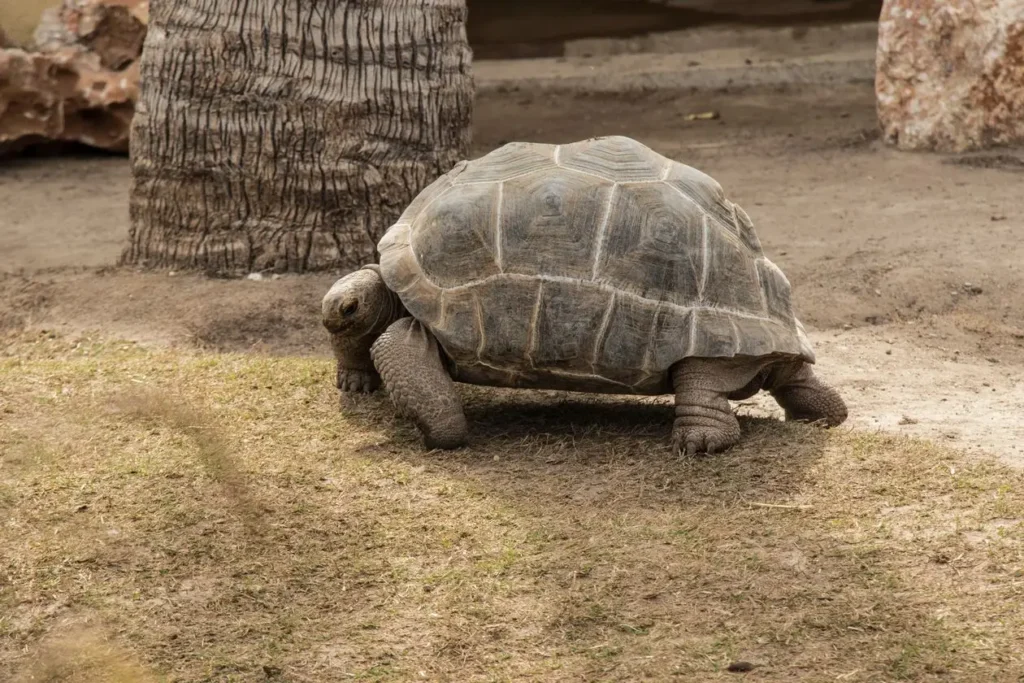
A mayfly and a queen termite are both insects, yet one outlives the other by a factor of millions. The mayfly gets a few hours as a flying adult, while a termite queen can lay eggs for fifty years. This bug lifespan chart lays out that whole range, from minutes to decades, for 25 common bugs and insects.
Most bugs spend their longest stretch out of sight, as eggs, larvae, or nymphs. The adult is usually the short final act, so the chart below has two time columns: how long the adult lives, and how long the whole life cycle takes. If you need to name a crawling visitor first, our bug identification chart can help.
Bug Lifespan Chart: 25 Bugs Compared
Lifespans here run from a few minutes to more than fifty years. The first number is the average adult lifespan, and the second is the total life cycle, counting the egg, larva or nymph, and pupa stages. For social insects like bees, ants, and termites, the queen lives far longer than the workers, so both are noted.
| # | Bug | Average adult lifespan | Total life cycle | Longest recorded | Where it lives |
|---|---|---|---|---|---|
| 1 | Mayfly | A few hours to 2 days | Up to 1 year | Under 5 minutes | Streams and ponds |
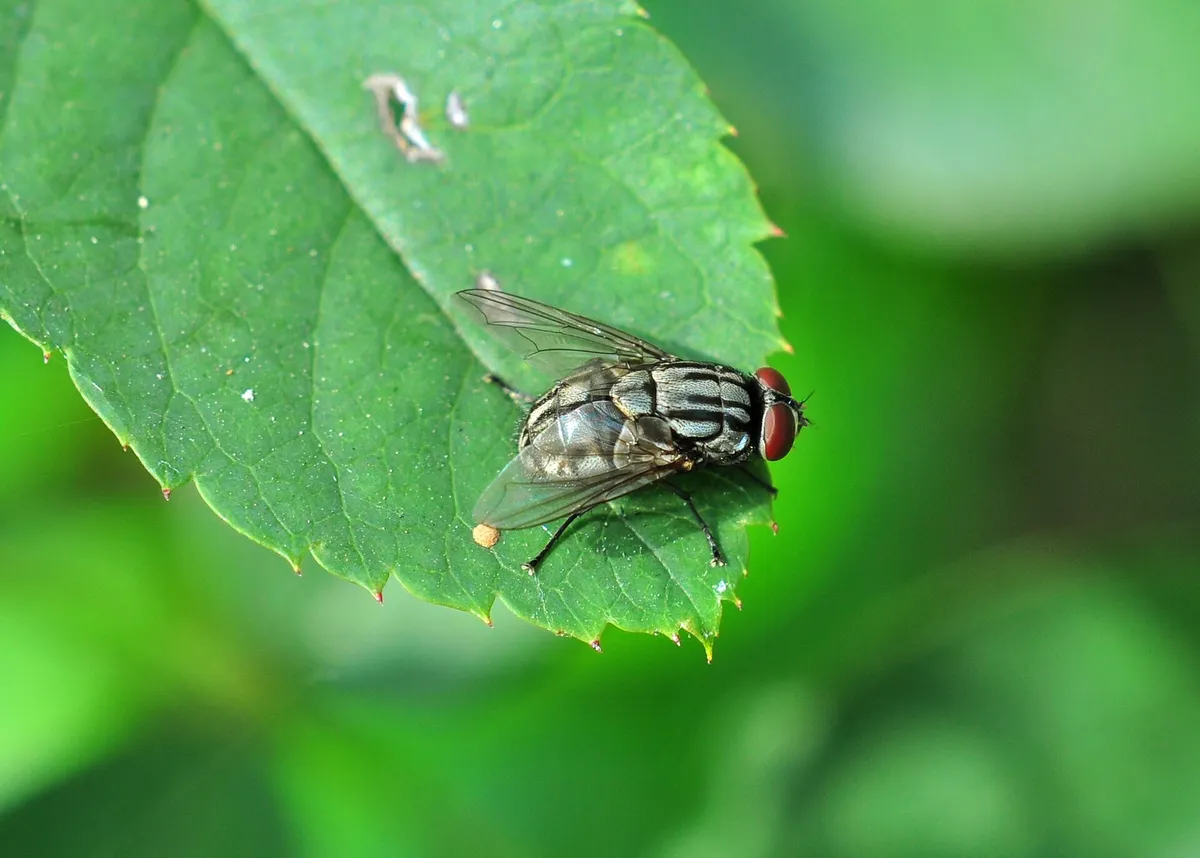
| 2 | Housefly | 15 to 30 days | 1 to 2 months | About 2 months | Homes and garbage |
| 3 | Mosquito | 1 to 8 weeks | 1 to 2 months | About 6 months | Standing water |
| 4 | Fruit fly | 30 to 50 days | 1 to 2 months | About 80 days | Kitchens and drains |
| 5 | Head louse | 20 to 30 days | About 1 month | About 30 days | Human scalp |
| 6 | Flea | 2 to 3 months | 3 to 12 months | About 1 year | Pets and carpets |
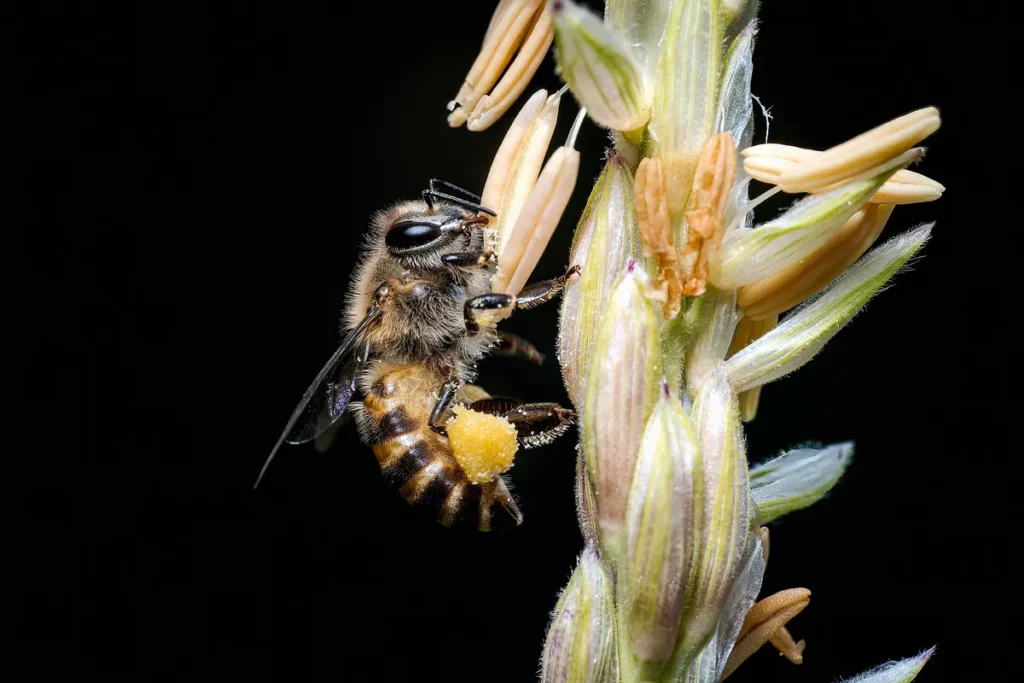
| 7 | Honey bee | 5 to 6 weeks (worker) | 6 weeks to 5 years (queen) | About 5 years | Hives and gardens |
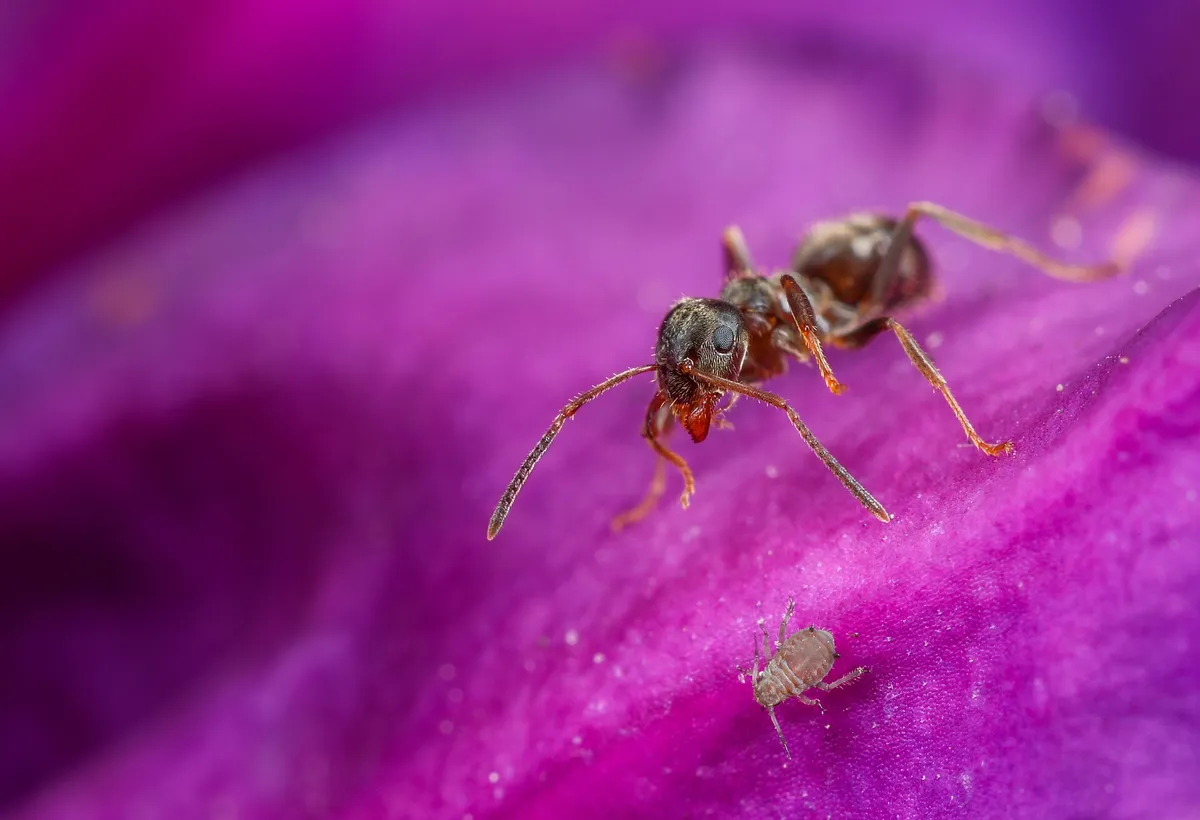
| 8 | Ant | Weeks to months (worker) | Up to 30 years (queen) | About 30 years | Soil, wood, walls |
| 9 | Termite | 1 to 2 years (worker) | Up to 50 years (queen) | Over 50 years | Wood and soil |
| 10 | Butterfly | 2 to 4 weeks | 1 to 12 months | About 9 months | Gardens and meadows |
| 11 | Moth | 1 to 4 weeks | 1 to 12 months | About 1 year | Gardens, closets |
| 12 | Dragonfly | 1 to 6 months | 1 to 5 years | About 5 years | Ponds and lakes |
| 13 | Cockroach (American) | 6 to 12 months | 1 to 2 years | About 2 years | Kitchens, basements |
| 14 | Bed bug | 6 to 12 months | Up to 1 year | About 1 year | Beds and furniture |
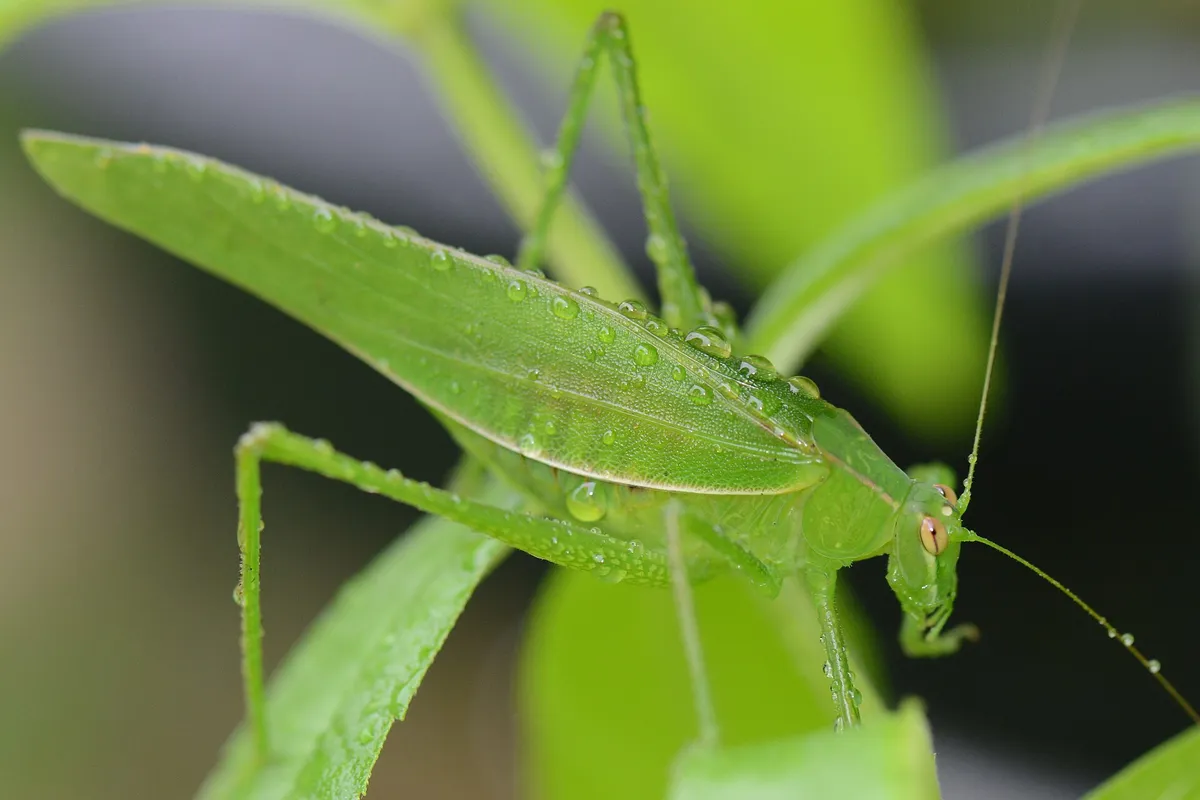
| 15 | Cricket | 2 to 3 months | 3 to 12 months | About 1 year | Grass, basements |
| 16 | Grasshopper | 2 to 6 months | About 1 year | About 1 year | Fields and gardens |
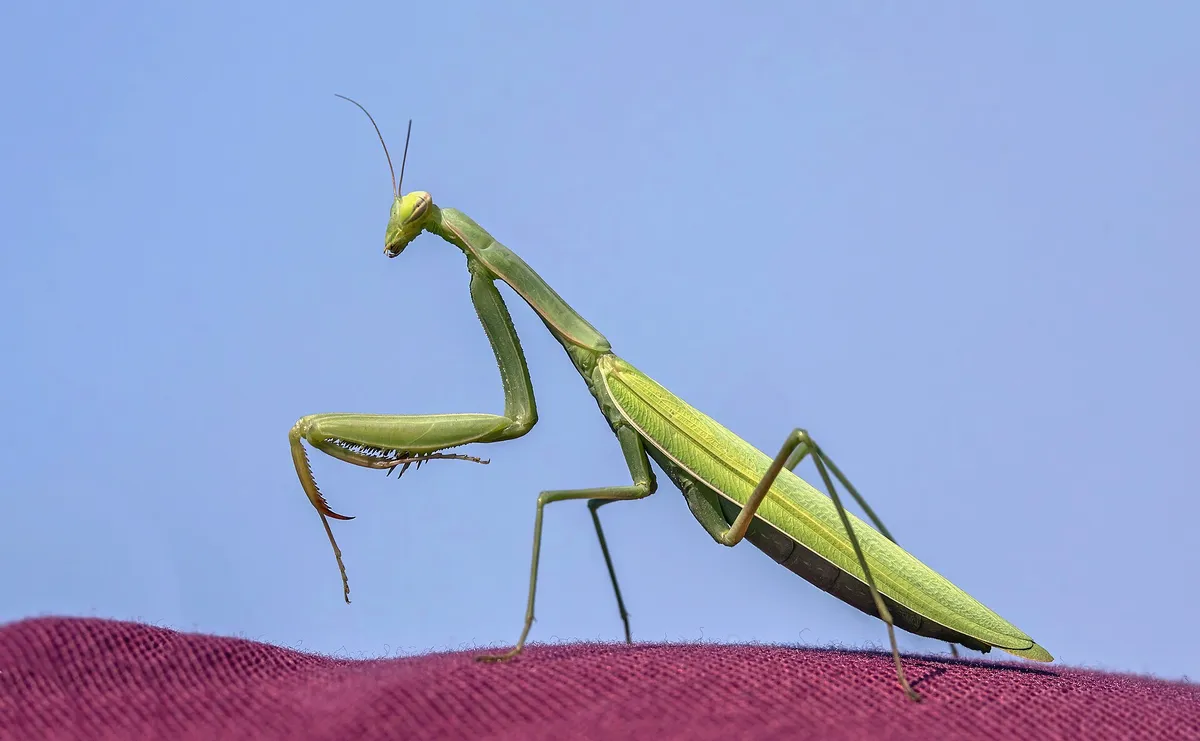
| 17 | Praying mantis | 6 to 12 months | About 1 year | About 1 year | Gardens and shrubs |
| 18 | Cicada (periodical) | 2 to 6 weeks | 13 or 17 years | 17 years | Underground, then trees |
| 19 | Firefly | 2 to 8 weeks | 1 to 2 years | About 2 years | Damp grass, gardens |
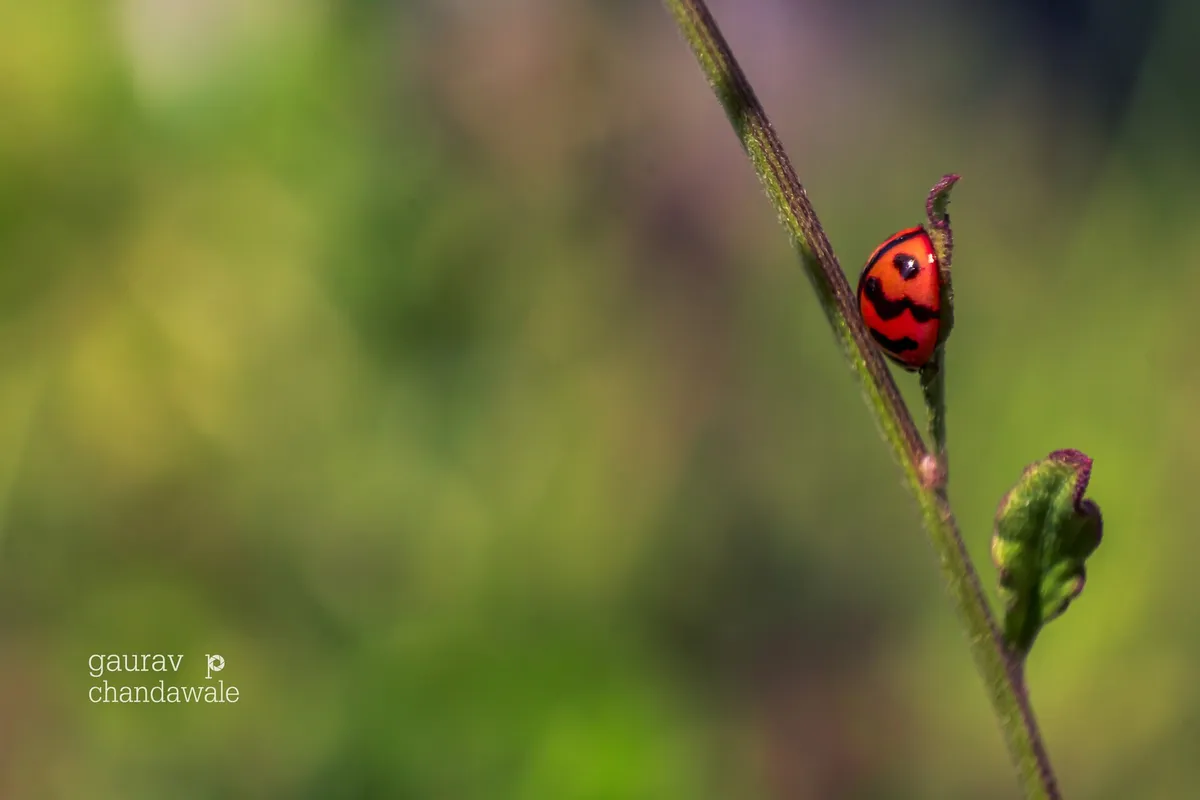
| 20 | Ladybug (ladybird) | 1 to 2 years | 1 to 2 years | About 3 years | Gardens, on leaves |
| 21 | Longhorn beetle | 1 to 3 months | 2 to 5 years | Over 50 years | Dead wood, timber |
| 22 | Earwig | About 1 year | About 1 year | About 1 year | Damp soil, mulch |
| 23 | Silverfish | 2 to 8 years | 2 to 8 years | About 8 years | Bathrooms, attics |
| 24 | Paper wasp | 2 to 4 weeks (worker) | About 1 year | About 1 year | Eaves and sheds |
| 25 | Aphid | 20 to 40 days | About 1 month | About 2 months | Plant stems |
Two patterns jump out. The bugs we notice most in summer, the flies, mosquitoes, butterflies, and moths, are usually near the end of their lives. The longest lived bugs are the ones we rarely see: queens hidden in nests, nymphs underground, and larvae inside wood.
Which Bugs Live the Longest?
The long lived insects are nearly all social or slow developing. Termite queens top the list, laying eggs for 25 to 50 years inside a protected nest. Ant queens can reach about 30 years, and honey bee queens live two to five years. No worker comes close: a worker ant or bee is spent in weeks or months while its queen goes on for years.
Among insects that live alone, the picture is more surprising. Silverfish live two to eight years, one of the longest lived household bugs, with no nest and no queen to protect them. Ladybugs hold up well at one to two years, and our ladybug lifespan chart covers 20 types in detail. The cicada wins on total cycle alone, and some wood boring beetles have emerged from timber after decades, including a jewel beetle that appeared after more than fifty years inside a desk.
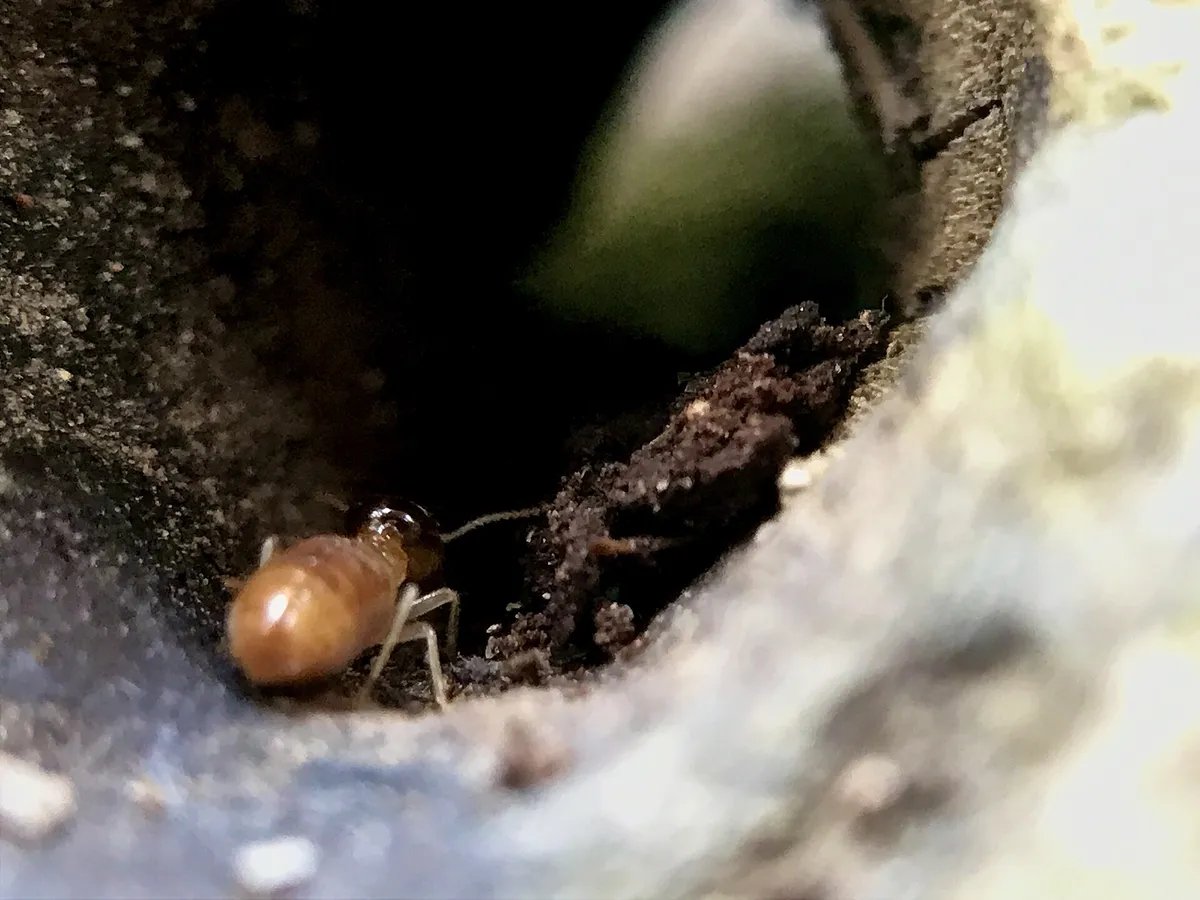
What these long lived bugs share is safety. A termite queen never leaves her nest, a silverfish hides in a dark crack, and a cicada nymph feeds on tree roots far below ground. Time, for a bug, is mostly a matter of not being found.
Which Bugs Have the Shortest Lifespan?
The mayfly sits at the far short end, and it is not close. A female of the species Dolania americana lives for less than five minutes as an adult, just long enough to mate and drop her eggs. Most mayflies manage about a day. Their order is named Ephemeroptera, from the Greek for short lived, even though the nymph spends up to a year on a stream bed first.
After the mayfly, the shortest adult lives belong to the small fliers: head lice last around three to four weeks, houseflies about a month, and fruit flies about 30 to 50 days.
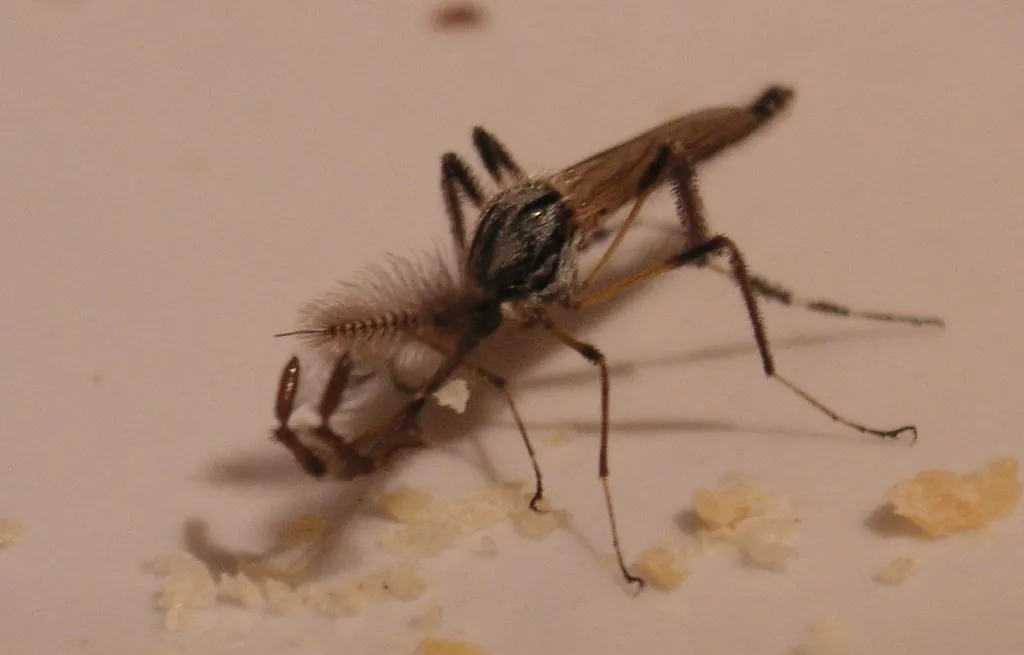
Why Adult Lifespan and Total Life Cycle Are Different
Insects reach adulthood by one of two routes, and that route explains most of the gap between the two columns above. Some go through complete metamorphosis, with four stages: egg, larva, pupa, and adult. Flies, mosquitoes, fleas, bees, ants, butterflies, moths, and beetles all do this. The larva looks nothing like the adult, which is why a caterpillar looks so unlike the butterfly it becomes. Our beetle lifespan chart shows how much of a beetle’s life is spent as a grub first.
Others go through incomplete metamorphosis, with three stages: egg, nymph, and adult. Cockroaches, crickets, grasshoppers, mantises, dragonflies, bed bugs, and cicadas grow this way, the nymph already a small, wingless version of the adult. Either way, the early stages do the real living: a periodical cicada nymph feeds on tree roots underground for 13 or 17 years, then the winged adult lasts only weeks.

What Decides How Long a Bug Lives
Two insects of the same kind can live very different lengths of time. A few factors explain most of the difference.
Species and role come first. A queen bee or termite can outlive a worker of the same colony by years, and a migrating monarch butterfly lives months while a summer monarch lives weeks. Temperature matters too: warm weather speeds insects through their stages, while cold can slow or pause development.
Food and water come next. A steady food supply extends adult life, while many adults that cannot feed, like some moths, die within days. Adult mayflies have no working mouthparts at all, so their whole adult life is a race to reproduce before their stored energy runs out.

Predators and pest control cut most wild adults short of their potential. Birds, spiders, frogs, and insecticides kill far more bugs than old age does. Habitat safety is the last piece: insects in protected nests or indoors often outlast their exposed relatives.
How Long Do Bugs Live Indoors?
Inside a house, the numbers shift. Warmth, shelter, and steady food let indoor bugs reach the top of their range.
Houseflies live about 15 to 30 days indoors, and fruit flies about the same. American cockroaches live 6 to 12 months as adults and one to two years in total, and they keep breeding the whole time, which is why one sighting usually means more. Bed bugs live 6 to 12 months and can go months without a meal in a cool room.
Silverfish are the quiet record holders indoors, at two to eight years. They eat starch in book bindings, wallpaper paste, and dry pantry goods, and they need so little that they can live in a house for years without being noticed. Earwigs live about a year, mostly in damp basements and bathrooms. A bug indoors is not on a countdown you can wait out: removing food, water, and hiding places shortens its life far more reliably than waiting.
Bugs at a Glance: Shortest and Longest Lives
If you only need the extremes, here is the short version.
| Group | Bugs | Typical length |
|---|---|---|
| Shortest adult lives | Mayfly, aphid, head louse | Minutes to about 1 month |
| Short summer lives | Housefly, mosquito, fruit fly, butterfly, moth, firefly | 1 to 8 weeks |
| Medium lives | Flea, cricket, grasshopper, dragonfly, cockroach, bed bug | 2 to 12 months |
| Long lives | Ladybug, silverfish, earwig, paper wasp queen | 1 to 8 years |
| Longest lives | Termite queen, ant queen, bee queen, cicada | 5 to 50 years |

FAQs
How long do bugs live on average?
Most insects finish their whole life cycle in under a year. The adult stage is usually the shortest part, often only days or weeks, while the egg, larva, and nymph stages take the rest.
Which insect has the shortest lifespan?
The mayfly. Females of the species Dolania americana live for less than five minutes as adults, and most mayflies survive only about a day.
Which insect lives the longest?
Queen termites live longest, often 25 to 50 years. Periodical cicadas hold the record for the longest life cycle, spending 13 or 17 years underground.
Why do mayflies live for only a day?
Adult mayflies have no working mouthparts and cannot eat. Their only job is to mate and lay eggs.
What is the difference between adult lifespan and total life cycle?
Adult lifespan is how long the insect lives once it is fully grown. Total life cycle counts every stage from egg to death, which is usually much longer.
Conclusion
A bug lifespan chart is really two charts in one: a short list of adult lives, most of them measured in days or weeks, and a much longer list of whole lives, measured in months, years, and, for a few queens and cicadas, decades. The mayfly gets minutes, the termite queen gets half a century, and everything else falls between.
Next time a fly circles your kitchen or a firefly blinks in the yard, remember you are seeing the last act. Most of that bug’s life already happened somewhere you could not see it, underground, underwater, or inside a nest.