
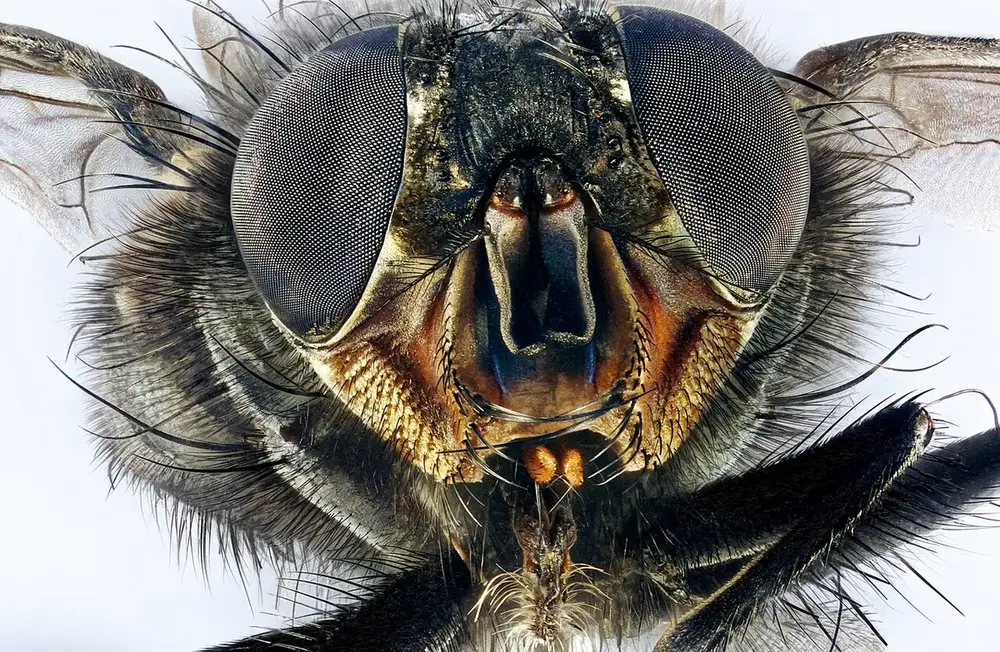
When most people picture types of maggots, they picture one thing: a small, pale, wriggling grub in a bin or on old food. The reality is far more varied. Maggots are the larvae of flies, and different fly species produce larvae that differ in size, color, shape, and habitat. Some live in compost, some in soil, some in water, and some, unfortunately, in the fruit bowl on your kitchen counter.
This guide covers 20 common types, with a chart to help you identify what you are looking at: how big each type grows, where it is found, and the feature that sets it apart.
What Exactly Is a Maggot?
A maggot is the soft, legless larva of a true fly. Unlike caterpillars, maggots have a tapered body, narrow at the head end and blunt at the rear. Most are creamy white or pale yellow, though some are grey, greenish, or dark brown, and they move by contracting their segmented bodies.
Female flies lay eggs where the larvae will find food as soon as they hatch. A house fly lays eggs on decaying food, a crane fly lays eggs in damp soil, and a fruit fly lays eggs on ripe fruit. The larva feeds, grows through several stages called instars, then pupates and emerges as an adult fly. That larval stage can last a few days or several months, depending on species and temperature.
Types of Maggots Chart: 20 Species, Sizes and Habitats
Use this chart as a first step for identification. Sizes are typical for a fully grown larva, and they can vary a little with food supply and temperature. Where a larva is called a leatherjacket or a grub in everyday speech, the fly species is given so you can match it with confidence.
| Maggot type | Fly species | Typical size | Where found | Identifying feature |
|---|---|---|---|---|
| House fly maggot | Musca domestica | 8 to 12 mm | Bins, food waste, manure | Smooth, creamy white body, blunt rear end |
| Blue bottle maggot | Calliphora vomitoria | 12 to 18 mm | Carrion, meat waste, bins | Large, plump, pale larva with dark mouth hooks |
| Green bottle maggot | Lucilia sericata | 9 to 14 mm | Carrion, wounds, meat waste | Slender, pale larva, slightly smaller than the blue bottle |
| Flesh fly maggot | Sarcophaga species | 12 to 20 mm | Carrion, meat, animal waste | Chunky larva, born live rather than hatched from eggs |
| Fruit fly maggot | Drosophila melanogaster | 3 to 5 mm | Ripe fruit, vinegar, drains | Tiny, translucent larva inside soft fruit |
| Cheese skipper | Piophila casei | 7 to 9 mm | Cheese, cured meats, fatty foods | Can curl up and spring several inches into the air |
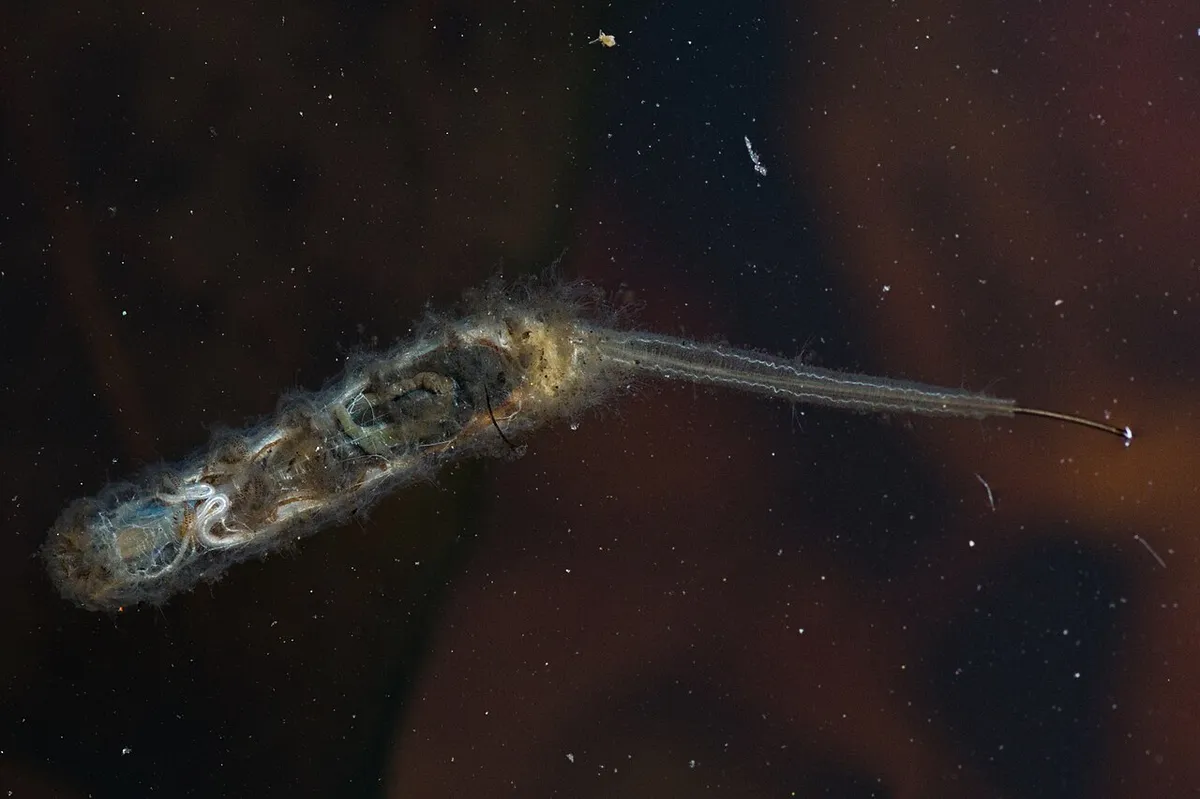
| Rat-tailed maggot | Eristalis tenax | 20 to 30 mm plus tail | Stagnant water, drains, slurry | Long, thin breathing tube at the rear like a tail |
| Leatherjacket | Tipula species (crane flies) | 25 to 40 mm | Damp soil, lawns, fields | Tough, grey-brown skin, no distinct head |
| Black soldier fly larva | Hermetia illucens | 15 to 25 mm | Compost, food waste, manure | Flattened, darkening body with a ridged, armored look |
| Stable fly maggot | Stomoxys calcitrans | 10 to 12 mm | Manure, straw, wet bedding | Very similar to the house fly maggot, found near livestock |
| Horse fly larva | Tabanus species | 20 to 35 mm | Wet soil, mud, pond edges | Long, spindle shaped, often greenish or cream |
| Screw-worm larva | Cochliomyia hominivorax | 12 to 17 mm | Wounds on livestock and animals | Rings of small spines around each body segment |
| Bot fly larva | Oestrus ovis and related species | 15 to 30 mm | Nasal passages or skin of host animals | Thick, grub-like body with rows of spines |
| Drain fly larva | Psychoda species | 4 to 6 mm | Drain slime, sewage, damp filters | Tiny, dark-headed larva living in drain film |
| Fungus gnat larva | Bradysia species | 4 to 6 mm | Damp potting soil, houseplants | Clear white body with a shiny black head |
| Apple maggot | Rhagoletis pomonella | 6 to 8 mm | Inside apples and hawthorn fruit | Small, white larva tunneling brown trails in fruit |
| Onion maggot | Delia antiqua | 7 to 10 mm | Onion and garlic bulbs, soil | White larva feeding at the base of onion plants |
| Cabbage maggot | Delia radicum | 7 to 9 mm | Cabbage, broccoli, radish roots | White larva tunneling into brassica roots |
| Hoverfly larva | Episyrphus and related species | 8 to 12 mm | On leaves, among aphid colonies | Slug-like, greenish or translucent, eats aphids |
| Soldier fly larva | Stratiomys species | 15 to 25 mm | Ponds, ditches, wet compost | Flattened, bristly body, often in shallow water |
Two entries surprise most readers. The leatherjacket is not a worm at all, it is a crane fly larva, and the rat-tailed maggot is the larva of the drone fly, a hoverfly that mimics a honeybee.

How to Tell Types of Maggots Apart by Size
Size is the fastest clue. Small maggots, under about 6 mm, are usually fruit fly, drain fly, or fungus gnat larvae: houseplant pot means fungus gnat, drain means drain fly, and inside fruit means fruit fly larvae.
Medium maggots, roughly 7 to 15 mm, cover most bin and kitchen types: house fly, green bottle, stable fly, and vegetable pests such as cabbage and onion maggots. Large maggots, over 15 mm, point to blowflies, flesh flies, crane flies, and soldier flies.
Color helps too, but it can mislead. Most maggots start translucent and turn creamier as they feed, and black soldier fly larvae darken as they mature. Always pair color with size and location before deciding.

Where Different Types of Maggots Live
Habitat is often more reliable than appearance alone. Kitchen and bin maggots feed on decaying food and waste, and they appear fast in warm weather. A bin left in summer heat can go from eggs to visible larvae in a single day.

Soil and garden maggots are the ones gardeners meet most. Leatherjackets damage lawns by feeding on grass roots, while cabbage, onion, and apple maggots attack crops and fruit from below or inside. They rarely enter the house, but they can ruin a crop. By contrast, hoverfly larvae eat aphids, and black soldier fly larvae are farmed to turn food waste into animal feed.
Animal associated maggots need the most care. Screw-worm and bot fly larvae feed on living animals, and green bottle larvae can infest wounds. Any maggots found in a wound on a pet or livestock animal should be checked by a vet promptly.

The Maggot Life Cycle, in Plain Terms
Every maggot follows the same pattern. An adult female lays hundreds of eggs on or near food. They hatch within hours to a few days, the larvae feed and molt, then move away to pupate in a hard, dark case before the adult fly emerges.
Temperature drives the speed of this cycle. In warm weather, house fly maggots can complete the larval stage in under a week. In cool weather, the process slows sharply, and some species spend winter as larvae in soil.
Are Maggots Dangerous?
Most maggots in a bin, in compost, or in fruit are not dangerous to healthy people, but they signal decaying material that should be cleaned up. They do not bite, and ordinary bin maggots do not burrow into skin. Wash your hands after handling bins or compost, and keep maggots away from food surfaces.
There are real exceptions. Maggots in a wound, known as myiasis, need medical or veterinary attention, and screw-worm larvae can seriously harm animals. Maggots in stored food mean the food should be thrown away, not rinsed and eaten.

How to Get Rid of Maggots and Stop Them Coming Back
Getting rid of maggots starts with removing what attracted the flies. Empty the bin, bag the waste, and clean it with hot soapy water, paying attention to seams and the lid where eggs hide. In compost, cover fresh food scraps with dry material.
For drains, brush away the slimy film where drain fly larvae live. For houseplants, let the top soil dry out between waterings to break the fungus gnat cycle.
Prevention is mostly about timing and sealing. Take bins out regularly in summer, rinse meat packaging before binning it, and store ripe fruit in the fridge or in sealed containers. Keep compost bins closed and away from the house wall. Our guides to types of house spiders and types of water bugs use the same size and habitat approach.
Types of Maggots: Quick Identification Tips
Work through these questions in order. First, where did you find it? Bin or food waste points to house fly or blowfly larvae. Soil points to leatherjackets or root maggots. Water points to rat-tailed or soldier fly larvae. Fruit points to fruit fly or apple maggot larvae. Second, how big is it? Tiny means fruit fly, drain fly, or fungus gnat. Large and plump means blowfly or flesh fly.
Third, look for a standout feature. A long tail means rat-tailed maggot. An ability to jump means cheese skipper. A black head on a clear body in plant soil means fungus gnat. Tough, leathery skin in lawn soil means leatherjacket. Similar guides, such as our charts for types of mosquitoes and types of moths, follow the same three question method.

Frequently Asked Questions
Are maggots baby flies?
Yes, in everyday terms. A maggot is the larval stage of a fly, just as a caterpillar is the larval stage of a butterfly or moth. The adult fly looks completely different because it goes through complete metamorphosis, with a pupal stage in between.
How long do maggots live?
It depends on the species and the temperature. House fly maggots may feed for only 4 to 7 days in warm weather, while crane fly larvae can spend months in soil before pupating. Cooler temperatures slow every stage of the cycle.
What do maggots eat?
Most maggots eat decaying organic matter: food waste, carrion, manure, or plant material. Some are specialists, such as apple maggots inside fruit or cabbage maggots on roots, while others, such as hoverfly larvae, are predators that eat aphids.
Should I be worried if I find maggots in my house?
Usually no, but treat them as a warning sign. Find the food source, remove it, and clean the area. If maggots are in a wound, or keep returning despite cleaning, seek medical or veterinary advice.
Conclusion
Once you know that maggots are simply fly larvae, and that each species leaves its larvae in a particular place at a particular size, the chart above does most of the work. Start with habitat, check the size, and look for one standout feature.
Whether you found them in a bin, in compost, in soil, or in fruit, the next step is the same: remove the food source, clean the area, and keep the spot dry and sealed. If the larva is eating aphids or turning compost into rich soil, check the chart before reaching for a treatment.

