

Escargot snail types confuse a lot of first time tasters, because the word escargot sounds like one animal and it is not. In French kitchens, escargot is a dish, not a single species. A small group of land snails supplies almost every classic plate, while dozens of close relatives look similar, live in the same gardens, and never reach a restaurant table. This guide sorts out the real escargot snail types, their sizes, their origins, and what each one is used for.
Two species do most of the work. Helix pomatia, the Roman or Burgundy snail, is the traditional star of escargot de Bourgogne. Cornu aspersum, long known as Helix aspersa and still sold under that name, is the common garden snail that now fills most farmed escargot.

What Counts as an Escargot Snail Type?
A snail earns a place on an escargot menu for practical reasons, not just because it is edible. Chefs want a shell large enough to hold a bite of meat and garlic butter, meat that stays tender after a short cook, and a flavor mild enough to carry herbs. Farmers add one more test: the snail must breed well in captivity and grow at a useful pace, with a shell that does not crack easily.
That is why the classic list is short. Many land snails are technically edible, but most are too small, too tough, too rare, or too hard to farm. The safe rule for home cooks is simple: buy farmed snails from a food supplier, and leave wild snails alone.
Escargot Snail Types Chart: 20 Species, Sizes and Facts
The chart below covers the two classic escargot species first, then other edible land snails chefs and farmers use, followed by close relatives people often mistake for escargot. Sizes are typical adult shell diameters, and they vary with food, climate, and age.
| Species | Common name | Typical shell size | Origin and range | Culinary note |
|---|---|---|---|---|
| Helix pomatia | Roman snail, Burgundy snail | 35 to 50 mm | Central and southeastern Europe | Classic escargot de Bourgogne, firm and rich |
| Cornu aspersum (Helix aspersa) | Common garden snail, petit gris | 28 to 35 mm | Mediterranean Europe, now worldwide | Most widely farmed escargot snail today |
| Helix lucorum | Turkish snail | 35 to 48 mm | Turkey, the Balkans, eastern Europe | Farmed and exported as escargot |
| Helix aperta | Green garden snail | 22 to 28 mm | Mediterranean basin | Eaten locally, smaller than the classics |
| Eobania vermiculata | Chocolate banded snail | 22 to 30 mm | Mediterranean Europe and North Africa | Eaten in parts of the Mediterranean |
| Otala lactea | Milk snail, Spanish snail | 30 to 40 mm | Spain, North Africa, introduced elsewhere | Traditional Spanish escargot species |
| Otala punctata | Spotted snail | 30 to 38 mm | Iberian Peninsula, North Africa | Used in Spanish and North African cooking |
| Theba pisana | White garden snail | 18 to 25 mm | Mediterranean, now many warm regions | Eaten in some regions, often a crop pest |
| Cepaea nemoralis | Grove snail, banded snail | 20 to 26 mm | Western and central Europe | Not commercial escargot, a lookalike |
| Cepaea hortensis | White lipped snail | 18 to 24 mm | Western and northern Europe | Common lookalike, too small for escargot |
| Arianta arbustorum | Copse snail | 20 to 28 mm | Central and northern Europe | Not farmed for escargot, a woodland relative |
| Lissachatina fulica (Achatina fulica) | Giant African land snail | 70 to 150 mm or more | East Africa, now tropical regions worldwide | Eaten in parts of Africa and Asia |
| Achatina achatina | Giant Ghana snail, tiger snail | 120 to 200 mm | West Africa | Large edible snail, prized in West Africa |
| Archachatina marginata | West African giant snail | 120 to 180 mm | West and Central Africa | Farmed and eaten in West Africa |
| Helix melanostoma | Black mouthed snail | 25 to 35 mm | Mediterranean basin | Eaten locally, a Helix cousin |
| Iberus alonensis | Iberian snail | 28 to 38 mm | Spain | Used in Spanish regional dishes |
| Sphincterochila candidissima | White desert snail | 20 to 28 mm | Mediterranean and North Africa | Dry habitat relative, not commercial |
| Cernuella virgata | Striped snail | 15 to 22 mm | Mediterranean, introduced in Australia | Small lookalike, a field pest in places |
| Cochlicella acuta | Pointed snail | 12 to 18 mm | Mediterranean, coastal Europe | Tiny lookalike, never used for escargot |
| Pomacea canaliculata | Apple snail, golden apple snail | 40 to 70 mm | South America, now Asia and beyond | Freshwater relative, eaten in Asia |
The Two Classic Escargot Species in Detail
Helix pomatia is the snail most people picture when they hear escargot. Its shell is thick, pale brown to cream, with a wide opening, and an adult can reach about 50 millimeters across. It lives in central and southeastern Europe, favors limestone soils and damp woodland edges, and grows slowly, which is part of why wild populations are protected in some countries. In the kitchen it gives a firm, meaty bite that holds up to garlic butter and parsley without turning rubbery.
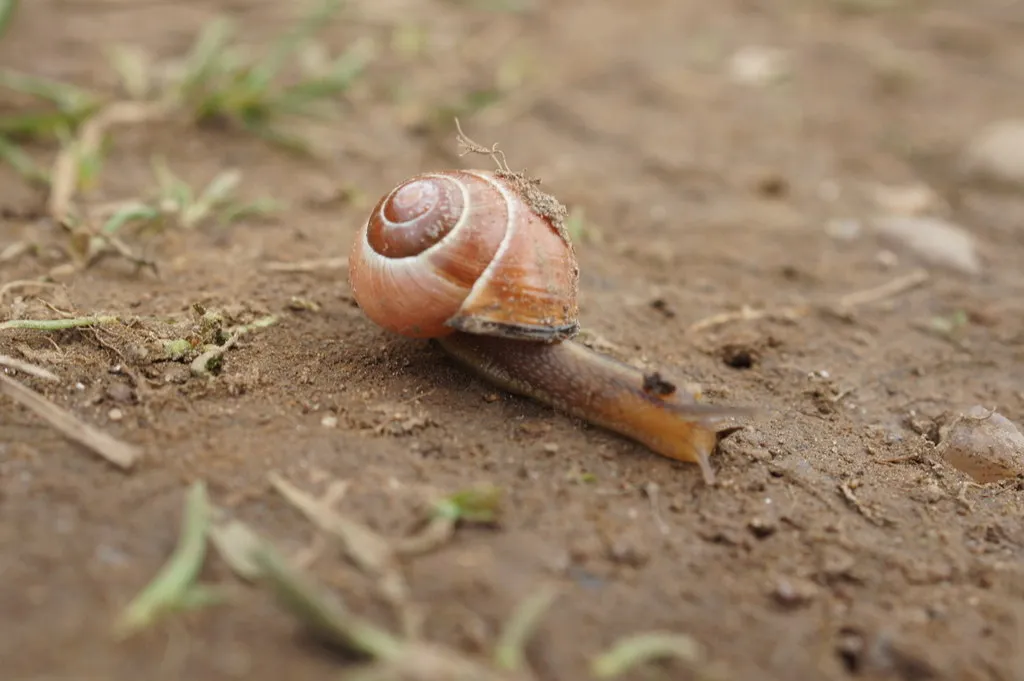
Cornu aspersum is smaller, faster growing, and far more familiar to gardeners. Its shell is brown with darker bands, usually 28 to 35 millimeters across, and the large farmed form known as maxima can run a little bigger. This is the petit gris of French cooking, and it is also the snail most farms raise, because it breeds readily and adapts to controlled pens. If you buy canned or frozen escargot, there is a good chance it is this species, even when the label uses the older name Helix aspersa.

Other Edible Snails You May Meet on a Menu
Helix lucorum, the Turkish snail, is the third name worth knowing. It looks much like Helix pomatia, reaches a similar size, and is farmed and exported in large numbers from Turkey and the Balkans. Many restaurant plates labeled simply escargot use this species or Cornu aspersum, and both cook well in the classic garlic butter style.
In Spain and North Africa, Otala lactea and Otala punctata play a bigger role. They are medium sized, pale shelled snails with a long history in stews, rice dishes, and tapas style servings, where the snail is eaten with a toothpick rather than served in its shell with butter. Eobania vermiculata, the chocolate banded snail, appears in Mediterranean cooking too, often in tomato based sauces that suit its smaller size.
The giant snails of West Africa break every European size rule. Achatina achatina and Archachatina marginata can reach 150 millimeters or more, and they are farmed and sold as food in their home regions, usually cut and cooked in soups and stews rather than served whole in shells. They are not substitutes for Burgundy escargot, and in the United States they are regulated as pests, so they should never be kept or released casually. Gardeners who want more animal identification guides will enjoy our types of butterflies chart, which covers another group of common garden visitors in the same clear style.

How Escargot Snails Are Farmed
Modern escargot rarely comes from a forest. Snail farming, called heliciculture, raises Cornu aspersum and Helix species in outdoor pens or indoor rooms where temperature, humidity, and food are controlled. Farmers feed the snails leafy greens, calcium rich supplements for strong shells, and grain based feeds, then purge them on a clean diet before processing so the meat is clean and mild.
The farming cycle explains the price of a good plate. Helix pomatia can take two years or more to reach full size, while Cornu aspersum grows faster and is ready sooner. That slower growth is one reason the Burgundy snail keeps its premium reputation.

What Escargot Tastes Like, and How It Is Served
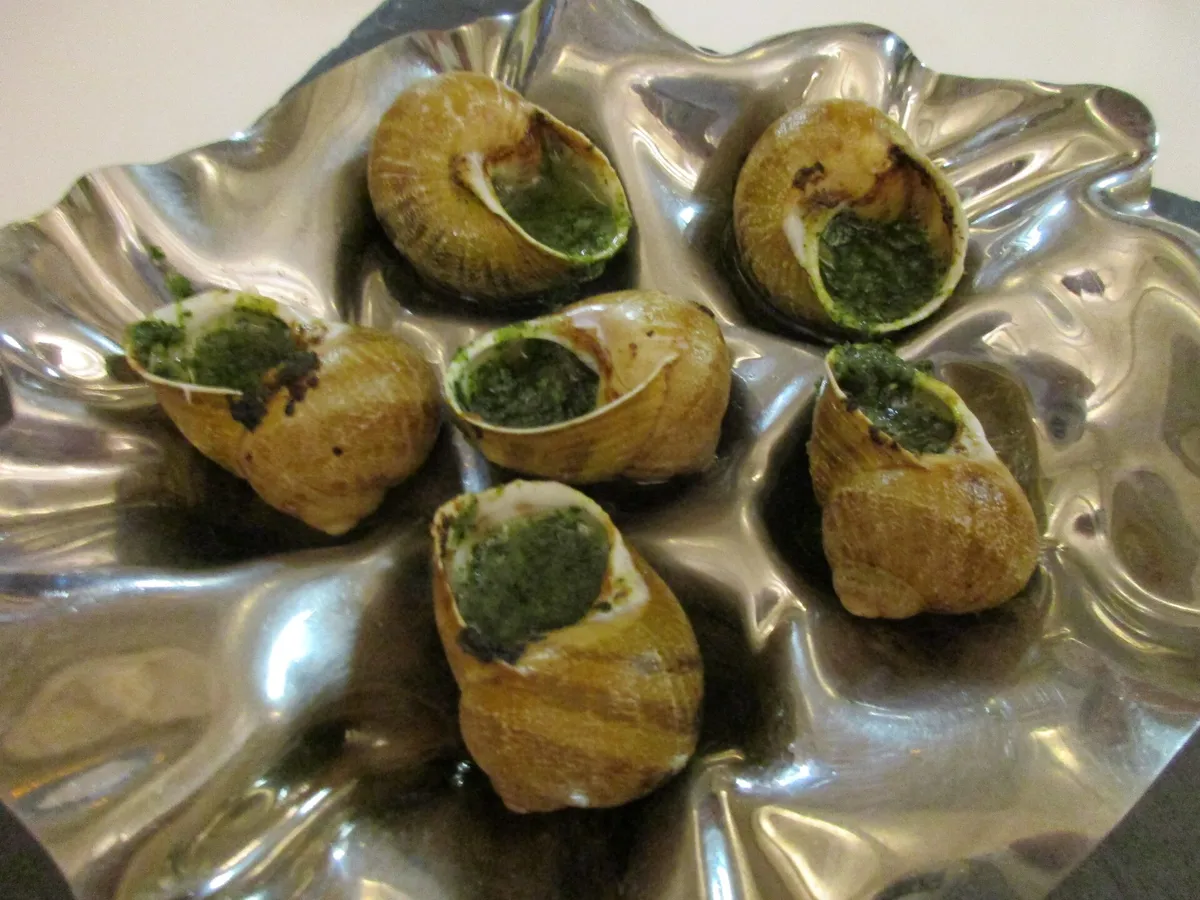
On its own, escargot meat is mild, slightly earthy, and a little chewy, somewhere between a mushroom and a clam in texture. That mildness is the point: the snail carries the flavor of its sauce. The classic Burgundy preparation bakes the meat back into its shell with garlic butter, parsley, and a pinch of salt, served hot with bread for the butter left in the shell.
Other traditions treat snails very differently. In Spain, snails are often simmered in a spiced tomato sauce and eaten as a shared appetizer. In West Africa, giant snail meat is cut into pieces and cooked in pepper soup or stew. For a first taste, order the classic preparation at a restaurant rather than cooking wild snails at home. Like the animals in our types of sea turtles chart, snails reward a patient look at shell, size, and habitat.

Common Mistakes When Identifying Escargot Snails
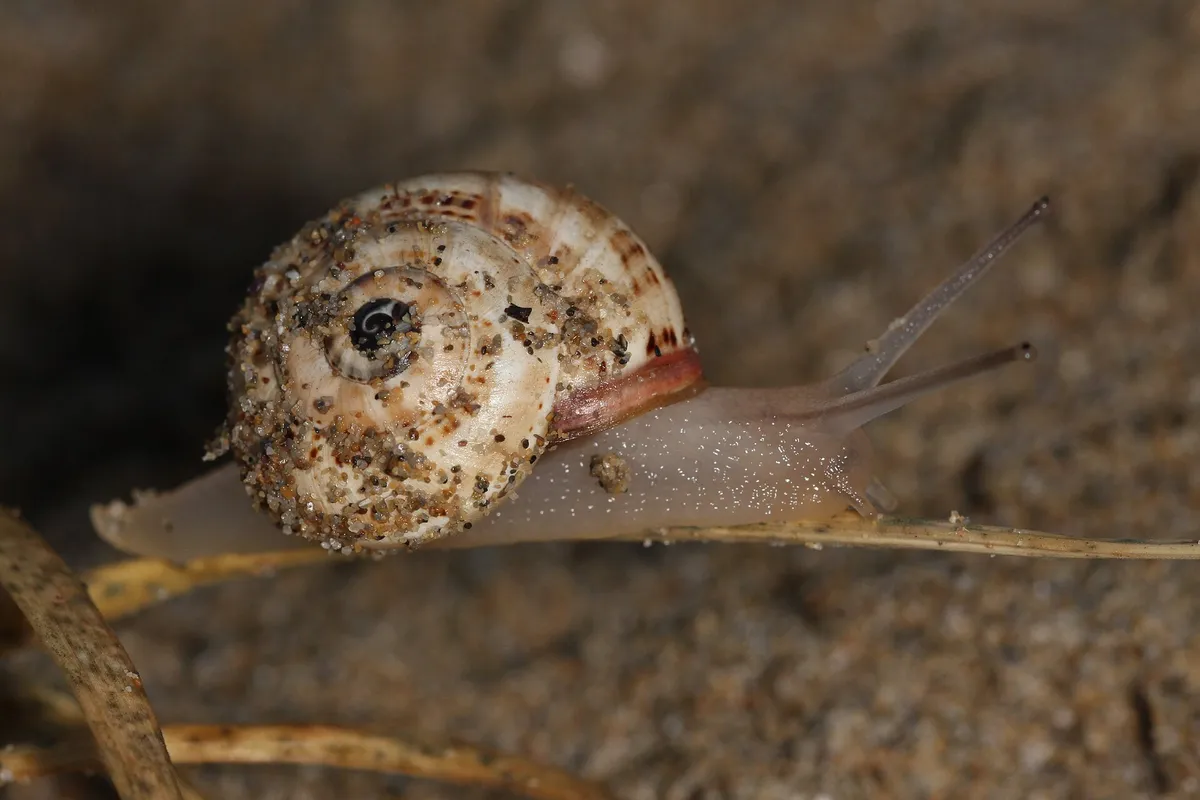
The most common mistake is calling every garden snail an escargot snail. Most garden snails are Cornu aspersum, which is fair enough, but the smaller banded snails, white garden snails, and pointed snails in the chart are different species that simply share the same flower beds. Another mistake is trusting the old name on a can: Helix aspersa and Cornu aspersum are the same animal under two names.
A third mistake is size guessing without a reference. Hold a coin beside the shell, or measure across its widest point, before deciding. Gardeners sorting other wildlife may also like our types of snakes guide, which uses the same size and habitat clues to separate similar species.

Frequently Asked Questions About Escargot Snail Types
What is the best snail for escargot?
Helix pomatia is the traditional best choice for classic escargot de Bourgogne, thanks to its large size and firm meat. Cornu aspersum is the most common farmed choice and the best everyday option.
Are garden snails the same as escargot snails?
Sometimes, but not always. The common garden snail, Cornu aspersum, is a true escargot species when farmed and prepared as food. Other garden snails, like banded snails and white garden snails, are different species and are not used for escargot.
Can you eat snails from your own garden?
You should not. Wild garden snails can carry parasites and may have eaten pesticide treated plants. Buy farmed escargot from a food supplier instead, where the species and source are known.
How big is a Burgundy snail?
An adult Helix pomatia usually measures 35 to 50 millimeters across its shell, about the width of a golf ball at the top end.
What is the difference between Helix aspersa and Cornu aspersum?
There is no difference in the animal, only in the name. Scientists moved the common garden snail from Helix to Cornu, so older cookbooks and menus say Helix aspersa while newer sources say Cornu aspersum.
Conclusion
Escargot snail types come down to a small classic group and a much larger cast of relatives. Helix pomatia sets the traditional standard, Cornu aspersum does most of the everyday work, and Helix lucorum and the Otala species fill regional menus. Use the chart above to check size, origin, and culinary use, and always choose farmed snails from a known supplier.



