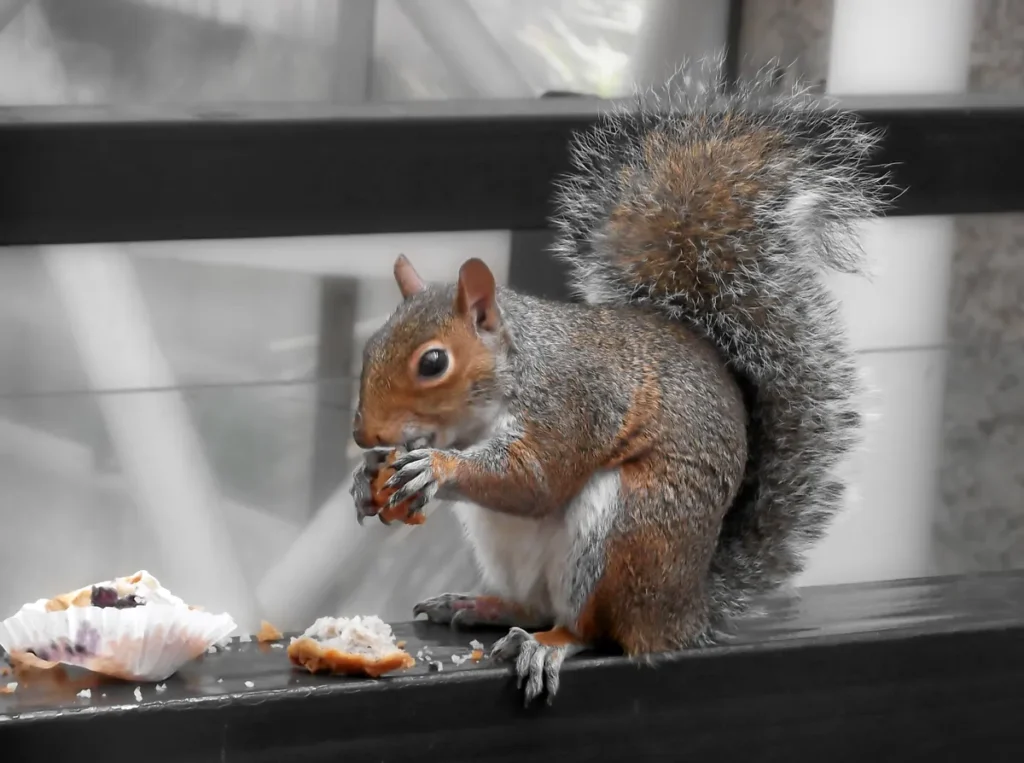
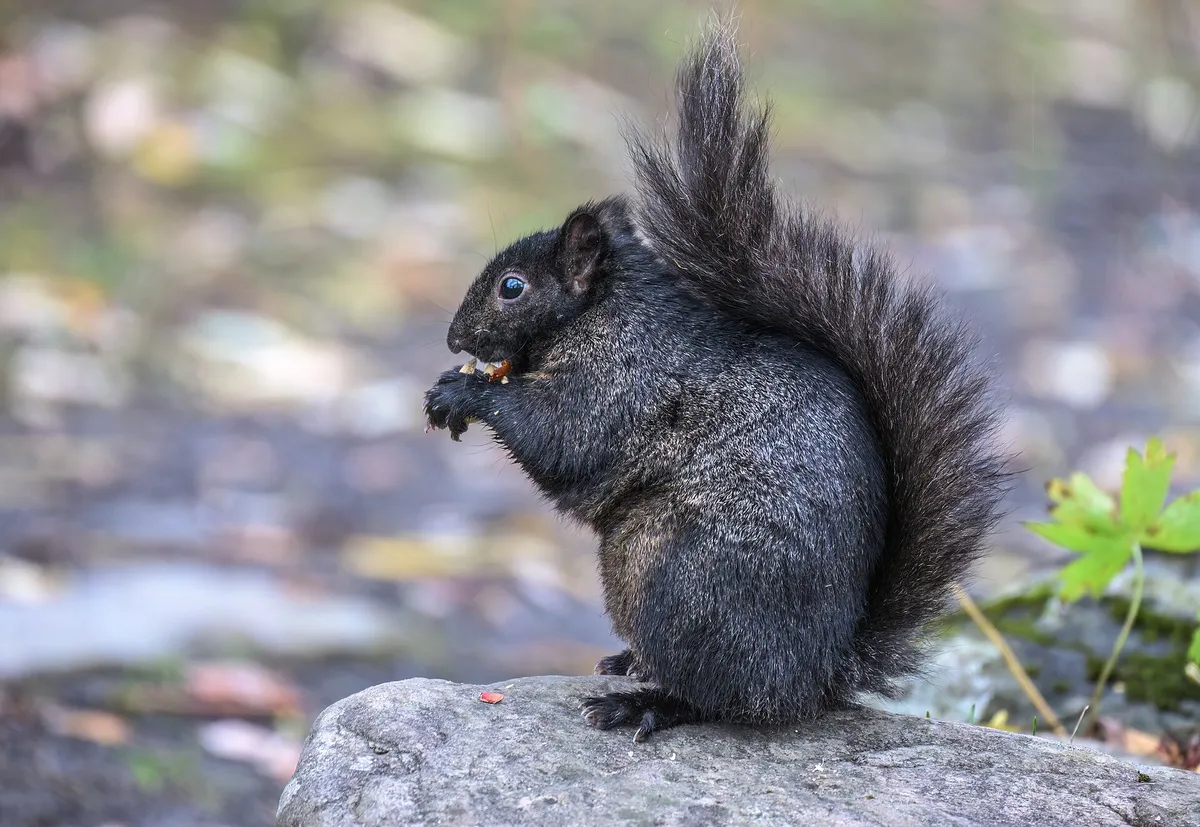
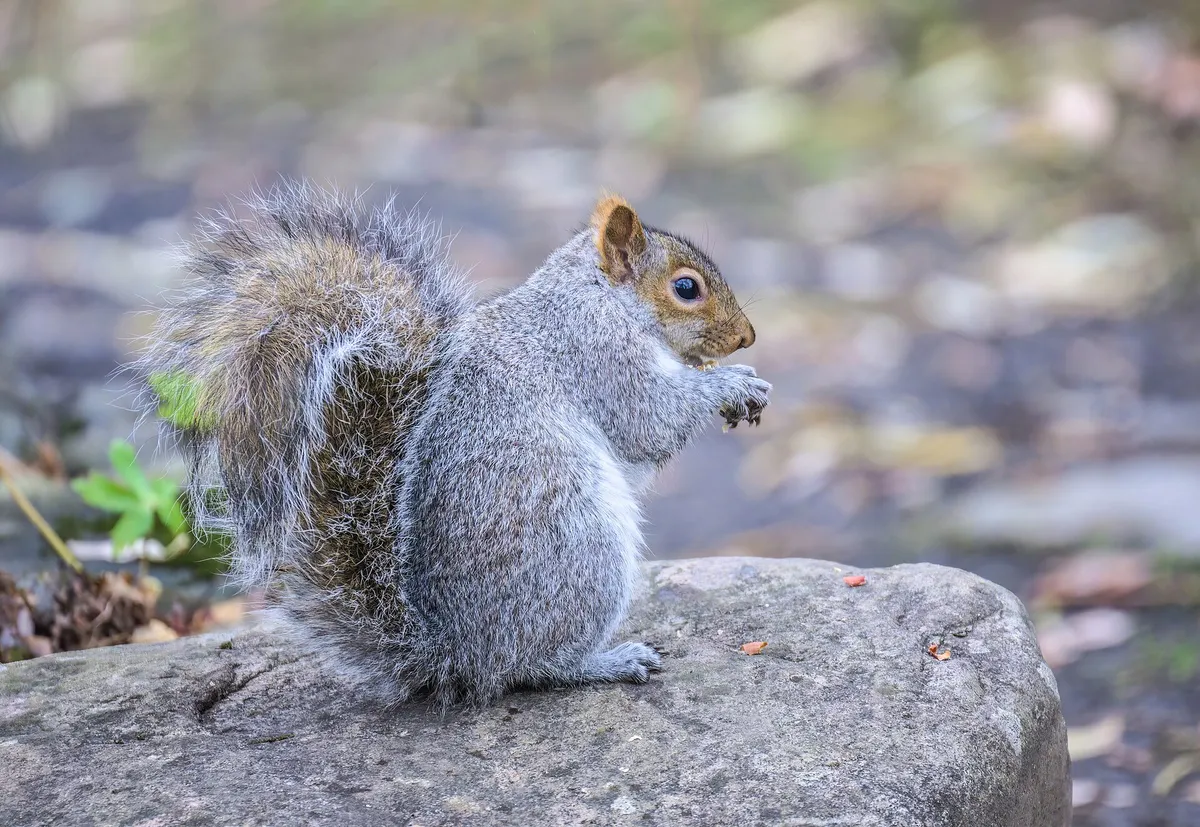
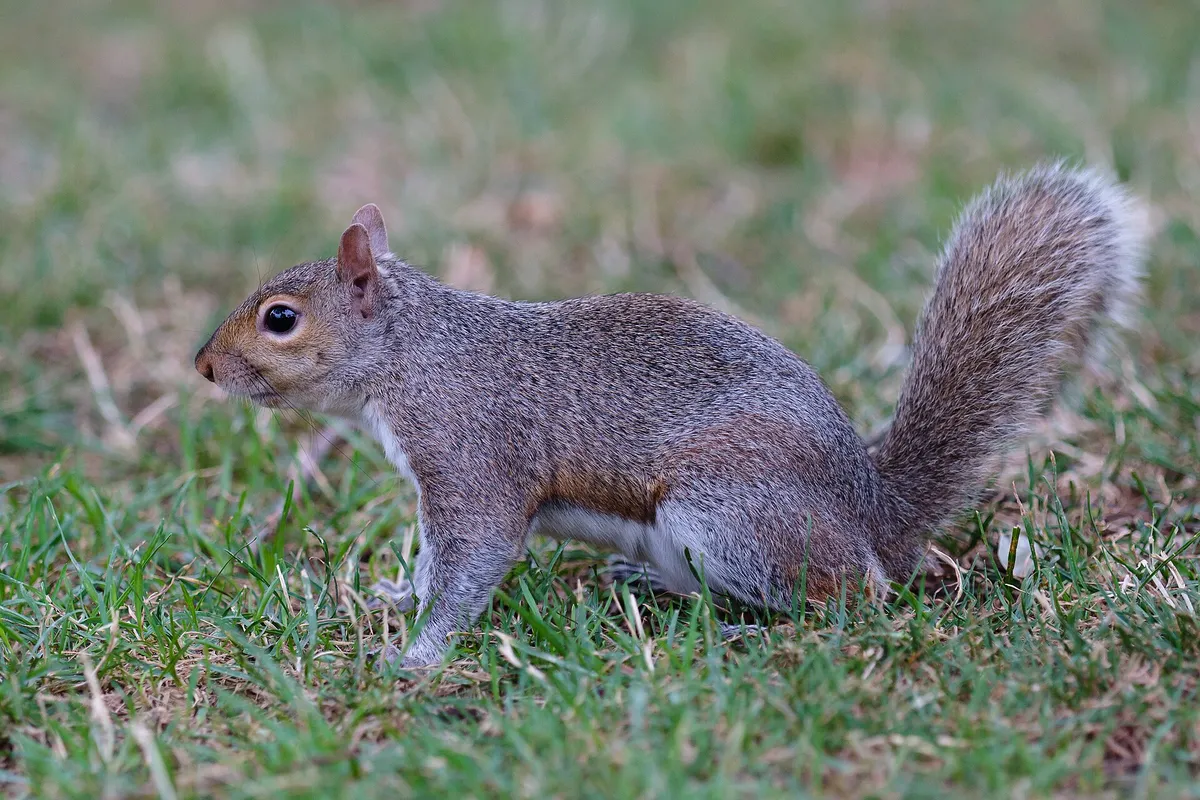
A gray squirrel in my neighborhood has raided the same bird feeder for four summers now. Same torn ear, same bossy attitude, same route along the fence. Watching it year after year made me wonder how old it really was, and the answer turned out to be more interesting than I expected. This squirrel lifespan chart compares 16 species side by side, in the wild and in captivity, so you can see exactly how long each one lives and why the numbers differ so much.
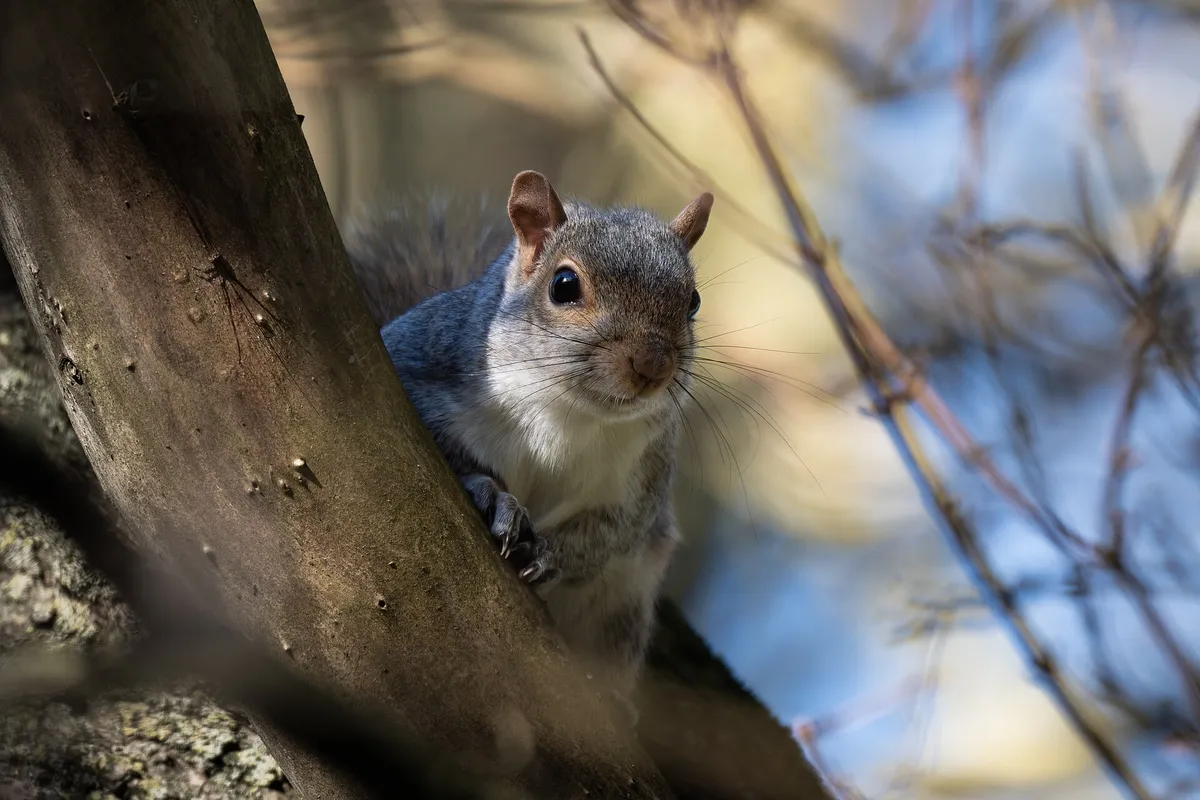
The short version is that wild squirrels live far shorter lives than captive ones. A gray squirrel that survives its first hard year can live 6 to 12 years in the wild, while the same species in a wildlife center has reached 20. That gap shows up across nearly every species in the chart below.
Squirrel Lifespan Chart: 16 Species Compared
Here is the full chart. It lists 16 squirrels with their typical wild and captive ranges side by side, plus the scientific name for each one. Treat the wild figures as the range for adults that survived their first year, since first year losses are heavy in every species.
| Species | Scientific Name | Wild Lifespan | Captive Lifespan |
|---|---|---|---|
| Eastern Gray Squirrel | Sciurus carolinensis | 6 to 12 years | Up to 20 years |
| American Red Squirrel | Tamiasciurus hudsonicus | 3 to 7 years | 8 to 10 years |
| Fox Squirrel | Sciurus niger | 6 to 10 years | Up to 18 years |
| Northern Flying Squirrel | Glaucomys sabrinus | 4 to 6 years | 10 to 15 years |
| Southern Flying Squirrel | Glaucomys volans | 3 to 5 years | 10 to 12 years |
| Arctic Ground Squirrel | Urocitellus parryii | 6 to 8 years | 8 to 10 years |
| California Ground Squirrel | Otospermophilus beecheyi | 3 to 6 years | 8 to 10 years |
| Rock Squirrel | Otospermophilus variegatus | 5 to 7 years | 8 to 12 years |
| Columbian Ground Squirrel | Urocitellus columbianus | 2 to 5 years | 6 to 10 years |
| Indian Palm Squirrel | Funambulus palmarum | 3 to 5 years | 6 to 8 years |
| Five-striped Palm Squirrel | Funambulus pennantii | 4 to 6 years | 6 to 9 years |
| Malabar Giant Squirrel | Ratufa indica | 6 to 8 years | Up to 16 to 20 years |
| Red Giant Flying Squirrel | Petaurista petaurista | 5 to 7 years | 10 to 12 years |
| Japanese Dwarf Flying Squirrel | Pteromys momonga | 4 to 5 years | 8 to 10 years |
| European Red Squirrel | Sciurus vulgaris | 3 to 6 years | 8 to 10 years |
| African Pygmy Squirrel | Myosciurus pumilio | 2 to 4 years (estimate) | 5 to 7 years (estimate) |
Two patterns jump out right away. Captive squirrels almost always live longer, and bigger species tend to outlast smaller ones. A Malabar giant squirrel can reach the high teens in care. An African pygmy squirrel, the smallest squirrel alive, rarely gets close to 5 years even under protection. If you want the full range of squirrel types behind these numbers, see our types of squirrels guide.
Why Squirrels Live Longer in Captivity
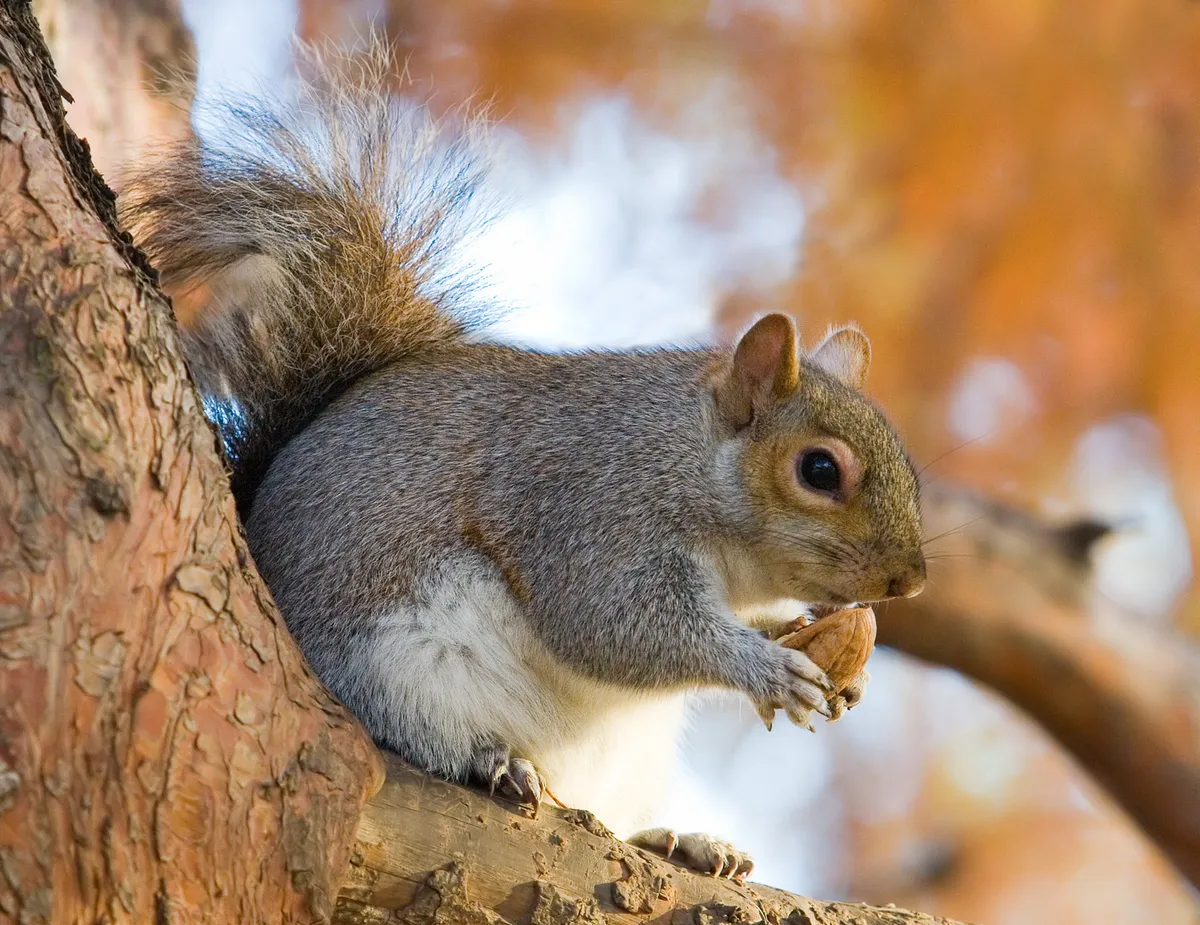
The wild is hard on squirrels. Predators and cars kill many. Cold winters and disease finish others. A pet or rescued squirrel skips most of that. Steady food and a vet visit when something goes wrong add years to its life. A wild gray squirrel that beats the odds lives 6 to 12 years. The same species in care has reached 20. Fox squirrels show the same jump, from about 10 years outside to nearly 18 under a roof.
| Factor | In the Wild | In Captivity |
|---|---|---|
| Predators | Constant threat from hawks, owls, foxes and snakes | None |
| Food supply | Seasonal and unreliable | Daily and balanced |
| Medical care | None | Vet treatment available |
| First year survival | Roughly 1 in 4 young survive | Most young survive |
| Weather | Freezing winters and storms | Sheltered dens and warmth |
Young squirrels carry most of the risk. In gray squirrels, only about one in four survives the first year. After that, the odds improve fast, and a healthy adult often sees several more seasons. That is why the wild ranges in the chart describe adults that already cleared the hardest hurdle of their lives.
Tree Squirrels vs Ground Squirrels vs Flying Squirrels
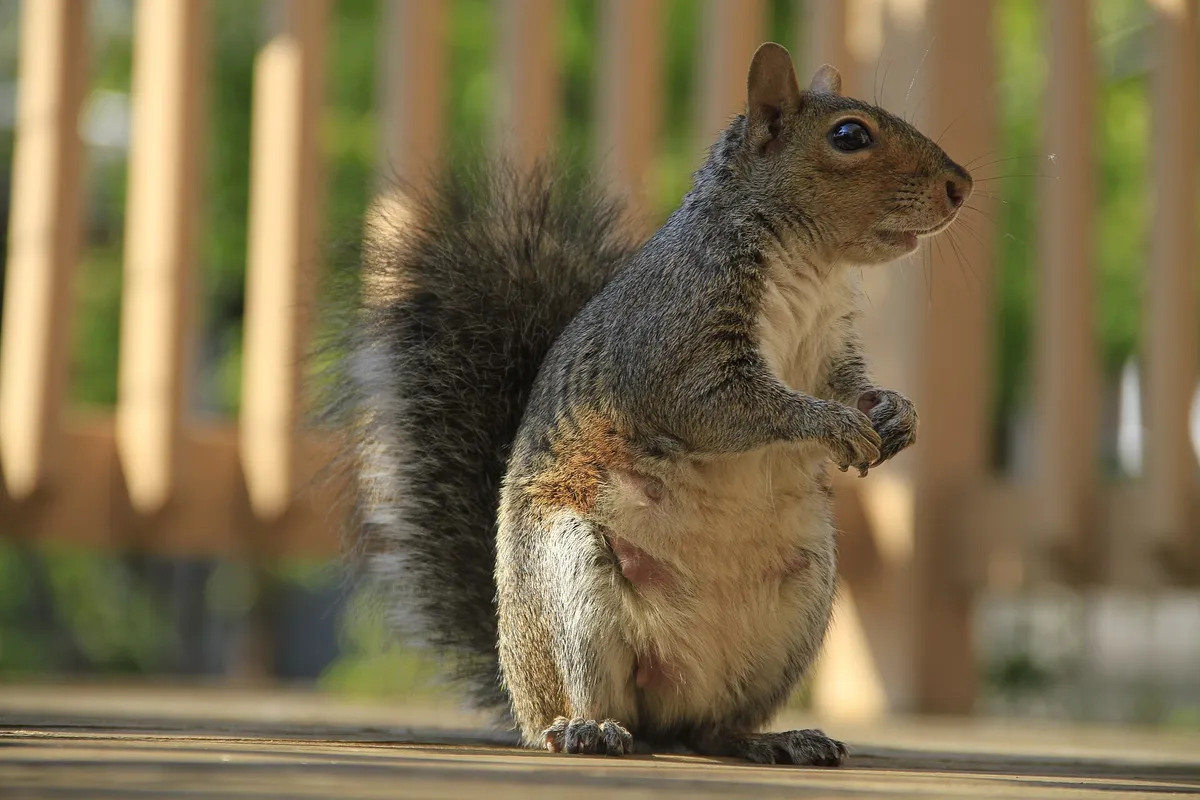
Squirrels split into three broad groups. Each lives a different kind of life, and lifespan follows. Tree squirrels, like the gray and the fox, sit at the top. They reach high nests that most predators cannot. Ground squirrels live in burrows and face more attacks from above, so they tend to live shorter lives. Flying squirrels glide between trees at night, which hides them from day hunters but leaves them open to owls.
| Squirrel Group | Typical Wild Lifespan | Typical Captive Lifespan | Defining Trait |
|---|---|---|---|
| Tree squirrels | 6 to 12 years | Up to 20 years | Nest high in trees |
| Ground squirrels | 2 to 6 years | 8 to 12 years | Live and hibernate in burrows |
| Flying squirrels | 3 to 6 years | 10 to 15 years | Glide at night on a skin flap |
The captive numbers close the gap between groups. Take away predators, and a ground squirrel can live nearly as long as a tree squirrel. Hibernation helps ground squirrels too. Arctic ground squirrels spend most of the year asleep in their burrows, which keeps them safe from predators and stretches their wild lifespan to 6 to 8 years, far above most ground squirrels. For a wider look at long lived animals, see our animals with the longest lifespan chart.
The Longest Living Squirrels
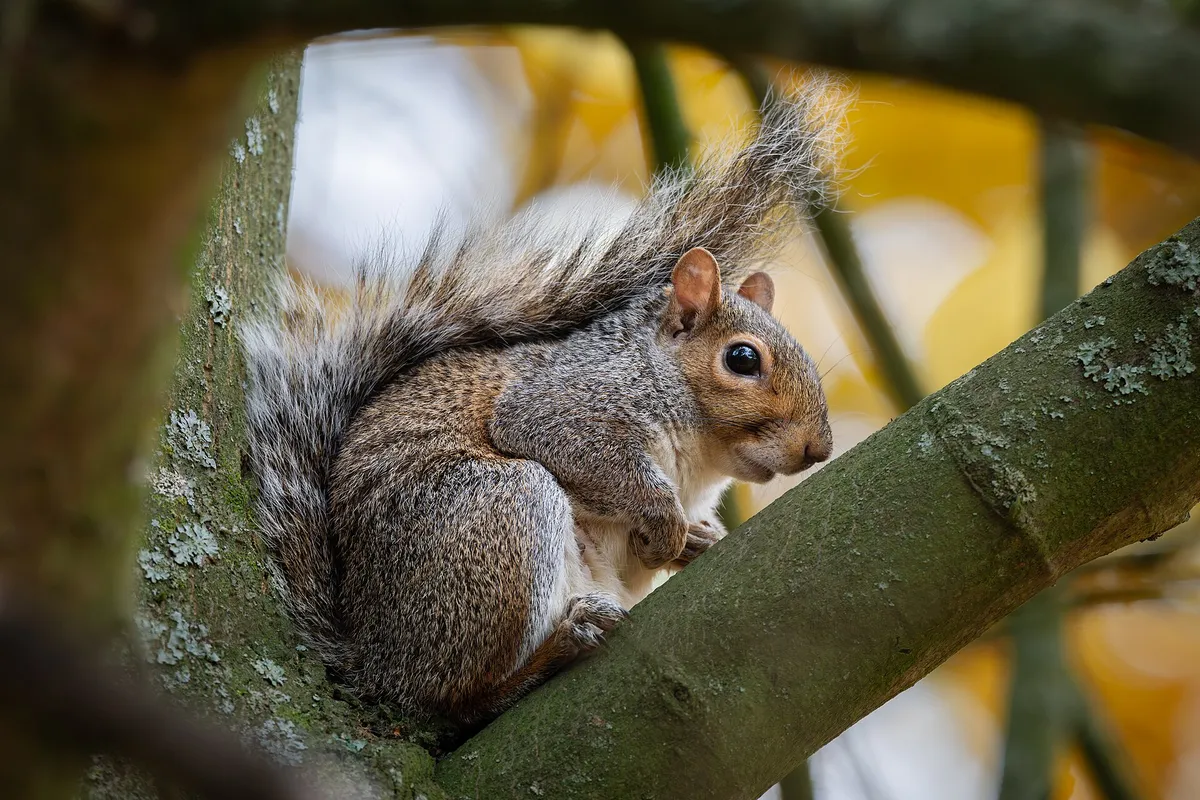
A few species stand out for sheer length of life. Most are large tree squirrels, which fits the broader rule that bigger animals last longer.
| Species | Max Captive Lifespan | Notes |
|---|---|---|
| Eastern Gray Squirrel | About 20 years | Females often outlive males |
| Fox Squirrel | About 18 years | One of the largest tree squirrels |
| Malabar Giant Squirrel | 16 to 20 years | Documented captive records reach 20 |
| Northern Flying Squirrel | 10 to 15 years | Long captive life for its size |
| Rock Squirrel | 8 to 12 years | Hardy ground squirrel of the US Southwest |
Size helps. Larger squirrels carry more fat, handle cold better, and scare off small predators. The same rule shows up across mammals, where big animals usually outlive small ones.
The First Year Is the Hardest
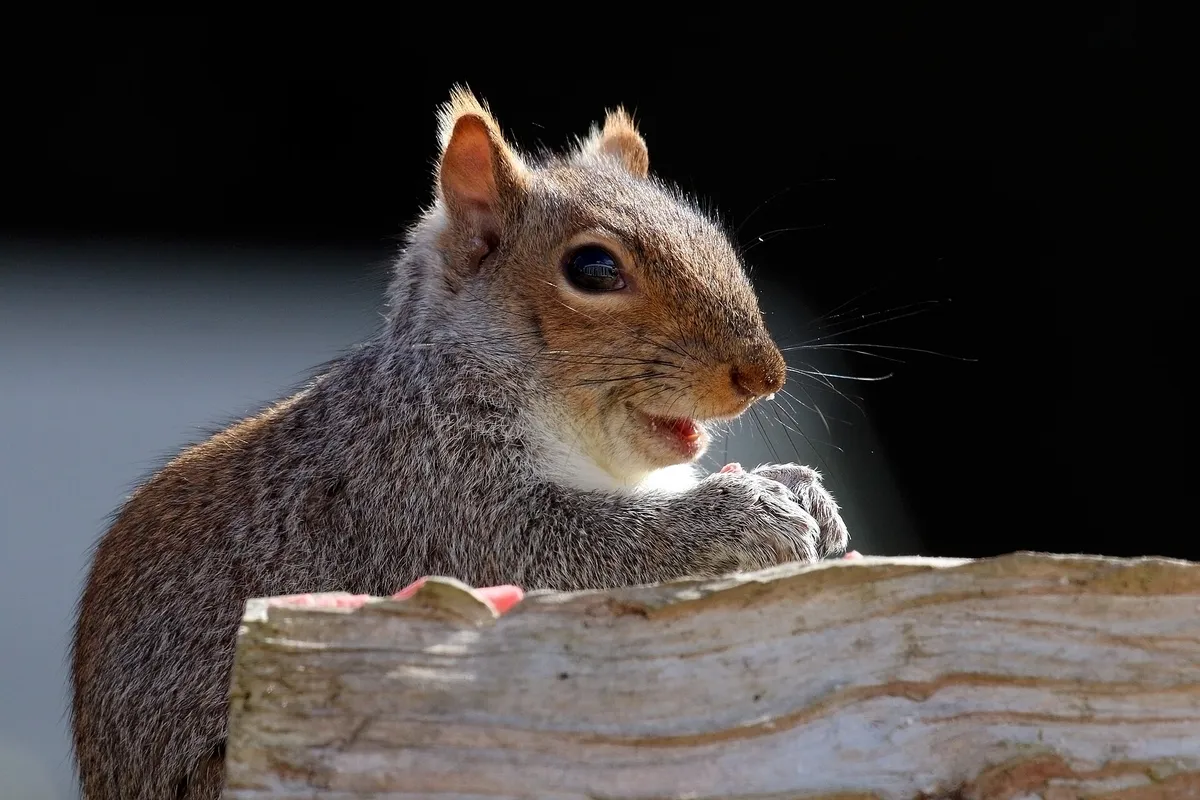
If there is one number that explains squirrel lifespans, it is first year survival. Baby squirrels are born blind, hairless and helpless, and they stay in the nest for about two months. Even after they leave, they are clumsy climbers and easy targets. In gray squirrels, only about one in four young survives the first year. Red squirrels face similar odds, and ground squirrel pups lose even more to badgers, snakes and birds of prey.
Everything changes once a squirrel reaches its first birthday. An adult gray squirrel that survives that first year has a strong chance of living 6 years or more. Females tend to do slightly better than males, partly because males roam farther looking for mates and cross more roads. A squirrel that reaches 10 in the wild is a genuine survivor, and a squirrel that reaches 12 is rare enough to be remarkable.
For orphaned babies raised by wildlife rehabbers, the picture is different. Hand reared squirrels that learn to forage before release do well, and those that stay in long term care live the longest of all. The single biggest factor in any setting is surviving that first year.
What Shortens a Squirrel’s Life
Most squirrels never reach the numbers in the chart. Several forces cut their lives short long before old age, and most of them have nothing to do with aging itself. Habitat plays a part too. A squirrel in a quiet woodland often lives longer than one dodging traffic in a city park. Food supply, winter severity and local predators all push the real number toward the low end of each range. Squirrelpox is a special problem for European red squirrels, which have no resistance to a virus carried by gray squirrels. Where the two species meet, red squirrel numbers fall fast.
| Threat | Effect on Lifespan |
|---|---|
| Predators | Hawks, owls, foxes and snakes take many young squirrels |
| Vehicles | A leading cause of death for squirrels in towns and cities |
| Harsh winters | Cold snaps and food shortages kill the weakest first |
| Disease and parasites | Mange and squirrelpox spread fast in crowded groups |
| Habitat loss | Fewer trees means fewer nests and less food |
How Squirrels Compare With Other Small Mammals
Squirrels live longer than most rodents their size. A house mouse rarely passes 2 years. A squirrel can triple that even in the wild, and far more in care. The comparison below puts squirrel lifespans next to other familiar small mammals.
| Animal | Typical Wild Lifespan | Typical Captive Lifespan |
|---|---|---|
| Eastern Gray Squirrel | 6 to 12 years | Up to 20 years |
| House Mouse | Under 1 year | 2 to 3 years |
| Brown Rat | 1 to 2 years | 2 to 3 years |
| Chipmunk | 2 to 3 years | 8 to 10 years |
| European Rabbit | 1 to 2 years | 8 to 12 years |
| Syrian Hamster | 1 to 2 years | 2 to 3 years |
Slow movers sometimes do even better. Sloths conserve energy and can live for decades, as our types of sloths breakdown shows. Squirrels take a different route. They stay fast, alert and quick to climb, which keeps predators guessing and adds years to the clock. For night gliders with surprisingly long lives, the types of bats overview is a useful comparison.
Can You Tell How Old a Squirrel Is?
There is no exact way to age a wild squirrel by looking at it, but a few clues narrow it down. Young squirrels have thinner tails, smoother fur and a clumsy, curious manner. Adults look fuller, move with purpose and guard a regular territory. Very old squirrels often show graying fur around the face, worn teeth and a slower climb.
Wildlife researchers age squirrels more precisely by weight, tooth wear and reproductive history, and rehabbers track exact ages for animals raised from birth. For the rest of us, the best clue is behavior. A squirrel that knows every branch of one tree and returns to the same nest each night has probably lived there for years.
Lifespan of Palm and Asian Squirrels
The chart is not just North American. Several entries come from Asia, and they live shorter lives than the big tree squirrels of the West. The Indian palm squirrel and the five-striped palm squirrel are small, common garden animals across South Asia. In the wild they live 3 to 6 years. In a home or sanctuary they reach 6 to 9 years.
The Malabar giant squirrel is the exception. It is one of the largest squirrels in the world, with a body and tail that can stretch past 3 feet. Size buys it time. While palm squirrels rarely pass 6 years outside, a Malabar giant can live well into its teens in care. The Japanese dwarf flying squirrel sits at the small end again, with a wild life of 4 to 5 years and up to 10 under protection.
What Helps a Squirrel Reach Old Age
Reaching the top of a lifespan range is rare in the wild and never guaranteed. A few things tilt the odds. A safe nest high off the ground keeps a tree squirrel away from cats and foxes. A steady food source, like a stand of oaks or a quiet feeder, carries it through lean winters. Fat reserves built in autumn decide which animals survive the cold months.
In captivity the picture changes. Space to climb, a varied diet of nuts and fruit, and a warm den all add years. If you feed backyard squirrels, offer unsalted nuts and fresh water, and keep feeders away from roads. Small kindnesses like that will not double a wild squirrel’s life, but they can help the regulars on your fence reach the upper end of their range.
Frequently Asked Questions
How long do squirrels live on average?
Most wild squirrels live 2 to 6 years once they survive their first year. Tree squirrels reach the higher end. In captivity, many species pass 10 years, and a few reach 20.
What is the longest living squirrel?
The eastern gray squirrel holds some of the oldest records, with captive individuals reaching 20 years. The Malabar giant squirrel comes close, with documented captive ages near 20 as well.
Why do squirrels live longer in captivity?
Captivity removes predators, traffic and winter food shortages. Steady meals and medical care let a squirrel reach its true biological limit, which the wild rarely allows.
Do flying squirrels live longer than ground squirrels?
In captivity, often yes. Flying squirrels can reach 10 to 15 years under care, while ground squirrels usually top out around 8 to 12. In the wild both stay shorter because of heavy predation.
How long do baby squirrels survive?
Most do not reach their first birthday. In gray squirrels, only about one in four young survives the first year. Those that do have a strong chance of living several more.
Does size affect squirrel lifespan?
Yes. Larger squirrels usually live longer. The Malabar giant squirrel can pass 16 years, while the tiny African pygmy squirrel rarely reaches 5. Its lifespan is poorly documented and listed as an estimate.
Conclusion
Squirrel lifespans stretch from about 2 years for the smallest ground and pygmy species to 20 years for a lucky gray squirrel in care. The chart shows the full range, but the real story is the gap between wild and captive life, and the first year that decides so much of it. A squirrel that survives its first winter, finds a safe nest and a steady food supply has a good chance of living for many seasons.