
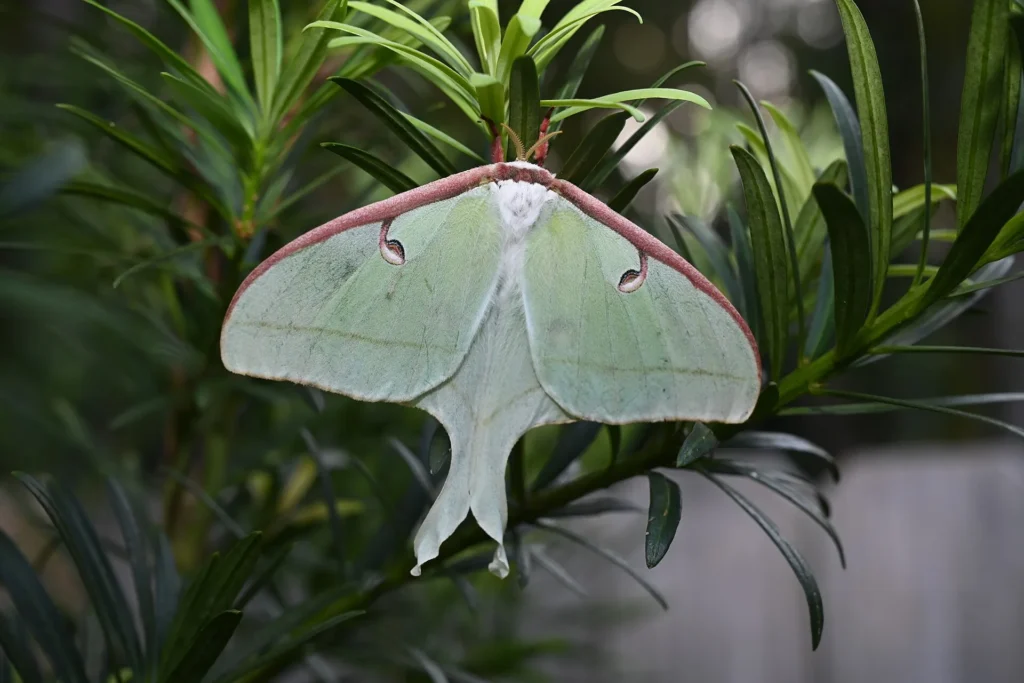
Moths are among the most diverse and misunderstood insects on Earth. With more than 160,000 described species, the many types of moths range from tiny leaf miners smaller than your fingernail to giants with wingspans wider than a dinner plate. This chart covers 20 of the most notable species, with sizes, ranges, and the field marks that make each one easy to recognize.
Most people know moths only as the dusty brown insects that flutter around porch lights. In reality, moths pollinate flowers, feed birds and bats, and produce silk. Some, like the luna moth, live only a week as adults and never eat at all. Others, like the hummingbird moth, hover at flowers in daylight and are routinely mistaken for tiny birds. Learning the main groups first makes identification far simpler.
Types of Moths at a Glance: 20 Species Compared
Use this chart to compare wingspan, range, and standout features. Wingspans are approximate adult averages, and ranges describe where each species is most commonly seen.
| Species | Wingspan | Range | Standout Feature |
|---|---|---|---|
| Luna Moth | 8 to 11 cm | Eastern North America | Pale green wings with long tails |
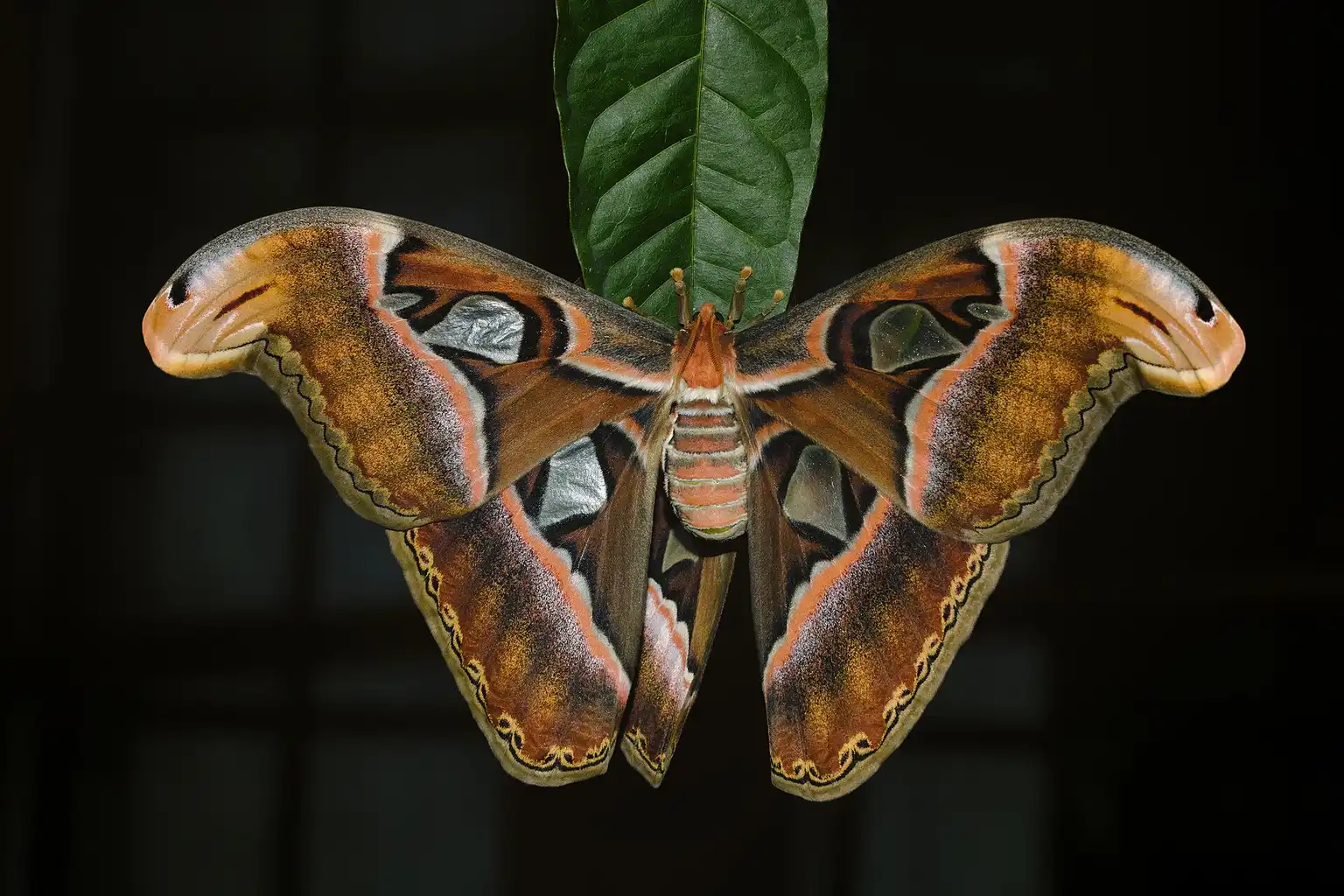
| Atlas Moth | 24 to 26 cm | Southeast Asia | One of the largest moths on Earth |
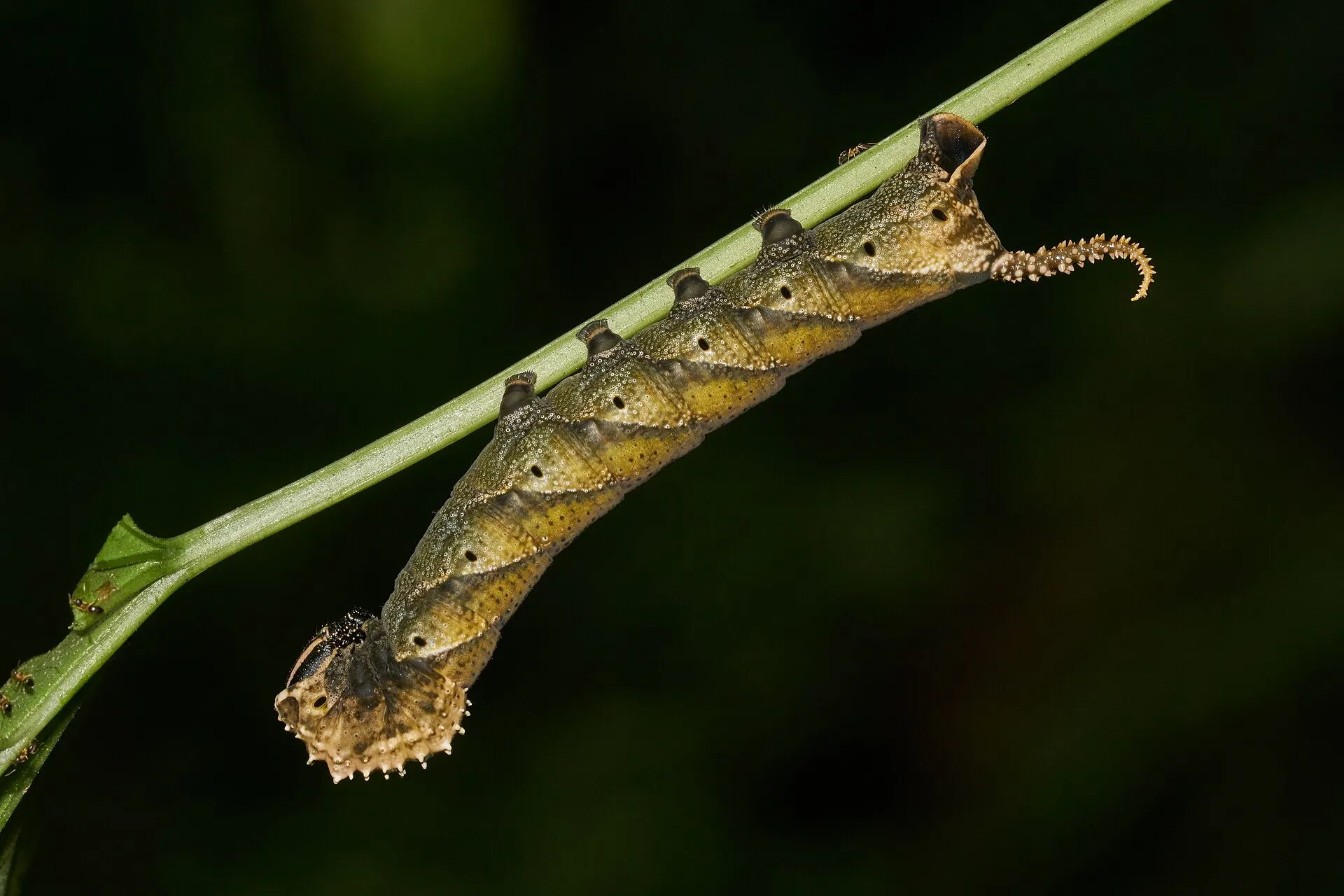
| Death’s-head Hawkmoth | 9 to 13 cm | Europe, Africa, Asia | Skull-like marking on the thorax |
| Rosy Maple Moth | 3 to 5 cm | Eastern North America | Pink and yellow pastel wings |
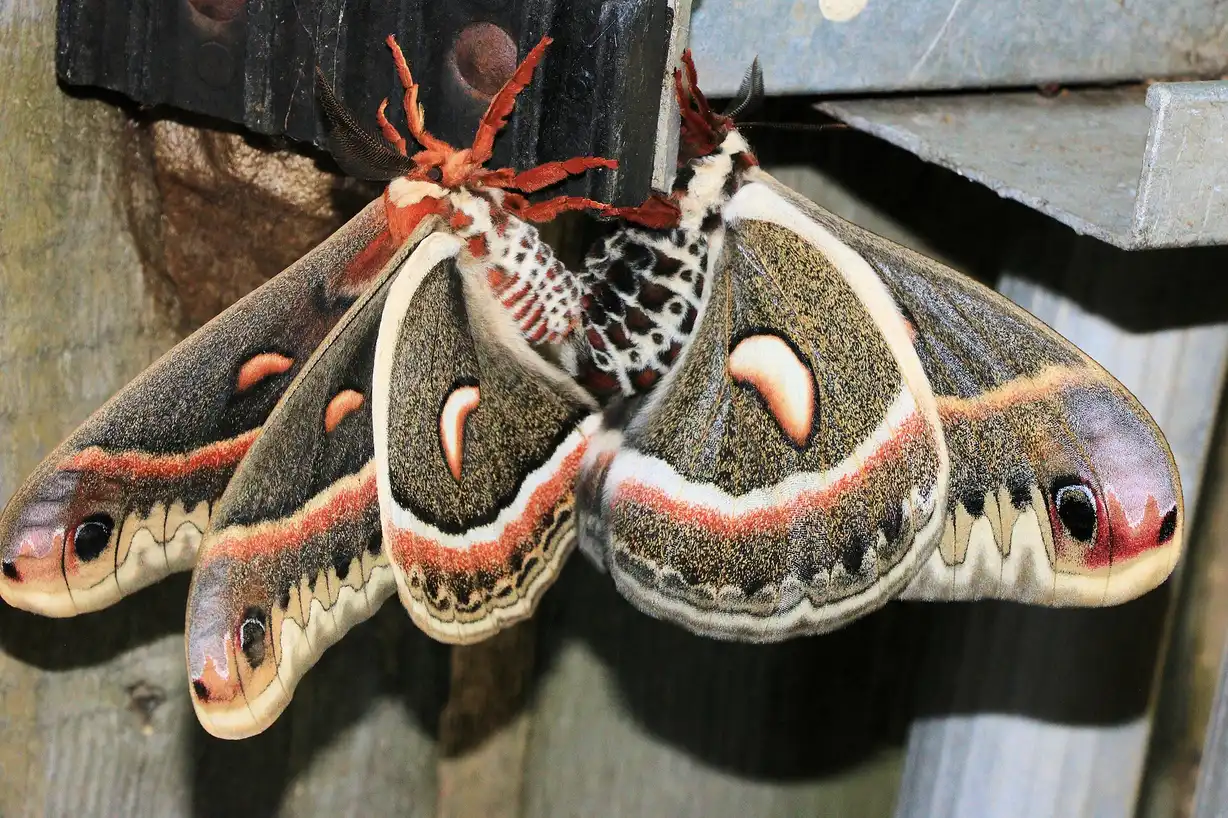
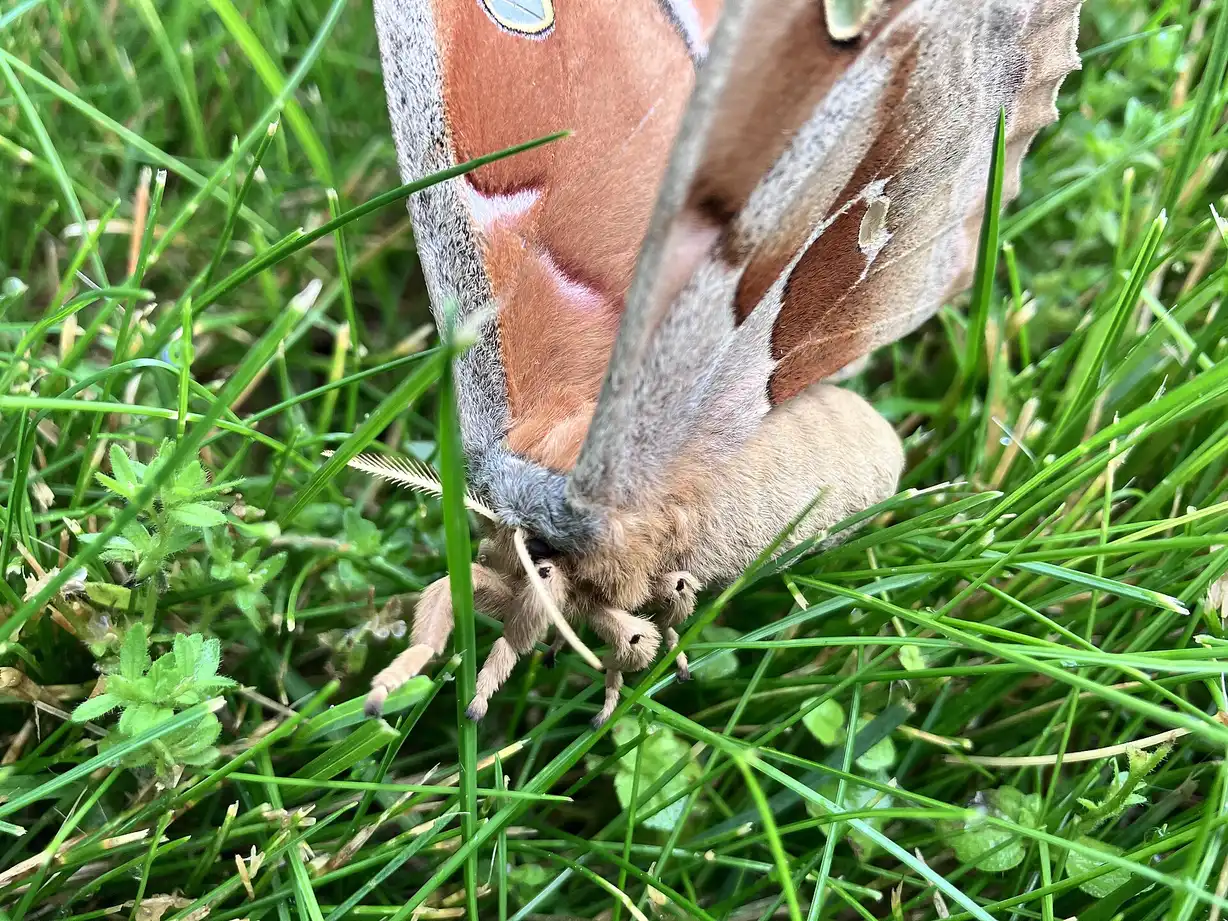
| Cecropia Moth | 13 to 17 cm | North America | North America’s largest native moth |
| Polyphemus Moth | 10 to 15 cm | North America | Large eyespots on all four wings |
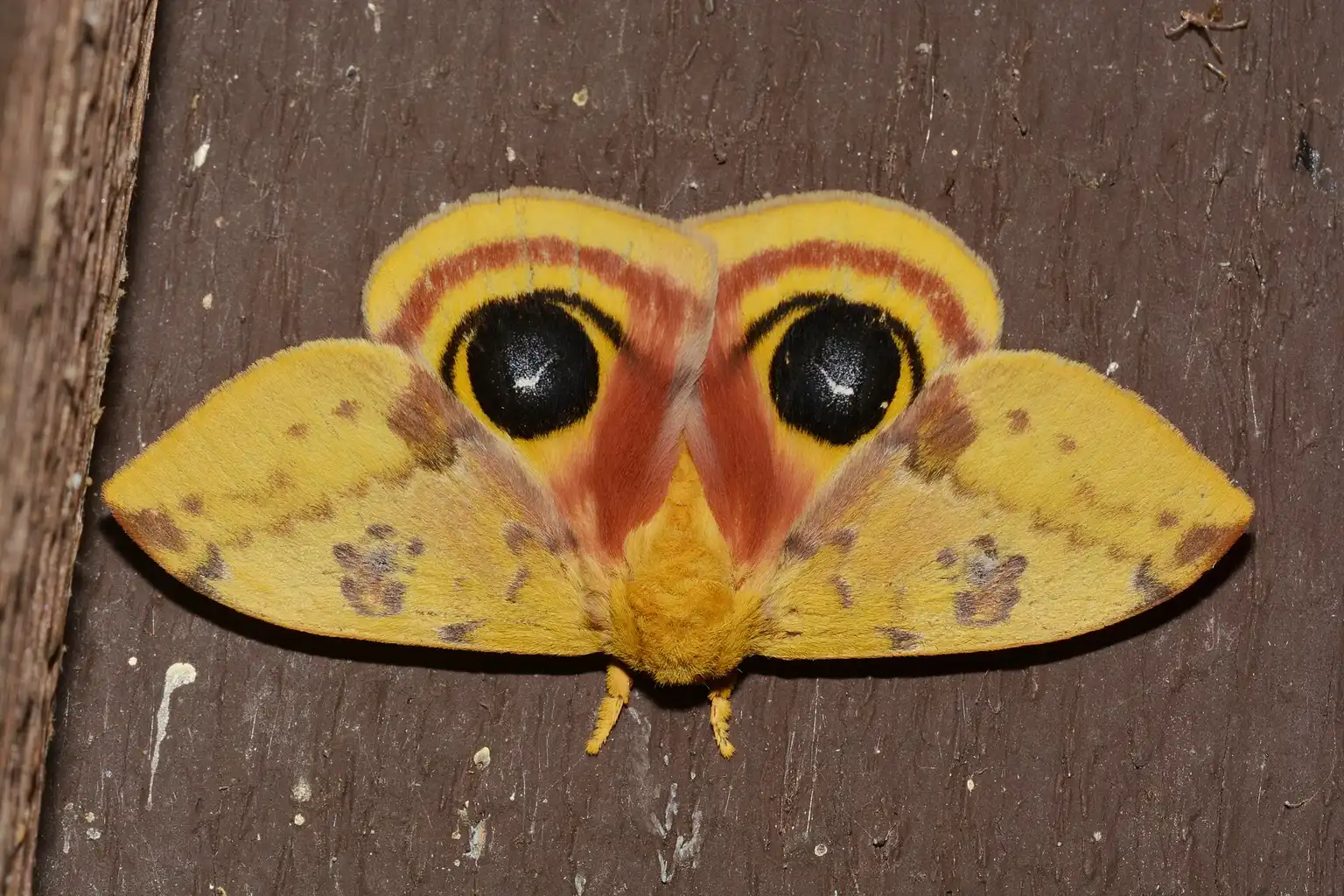
| Io Moth | 5 to 8 cm | North and Central America | Bold eyespots flashed when disturbed |
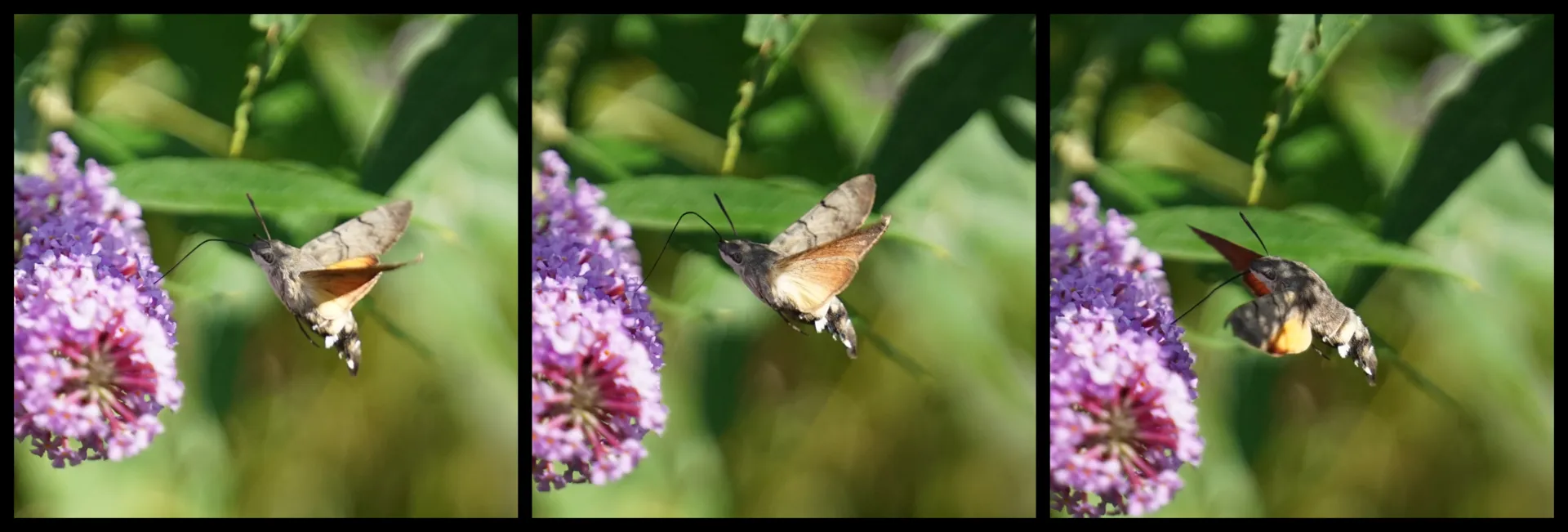
| Hummingbird Moth | 4 to 5.5 cm | North America, Europe | Hovers at flowers like a hummingbird |
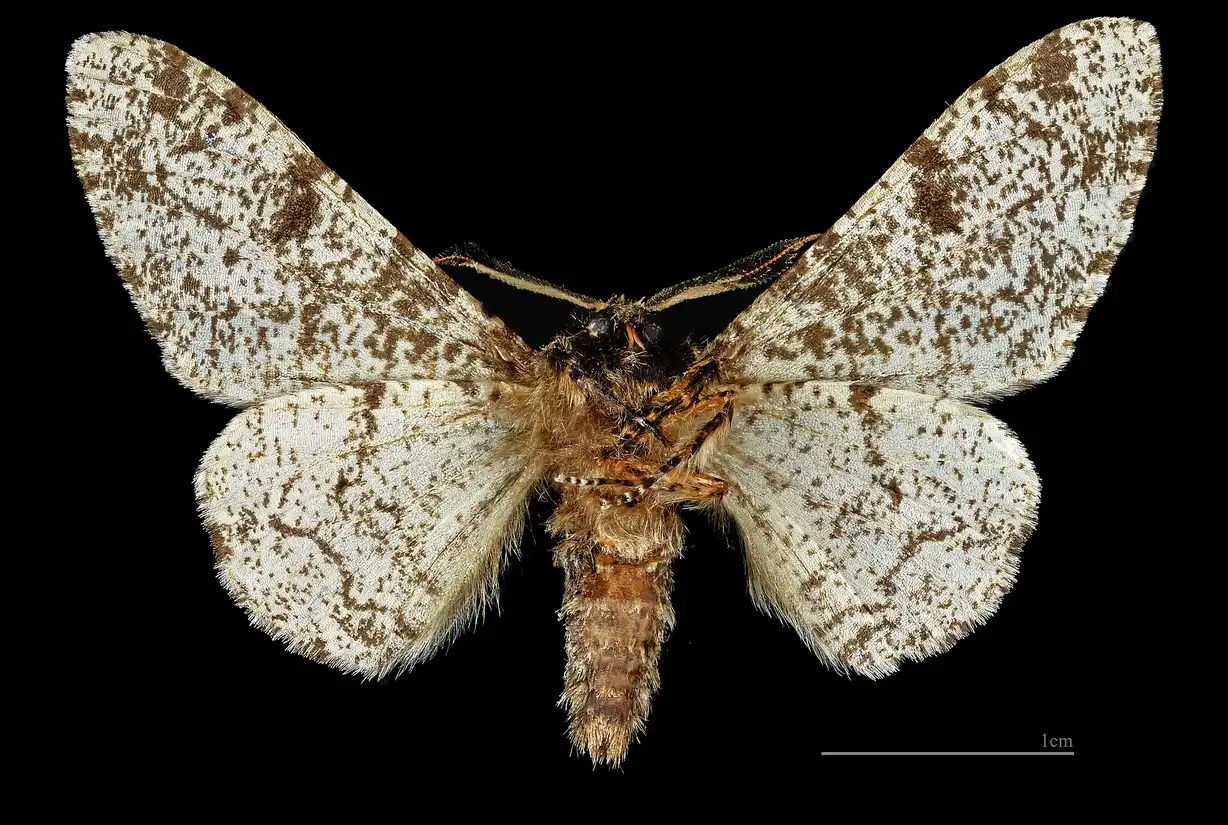
| Peppered Moth | 4.5 to 6 cm | Europe, North America | Famous industrial melanism case study |
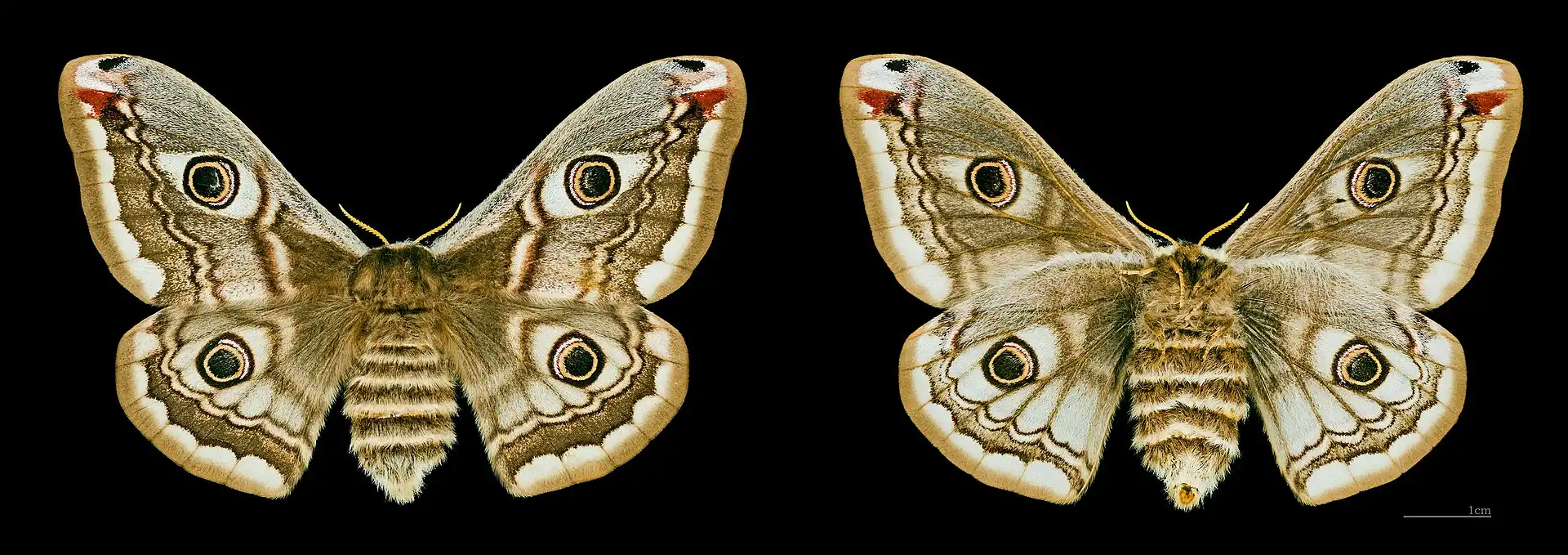
| Emperor Moth | 5.5 to 8 cm | Europe | Large eyespots and feathery antennae |
| Garden Tiger Moth | 5 to 7 cm | Europe, North America | Orange underwings with black spots |
| Domestic Silk Moth | 4 to 5 cm | Worldwide (domesticated) | Source of commercial silk for centuries |
| White Ermine Moth | 3.5 to 5 cm | Europe, Asia | White wings dotted with black spots |
| Gypsy Moth (Spongy Moth) | 4 to 6 cm | Europe, Asia, North America | Hairy caterpillars defoliate trees |
| Indian Moon Moth | 11 to 15 cm | South and Southeast Asia | Long twisted tails, pale green wings |
| Madagascan Sunset Moth | 7 to 9 cm | Madagascar | Iridescent rainbow colored wings |
| Atlas Lookalike: Snake’s Head Moth | 20 to 24 cm | Southeast Asia | Wingtips resemble a snake’s head |
| Elephant Hawkmoth | 5 to 7 cm | Europe, Asia | Pink and olive green striped wings |
| Clothes Moth | 1.2 to 1.6 cm | Worldwide | Tiny golden moth of stored wool |
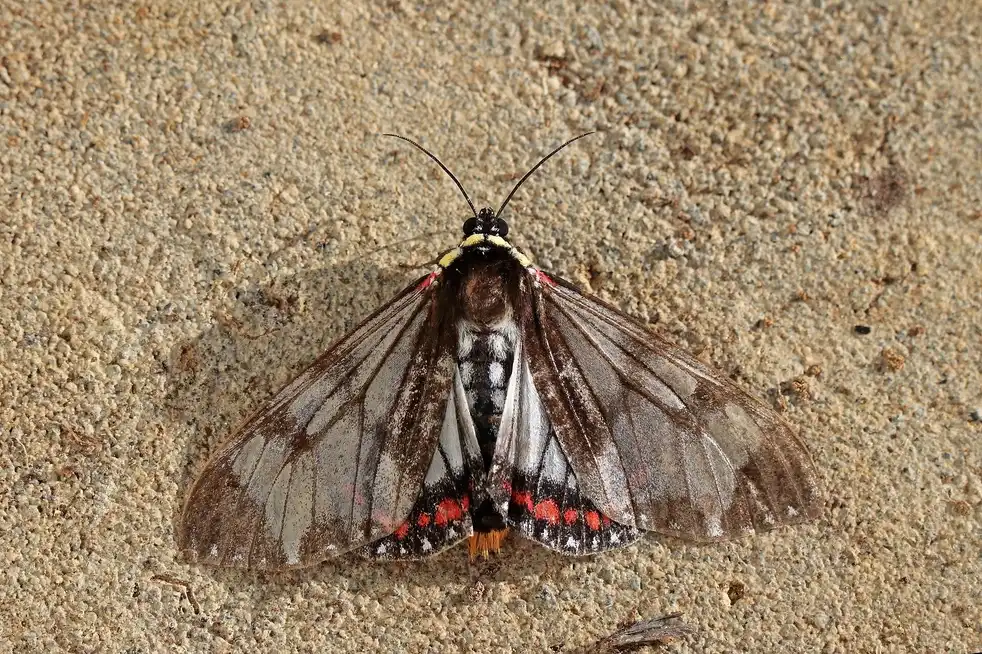
| Hornet Moth | 3 to 4 cm | Europe | Clear wings mimic a stinging hornet |
Giant Silk Moths: The Showstoppers
The Saturniidae family holds the giants. The luna moth, cecropia moth, and polyphemus moth all belong here, and all share the same remarkable life pattern: adults have no working mouthparts, so they live only about a week, powered entirely by fat stored from caterpillar days. Their only job is to mate and lay eggs.
The atlas moth of Southeast Asia takes the size crown, with a wing area larger than any other insect. Its wingtips even mimic a snake’s head in profile, a trick that startles predators. In North America, the cecropia moth fills the same role, and its caterpillars feed on maple, birch, and cherry trees.
Hawkmoths: Fast, Powerful Fliers
Hawkmoths are the fighter jets of the moth world. Their stout bodies and narrow wings let some species fly at 30 miles per hour, and many hover while feeding, unrolling a proboscis longer than their body to reach deep flowers. The death’s-head hawkmoth is the most famous of the group, partly because of the skull-like pattern on its back and partly because it can squeak when handled.
The hummingbird moth, often confused with a tiny bird, is a daytime hawkmoth that visits phlox, bee balm, and honeysuckle. If you see a plump, furry insect hovering at flowers in daylight with a long tongue, you are almost certainly watching a hawkmoth, not a bird. For a comparison with a related group, see our types of butterflies chart, which covers the day-flying cousins moths are often confused with.

Small and Colorful Moths Worth Knowing
Not every notable moth is huge. The rosy maple moth looks like a tiny piece of candy, with pastel pink and yellow wings, and it is common across eastern North America wherever maple trees grow. The Madagascan sunset moth is often called the most beautiful moth in the world, with iridescent scales that shift color as light changes.
At the other end of the scale, the clothes moth is barely larger than a grain of rice, yet it is the moth most people actually meet indoors. Its larvae feed on wool, fur, and feathers, which is why cedar closets and sealed storage matter. The peppered moth earned its fame in science classrooms: during the industrial revolution, dark forms became common near sooty cities, then pale forms returned as air cleaned up.
How to Identify a Moth in the Field
Start with three questions. First, what time is it? Most moths fly at night, but hummingbird moths and sunset moths fly by day. Second, what is the resting posture? Many moths rest with wings flat or tent-like over the body, while butterflies usually fold wings upright. Third, what do the antennae look like? Moths often have feathery or tapered antennae, while butterflies have thin antennae with clubbed tips.
Next, note size, color, and any eyespots or bands, then check the host plant. Cecropia caterpillars feed on maple and cherry, luna caterpillars on walnut and sweetgum, and monarch lookalikes aside, most large silk moths stick to a short list of trees. A photo plus the plant name is usually enough for a confident identification, and caterpillar sightings help too: our types of caterpillars chart covers the larval stage of many of these same species.
Moths That Mimic Other Animals
Mimicry is a recurring theme among moths. The hornet moth has transparent wings and a yellow-banded body, so predators that have learned to avoid stinging hornets leave it alone. The snake’s head moth uses its wingtips the same way. The io moth takes a different approach: when threatened, it flashes its hindwing eyespots, which look like the eyes of a much larger animal.
These defenses work because moths are a major food source. Bats, birds, and even other insects hunt them nightly, so every extra trick helps. If you want to compare another insect group with strong mimicry and warning colors, our types of wasps chart shows how real stinging insects advertise themselves.
Are Moths Harmful to Gardens or Homes?
Most moths are harmless or helpful. Adults pollinate night-blooming flowers, and caterpillars feed countless birds. Only a handful cause real problems: spongy moth caterpillars can strip oak and birch trees, clothes moth larvae damage wool, and a few agricultural pests attack crops. The vast majority never touch your plants or your closet.
If moths gather around your porch light, the kindest fix is to switch to warm-colored LED bulbs, which attract far fewer insects, or to turn lights off when you do not need them. Avoid broad insecticide sprays, which kill pollinators along with pests.


Frequently Asked Questions
What is the difference between a moth and a butterfly?
There is no single scientific dividing line, but as a rule moths are mostly nocturnal, rest with wings flat or folded rooflike over the body, and have feathery or tapered antennae. Butterflies are mostly diurnal, rest with wings upright, and have clubbed antennae.
What is the largest moth in the world?
By wing area, the atlas moth of Southeast Asia is the largest, with a wingspan up to about 26 cm. By wingspan alone, the white witch moth of Central and South America can reach about 30 cm.
Do adult luna moths eat?
No. Adult luna moths have no working mouthparts and do not feed. They live roughly a week on energy stored from the caterpillar stage, just long enough to mate and lay eggs.
Are moths dangerous to humans?
Almost never. No common moth bites or stings people. A few caterpillars have irritating hairs, so avoid handling fuzzy caterpillars you cannot identify, but adult moths are harmless.
Conclusion
From the palm-sized atlas moth to the tiny clothes moth, the types of moths covered here show why this group deserves more attention than it gets. Learn the giants first, then the hawkmoths and the colorful small species, and you will start recognizing moths everywhere, from porch lights to woodland trails. Keep this chart handy next time a mystery moth lands near you, and check its size, markings, and host plant against the table above.

