

Most homes host more insect life than their owners ever notice. The types of house bugs found indoors range from harmless spring visitors to persistent pests that damage food, fabric, and wood. This chart covers 20 common species, with sizes, indoor hiding spots, and the one feature that gives each bug away.
Use size as your first clue, then check shape, color, legs, and wings. Note where you found the bug, what it was near, and whether you see one insect or many. Those three details narrow almost every identification down fast.
Types of House Bugs Chart: Size, Location, and Key Feature
Sizes are typical adult lengths, and locations are where each species is most often found in a home.
| House bug | Typical size | Where found indoors | Identifying feature |
|---|---|---|---|
| Housefly | 6 to 7 mm | Kitchens, windows, bins | Single pair of wings, large reddish eyes |
| Fruit fly | 3 to 4 mm | Near fruit, sinks, drains | Tiny tan body, red eyes, hovers over food |
| Drain fly | 2 to 5 mm | Bathrooms, drains, damp walls | Moth-like fuzzy wings held flat over the body |
| German cockroach | 13 to 16 mm | Kitchen cabinets, behind appliances | Light brown body, two dark stripes behind the head |
| American cockroach | 35 to 40 mm | Basements, drains, boiler rooms | Large reddish brown body, pale band behind the head |
| Carpenter ant | 6 to 13 mm | Window frames, damp wood, kitchens | Large black ant with a smooth, single-segmented waist |
| Odorous house ant | 2 to 3 mm | Kitchens, bathrooms, wall voids | Tiny dark ant that smells like coconut when crushed |
| Bed bug | 5 to 7 mm | Mattress seams, bed frames, headboards | Flat oval rust colored body, no wings |
| Flea | 2 to 3 mm | Carpets, pet bedding, upholstery | Tiny dark jumper, flattened from side to side |
| Silverfish | 12 to 19 mm | Bathrooms, attics, bookcases | Silvery teardrop body, three long tail bristles |
| Firebrat | 10 to 12 mm | Near boilers, ovens, hot pipes | Mottled gray brown body, prefers warm spots |
| Carpet beetle | 2 to 4 mm | Carpets, closets, stored wool | Small oval beetle with mottled black, white, and brown scales |
| Clothes moth | 6 to 8 mm wingspan | Closets, drawers, stored clothing | Tiny golden moth that rarely flies far from wool |
| Indianmeal moth | 16 to 20 mm wingspan | Pantries, cereal boxes, dried fruit | Two-tone wings: pale front half, coppery rear half |
| Sawtoothed grain beetle | 2 to 3 mm | Flour, cereal, pasta packaging | Slender brown beetle with saw-like ridges on the thorax |
| Earwig | 12 to 16 mm | Basements, bathrooms, door thresholds | Dark body with curved pincers at the rear |
| House centipede | 25 to 35 mm | Basements, bathrooms, damp corners | Many long legs, fast runner, feathery leg fringe |
| Woodlouse (pill bug) | 10 to 15 mm | Basements, ground floors, damp corners | Gray segmented shell, rolls into a ball when disturbed |
| Termite (worker) | 4 to 6 mm | Wood framing, skirting, subfloors | Pale soft body, straight antennae, no narrow waist |
| Stink bug | 12 to 17 mm | Windows, curtains, attic vents | Shield-shaped mottled brown body, broad shoulders |

Flying House Bugs: Flies, Moths, and Drain Flies
Houseflies are the classic kitchen visitor, about 6 to 7 mm long and gray with four dark stripes on the thorax. Fruit flies are much smaller and cluster around ripe fruit and sink drains. If tiny flies rise from a bathroom drain in a cloud, drain flies are the likely culprit, with fuzzy, moth-like wings and weak, hopping flight.
Pantry moths tell a different story. The Indianmeal moth has two-tone wings, pale at the front and coppery at the back, and its larvae spin webbing in cereal and flour. Clothes moths are smaller and golden, stay close to wool and silk, and their larvae, not the adults, do the damage.
Crawling Kitchen Bugs: Cockroaches and Ants
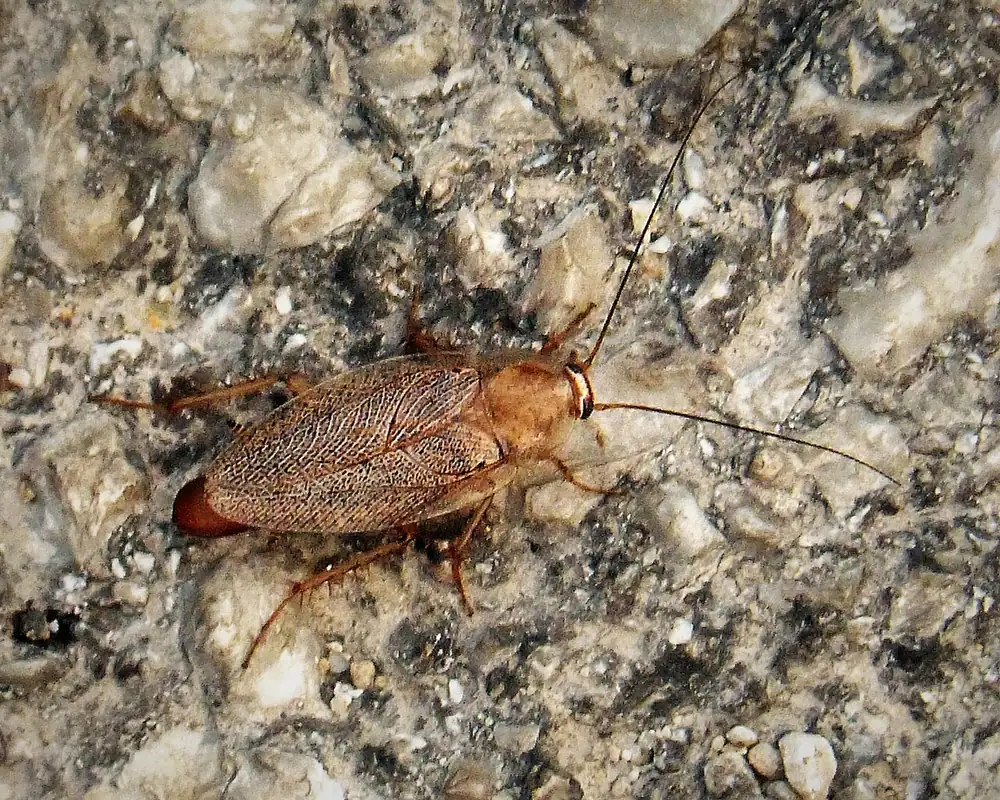
Cockroaches are the house bugs most people want identified first. The German cockroach is small and light brown, with two dark stripes behind its head, and it multiplies fast in warm kitchens. The American cockroach is far larger, reddish brown, and more common in basements and drains. For the full comparison, see our guide to types of cockroaches for species, sizes, and habitats side by side.
Ants indoors usually follow food or moisture. Carpenter ants are large and black, and they nest in damp or damaged wood rather than eating it. Sawdust-like frass near a window frame is a warning sign. Odorous house ants are tiny and dark, travel in long trails to crumbs, and smell faintly of coconut when crushed.

Biting House Bugs: Bed Bugs and Fleas
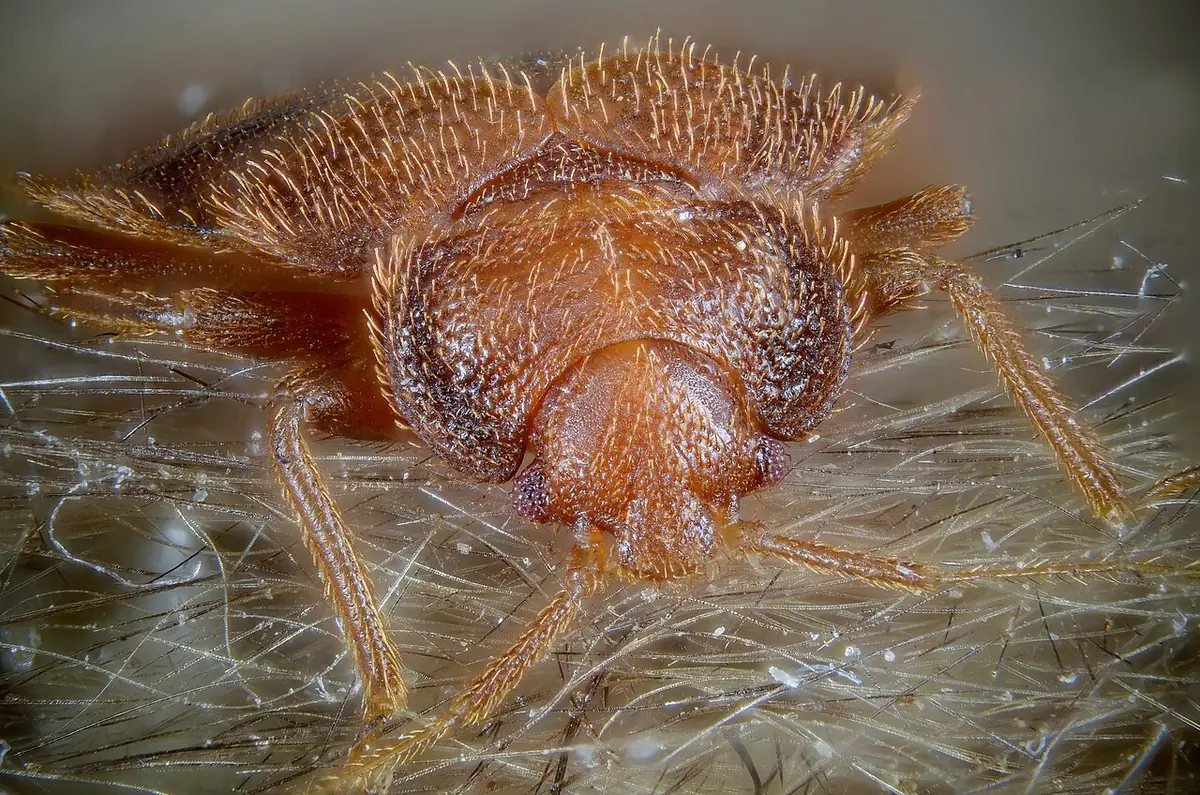
Bed bugs and fleas cause the most worry, and they are easy to confuse. Bed bugs are flat, oval, and rust colored, about the size of an apple seed when unfed. They hide in mattress seams and bed frames, and leave tiny dark spots and shed skins near the bed. They do not fly or jump.
Fleas are smaller, darker, and built for jumping. Flattened from side to side, they slip through pet fur and are usually found on carpets and pet bedding. Treat pets and bedding together, and vacuum thoroughly, because eggs and larvae hide in carpet fibers.
Moisture Lovers: Silverfish, Earwigs, and Centipedes
Damp rooms attract their own cast of house bugs. Silverfish are silvery and teardrop-shaped, with three long bristles at the tail, and they feed on paper and glue in bookcases and bathrooms. Firebrats look similar but prefer heat, gathering near boilers and ovens. Lowering humidity and fixing leaks does more long-term good than spraying alone.
Earwigs are recognized instantly by the pincers at the rear of the body. They wander in from damp soil through door thresholds, and they are harmless to people in practice despite their look. House centipedes look alarming too, but they prey on other insects and spiders, so one indoors often means other small pests are present. For comparison, see our guide to types of house spiders.

Pantry and Fabric Pests: Beetles and Moths
Carpet beetles are small, oval, and mottled, and their larvae damage wool, silk, feathers, and stored textiles. Adults are often found on windowsills, while larvae hide in dark closet corners and under furniture. The sawtoothed grain beetle is even smaller and infests flour, cereal, and pasta, sometimes arriving already sealed inside packaging. Discard infested food, clean shelves thoroughly, and store replacements in sealed containers.
Clothes moths and carpet beetles together account for most mystery holes in stored clothing. Irregular holes with webbing point to moths, while clean-edged grazing and shed larval skins point to beetles. Wash or freeze affected items where the care label allows, and clean the storage area first.

Occasional Invaders and Wood Pests
Some house bugs visit rather than settle in. Stink bugs slip through attic vents in autumn and gather on sunny windowsills. Their shield shape makes them easy to spot, and they release odor only when disturbed, so catch and release beats crushing. Woodlice wander in from damp soil and roll into a ball when touched, but they need moisture, so a dry home rarely keeps them long.
Termites are the exception, and they deserve a prompt response. Workers are pale and soft-bodied, about 4 to 6 mm long, with straight antennae and no pinched waist, unlike ants. Mud tubes on walls, hollow-sounding wood, and discarded wings near windows are classic signs. Get a professional inspection, because the colony lives out of sight.

How to Identify a House Bug in 60 Seconds
Start with four questions. Does it fly, jump, crawl, or roll into a ball? How big is it compared with a grain of rice? Where exactly did you find it, and is there one or many? A flying insect near fruit is probably a fruit fly. A jumper on pet bedding is probably a flea. A shield-shaped bug on a windowsill in autumn is probably a stink bug. For a deeper look at water-loving species that sometimes enter homes, see our guide to types of water bugs, and for shield-shaped bugs specifically, see types of stink bugs.
Photograph the bug next to a coin for scale before you remove it. A clear close-up, plus the room where you found it, makes identification far easier than a description alone.

Preventing House Bugs Without Overdoing It
Prevention is mostly housekeeping plus sealing. Store pantry food in airtight containers, wipe crumbs promptly, and take bins out regularly. Fix dripping taps and damp corners, since moisture draws silverfish, earwigs, and centipedes. Seal gaps around doors, windows, and pipes, and keep firewood away from exterior walls.
Avoid spraying every bug you see. Many occasional invaders die indoors on their own, and broad spraying can scatter a colony without solving it. Reserve insecticide for a confirmed infestation, follow the label exactly, and call a professional for bed bugs, termites, or a large cockroach problem.

When to Call a Professional
Call for help if you find bed bugs, termites, or a cockroach infestation that keeps returning after cleaning. The same applies if bites persist, wood sounds hollow, or you find mud tubes or repeated pantry infestations. A professional can find the source and treat the colony, not only the insects you can see.

Frequently Asked Questions About House Bugs
What is the most common house bug?
The housefly, the German cockroach, and the odorous house ant compete for that title. Flies peak in warm months, ants follow food in spring and summer, and German cockroaches persist year round in warm kitchens.
Are house bugs dangerous?
Most are a nuisance rather than a danger. Cockroaches can worsen allergies and asthma, bed bugs and fleas bite, and termites damage wood. Stink bugs, earwigs, silverfish, and woodlice are generally harmless to people.
How do I tell a bed bug from a flea?
Bed bugs are flat, oval, and about 5 to 7 mm long, and they hide near beds without jumping. Fleas are smaller, darker, flattened from side to side, and jump readily. Location is often the fastest clue: bed seams point to bed bugs, pet bedding and carpets point to fleas.
Why do bugs keep coming back after I clean?
Cleaning removes food and shelter, but it does not close entry points or fix moisture. Seal gaps, repair leaks, and store food in sealed containers. If the same species returns in large numbers, the colony is likely hidden, and a professional inspection is worth it.

Conclusion
Identifying house bugs gets easier once you look at the whole picture: size, shape, location, and numbers. The chart above covers the 20 species most often found indoors, and the checks in each section should let you name most visitors within a minute. When in doubt, photograph the insect with something for scale and compare it against the table. Correct identification is the first step to a calmer, cleaner home.


