
When most people hear the words types of flies, they picture a single house fly buzzing around a kitchen window. In reality, the fly world is far bigger. True flies belong to the order Diptera, defined by having just one pair of working wings, and the group holds more than 120,000 described species, from tiny gnats to large horse flies with a painful bite. This chart covers 20 common species, with sizes, habitats, and the marks that help you tell them apart.
Types of Flies at a Glance: 20 Species Compared
Sizes are typical adult body lengths, and habitats describe where each species is most often found in temperate regions.
| Fly species | Typical size | Common habitat | Identifying feature |
|---|---|---|---|
| House fly (Musca domestica) | 6 to 7 mm | Homes, farms, garbage areas | Gray thorax with four dark stripes, red eyes |
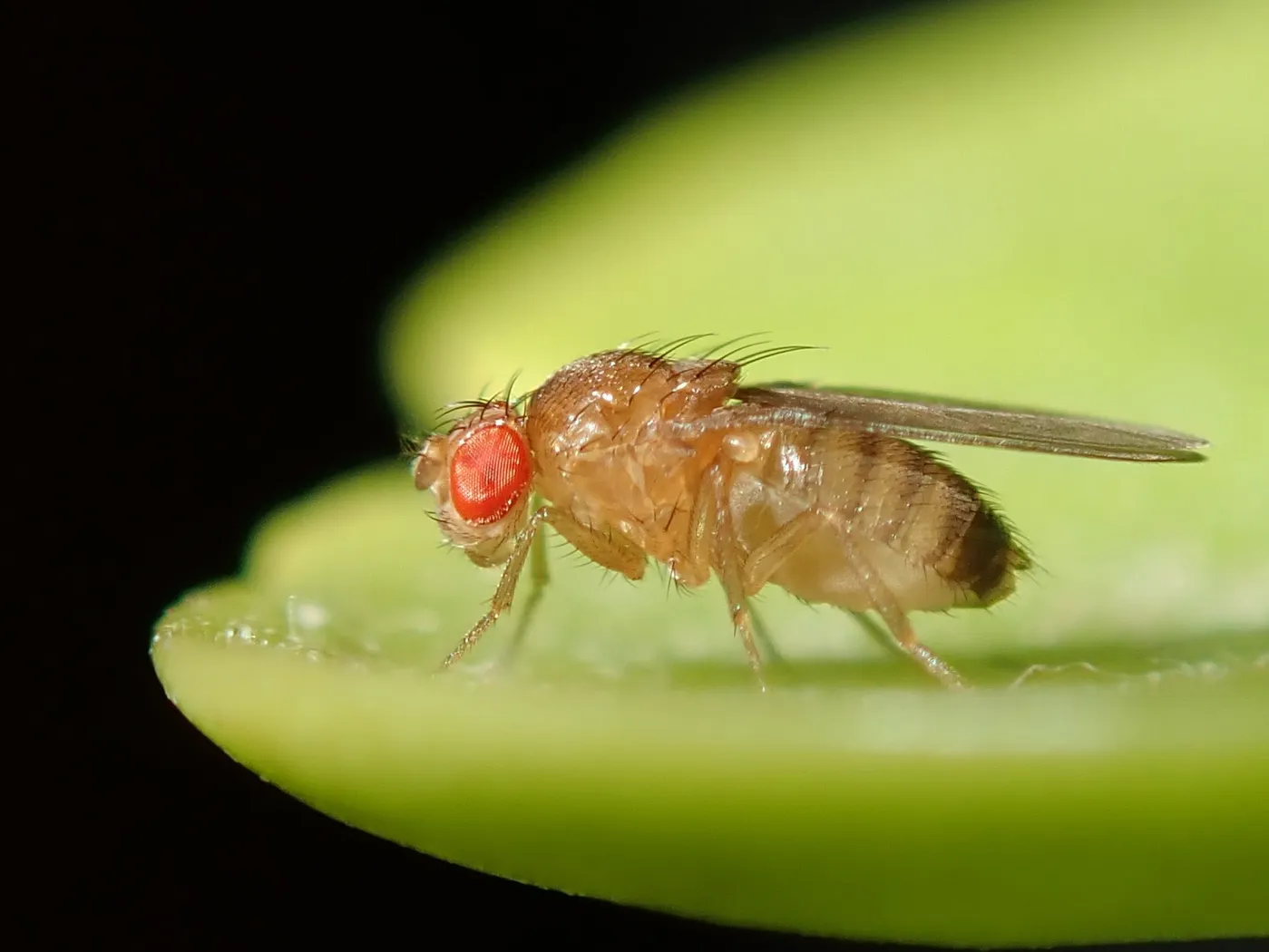
| Fruit fly (Drosophila melanogaster) | 2 to 3 mm | Kitchens, fruit bowls, drains | Tiny tan body, red eyes, hovers over ripe fruit |
| Horse fly (Tabanus species) | 10 to 25 mm | Pastures, wetlands, woodland edges | Large, stout body with big often patterned eyes |
| Deer fly (Chrysops species) | 7 to 10 mm | Woods, marshes, near lakes | Dark wing bands and gold or green eyes |
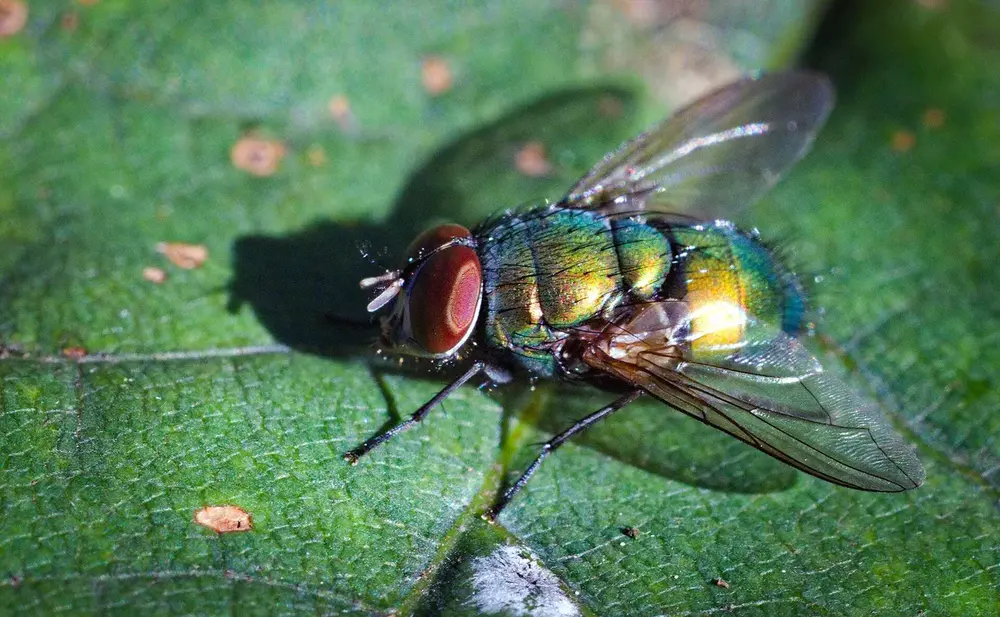
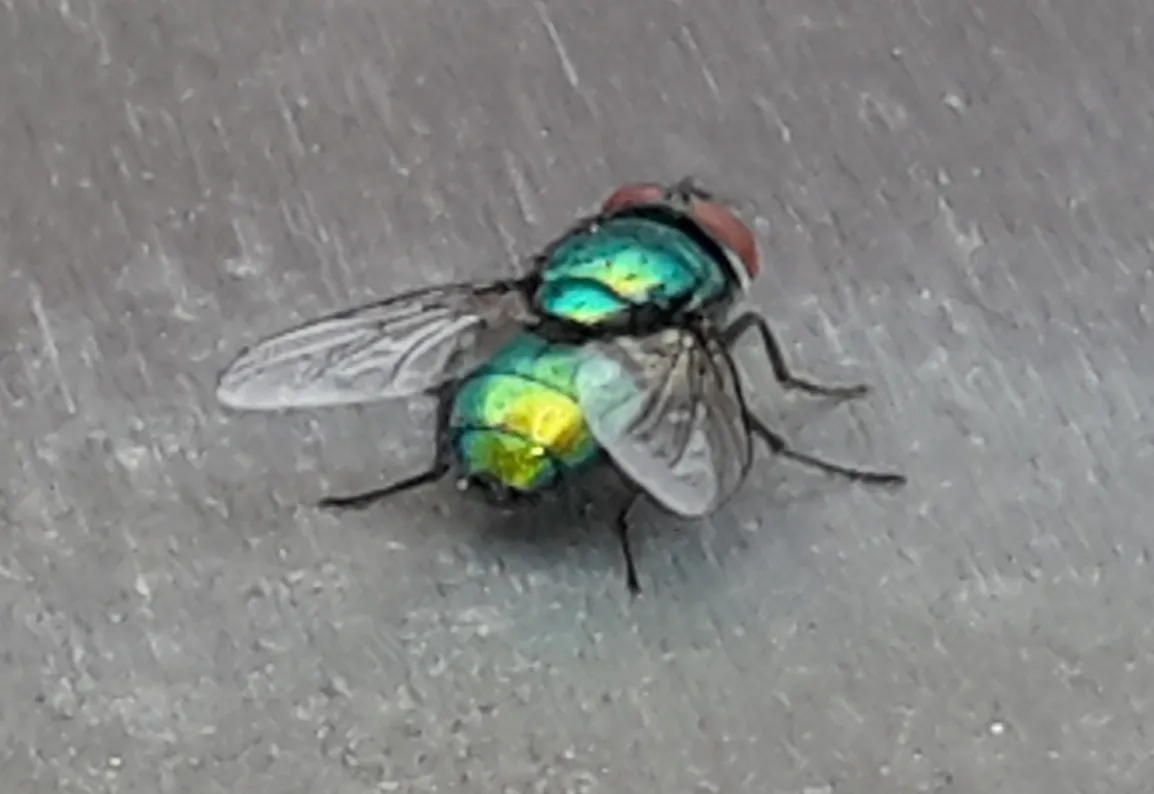
| Green bottle fly (Lucilia sericata) | 8 to 10 mm | Gardens, carrion, waste areas | Bright metallic green body |
| Blue bottle fly (Calliphora vomitoria) | 10 to 14 mm | Cool shaded areas, carrion, bins | Metallic blue body with a noisy buzz |
| Flesh fly (Sarcophaga species) | 10 to 14 mm | Carrion, garbage, compost | Gray body with a checkered abdomen |
| Crane fly (Tipula species) | 13 to 25 mm | Lawns, damp meadows, porches | Very long legs, slim body, looks like a giant mosquito |
| Hoverfly (Syrphidae family) | 6 to 15 mm | Flower beds, gardens, meadows | Hovers in place, often mimics bees or wasps |
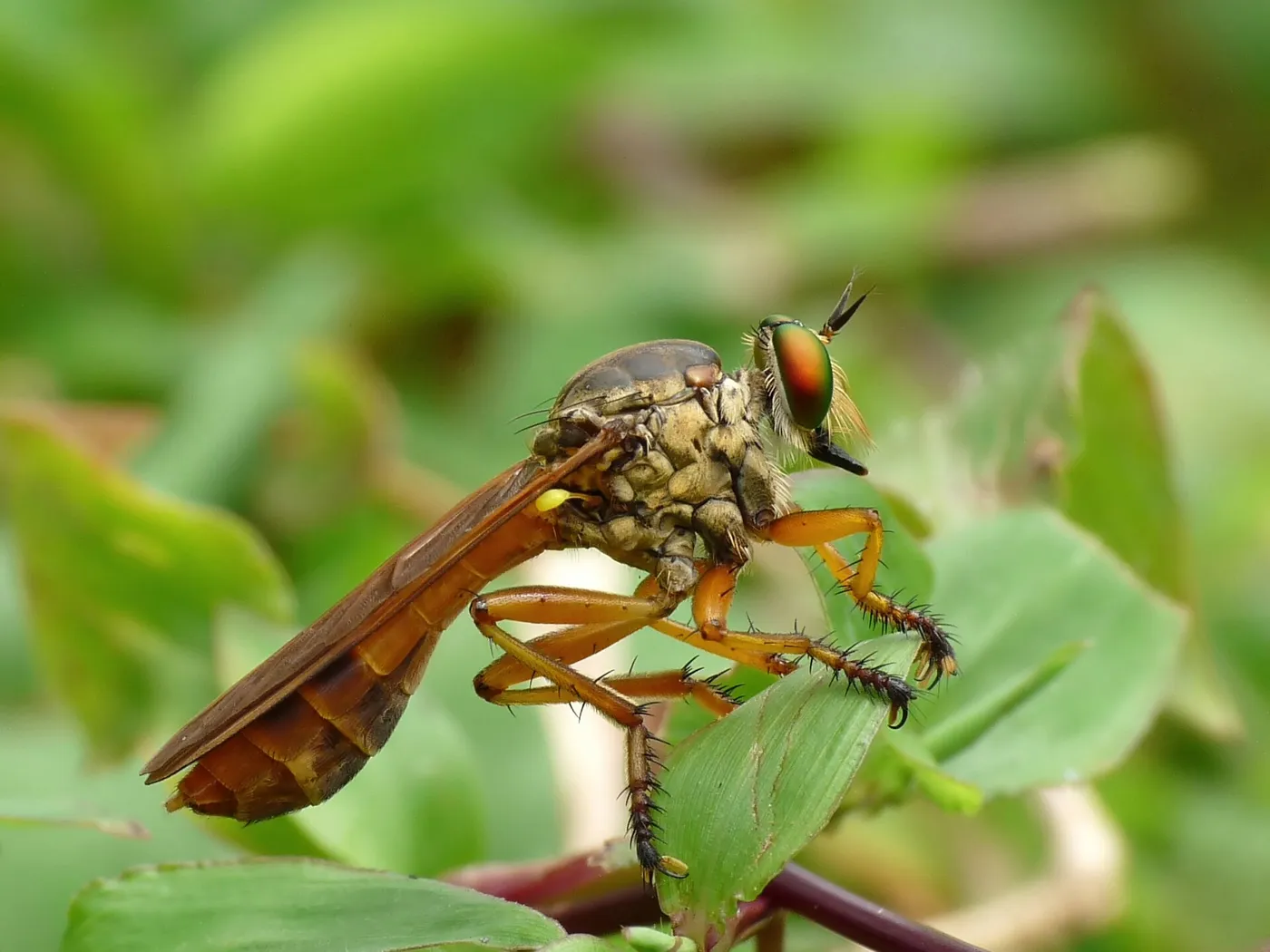
| Robber fly (Asilidae family) | 10 to 30 mm | Sunny open ground, fence posts | Hairy, bearded face, grabs prey in midair |
| Black soldier fly (Hermetia illucens) | 15 to 20 mm | Compost, farms, warm climates | Dark wasp-like body with a narrow waist |
| Stable fly (Stomoxys calcitrans) | 6 to 8 mm | Barns, stables, beaches | Looks like a house fly but bites, with a forward pointing beak |
| Black fly (Simuliidae family) | 2 to 5 mm | Near fast flowing streams | Small humpbacked body, swarms around the head |
| Tsetse fly (Glossina species) | 8 to 14 mm | Woodlands and savannas of Africa | Wings fold flat over the back like scissors |
| Sand fly (Phlebotomus species) | 2 to 3 mm | Warm dry regions, animal burrows | Tiny hairy body, wings held upright at rest |
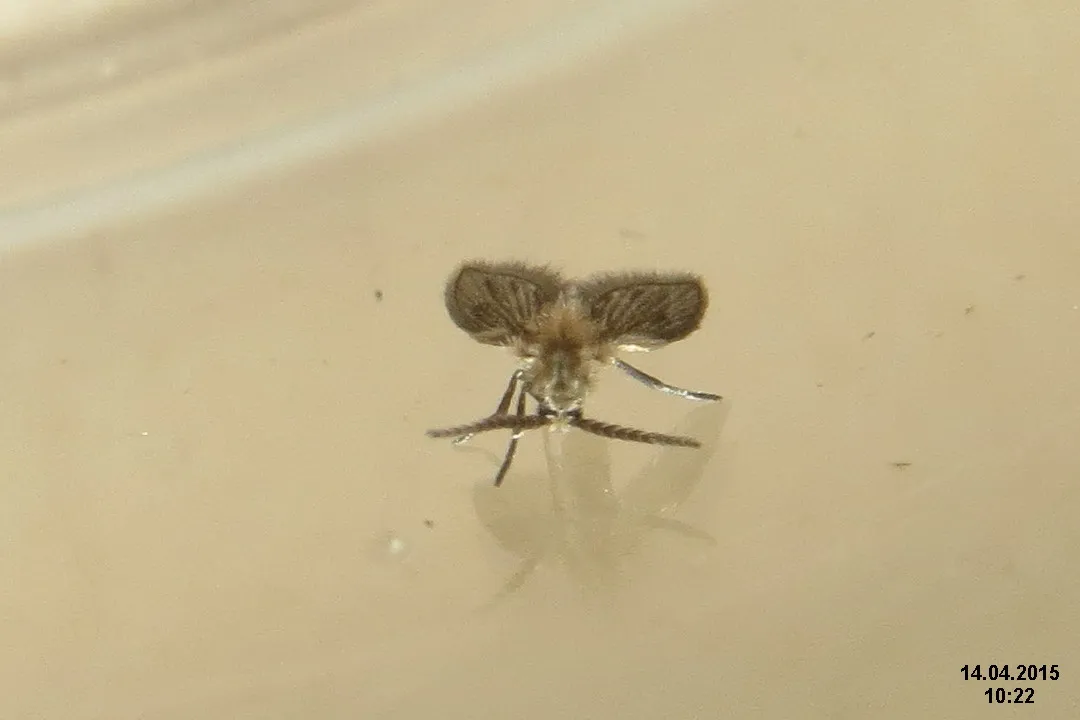
| Drain fly (Psychoda species) | 2 to 5 mm | Bathrooms, drains, damp walls | Fuzzy moth-like wings, weak fluttering flight |
| Fungus gnat (Mycetophilidae family) | 2 to 5 mm | Houseplants, damp soil, greenhouses | Slender dark body, long legs, runs over soil |
| Non-biting midge (Chironomidae family) | 3 to 10 mm | Lakes, ponds, porch lights | Looks like a mosquito but does not bite |
| Bot fly (Oestridae family) | 12 to 18 mm | Livestock areas, warm regions | Bee-like, hairy, with a loud buzz |
| Long-legged fly (Dolichopodidae family) | 3 to 8 mm | Wet soil, stream banks, leaves | Metallic green or blue, very long legs |

House Flies and Their Close Relatives
The house fly is the species most people know best. Its gray thorax carries four dark lengthwise stripes, and it feeds by sponging up liquids, which is why it gathers on food, garbage, and animal waste. House flies do not bite. Because they move between waste and food so freely, keeping bins closed and food covered does more to control them than any spray. The stable fly looks almost identical, but it bites hard, often around ankles near barns and beaches. If a house fly lookalike keeps biting your legs, it is almost certainly a stable fly. For help telling other small indoor creatures apart, see our guide to types of house spiders.
Small Kitchen and Bathroom Flies
Fruit flies are the classic kitchen pest: only 2 to 3 mm long, tan with bright red eyes, breeding in fermenting fruit, juice spills, and drain slime. A single forgotten banana can support a whole population in a few days, so removing the food source and cleaning drains usually ends the problem faster than traps alone. Drain flies, also called moth flies, are set apart by fuzzy wings and weak, hopping flight, and they breed in the film inside drains. Fungus gnats hover over houseplant soil, and letting the top layer of soil dry out between waterings is the most effective control step. Our types of mosquitoes chart is a useful companion when you are working out what is buzzing around your home.

Biting Flies: Horse Flies, Deer Flies, and Black Flies
Female horse flies and deer flies need a blood meal to develop eggs, and both use sharp mouthparts that cut the skin rather than piercing it neatly, which is why their bites hurt and can keep bleeding briefly. Horse flies are big, strong fliers that chase moving targets in open pasture and near water. Deer flies are smaller, with patterned wings and brightly colored eyes, and they circle the head and shoulders in wooded, marshy areas. Black flies are much smaller but no less annoying: they breed in clean, fast flowing streams, swarm around the head on calm, humid days, and leave itchy welts. Light clothing, head nets, and repellent help, but avoiding peak swarm times near streams works best.
Blow Flies, Flesh Flies, and Nature’s Cleanup Crew
Green bottle flies and blue bottle flies arrive at carrion and waste within minutes, and their larvae break down dead matter quickly. Their metallic colors make them easy to spot in a garden or near a bin. Flesh flies are grayer, with a checkered abdomen and red eyes, and females give birth to live larvae rather than laying eggs. Blow flies matter in forensic science, where larva age helps estimate time of death, and the black soldier fly is now farmed, since its larvae convert food waste into animal feed.

Beneficial Flies: Hoverflies, Robber Flies, and Pollinators
Not all flies are pests. Hoverflies feed on nectar and pollen, pollinate crops and wildflowers, and mimic bees or wasps without being able to sting. Their larvae often prey on aphids, so a garden full of hoverflies is usually healthy. Robber flies are bolder predators that snatch passing insects in flight, and long-legged flies are smaller metallic predators on leaves and wet soil.

Crane Flies, Midges, and Flies Mistaken for Mosquitoes
Crane flies cause more mistaken identity than almost any other fly. With long legs and delicate wings, people call them giant mosquitoes and assume they bite. They do not: adult crane flies are harmless, and many do not feed at all, though their soil larvae, called leatherjackets, can damage lawns in large numbers. Non-biting midges are another lookalike, gathering in clouds near lakes and porch lights on summer evenings without biting or spreading disease. Midges swarm in large, dancing clouds, while mosquitoes usually approach singly. Several water insects share the same lakeside habitat, so compare notes with our types of water bugs chart if you are still unsure.
Flies That Affect Animals and Livestock
Bot flies lay eggs on the hair of horses and cattle, and their larvae develop inside the host. Tsetse flies, found only in sub-Saharan Africa, transmit sleeping sickness in people and a related disease in cattle. Sand flies are tiny, hairy biters that transmit leishmaniasis in warm regions and are most active at dusk. Closer to home, stable flies cost farms real money through stress and lower milk production. Control starts with sanitation: removing manure, wet bedding, and spilled feed takes away breeding sites, and the same rule indoors, clean bedding and covered bins, keeps most fly problems small.

How to Identify a Fly in Four Quick Steps
First, judge size: under 3 mm points toward fruit flies, sand flies, or fungus gnats, while over 15 mm suggests a horse fly, crane fly, or robber fly. Second, look at color and pattern: metallic green or blue means a blow fly or long-legged fly, a checkered abdomen means a flesh fly, and wing bands point to a deer fly. Third, note place and behavior: a fly hovering over a flower is likely a hoverfly, one circling your head near a stream is likely a black fly, and one on a drain is likely a drain fly. Fourth, check whether it bites, which narrows the list to horse flies, deer flies, stable flies, black flies, and sand flies. If your insect has a narrow waist and a stinger, check our types of yellow jackets chart before assuming it is a fly.
Are Flies Dangerous, and How Do You Keep Them Out?
Most flies are a nuisance rather than a danger, but house flies and blow flies can carry bacteria from waste to food, so keep food covered and wash hands and surfaces where flies have landed. Biting flies can cause painful welts, and in tropical regions tsetse and sand flies transmit serious diseases, so travelers there should use repellent and nets. At home, prevention beats chasing flies: keep bins lidded, pick up pet waste, repair torn screens, seal gaps around pipes, store ripe fruit in the fridge, and clean drains with a brush. For houseplants, let soil dry between waterings. If a problem persists after two weeks of good sanitation, look for a hidden source such as a forgotten potato or a leaking pipe.

What is the most common type of fly in houses?
The house fly is the most common large fly indoors, followed by fruit flies in kitchens and drain flies in bathrooms. Each has a different breeding site, so naming the species tells you where to look.

Do crane flies bite people?
No, crane flies do not bite people or pets. They look like oversized mosquitoes, but adults are harmless and many do not feed at all.

How can I tell a horse fly from a deer fly?
Horse flies are larger, 10 to 25 mm, with big eyes and a stout body, while deer flies are smaller, 7 to 10 mm, with patterned wings and bright gold or green eyes. Both bite, but horse flies chase targets in open areas and deer flies circle the head in marshy woods.
Why do fruit flies keep coming back?
They return because the breeding source is still present. Check overripe fruit, juice spills, recycling bins, and drain slime. Once every source is cleaned, numbers usually collapse within a week.
Conclusion
From the tiny fruit fly in a kitchen to the large horse fly in a pasture, types of flies cover a wide range of sizes, colors, and lifestyles. Some bite, some pollinate, and some clean up waste. Next time a fly lands nearby, take a second look: size, color, wings, and behavior will tell you which kind it is.

