

Types of small birds are easy to miss and even easier to love. A flash of yellow at the feeder, a tiny brown shape flicking through a hedge, a hummingbird that pauses for two seconds and then vanishes: these moments are the reason so many people start watching birds. This guide covers 20 types of small birds you are most likely to see, with real sizes, weights, habitats and ranges, so you can put a name to the next tiny visitor instead of just calling it “that little brown one.”
Small does not mean unremarkable. The birds below include the smallest bird on Earth, a wren with a song far bigger than its body, and a finch that changes colour with the seasons. Some live in cities, some need wild wetlands or conifer forest, and a few will happily visit a garden feeder within days of you putting one up.
What Counts as a Small Bird?
There is no single official cutoff, but most bird guides treat anything under about 7 inches (18 cm) long as small. That range still covers a lot of variety. A bee hummingbird is barely longer than a large bee, while a barn swallow reaches almost 7 inches once you count its long, forked tail. Weight tells the story even better: the lightest birds here weigh less than a single coin, while the heaviest small birds weigh about as much as four quarters.
Size alone will not identify a bird, though. Two birds of the same length can look completely different in shape, behaviour and habitat. That is why the chart below gives size, weight, habitat and range together. Use all four clues, not just one, and your identifications will get much more reliable.

Types of Small Birds Chart: 20 Species at a Glance
Use this chart as a quick reference in the field or at the window. Sizes are typical adult lengths, and weights are averages, since males and females can differ slightly.
| Species | Length | Weight | Habitat | Range |
|---|---|---|---|---|
| Bee Hummingbird | 2.2 in (5.7 cm) | 0.06 oz (1.8 g) | Forest edges, gardens, scrub | Cuba |
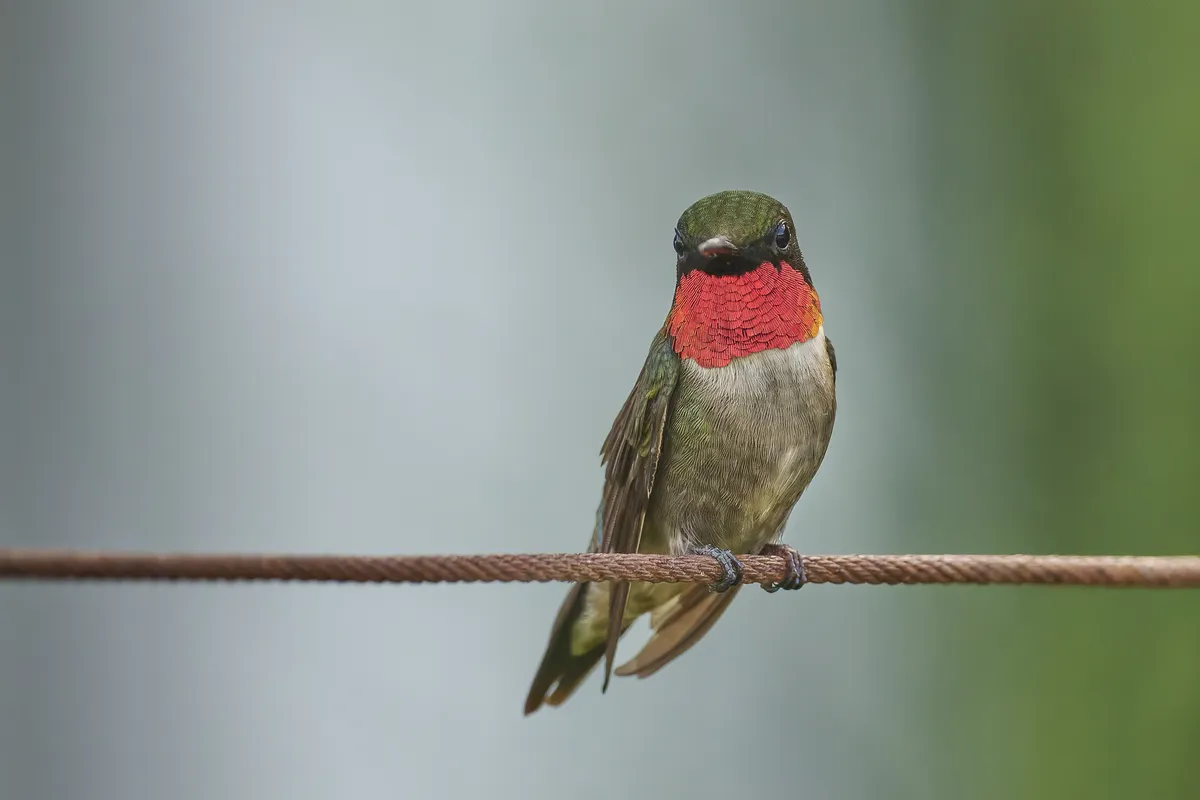
| Ruby-throated Hummingbird | 3.5 in (9 cm) | 0.11 oz (3 g) | Gardens, woodland edges | Eastern North America |
| Goldcrest | 3.5 in (9 cm) | 0.19 oz (5.5 g) | Conifer forest, gardens | Europe, northern Asia |
| Golden-crowned Kinglet | 3.5 in (9 cm) | 0.21 oz (6 g) | Conifer forest | North America |
| Ruby-crowned Kinglet | 4.25 in (11 cm) | 0.24 oz (7 g) | Conifer and mixed forest | North America |
| Eurasian Wren | 3.75 in (9.5 cm) | 0.32 oz (9 g) | Hedges, woodland, gardens | Europe, northern Asia |
| Yellow Warbler | 5 in (13 cm) | 0.34 oz (10 g) | Willows, wet thickets, gardens | North America |
| Common Chiffchaff | 4.5 in (11.5 cm) | 0.28 oz (8 g) | Woodland, scrub, parks | Europe, western Asia |
| House Wren | 4.75 in (12 cm) | 0.38 oz (11 g) | Brushy yards, parks, farms | North and South America |
| Blue Tit | 4.75 in (12 cm) | 0.39 oz (11 g) | Gardens, woodland, parks | Europe, western Asia |
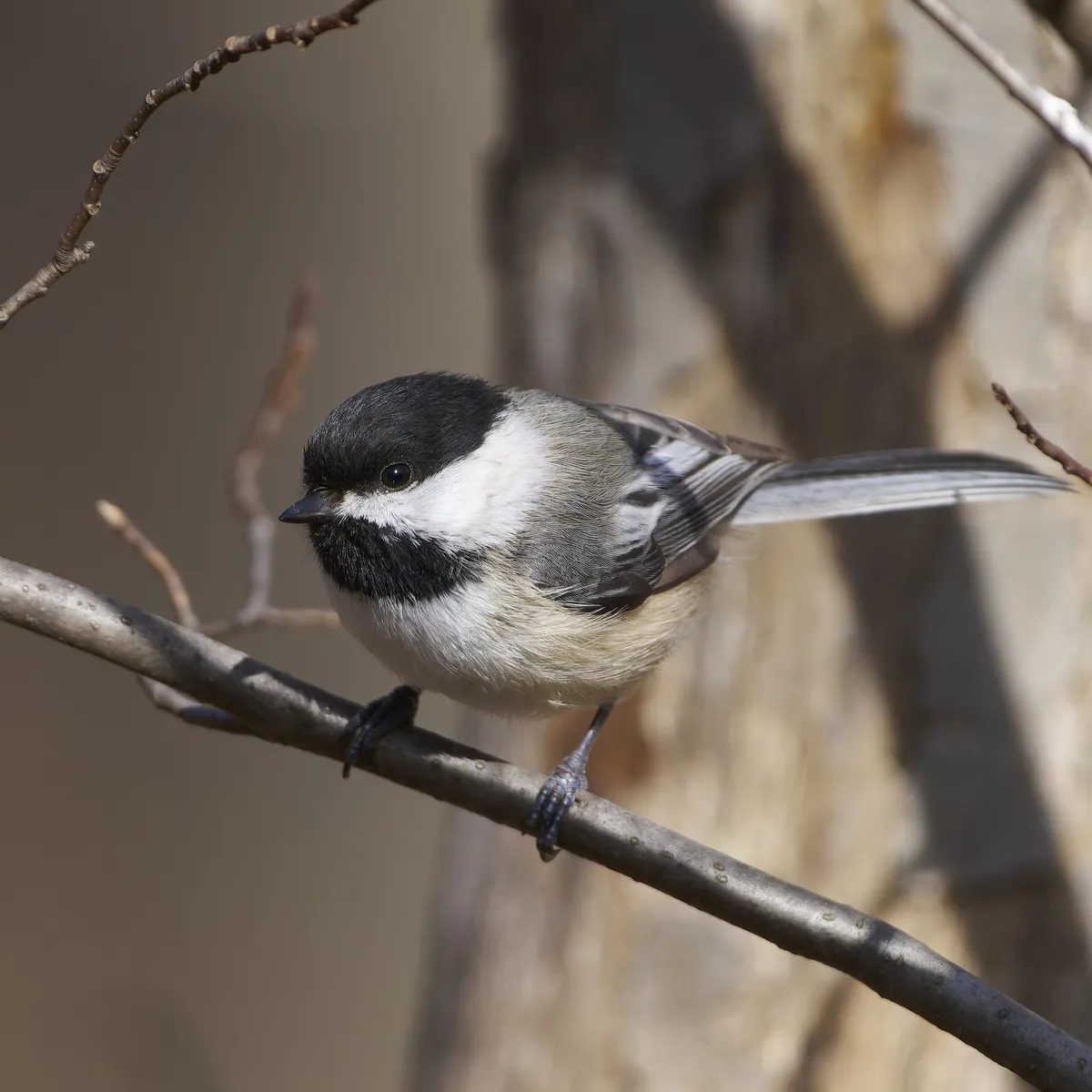
| Black-capped Chickadee | 5.25 in (13 cm) | 0.39 oz (11 g) | Forests, suburban yards | Northern North America |
| American Goldfinch | 4.5 in (11 cm) | 0.46 oz (13 g) | Meadows, weedy fields, gardens | North America |
| Painted Bunting | 5.25 in (13 cm) | 0.48 oz (14 g) | Thickets, woodland edges | Southern USA, Mexico |
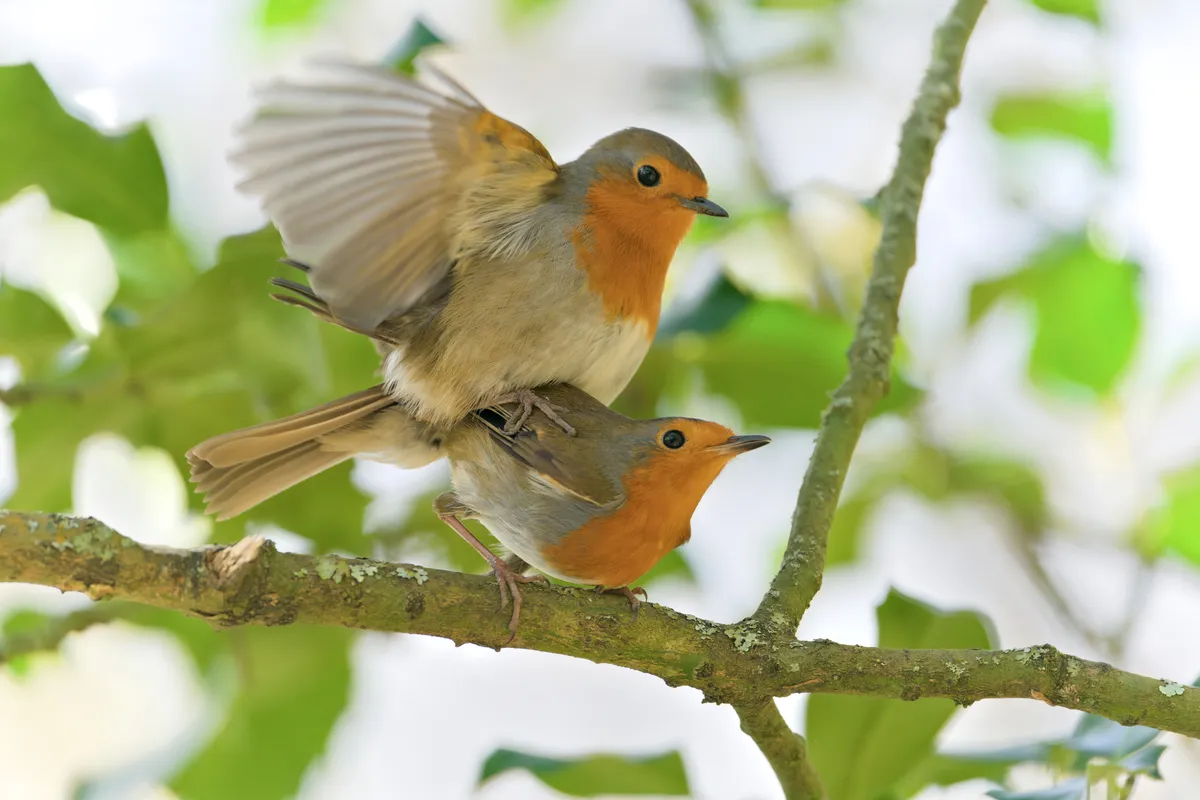
| European Robin | 5.5 in (14 cm) | 0.60 oz (17 g) | Gardens, hedgerows, woodland | Europe, western Asia |
| Song Sparrow | 6 in (15 cm) | 0.70 oz (20 g) | Wetlands, gardens, scrub | North America |
| Barn Swallow | 6.75 in (17 cm) | 0.67 oz (19 g) | Open country, farms, near water | Worldwide |
| Tree Swallow | 5.75 in (14.5 cm) | 0.71 oz (20 g) | Wetlands, fields, near water | North America |
| White-breasted Nuthatch | 5.75 in (14.5 cm) | 0.74 oz (21 g) | Mature forest, parks | North America |
| Carolina Wren | 5.5 in (14 cm) | 0.74 oz (21 g) | Woodland, brushy yards | Southeastern USA |
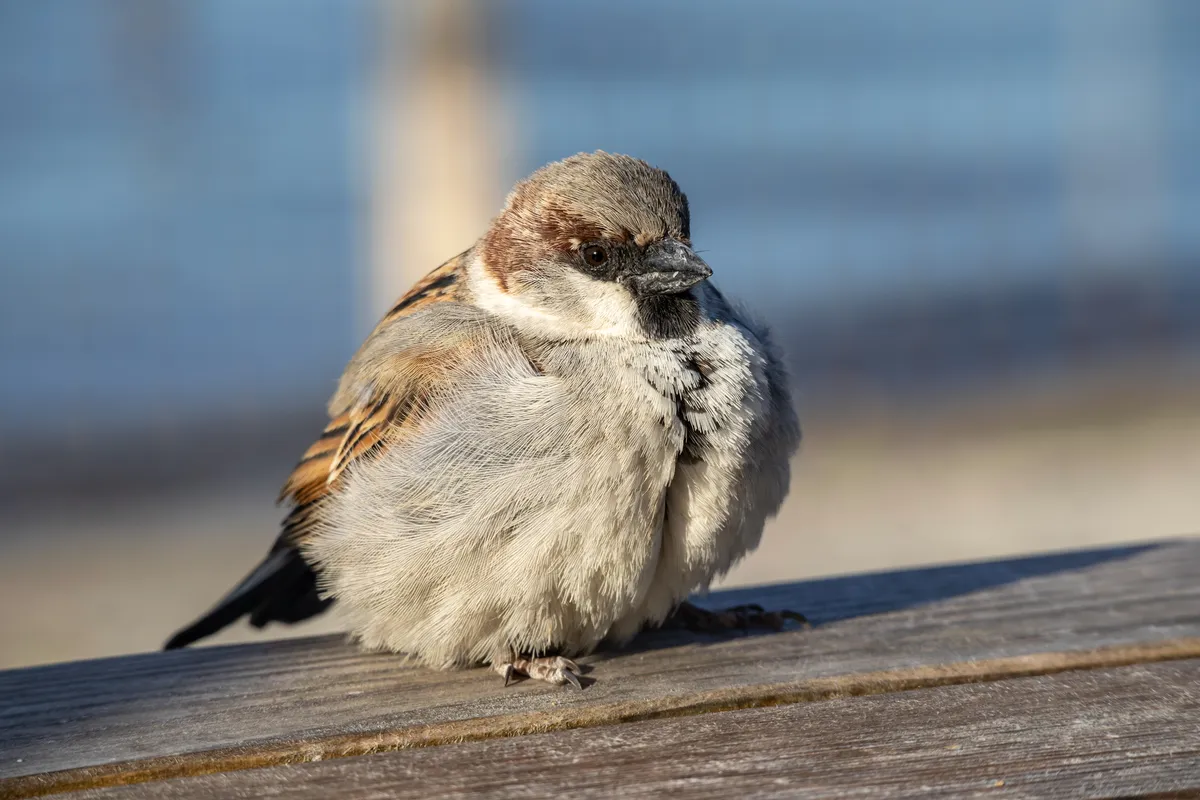
| House Sparrow | 6.25 in (16 cm) | 1.0 oz (28 g) | Cities, towns, farms | Worldwide (except Antarctica) |
How to Identify Small Birds in the Field
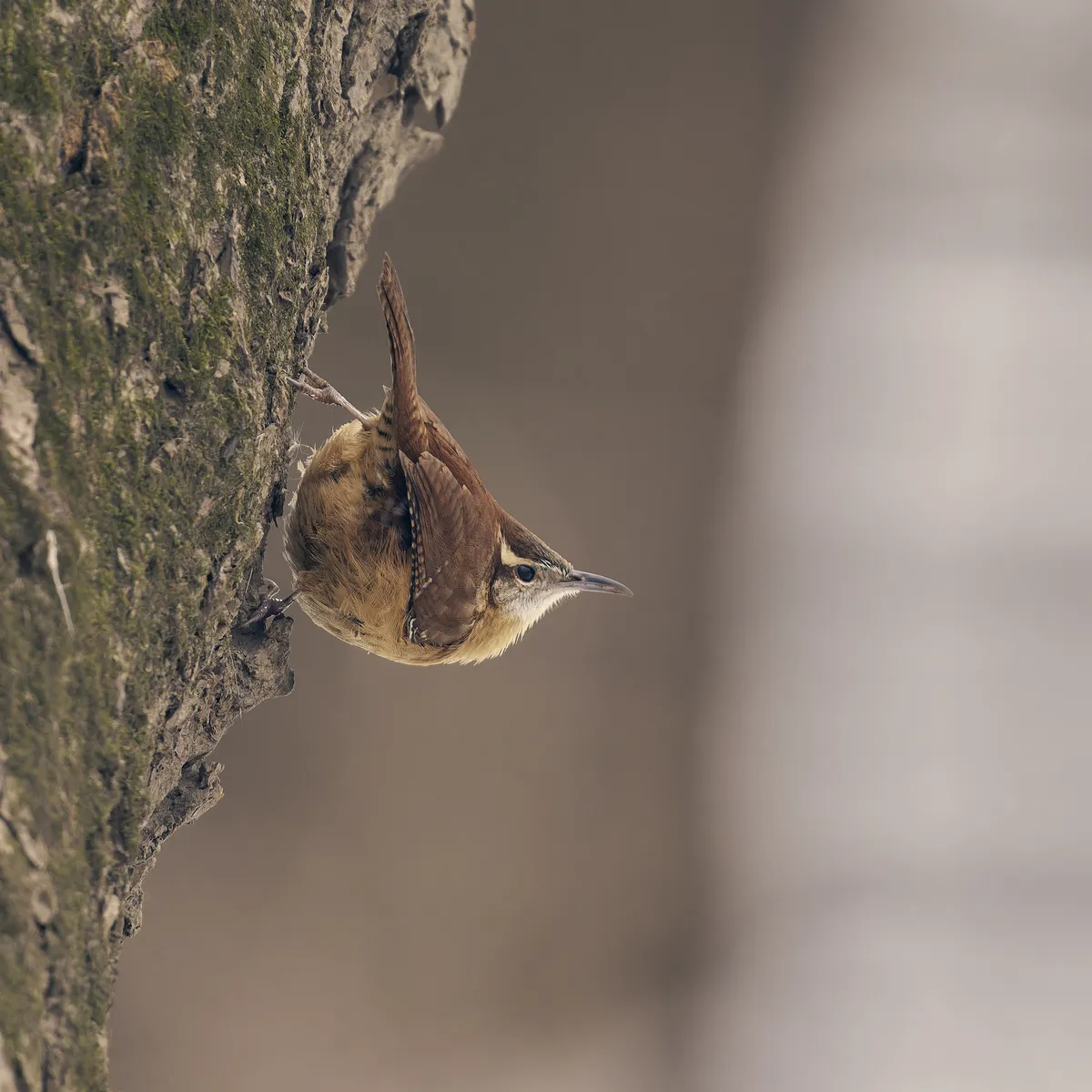
Start with shape and behaviour before colour. Plumage changes with age, sex and season, but a bird’s silhouette and habits stay fairly constant. A nuthatch climbing headfirst down a trunk is unmistakable even in poor light. A wren with its tail cocked upright gives itself away the same way.
Next, look at the bill. A thick, conical bill points to a seed eater such as a finch or sparrow. A thin, pointed bill suggests an insect eater such as a warbler or kinglet. A long, needle-like bill belongs to a hummingbird. If you can see the bill shape clearly, you have already narrowed the field to one family in most cases.
Then check the field marks: an eye ring, a wing bar, a crown stripe, or a bold eyebrow. The black-capped chickadee has a black cap and bib with clean white cheeks. The blue tit pairs a blue cap with a yellow chest. The Carolina wren has a long, pale eyebrow that stands out against its rusty brown back. One or two strong marks are usually enough.
Finally, listen. Many small birds are heard long before they are seen, especially warblers and wrens hidden in dense cover. The common chiffchaff literally sings its own name, over and over. A house wren pours out a long, bubbling song that seems far too loud for a bird of its size. If you learn five local songs, your identification rate will jump immediately. For a closer look at one famous tiny family, see our hummingbird identification chart, and for the brown birds that confuse most beginners, our sparrow identification chart breaks down the differences.
Small Birds by Region
In North America, the classic backyard set is the black-capped chickadee, American goldfinch, house wren and ruby-throated hummingbird. Add the song sparrow in scrubby areas and the tree swallow near water, and you have covered most of what a beginner sees in a single morning walk. The painted bunting is the prize find in the southern USA: males look like someone spilled paint across a small bird, with a blue head, green back and red underparts.

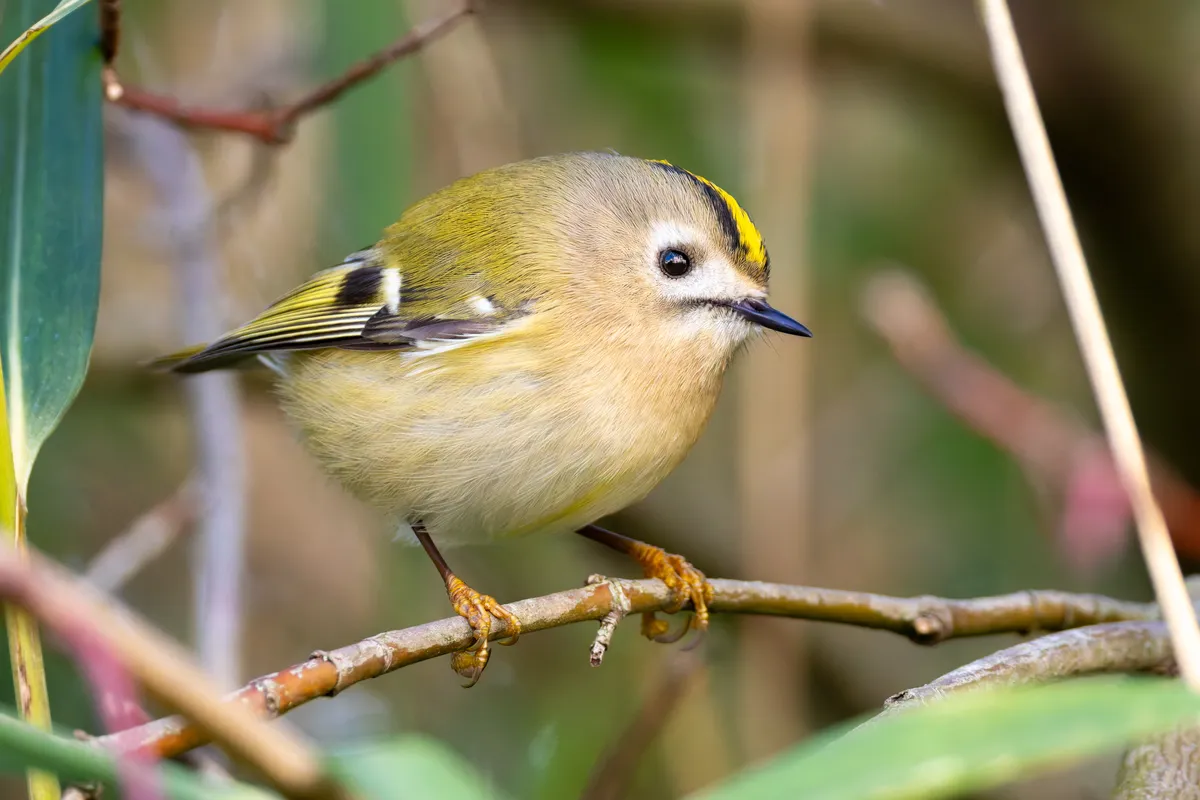
Europe has its own beloved set. The European robin is famous for following gardeners and perching close by, while the blue tit is a regular at nest boxes and feeders. The goldcrest, Europe’s smallest bird, hides in conifers and is easy to miss until you learn its thin, high call. The Eurasian wren, round and brown with a tail held high, is common in hedges and gardens across the continent.

Further afield, the same patterns repeat with different species, from sunbirds to fairywrens, but the identification rules stay the same: shape, bill, marks, behaviour and song.
Colourful Small Birds Worth Looking For
Not all small birds are brown, and the bright ones are often the most rewarding to find. The American goldfinch turns brilliant lemon yellow in summer, then fades to a dull olive in winter, which catches many beginners out. The painted bunting, already mentioned above, is arguably the most colourful small bird in North America. Hummingbirds add a different kind of colour: the ruby-throated male’s throat flashes red only when the light hits it at the right angle, and looks black from other angles.
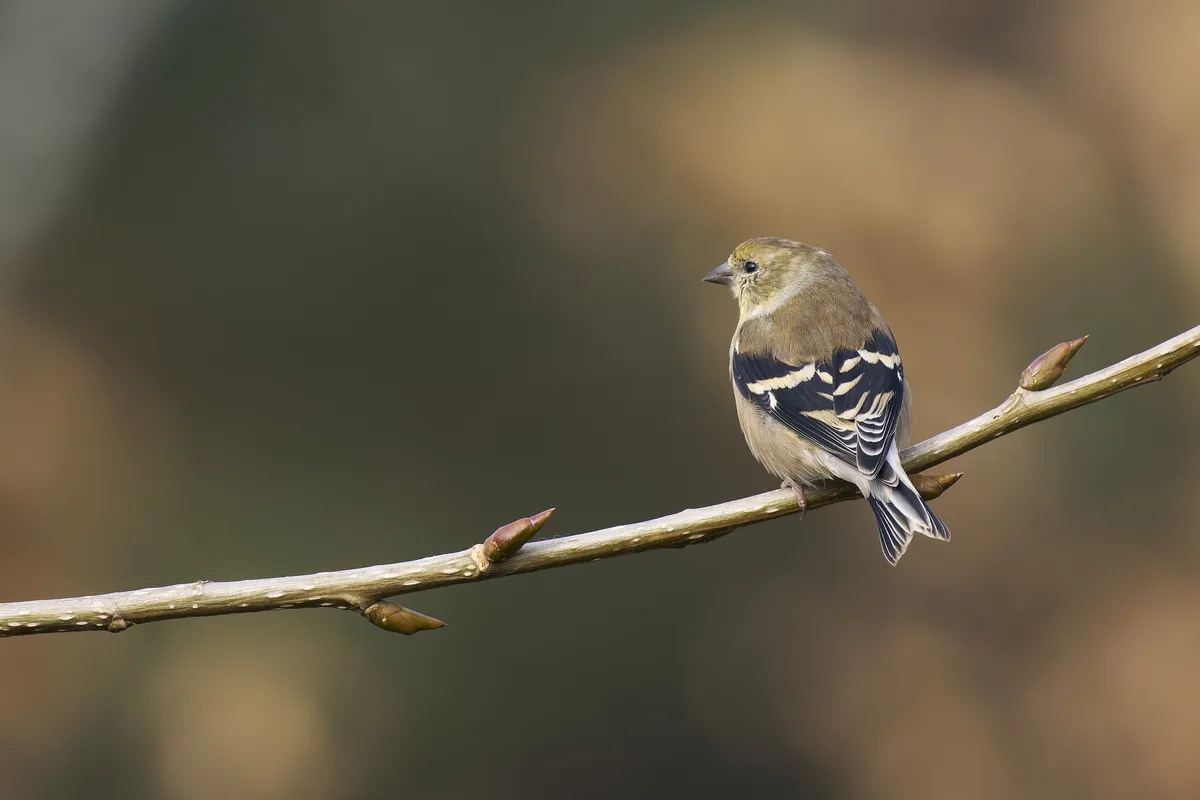
Colour can also mislead, so treat it as a supporting clue, not the whole answer. A dull female painted bunting is plain green-yellow and looks nothing like the male. Young goldfinches lack the adult’s bright plumage. When colour and shape seem to disagree, trust shape, bill and behaviour first, then use colour to confirm.

Attracting Small Birds to Your Garden
You do not need a large garden or expensive equipment. Small birds need food, water, shelter and safety, and a small space can provide all four. A feeder with sunflower seeds will bring finches, chickadees and sparrows. A tube feeder with nyjer seed is a magnet for goldfinches. A simple dish of clean water, refreshed daily, can attract more species than any feeder, especially in hot or dry weather.

Planting helps even more. Native shrubs and seed-bearing plants give birds natural food and safe nesting cover, and a brush pile or dense hedge gives wrens and sparrows somewhere to hide from cats and hawks. Avoid pesticides where you can: many small birds feed insects to their chicks, and a garden sprayed for insects is a garden with hungry baby birds.
Be patient after putting up a feeder. It can take a few weeks for birds to find it and trust it. Once they do, keep it filled and clean, and you will soon have regular visitors to practise your identification skills on. If you enjoy comparing whole families rather than single species, our broader types of birds guide puts these small species in context, and budgie lovers can compare a popular pet species in our budgie color chart.
Frequently Asked Questions About Small Birds
What is the smallest bird in the world?
The bee hummingbird of Cuba, at about 2.2 inches long and 0.06 ounces in weight. It is smaller than many large insects and feeds on nectar from tiny flowers.
What is the most common small bird in the world?
The house sparrow, with a global population estimated at over 1.5 billion. It lives on every continent except Antarctica and thrives in cities, towns and farms.
How can I tell a sparrow from a finch?
Look at the bill and the overall build. Finches usually have a thicker, more conical bill and a slightly stockier body, while sparrows are often browner with streaked backs. Song and habitat help too: many finches favour open, weedy fields, while sparrows are commoner around buildings and scrub.
Do small birds migrate?
Many do. Ruby-throated hummingbirds cross the Gulf of Mexico in a single flight, and barn swallows travel thousands of miles between breeding and wintering grounds. Others, such as chickadees and house sparrows, stay put year round and simply switch to different foods in winter.
Conclusion
Learning types of small birds is less about memorising a list and more about learning a way of looking. Start with the chart above, pick the five species nearest to you, and learn those properly: their shape, their song, their favourite habitat. Once those five are familiar, every new small bird becomes easier, because you will have a mental comparison for size, bill and behaviour. Keep the chart handy, spend time at a feeder or on a quiet walk, and the tiny birds that once blurred past will start to resolve into individuals you recognise and look forward to seeing again.


Pingback: Swan Lifespan Chart: How Long Swans Live – Chart Identify
Pingback: Blue Bird Egg Identification Chart: ID 12 Species by Egg Color – Chart Identify
Pingback: Types of Cardinals: 8 Species, Sizes and Habitats – Chart Identify