
A pale blue egg in a nest box or a shrub can belong to a dozen different birds. This blue bird egg identification chart lines up 12 species side by side, with egg color, egg size, clutch size, and nest type, so you can narrow a find down in minutes.
One rule comes first: never touch, move, or linger close to a nest. Most of these birds will abandon a disturbed nest, and in the United States almost every native bird, its nest, and its eggs are protected by federal law. Identify from a distance and compare with the chart below.

Blue Bird Egg Identification Chart: 12 Species Compared
Match egg color and size first, then clutch size and nest type. If two species still look alike, the nest location usually settles it.
| Species | Egg Color and Shade | Egg Size | Clutch Size | Nest Type |
|---|---|---|---|---|
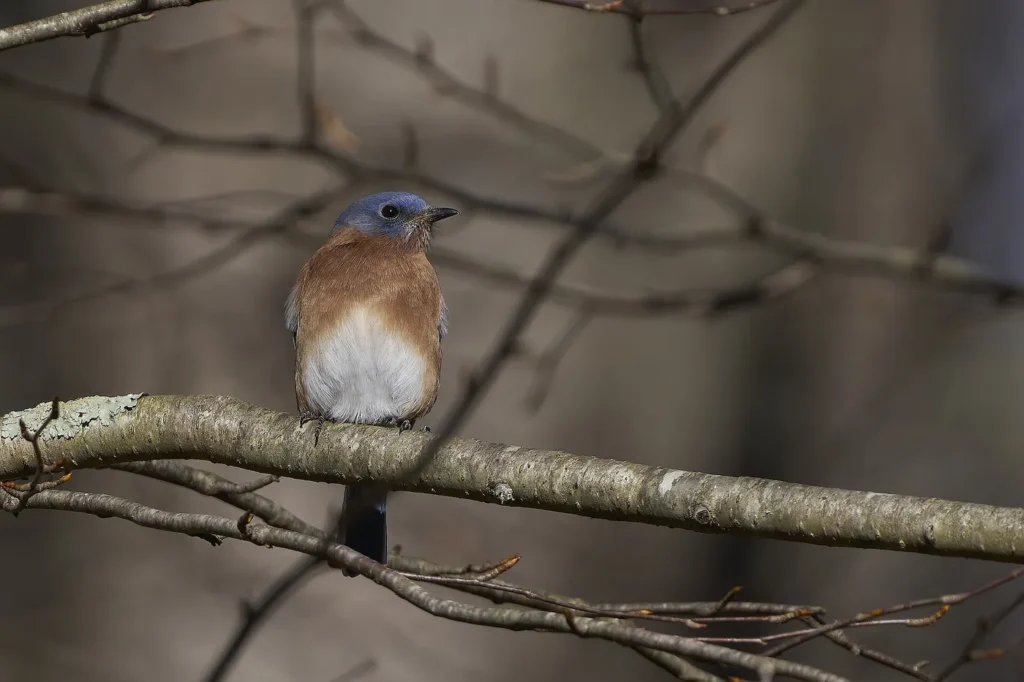
| Eastern Bluebird (Sialia sialis) | Pale blue, sometimes white | 20 x 17 mm | 4 to 5 | Cup nest in a tree cavity or nest box |
| Western Bluebird (Sialia mexicana) | Pale blue | 20 x 16 mm | 4 to 6 | Cup nest in a tree cavity or nest box |
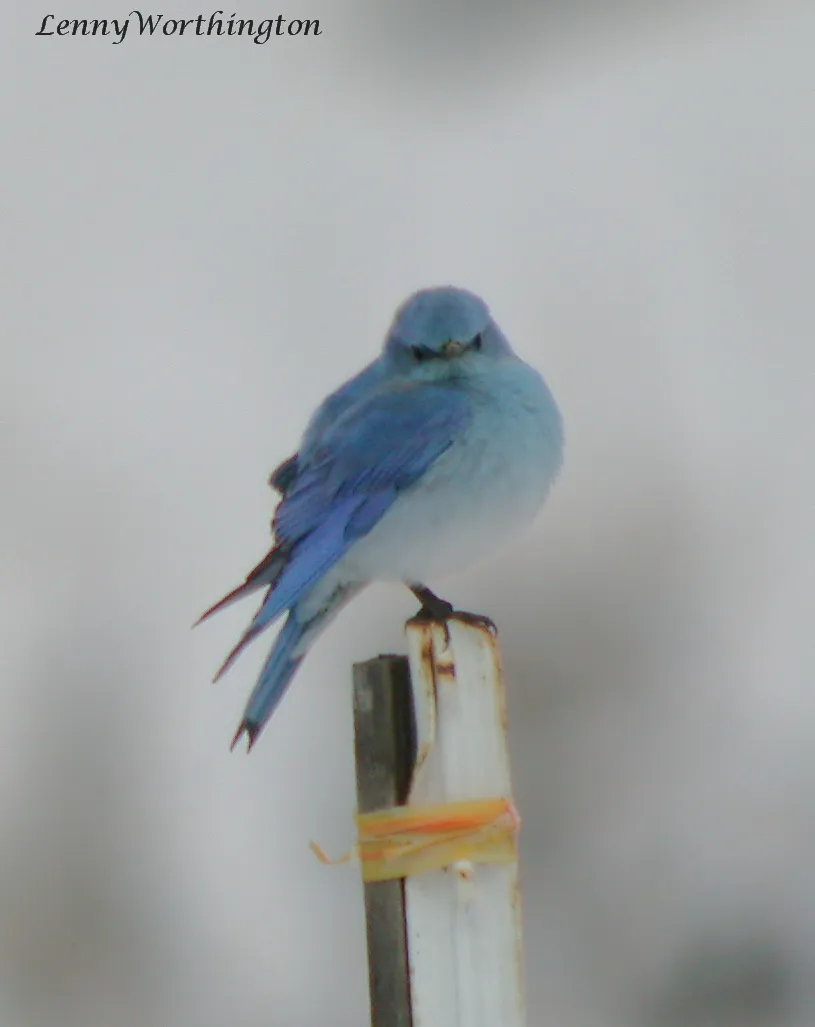
| Mountain Bluebird (Sialia currucoides) | Pale blue | 21 x 16 mm | 4 to 6 | Cup nest in a tree cavity or nest box |
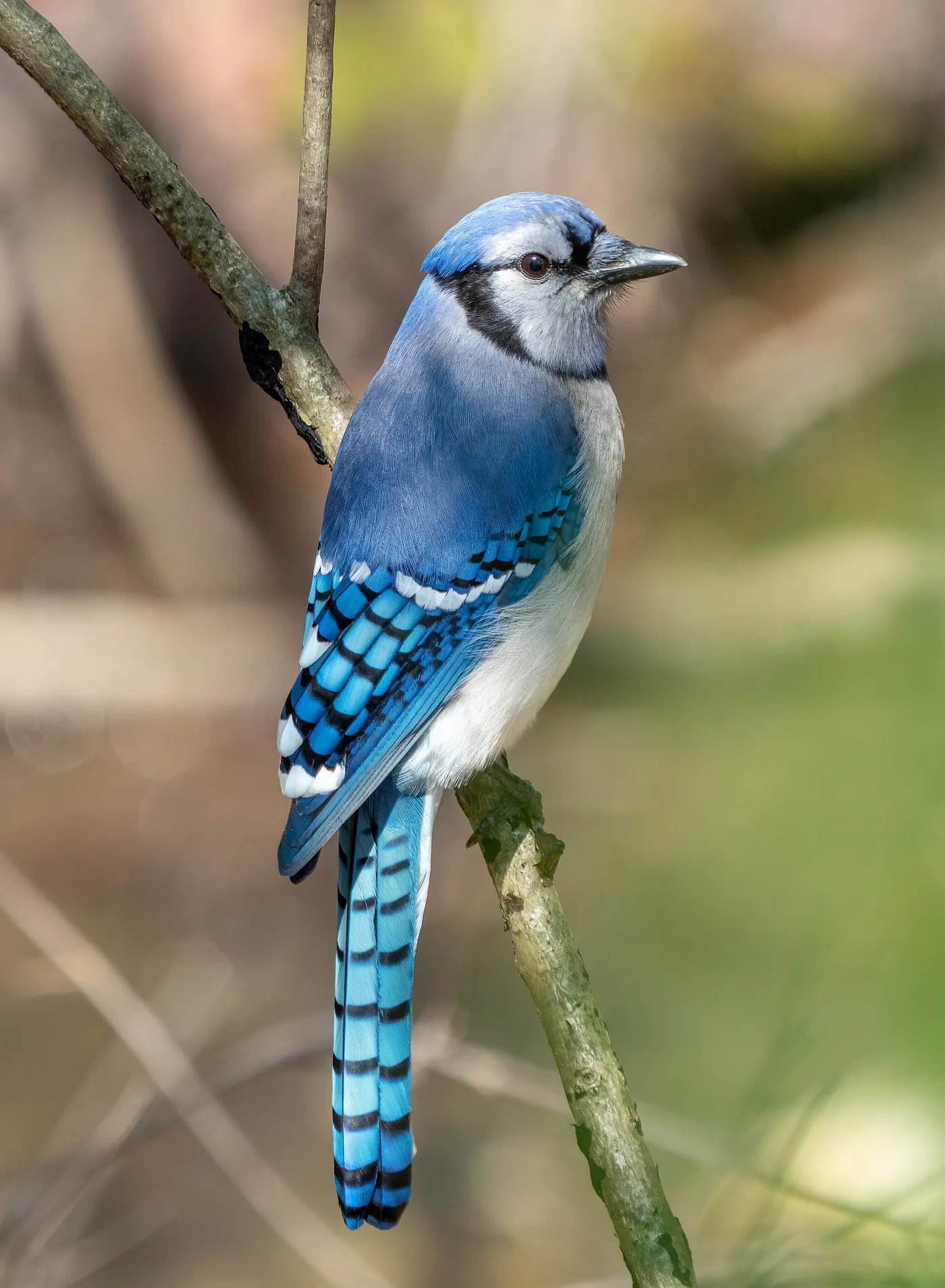
| Blue Jay (Cyanocitta cristata) | Pale blue-green with brown spots | 25 x 18 mm | 3 to 7 | Bulky cup nest in a tree fork |
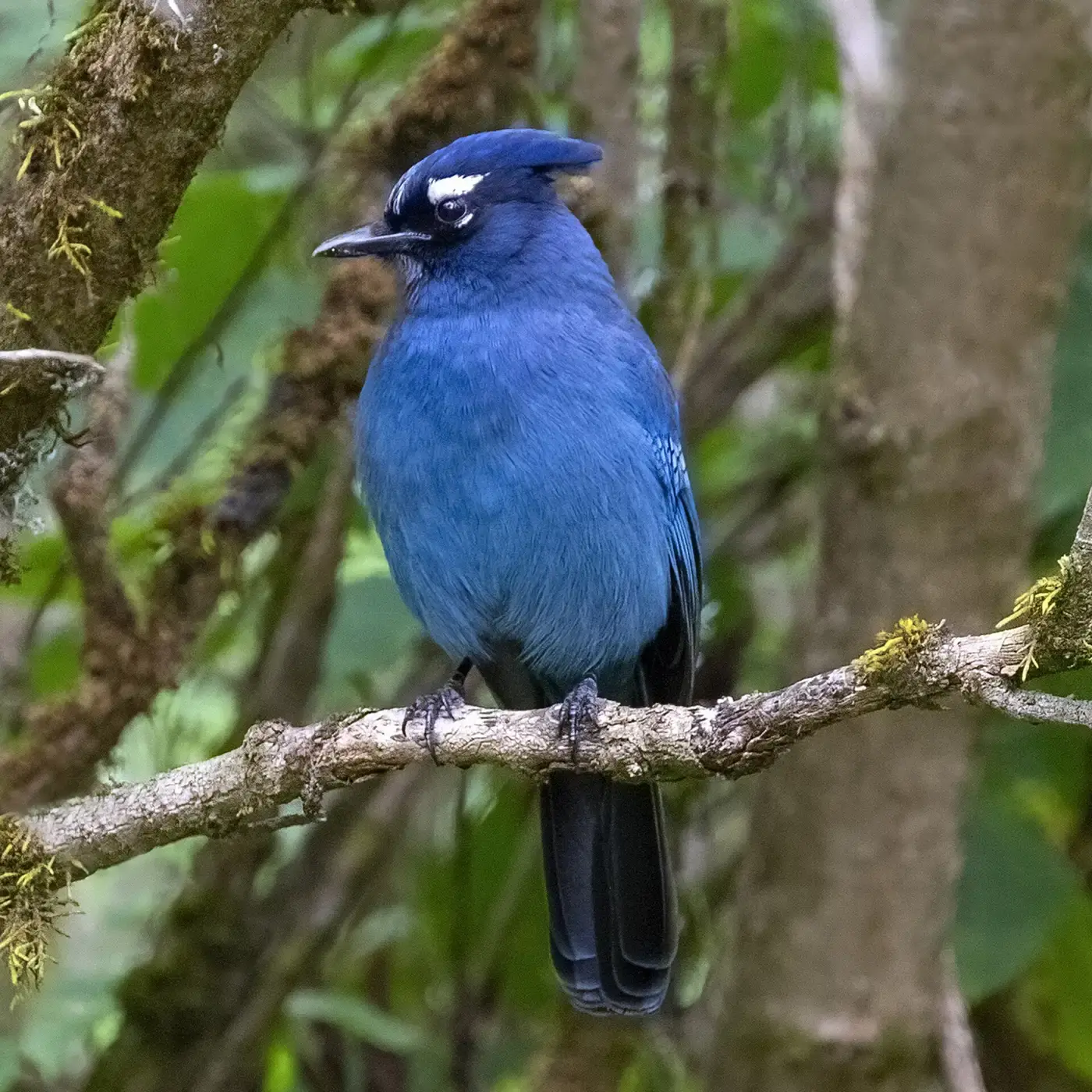
| Steller’s Jay (Cyanocitta stelleri) | Blue-green with brown spots | 29 x 22 mm | 2 to 6 | Cup nest in a conifer |
| California Scrub-Jay (Aphelocoma californica) | Pale greenish blue with brown spots | 26 x 20 mm | 3 to 6 | Cup nest in a tree or shrub |
| Florida Scrub-Jay (Aphelocoma coerulescens) | Pale blue-green with brown spots | 26 x 20 mm | 3 to 5 | Cup nest in low oak scrub |
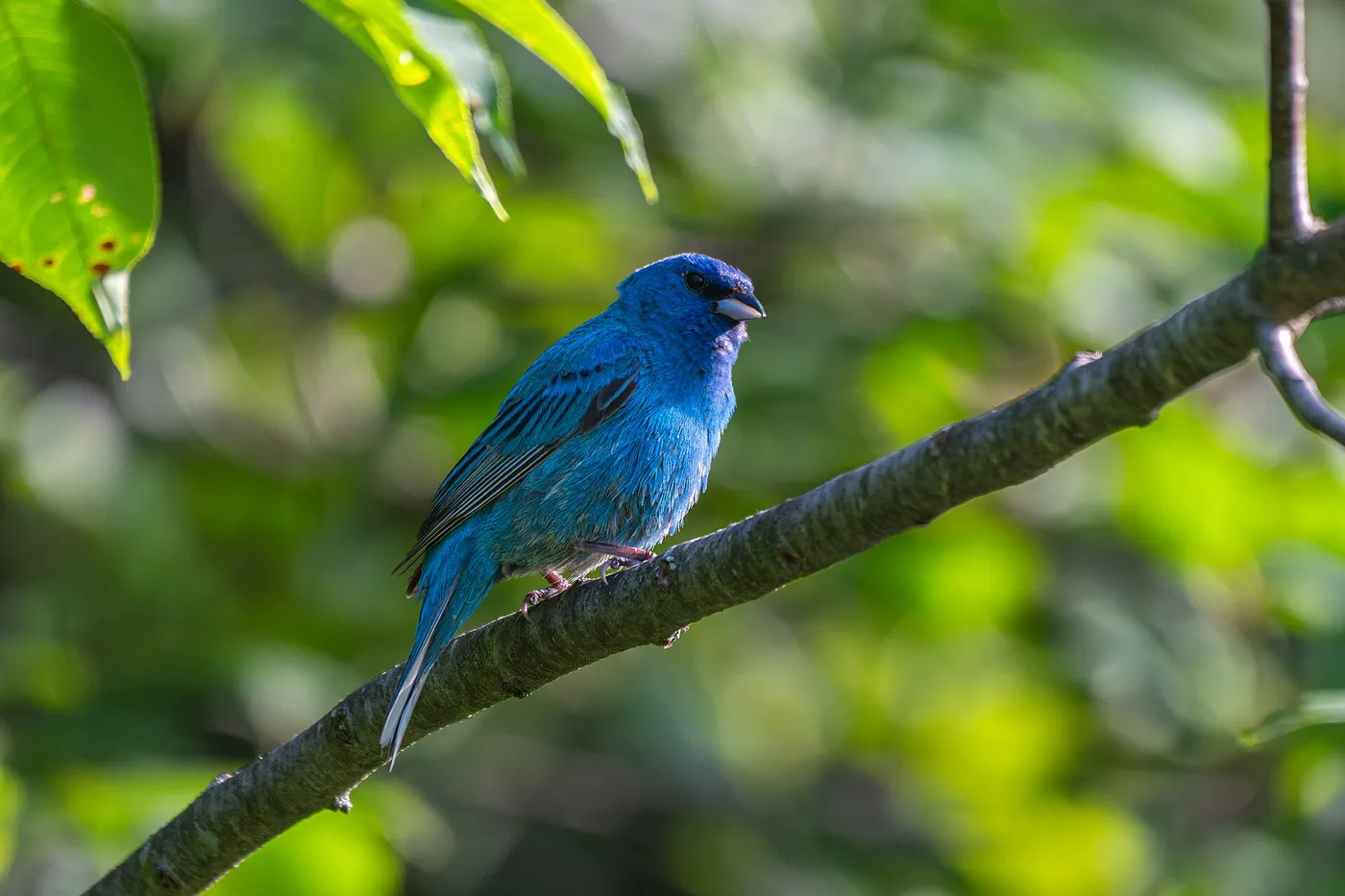
| Indigo Bunting (Passerina cyanea) | White to pale blue, sometimes speckled | 18 x 14 mm | 3 to 4 | Cup nest in a shrub or low tree |
| Lazuli Bunting (Passerina amoena) | Pale blue, unmarked | 19 x 15 mm | 3 to 5 | Cup nest in a shrub or small tree |
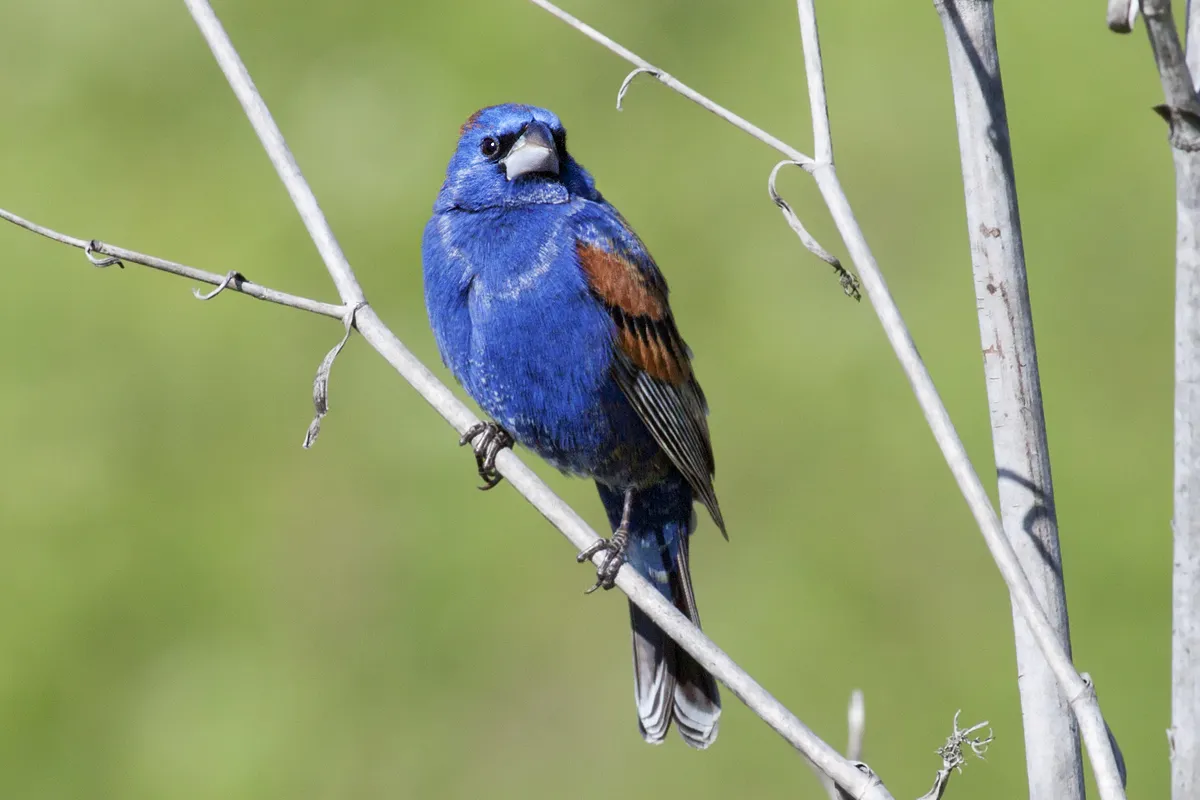
| Blue Grosbeak (Passerina caerulea) | Pale blue to white, unmarked | 22 x 16 mm | 3 to 4 | Cup nest in a shrub or low tree |
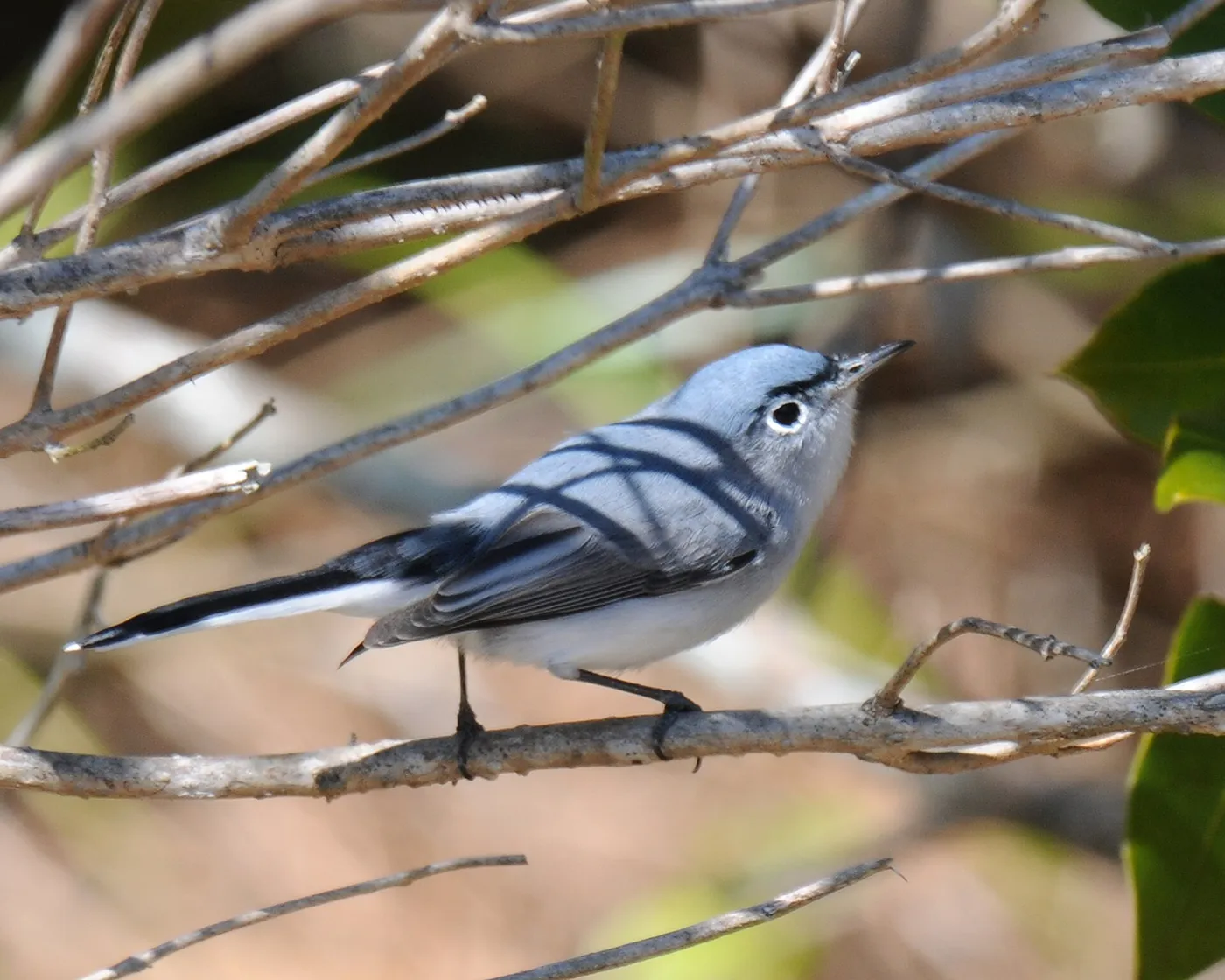
| Blue-gray Gnatcatcher (Polioptila caerulea) | Pale blue with reddish brown spots | 14 x 11 mm | 3 to 5 | Neat lichen-covered cup in a tree fork |
| Black-throated Blue Warbler (Setophaga caerulescens) | Pale blue-green with brown spots | 18 x 14 mm | 3 to 5 | Cup nest in a low shrub |
Notice how much overlap there is. The three bluebirds lay eggs that are nearly identical, and several jays share the same speckled blue-green pattern. That is why the chart gives you five columns instead of one. A single pale blue egg tells you very little, but a pale blue egg in a nest box with four identical siblings tells you a great deal. Our broader bird egg identification chart covers 20 common US species in the same format.
How to Identify Blue Bird Eggs by Color, Size, and Nest
Start with color, but look closely. True bluebird eggs are a smooth, even, pale sky blue with no spots at all. Jay eggs are also blue, yet they carry brown or olive spots, often gathered at the wide end. Indigo bunting eggs can be white, pale blue, or faintly speckled. The blue-gray gnatcatcher lays the smallest eggs here, barely 14 mm long, while the Steller’s jay lays the largest, close to 29 mm.
Size is your second check, and it works best as a comparison. A bluebird egg is about the size of a small grape, a blue jay egg is closer to a large grape, and a gnatcatcher egg is closer to a pea. Judge size from a photo taken at a safe distance, using a known object in the frame for scale, rather than handling the egg.
Nest type is often the deciding clue. Bluebirds nest in cavities, in tree holes and nest boxes, in loose cups of dry grass. Jays and buntings build open cups in branches and shrubs. The gnatcatcher builds a tiny cup plastered with lichen that looks like a knot on the branch. If the nest is a mud cup stuck to a barn beam, you are looking at a swallow, not a bluebird. Our bird nest identification chart pairs these nest styles with photos.

The Three Bluebirds: Eastern, Western, and Mountain
The three bluebird species cause the most confusion, because their eggs are almost impossible to tell apart by looks alone. Eastern bluebird eggs measure about 20 by 17 mm in clutches of four or five, with occasional all-white clutches. Western bluebird eggs are a fraction smaller at 20 by 16 mm, with clutches of four to six. Mountain bluebird eggs run slightly longer at 21 by 16 mm, also in clutches of four to six.
Range does most of the work. Eastern bluebirds live across the eastern United States, western bluebirds from the Rockies to the Pacific coast, and mountain bluebirds at higher elevations across the West. East of the Mississippi, a bluebird egg is almost certainly an eastern bluebird. In the Colorado mountains, it is far more likely a mountain bluebird.
Habitat helps too. Eastern bluebirds favor open fields and orchards, western bluebirds use open woodlands and ranchland, and mountain bluebirds prefer wide open grassland, which is why they use nest boxes so readily. The female incubates for about 12 to 14 days in all three species.
Jays That Lay Blue Eggs: Blue Jay, Steller’s Jay, and Scrub-Jays
Jay eggs carry heavy brown speckling over a blue-green base. Blue jay eggs measure about 25 by 18 mm in clutches of three to seven, laid in a bulky cup of twigs, roots, and mud in a tree fork. Steller’s jay eggs are bigger still, about 29 by 22 mm, with clutches of two to six, hidden in conifers across western mountains and forests.
The two scrub-jays are easy to separate by range. California scrub-jays live along the Pacific coast and into the interior West, while Florida scrub-jays live only in Florida, in low oak scrub. Both lay pale blue-green eggs with brown spots, about 26 by 20 mm, in cup nests tucked into shrubs or low trees. Speckled blue eggs in Florida scrub mean Florida scrub-jay; anywhere else in the East, think blue jay first.
Small Songbirds With Blue Eggs: Buntings and Grosbeaks
The buntings are where careful looking pays off. Indigo buntings lay white to pale blue eggs, sometimes with faint speckles, about 18 by 14 mm, in clutches of three or four. Lazuli buntings lay clean pale blue eggs with no markings, about 19 by 15 mm, in clutches of three to five. Indigo buntings cover the East and lazuli buntings the West, meeting only across the Great Plains.
The blue grosbeak is bigger than both buntings and lays a bigger egg, about 22 by 16 mm, pale blue to white and unmarked, in clutches of three or four, in a low shrub nest that is often decorated with a shed snakeskin or a scrap of paper.

Swallows, Gnatcatchers, and Warblers
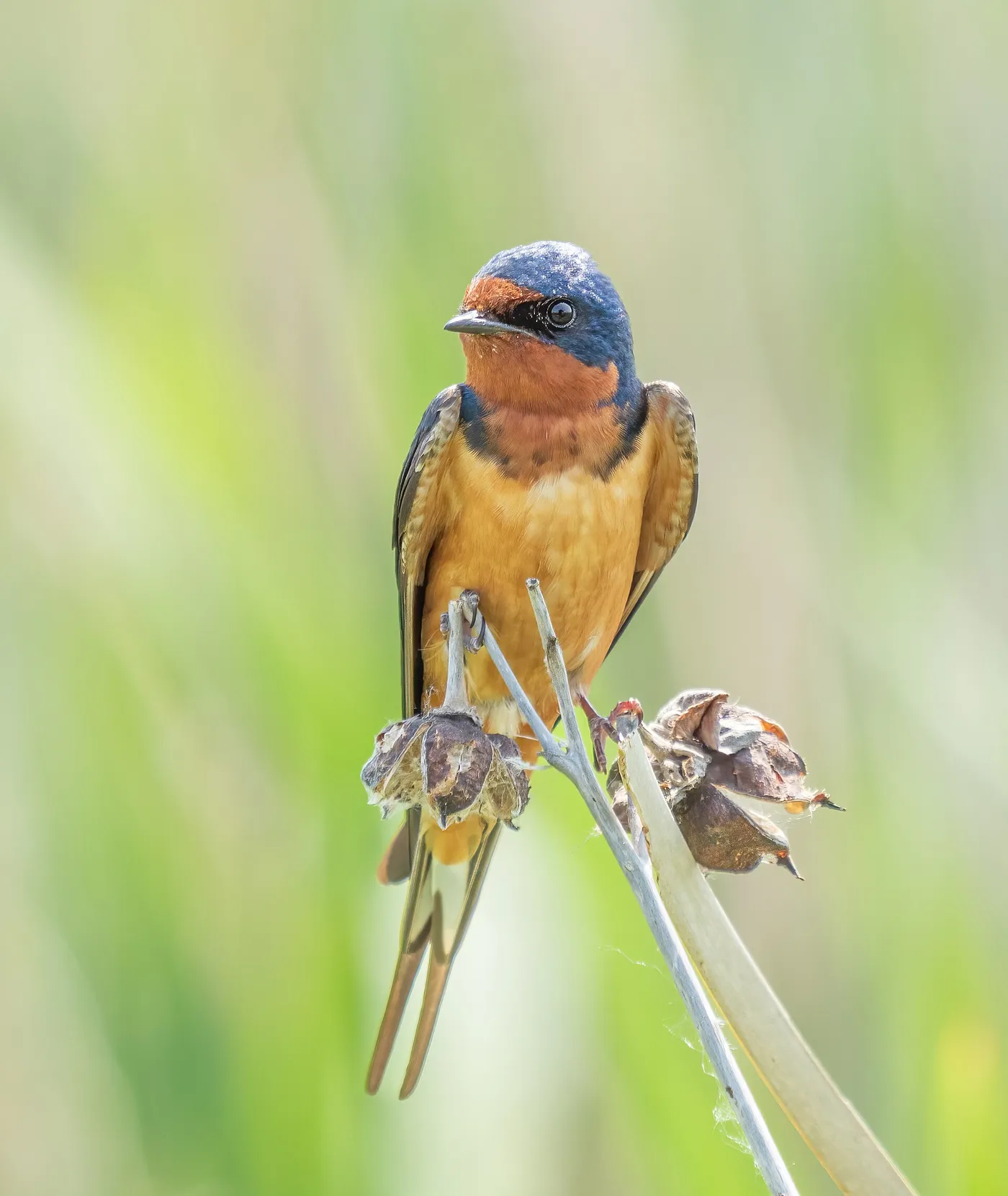
Swallows round out the list with eggs that are easy to confuse with bluebird eggs until you see the nest. Tree swallows nest in the same cavities and nest boxes as bluebirds, and their eggs are white, sometimes with the faintest pink tint, about 19 by 14 mm. Barn swallows build mud cups on beams and ledges, and their eggs are white with brown speckles, about 20 by 14 mm.
The blue-gray gnatcatcher is the smallest bird on this chart, and its eggs match: pale blue with reddish brown spots, only about 14 by 11 mm, in clutches of three to five. Its nest is unmistakable, a compact cup covered in lichen and spider silk that blends into the branch.
The black-throated blue warbler closes the list with pale blue-green eggs marked with brown spots, about 18 by 14 mm, in clutches of three to five, in a cup nest low in a shrub in eastern forests. Warbler eggs are often confused with bunting eggs, so check the setting: warblers want dense woods, buntings want open edges. Our types of small birds guide compares 20 small species by size and habitat.

Bluebird Eggs in the Nest Box
Most people meet bluebird eggs in a nest box. A female builds a loose cup of dry grass and lays one egg per day until the clutch is complete, then starts incubating after the last egg, which is why a box with three eggs one day can hold five the next. The eggs hatch after about 12 to 14 days, and the chicks leave the nest roughly 17 to 21 days after that.
If you monitor a nest box, keep checks short and infrequent, once a week at most, and never check in cold, wet, or very hot weather. Tap the box gently, look quickly, and close it again. Note the date, egg count, and color, then leave. Our types of birds guide places bluebirds among 20 common species.

Frequently Asked Questions
What bird lays small pale blue eggs?
Several do. Bluebird eggs are about 20 mm long, lazuli bunting eggs about 19 mm, and blue-gray gnatcatcher eggs only about 14 mm. The nest helps too: a cavity points to a bluebird, a low shrub to a bunting, a lichen-covered cup to a gnatcatcher.
Are bluebird eggs always blue?
No. Most eastern bluebird eggs are pale blue, but some females lay white eggs, and the trait can repeat in the same family line for years. A white egg in a grass cup inside a nest box is still very likely a bluebird egg.
How can you tell a bluebird egg from a robin egg?
Robin eggs are a deeper, brighter blue, almost turquoise, and larger at about 28 by 21 mm. Bluebird eggs are paler and smaller, about 20 by 17 mm, in a grass cup inside a cavity or nest box. Robin nests are open mud-and-grass cups in trees and on ledges, not inside cavities.
How long do bluebird eggs take to hatch?
About 12 to 14 days, counted from when the female starts sitting steadily, usually after the last egg is laid. She does almost all the incubating while the male brings food and guards the territory.
Conclusion
A blue egg is a good clue, not a final answer. Match the color and spots against the chart, measure the size, count the clutch, and look at the nest, and the species usually reveals itself. Bluebirds own the nest boxes, jays own the speckled eggs in the tree forks, and buntings, grosbeaks, gnatcatchers, and warblers fill in the shrubs and forest edges. Keep this chart saved for your next walk.


Pingback: Chicken Egg Identification Chart: Identify 12 Common Breeds by Egg – Chart Identify
Pingback: Types of Bluebirds: All 3 Species, Sizes and Habitats – Chart Identify