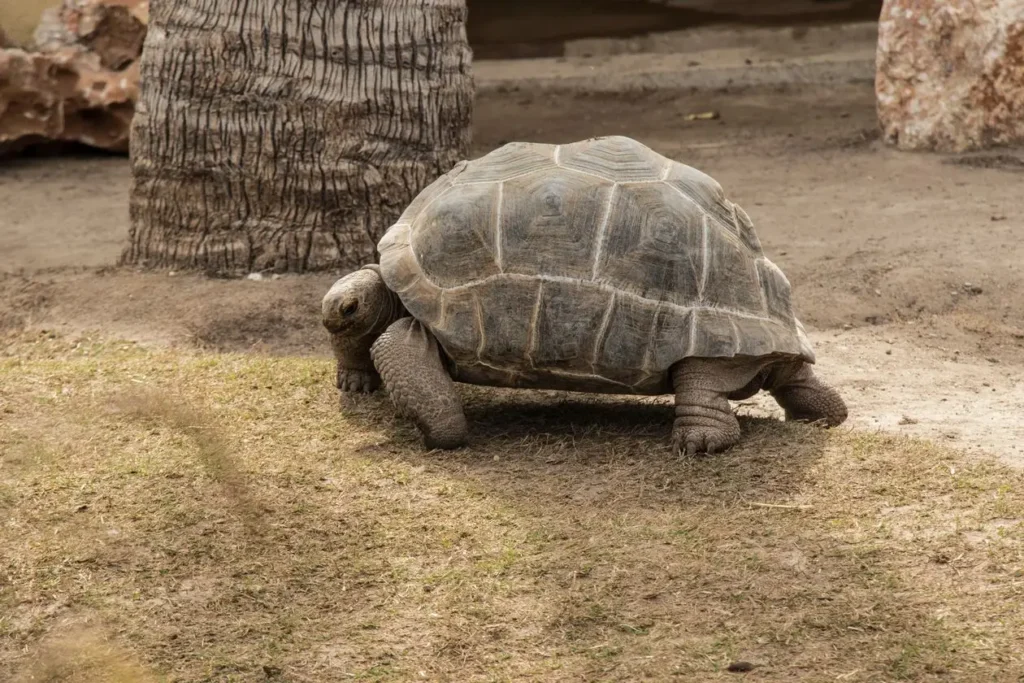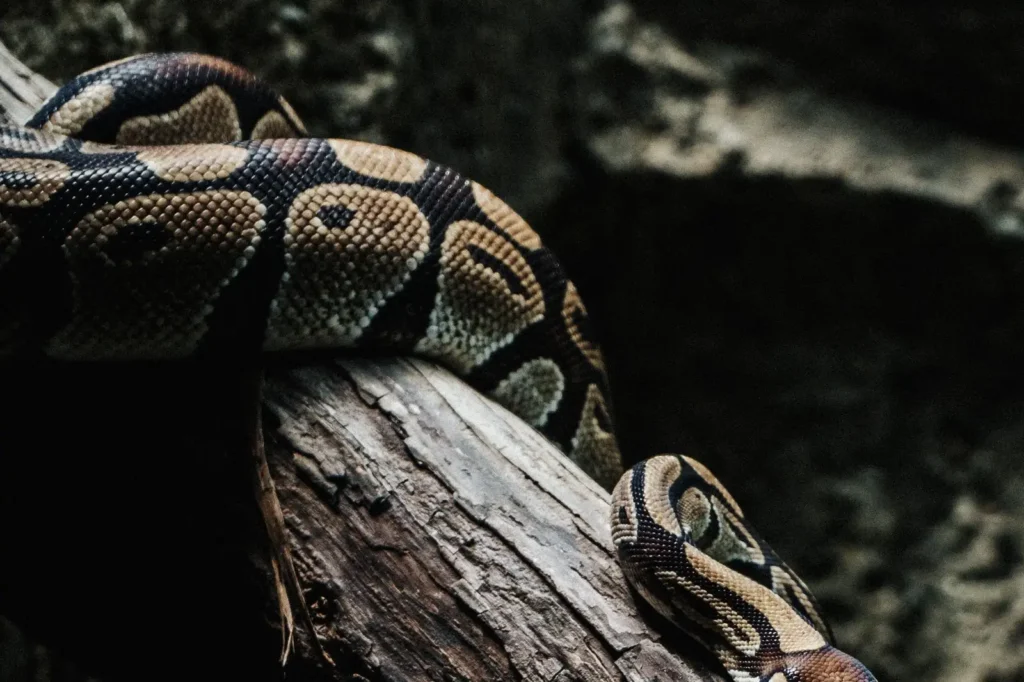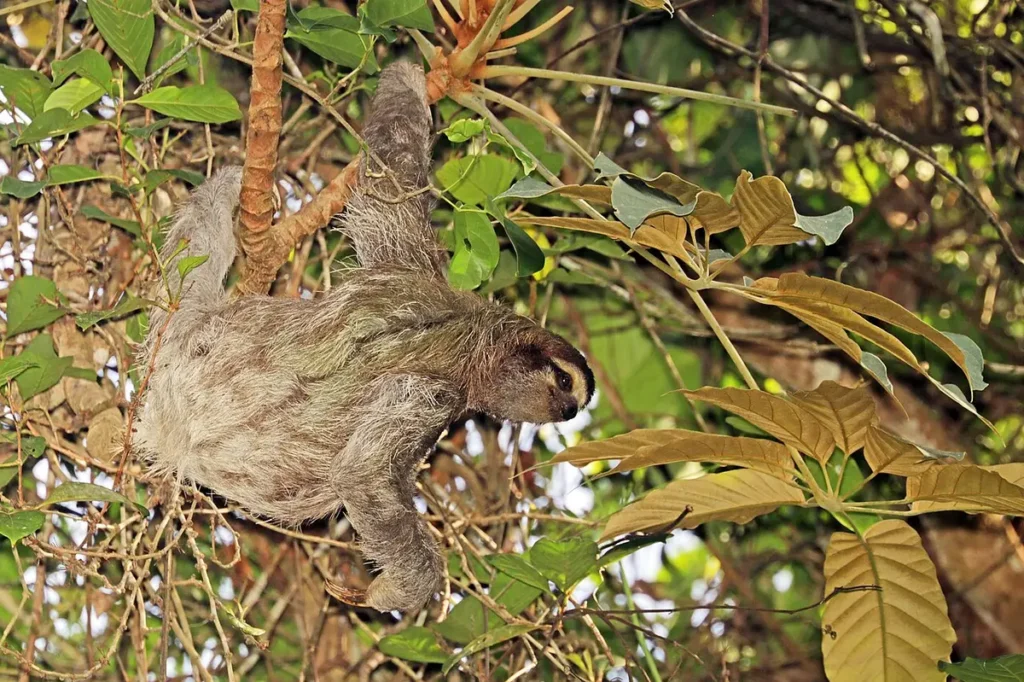
Sloths look like animals built for a short, quiet life. They move slowly, eat plain leaves, and sleep much of the day. Yet this sloth lifespan chart shows that most sloths live 20 to 30 years in the wild, and many reach 30 to 40 years or more under human care. A few record holders have passed 50. For a mammal the weight of a house cat, that is a remarkably long life.
Below, every living sloth species is compared side by side, with wild and captive lifespans, body size, weight, and conservation status, followed by the reasons captive sloths outlive wild ones by such a wide margin.
Sloth Lifespan Chart: All Species Compared
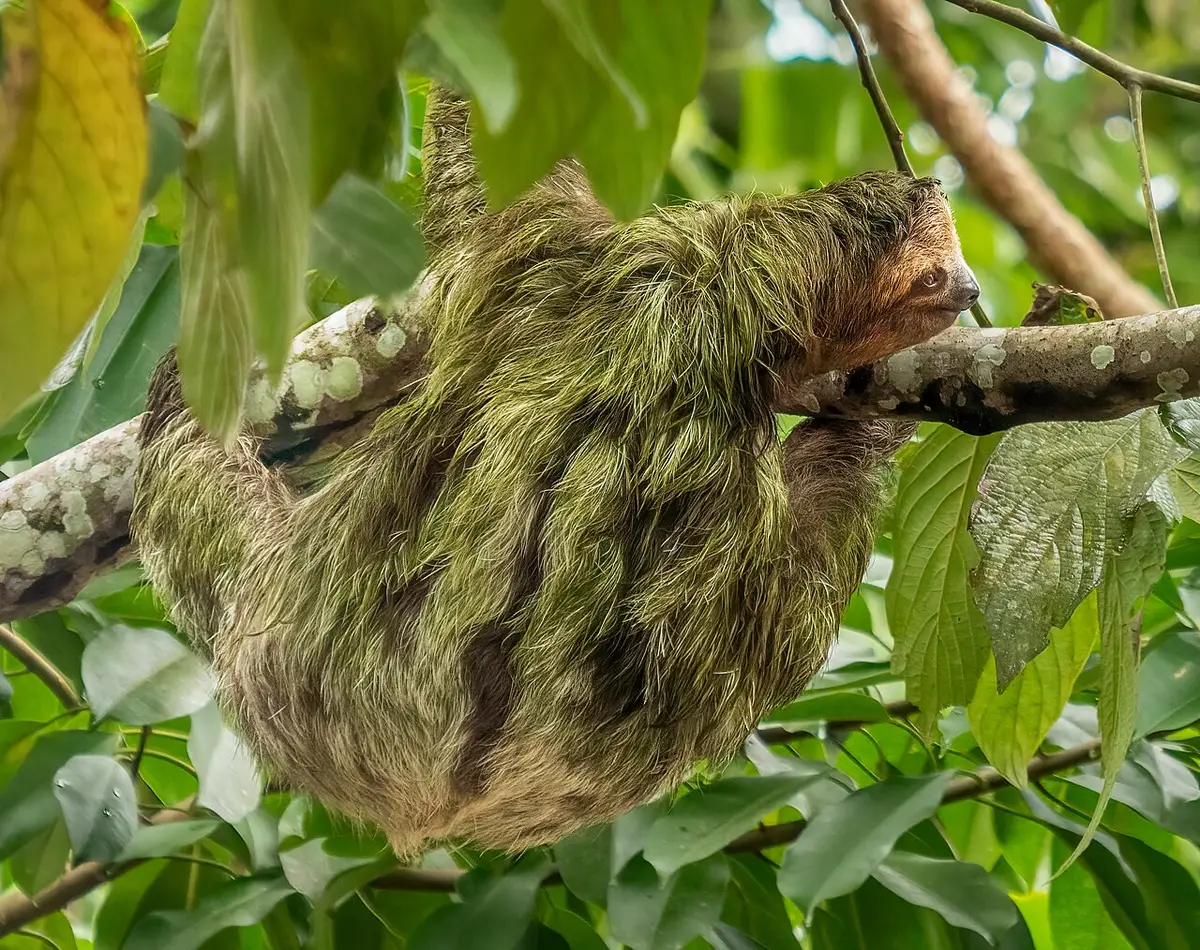
There are six widely recognized sloth species, split between two groups. Three-toed sloths belong to the genus Bradypus, and two-toed sloths belong to the genus Choloepus. Some researchers now count a seventh species after splitting the maned sloth in 2022; both forms share one row below because their lifespan data is still combined. Wild figures come from field studies and are estimates, while zoo records are firmer.
| Sloth Species | Scientific Name | Type | Wild Lifespan | Captive Lifespan | Body Length | Weight | Status |
|---|---|---|---|---|---|---|---|
| Brown-throated three-toed sloth | Bradypus variegatus | Three-toed | 20 to 30 years | 30 to 40 years | 42 to 80 cm (17 to 31 in) | 2.3 to 6.3 kg (5 to 14 lb) | Least Concern |
| Pale-throated three-toed sloth | Bradypus tridactylus | Three-toed | 20 to 30 years | 30 to 40 years | 45 to 75 cm (18 to 30 in) | 3.2 to 6 kg (7 to 13 lb) | Least Concern |
| Maned three-toed sloth | Bradypus torquatus | Three-toed | 15 to 25 years | 25 to 30 years or more | 55 to 75 cm (22 to 30 in) | 4.5 to 10 kg (10 to 22 lb) | Vulnerable |
| Pygmy three-toed sloth | Bradypus pygmaeus | Three-toed | 10 to 20 years (estimated) | Almost no records | 48 to 53 cm (19 to 21 in) | 2.5 to 3.5 kg (5.5 to 7.7 lb) | Critically Endangered |
| Linnaeus’s two-toed sloth | Choloepus didactylus | Two-toed | 20 to 30 years | 30 to 40 years or more (record about 54) | 58 to 86 cm (23 to 34 in) | 4.1 to 9 kg (9 to 20 lb) | Least Concern |
| Hoffmann’s two-toed sloth | Choloepus hoffmanni | Two-toed | 20 to 30 years | 30 to 43 years | 54 to 72 cm (21 to 28 in) | 2.9 to 9 kg (6.4 to 20 lb) | Least Concern |
Two patterns stand out. Captivity adds roughly a decade to every species where records exist, and the two-toed sloths hold nearly all the longevity records because they accept a wider diet and settle into zoo life far more easily. The pygmy sloth is the outlier at the bottom: the smallest sloth in the world, living on one small island off Panama, with so few individuals followed that its lifespan remains an estimate.
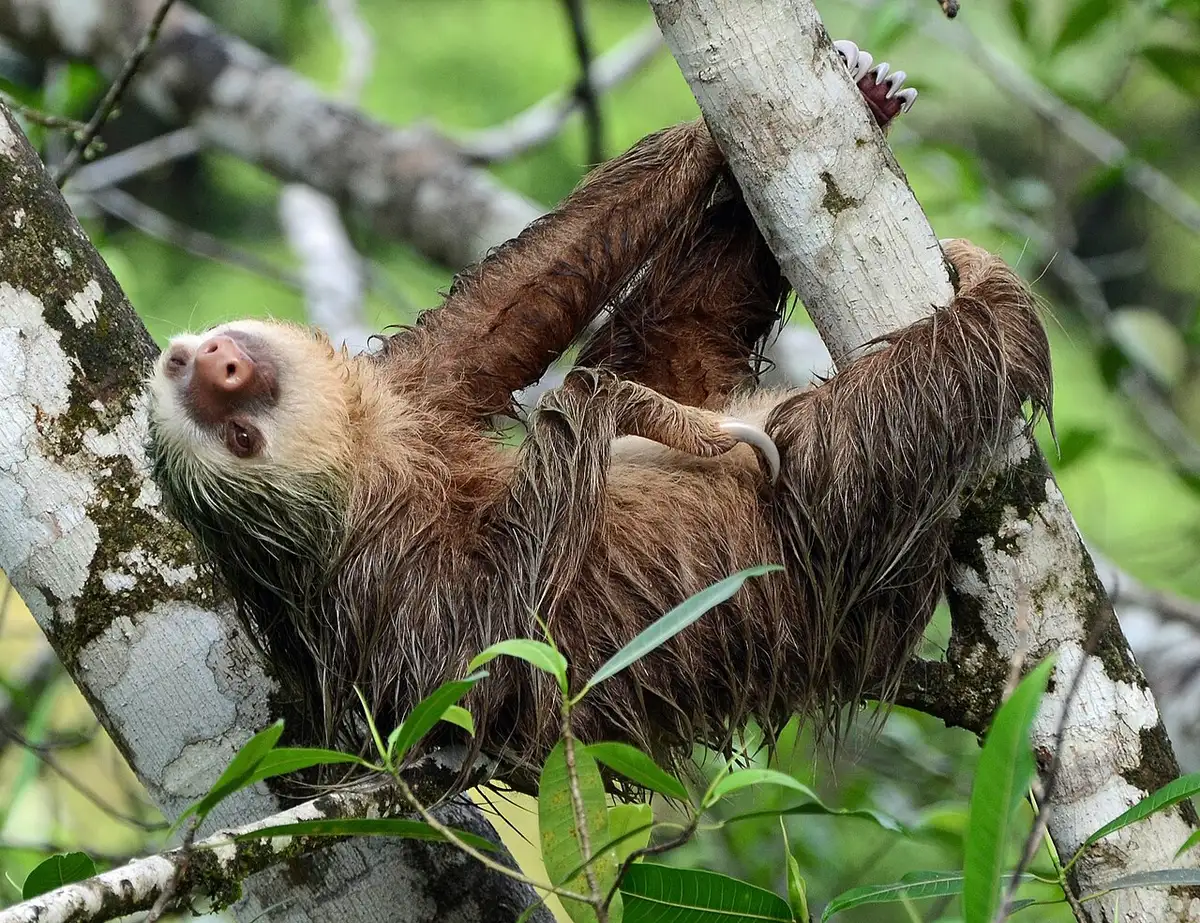
Wild vs Captive Lifespan: Why the Gap Is So Wide
A wild sloth and a zoo sloth of the same species can differ in lifespan by 10 to 20 years. That gap is not a mystery once you list what changes. In the wild, a sloth eats low energy leaves that shift with the seasons, faces harpy eagles, ocelots, jaguars, and snakes, and gets no help when it is sick or injured. Its most dangerous habit is the weekly trip to the forest floor to defecate, which exposes it to predators when it cannot escape quickly.
In a good zoo or sanctuary, that pressure disappears. Food arrives daily, there are no predators, and vets treat teeth, joints, and infections that would end a wild life. The result shows in the record books. Jan, a Linnaeus’s two-toed sloth at Krefeld Zoo in Germany, was still fathering young in his early fifties and is widely cited as the oldest sloth ever documented. Paula, another Linnaeus’s two-toed sloth at Halle Zoo, reached about 50. A Hoffmann’s two-toed sloth named Miss Chips at the Smithsonian’s National Zoo lived to 46. No wild sloth has a verified age near those figures, partly because wild sloths are hard to track for decades, and partly because the wild rarely lets an old, slow animal keep going.
Three-Toed Sloth Lifespan
Three-toed sloths are specialists that lean heavily on a short list of tree species for food. That narrow diet makes them delicate in captivity, so long captive records are rare and most lifespan knowledge comes from the wild.
The brown-throated sloth is the most common and widespread of the group, found from Honduras down to Argentina, and it typically lives 20 to 30 years in the wild. The pale-throated sloth of the northern Amazon matches that range. The maned sloth, named for the dark mane of longer fur on its neck and shoulders, is limited to the shrinking Atlantic Forest of Brazil and appears to live a somewhat shorter life, around 15 to 25 years in the wild. The pygmy sloth is a dwarf island form that evolved on Isla Escudo de Veraguas off Panama, where a few hundred at most remain, and its estimated 10 to 20 year lifespan is the shortest on the chart.
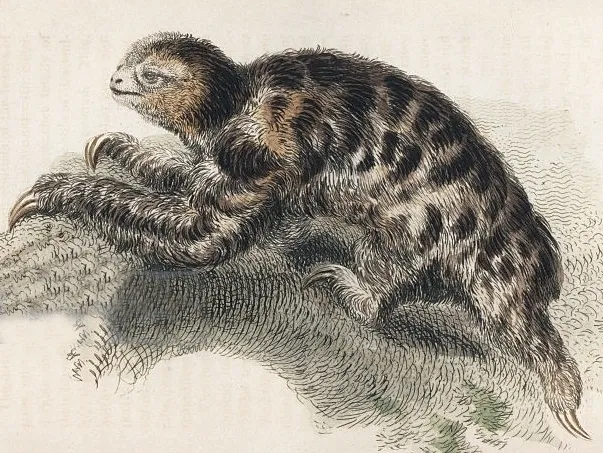
Two-Toed Sloth Lifespan
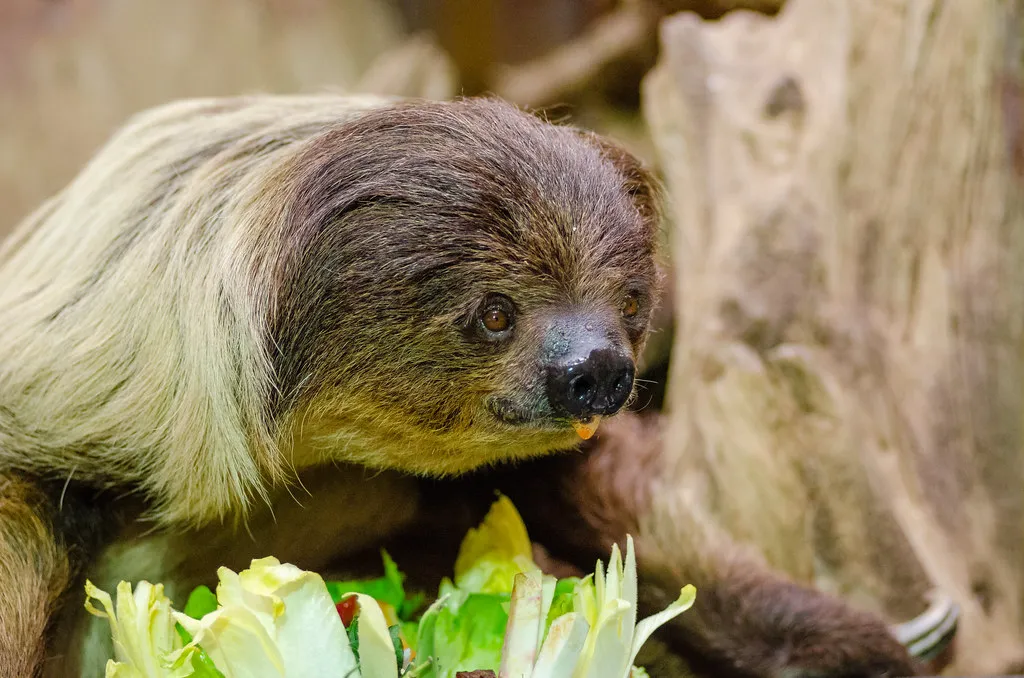
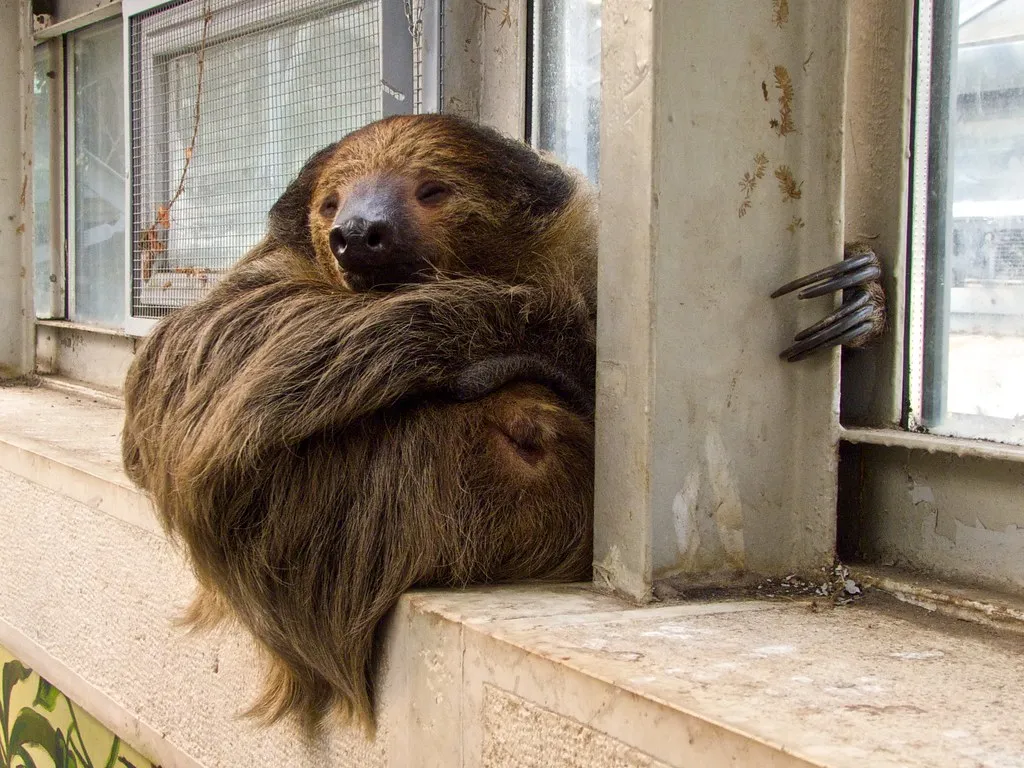
Two-toed sloths are bigger, stronger, and active mostly at night. The name refers to the front feet: two claws versus three. Two-toed sloths eat leaves, fruit, flowers, and occasionally small animal matter, and that flexibility is the key to their longer recorded lives. Keepers can feed them well with vegetables, greens, and prepared diets, so they thrive in zoos and rack up the record ages listed earlier.
Linnaeus’s two-toed sloth ranges across northern South America, while Hoffmann’s two-toed sloth has a split range across Central and South America. Both commonly reach 20 to 30 years in the wild and 30 to 40 plus years in captivity. If you enjoy long lived small mammals, compare these figures with our sugar glider lifespan chart, where the wild and captive gap follows the same pattern.
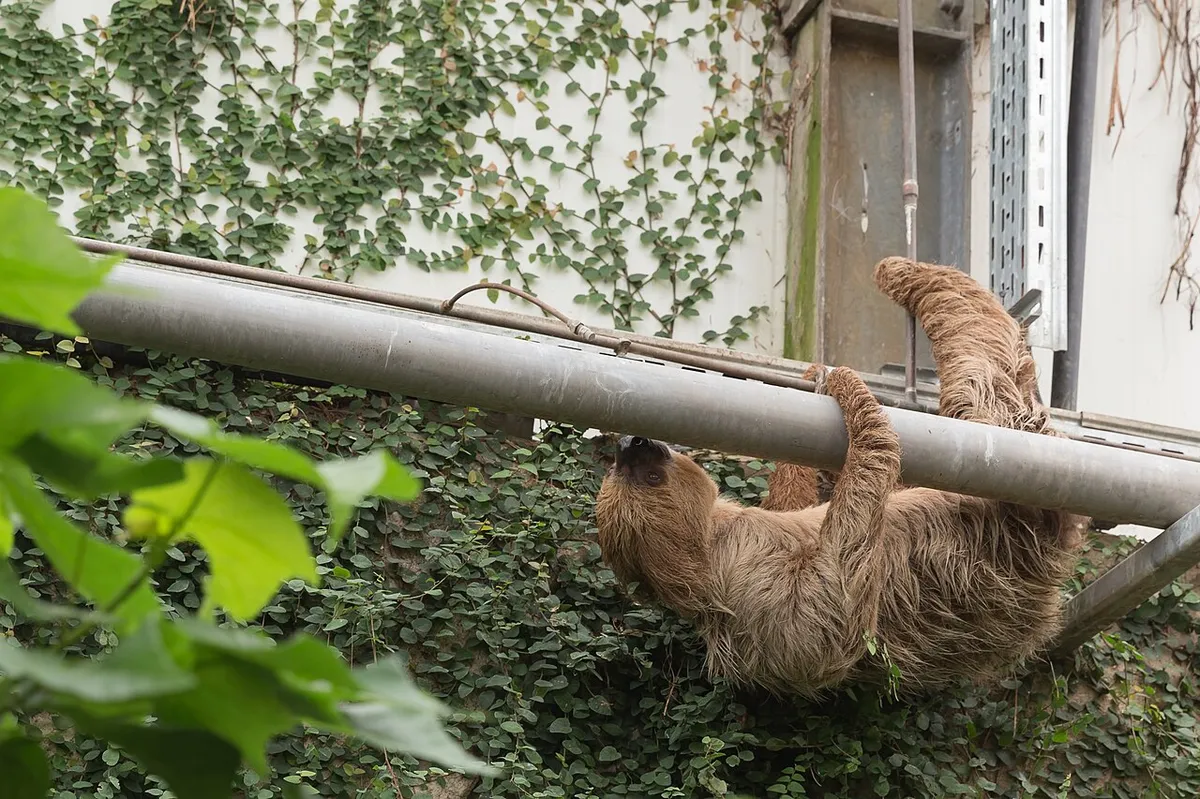
A Sloth’s Life, Stage by Stage
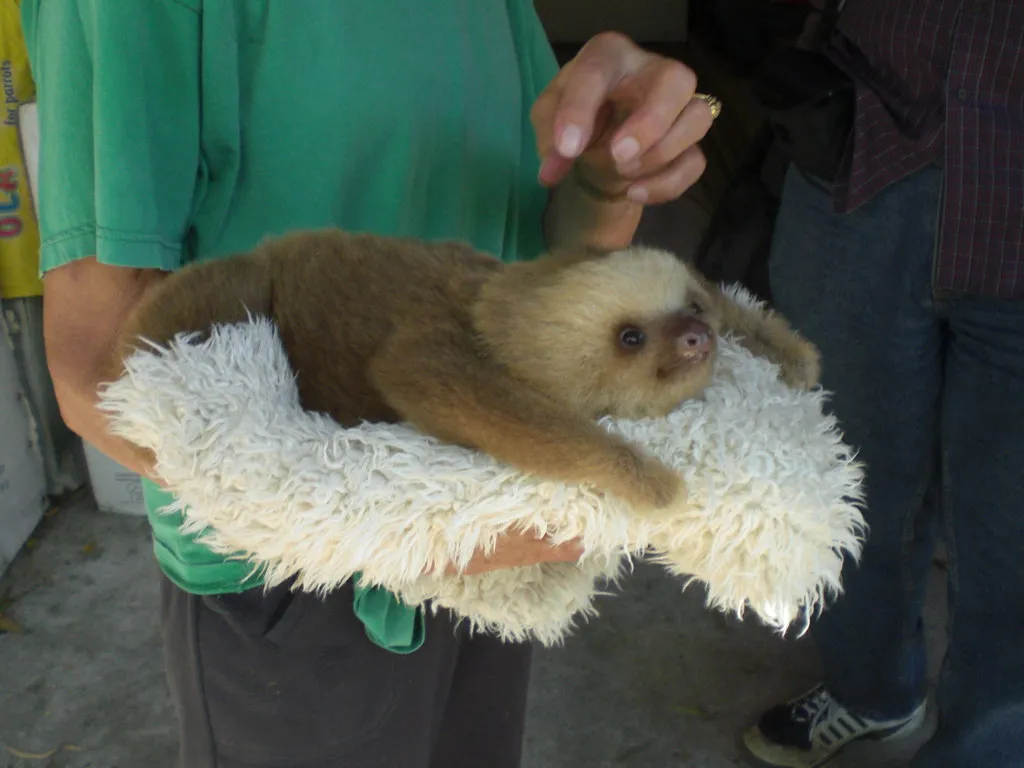
A baby sloth is born after a pregnancy of about six months in three-toed species and up to eleven or twelve months in two-toed species. The single baby clings to its mother’s belly for roughly six months, learning which leaves to eat by tasting them from her mouth. Young sloths become independent at around one year, mature at about three to five years, and then settle into the long adult stretch behind most of the chart’s numbers.
That slow schedule has a cost: sloths replace themselves slowly, so a population hit by road deaths or forest loss recovers over decades, not years. The benefit is that a healthy adult in a safe forest faces few daily risks and can keep breeding into old age, as Jan proved. For another slow living mammal, see our capybara lifespan chart.

What Shortens or Extends a Sloth’s Life
Predators. Harpy eagles take sloths from the canopy, and jaguars, ocelots, and large snakes take them lower down or on the ground. Predation is the main reason wild averages sit below captive ones.
Habitat loss. When forest is cut into fragments, sloths must cross open ground or roads to reach new trees. Those crossings are the riskiest moments of a sloth’s life, and vehicle strikes are now a leading cause of death near towns in Costa Rica and Brazil.
Power lines and dogs. Sloths near towns climb power lines mistaking them for branches and suffer shocks and falls, and free roaming dogs are a growing threat on the ground.
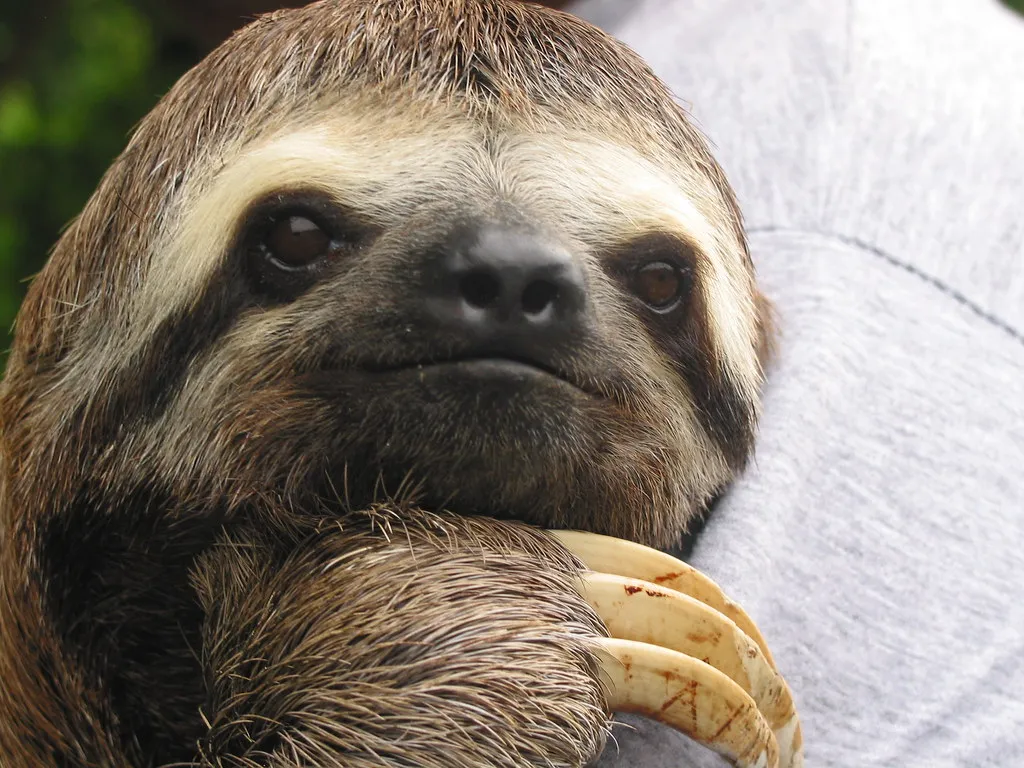
Diet and digestion. Sloths run one of the slowest digestive systems of any mammal. A leaf meal can take weeks to process in a large, multi chambered stomach. That system is efficient on the right leaves and fragile on the wrong food, which is why diet quality shapes captive lifespan so strongly.
A body built to save energy. Sloths have the lowest energy needs of any non hibernating mammal, variable body temperature, and muscles that favor slow, hanging endurance over speed. Living slowly means less wear, fewer injuries, and more years. The same slow living shows up in other long lived animals in our raccoon lifespan chart, though raccoons live far shorter lives overall.
Sloth Lifespan Compared With Other Mammals
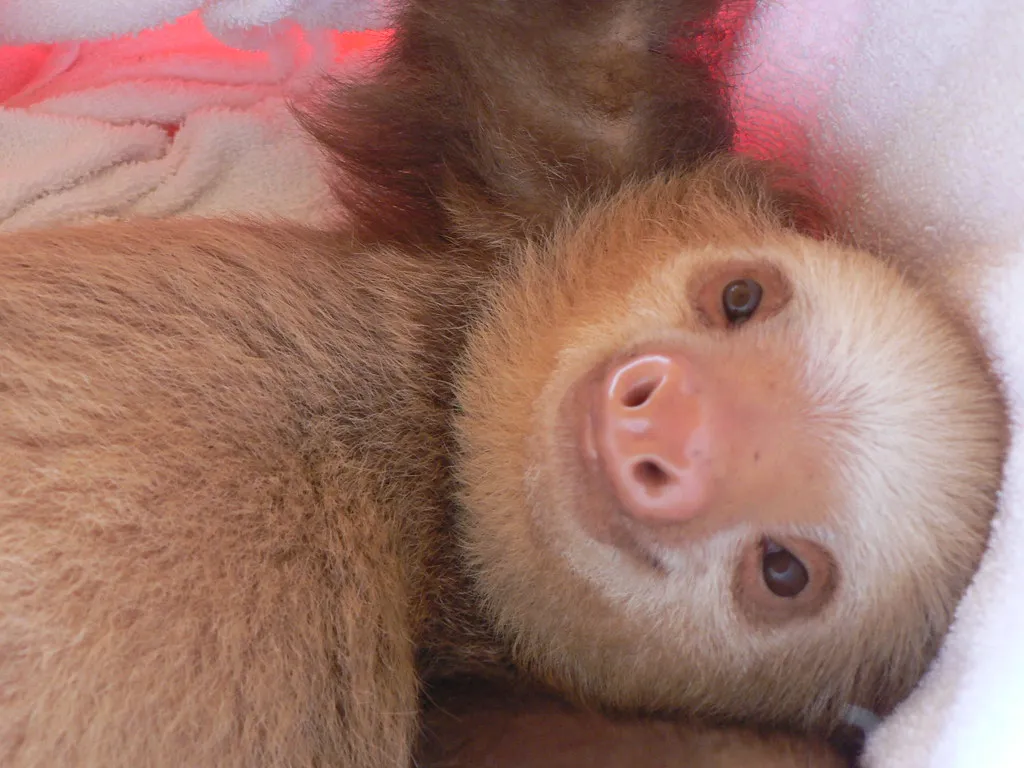
For their size, sloths are outliers. A house cat lives about 12 to 18 years indoors, and a raccoon averages 2 to 3 years in the wild. A sloth of similar weight doubles or triples those figures. Biologists link this to the sloth’s extremely low metabolic rate and flexible body temperature, a combination that seems to slow aging itself. The trade off is a life with almost no spare energy, so the sloth’s whole survival strategy rests on not being noticed.
Frequently Asked Questions
How long do sloths live on average?
Most sloths live 20 to 30 years in the wild. Under human care they commonly reach 30 to 40 years, and a few two-toed sloths have passed 50.
Which sloth species lives the longest?
Linnaeus’s two-toed sloth holds the records. Jan at Krefeld Zoo was documented past 50 and still breeding in his early fifties, and Paula at Halle Zoo reached about 50. Two-toed sloths adapt to captivity better than three-toed sloths, so they dominate the oldest ages.
Why do sloths live longer in captivity than in the wild?
Captivity removes the main causes of wild death. There are no eagles or jaguars, food is steady and balanced, and vets treat illness and injury early. Together those changes add roughly 10 to 20 years to a sloth’s life.
How long does a pygmy sloth live?
The pygmy three-toed sloth is estimated to live 10 to 20 years in the wild, but hard data is scarce. It is critically endangered, lives only on one small island off Panama, and almost none have been kept or followed long term.
Can a sloth be kept as a pet, and how long would it live?
Sloths are wild animals with very specific diet, temperature, and climbing needs, and keeping one is illegal or heavily restricted in most places. Even well kept pet sloths often fall short of zoo lifespans because their leaf based digestion is hard to replicate at home.

Conclusion
The sloth lifespan chart tells a consistent story. Wild sloths of most species live 20 to 30 years, captive sloths add about a decade on top of that, and the flexible, adaptable two-toed sloths hold the all time records at around 50 years or more. The pygmy sloth sits at the other end, rare, small, and still largely unmeasured. What decides a sloth’s years is rarely the sloth itself. It is the forest around it: intact canopy, safe crossings, and freedom from predators and power lines. Protect the trees, and the slowest mammal in the forest turns out to be one of the longest lived for its size.