
One clam on the seabed off Iceland was already 200 years old when the United States was founded. It kept living, quietly filtering seawater, until scientists accidentally ended its life in 2006 and counted its age at 507 years. That clam is just the start. This guide ranks the 20 animals with the longest lifespan on Earth, from a jellyfish that can restart its own life cycle to tortoises that were adults before your great-grandparents were born.
Every animal below earned its place with a verified record, a well documented estimate, or a famous claim that scientists still debate. Where a number is disputed, the chart says so.
The 20 Animals With the Longest Lifespan, Ranked
Read the chart as a ranking by maximum lifespan: the oldest age an individual has reached or is credibly estimated to reach. Typical lifespan is what an average adult can expect, and the gap between the two columns is often enormous.
| Rank | Animal | Maximum Lifespan | Typical Lifespan | Group | Where It Lives |
|---|---|---|---|---|---|
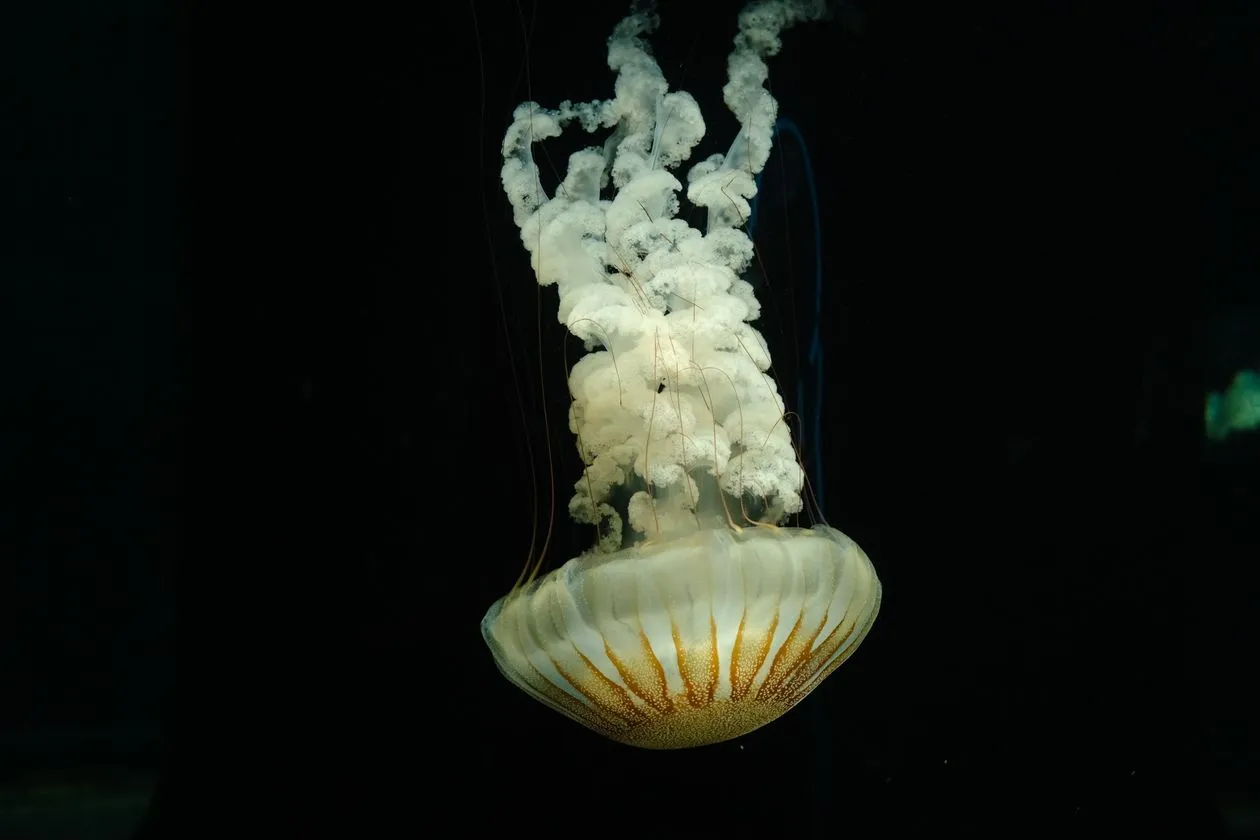
| 1 | Immortal jellyfish | Potentially unlimited | No fixed limit | Jellyfish | Oceans worldwide |
| 2 | Glass sponge | Up to ~11,000 years (estimated) | Unknown | Sponge | Deep ocean, including Antarctica |
| 3 | Ocean quahog | 507 years (verified) | 100 to 200 years | Clam | North Atlantic seabed |
| 4 | Greenland shark | 300 to 500 years | 250+ years | Shark | North Atlantic and Arctic |
| 5 | Freshwater pearl mussel | Up to ~280 years | 100+ years | Mussel | Clean rivers in Europe and North America |
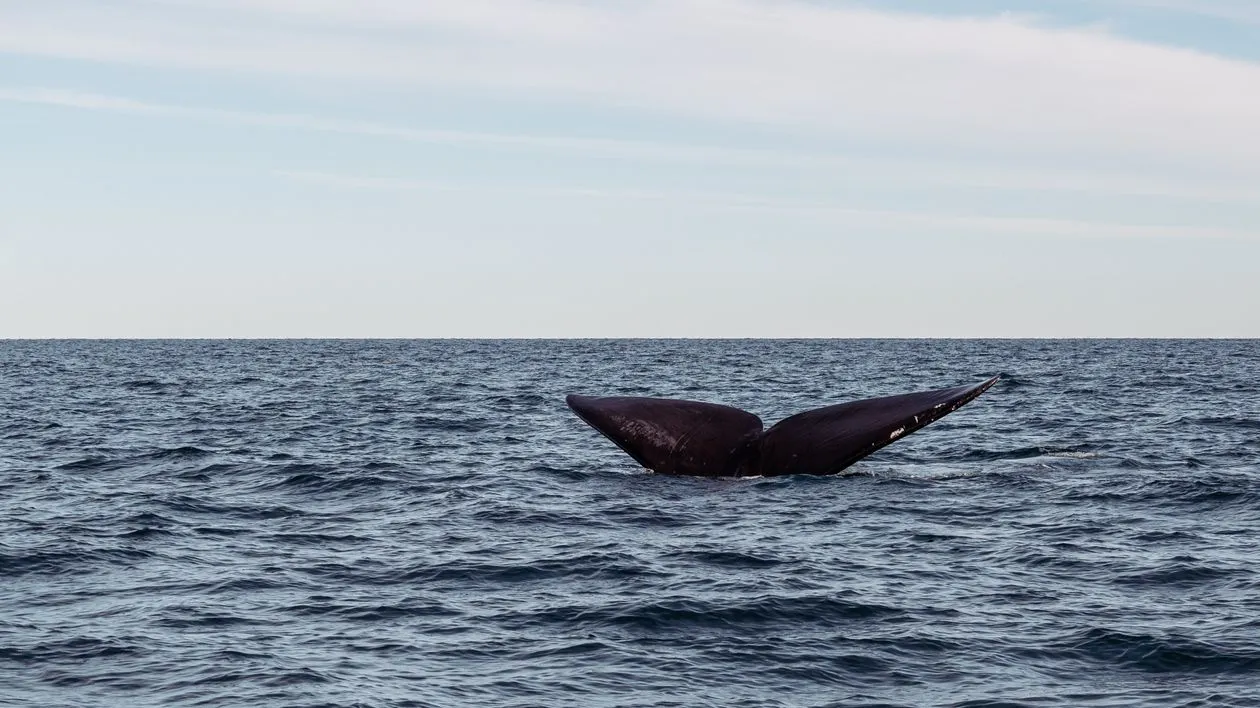
| 6 | Bowhead whale | 200+ years | 100 to 150 years | Whale | Arctic waters |
| 7 | Rougheye rockfish | 205 years | 50 to 100 years | Fish | North Pacific |
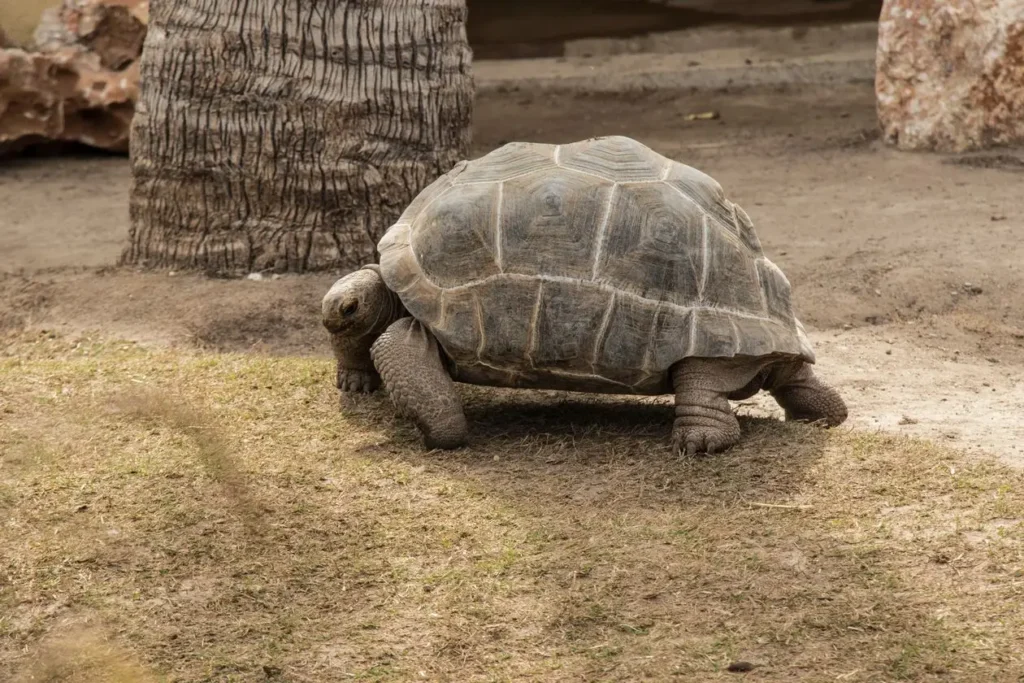
| 8 | Aldabra giant tortoise | 150 to 250 years | 100+ years | Reptile | Aldabra Atoll, Seychelles |
| 9 | Galapagos giant tortoise | 150 to 200 years | 100+ years | Reptile | Galapagos Islands, Ecuador |
| 10 | Orange roughy | ~150 years (up to 250 claimed) | 100+ years | Fish | Deep ocean worldwide |
| 11 | Red sea urchin | 100 to 200 years | 50+ years | Sea urchin | Pacific coast of North America |
| 12 | Lake sturgeon | 100 to 150 years | 55 to 80 years | Fish | North American lakes and rivers |
| 13 | Tuatara | 100+ years | 60 to 80 years | Reptile | New Zealand islands |
| 14 | American lobster | ~100 years | 30 to 50 years | Crustacean | Northwest Atlantic |
| 15 | Koi | 100+ years claimed | 25 to 50 years | Fish | Garden ponds, originally Japan |
| 16 | Laysan albatross | 70+ years | 40 to 60 years | Bird | North Pacific, breeds in Hawaii |
| 17 | Macaw | ~80 years | 50 to 60 years | Bird | Central and South America |
| 18 | African elephant | ~70 years (86 in care) | 60 to 70 years | Mammal | Sub-Saharan Africa |
| 19 | Human | 122 years | 70 to 90 years | Mammal | Worldwide |
| 20 | American alligator | 80+ years in care | 30 to 50 years | Reptile | Southeastern United States |
Two patterns jump out of the chart. First, almost everything at the top lives in cold water. Second, size is not the secret: the two oldest verified animals on the list, a clam and a mussel, would fit in your hand.
Two Animals That Barely Age at All
The immortal jellyfish (Turritopsis dohrnii) is a creature the size of a fingernail with a trick no other known animal can match. When it is injured, sick or old, it sinks to the seabed and folds back into its juvenile polyp stage, then grows up all over again. In theory it can repeat this indefinitely, which is why scientists call it biologically immortal. In practice, most get eaten long before old age becomes a question.
The glass sponge is the quieter record holder. One specimen of Monorhaphis chuni from the East China Sea was estimated at around 11,000 years old from the chemistry of its glass skeleton. That estimate is debated, but even cautious readings put big glass sponges in the thousands of years.

The red sea urchin deserves an honorable mention here. It shows what biologists call negligible senescence: a 100-year-old urchin is roughly as healthy and fertile as a young one. It does not stop aging so much as refuse to slow down.
Centuries in Cold, Dark Water
The Greenland shark is the longest-lived vertebrate on Earth. It grows about a centimeter a year in the freezing North Atlantic, and females may not breed until they are around 150 years old. Radiocarbon dating of eye lens proteins put one large female at roughly 392 years, with a plausible range running past 500. She was swimming when Shakespeare was writing plays. You can see where this species sits among its relatives in our guide to the types of sharks.

The ocean quahog holds the verified record for any single animal: 507 years. The famous individual, nicknamed Ming, was dredged up off Iceland in 2006, and its age was counted from growth rings in its shell, the same way you would count tree rings. Freshwater pearl mussels use the same slow strategy in cold, clean rivers, and the oldest shells found in Finland and Spain have been aged near 280 years.

The bowhead whale is the longest-lived mammal, full stop. Hunters have recovered 19th-century harpoon points from the blubber of bowheads killed in the 2000s, and eye chemistry suggests some individuals pass 200 years. Cold Arctic water, a slow metabolism and very few predators do the rest. Our types of whales chart shows how the bowhead compares with the rest of its family.
Giant Tortoises, the Longest-Lived Land Animals
On land, nothing touches the giant tortoises. The Aldabra giant tortoise can pass 150 years in ordinary circumstances, and Jonathan, a Seychelles giant tortoise living on Saint Helena, hatched around 1832 and is still going, which makes him roughly 193 years old and the oldest known living land animal. Galapagos giant tortoises follow close behind: Harriet, who died in Australia in 2006, was estimated at about 175.
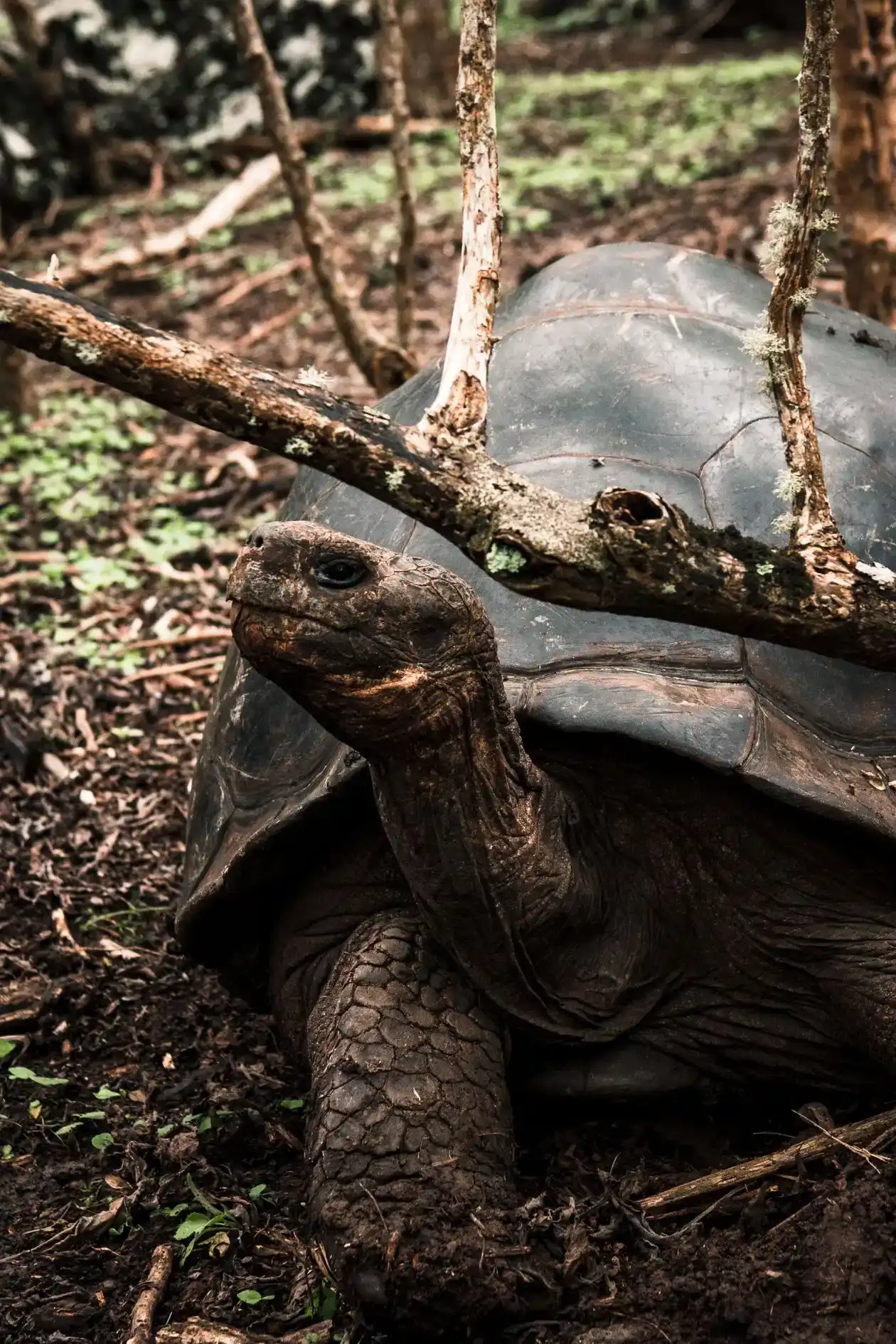
Their recipe is patience. A slow heartbeat, a low-energy life spent grazing, the ability to go months without food or water, and almost no natural predators as an adult. The tuatara of New Zealand uses a reptile version of the same plan, growing for 35 years in the cold and routinely passing a century.
Fish and Shellfish That Pass 100
Deep and cold freshwater hides several centenarian fish. The rougheye rockfish of the North Pacific has been aged at 205 years, and the orange roughy, which does not even mature until its twenties or thirties, is now believed to reach about 150, a fact discovered only after the fishing industry had already spent decades hauling it up. Lake sturgeon, armored survivors from an ancient lineage, can live 100 to 150 years in the Great Lakes and Canadian rivers.

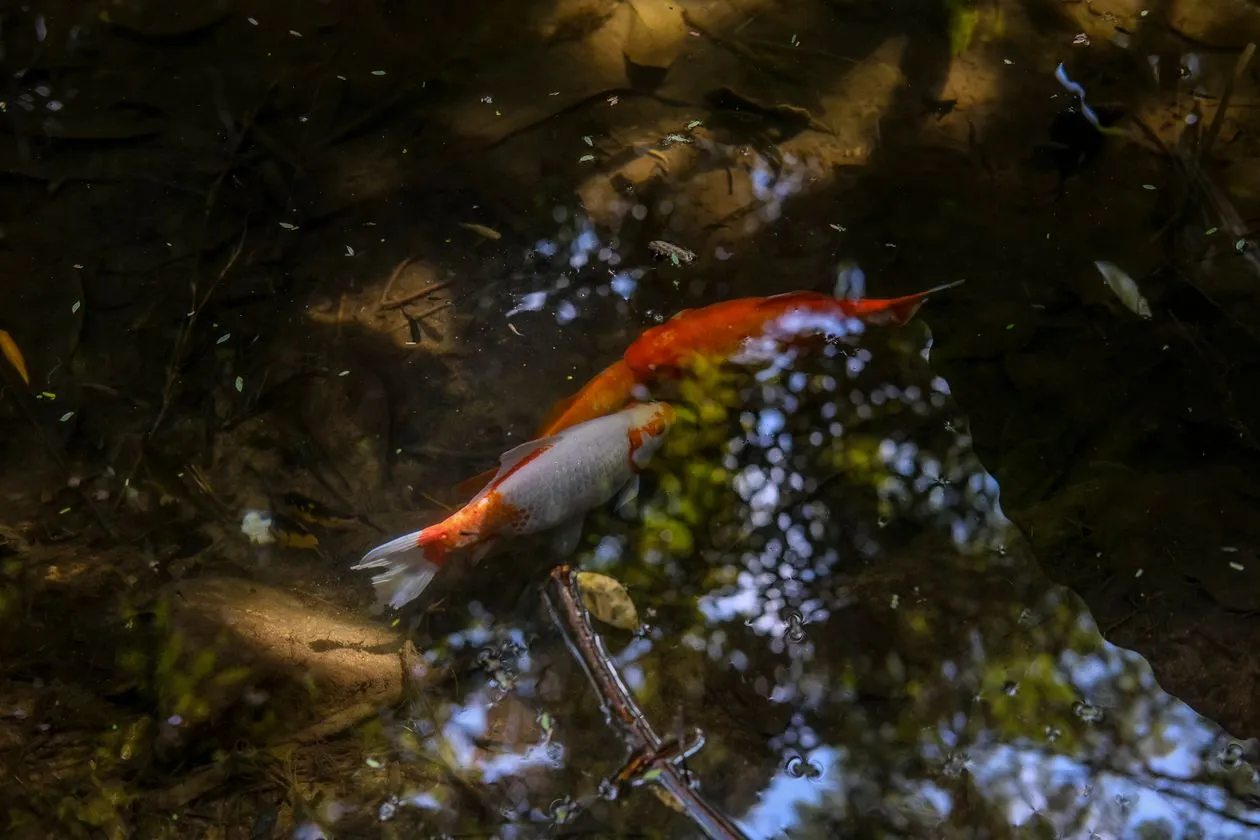
Koi are the famous backyard case. A well kept pond koi living 25 to 50 years is normal, and claims of far older fish circulate widely, including Hanako, a Japanese koi said to have died at 226. That number came from counting scale rings, a method fish biologists consider unreliable, so treat it as a beloved story rather than a record.
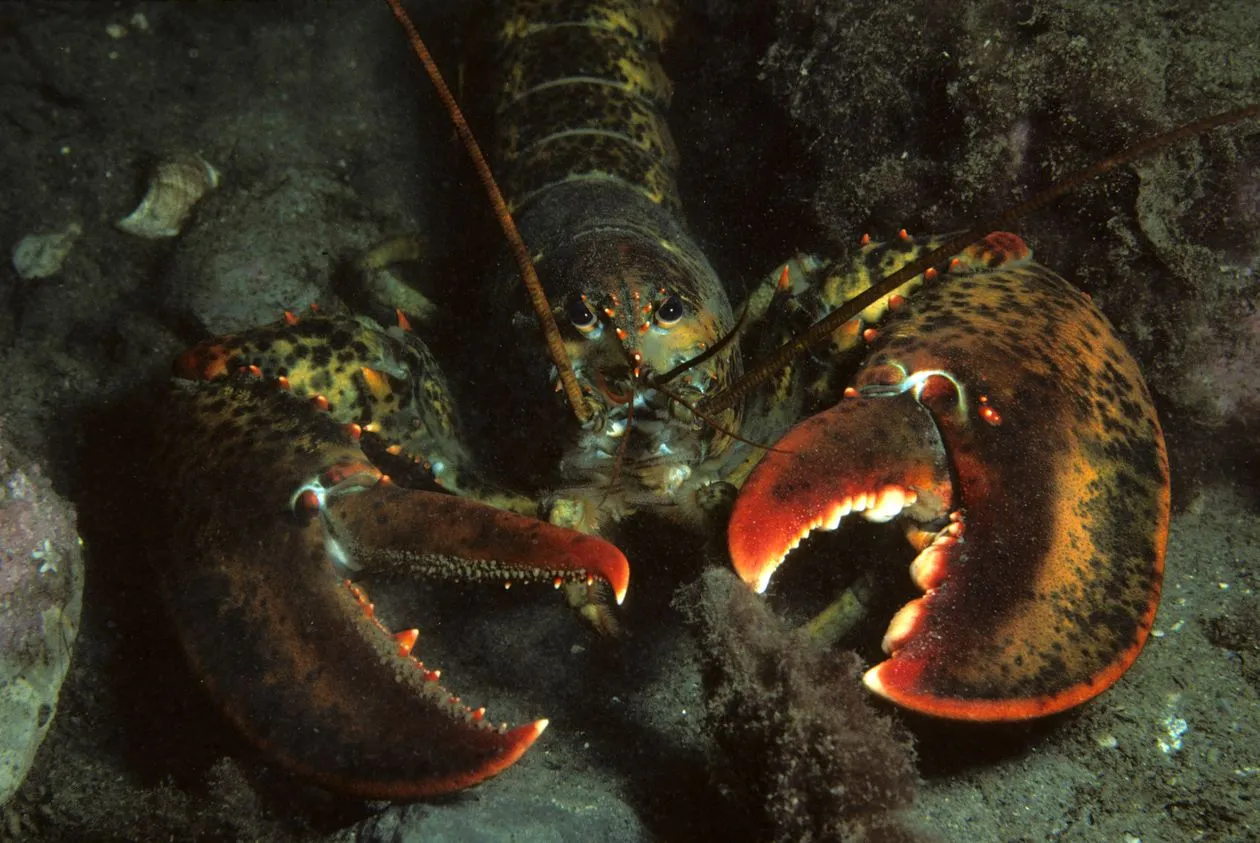
The American lobster rounds out this group at roughly 100 years. Lobsters keep growing and molting their whole lives, and scientists estimate age from size because they shed any hard part that could be ring-counted.
Birds, Elephants and Us
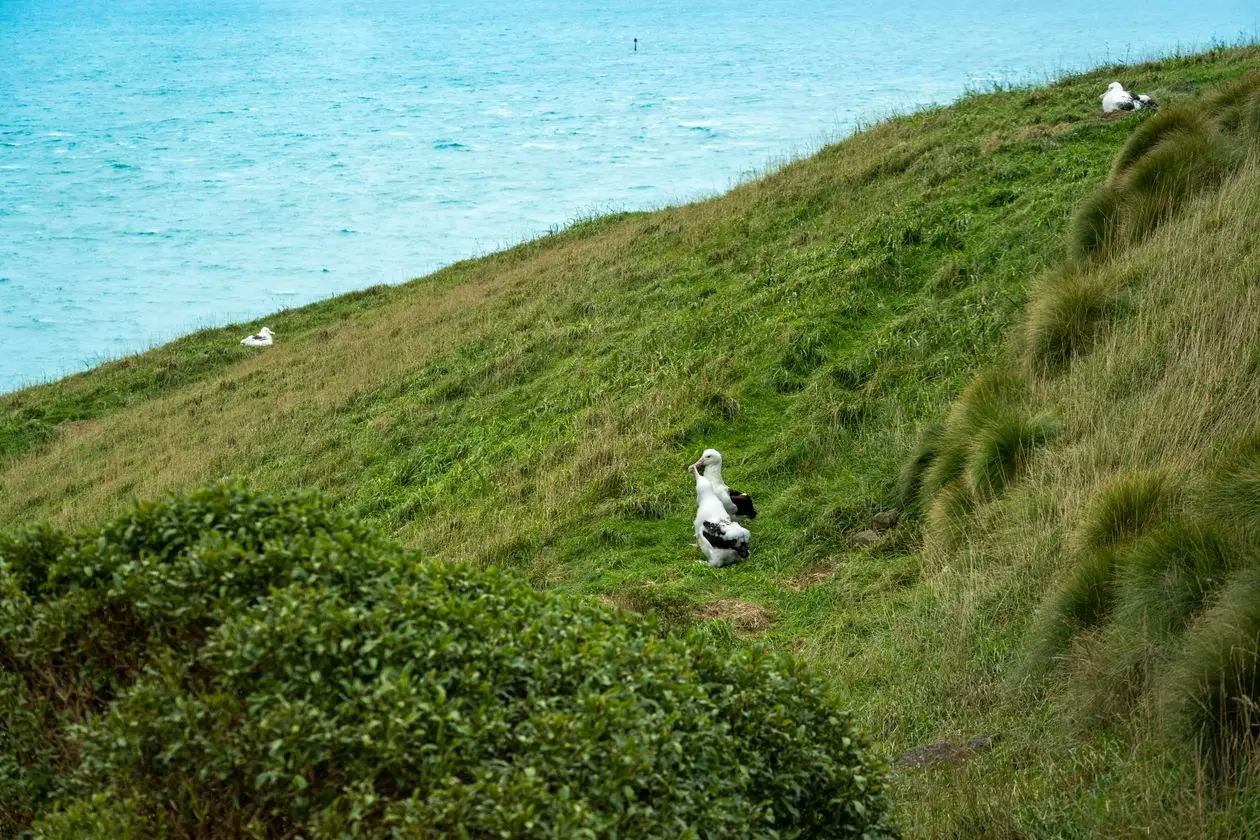
Among birds, the Laysan albatross leads the wild records. Wisdom, a female banded on Midway Atoll in 1956, was still hatching chicks into her seventies, making her the oldest known wild bird on Earth. Macaws are the pet-world equivalent: a blue and gold macaw can live 50 to 60 years, and the oldest individuals approach 80, which is why a macaw is closer to a lifelong commitment than a pet.

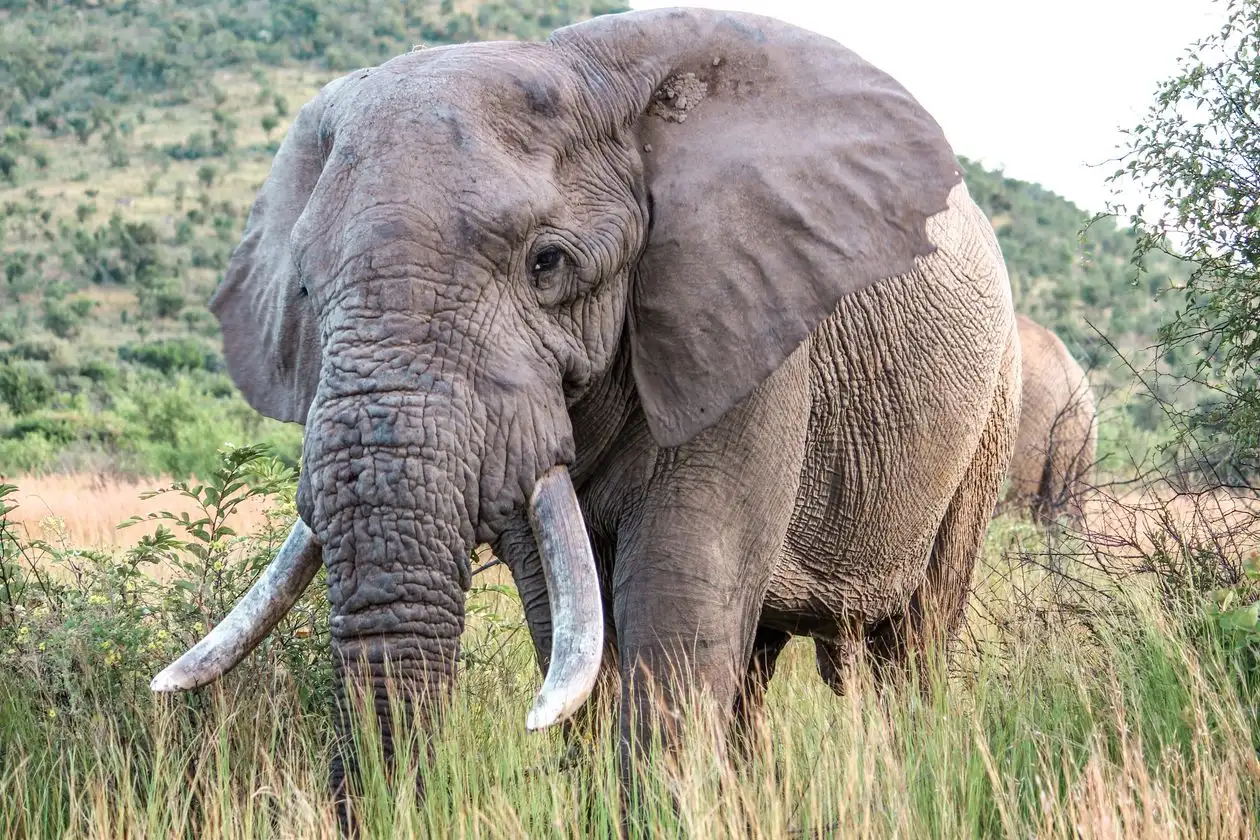
The African elephant is the longest-lived land mammal after us, with wild lifespans of 60 to 70 years and one zoo elephant reaching 86. Our types of elephants guide covers the three living species in detail.
And humans? Jeanne Calment of France, who died in 1997 at 122 years and 164 days, remains the only verified person to pass 120. That makes us the longest-lived primate by a wide margin, yet we still rank only 19th on this list, behind a clam that never had a heartbeat worth mentioning.
Longest Lifespan by Animal Group
Sorting the same animals by group gives the fastest answer to the question most people actually ask: which animal lives longest in each category?
| Group | Record Holder | Maximum Lifespan |
|---|---|---|
| Invertebrate | Ocean quahog | 507 years |
| Vertebrate | Greenland shark | 300 to 500 years |
| Mammal | Bowhead whale | 200+ years |
| Reptile | Aldabra giant tortoise | 150 to 250 years |
| Land animal | Aldabra giant tortoise | 150 to 250 years |
| Bird | Laysan albatross | 70+ years |
Why Do Some Animals Live So Long?
The same ingredients repeat across the chart. Cold environments slow everything down, and a slow metabolism means slow damage. Growing slowly and breeding late pairs with a body built for maintenance rather than speed. Being large, armored or simply hard to catch removes predators, and an animal nothing eats can afford to take its time. None of them is magic; they are what happens when evolution rewards patience.
Frequently Asked Questions
What animal has the longest lifespan?
Counting verified records, the ocean quahog clam, at 507 years. The immortal jellyfish can potentially avoid dying of old age altogether by reverting to its polyp stage, and one glass sponge has been estimated at about 11,000 years, though that figure is debated.
What is the longest living vertebrate?
The Greenland shark. Radiocarbon dating of its eye lenses estimated one female at about 392 years old, with a possible range of roughly 272 to 512 years.
What is the longest living mammal?
The bowhead whale, which can live more than 200 years in Arctic waters. No other mammal, including humans at a maximum of 122 years, comes close.
Is the immortal jellyfish really immortal?
Biologically, yes; practically, no. It can restart its life cycle and avoid death by aging, but predators, disease and accidents still kill it. No wild jellyfish lives forever.
Did a koi fish really live for 226 years?
That is the famous claim about a Japanese koi named Hanako. The age came from counting rings on her scales, a method scientists consider unreliable, and no records verify it. Well kept koi commonly live 25 to 50 years.
How long do giant tortoises live?
Aldabra and Galapagos giant tortoises commonly pass 150 years, and the oldest living individual, Jonathan, hatched around 1832, making him about 193 years old.
The Bottom Line
The animals with the longest lifespan are not the biggest, fastest or smartest creatures on Earth. They are the slow ones: a clam in black Arctic water, a shark that waits 150 years to breed, a tortoise in no hurry at all. If this chart changed how you think about old age, browse our types of sea turtles next, because the ocean’s other famous shelled swimmers have their own impressive numbers.

Pingback: Snake Lifespan Chart: How Long 20 Common Snakes Live – Chart Identify
Pingback: Capybara Lifespan Chart: How Long Capybaras Live – Chart Identify
Pingback: Ladybug Lifespan Chart: How Long Ladybugs Live – Chart Identify
Pingback: Wolf Lifespan Chart: How Long Wolves Live – Chart Identify
Pingback: Swan Lifespan Chart: How Long Swans Live – Chart Identify
Pingback: Porcupine Lifespan Chart: How Long Porcupines Live – Chart Identify
Pingback: Insects With the Longest Lifespan: 20 Record Holders Ranked – Chart Identify