
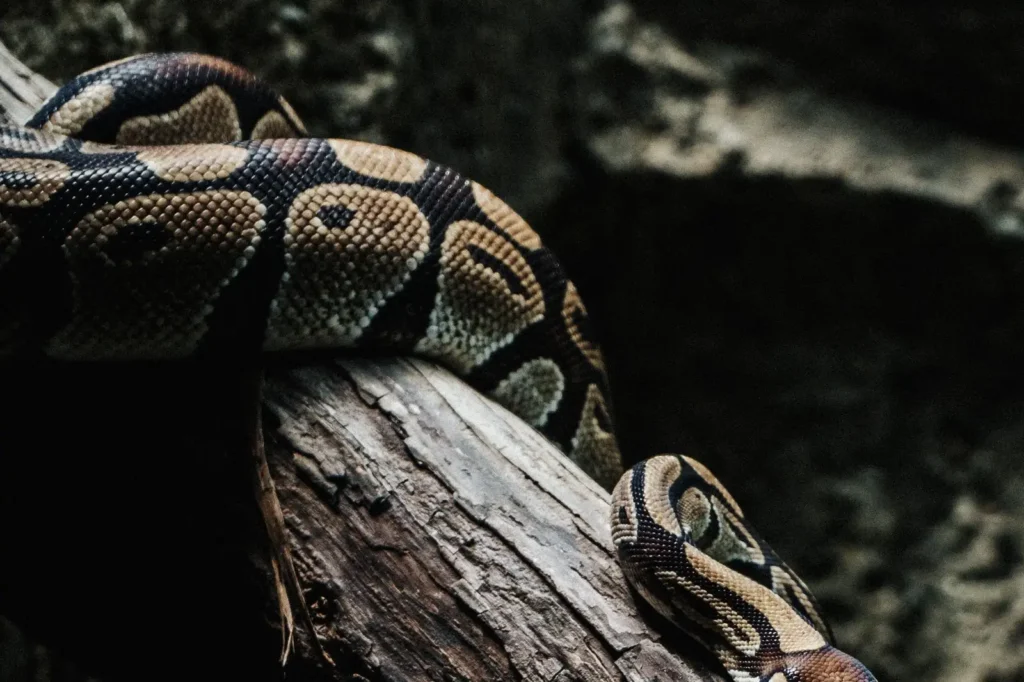
Ask a room of snake keepers how long their pets will live and the answers scatter fast. Five years? Fifteen? Thirty? All three can be right, because snake lifespans swing wider than those of almost any other pet group. This snake lifespan chart puts 20 common species side by side, with wild and captive years for each, so you can see at a glance which snakes are a five year companion and which ones are a thirty year commitment.
The biggest pattern is simple: captive snakes outlive wild ones, often by double. Steady food, no predators, and a vet within reach add years that the wild never grants. The second pattern is size. The big pythons and boas are the marathon runners of the chart, while the small garden and water snakes live fast and short.
Snake Lifespan Chart: 20 Species Compared
Wild figures are estimates, since few wild snakes are followed from birth to death. Captive figures come from keeper and zoo records, so they are firmer. A plus sign means verified records run well past the listed range.
| Snake Species | Scientific Name | Adult Size | Wild Lifespan | Captive Lifespan |
|---|---|---|---|---|
| Ball Python | Python regius | 4-6 ft | 10-15 yrs | 20-30+ yrs |
| Corn Snake | Pantherophis guttatus | 4-5 ft | 6-8 yrs | 15-20+ yrs |
| California King Snake | Lampropeltis californiae | 3-4 ft | 10-15 yrs | 15-20+ yrs |
| Milk Snake | Lampropeltis triangulum | 2-4 ft | 10-12 yrs | 15-20 yrs |
| Western Hognose | Heterodon nasicus | 1.5-3 ft | 8-10 yrs | 12-18 yrs |
| Kenyan Sand Boa | Gongylophis colubrinus | 1.5-2.5 ft | About 10 yrs | 15-20+ yrs |
| Boa Constrictor | Boa constrictor | 6-10 ft | 15-20 yrs | 20-30+ yrs |
| Rainbow Boa | Epicrates cenchria | 4-6 ft | 10-15 yrs | 20-25+ yrs |
| Reticulated Python | Malayopython reticulatus | 10-16 ft | 15-20 yrs | 20-30 yrs |
| Burmese Python | Python bivittatus | 10-16 ft | 15-20 yrs | 20-25 yrs |
| Green Anaconda | Eunectes murinus | 10-15 ft | About 10 yrs | 20-30 yrs |
| Carpet Python | Morelia spilota | 6-10 ft | 10-15 yrs | 15-25 yrs |
| Green Tree Python | Morelia viridis | 4-6 ft | 10-15 yrs | 15-20 yrs |
| King Cobra | Ophiophagus hannah | 10-13 ft | 15-20 yrs | 20+ yrs |
| Black Mamba | Dendroaspis polylepis | 6-9 ft | 8-12 yrs | 15-20 yrs |
| Timber Rattlesnake | Crotalus horridus | 3-5 ft | 10-20 yrs | 15-25 yrs |
| Common Garter Snake | Thamnophis sirtalis | 2-3 ft | 2-5 yrs | 6-10 yrs |
| Northern Water Snake | Nerodia sipedon | 2-4 ft | 5-10 yrs | 10-15 yrs |
| Eastern Indigo Snake | Drymarchon couperi | 6-8 ft | 10-15 yrs | 15-20 yrs |
| Rubber Boa | Charina bottae | 1-2.5 ft | 10-15 yrs | 20-30 yrs |
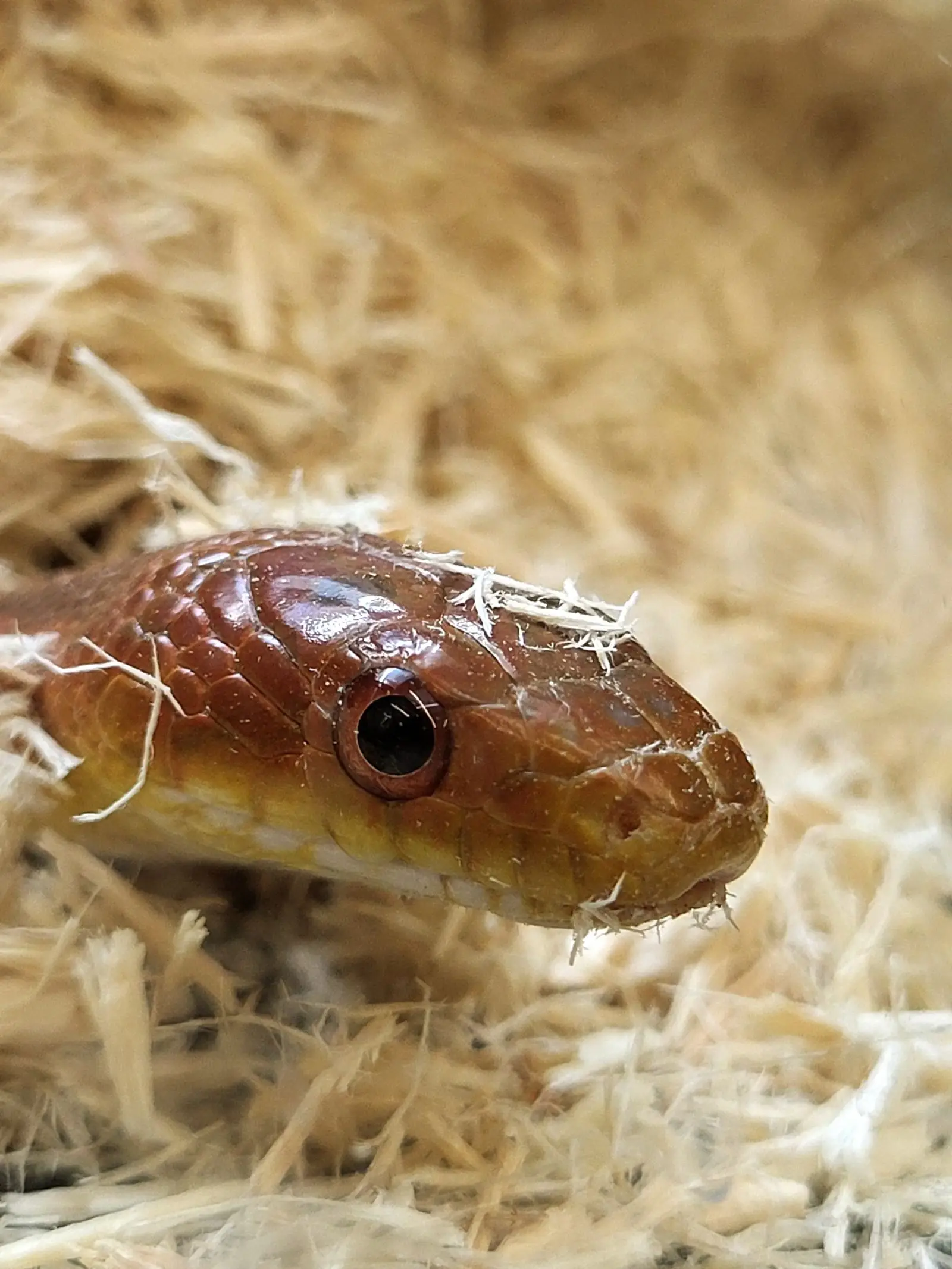
Read the table by family and the story tells itself. Pythons and boas cluster at 20 years and up in captivity. Small colubrids like garter snakes and water snakes sit at the other end, with wild lives that can be over in two to five years. Venomous species land in the middle, most reaching 10 to 20 years.
The Longest Living Snakes on Record
Records are where snake longevity gets startling. The most famous case is a female ball python at the Saint Louis Zoo that laid eggs in 2020 at an estimated 62 years old, the oldest snake ever documented. She had not been housed with a male in decades, which made the clutch nearly as surprising as her age.
She is not alone. Ben, a rainbow boa, reached 42 years in captivity. A green anaconda named Annie passed 37. The oldest corn snake on record reached 32, roughly double the top wild figure for its species. Every one of these record holders lived in captivity, under the kind of steady care the next sections describe. For more longevity records across the animal kingdom, see our chart of the animals with the longest lifespan.

Pet Snake Lifespans: A 20 to 30 Year Decision
Most snakes sold as pets are not short term animals. A ball python or corn snake bought for a teenager can still be feeding happily when that teenager is raising kids of their own. That is the real value of a snake lifespan chart for keepers: it turns “a pet snake” into a specific number of years to plan around.

| Pet Species | Captive Lifespan | Care Level |
|---|---|---|
| Ball Python | 20-30+ yrs | Beginner |
| Corn Snake | 15-20+ yrs | Beginner |
| California King Snake | 15-20+ yrs | Beginner |
| Milk Snake | 15-20 yrs | Beginner |
| Western Hognose | 12-18 yrs | Beginner |
| Kenyan Sand Boa | 15-20+ yrs | Beginner |
| Rubber Boa | 20-30 yrs | Beginner |
| Green Tree Python | 15-20 yrs | Advanced |
Beginner species dominate the list for a reason. The calm, hardy snakes that tolerate handling and simple enclosures are also the ones that pile up the years. The green tree python is the exception that proves the rule: beautiful and long lived, but far less forgiving of humidity or temperature mistakes.

Giant Constrictors: The Marathon Runners
Size buys time. A ten foot python has almost no natural predators as an adult, a slow metabolism for its bulk, and a late start to breeding, all traits that pair with long life. The giants in the chart, the reticulated python, Burmese python, green anaconda, and boa constrictor, all reach 20 to 30 years in captivity.

The anaconda shows the widest wild to captive gap on the chart. Wild green anacondas average about 10 years, worn down by caimans, jaguars, and hard dry seasons. In zoos the same species reaches 30. Rainbow boas and carpet pythons sit just below the giants, regularly passing 20 years with good care, and tree pythons hold the middle ground at 15 to 20.
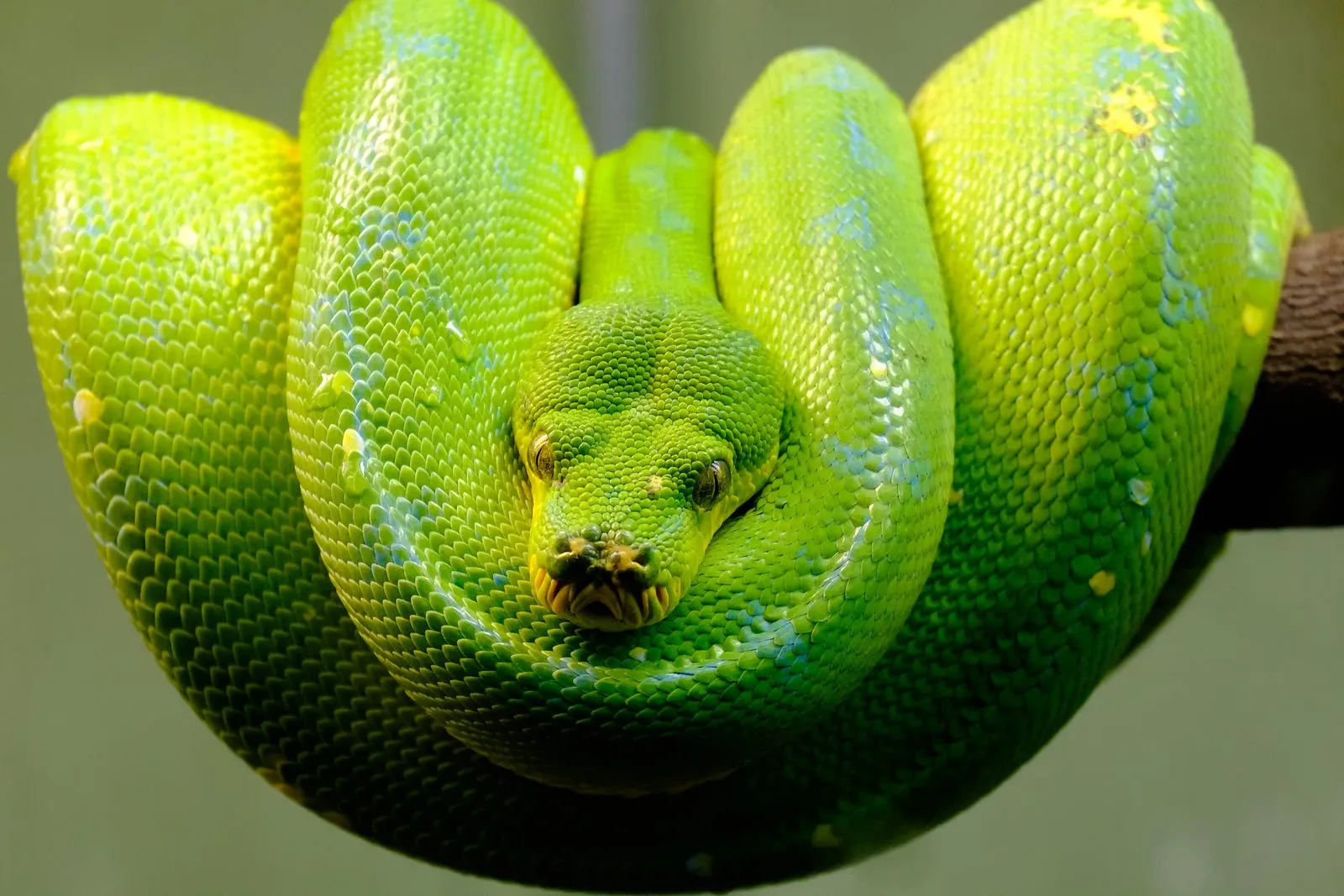
That longevity is a genuine commitment. A reticulated python can pass 16 feet and 20 years, which means decades of large enclosures, whole prey feedings, and a written plan for who takes the snake if the keeper no longer can.

Venomous Snake Lifespans
The famous venomous species live solid, middle length lives. The king cobra leads the group at 20 years or more, which fits its status as the longest venomous snake in the world. Black mambas average around 11 years in the wild and up to 20 in captivity. Timber rattlesnakes vary the most, because a wild snake’s odds depend heavily on how far it lives from roads and people.
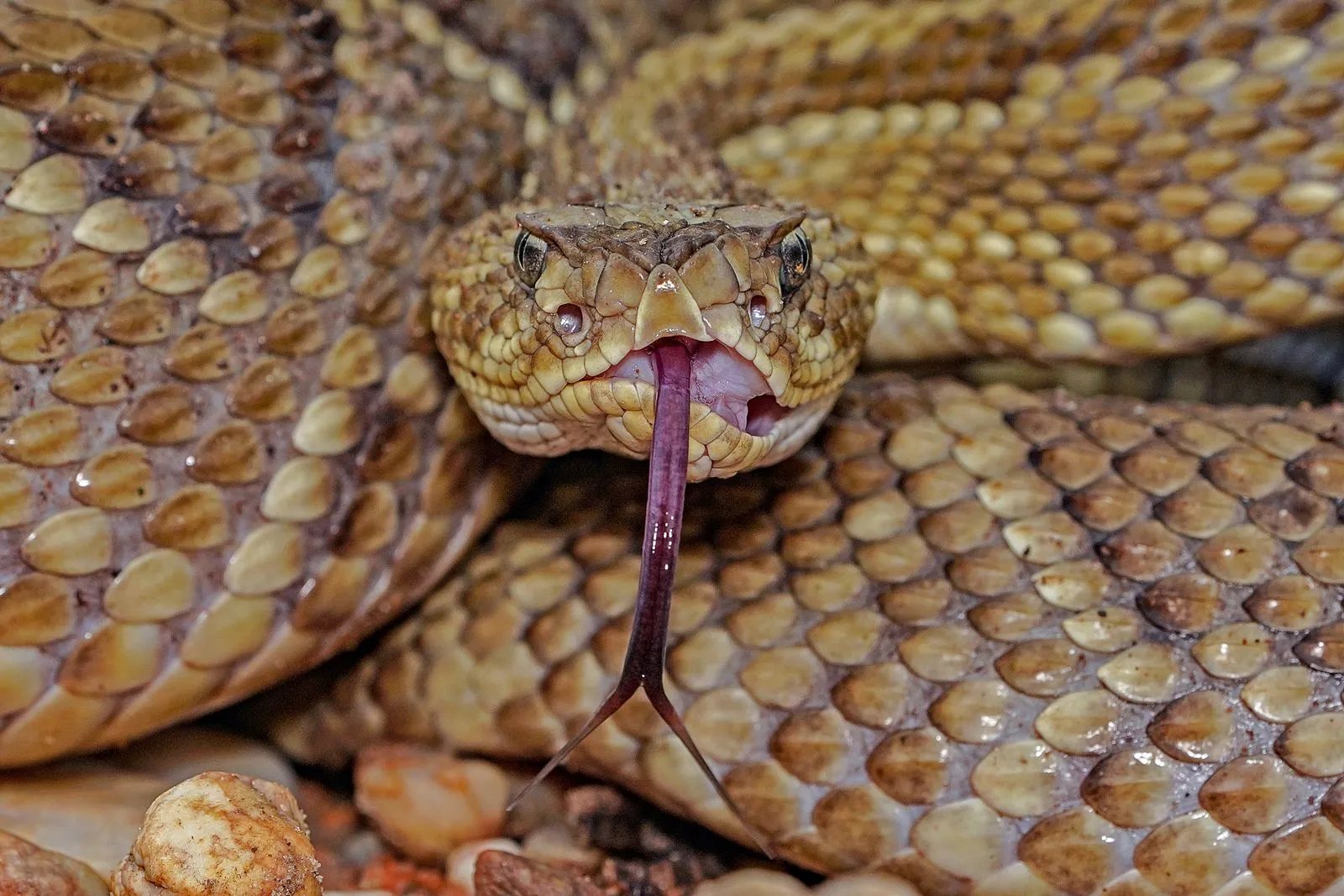
Wild venomous snakes are the hardest to study, so treat their wild numbers as well informed estimates. Captive cobras and rattlesnakes, tracked closely by zoos, give the firmer figures.

Wild North American Snakes: Short Lives, Long Odds
The small snakes most Americans actually meet live the shortest lives on the chart. A common garter snake averages 2 to 5 years in the wild, and most never see a second birthday, taken by birds, raccoons, and larger snakes. Northern water snakes do a little better at 5 to 10 years, helped by a life spent near food rich ponds and streams.

Two native species break the pattern. The eastern indigo, North America’s longest native snake, reaches 15 to 20 years in captivity and is federally protected, a status tied to its slow breeding and slow recovery when numbers fall. The rubber boa is the quiet record holder of the group, a small, gentle snake that can reach 20 to 30 years in captivity.
Why Captive Snakes Outlive Wild Ones
| Factor | In the Wild | In Captivity |
|---|---|---|
| Food | Hunting, hunger, seasonal gaps | Right sized prey on a steady schedule |
| Predators | Hawks, mammals, other snakes | None |
| Disease and injury | Untreated and often fatal | Vet care, quarantine, clean housing |
| Climate | Heat waves, cold snaps, drought | Controlled heat and humidity all year |
| Breeding | Every season, ready or not | Managed, with rest between clutches |
| Typical outcome | Many die in the first year | Lifespan often doubles |
The record books agree. The oldest snakes ever logged, from the 62 year old ball python to Ben the 42 year old rainbow boa, were all captive animals. No wild snake gets that kind of safety net.

How to Help a Pet Snake Reach Its Full Lifespan
Long life in captivity is not luck. It is a short list of habits done consistently for decades.
- Size the enclosure to the snake. Adults need room to stretch out fully, with a warm end, a cool end, and at least two snug hiding spots.
- Hold heat and humidity steady. A thermostat controlled heat source and a simple hygrometer cost little and prevent the respiratory infections that kill more pet snakes than old age does.
- Feed right sized prey, not more prey. Overfeeding is the silent shortcut to a short life. A prey item about as wide as the snake’s thickest point, on a schedule matched to its age, keeps organs unstrained.
- Keep fresh water always available. A bowl big enough to soak in supports shedding and hydration.
- Quarantine new animals and watch for mites. Mites, mouth rot, and parasites caught early are minor problems. Caught late, they are fatal.
- Keep records. Feeding, shedding, and weight logs turn vague worry into early warning, and they follow the snake if it is ever rehomed in year fifteen of a thirty year life.
How Snakes Compare With Other Reptiles
Snakes sit in the middle of the reptile longevity table. They outlive most lizards, rival large parrots and house cats, and fall well short of the true reptile Methuselahs. The types of crocodiles can pass 70 years, and the all turtle species chart includes sea turtles and tortoises past 100. Most of the types of lizards, by contrast, live 5 to 20 years, which puts a 30 year ball python within reach of the longest lived lizards.

Frequently Asked Questions
How long do snakes live on average?
Most pet snakes live 15 to 20 years in captivity. Small wild species like garter snakes average 2 to 5 years, while large pythons and boas regularly reach 25 to 30.
Which snake lives the longest?
Ball pythons and boa constrictors hold the top spots. A Saint Louis Zoo ball python was estimated at 62 years old, and a rainbow boa named Ben reached 42. Among venomous snakes, the king cobra leads at 20 years or more.
How long do ball pythons live?
Ball pythons live 10 to 15 years in the wild and 20 to 30 years or more in captivity. With excellent care a few pass 40, and the record holder passed 60.
What pet snake has the shortest lifespan?
Among common pets, the western hognose is the shortest lived at 12 to 18 years in captivity. Even that is a longer commitment than most dogs ask for.
Can a pet snake outlive its owner?
It can. A giant constrictor or ball python bought by a young keeper can still be alive 30 years later, which is why long lived species should always come with a rehoming plan.
Conclusion
A snake’s lifespan is written by its species, then rewritten by its circumstances. Pick a species from this snake lifespan chart whose years match the commitment you can honestly make, give it steady heat, right sized food, clean water, and basic vet care, and the odds are good it will be with you for decades. The snake you buy at twenty five may well become the pet your kids grow up with.

Pingback: Capybara Lifespan Chart: How Long Capybaras Live – Chart Identify