

Snakes are among the most successful reptiles on Earth, living on every continent except Antarctica. The many types of snakes range from the tiny thread snake, thinner than a pencil, to the green anaconda, which can weigh more than 200 kg. This chart covers 20 notable species, with sizes, habitats, and the facts that help you tell them apart.
Fear of snakes is common, but most species are harmless to people, and all of them play a vital role in controlling rodents and other pests. Learning the main families first, pythons and boas, vipers, elapids like cobras and mambas, and harmless colubrids, makes identification far easier than memorizing species one by one.
Types of Snakes at a Glance: 20 Species Compared
Use this chart to compare typical adult length, habitat, and venom status. Lengths are averages for wild adults and vary by region and sex.
| Species | Adult Length | Habitat | Venom |
|---|---|---|---|
| Ball Python | 1.2 to 1.5 m | West African grasslands | Non-venomous |
| King Cobra | 3 to 4 m | South and Southeast Asian forests | Highly venomous |
| Corn Snake | 1.2 to 1.8 m | North American fields and forests | Non-venomous |
| Eastern Garter Snake | 0.6 to 1.2 m | North American wetlands and gardens | Harmless (mildly venomous to prey) |
| Boa Constrictor | 2 to 3.5 m | Central and South American forests | Non-venomous |
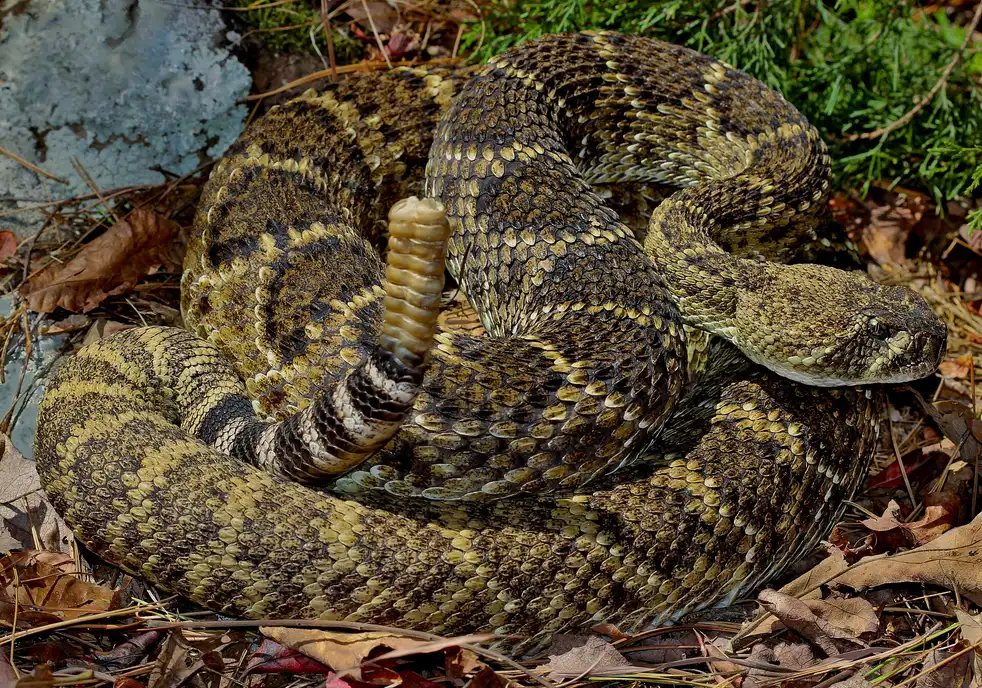
| Western Diamondback Rattlesnake | 1.2 to 1.8 m | US Southwest deserts | Venomous |
| Black Mamba | 2.5 to 3.2 m | African savannas and woodlands | Highly venomous |
| Green Tree Python | 1.5 to 2 m | New Guinea and Australian rainforests | Non-venomous |
| Green Anaconda | 4 to 6 m | South American rivers and swamps | Non-venomous |
| Eastern Copperhead | 0.6 to 1 m | Eastern US forests and rocky areas | Venomous |
| Eastern Milk Snake | 0.6 to 1.2 m | Eastern North American fields | Non-venomous |
| Rainbow Boa | 1.5 to 2 m | South American rainforests | Non-venomous |
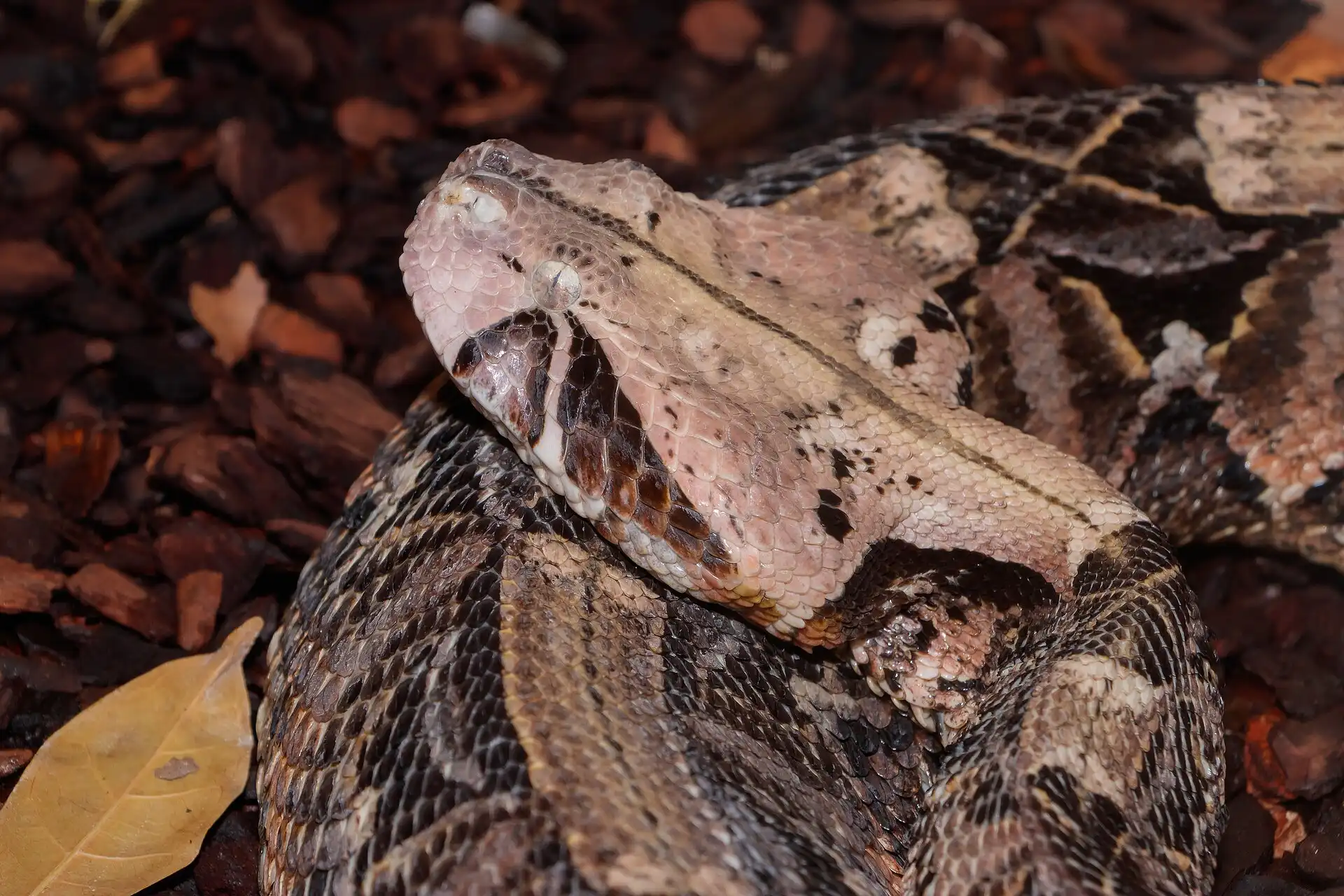
| Gaboon Viper | 1.2 to 1.8 m | African rainforests | Venomous |
| King Ratsnake | 1.5 to 2.4 m | East Asian forests and farmland | Non-venomous |
| Emerald Tree Boa | 1.8 to 2.2 m | South American rainforests | Non-venomous |
| Black Rat Snake | 1.2 to 1.8 m | Eastern North American woodlands | Non-venomous |
| Reticulated Python | 4 to 7 m | Southeast Asian forests | Non-venomous |
| Inland Taipan | 1.8 to 2.5 m | Central Australian outback | Highly venomous |
| Hognose Snake | 0.5 to 0.9 m | North American sandy soils | Harmless to people |
| Sea Krait | 1 to 1.5 m | Pacific and Indian Ocean reefs | Venomous |
Constrictors: Pythons, Boas, and Anacondas
Constrictors kill by coiling around prey and squeezing, not by venom. The ball python is the most popular pet snake in the world, named for its habit of curling into a tight ball when nervous. It stays small for a python, rarely exceeds 1.5 m, and is famously calm.
At the other end of the scale, the green anaconda is the heaviest snake alive, and the reticulated python is the longest, with verified specimens over 7 m. Both are powerful swimmers that hunt near water. The boa constrictor sits in the middle: strong, adaptable, and common across Central and South America, where it keeps rodent populations in check around farms and villages.


Venomous Snakes: Vipers, Elapids, and Rattlesnakes
Venomous snakes fall into two main families. Vipers, including rattlesnakes, copperheads, and the gaboon viper, have hinged fangs that fold back when the mouth closes, plus heat-sensing pits that let pit vipers hunt warm-blooded prey in total darkness. The gaboon viper carries the longest fangs of any snake, up to 5 cm, and the heaviest venom yield.
Elapids, including cobras, mambas, and kraits, have fixed front fangs and potent nerve-affecting venom. The king cobra is the longest venomous snake on Earth and the only snake known to build a nest for its eggs. The black mamba is famous for its speed on land, but despite its reputation it avoids people whenever it can. If you live in snake country, learning your local venomous species is the single best safety step: our types of lizards chart covers the harmless reptiles most often confused with small snakes.


Harmless Backyard Snakes: Garter, Corn, and Milk Snakes
Most snakes people actually meet are harmless. The eastern garter snake is the most common snake across much of North America, found in gardens, parks, and wetlands, where it eats worms, slugs, frogs, and small fish. It may release a musky scent when handled, but it is not dangerous.
The corn snake is a favorite pet for good reason: docile, hardy, and beautifully patterned in orange, red, and brown. Its name comes from old stories that it haunted corn cribs, where it was actually hunting the mice that ate the grain. The eastern milk snake mimics the venomous coral snake’s red, black, and yellow bands, which protects it from predators, but it is completely harmless and a useful rodent hunter.

Tree Snakes: Green Tree Python, Emerald Boa, and Vines
Arboreal snakes spend their lives in branches, and their bodies show it: slender, muscular, with strong gripping tails. The green tree python of New Guinea coils neatly over a branch in a loop, head resting in the middle, and juveniles start life yellow or red before turning green as adults.
The emerald tree boa of South America looks almost identical at a glance, a classic case of convergent evolution, but it belongs to a different family and gives birth to live young. Both species hunt birds and small mammals from ambush, striking from a hanging S-shaped coil.


Sea Snakes and Kraits
About 70 species of snakes live in the ocean. True sea snakes spend their whole lives at sea and give birth in the water, while sea kraits, like the banded sea krait, return to land to rest and lay eggs. Both groups are venomous, yet bites on people are rare because these snakes are shy and their fangs are small.
Sea kraits are striking animals: bold black and white bands, paddle-shaped tails, and an ability to hold their breath for long dives. Fishermen sometimes pull them up in nets, and the standard advice is simple: release them gently with a stick, never with bare hands.


Snake Safety: What to Do When You Meet One
Most snakebites happen when people try to handle, move, or kill a snake. The safest response is to stop, give it space, and walk away slowly. Snakes do not chase people, and nearly all will flee if given a clear escape route. Keep grass short near homes, remove woodpiles and debris where rodents shelter, and watch where you place hands and feet on rocky trails.
If a bite does occur, stay calm, remove jewelry and tight clothing near the bite, and get to a hospital quickly. Do not cut the wound, suck out venom, or apply a tourniquet: those old first-aid myths cause more harm than the bite itself. In the US, copperhead bites are the most common venomous bites, and with modern treatment the vast majority end in full recovery. For more on the animals snakes hunt and live alongside, see our types of frogs chart.

Frequently Asked Questions
What is the longest snake in the world?
The reticulated python is the longest snake, with verified wild specimens over 7 m and unconfirmed reports longer still. The green anaconda is heavier but shorter on average.
What is the most venomous snake in the world?
By venom toxicity in lab tests, the inland taipan of central Australia tops the list. It is shy, lives far from people, and bites are extremely rare.
Are garter snakes dangerous?
No. Garter snakes are harmless to people. They produce a mild venom that affects only small prey like worms and amphibians, and a bite causes at most minor irritation.
How can you tell a venomous snake from a harmless one?
There is no single reliable rule that works everywhere. The safest approach is to learn the venomous species in your own region by sight and to leave every unidentified snake alone.
Conclusion
From the gentle ball python to the mighty anaconda, the types of snakes on this chart show a group far more varied, and far less dangerous, than its reputation suggests. Learn your local species, respect the venomous ones from a distance, and appreciate the harmless majority for the pest control they provide. Keep this chart handy on your next walk, and compare any snake you spot against the sizes, habitats, and markings above.


Pingback: Snake Egg Identification Chart: Identify 12 Species by Egg – Chart Identify