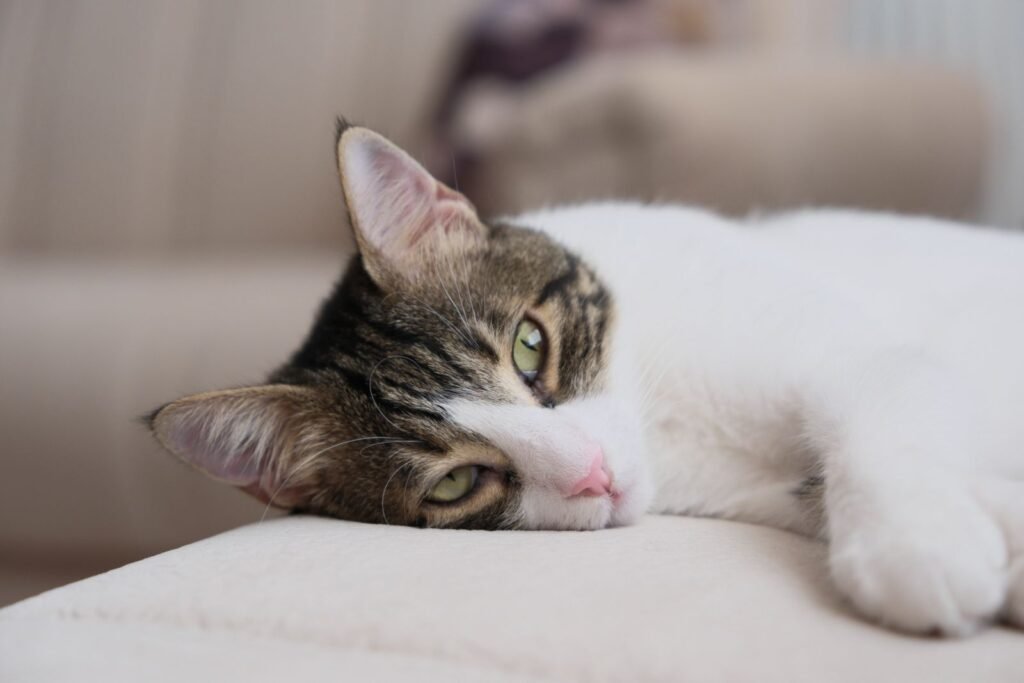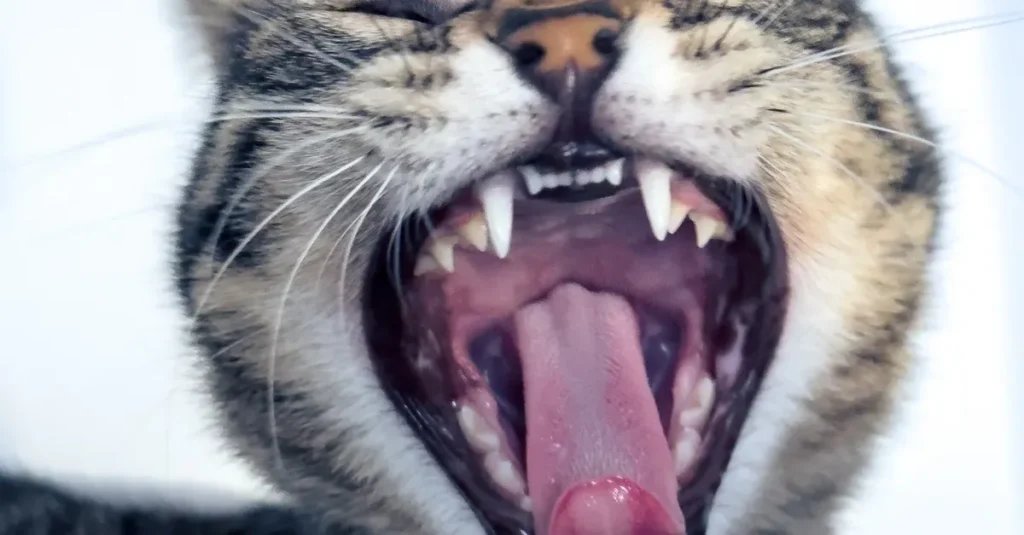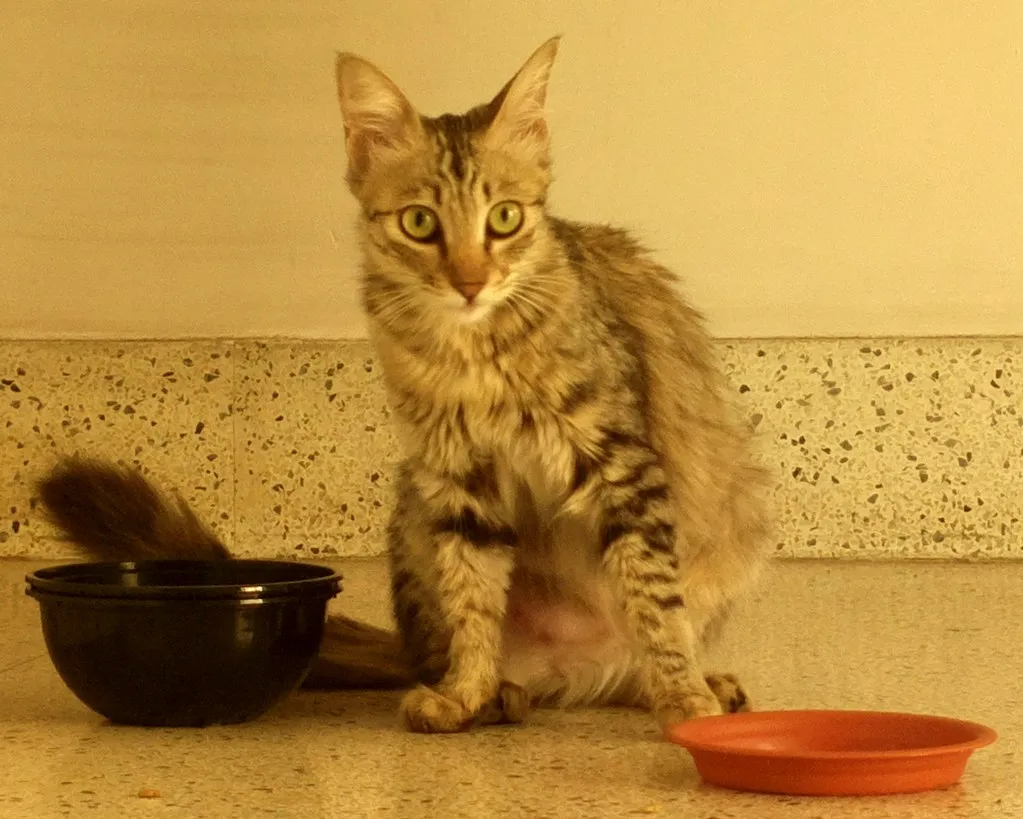
Your cat cannot tell you how it feels in words, but it tells you all day with its ears, eyes, tail, whiskers, and posture. This cat emotions chart turns those small signals into plain answers. Read the whole cat at once, because one signal alone can mislead you, while ears plus tail plus eyes plus posture together give a reliable read.
Cat Emotions Chart: 12 Feelings at a Glance
| Emotion | Ears | Eyes | Tail | Body | Vocal Cue | What to Do |
|---|---|---|---|---|---|---|
| Contentment | Forward, relaxed | Slow blinks, half closed | Still, gentle sway | Loose, lying on side | Soft purring | Stay calm, pet gently if it leans in |
| Happiness | Forward, upright | Bright, relaxed gaze | High, curved tip | Open posture, may roll | Chirps, happy trills | Play and talk to the cat |
| Affection | Forward, soft | Slow blinks, soft gaze | Upright, gentle quiver | Leans in, head bunts | Quiet purring, soft meows | Slow blink back, head strokes |
| Playfulness | Forward, alert | Wide, focused | Low, twitching | Crouched, wiggling hindquarters | Silent stalking, chirps | Offer a toy, keep hands clear |
| Curiosity | Forward, swiveling | Wide, tracking movement | Level, tip twitching | Stretched forward, sniffing | Quiet, occasional meow | Let it explore, remove hazards |
| Hunger | Forward, alert | Fixed on you or food | Upright, wraps your legs | Weaving around feet | Insistent meowing | Feed on schedule, check water |
| Boredom | Flat or sideways | Half closed, unfocused | Low, still, dragging | Lying flat, sleeping more | Little sound, attention meows | Add play, rotate toys, add a perch |
| Loneliness | Drooping when alone | Watching doors, windows | Low, tucked when waiting | Waits by door, follows you | Long meows when you leave | More play, keep a routine |
| Discomfort | Flattened, sideways | Squinting, avoiding gaze | Tucked close to body | Hunched, tense, hiding | Growls when touched | Check for injury, call vet if it lasts |
| Anxiety | Flattened, swiveling | Dilated pupils, scanning | Tucked under, wrapped tight | Crouched low, tense | Low meowing, restless pacing | Reduce noise, offer a hiding spot |
| Fear | Pinned flat back | Wide, fully dilated | Tucked tight or puffed up | Low to ground or arched | Hissing, spitting, yowling | Back away, give an escape route |
| Aggression | Flat back or sideways | Hard stare, narrow or wide | Lashing side to side, puffed | Stiff legs, arched back | Growling, hissing, snarling | Stop, avoid eye contact, leave |
How to Read Your Cat’s Body Language
Here is the decoder, signal by signal.
Ears
Forward ears mean interest or contentment. Ears pinned flat back warn that the cat feels threatened, angry, or in pain. Sideways ears, sometimes called airplane ears, usually mean anxiety.
Eyes and Pupils
A slow blink means the cat trusts you, and blinking slowly back is one of the few ways to answer. Wide eyes with fully dilated pupils can mean fear, excitement, or play, so check the rest of the body first. A hard stare is a challenge, and staring back only escalates it.
Tail
A tail held high with a soft curve at the tip is a friendly greeting. A tail held low or tucked under the body signals fear, and a puffed up tail means the cat feels threatened. A tail lashing quickly side to side means irritation, not happiness, and it is time to stop petting. Our full guide to cat tail meanings covers all twelve tail positions in detail.
Whiskers
Whiskers pushed forward mean the cat is curious and investigating something closely. Whiskers pulled flat back against the cheeks go with fear or aggression. Relaxed whiskers sitting out to the sides mean a calm cat.
Posture
A loose, stretched out cat is comfortable, and a cat in a loaf is resting but ready to move. A crouched cat with its belly low is either hunting or frightened, and the ears and tail tell you which. A cat that rolls onto its back is usually showing a defensive position, not inviting a belly rub.
Vocalizations
Meows are mostly reserved for humans. A short, high meow is usually a greeting, while a long one often means a demand for food or a door. Chirps and trills are happy sounds, and growling and hissing are clear warnings. Yowling at night can mean loneliness or confusion in an older cat.
The 12 Cat Emotions in Detail
Contentment
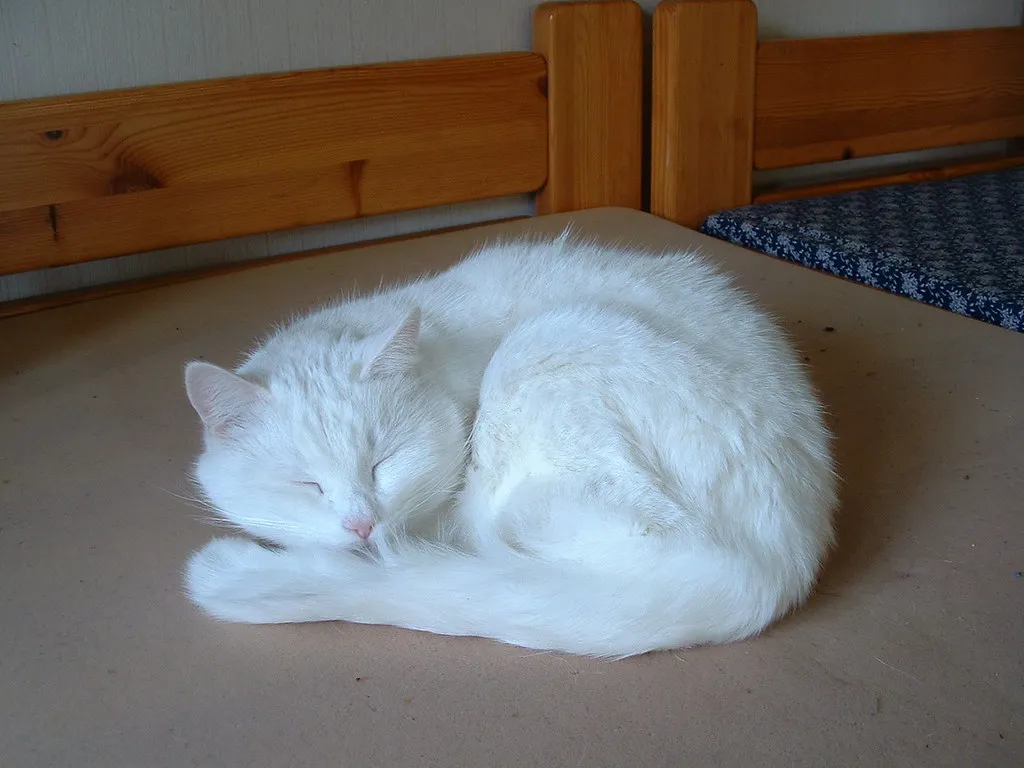
A content cat is loose all over. It may knead with its paws and purr in a steady rhythm, and slow blinks are the clearest sign.
Happiness
Happiness looks like an open, forward cat. The tail goes up, and the cat may greet you with a chirp or a trill. See our cat body language chart for happy versus stressed postures.

Affection
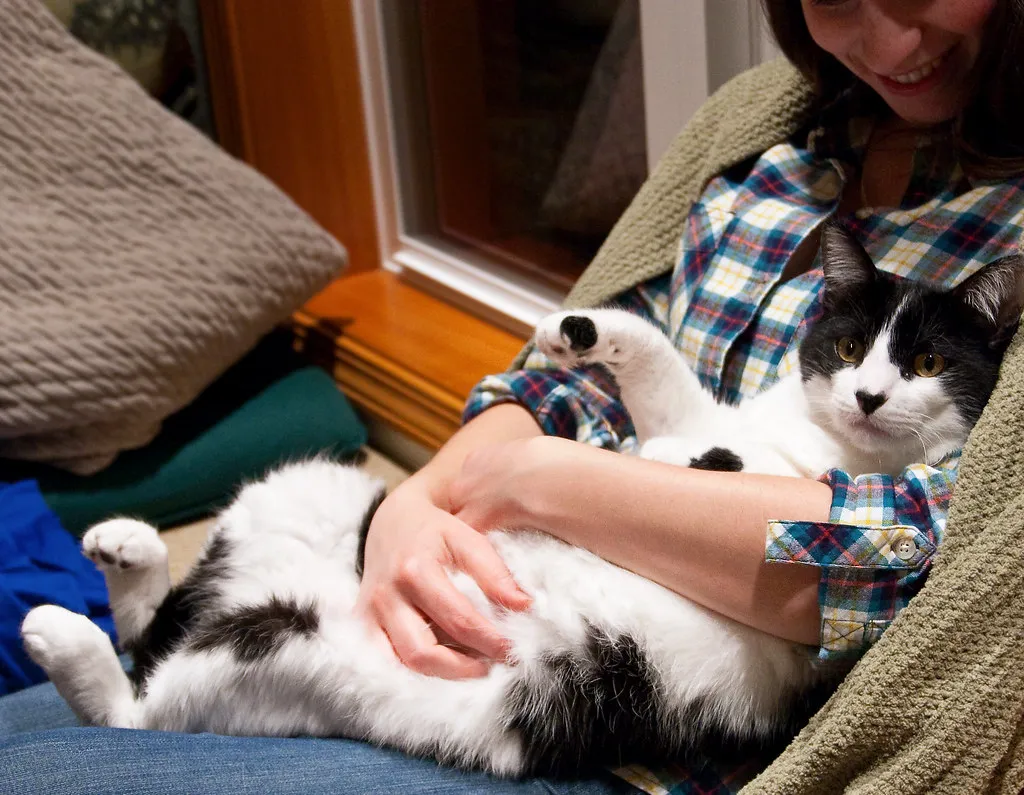
Affectionate cats head bunt, rubbing their forehead and cheeks against you to leave their scent and mark you as safe. They rub along your legs and lean into you, and slow blinks are the cat equivalent of a kiss.
Playfulness
Playful cats stalk, crouch, wiggle their hindquarters, and pounce, with wide pupils and a twitching tail. Play is practice for hunting and matters most for kittens, so keep sessions short and end with a toy the cat can catch.

Curiosity
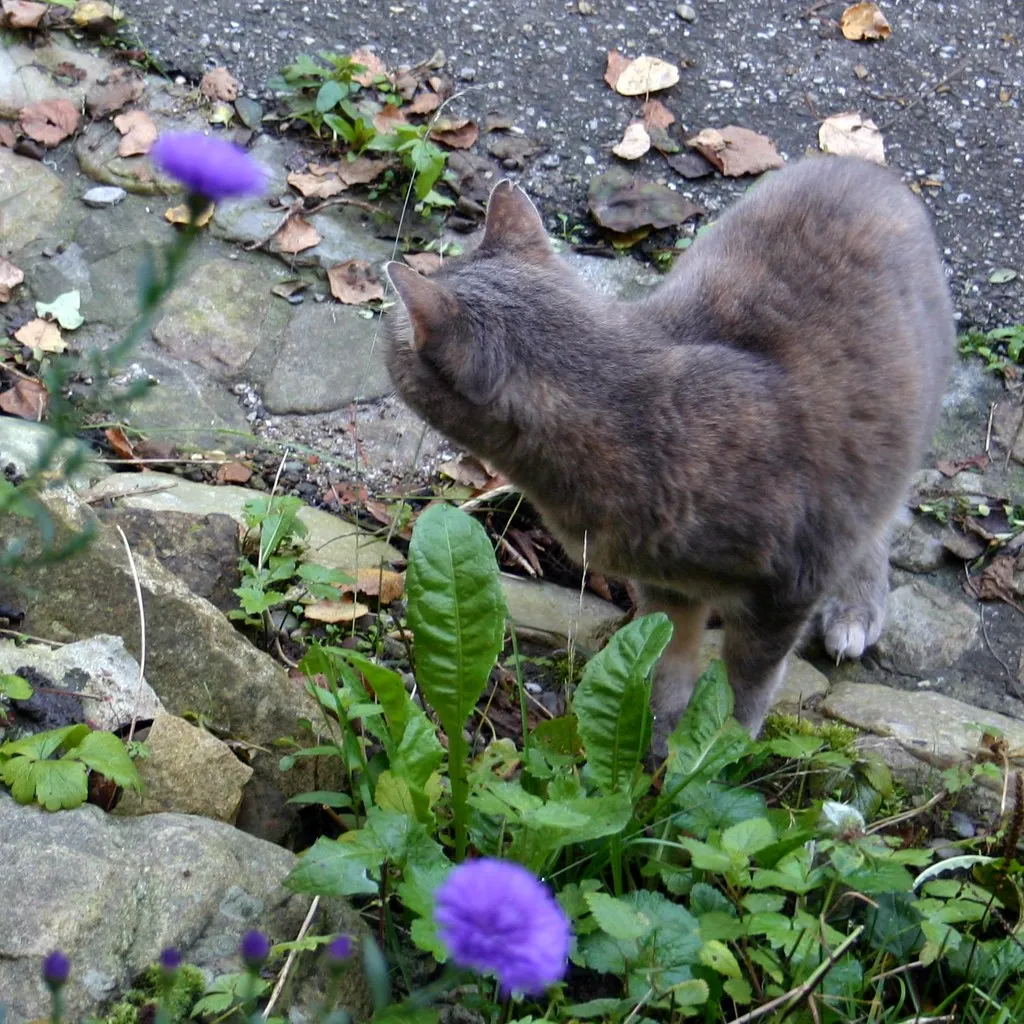
A curious cat stretches its neck forward, pushes its whiskers ahead, and investigates anything new: a bag, a box, a smell on your shoes. Curiosity keeps a cat mentally sharp, so let the cat explore at its own pace and keep hazards out of reach.
Fear
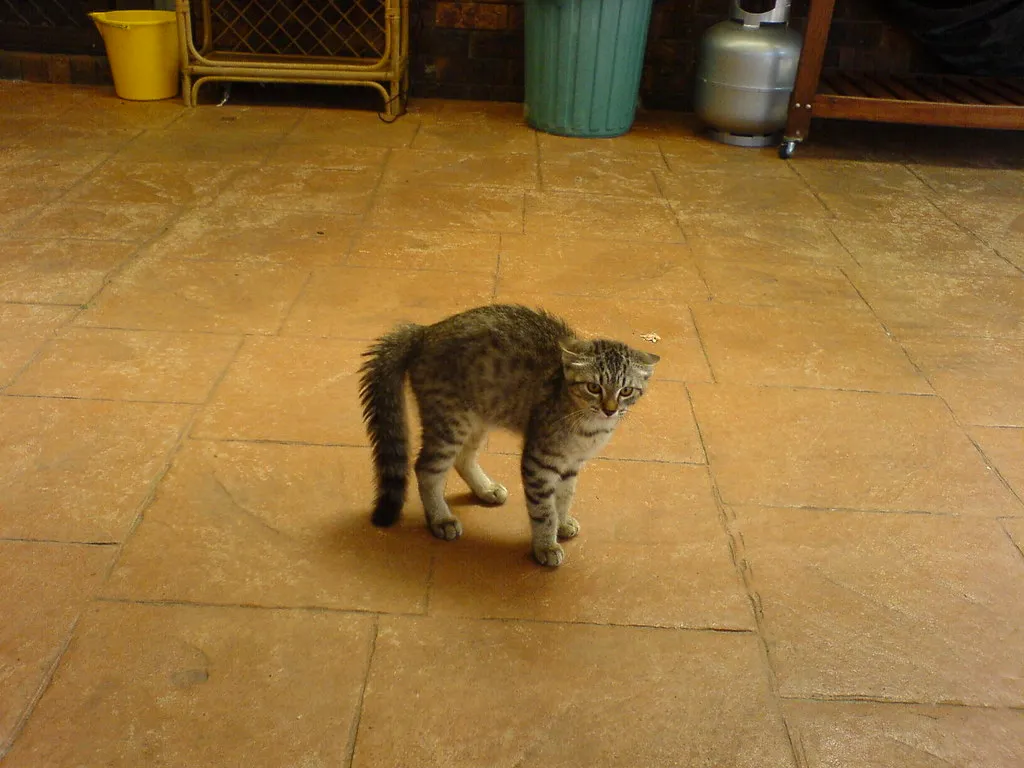
Fear causes the most bites and scratches, because a frightened cat that cannot escape will fight. The signs are unmistakable: ears pinned flat, pupils wide and round, body low or arched, and hissing or spitting. See our cat behavior chart for fear responses and other common behaviors.
Anxiety
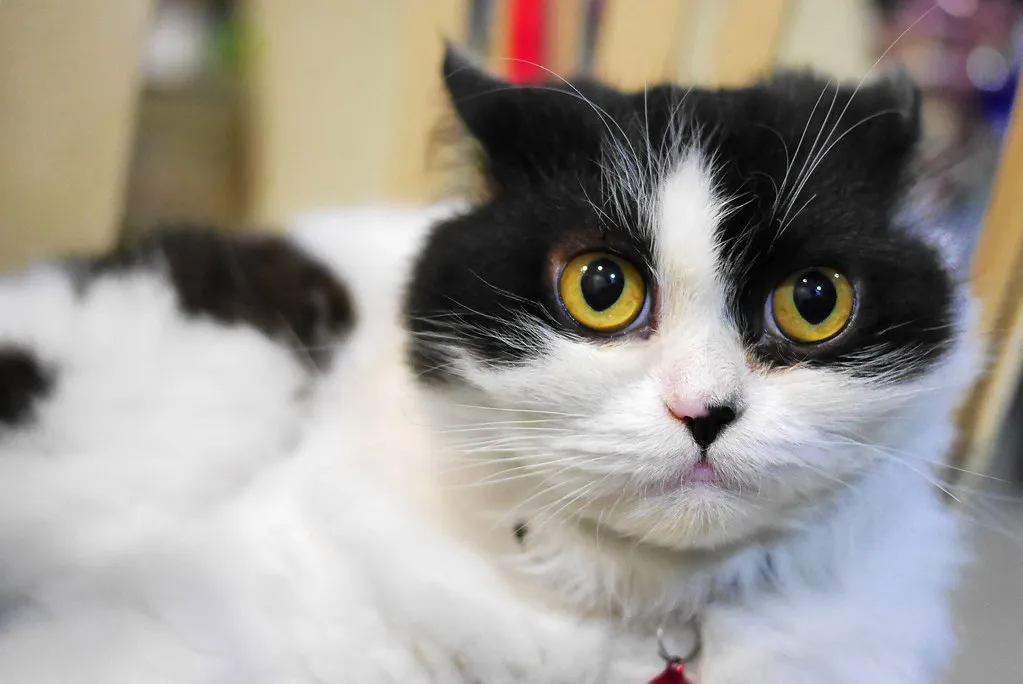
Anxiety is fear stretched out over time. An anxious cat hides more, grooms excessively, eats less, or avoids the litter box. Moves, new pets, and rearranged furniture can trigger it, so keep routines steady and provide a quiet hiding spot and a high perch.
Aggression
Aggression in cats is usually fear or pain wearing a louder costume. The warning signs build in stages: a hard stare, flattening ears, lashing tail, growling, then hissing and swatting. Never punish an aggressive cat physically or try to pick it up mid episode, since restraint only makes it worse.

Discomfort and Pain
Cats hide pain by instinct, so discomfort shows up as small changes rather than drama. Watch for a hunched posture, squinting, flattened ears, less grooming, or growling when touched. When several signs appear together, or any one lasts more than a day, call the vet.
Boredom
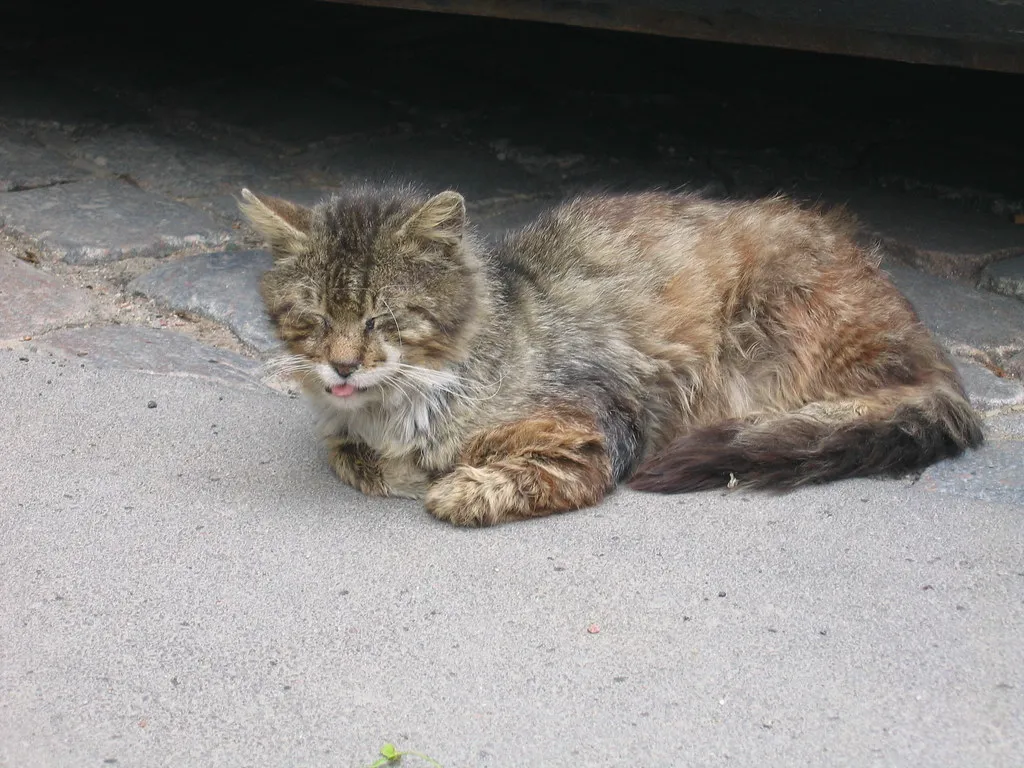
A bored cat sleeps more, ignores toys, and may scratch furniture or overeat from having nothing else to do. The cure is simple: two short play sessions a day, toys rotated weekly, and a window perch with a view of birds. A bored cat is not a lazy cat; it is an understimulated one.

Hunger
Hungry cats are direct about it. They weave around your feet, lead you toward the kitchen, and meow with increasing insistence. Feed on a steady schedule rather than on demand, because cats fed at every meow often gain weight fast, and keep fresh water away from the food bowl.

Loneliness
Despite their reputation for independence, many cats feel lonely, especially social breeds. A lonely cat waits by the door, follows you everywhere, and may call out with long meows when you leave. More playtime, a regular routine, and interactive toys help, and some cats do well with a companion introduced slowly.

Emotions Cats Get Misread Most Often
Three misreadings cause most of the trouble between cats and their people. First, purring: it means contentment, but cats also purr when frightened or in pain, possibly to calm themselves, so read the body before the sound. Second, the belly: a cat that rolls over is usually showing trust, but it is not offering a belly rub the way a dog does, and touching it triggers a defensive grab. Third, the slow blink versus the stare: a slow blink is friendly, but a long, unblinking stare is a challenge.
What to Do When Your Cat Is Scared, Anxious, or Aggressive
When a cat is scared, anxious, or aggressive, make its world smaller and safer. Lower your voice, move slowly, and give the cat a clear path to a hiding spot, and remove the trigger if you can. Do not try to comfort the cat by holding it, since restraint makes fear worse. Once the cat has calmed down, offer food or a familiar toy, and if the same trigger keeps causing episodes, note what happened just before each one and share that log with your vet.
Kittens vs Senior Cats: How Emotions Change With Age
Kittens feel everything loudly and show it loudly. They play hard, startle easily, and bounce back within minutes, and socialization between three and nine weeks shapes how a kitten handles new people and sounds for life. Senior cats, usually past ten years old, show emotions more quietly: one in pain may simply sleep more or stop grooming. Keep routines steady, add ramps to favorite perches, and bring behavior changes to the vet early.
Frequently Asked Questions
Can cats feel jealousy?
Cats do not feel jealousy the way people do, but they do notice when attention shifts to a new pet or a new baby. The result looks like jealousy: the cat may push between you and the newcomer or withdraw, and daily playtime plus a steady routine usually settles it within a few weeks.
Why does my cat purr and bite at the same time?
This is usually petting induced overstimulation. The cat enjoys the first few strokes, purrs, and then the repeated touch becomes too much, so it bites to say stop. Watch for a twitching tail, rippling skin along the back, and sideways ears, and stop petting at the first sign.
Do cats miss their owners?
Yes, cats form real attachments to their people, and many show it when you come home: meowing, rubbing, and following you around. Some cats eat less or hide while their owner is away, and a familiar blanket plus a pet sitter who plays with the cat help a lot during trips.
How can I tell if my cat is stressed or sick?
Stress and sickness overlap. Stress usually has a trigger you can name: a move, a new pet, loud construction. Sickness often shows up in the litter box, the food bowl, or the coat, through changes in appetite, thirst, or grooming, so when in doubt, treat it as medical first.
Conclusion
Reading a cat is a skill, and like any skill it improves with practice. Start with the cat emotions chart above, pick one signal to watch this week, maybe the ears or the tail, and check it against the rest of the body. The payoff is a calmer cat, fewer scratches, and a bond built on understanding each other.