

Have you ever looked at your cat, curled up in a sunbeam, and wondered how old she really is in human years? It is one of the most common questions cat owners ask, and the answer is more interesting than the old “multiply by seven” rule you may have heard. Our cat human age chart below gives you the full picture, from a wobbly one-month-old kitten to a dignified twenty-year-old senior.
Understanding where your cat sits on the chart is not just a fun party trick. It genuinely changes how you care for them. A one-year-old cat is a teenager with endless energy and a big appetite, while a twelve-year-old is a retiree who needs softer food, warmer sleeping spots, and more frequent vet visits. Once you know your cat’s human age, decisions about food, play, and health care get a whole lot easier.

Cat Human Age Chart: The Complete Table
Here is the full reference table. Cat months are shown for the fast-moving first year, then yearly equivalents after that. The widely used veterinary convention is simple: the first cat year equals about 15 human years, the second adds about 9 more (24 total), and every year after that adds roughly 4 human years.
| Cat Age | Human Age Equivalent | Life Stage |
|---|---|---|
| 1 month | 1 year | Neonatal Kitten |
| 2 months | 3 years | Kitten |
| 3 months | 5 years | Kitten |
| 4 months | 7 years | Kitten |
| 5 months | 8 years | Kitten |
| 6 months | 10 years | Juvenile Kitten |
| 8 months | 12 years | Juvenile Kitten |
| 10 months | 14 years | Juvenile Kitten |
| 1 year | 15 years | Young Adult |
| 2 years | 24 years | Adult |
| 3 years | 28 years | Adult |
| 4 years | 32 years | Adult |
| 5 years | 36 years | Adult |
| 6 years | 40 years | Adult |
| 7 years | 44 years | Mature Adult |
| 8 years | 48 years | Mature Adult |
| 9 years | 52 years | Mature Adult |
| 10 years | 56 years | Mature Adult |
| 11 years | 60 years | Senior |
| 12 years | 64 years | Senior |
| 13 years | 68 years | Senior |
| 14 years | 72 years | Senior |
| 15 years | 76 years | Geriatric |
| 16 years | 80 years | Geriatric |
| 17 years | 84 years | Geriatric |
| 18 years | 88 years | Geriatric |
| 19 years | 92 years | Geriatric |
| 20 years | 96 years | Geriatric |
| 21 years | 100 years | Geriatric |
| 22 years | 104 years | Geriatric |
Bookmark this page if you like, since most owners end up checking it more than once. Kittens move through the chart fast: a six-month-old kitten is already a ten-year-old child in human terms, which explains the chaos.
Cat Life Stages Explained
The chart above groups ages into life stages. Here is what each stage actually looks like day to day, and what your cat needs from you in it.
Kitten: birth to 1 year
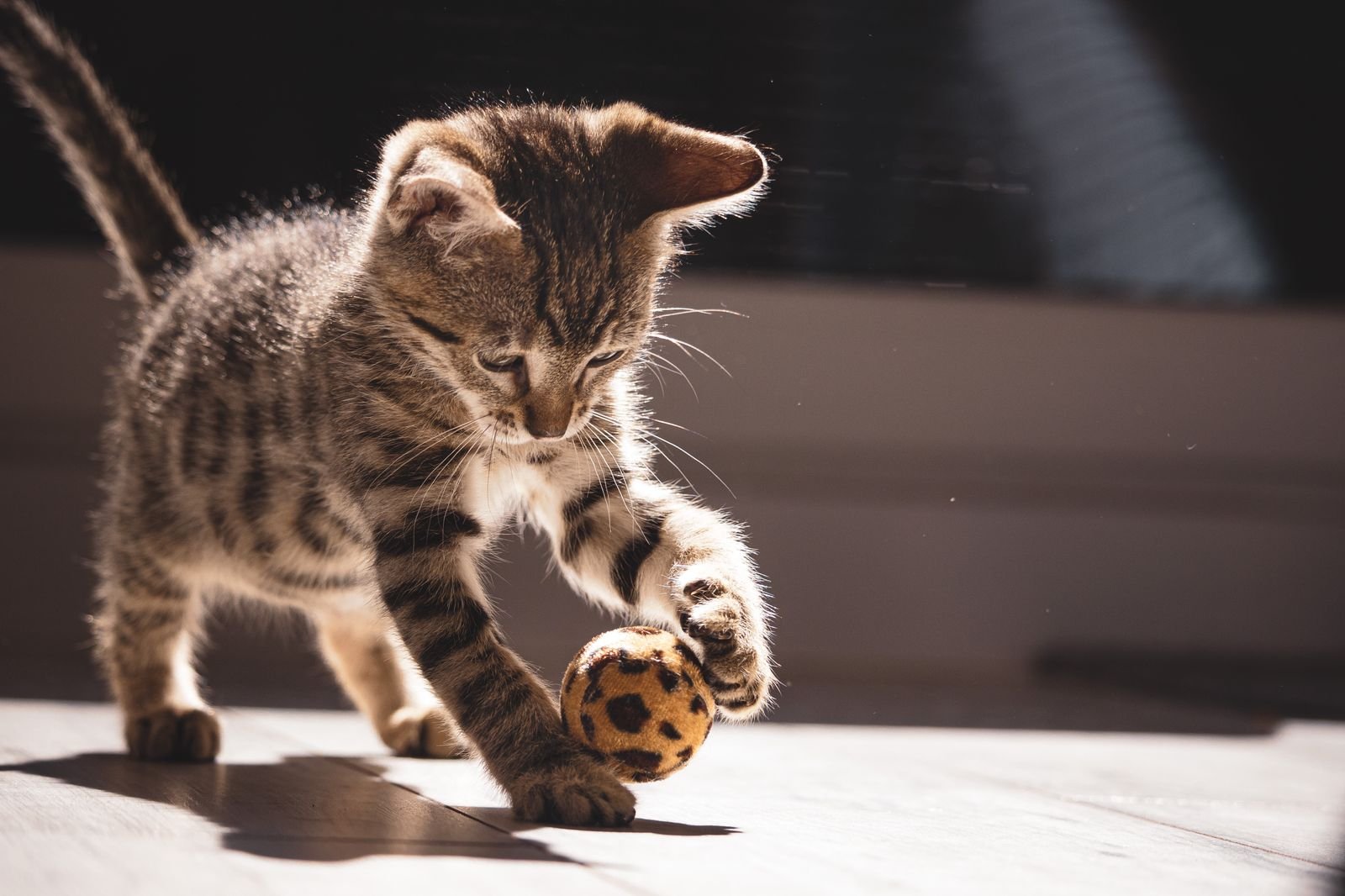
This is the fastest-growing phase of your cat’s entire life. In twelve months your kitten goes from a blind, helpless newborn to the human equivalent of a fifteen-year-old teenager. Everything is new: solid food, the litter box, play that looks a lot like hunting practice. Kittens need kitten-formulated food (it is richer in calories and protein than adult food), lots of short play sessions, and their first full round of vaccinations.

Junior and young adult: 1 to 2 years
Your cat is now physically full-grown but still mentally a teenager. This is the peak mischief window: 3 a.m. sprints down the hallway, ambushes from behind the sofa, and an appetite that seems bottomless. Keep the play sessions coming, because a bored young cat invents its own entertainment, usually at your expense. This is also the ideal time to lock in good habits: regular brushing, nail trims, and calm vet visits.
Prime adult: 3 to 6 years
Welcome to the settled years. Your cat is the human equivalent of someone in their late twenties to early forties: confident, healthy, and in a comfortable routine. Most cats in this stage need little beyond good food, fresh water, clean litter, daily play, and one vet checkup a year. It is the easiest stage of cat ownership, so enjoy it, and keep an eye on weight, since adult cats gain pounds quietly.

Mature adult: 7 to 10 years
Around age seven, roughly 44 in human years, your cat enters middle age. You might notice slightly longer naps and a little less interest in wild play. This is when vets usually recommend switching to twice-yearly checkups and watching for early signs of common middle-age issues like dental disease or weight gain. Small adjustments now, a food tweak here, a cozier bed there, pay off enormously later.

Senior and geriatric: 11 years and up
Eleven is the widely accepted start of the senior years, about 60 in human terms. Senior cats slow down in ways that are easy to miss: jumping a little less high, sleeping a little deeper, eating a little more slowly. Arthritis, kidney changes, and thyroid issues become more common, which is why senior bloodwork at the vet matters so much. The good news: with attentive care, many cats live well into their late teens. A twenty-year-old cat is roughly 96 in human years, a genuine centenarian in the making.

Why Cats Age So Fast in the First Two Years
The math surprises most people: a one-year-old cat is fifteen in human years, and a two-year-old is twenty-four. Why the rush? Because cats compress their entire childhood and adolescence into about 24 months. By six months most cats are sexually mature, and by one year they are physically full adults. After age two the pace evens out to roughly four human years per cat year, which is why the chart flattens into a steady rhythm.
Two big factors shift where an individual cat lands on the chart. Indoor cats typically live 12 to 18 years, while outdoor cats average far less, because traffic, fights, and disease take a toll. Breed matters too: Siamese and Burmese cats are famous for reaching their late teens, while some larger breeds age a little faster. The chart shows averages, and your cat writes its own story around them.
How to Tell Your Cat’s Age (When You Don’t Know It)
Rescued a stray or adopted an adult cat with no birthday on record? Vets estimate age from a handful of physical clues. You can look for the same signs at home before your visit.
Teeth. This is the most reliable clue in young cats. Kittens get their baby teeth at 3 to 4 weeks and their full adult set by about 6 months. In adults, tartar buildup and worn or missing teeth point to middle age or older.

Eyes. Young cats have clear, bright eyes with smooth irises. As cats age, the lens can look slightly cloudy and the iris may develop a lacy or uneven texture. It is subtle, but vets read it like rings on a tree.

Coat and whiskers. A young cat’s coat is usually soft, glossy, and fine. Older cats often develop coarser fur, and you may spot the first white or gray hairs around the muzzle, much like people going gray at the temples.

Muscle tone and body. Young adults are lean and springy. Senior cats lose muscle along the spine and back legs first, so a bony feel over the backbone in an otherwise well-fed cat often means old age.
No single sign is definitive, which is why vets combine all four. If you adopted a mystery-age cat, ask your vet for an estimate at the next checkup and mark the chart from there.
Caring for Your Cat at Every Age
Knowing the human equivalent is only useful if it changes what you do. Here is the short version, stage by stage.
Feed the stage, not just the cat. Kittens need calorie-dense kitten food until about one year. Adults do well on balanced adult formulas with measured portions. Seniors often benefit from food made for older cats: easier to chew, gentler on kidneys, and tuned for slower metabolisms. Whatever the stage, fresh water matters enormously, and many cats drink more from a fountain than a bowl.

Adjust the vet schedule. Annual checkups are fine for healthy adults, but vets generally recommend twice-yearly visits from around age seven onward, with bloodwork to catch kidney, thyroid, and dental issues early. Senior cats hide illness as a survival instinct, so routine screening does the noticing for you.
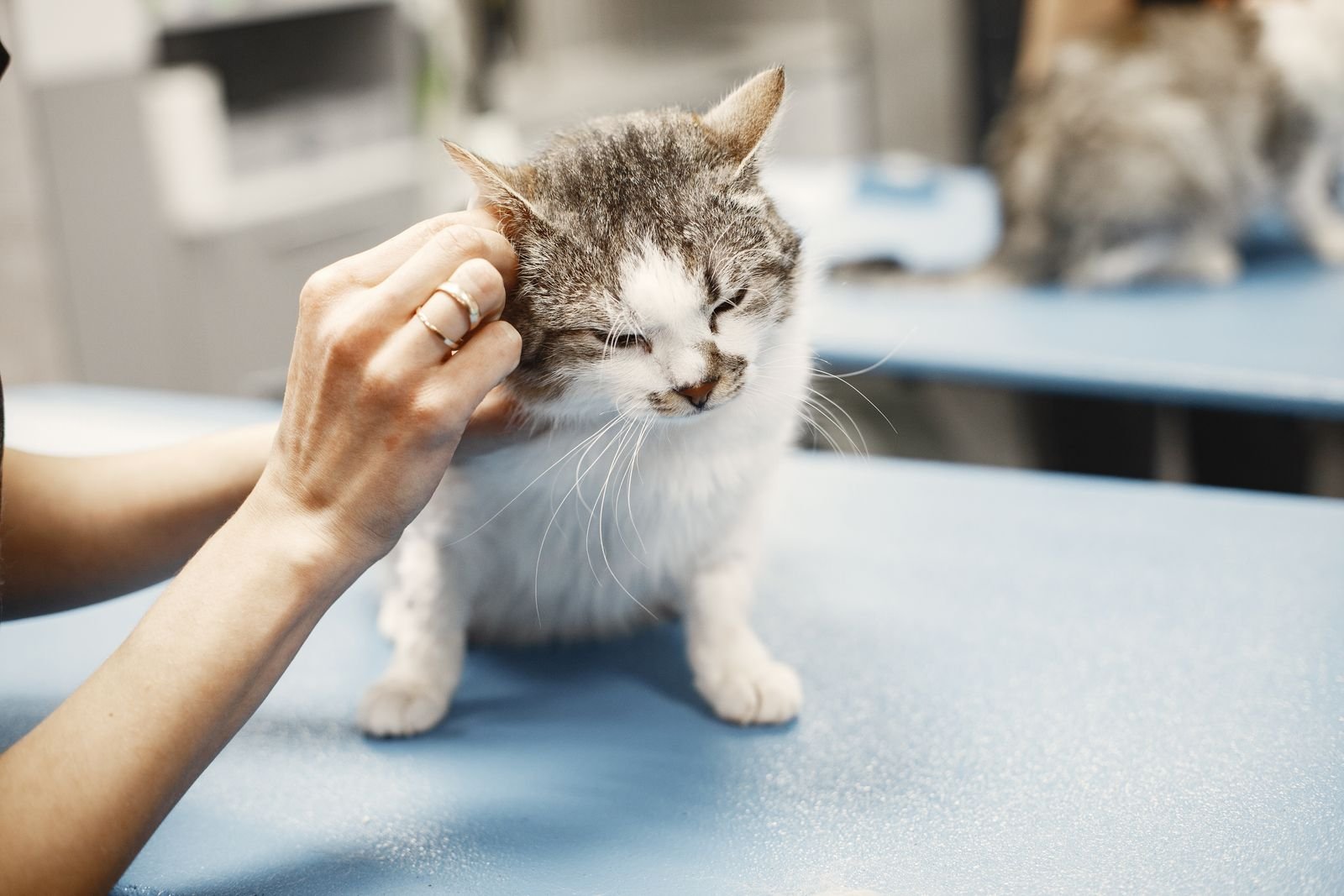
Keep them moving, gently. Play is not just for kittens. A five-minute wand-toy session keeps an adult cat trim, and even seniors benefit from slow, low-impact play that keeps joints limber. For older cats, add ramps or steps to favorite high perches so stiff joints do not end the climbing years early.
Frequently Asked Questions
How old is a 10-year-old cat in human years?
A 10-year-old cat is about 56 in human years, squarely in middle age. Think of a person in their mid-fifties: still active and healthy, but due for regular health screenings and a slightly calmer routine.
Is 7 years old considered old for a cat?
Not old, but officially middle-aged. Seven is about 44 in human years. Most vets start recommending senior-style care, like twice-yearly checkups, from this age, even though your cat probably still acts young.
Do indoor cats age slower than outdoor cats?
In a practical sense, yes. Indoor cats avoid the injuries, infections, and accidents that cut outdoor lives short, so they routinely reach 15 to 18 years, while outdoor cats average much less. The chart is the same either way; indoor cats simply get to travel further along it.
Why does my cat seem to age faster in the first year?
Because it genuinely does. A kitten reaches physical adulthood in about 12 months, the human equivalent of going from newborn to teenager in a single year. Growth, learning, and hormonal changes are all compressed, which is why that first year feels like a blur.
What is the oldest cat age on the chart?
Our chart runs to 22 cat years, about 104 in human years. Exceptional cats have lived beyond that, but anything past 20 is genuinely remarkable, the feline equivalent of a human centenarian.
Conclusion
The cat human age chart turns a vague curiosity into something genuinely useful. A one-year-old cat is a teenager who needs play and patience. A seven-year-old is a middle-aged adult due for closer health monitoring. A fifteen-year-old is a senior citizen who has earned the warmest spot in the house and your gentlest care. Find your cat on the chart, adjust the food bowl and the vet calendar to match, and you will give them the best possible shot at a long, comfortable life. If you found this chart helpful, explore our Cat Chart category for more feline reference guides, or browse Lifespan charts for other animals.