

Open a carton of farm eggs next to a carton from the supermarket and the difference is obvious. One holds twelve identical white eggs. The other holds white, cream, tan, chocolate brown, speckled, blue, and olive green eggs, all different sizes. This chicken egg identification chart explains that variety breed by breed, so you can look at an egg and work out which hen laid it.
Most backyard keepers start with a mixed flock and a daily mystery: who laid the blue one, and why is one egg half the size of the others? Egg color is fixed by breed, egg size follows the hen, and eggs per year is one of the most reliable clues. A Leghorn laying 300 white eggs a year leaves a very different trail from a Silkie laying about 100 tiny cream ones.

How to Identify a Chicken Egg in 4 Steps
Step 1: Note the color, inside and out. A blue egg is blue all the way through, because the pigment oocyanin colors the whole shell as it forms. A brown egg is white inside, because the brown pigment protoporphyrin is only painted on the outside near the end of laying. Green and olive eggs are a blue shell with a brown coating on top. That one test separates true blue layers from brown layers instantly.
Step 2: Weigh it or compare its size. A large egg weighs 57 to 64 grams, a medium egg 50 to 57 grams, and a small egg 43 to 50 grams. A Silkie egg at around 40 grams is clearly smaller. Pullets just starting to lay also produce small eggs for the first few weeks.
Step 3: Look at the shell surface. Marans eggs feel thick and slightly glossy. Welsummer eggs often have a matte, speckled finish. Fresh eggs carry a coating called the bloom, which can make the shell look chalky. Washing removes it.
Step 4: Count the eggs and watch the hen. Three white eggs a day from four hens points to a Leghorn. Three or four small cream eggs a week points to a Silkie or another bantam. When in doubt, watch which nest box each hen uses.

Chicken Egg Identification Chart: 12 Common Breeds
This table is the heart of the chart: the twelve breeds backyard keepers in the United States are most likely to own, with egg color, size, yearly laying rate, and shell traits. Yearly figures are for a healthy hen in her first full laying year; older hens and winter bring the numbers down.
| Breed | Egg Color | Egg Size | Eggs per Year | Shell Traits |
|---|---|---|---|---|
| Leghorn | White | Large, about 57 g | 280 to 320 | Smooth, thin, chalky white shell |
| Rhode Island Red | Brown | Large, about 57 to 63 g | 200 to 300 | Smooth, matte brown shell |
| Plymouth Rock | Light brown | Large, about 57 to 63 g | 200 to 280 | Smooth, light brown, slightly glossy |
| Australorp | Light brown | Large, about 57 to 63 g | 250 to 300 | Smooth, strong, pale brown shell |
| Orpington | Light brown | Large, about 57 to 63 g | 150 to 200 | Smooth, thick, pale brown shell |
| Silkie | Cream or tinted | Small, about 40 g | 100 to 120 | Smooth, thin, fragile cream shell |
| Ameraucana | Blue | Medium to large, about 50 to 57 g | 150 to 200 | Smooth, blue all the way through the shell |
| Araucana | Blue or green | Medium, about 50 to 57 g | 150 to 200 | Smooth, blue-green shell, slightly thicker |
| Marans | Dark chocolate brown | Large, about 57 to 63 g | 150 to 200 | Thick, glossy, very dark brown shell |
| Sussex | Cream to light brown | Large, about 57 to 63 g | 200 to 250 | Smooth, thin, pale cream shell |
| Wyandotte | Brown | Large, about 57 to 63 g | 180 to 220 | Smooth, strong, medium brown shell |
| Welsummer | Dark brown, speckled | Large, about 57 to 63 g | 160 to 200 | Matte, speckled, dark brown shell |
Two notes on the table. Yearly counts are ranges because strain matters: a hatchery Leghorn and a show Leghorn are the same breed but very different layers. And egg color fades: a Marans hen lays her darkest eggs early in the cycle.
White Egg Layers: Leghorn
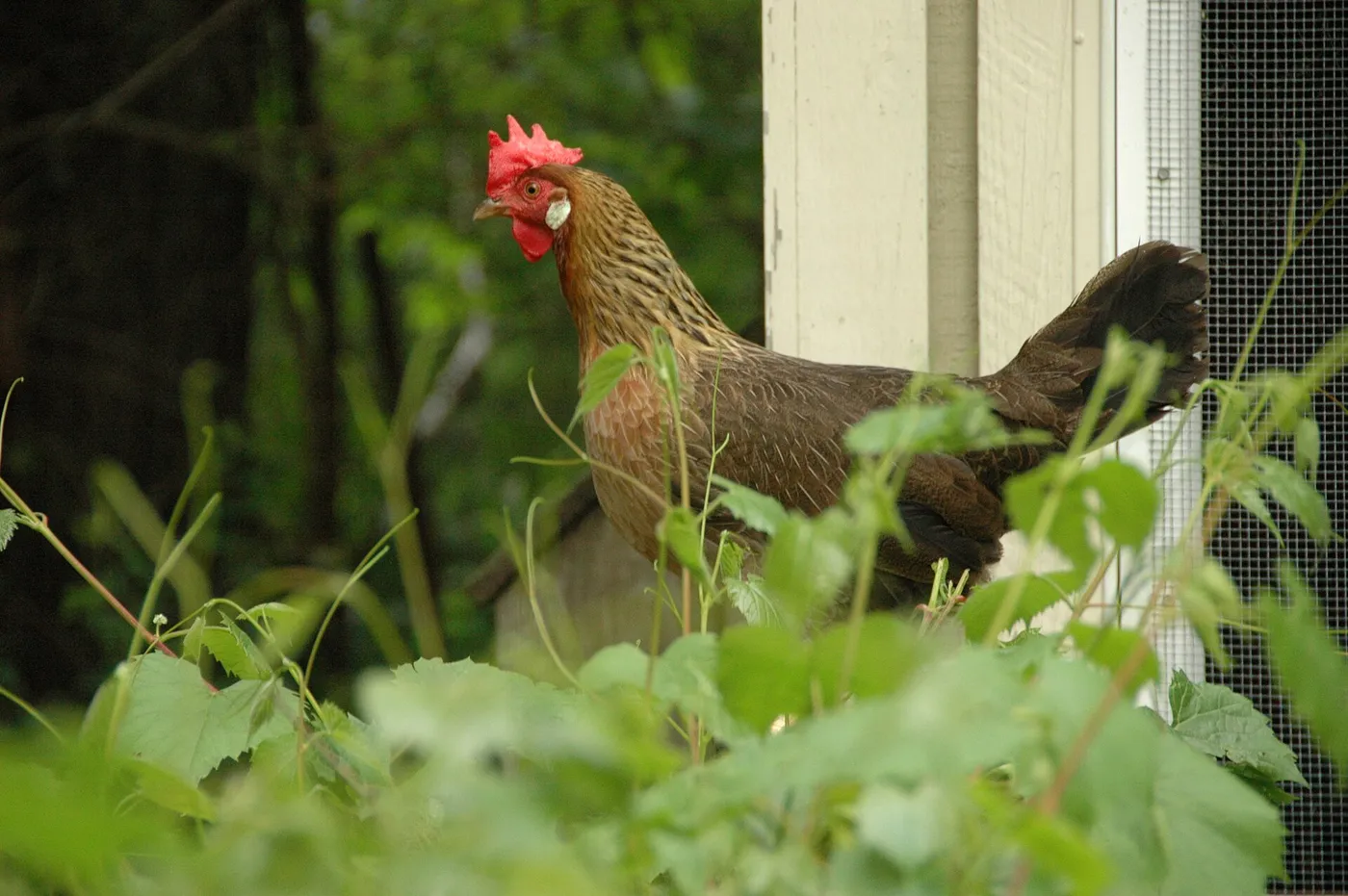
If your egg is pure white, the list of suspects is short. White eggs come from breeds with white earlobes: look at the hen’s earlobe and you can often predict her egg color before she lays. The White Leghorn is the classic white egg layer and the backbone of the commercial egg industry, which is why supermarket white eggs are so uniform. A Leghorn hen is light, active, a little flighty, and lays a large white egg almost every day in her first year, 280 to 320 eggs in total.
Brown Egg Layers: Rhode Island Red, Plymouth Rock, Australorp, Orpington, Sussex, and Wyandotte
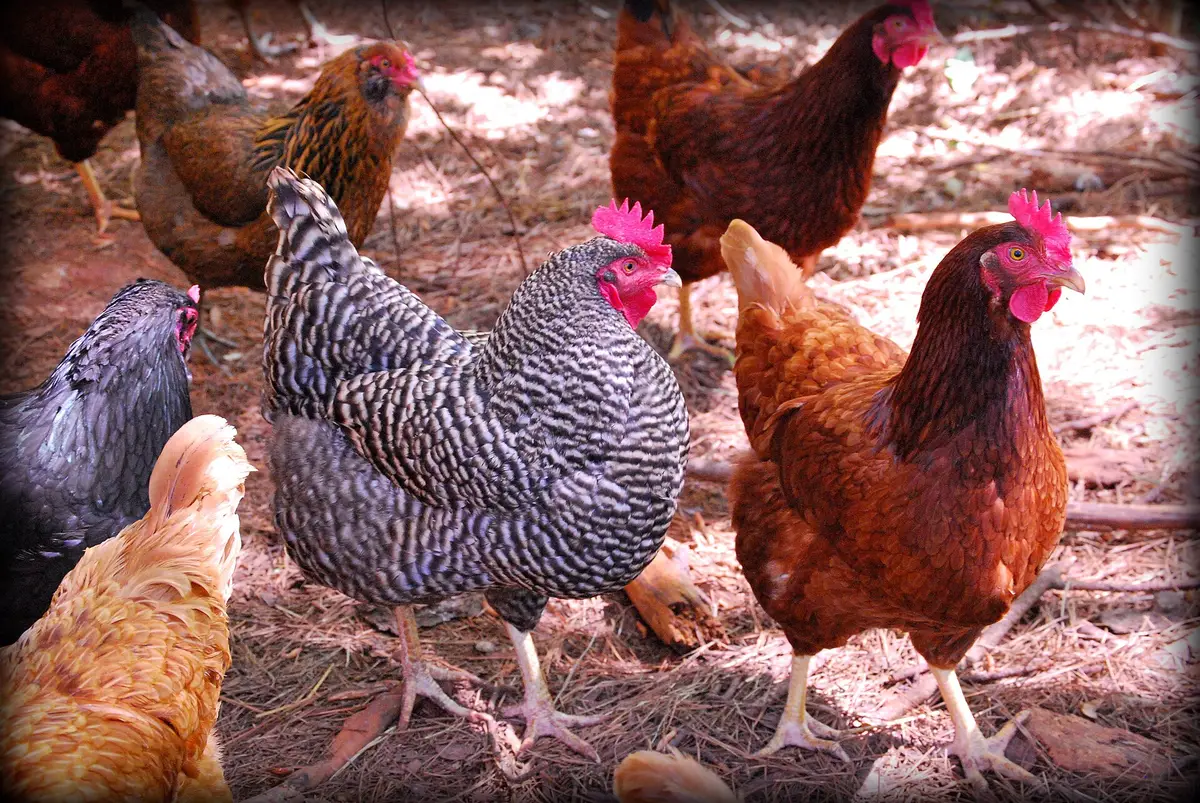
Brown is the most common egg color in backyard flocks, and the hardest to pin to one breed, because six breeds in this chart lay some shade of it. The shade and the laying rate separate them. Rhode Island Reds lay a rich medium brown egg, 200 to 300 a year, and the hens are deep red and hardy. Barred Plymouth Rocks lay a lighter brown egg, 200 to 280 a year, and their barred feathers make the hen easy to identify. Australorps lay a pale brown egg, 250 to 300 a year, and the glossy black hen with a green sheen is unmistakable in sunlight.

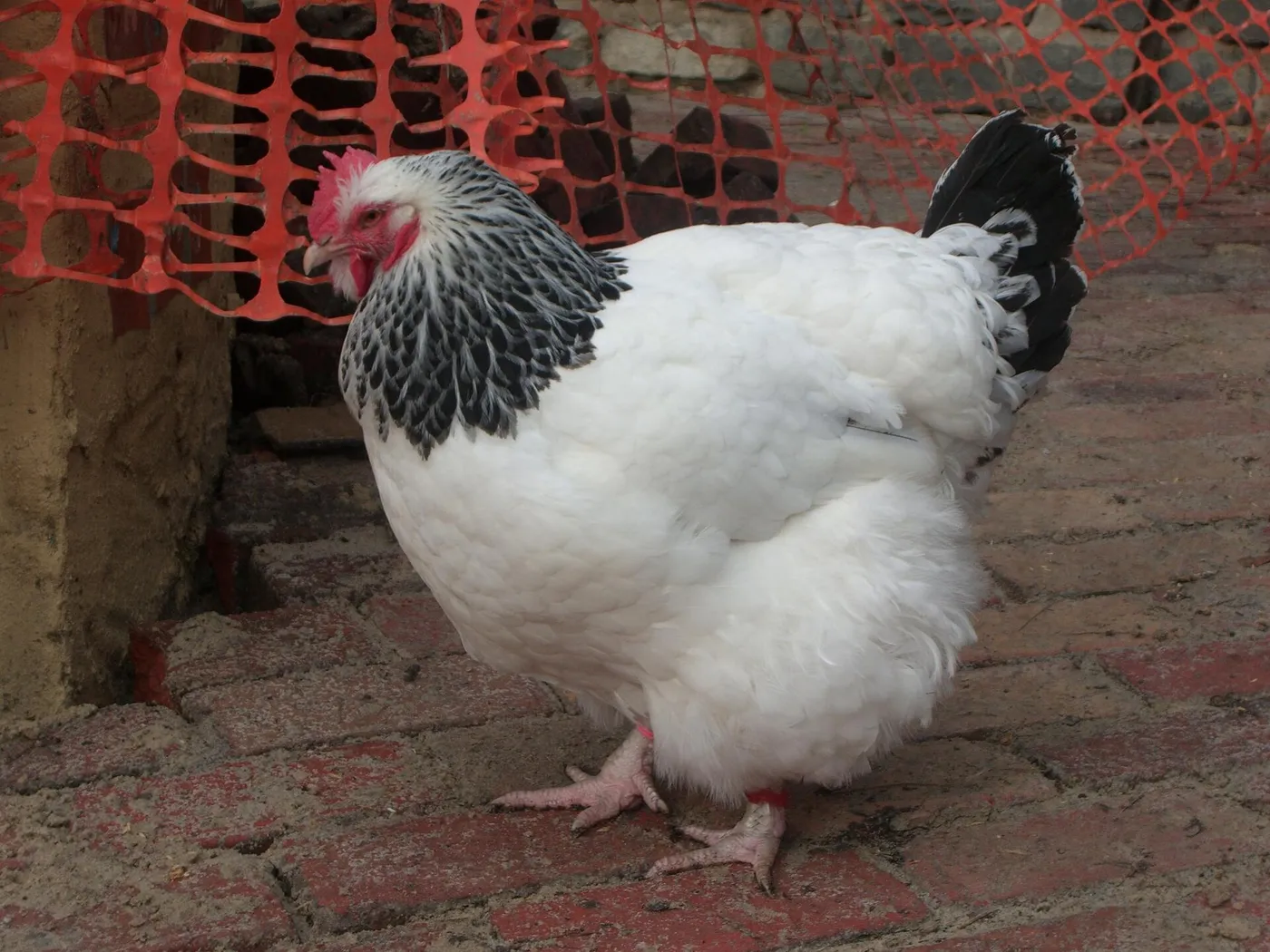
Buff Orpingtons are the gentle giants: a light brown egg, 150 to 200 a year, with a thick shell, from large, golden, calm hens. Sussex hens lay a cream to light brown egg, 200 to 250 a year, with a thinner shell. Wyandottes sit in the middle: a medium brown egg, 180 to 220 a year, from a compact hen with laced feathers. If you keep several brown layers together, separate them for a day or two and note which hen uses which nest box.


Blue and Green Egg Layers: Ameraucana and Araucana
Blue eggs are the easiest to identify. Only a small group of breeds lays them, and the color goes all the way through the shell. Ameraucanas lay a clear sky blue egg, 150 to 200 a year, medium to large. Araucanas, the older South American breed, lay blue or blue green eggs at a similar rate, and the hens often have ear tufts and no tail.
Green and olive eggs are crosses. An olive egger is usually a Marans crossed with a blue layer: blue shell plus brown coating gives olive green. Easter Eggers, the common hatchery birds sold as Ameraucanas, can lay blue, green, pink, or cream eggs. For comparison with wild birds, see our blue bird egg identification chart and the general bird egg identification chart.
Dark and Speckled Eggs: Marans and Welsummer
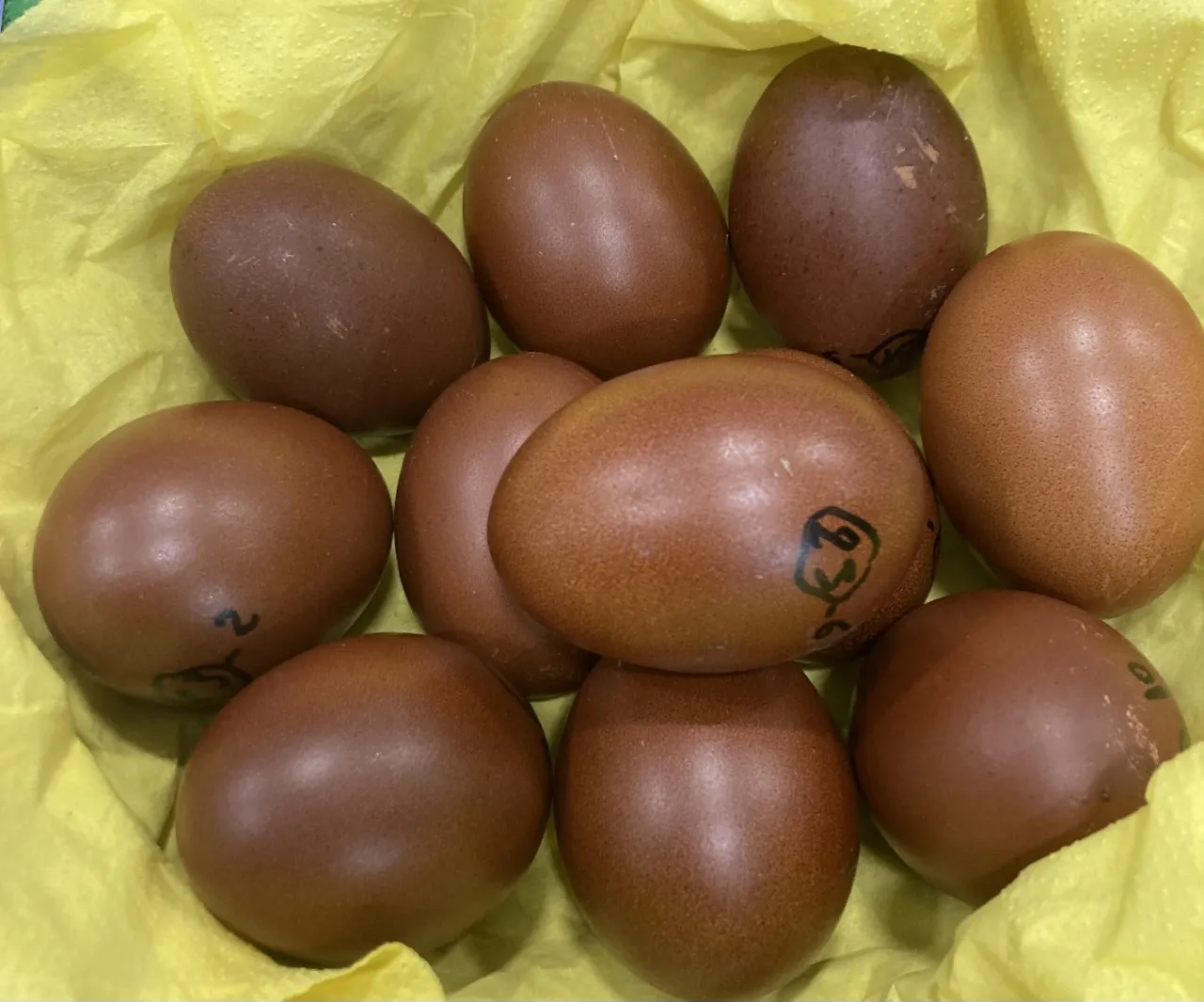
Marans eggs are the darkest brown eggs a chicken lays, and Black Copper Marans are the darkest of all: almost chocolate colored, with a thick, glossy shell. The color is a coating, so it can rub off slightly and fades over the season. Expect 150 to 200 eggs a year.
Welsummer eggs are dark brown too, but usually speckled, with darker spots over a terracotta base, and the shell is matte rather than glossy. The breed lays 160 to 200 eggs a year. A solid dark egg points to Marans, a speckled one to Welsummer.
Small and Cream Eggs: Silkie and Bantams
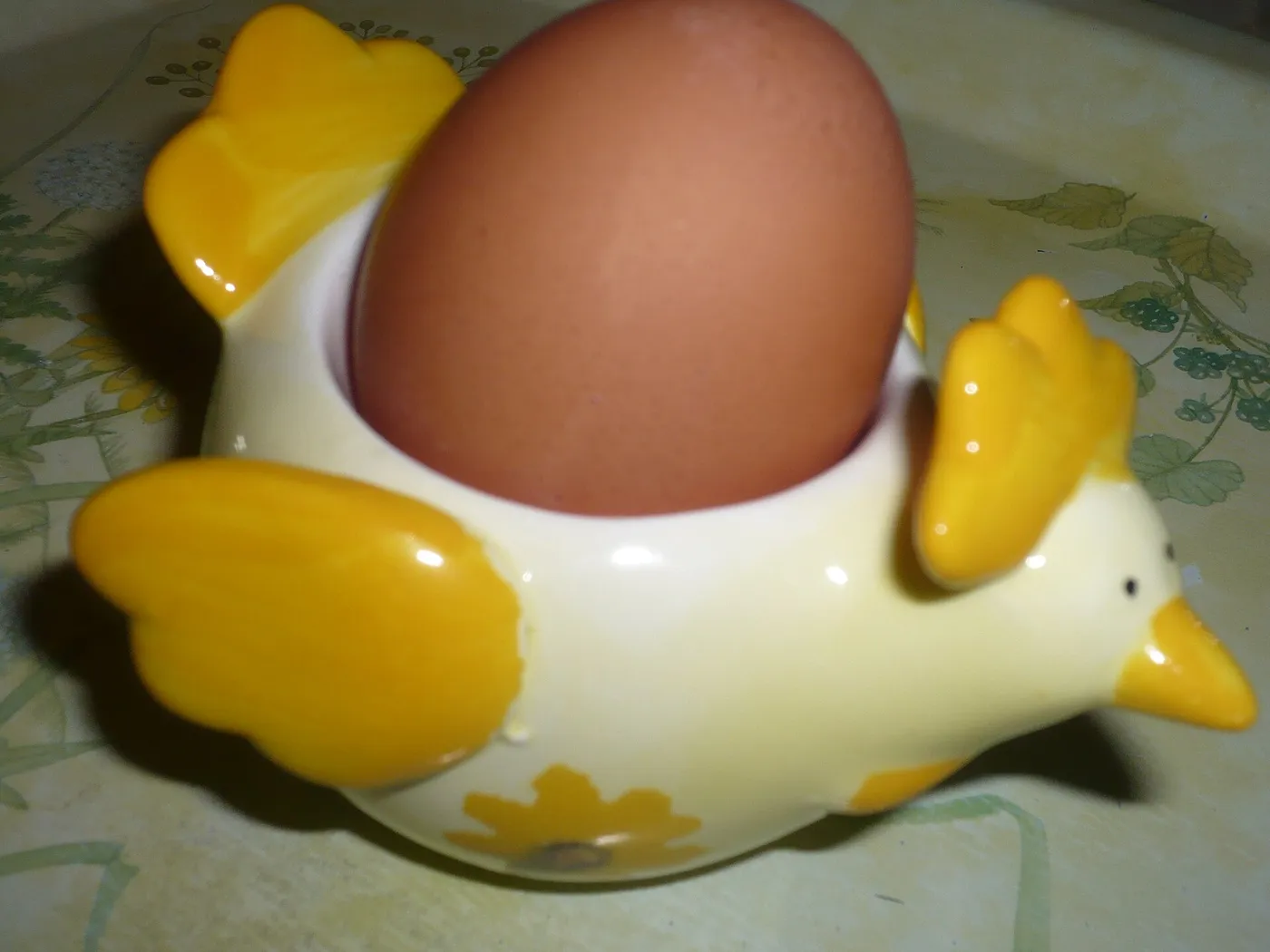
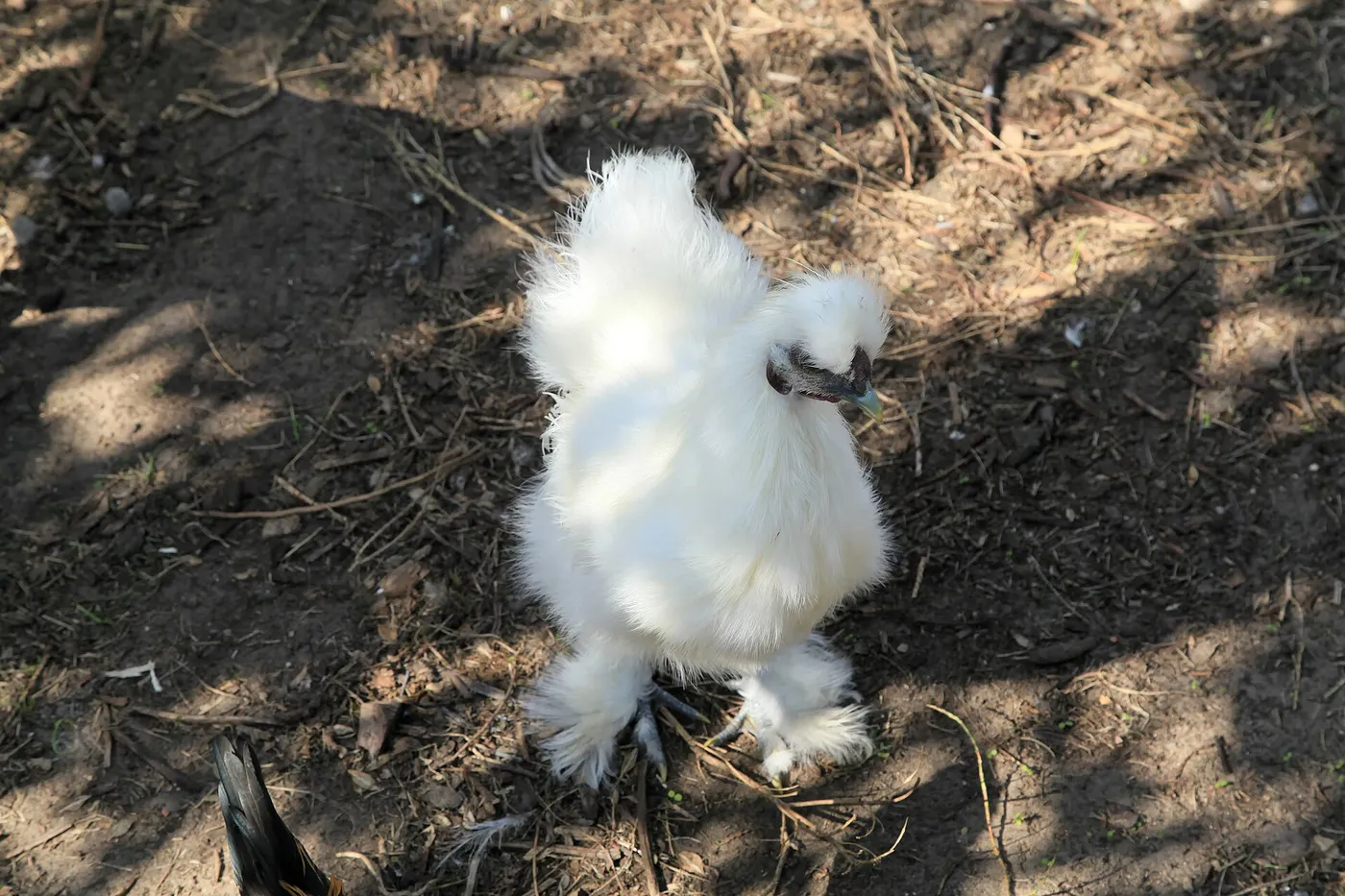
A tiny cream egg, about 40 grams, is almost always a bantam. Silkies are the best known example: fluffy, black skinned, famously broody hens that lay 100 to 120 small cream or tinted eggs a year. The eggs are thin shelled and fragile, so handle them gently. A broody hen stops laying for weeks, which cuts the yearly total further. Other bantams lay similar small eggs, so look at the hen: a Silkie is unmistakable with its fluffy plumage, extra toes, and dark skin. For a general guide, see our types of birds chart.
Chicken Egg vs Duck Egg and Turkey Egg
Chicken and duck eggs are easy to confuse when both are white or cream, but duck eggs are larger, usually 70 grams or more, with a thicker shell and a waxy feel. The yolk is bigger and deeper orange. Our duck identification chart covers the ducks themselves.
Turkey eggs are larger still, usually 75 to 85 grams, with a thicker shell and a pointed, oblong shape. Most are cream or light tan with brown speckles, while chicken eggs are rarely speckled except for Welsummers. Turkeys lay only 80 to 100 eggs a year, in spring and early summer.
How Egg Color Changes and What It Means
Three things change an egg after it is laid, and none means the egg is bad. Color fades over the season, especially in Marans and Welsummer hens. The bloom makes a fresh egg look dull, and washing makes it look shinier. A hen under stress, heat, or illness can lay a pale, thin shelled, or oddly shaped egg for a day or two. A single odd egg is normal; a whole week of thin shells usually means the flock needs more calcium, as oyster shell offered free choice, or more daylight. Shell color has no effect on taste, and yolk color depends on diet, not shell color.

Frequently Asked Questions
What breed lays blue chicken eggs?
Ameraucana and Araucana hens lay true blue eggs, colored all the way through the shell. Easter Eggers can lay blue, green, pink, or cream eggs.
Which chicken lays the darkest brown eggs?
Black Copper Marans lay the darkest brown eggs, deep chocolate with a thick, glossy shell. Welsummers lay the next darkest, usually speckled. Both fade lighter as the season goes on.
Can you tell a chicken breed from one egg alone?
Sometimes. A blue egg or a tiny cream egg narrows it to a few breeds, but a medium brown egg could come from six or more. Color plus size plus laying rate plus the hen herself is the reliable combination.
Why are some eggs speckled?
Speckles are extra pigment applied as the egg passes through the shell gland, normal for Welsummers, Barnevelders, and some Sussex lines. Speckling varies from egg to egg, so it is a clue, not a fingerprint.
Conclusion
A chicken egg identification chart only works if you use more than one clue at a time. Color tells you the family: white, brown, blue, dark, or cream. Size and weight narrow it further. The laying rate and the hen in the nest box finish the job. Keep this chart by the coop for a week, note the color, size, and count each morning, and the mystery sorts itself out: blue from the Ameraucana, chocolate from the Marans, tiny cream from the Silkie, and large brown from the Rhode Island Reds and Australorps.


Pingback: Quail Lifespan Chart: How Long Quails Live – Chart Identify
Pingback: Duck Egg Identification Chart: Identify 12 Species by Egg – Chart Identify