How long do quails live? It depends on where they live. A wild quail rarely sees its second birthday, while a well kept pet quail can live several times longer. This quail lifespan chart compares 8 quail species side by side, with wild and captive lifespans, weights, ranges and habitats, so you can see at a glance which quails live longest and why.
Quails are small, ground dwelling game birds, and their lives are shaped by predators, weather and food. Most wild quails die in their first year, yet the same species in an aviary or a backyard pen can live 5, 6 or even 7 years.
Quail Lifespan Chart: 8 Species Compared
The table below brings together the 8 best known quail species, with wild lifespans for birds that survive their first winter and captive lifespans for birds kept with good food, shelter and care.
| Species | Wild lifespan | Captive lifespan | Weight | Range | Habitat |
|---|---|---|---|---|---|
| California quail | 1 to 2 years | 6 to 7 years | 140 to 230 g | Western North America | Chaparral, oak woodland, scrub |
| Gambel’s quail | 1 to 2 years | 5 to 7 years | 160 to 200 g | Southwestern USA, Mexico | Desert scrub, mesquite, arroyos |
| Northern bobwhite | 1 to 2 years | 5 to 6 years | 140 to 200 g | Eastern and central USA, Mexico | Grassland, pine savanna, field edges |
| Japanese quail | 1 to 2 years | 2 to 3 years (up to 5) | 90 to 120 g | East Asia | Grassland, farmland, meadows |
| Common quail | 1 to 2 years | 2 to 3 years | 70 to 140 g | Europe, Africa, Asia | Grassland, cereal fields |
| Button quail (Chinese painted quail) | 2 to 3 years | 3 to 5 years | 40 to 60 g | Asia, Australasia | Grassland, scrub, aviaries |
| Mountain quail | 1 to 3 years | 6 to 7 years | 200 to 250 g | Western USA mountains | Montane chaparral, forest edges |
| Scaled quail | 1 to 2 years | 3 to 5 years | 170 to 200 g | South central USA, Mexico | Arid grassland, desert scrub |
Two patterns stand out. The larger New World quails live longest in captivity, reaching 5 to 7 years, while the small Old World quails, Japanese and common, live only 2 to 3 years even with good care. Button quail sit in the middle at 3 to 5 years.

California Quail: 6 to 7 Years in Captivity
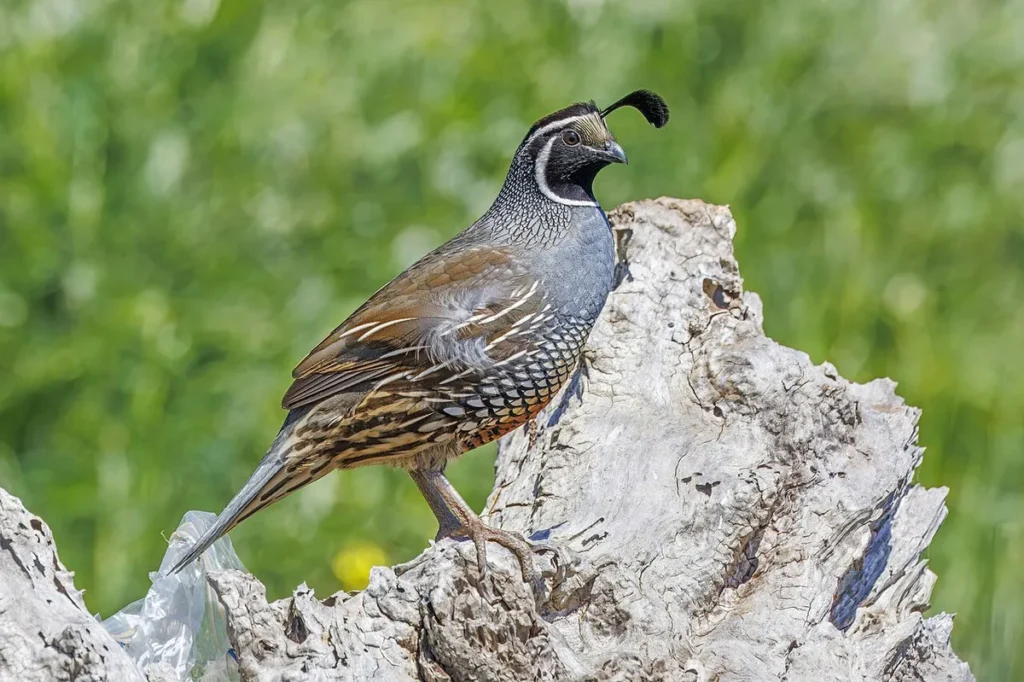
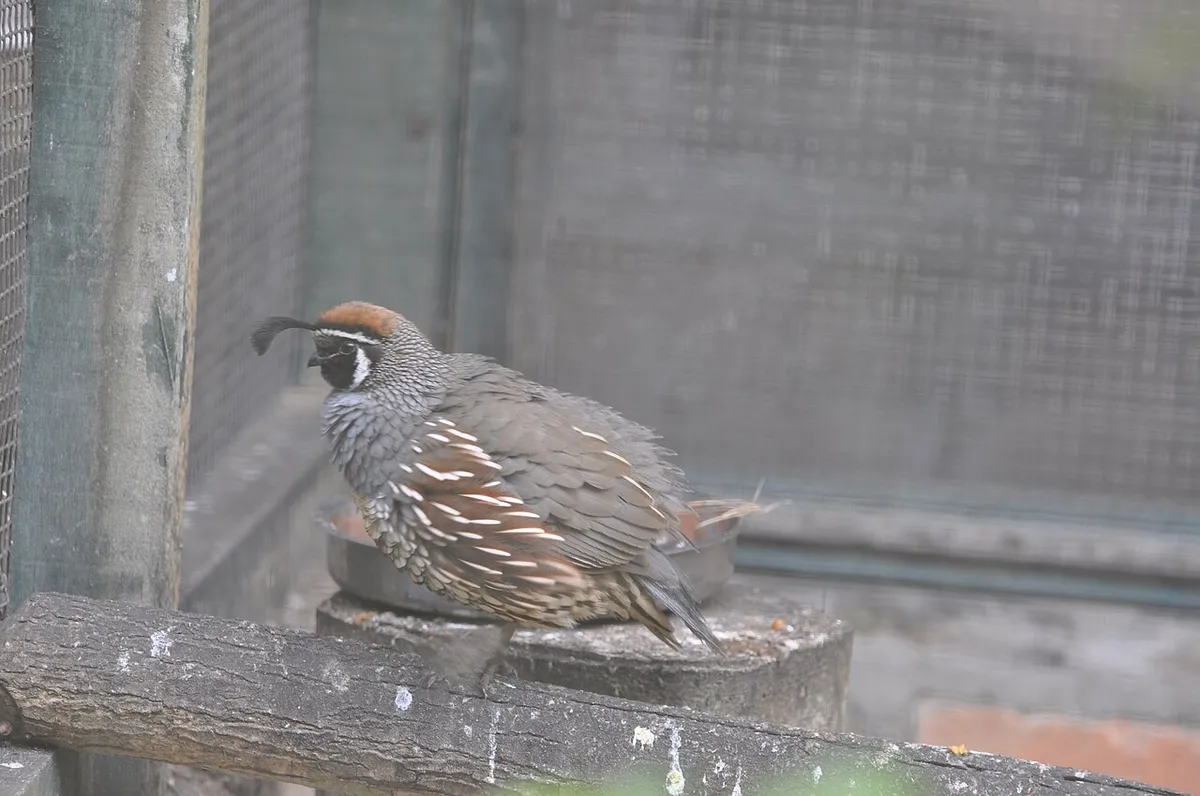
California quail live longest in captivity, reaching 6 to 7 years with good care. In the wild, most live only 1 to 2 years. They travel in coveys of 20 or more birds, which helps them spot hawks early, but a covey is still an easy target for foxes, cats and coyotes. Their forward curving topknot makes them easy to identify.

Gambel’s Quail: 5 to 7 Years in Captivity
Gambel’s quail look like California quail, but they live in the hot deserts of Arizona, New Mexico, Texas and northern Mexico. Captive birds live 5 to 7 years, while wild birds usually live 1 to 2 years. Water is scarce, summer heat is extreme, and snakes, hawks and coyotes hunt them daily. They feed early in the morning and roost in thorny shrubs.
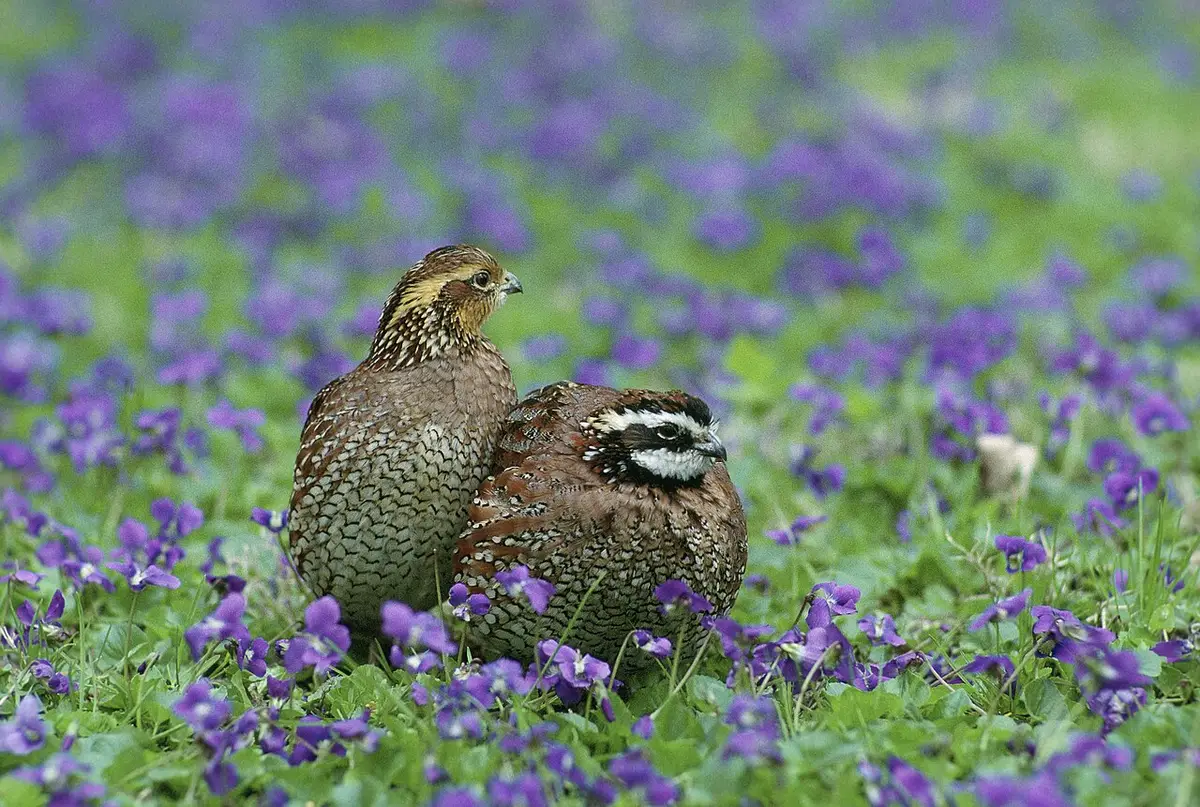
Northern Bobwhite: 5 to 6 Years in Captivity
The northern bobwhite is the best studied quail in North America, and its numbers tell a stark story. Wild bobwhite rarely live past their second year, and annual survival can be as low as 20 percent in some areas. In captivity, the same bird lives 5 to 6 years. Hunting adds to predation, and habitat loss has hit bobwhite hard, because they need a patchwork of grassland, brush and open ground that modern farming often removes.
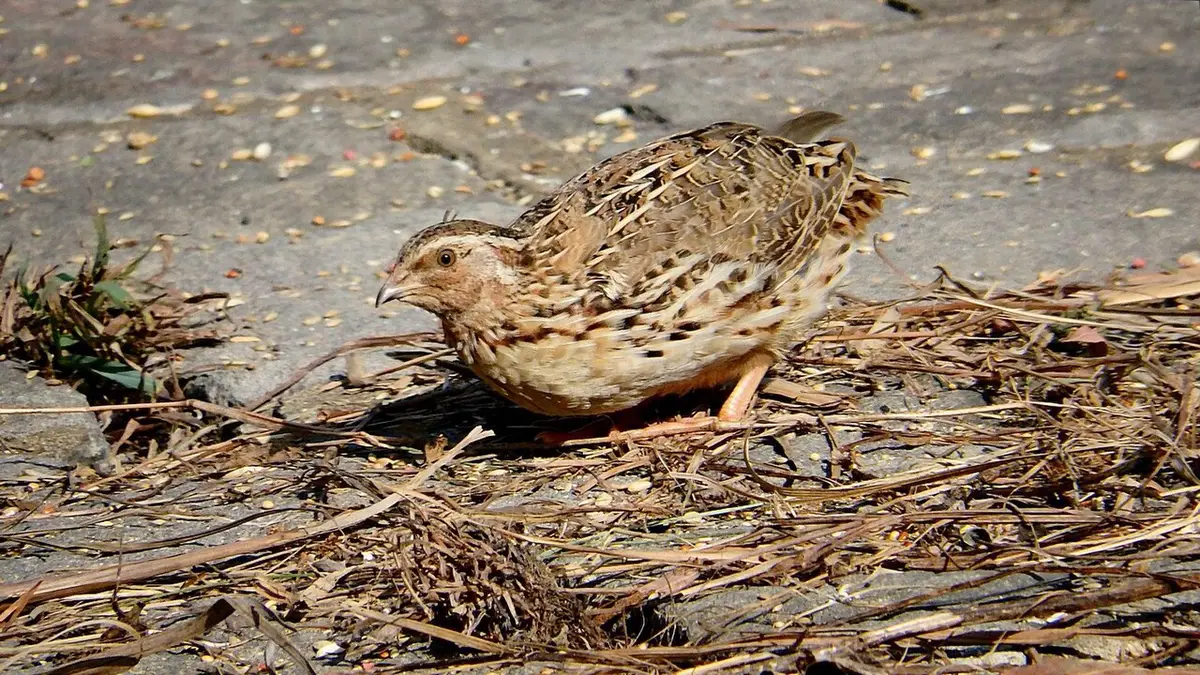
Japanese Quail: 2 to 3 Years, Up to 5 in Captivity
Japanese quail are the quails most people meet as pets or farm birds, kept for eggs and meat around the world. They are small, weighing only 90 to 120 grams, and they live fast: they start laying at 6 to 8 weeks old and can lay an egg almost every day. In the wild they live 1 to 2 years. In captivity they usually live 2 to 3 years, with a few well kept birds reaching 5. If you keep quails for eggs, our chicken egg identification chart is a useful companion for telling eggs apart by size and shell pattern.
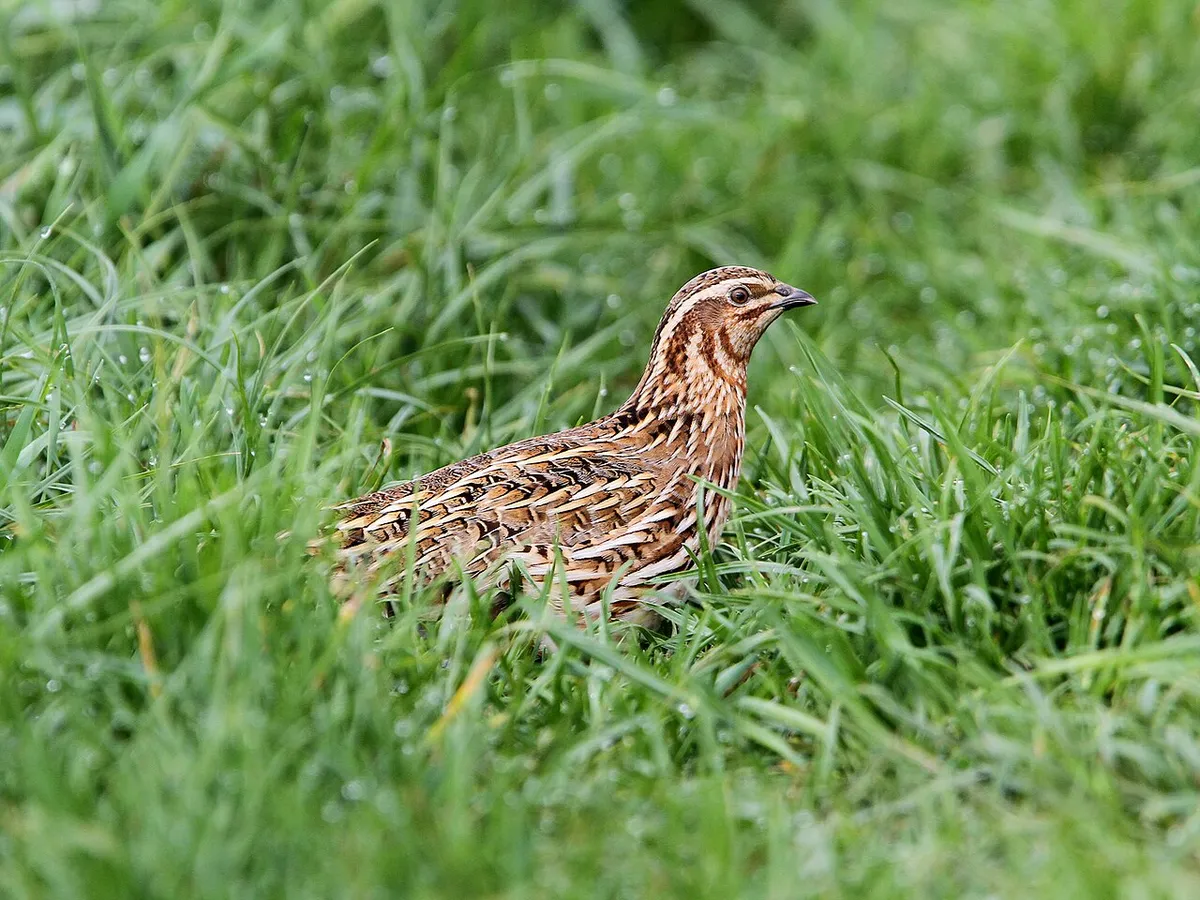
Common Quail: 2 to 3 Years in Captivity
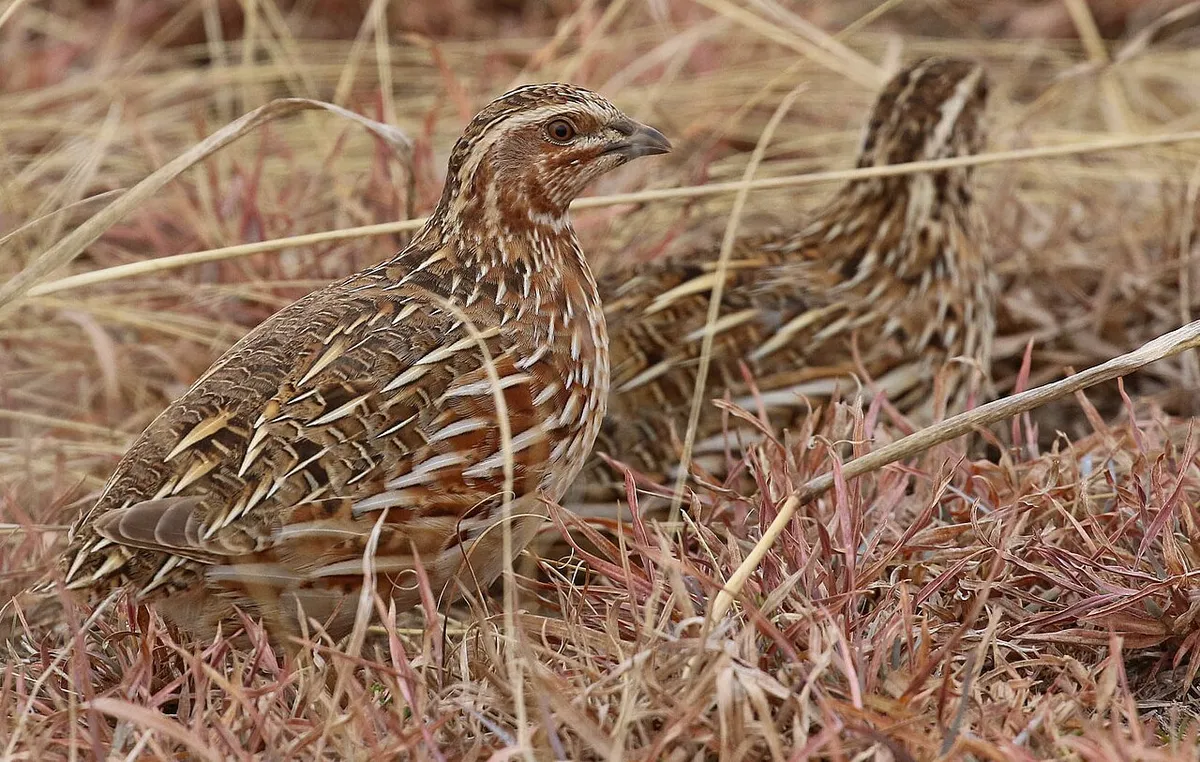
Common quail are the only quail species that migrate long distances, flying from Europe to Africa each year. That journey, plus heavy hunting along the way, keeps wild lifespans at 1 to 2 years. In captivity, they live 2 to 3 years. They hide in tall grass and cereal fields, and you are far more likely to hear their three note call, often written as wet my lips, than to see one.

Button Quail: 3 to 5 Years in Captivity
Button quail, also called Chinese painted quail or king quail, are the smallest quails in this chart at just 40 to 60 grams. They live 3 to 5 years in captivity, longer than the larger Japanese and common quails. Wild button quail live 2 to 3 years across Asia and Australasia. They are popular aviary birds because they are quiet, ground dwelling and good at cleaning up spilled seed under other birds.
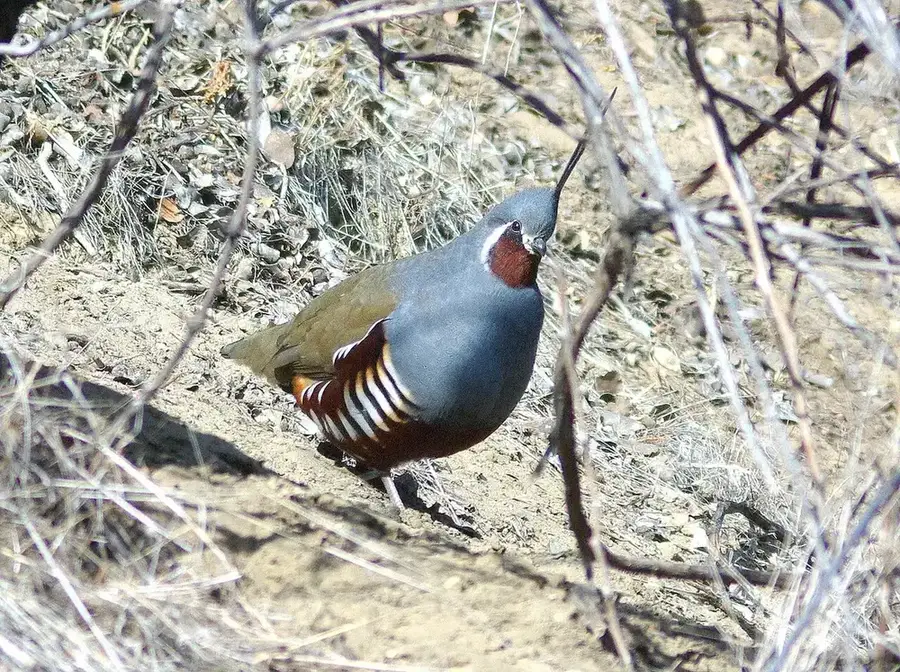
Mountain Quail: 6 to 7 Years in Captivity
Mountain quail share the top captive lifespan in this chart, 6 to 7 years, tied with California quail. They are the largest quail here at 200 to 250 grams, and they live in the mountains of the western United States, where they walk long distances between summer and winter ranges instead of flying. Wild birds live 1 to 3 years. Deep snow is their biggest winter threat, because it buries the seeds and buds they feed on.
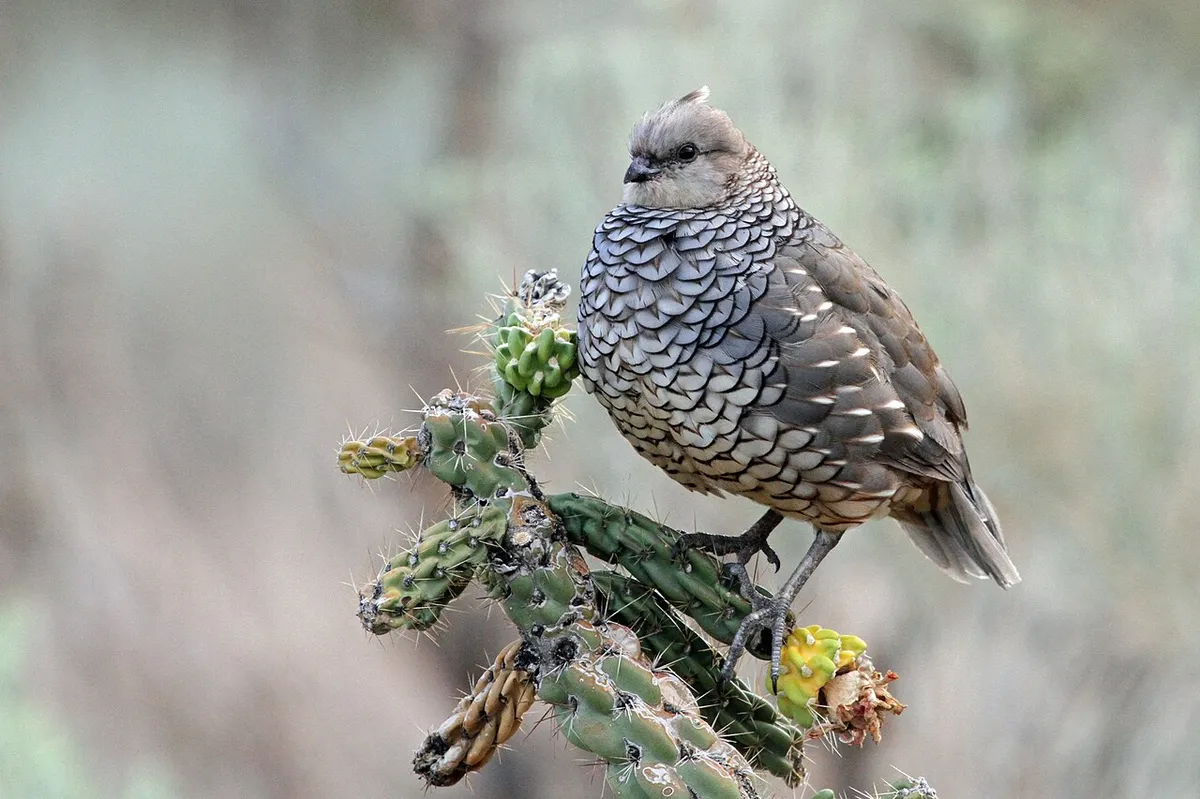
Scaled Quail: 3 to 5 Years in Captivity
Scaled quail, named for the scaly pattern on their breast feathers, live in the dry grasslands of the south central United States and Mexico. Captive birds live 3 to 5 years, while wild birds usually live 1 to 2 years. They are runners rather than fliers, and they prefer to escape danger on foot, which works well against snakes but not against hawks. Drought is their other enemy: in dry years, fewer seeds and insects mean fewer chicks survive to autumn.
Life Stages: From Chick to Adult
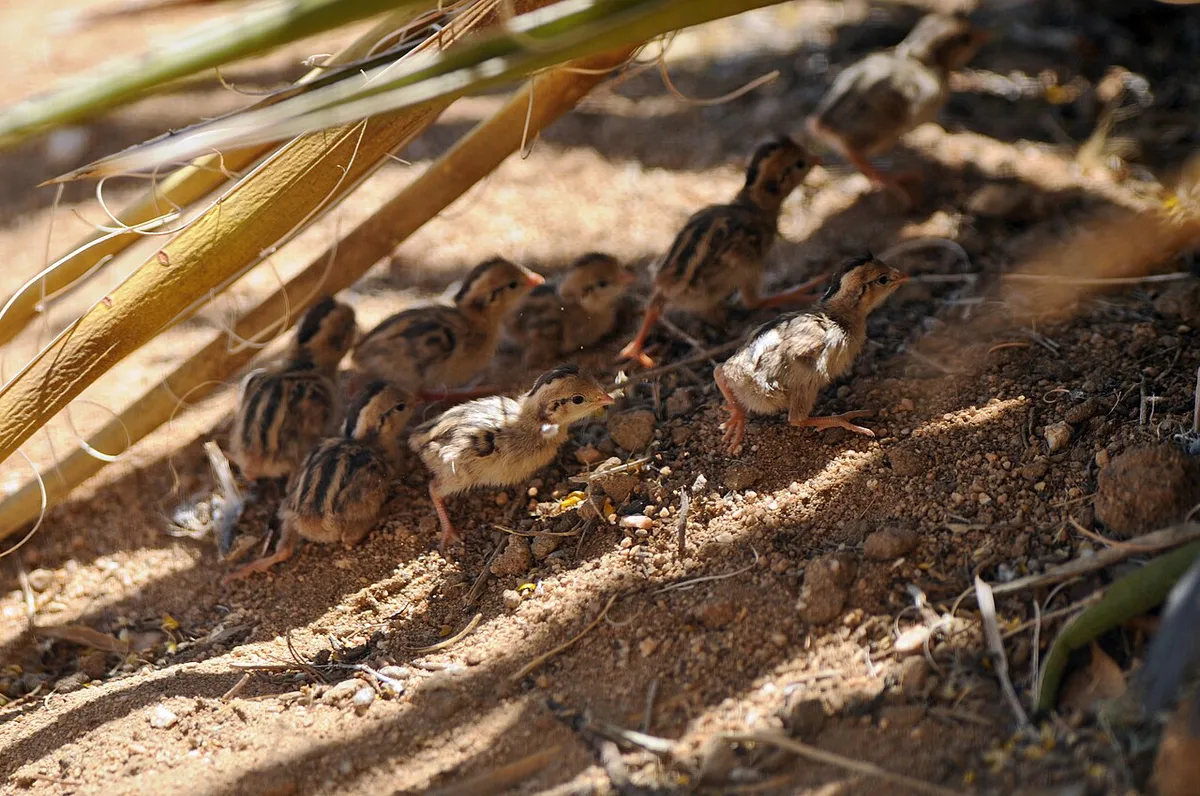
A quail’s life moves fast. Eggs hatch after 16 to 24 days, and the chicks are precocial, which means they leave the nest within hours and feed themselves from day one. For the first 2 weeks, chicks need warmth from a parent and constant cover from grass, since they cannot fly and are easy prey for rats, crows and snakes. By 3 to 4 weeks, young quails can make short flights, and by 6 to 8 weeks most species are fully feathered and independent. From then on, each winter removes most of the birds hatched the previous spring.
Why Wild Quail Live So Briefly
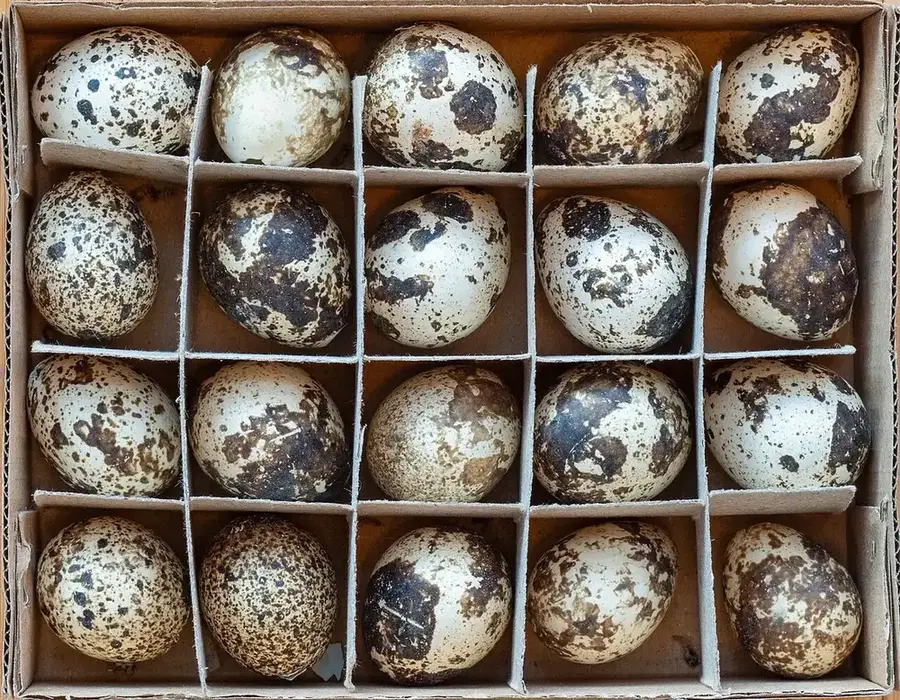
Wild quail live short lives for four linked reasons. First, predation is relentless: hawks strike from above, foxes and cats hunt at dawn and dusk, and snakes raid nests for eggs and chicks. Second, most mortality happens in the first year, when young birds are inexperienced and have not yet learned where food and cover are. Third, habitat loss has thinned the cover quails depend on, leaving them exposed in open fields. Fourth, cold winters, drought and disease take the birds that predators miss. A bobwhite that survives its first winter has beaten odds of roughly four to one, which is why wild quail rarely live past their second year.
How Keepers Extend a Pet Quail’s Life
The jump from 1 to 2 years in the wild to 5 to 7 years in captivity shows how much a keeper can change. Give quails a dry, draught free shelter with deep bedding, and protect the pen from rats, cats and snakes with fine mesh. Feed a proper game bird ration with enough protein, plus grit, oyster shell for laying hens, and fresh greens. Keep water clean and unfrozen in winter, and give them dust baths, which control feather parasites naturally. Avoid overcrowding, because stressed quails peck each other and spread disease faster. Check birds daily: a quail that sits fluffed up and quiet is often sick, and early treatment adds months or years to its life.
Quail Lifespan Compared With Chickens and Other Game Birds
Quails live much shorter lives than chickens. A backyard hen commonly lives 5 to 8 years, and some reach 10, while even the longest lived quails top out around 7 years in captivity, and Japanese quail usually manage only 2 to 3. The difference is pace of life: quails are small, fast growing and heavy layers. Pheasants live 3 to 5 years in the wild and up to 10 or more in captivity, while partridges live about 2 to 3 years in the wild and 5 to 7 in captivity, close to the larger quails. For a wider comparison, see our dog lifespan chart and our blue bird egg identification chart.
Frequently Asked Questions
How long do quails live in the wild?
Most wild quails live 1 to 2 years. Heavy predation means most birds die in their first year, and wild quail rarely live past their second year.
How long do pet quails live?
Pet quails live 2 to 7 years depending on the species. Japanese and common quail live 2 to 3 years, button and scaled quail live 3 to 5 years, and California, Gambel’s, mountain quail and bobwhite live 5 to 7 years.
Which quail lives the longest?
California quail and mountain quail live longest in captivity, at 6 to 7 years. In the wild, no quail lives long, and the longest wild lifespans, 2 to 3 years, belong to mountain quail and button quail in good conditions.
Why do quails die so young?
Predators are the main cause, along with cold winters, habitat loss, disease and parasites. Most die in their first year.
How can I make my quail live longer?
Give them a dry, predator proof pen, a proper game bird diet with calcium for hens, clean water, dust baths and space to move. Check them daily, treat parasites early, and avoid overcrowding and damp bedding.
Conclusion
The quail lifespan chart shows a clear divide: wild quails live fast and die young, usually within 1 to 2 years, while captive quails of the larger American species can live 6 to 7 years. The species matters, with California and mountain quail at the top and Japanese and common quail at 2 to 3 years, but care matters just as much. A safe pen, good food and daily attention turn a short lived wild bird into a pet that lives for years.