The wombat lifespan chart below gives the short answer first: most wombats live about 15 years in the wild and 20 years or more in captivity. The three species face different threats and live in different places, so their odds of reaching old age are not the same. This guide compares all three, explains the life stages from joey to senior wombat, and shows what shortens and what extends a wombat’s life.
Wombats are marsupials, so their babies are born tiny and finish growing in a pouch. They are nocturnal grazers that sleep in burrows by day and eat grass, roots, and bark by night.

Wombat Lifespan Chart: How Long Do Wombats Live?
Wild lifespans below are typical figures for animals that survive to adulthood. Captive lifespans reflect longer lives with regular food, veterinary care, and no predators.
| Species | Wild lifespan | Captive lifespan | Weight | Habitat | Main threats |
|---|---|---|---|---|---|
| Common wombat | About 15 years | 20 to 26 years | 20 to 35 kg | Forests and coastal scrub in southeastern Australia and Tasmania | Sarcoptic mange, road strikes, dingoes and foxes |
| Southern hairy-nosed wombat | 15 to 18 years | 20+ years | 19 to 32 kg | Semi-arid grassland and mallee in South Australia | Drought and food scarcity, sarcoptic mange, predators |
| Northern hairy-nosed wombat | About 15 years | 20+ years | 25 to 40 kg | One small area of Epping Forest National Park, Queensland | Small population, drought, disease, predators |
In the wild, a wombat that reaches adulthood can expect roughly 15 years, with southern hairy-nosed wombats sometimes reaching 18. In captivity, common wombats regularly live into their twenties, and the other two species pass 20 as well.
The 3 Wombat Species at a Glance
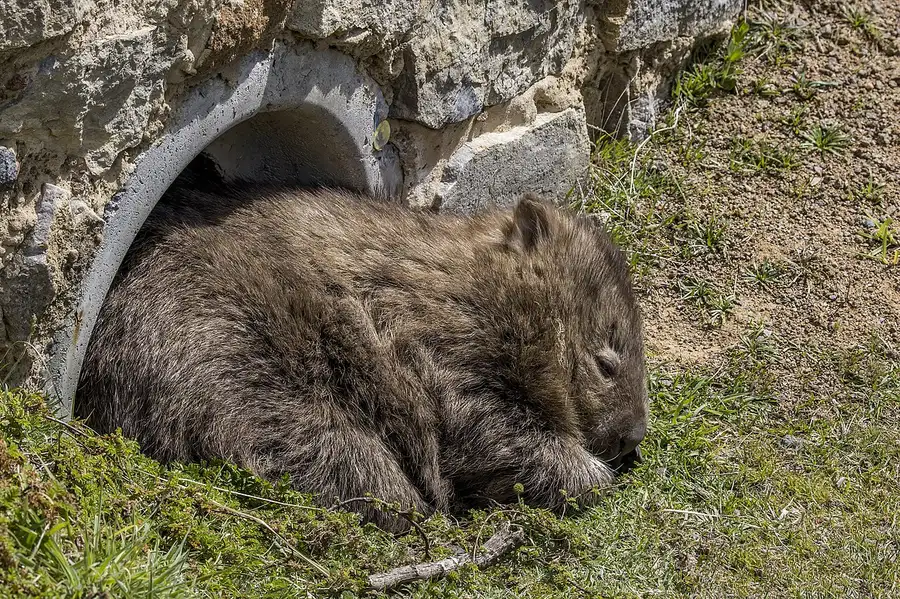
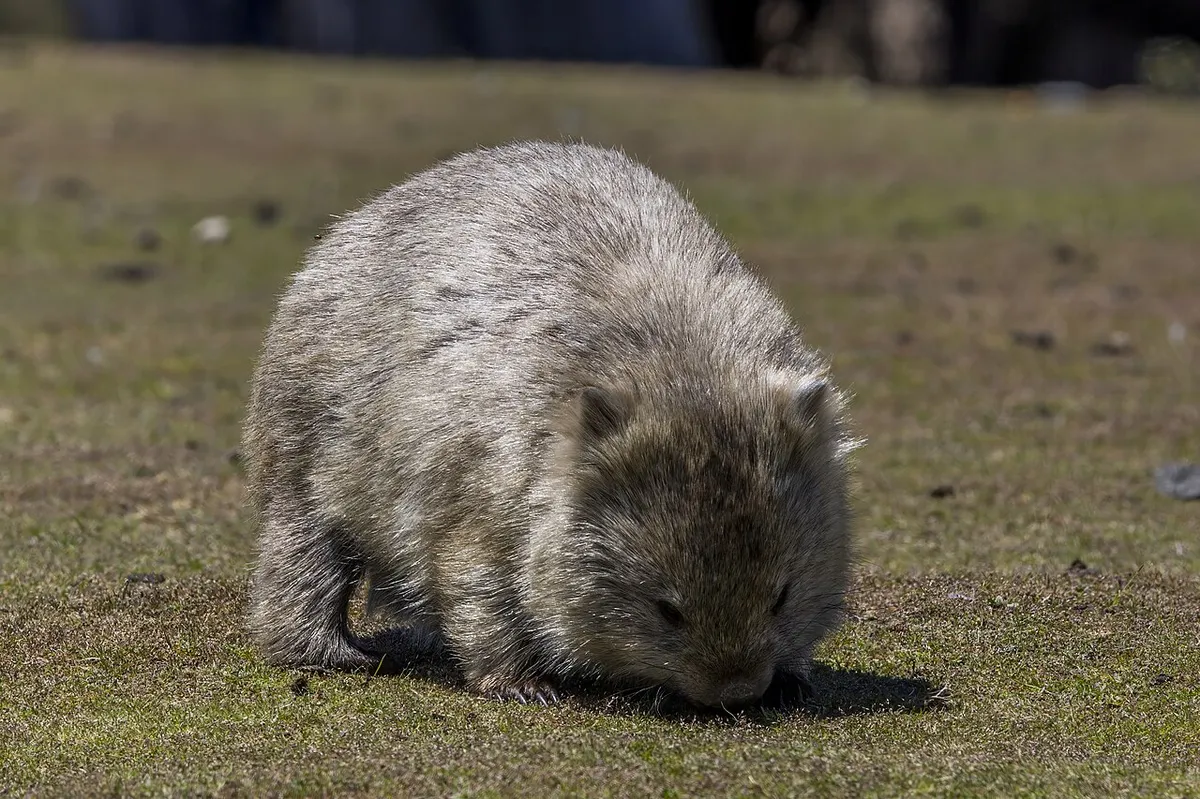
There are only three living wombat species. The common wombat is the one most people picture: a sturdy, bare-nosed animal with coarse grey-brown fur, found across the cooler southeast of Australia and in Tasmania. The two hairy-nosed wombats have soft fur, a hairy nose, and larger ears. The southern hairy-nosed wombat lives in dry South Australia, while the northern hairy-nosed wombat is one of the rarest mammals in Australia, confined to a single patch of forest in Queensland.
All three are built the same way: short legs, a barrel-shaped body, a large head, and powerful claws for digging. An adult weighs roughly as much as a medium dog.
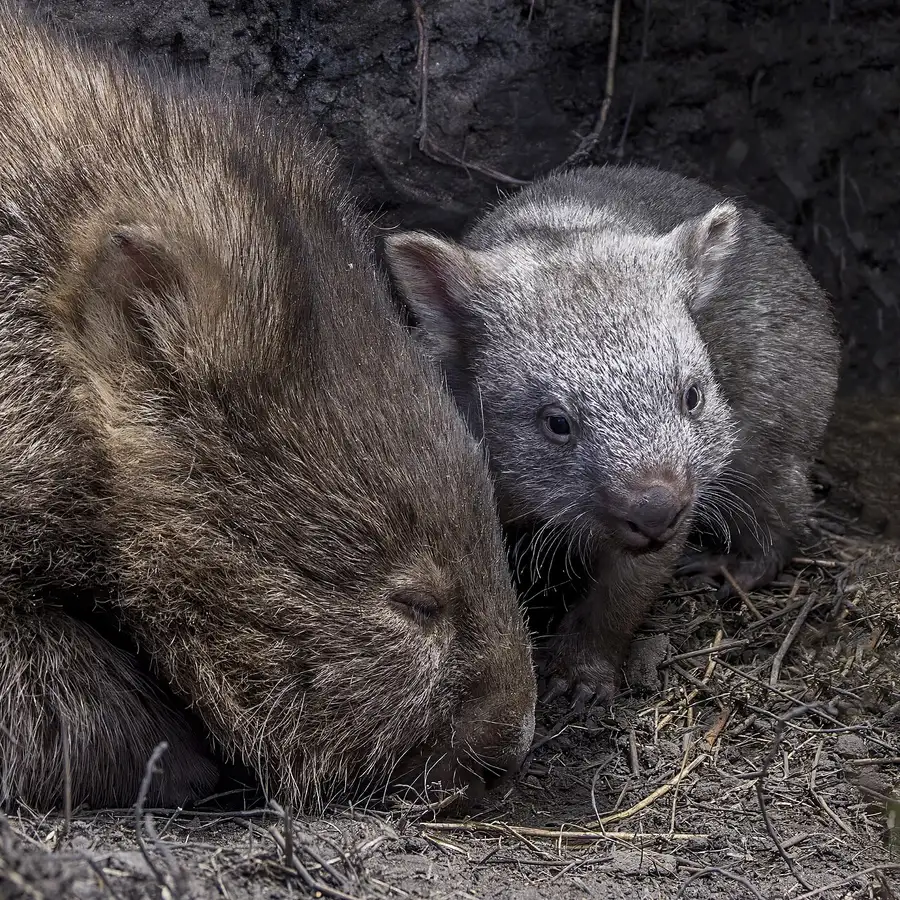
Common Wombat Lifespan
The common wombat lives about 15 years in the wild and 20 to 26 years in captivity. Wild common wombats face a hard first year: joeys leaving the pouch must learn to graze, find a burrow, and avoid foxes and dingoes, and many do not survive.
In zoos and wildlife parks, a steady diet, treatment for mange, and protection from cars and predators stretch the range to 26 years. The most famous example is Patrick, a common wombat at Ballarat Wildlife Park in Victoria, who lived to 31, the oldest reliably recorded age for any wombat.
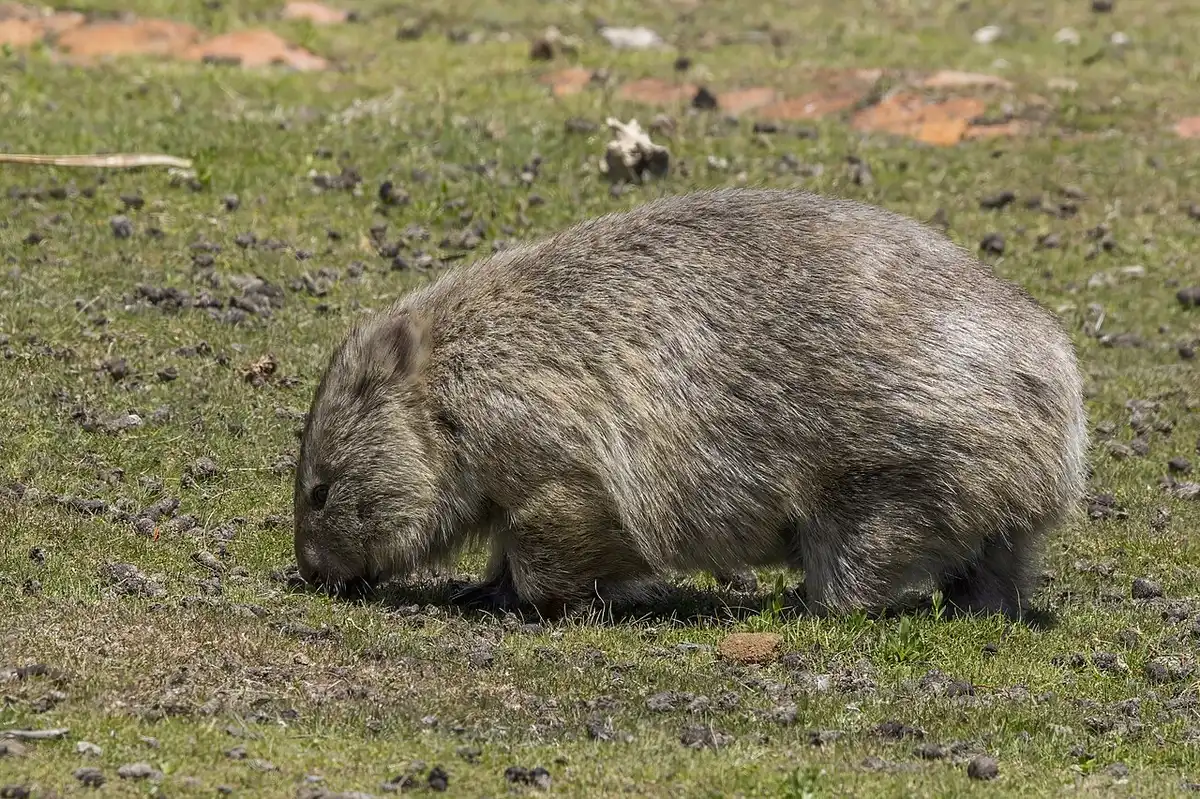
Southern Hairy-Nosed Wombat Lifespan
The southern hairy-nosed wombat lives 15 to 18 years in the wild and more than 20 years in captivity. It is a little smaller and softer furred than the common wombat, with a broad, hairy nose and long ears. It grazes on native grasses and herbs in semi-arid South Australia and shelters in deep, shared burrow systems called warrens during the heat of the day.
Drought is the great test for this species. In dry years, grass becomes scarce and poor in nutrients, young animals suffer first, and older animals with worn teeth struggle to eat tough, dry grass. That boom and bust cycle explains the wider wild range: 15 years in a hard run of seasons, 18 years when conditions are kind.
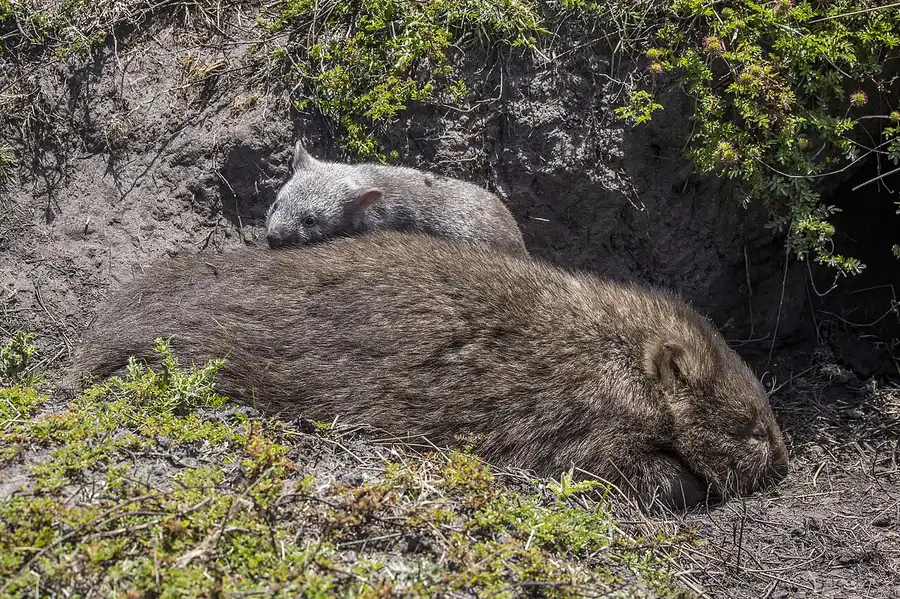
Northern Hairy-Nosed Wombat Lifespan
The northern hairy-nosed wombat lives about 15 years in the wild and more than 20 years in captivity. It is the largest species, weighing up to about 40 kg, and also the rarest. Almost the entire wild population lives in one place, Epping Forest National Park in central Queensland, with a small second population at Richard Underwood Nature Refuge. That single location makes the species fragile, because one bad drought, disease outbreak, or run of predators can affect nearly every animal at once.
Researchers know these wombats individually and track their ages, health, and breeding. Adults that survive their early years often reach 15, and animals in captive care or a protected refuge live past 20. Conservation work focuses on protecting burrows, controlling predators, managing grass, and treating mange quickly.

Wombat Life Stages: From Joey to Old Age
The female gives birth to a single tiny joey, about the size of a jelly bean, after a gestation of only about 20 to 22 days. The newborn crawls into its mother’s pouch, where it stays for about six months. A wombat’s pouch faces backwards, which keeps dirt out while the mother digs. At about six months, the joey starts to leave the pouch for short trips, and it is weaned at roughly 12 to 15 months.
Wombats reach breeding age at about two to three years old, and females usually raise one joey at a time, with a gap of two or three years between young. That slow breeding rate is normal for a long-lived marsupial.

Old age shows up first in a wombat’s teeth and weight. Wombats have ever-growing teeth that wear down as they chew tough grass, and in very old animals the teeth can wear too far, making it hard to eat enough. Older wombats move more slowly and rest longer. In captivity, keepers soften food and check teeth regularly, which is one reason captive wombats live so much longer.
What Shortens a Wombat’s Life
Sarcoptic mange is the most serious disease. Tiny mites burrow into the skin, causing intense itching, hair loss, cracked skin, and infections. A wombat with severe mange loses heat and weight, and can die within months if it is not treated. Mange spreads between wombats that share burrows, and it is a major cause of death in common wombats.
Predators threaten young wombats most. Dingoes and foxes take joeys and juveniles, and eagles can take small young wombats in open country. Adults are strong and can block a burrow entrance with their tough, thick-skinned rear end, but a young wombat away from its burrow is vulnerable. Road strikes also kill many wombats each year, because they cross roads at night and their slow, low shape is hard for drivers to see in time.

Drought and food scarcity are just as deadly over a longer period. Finally, dental wear sets a natural limit: a wombat whose teeth have worn down cannot grind grass properly, and it slowly starves even when food is available.
What Helps Wombats Live Longer
A secure burrow comes first. A deep, dry burrow protects a wombat from heat, cold, and predators, and wombats that hold a good burrow system live longer than animals forced to move often. Reliable grazing comes next: wombats do best where native grasses grow through most of the year.
Freedom from mange makes a large difference. Wildlife carers and researchers treat mange with medicine left at burrow entrances, and treated wombats recover fur and weight within months. Control of foxes and dingoes around wombat colonies protects joeys in their most vulnerable years. In captivity, the same principles apply: regular food, clean water, a place to dig and rest, veterinary checks, and dental care.
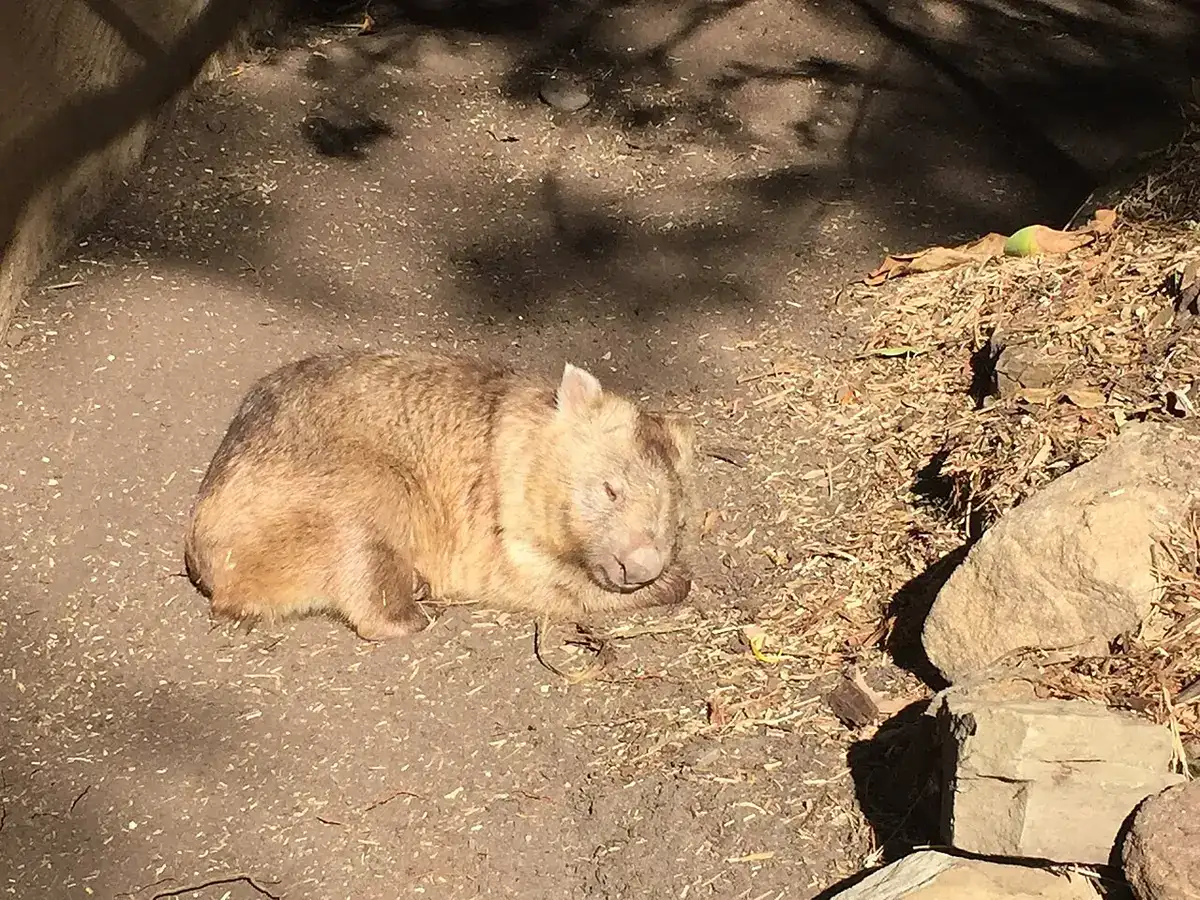
For the northern hairy-nosed wombat, conservation is itself a life extender. Protecting its only forest home, keeping the population growing, and treating disease early give each animal a better chance of reaching 15 years in the wild and beyond 20 in care.
Wombats vs Other Marsupials: Lifespan Compared
Wombats are among the longest lived small to medium marsupials. A koala, a close relative, lives about 13 to 18 years in the wild. A quokka lives about 10 years in the wild and up to 15 in captivity, shorter than a wombat despite a similar diet. The capybara lifespan chart shows a larger animal that lives only 8 to 10 years in the wild, well short of a wombat.
The red kangaroo lives about 18 to 22 years in the wild, a little longer than a wombat, while the Tasmanian devil lives only about 5 to 6 years. Wombats sit near the top of the marsupial lifespan range for their size. See also the quokka lifespan chart and animals with the longest lifespan for wider comparisons.

Frequently Asked Questions
How long do wombats live in the wild?
Most wombats live about 15 years in the wild: common wombats about 15 years, southern hairy-nosed wombats 15 to 18 years, and northern hairy-nosed wombats about 15 years.

How long do wombats live in captivity?
Common wombats live 20 to 26 years in zoos and wildlife parks, and both hairy-nosed species live more than 20 years. Regular food, veterinary care, mange treatment, and protection from predators and cars explain the extra years.
What is the oldest wombat ever recorded?
Patrick, a common wombat at Ballarat Wildlife Park in Victoria, lived to 31, the oldest reliably recorded age for any wombat. His long life shows what lifelong care, food, and shelter can do.
How long does a baby wombat stay in the pouch?
A joey stays in its mother’s pouch for about six months. The pouch faces backwards to keep dirt out while the mother digs. The joey is weaned at roughly 12 to 15 months and stays near its mother while it learns to graze and use a burrow.

Do wombats live longer than koalas?
Wombats and koalas live for a similar time, with wombats holding a small edge in captivity. Koalas live about 13 to 18 years in the wild, while wombats live about 15 years in the wild and up to 26 years in captivity for common wombats.
Conclusion
A wombat that survives its risky first years can expect about 15 years in the wild, 20 years or more in captivity, and in Patrick’s case, 31 years. Mange, predators, roads, drought, and worn teeth shorten wombat lives, while good burrows, reliable grass, disease treatment, and protection add years. Remember one figure: 15 in the wild and 20 plus in care, with 31 as the record.