If you are dealing with constipation, high fiber foods for constipation are the simplest and most reliable place to start. Fiber adds bulk to your stool and softens it, helping it move through your gut, and most Americans eat only about half the fiber they need each day. Relief does not require a supplement. Ordinary foods like beans, lentils, oats, pears, and prunes can make a real difference within days, if you add them gradually and drink enough water.
How Fiber Relieves Constipation
Constipation usually means hard, dry stools that are difficult to pass, or fewer than three bowel movements a week. Fiber helps in two ways. First, it adds bulk, which stretches the colon wall and triggers the muscle contractions that move stool along. Second, some fiber holds water in the stool, keeping it soft and easier to pass. That is why fiber works best with water: without enough fluid, fiber can make constipation worse. Fiber also feeds helpful gut bacteria, which support regular movement. For more on food groups, see our food groups chart.
Soluble Fiber vs Insoluble Fiber
Constipation responds best to a mix of both kinds. Soluble fiber dissolves in water and forms a soft gel. It feeds gut bacteria and helps soften stool. Oats, beans, lentils, apples, pears, chia, and flaxseed are rich in it. Insoluble fiber does not dissolve. It passes through mostly intact, adds bulk, and speeds up transit time. Whole-wheat bread, brown rice, broccoli, spinach, and fruit skins are good sources. Think of insoluble fiber as the broom and soluble fiber as the sponge. Keep the skins on. A pear with its skin gives you about 5.5 grams of fiber, and an apple about 4.4 grams. Our food digestion time chart shows how long these foods take to digest.
30 High Fiber Foods for Constipation
The chart below ranks 30 everyday foods by grams of fiber in a normal serving, using USDA FoodData Central values.
| Rank | Food | Serving | Fiber (g) | Fiber type |
|---|---|---|---|---|
| 1 | Split peas, cooked | 1 cup | 16.3 | Both |
| 2 | Lentils, cooked | 1 cup | 15.6 | Both |
| 3 | Black beans, cooked | 1 cup | 15.0 | Both |
| 4 | Lima beans, cooked | 1 cup | 13.2 | Both |
| 5 | Chickpeas, cooked | 1 cup | 12.5 | Both |
| 6 | Kidney beans, cooked | 1 cup | 11.3 | Both |
| 7 | Artichoke, cooked | 1 medium | 10.3 | Both |
| 8 | Chia seeds | 1 oz | 9.8 | Soluble |
| 9 | Green peas, cooked | 1 cup | 8.8 | Both |
| 10 | Edamame, cooked | 1 cup | 8.1 | Both |
| 11 | Raspberries | 1 cup | 8.0 | Both |
| 12 | Flaxseed, ground | 1 oz | 7.7 | Both |
| 13 | Blackberries | 1 cup | 7.6 | Both |
| 14 | Sweet potato, cooked | 1 cup | 6.3 | Both |
| 15 | Whole-wheat spaghetti, cooked | 1 cup | 6.3 | Insoluble |
| 16 | Pear, with skin | 1 medium | 5.5 | Both |
| 17 | Bran flakes | 3/4 cup | 5.5 | Insoluble |
| 18 | Quinoa, cooked | 1 cup | 5.2 | Both |
| 19 | Broccoli, cooked | 1 cup | 5.1 | Both |
| 20 | Avocado | 1/2 medium | 5.0 | Both |
| 21 | Apple, with skin | 1 medium | 4.4 | Both |
| 22 | Brussels sprouts, cooked | 1 cup | 4.1 | Both |
| 23 | Oatmeal, cooked | 1 cup | 4.0 | Soluble |
| 24 | Whole-wheat bread | 2 slices | 3.8 | Insoluble |
| 25 | Almonds | 1 oz | 3.5 | Both |
| 26 | Brown rice, cooked | 1 cup | 3.5 | Insoluble |
| 27 | Popcorn, air-popped | 3 cups | 3.5 | Insoluble |
| 28 | Banana | 1 medium | 3.1 | Soluble |
| 29 | Prunes | 5 prunes | 3.0 | Both |
| 30 | Kiwi | 1 medium | 2.1 | Both |
Values are rounded from USDA FoodData Central and the Mayo Clinic chart.
Beans and Lentils
Beans and lentils top the chart for a reason. A cup of cooked lentils gives you 15.6 grams of fiber, and a cup of black beans gives you 15 grams, more than half the daily target for most women in one serving. They are cheap and filling. If beans give you gas, rinse canned beans well, start with a half cup, and let your gut adjust over a week or two. Beans are moderately high in purines, so check our purine food chart if gout is a concern. Lentils cook in 20 minutes with no soaking, and lentil soup with whole-wheat bread is a 19-gram fiber meal.

Oats, Chia, and Flaxseed
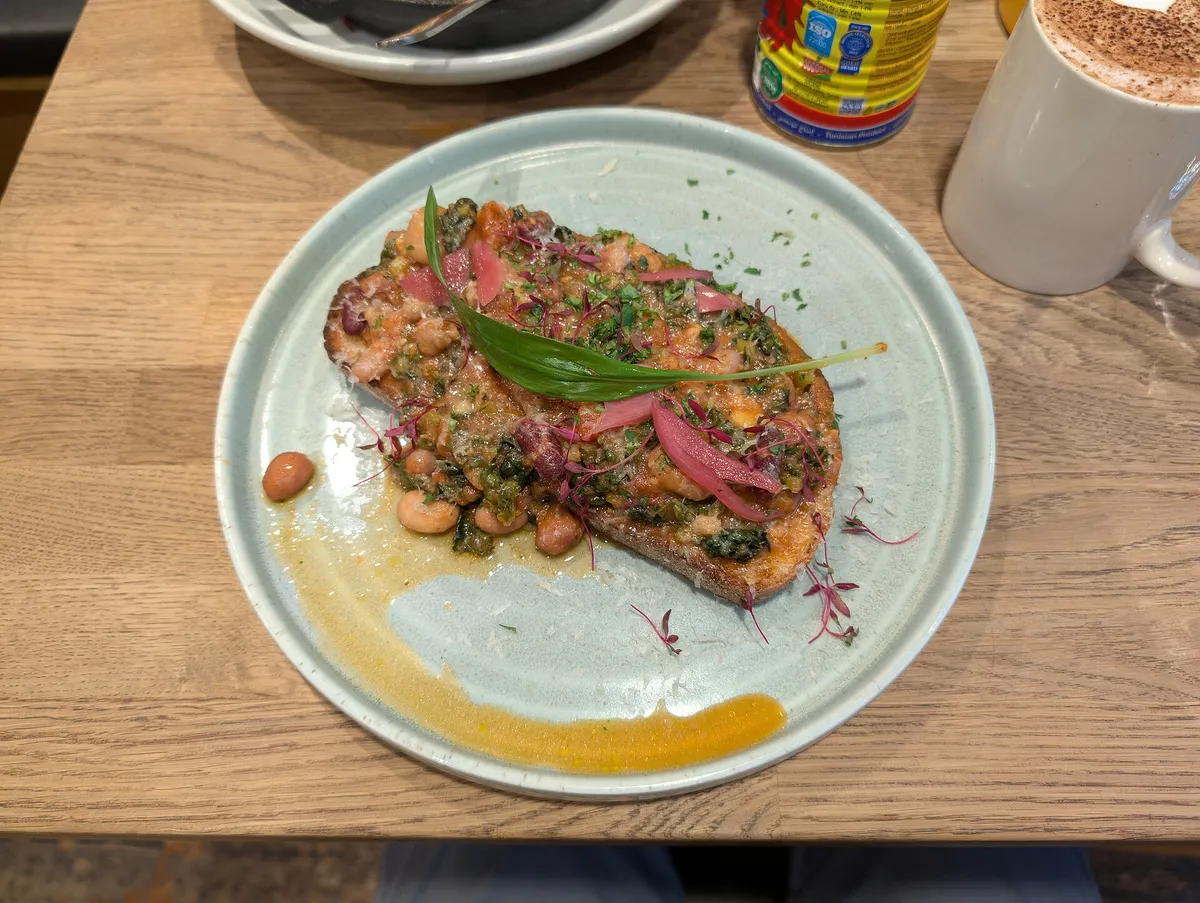
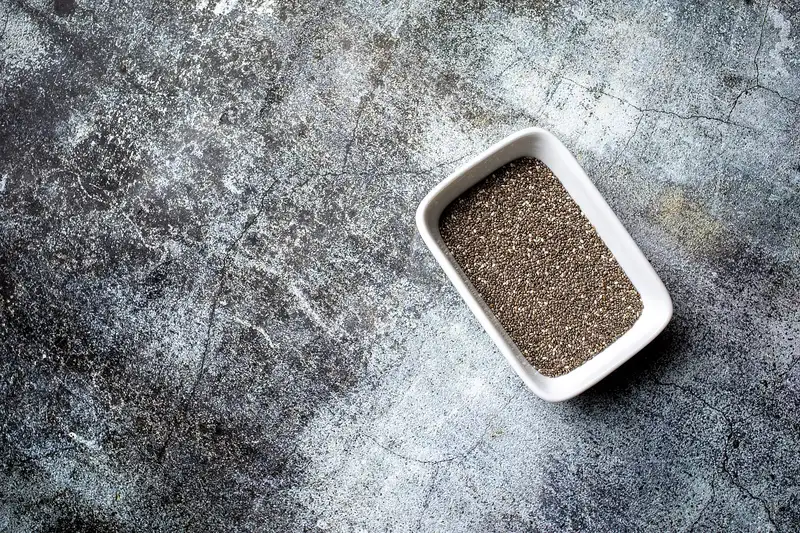
Not every high-fiber food needs a big plate. Oatmeal gives you 4 grams of fiber per cup, and its soluble fiber, beta-glucan, forms the gel that softens stool. Add chia seeds and raspberries and breakfast alone passes 10 grams. Chia seeds are the most concentrated food here by weight: one ounce carries 9.8 grams of fiber. Soak chia for 20 minutes before eating, and never eat dry seeds, since they can swell in the throat. Ground flaxseed gives you 7.7 grams per ounce, but buy it ground, since whole flaxseed often passes through undigested.
Prunes, Pears, and Apples
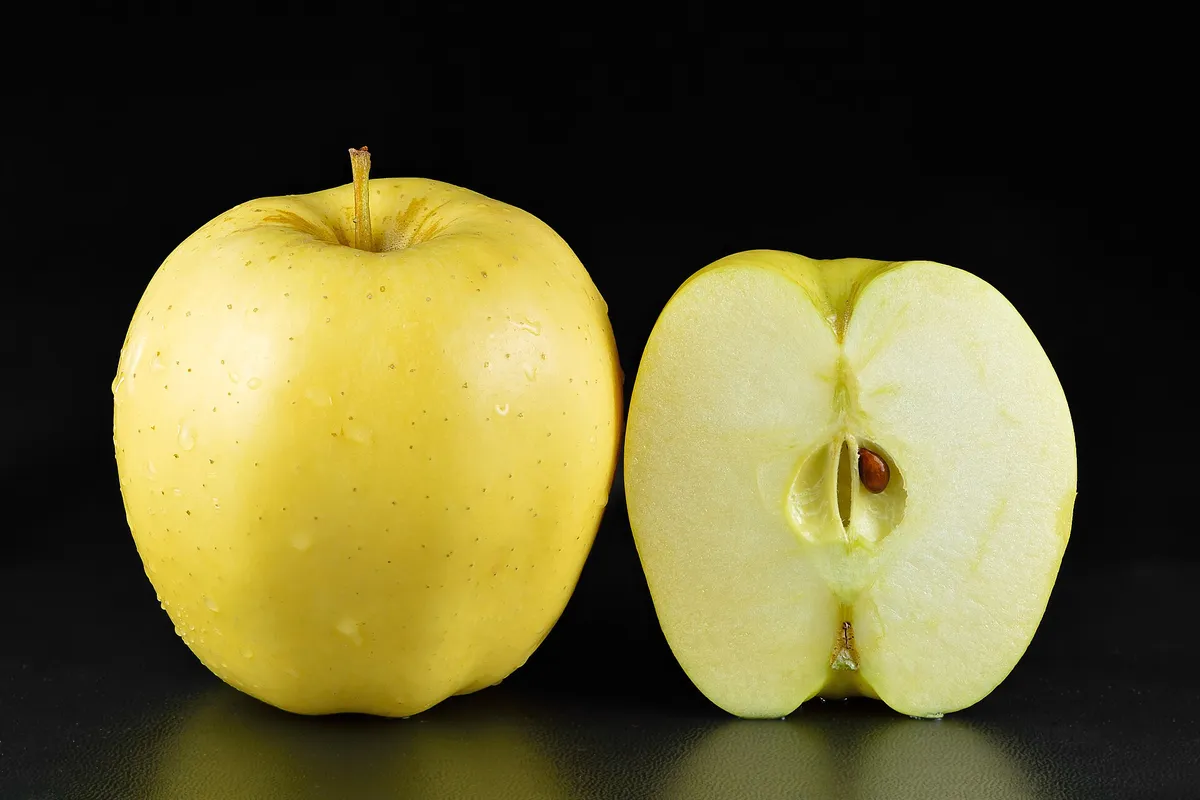
Prunes have the longest track record for constipation, and the research backs it up. In trials, about 100 grams of prunes a day improved stool frequency better than psyllium in some studies. Prunes work through fiber plus sorbitol, a natural compound that draws water into the colon. Five prunes give you 3 grams of fiber. Pears work the same way: a medium pear with its skin gives you 5.5 grams of fiber plus sorbitol and water. Apples give you 4.4 grams per medium fruit with the skin on, and an apple with almonds makes a snack worth about 8 grams.


Vegetables, Berries, and Whole Grains
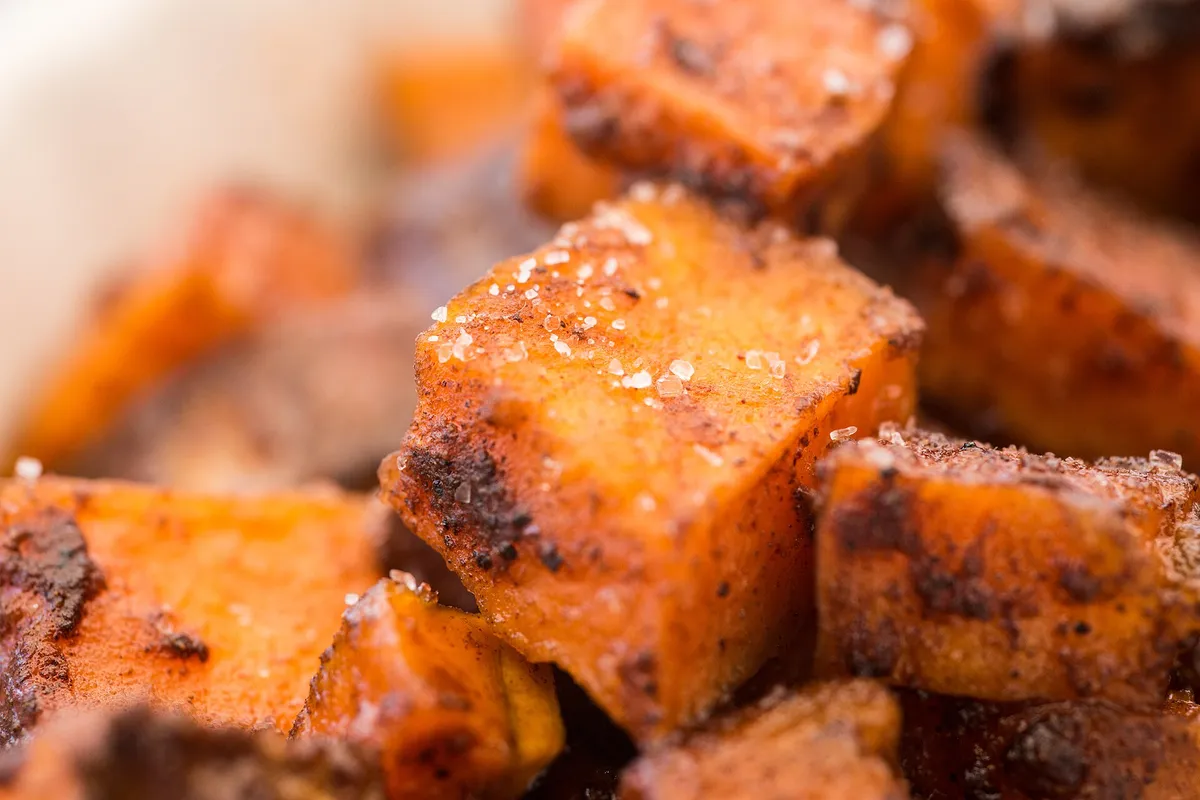
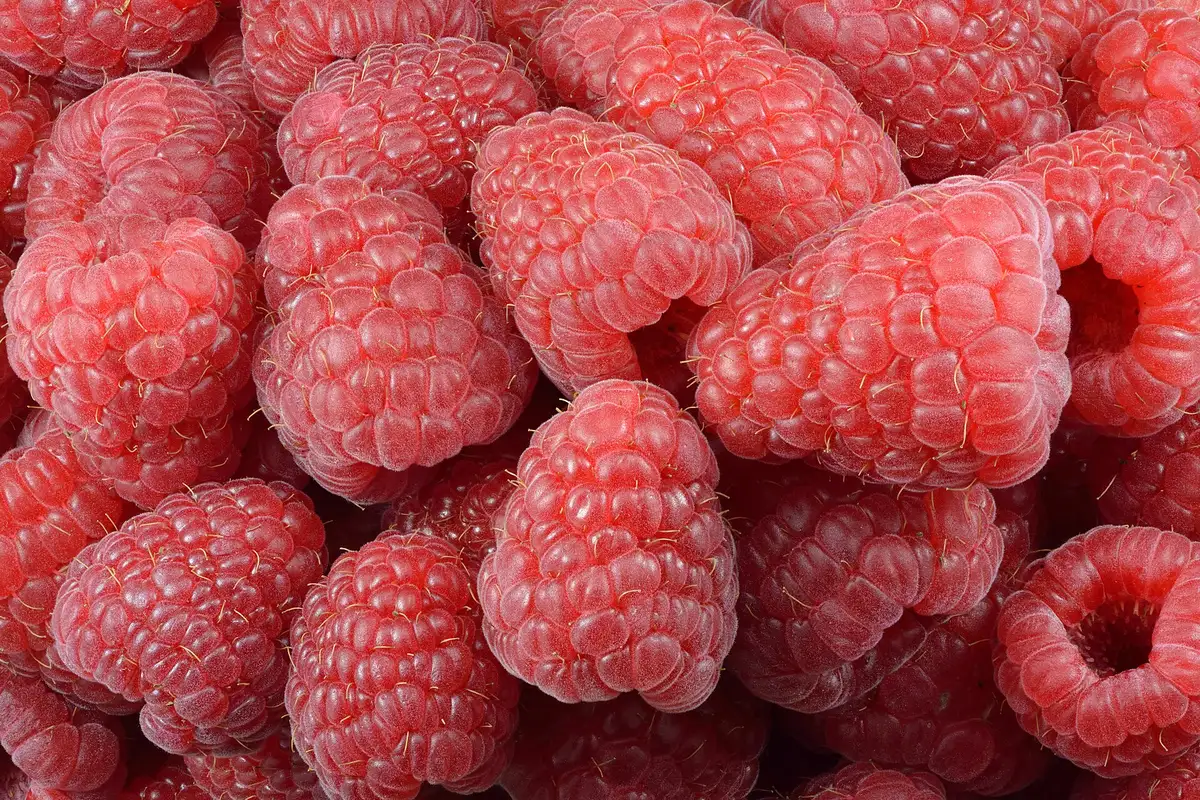
Vegetables earn their place through bulk and water. A cup of cooked broccoli gives you 5.1 grams of fiber, and a baked sweet potato with its skin is one of the most satisfying high-fiber sides. Leafy greens like spinach add fiber with very few calories and wilt into soups and pasta. A cup of raspberries gives you 8 grams of fiber, more than most breakfast cereals. Whole grains turn every meal into a fiber opportunity: swap white bread for whole-wheat and white rice for brown rice. Two slices of whole-wheat bread give you 3.8 grams, and a cup of whole-wheat spaghetti gives you 6.3 grams.



How Much Fiber Do You Need?
The Dietary Guidelines for Americans set the daily fiber target at 25 grams for women and 38 grams for men under 50, and 21 grams for women and 30 grams for men over 50. More than 90 percent of women and 97 percent of men in the US fall short. Oatmeal and raspberries for breakfast, lentil soup for lunch, and beans with brown rice for dinner can pass 35 grams without supplements. You do not need to hit the target on day one; most days of the week is enough.
Add Fiber Gradually
The most common mistake is adding too much fiber too fast. A sudden jump from 10 grams to 35 grams a day almost guarantees gas and bloating, and many people quit before the benefit arrives. Add about 5 grams a day each week instead, one change at a time. Spread fiber across the day and chew well, since rushed eating swallows air. The discomfort usually fades within two to three weeks as your gut bacteria adjust.
Water Matters as Much as Fiber
Fiber can only soften stool if there is water for it to absorb. Aim for about 8 glasses a day, around 2 liters, and more when you eat extra fiber or exercise. Soups, herbal tea, and water-rich fruit all count. If your stools get harder as fiber rises, you are probably short on water, not fiber. Add a glass of water with each high-fiber meal and give it a day or two.
One-Day High-Fiber Meal Plan
This sample day adds up to about 46 grams of fiber.
| Meal | What to eat | Fiber (approx.) |
|---|---|---|
| Breakfast | Oatmeal with raspberries and chia seeds | 13 g |
| Snack | 1 medium pear with skin | 6 g |
| Lunch | Lentil soup with whole-wheat bread | 10 g |
| Snack | 5 prunes | 3 g |
| Dinner | Black beans, brown rice, broccoli | 14 g |
That total is above the daily target for most people, so treat this as a menu of options. Pick two or three of these meals and you will be close to your target. For more ideas, see our energy giving food chart.
When to See a Doctor
Food fixes most constipation, but some symptoms need a doctor. See a doctor if constipation lasts more than three weeks despite fiber and water, or if you notice blood in your stool, black stools, severe pain, vomiting, or unexplained weight loss. Sudden constipation after age 50, or constipation that alternates with diarrhea, also deserves a checkup. Some medicines cause constipation too, including painkillers, iron supplements, and antidepressants. If yours started after a new prescription, ask your doctor whether the medicine is the cause. This article is general information, not medical advice.
Frequently Asked Questions
How fast do high fiber foods work for constipation?
Most people notice softer stools within two to three days, and regular habits settle in within one to two weeks. Prunes and kiwis act fastest, often within a day. If nothing changes after two weeks, check your water intake, then talk to a doctor.
Can too much fiber make constipation worse?
Yes, if you add a lot of fiber without enough water, stools can get harder to pass. The fix is more water and a slower increase, about 5 extra grams a day per week.
Are prunes or psyllium better for constipation?
Both work. Trials found prunes at least as effective as psyllium for stool frequency. Psyllium is easier to dose precisely, while prunes are a whole food. Many people use prunes daily and keep psyllium for travel.
Should I eat fiber if I have IBS?
Soluble fiber from oats, chia, and peeled fruit is usually well tolerated in IBS, while large amounts of insoluble fiber can worsen bloating. Start small and discuss the plan with your doctor.
Does fiber help with constipation during pregnancy?
Yes, fiber from food is the first-line recommendation in pregnancy, along with water and walking. Prunes, pears, oats, and beans are safe for most pregnant women, but check with your doctor before taking any supplement or laxative.
Conclusion
High fiber foods for constipation work from two sides: soluble fiber softens stool, while insoluble fiber adds the bulk that keeps things moving. Beans, lentils, and split peas lead with 13 to 16 grams per cup, and pears, apples, oats, raspberries, and prunes fill in the rest. Add fiber gradually, drink water with every high-fiber meal, and give your gut two weeks to adjust. Build meals from the 30 foods above and you can reach your target with ordinary food, no supplements required.