
Supermarkets stock every fruit all year long, so it is easy to forget that fruit actually has a season. But anyone who has bitten into a mealy January strawberry or a bland October watermelon knows the difference. This fruit season chart is your month-by-month guide to what is at its peak in the United States, so you can buy fruit when it tastes best, costs less, and delivers the most nutrition.
Bookmark this page and check it before your next grocery run. Your taste buds and your wallet will both notice the difference.
Why Buying Fruit in Season Is Worth It
Seasonal fruit is picked when it is ripe instead of being harvested green and ripened with gas during shipping. That single difference shows up in three ways you can feel.
First, flavor. A peach picked ripe in July is juicy and fragrant. The same peach in February traveled thousands of miles and was picked hard, so it tastes like sweetened cardboard. Second, price. When local harvests flood the market, prices drop. Strawberries can cost half as much in May as they do in December. Third, nutrition. Produce loses nutrients the longer it sits in storage and transit, so fruit eaten close to harvest simply gives you more of the good stuff.
There is also a quieter benefit: eating with the seasons reconnects you with variety. Instead of the same five fruits every week, each month brings something to look forward to. If you enjoy reference guides like this one, browse our other Food Chart guides for more kitchen-ready charts.
Fruit Season Chart by Month
Here is the complete chart. Find the current month, then stock your cart with the fruits listed. These peak windows reflect typical US growing seasons; exact timing shifts a week or two depending on your region and the weather that year.
| Month | Fruits at Their Peak |
|---|---|
| January | Oranges, grapefruits, tangerines, clementines, lemons, kiwifruit, persimmons |
| February | Oranges, grapefruits, tangerines, clementines, lemons, kiwifruit |
| March | Oranges, grapefruits, pineapples, strawberries, mangoes |
| April | Strawberries, pineapples, mangoes, apricots, cherries (late April) |
| May | Strawberries, cherries, apricots, pineapples, mangoes |
| June | Strawberries, cherries, blueberries, peaches, apricots, plums, watermelon, blackberries |
| July | Blueberries, peaches, blackberries, raspberries, nectarines, watermelon, cantaloupe, plums, cherries |
| August | Peaches, nectarines, plums, blackberries, raspberries, grapes, watermelon, cantaloupe, honeydew, apples, pears |
| September | Apples, pears, grapes, plums, figs, raspberries, pomegranates, cranberries |
| October | Apples, pears, grapes, cranberries, pomegranates, persimmons, figs, quince |
| November | Oranges, tangerines, grapefruits, cranberries, pears, apples, pomegranates, persimmons, kiwifruit |
| December | Oranges, tangerines, grapefruits, lemons, clementines, kiwifruit, cranberries, persimmons, pomegranates |
Spring Fruits: March to May
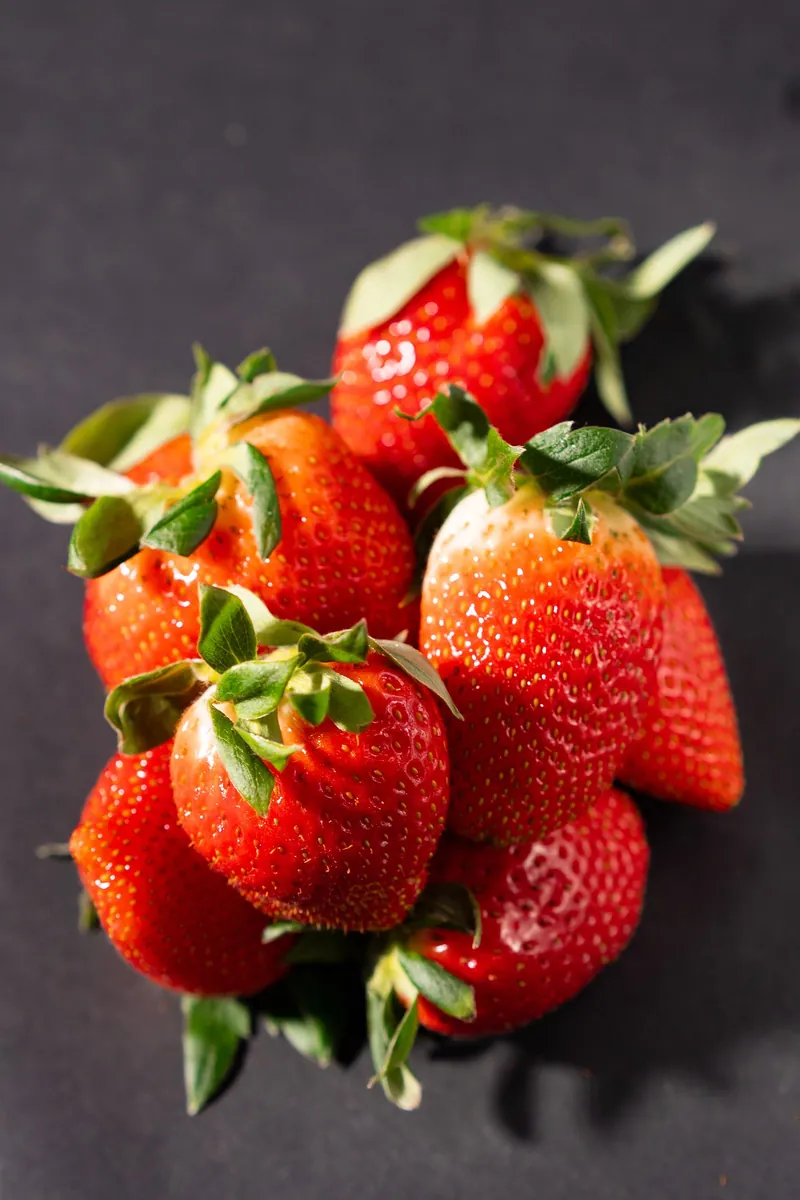
Spring is when the fruit year wakes up. Strawberries lead the charge, arriving sweet and fragrant from April in most of the country (Florida and California get them even earlier). Their season is short and glorious, which is why they taste like a completely different fruit than the winter imports.
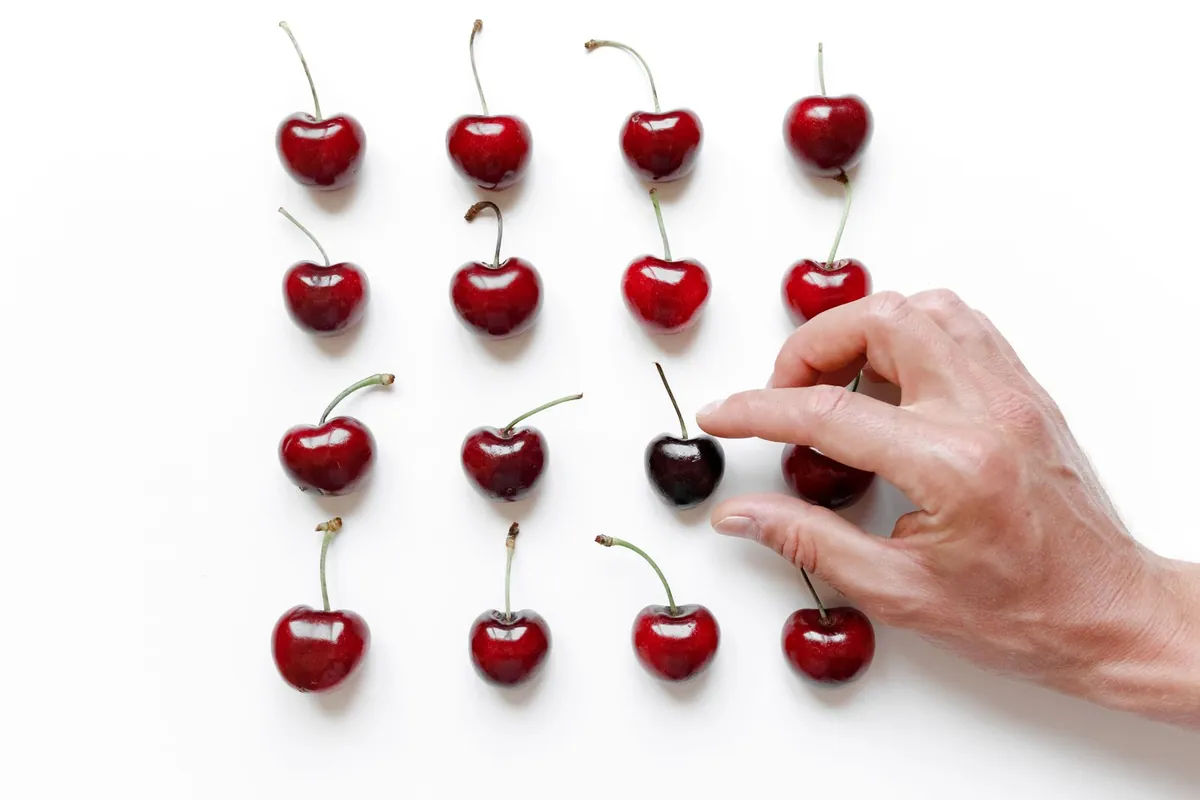
Cherries and apricots follow in May. Cherries have one of the briefest seasons of any fruit, roughly six to eight weeks, so when you see dark, glossy sweet cherries at a fair price, buy them. Apricots are delicate and bruise easily, which is why the best ones rarely travel far. If you live near an orchard region, spring apricots from a farmers market will ruin the supermarket kind for you in the best way.
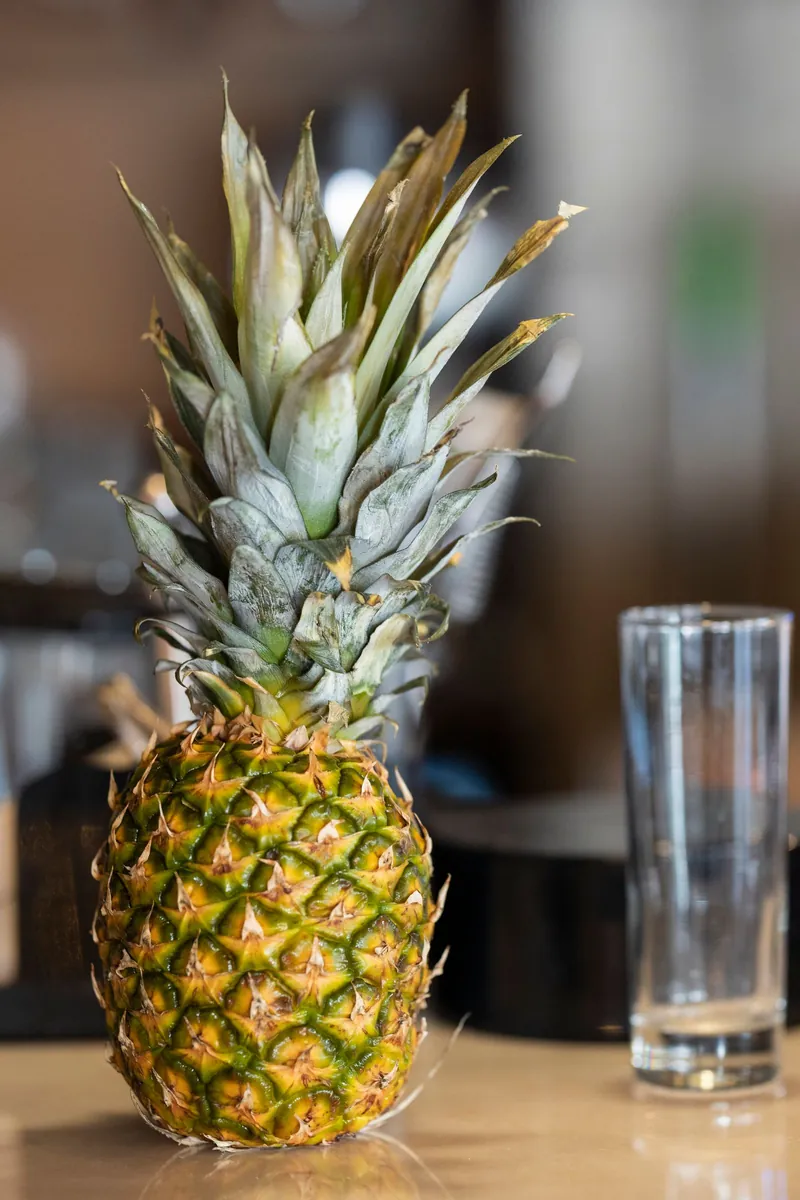
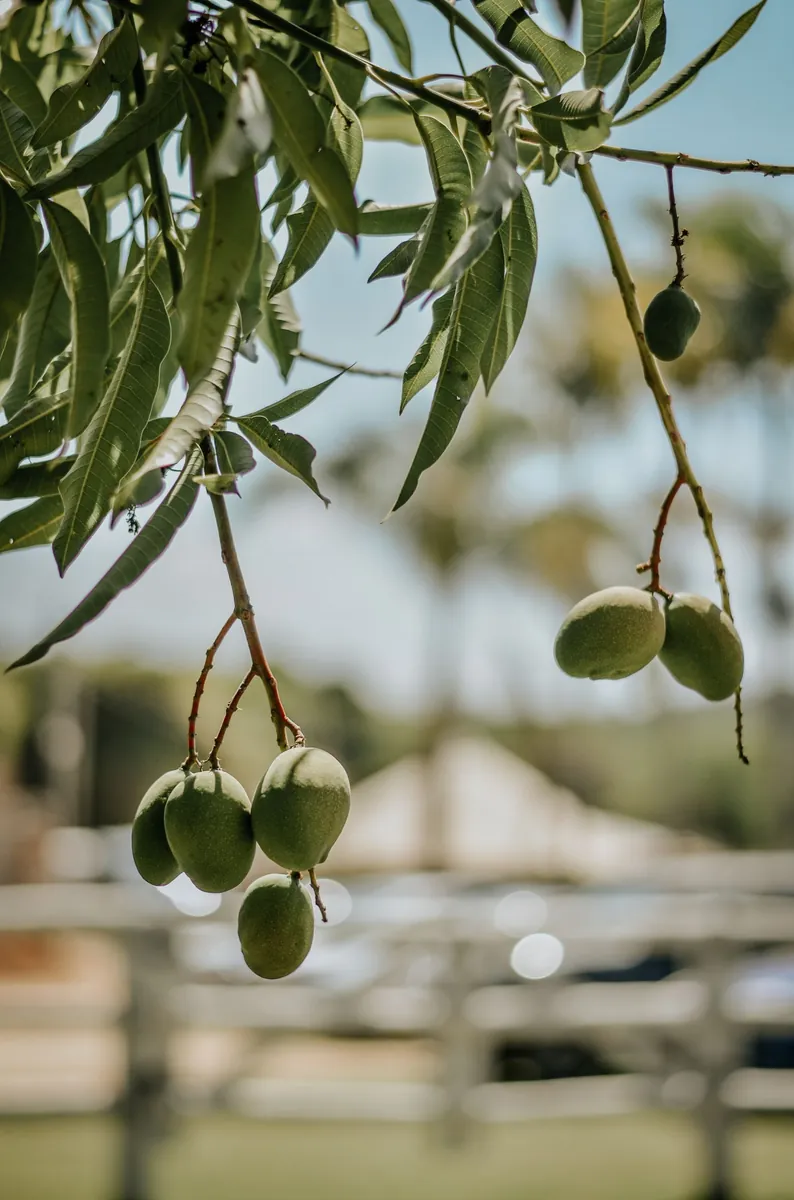
Tropical fruits bridge the gap: pineapples hit their stride in March and April, and mangoes start arriving in good volume. Both are excellent spring buys when berries are still ramping up.
Summer Fruits: June to August
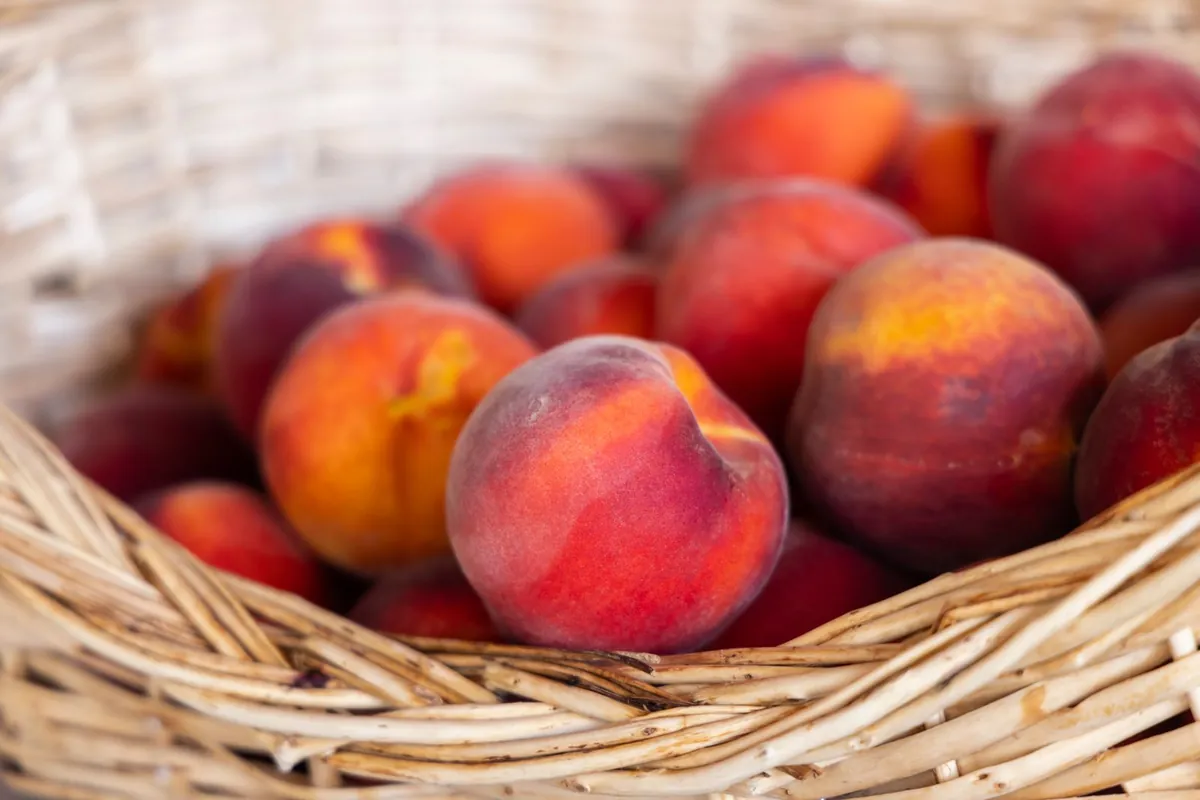
Summer is the undisputed champion of fruit season. June opens with the overlap everyone waits for: late strawberries, early blueberries, and the first sweet cherries. By July, the stone fruits take over. Peaches, nectarines, and plums are at their absolute best, heavy with juice and perfume. A July peach eaten over the sink is a small life upgrade.
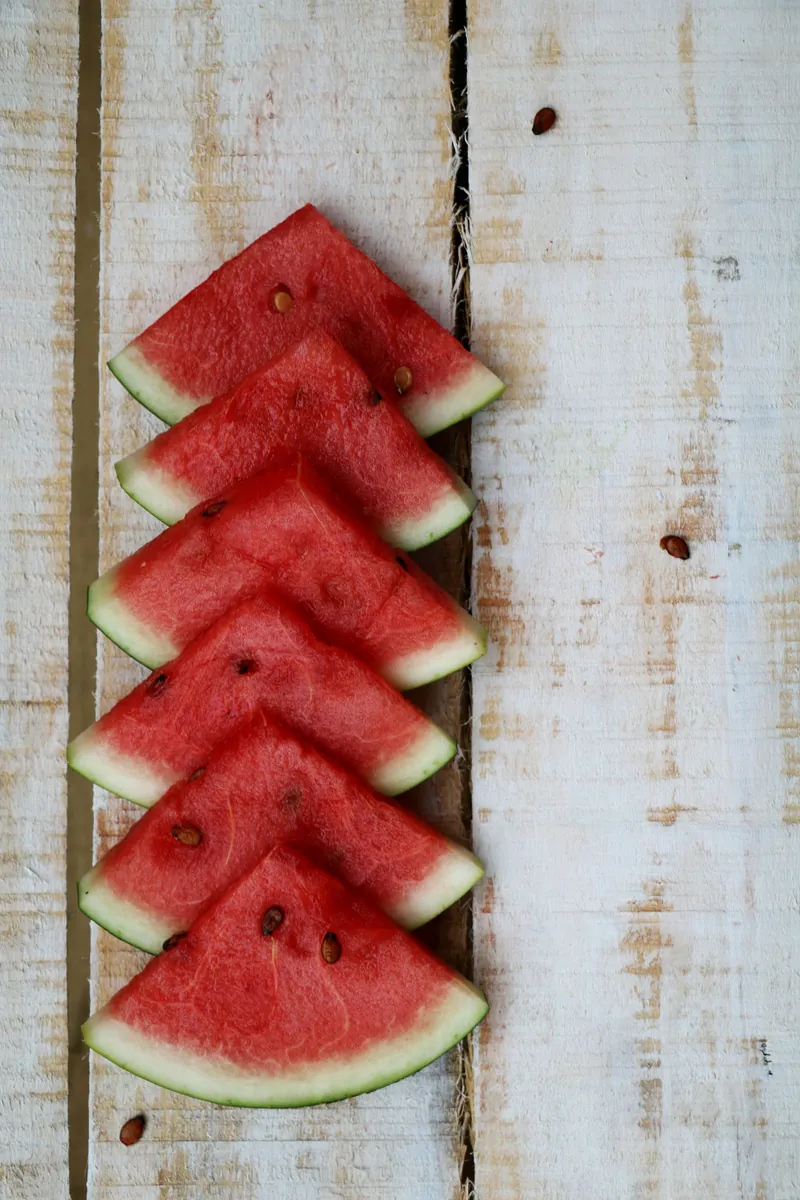
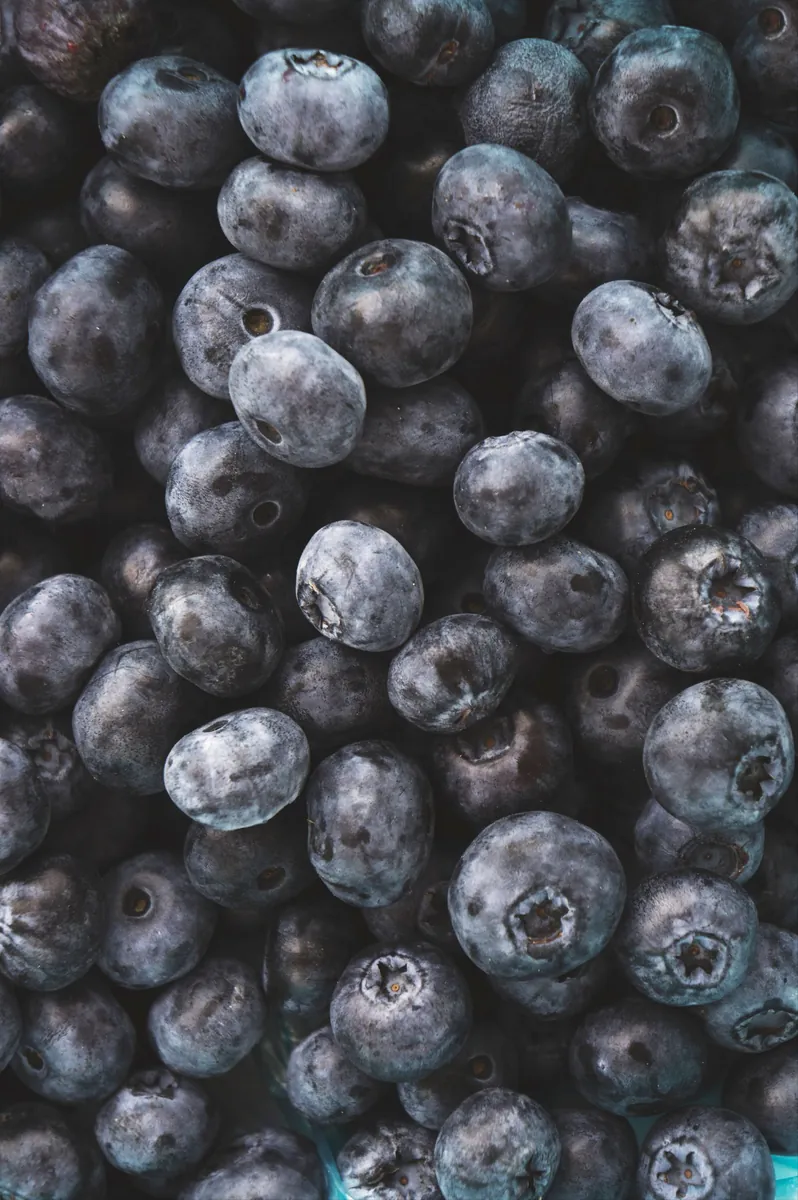
Berries hit their stride too. Blueberries, blackberries, and raspberries are abundant and cheap in July and August, which makes summer the ideal time to buy extra and freeze them for smoothies all winter. Watermelon, cantaloupe, and honeydew round out the season with maximum refreshment for minimum money. August melons from a good grower are almost a different species from the pale ones sold in spring.
Grapes begin in late August, and early apples and pears start trickling in, previewing the fall harvest to come.
Fall Fruits: September to November
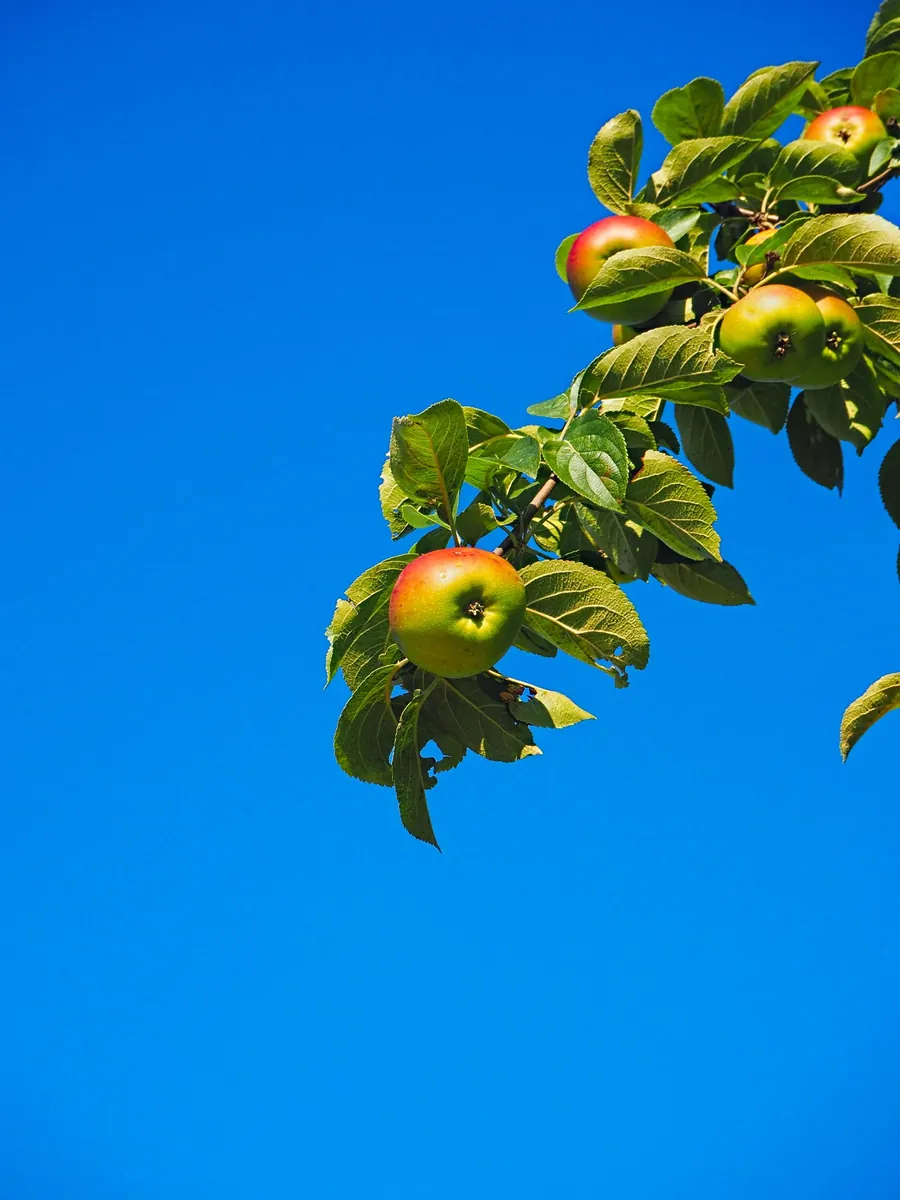
Fall belongs to the orchard. Apples are the headliners, with dozens of varieties ripening in sequence from August through October. Honeycrisp and Gala arrive early; Granny Smith, Fuji, and Pink Lady come later. If you have ever thought all apples taste the same, an October farmers market will change your mind fast.
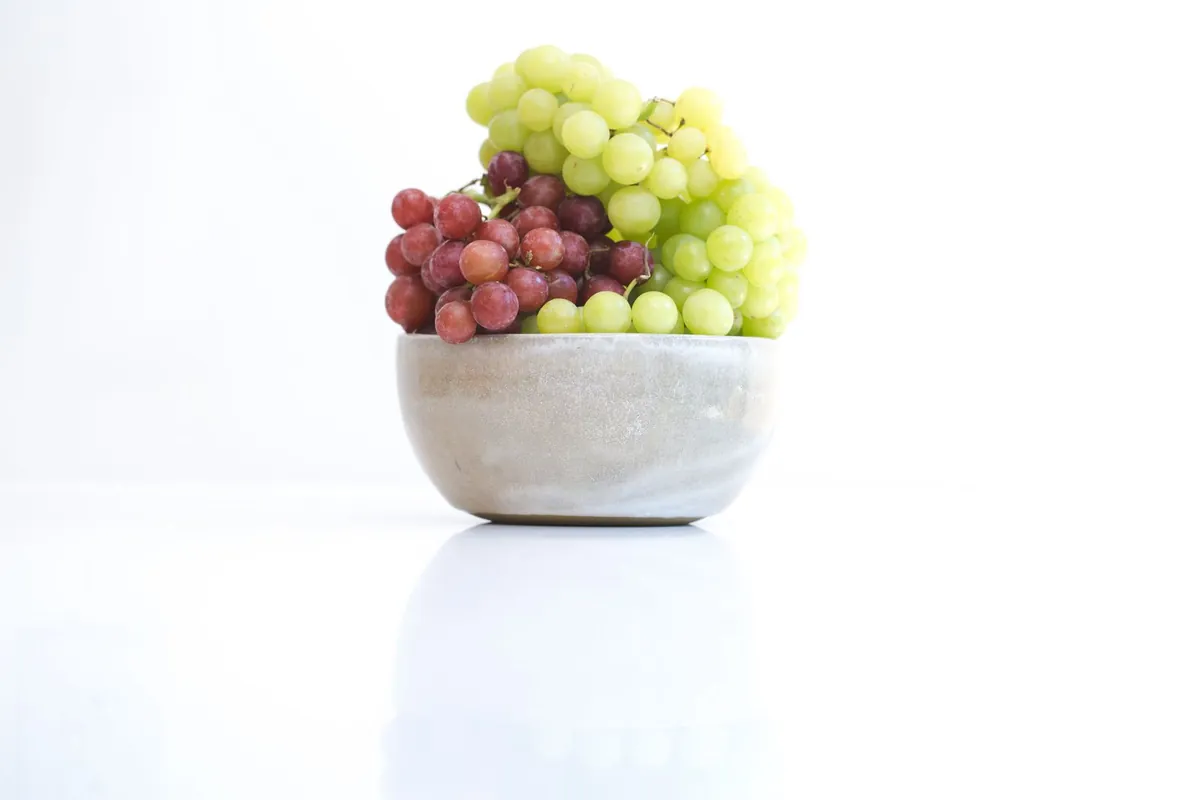
Pears ripen alongside apples but with a catch: most pears are picked mature and ripen off the tree, so buy them firm and let them soften on your counter. Grapes are at their sweetest in September and October, and this is also the short season for fresh figs, which are fragile, honeyed, and worth every penny.
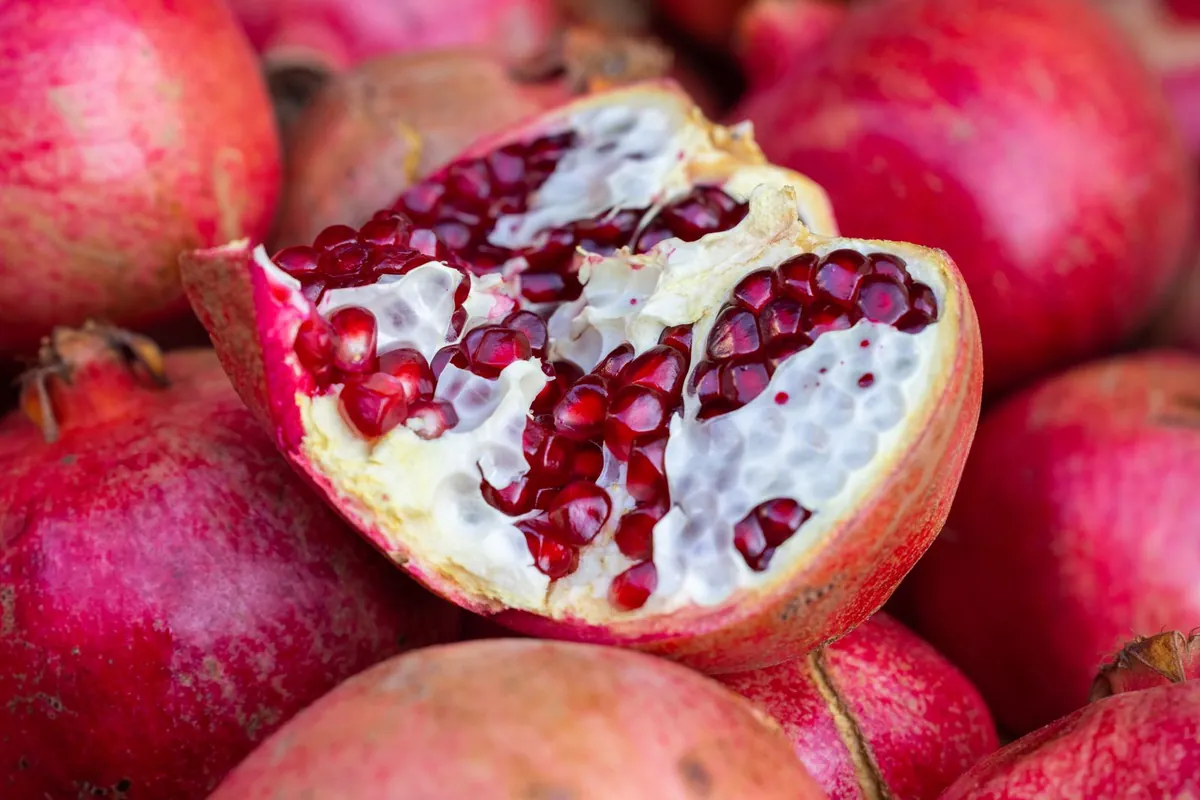
Cranberries arrive in October, just in time for the holidays, and pomegranates and persimmons bring jewel tones to November tables. Keep an eye on our Food Chart collection as we add more seasonal produce guides through the year.
Winter Fruits: December to February
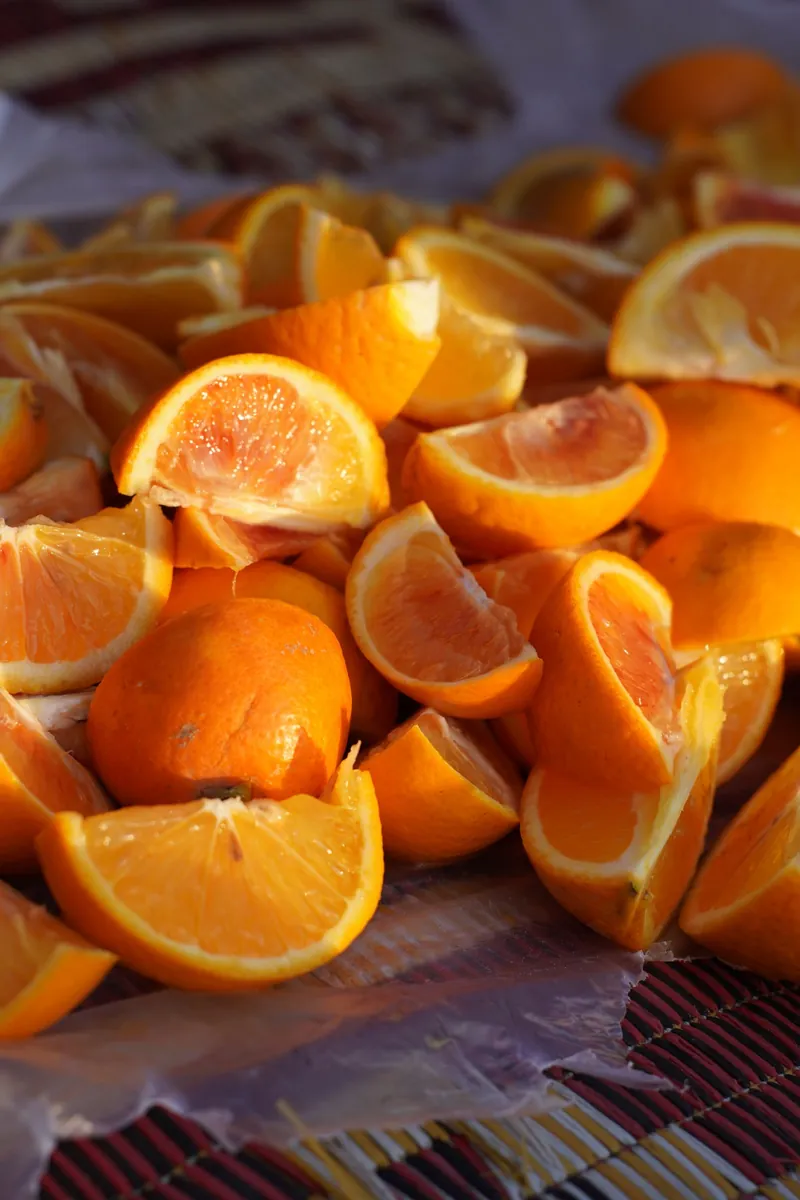
Winter might look quiet, but it is secretly citrus season, and citrus is spectacular. Navel oranges, tangerines, clementines, and grapefruits are at their sweetest from December through February. Blood oranges appear in January and February with their dramatic ruby flesh. If winter fruit feels like a consolation prize, you have not had a truly ripe winter orange.
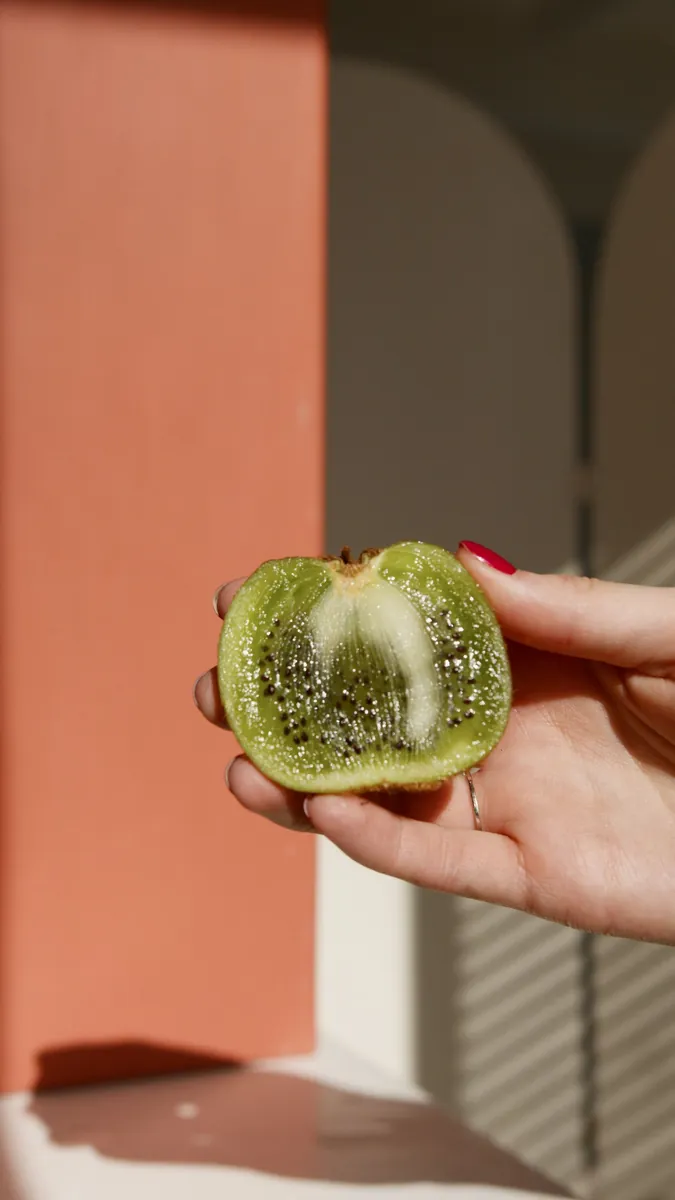
Kiwifruit is also at its best in winter. Buy kiwis firm and let them ripen at room temperature; a ripe kiwi gives slightly when pressed, like a ripe peach. Lemons are abundant and cheap, which is perfect timing for winter cooking and hot lemon drinks.
Late persimmons and pomegranates carry over into December, giving winter tables some color beyond the citrus parade.
Fruits You Can Buy Year Round
A few fruits never really leave the shelves. Bananas are imported continuously and stay consistent in price and quality all year. Avocados, pineapples, and mangoes also flow in steadily thanks to imports from different growing regions across the globe.
Just remember that year-round availability is not the same as peak season. An imported mango in January is fine, but a mango bought during its natural spring and summer window will usually taste better and cost less.
How to Tell When Fruit Is Ripe
Seasonality gets you to the right fruit at the right time, but ripeness is what makes it delicious. A few reliable checks work across most fruits.
Smell first. Ripe fruit smells like itself, strongly, at the stem end. Peaches, melons, pineapples, and mangoes all announce ripeness with fragrance. If it smells like nothing, it is not ready. Next, check the weight. For its size, ripe fruit feels heavy, which signals juiciness. This works especially well for citrus, melons, and pineapples.
Use gentle pressure for stone fruit, avocados, kiwis, and mangoes: they should yield slightly without feeling mushy. And look at color as a secondary clue, not the main one. Many fruits are picked for color before they are ripe, so color alone can mislead you.
Storing Seasonal Fruit So It Lasts
Buying in season often means buying in volume, since prices tempt you to stock up. Store berries unwashed in the refrigerator in a single layer if possible, and wash them only right before eating. Moisture is the enemy, so a paper towel in the container helps.
Stone fruit, pears, and avocados ripen best on the counter at room temperature. Once ripe, move them to the fridge to hold them for a few more days. Apples and citrus are the marathon runners: both keep for weeks refrigerated. When summer berries are cheap and abundant, freeze them in a single layer on a tray before bagging, and you will have peak-season flavor for winter smoothies.
Frequently Asked Questions
What fruit is in season right now in the US?
Check the month-by-month fruit season chart above for the current month. As a rule of thumb: spring brings strawberries and cherries, summer brings berries, stone fruit, and melons, fall brings apples, pears, and grapes, and winter brings citrus and kiwifruit.
Which fruits are in season during winter?
Winter is peak citrus season: oranges, tangerines, clementines, grapefruits, and lemons are all at their best from December through February. Kiwifruit, persimmons, and pomegranates are also excellent winter choices.
Is fruit cheaper when it is in season?
Almost always. When a fruit is in season locally or in major growing regions, supply is high and prices drop. Out-of-season fruit costs more because it travels farther and often requires expensive cold storage. Buying seasonally is one of the easiest ways to cut a grocery bill without cutting quality.
What is the best fruit to buy in summer?
Summer offers the widest choice, but the standouts are blueberries, peaches, watermelon, blackberries, and cherries. All five are at peak flavor and lowest prices in July and August, and berries freeze beautifully for later.
The Bottom Line
Eating fruit in season is one of those rare pieces of advice that is better for your taste buds, your budget, your nutrition, and the planet all at once. You do not need to memorize anything: just pull up this fruit season chart before you shop, buy what is peaking, and enjoy produce the way it is meant to taste. Come back each month and let the seasons do the menu planning for you.
Supermarkets stock every fruit all year long, so it is easy to forget that fruit actually has a season. But anyone who has bitten into a mealy January strawberry or a bland October watermelon knows the difference. This fruit season chart is your month-by-month guide to what is at its peak in the United States, so you can buy fruit when it tastes best, costs less, and delivers the most nutrition.
Supermarkets stock every fruit all year long, so it is easy to forget that fruit actually has a season. But anyone who has bitten into a mealy January strawberry or a bland October watermelon knows the difference. This fruit season chart is your month-by-month guide to what is at its peak in the United States, so you can buy fruit when it tastes best, costs less, and delivers the most nutrition.
Bookmark this page and check it before your next grocery run. Your taste buds and your wallet will both notice the difference.
Bookmark this page and check it before your next grocery run. Your taste buds and your wallet will both notice the difference.
Why Buying Fruit in Season Is Worth It
Seasonal fruit is picked when it is ripe instead of being harvested green and ripened with gas during shipping. That single difference shows up in three ways you can feel.
Seasonal fruit is picked when it is ripe instead of being harvested green and ripened with gas during shipping. That single difference shows up in three ways you can feel.
First, flavor. A peach picked ripe in July is juicy and fragrant. The same peach in February traveled thousands of miles and was picked hard, so it tastes like sweetened cardboard. Second, price. When local harvests flood the market, prices drop. Strawberries can cost half as much in May as they do in December. Third, nutrition. Produce loses nutrients the longer it sits in storage and transit, so fruit eaten close to harvest simply gives you more of the good stuff.
First, flavor. A peach picked ripe in July is juicy and fragrant. The same peach in February traveled thousands of miles and was picked hard, so it tastes like sweetened cardboard. Second, price. When local harvests flood the market, prices drop. Strawberries can cost half as much in May as they do in December. Third, nutrition. Produce loses nutrients the longer it sits in storage and transit, so fruit eaten close to harvest simply gives you more of the good stuff.
There is also a quieter benefit: eating with the seasons reconnects you with variety. Instead of the same five fruits every week, each month brings something to look forward to. If you enjoy reference guides like this one, browse our other Food Chart guides for more kitchen-ready charts.
There is also a quieter benefit: eating with the seasons reconnects you with variety. Instead of the same five fruits every week, each month brings something to look forward to. If you enjoy reference guides like this one, browse our other Food Chart guides for more kitchen-ready charts.
Fruit Season Chart by Month
Here is the complete chart. Find the current month, then stock your cart with the fruits listed. These peak windows reflect typical US growing seasons; exact timing shifts a week or two depending on your region and the weather that year.
Here is the complete chart. Find the current month, then stock your cart with the fruits listed. These peak windows reflect typical US growing seasons; exact timing shifts a week or two depending on your region and the weather that year.
| Month | Fruits at Their Peak |
|---|---|
| January | Oranges, grapefruits, tangerines, clementines, lemons, kiwifruit, persimmons |
| January | Oranges, grapefruits, tangerines, clementines, lemons, kiwifruit, persimmons |
| February | Oranges, grapefruits, tangerines, clementines, lemons, kiwifruit |
| March | Oranges, grapefruits, pineapples, strawberries, mangoes |
| April | Strawberries, pineapples, mangoes, apricots, cherries (late April) |
| May | Strawberries, cherries, apricots, pineapples, mangoes |
| June | Strawberries, cherries, blueberries, peaches, apricots, plums, watermelon, blackberries |
| June | Strawberries, cherries, blueberries, peaches, apricots, plums, watermelon, blackberries |
| July | Blueberries, peaches, blackberries, raspberries, nectarines, watermelon, cantaloupe, plums, cherries |
| July | Blueberries, peaches, blackberries, raspberries, nectarines, watermelon, cantaloupe, plums, cherries |
| August | Peaches, nectarines, plums, blackberries, raspberries, grapes, watermelon, cantaloupe, honeydew, apples, pears |
| August | Peaches, nectarines, plums, blackberries, raspberries, grapes, watermelon, cantaloupe, honeydew, apples, pears |
| September | Apples, pears, grapes, plums, figs, raspberries, pomegranates, cranberries |
| September | Apples, pears, grapes, plums, figs, raspberries, pomegranates, cranberries |
| October | Apples, pears, grapes, cranberries, pomegranates, persimmons, figs, quince |
| November | Oranges, tangerines, grapefruits, cranberries, pears, apples, pomegranates, persimmons, kiwifruit |
| November | Oranges, tangerines, grapefruits, cranberries, pears, apples, pomegranates, persimmons, kiwifruit |
| December | Oranges, tangerines, grapefruits, lemons, clementines, kiwifruit, cranberries, persimmons, pomegranates |
| December | Oranges, tangerines, grapefruits, lemons, clementines, kiwifruit, cranberries, persimmons, pomegranates |
Spring Fruits: March to May
Spring is when the fruit year wakes up. Strawberries lead the charge, arriving sweet and fragrant from April in most of the country (Florida and California get them even earlier). Their season is short and glorious, which is why they taste like a completely different fruit than the winter imports.
Spring is when the fruit year wakes up. Strawberries lead the charge, arriving sweet and fragrant from April in most of the country (Florida and California get them even earlier). Their season is short and glorious, which is why they taste like a completely different fruit than the winter imports.
Cherries and apricots follow in May. Cherries have one of the briefest seasons of any fruit, roughly six to eight weeks, so when you see dark, glossy sweet cherries at a fair price, buy them. Apricots are delicate and bruise easily, which is why the best ones rarely travel far. If you live near an orchard region, spring apricots from a farmers market will ruin the supermarket kind for you in the best way.
Cherries and apricots follow in May. Cherries have one of the briefest seasons of any fruit, roughly six to eight weeks, so when you see dark, glossy sweet cherries at a fair price, buy them. Apricots are delicate and bruise easily, which is why the best ones rarely travel far. If you live near an orchard region, spring apricots from a farmers market will ruin the supermarket kind for you in the best way.
Tropical fruits bridge the gap: pineapples hit their stride in March and April, and mangoes start arriving in good volume. Both are excellent spring buys when berries are still ramping up.
Tropical fruits bridge the gap: pineapples hit their stride in March and April, and mangoes start arriving in good volume. Both are excellent spring buys when berries are still ramping up.
Summer Fruits: June to August
Summer is the undisputed champion of fruit season. June opens with the overlap everyone waits for: late strawberries, early blueberries, and the first sweet cherries. By July, the stone fruits take over. Peaches, nectarines, and plums are at their absolute best, heavy with juice and perfume. A July peach eaten over the sink is a small life upgrade.
Summer is the undisputed champion of fruit season. June opens with the overlap everyone waits for: late strawberries, early blueberries, and the first sweet cherries. By July, the stone fruits take over. Peaches, nectarines, and plums are at their absolute best, heavy with juice and perfume. A July peach eaten over the sink is a small life upgrade.
Berries hit their stride too. Blueberries, blackberries, and raspberries are abundant and cheap in July and August, which makes summer the ideal time to buy extra and freeze them for smoothies all winter. Watermelon, cantaloupe, and honeydew round out the season with maximum refreshment for minimum money. August melons from a good grower are almost a different species from the pale ones sold in spring.
Berries hit their stride too. Blueberries, blackberries, and raspberries are abundant and cheap in July and August, which makes summer the ideal time to buy extra and freeze them for smoothies all winter. Watermelon, cantaloupe, and honeydew round out the season with maximum refreshment for minimum money. August melons from a good grower are almost a different species from the pale ones sold in spring.
Grapes begin in late August, and early apples and pears start trickling in, previewing the fall harvest to come.
Grapes begin in late August, and early apples and pears start trickling in, previewing the fall harvest to come.
Fall Fruits: September to November
Fall belongs to the orchard. Apples are the headliners, with dozens of varieties ripening in sequence from August through October. Honeycrisp and Gala arrive early; Granny Smith, Fuji, and Pink Lady come later. If you have ever thought all apples taste the same, an October farmers market will change your mind fast.
Fall belongs to the orchard. Apples are the headliners, with dozens of varieties ripening in sequence from August through October. Honeycrisp and Gala arrive early; Granny Smith, Fuji, and Pink Lady come later. If you have ever thought all apples taste the same, an October farmers market will change your mind fast.
Pears ripen alongside apples but with a catch: most pears are picked mature and ripen off the tree, so buy them firm and let them soften on your counter. Grapes are at their sweetest in September and October, and this is also the short season for fresh figs, which are fragile, honeyed, and worth every penny.
Pears ripen alongside apples but with a catch: most pears are picked mature and ripen off the tree, so buy them firm and let them soften on your counter. Grapes are at their sweetest in September and October, and this is also the short season for fresh figs, which are fragile, honeyed, and worth every penny.
Cranberries arrive in October, just in time for the holidays, and pomegranates and persimmons bring jewel tones to November tables. Keep an eye on our Food Chart collection as we add more seasonal produce guides through the year.
Cranberries arrive in October, just in time for the holidays, and pomegranates and persimmons bring jewel tones to November tables. Keep an eye on our Food Chart collection as we add more seasonal produce guides through the year.
Winter Fruits: December to February
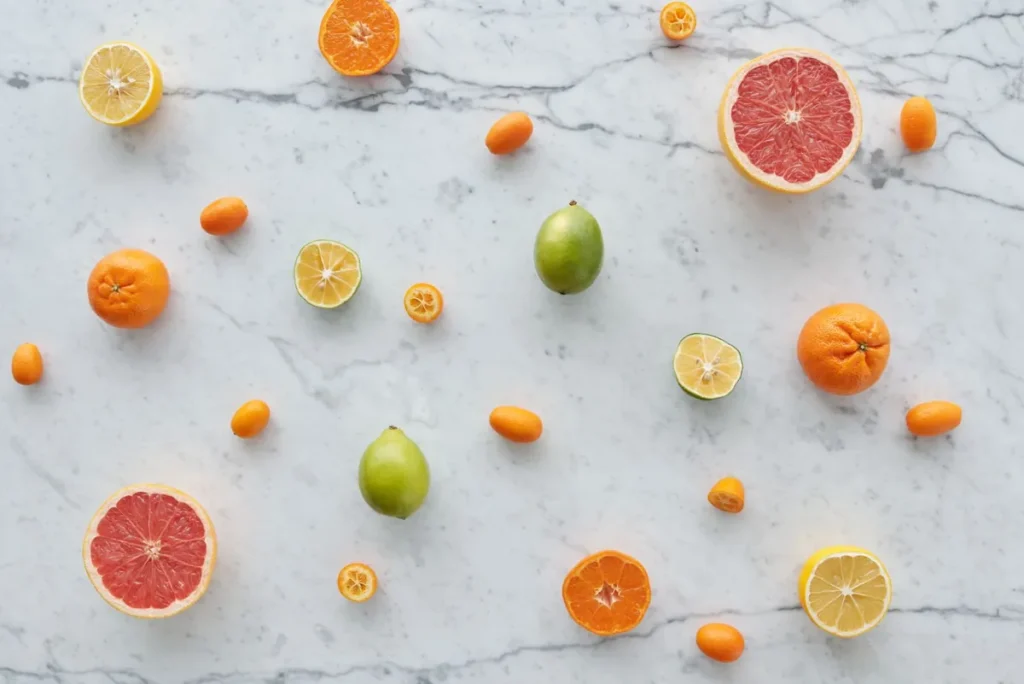
Winter might look quiet, but it is secretly citrus season, and citrus is spectacular. Navel oranges, tangerines, clementines, and grapefruits are at their sweetest from December through February. Blood oranges appear in January and February with their dramatic ruby flesh. If winter fruit feels like a consolation prize, you have not had a truly ripe winter orange.
Winter might look quiet, but it is secretly citrus season, and citrus is spectacular. Navel oranges, tangerines, clementines, and grapefruits are at their sweetest from December through February. Blood oranges appear in January and February with their dramatic ruby flesh. If winter fruit feels like a consolation prize, you have not had a truly ripe winter orange.
Kiwifruit is also at its best in winter. Buy kiwis firm and let them ripen at room temperature; a ripe kiwi gives slightly when pressed, like a ripe peach. Lemons are abundant and cheap, which is perfect timing for winter cooking and hot lemon drinks.
Kiwifruit is also at its best in winter. Buy kiwis firm and let them ripen at room temperature; a ripe kiwi gives slightly when pressed, like a ripe peach. Lemons are abundant and cheap, which is perfect timing for winter cooking and hot lemon drinks.
Late persimmons and pomegranates carry over into December, giving winter tables some color beyond the citrus parade.
Late persimmons and pomegranates carry over into December, giving winter tables some color beyond the citrus parade.
Fruits You Can Buy Year Round
A few fruits never really leave the shelves. Bananas are imported continuously and stay consistent in price and quality all year. Avocados, pineapples, and mangoes also flow in steadily thanks to imports from different growing regions across the globe.
A few fruits never really leave the shelves. Bananas are imported continuously and stay consistent in price and quality all year. Avocados, pineapples, and mangoes also flow in steadily thanks to imports from different growing regions across the globe.
Just remember that year-round availability is not the same as peak season. An imported mango in January is fine, but a mango bought during its natural spring and summer window will usually taste better and cost less.
Just remember that year-round availability is not the same as peak season. An imported mango in January is fine, but a mango bought during its natural spring and summer window will usually taste better and cost less.
How to Tell When Fruit Is Ripe
Seasonality gets you to the right fruit at the right time, but ripeness is what makes it delicious. A few reliable checks work across most fruits.
Seasonality gets you to the right fruit at the right time, but ripeness is what makes it delicious. A few reliable checks work across most fruits.
Smell first. Ripe fruit smells like itself, strongly, at the stem end. Peaches, melons, pineapples, and mangoes all announce ripeness with fragrance. If it smells like nothing, it is not ready. Next, check the weight. For its size, ripe fruit feels heavy, which signals juiciness. This works especially well for citrus, melons, and pineapples.
Smell first. Ripe fruit smells like itself, strongly, at the stem end. Peaches, melons, pineapples, and mangoes all announce ripeness with fragrance. If it smells like nothing, it is not ready. Next, check the weight. For its size, ripe fruit feels heavy, which signals juiciness. This works especially well for citrus, melons, and pineapples.
Use gentle pressure for stone fruit, avocados, kiwis, and mangoes: they should yield slightly without feeling mushy. And look at color as a secondary clue, not the main one. Many fruits are picked for color before they are ripe, so color alone can mislead you.
Use gentle pressure for stone fruit, avocados, kiwis, and mangoes: they should yield slightly without feeling mushy. And look at color as a secondary clue, not the main one. Many fruits are picked for color before they are ripe, so color alone can mislead you.
Storing Seasonal Fruit So It Lasts
Buying in season often means buying in volume, since prices tempt you to stock up. Store berries unwashed in the refrigerator in a single layer if possible, and wash them only right before eating. Moisture is the enemy, so a paper towel in the container helps.
Buying in season often means buying in volume, since prices tempt you to stock up. Store berries unwashed in the refrigerator in a single layer if possible, and wash them only right before eating. Moisture is the enemy, so a paper towel in the container helps.
Stone fruit, pears, and avocados ripen best on the counter at room temperature. Once ripe, move them to the fridge to hold them for a few more days. Apples and citrus are the marathon runners: both keep for weeks refrigerated. When summer berries are cheap and abundant, freeze them in a single layer on a tray before bagging, and you will have peak-season flavor for winter smoothies.
Stone fruit, pears, and avocados ripen best on the counter at room temperature. Once ripe, move them to the fridge to hold them for a few more days. Apples and citrus are the marathon runners: both keep for weeks refrigerated. When summer berries are cheap and abundant, freeze them in a single layer on a tray before bagging, and you will have peak-season flavor for winter smoothies.
Frequently Asked Questions
What fruit is in season right now in the US?
Check the month-by-month fruit season chart above for the current month. As a rule of thumb: spring brings strawberries and cherries, summer brings berries, stone fruit, and melons, fall brings apples, pears, and grapes, and winter brings citrus and kiwifruit.
Check the month-by-month fruit season chart above for the current month. As a rule of thumb: spring brings strawberries and cherries, summer brings berries, stone fruit, and melons, fall brings apples, pears, and grapes, and winter brings citrus and kiwifruit.
Which fruits are in season during winter?
Winter is peak citrus season: oranges, tangerines, clementines, grapefruits, and lemons are all at their best from December through February. Kiwifruit, persimmons, and pomegranates are also excellent winter choices.
Winter is peak citrus season: oranges, tangerines, clementines, grapefruits, and lemons are all at their best from December through February. Kiwifruit, persimmons, and pomegranates are also excellent winter choices.
Is fruit cheaper when it is in season?
Almost always. When a fruit is in season locally or in major growing regions, supply is high and prices drop. Out-of-season fruit costs more because it travels farther and often requires expensive cold storage. Buying seasonally is one of the easiest ways to cut a grocery bill without cutting quality.
Almost always. When a fruit is in season locally or in major growing regions, supply is high and prices drop. Out-of-season fruit costs more because it travels farther and often requires expensive cold storage. Buying seasonally is one of the easiest ways to cut a grocery bill without cutting quality.
What is the best fruit to buy in summer?
Summer offers the widest choice, but the standouts are blueberries, peaches, watermelon, blackberries, and cherries. All five are at peak flavor and lowest prices in July and August, and berries freeze beautifully for later.
Summer offers the widest choice, but the standouts are blueberries, peaches, watermelon, blackberries, and cherries. All five are at peak flavor and lowest prices in July and August, and berries freeze beautifully for later.
The Bottom Line
Eating fruit in season is one of those rare pieces of advice that is better for your taste buds, your budget, your nutrition, and the planet all at once. You do not need to memorize anything: just pull up this fruit season chart before you shop, buy what is peaking, and enjoy produce the way it is meant to taste. Come back each month and let the seasons do the menu planning for you.
Eating fruit in season is one of those rare pieces of advice that is better for your taste buds, your budget, your nutrition, and the planet all at once. You do not need to memorize anything: just pull up this fruit season chart before you shop, buy what is peaking, and enjoy produce the way it is meant to taste. Come back each month and let the seasons do the menu planning for you.