A wild wolf rarely sees its tenth birthday, which surprises most people: a wolf looks built to last, big, strong, and backed by a pack. Yet this wolf lifespan chart shows the same pattern again and again. In the wild, most wolves live 6 to 8 years. In a zoo or sanctuary, the same animal often reaches 12 to 16 years, and a few reach 20.
The gap is not mainly about which wolf it is. Where a wolf lives, what it eats, and whether people, disease, or rival packs get in the way matter far more. This chart lines up 10 wolf types side by side.
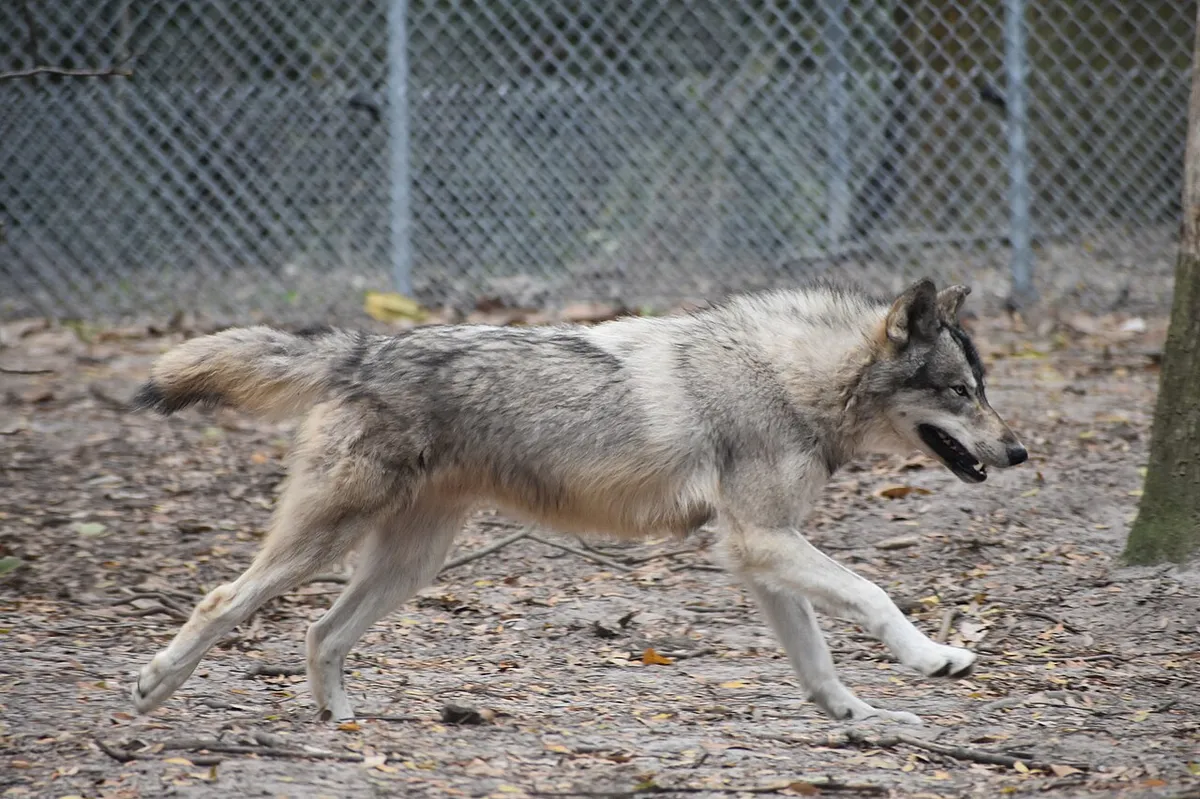
Wolf Lifespan Chart: 10 Wolf Types Compared
The table uses average wild lifespans, not the rare wolf that beats the odds. Captive figures come from zoos and sanctuaries, maximum ages are the longest documented, and weights are typical ranges, with males usually heavier.
| Wolf Type | Scientific Name | Wild Lifespan | Captive Lifespan | Max Recorded | Adult Weight | Range |
|---|---|---|---|---|---|---|
| Gray wolf | Canis lupus | 6-8 years | 12-16 years | About 20 years | 30-50 kg | North America, Europe, Asia |
| Arctic wolf | Canis lupus arctos | 7-10 years | 12-16 years | 18-20 years | 32-45 kg | Canadian High Arctic |
| Indian wolf | Canis lupus pallipes | 6-8 years | 12-15 years | 15-18 years | 18-27 kg | India and Pakistan |
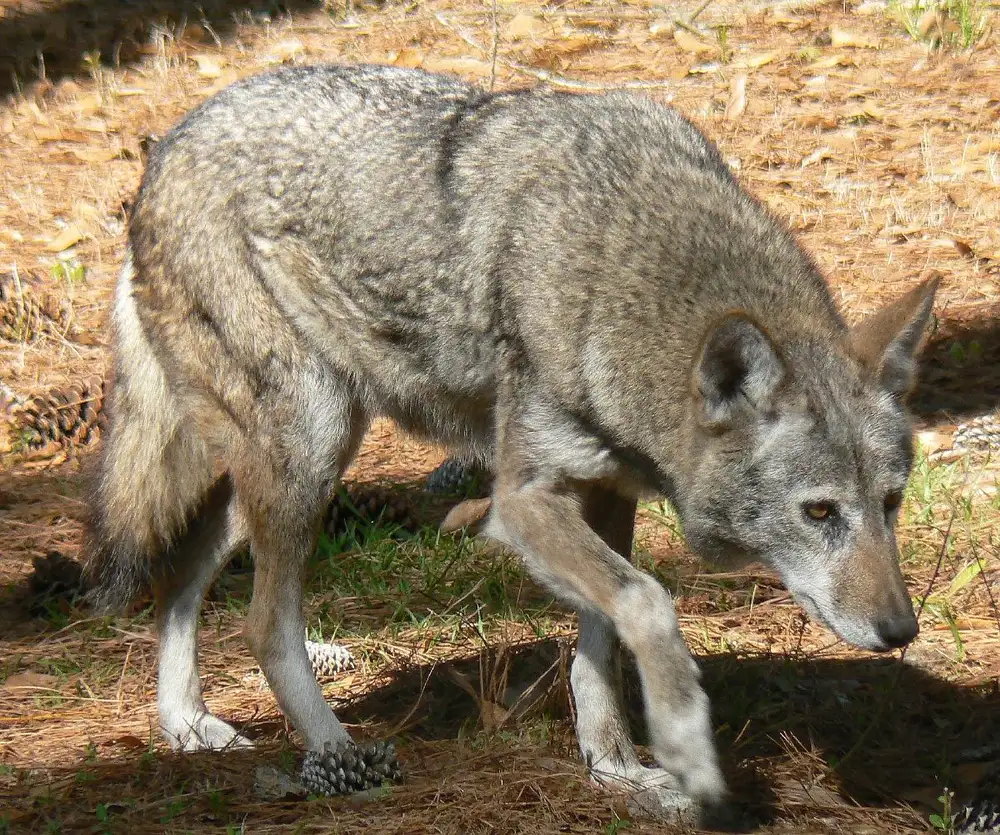
| Red wolf | Canis rufus | 6-7 years | 10-14 years | 14-15 years | 20-36 kg | Southeastern USA |
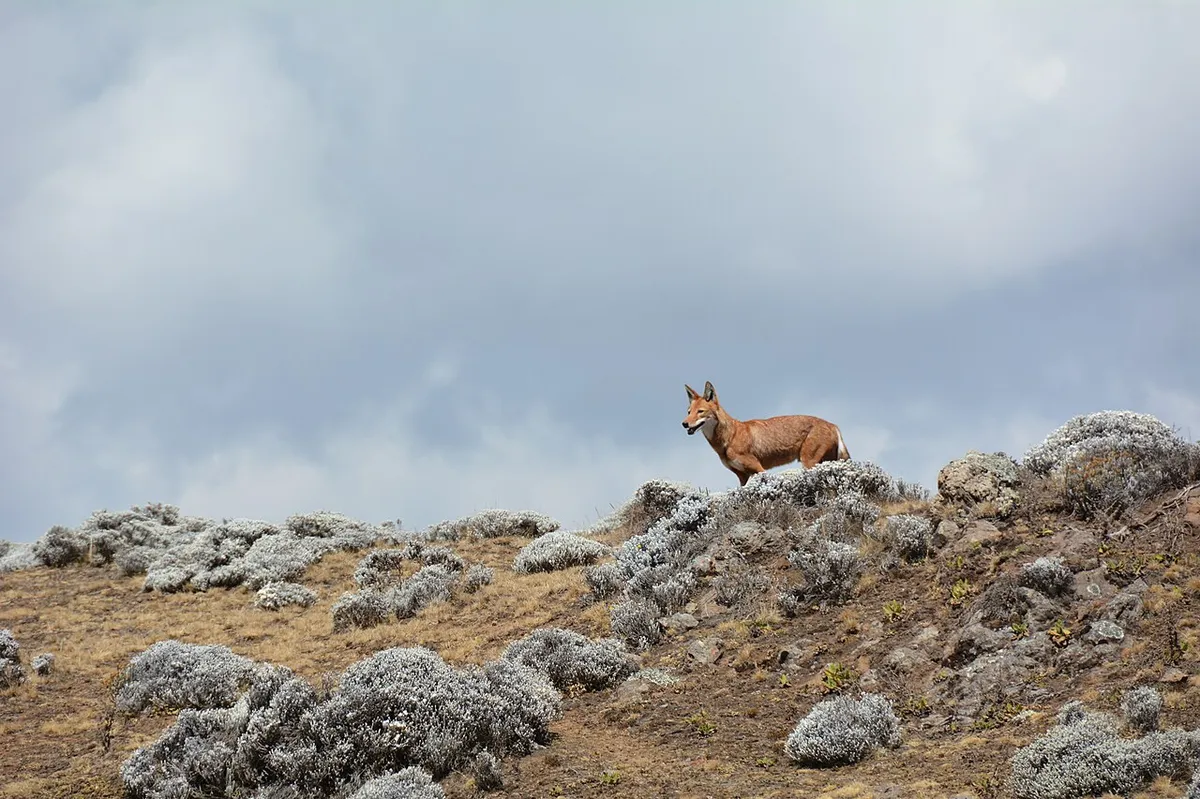
| Ethiopian wolf | Canis simensis | 5-8 years | 8-12 years | 12-14 years | 14-19 kg | Ethiopian highlands |
| Northwestern wolf | Canis lupus occidentalis | 6-8 years | 12-16 years | About 20 years | 36-60 kg | Alaska, western Canada, northwest USA |
| Mexican wolf | Canis lupus baileyi | 5-7 years | 12-15 years | 15-17 years | 23-36 kg | Arizona, New Mexico, Mexico |
| Eurasian wolf | Canis lupus lupus | 6-8 years | 12-16 years | About 20 years | 30-50 kg | Europe to northern Asia |
| Tundra wolf | Canis lupus albus | 6-9 years | 12-16 years | 18-20 years | 35-50 kg | Tundra of northern Russia |
| Arabian wolf | Canis lupus arabs | 5-7 years | 10-12 years | 12-14 years | 18-25 kg | Arabian Peninsula |
Two things jump out. First, the wild range is narrow: almost every type averages 5 to 10 years in the wild. Second, captivity changes everything. Remove starvation, traffic, hunting, and pack fights, and most wolves roughly double their lifespan. For the full roster, see our all wolf species guide.
Which Wolves Live the Longest?
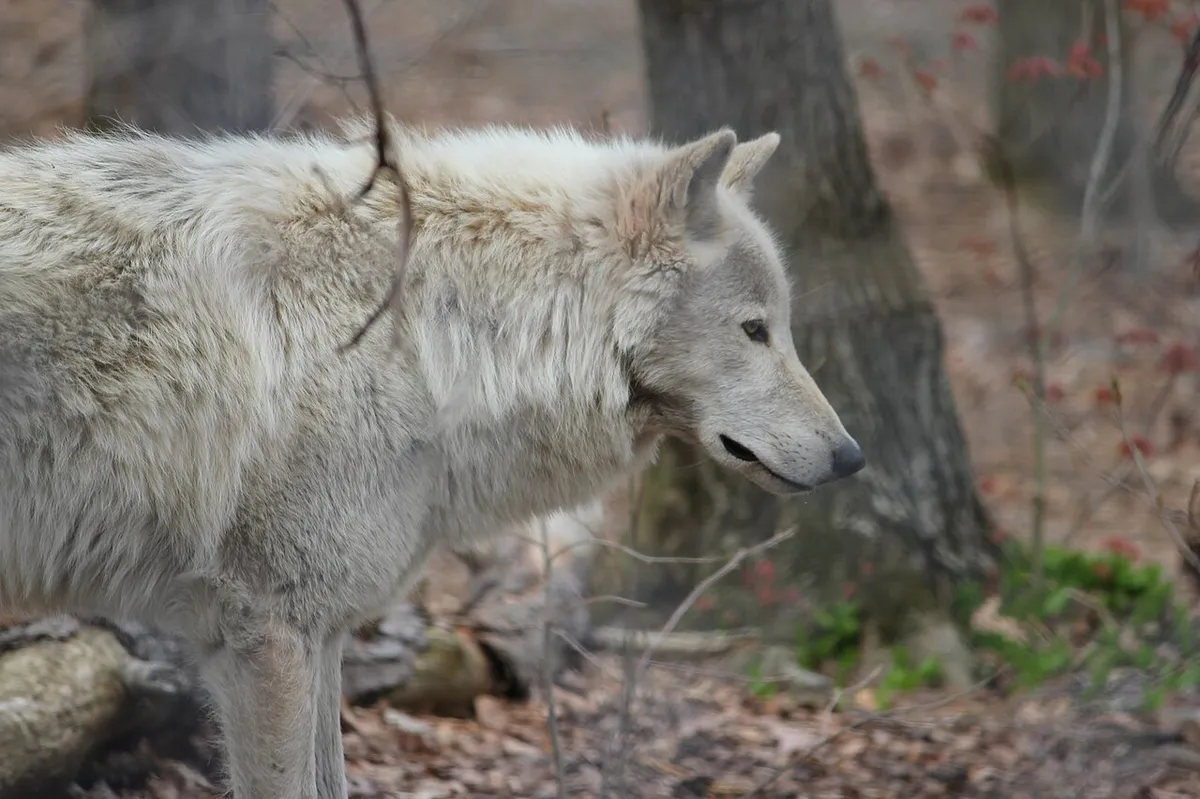
Cold climate wolves top the list. The Arctic, tundra, and northwestern wolf all reach 18 to 20 years at the upper end, mostly in protected settings. Their wild averages of 7 to 10 years are also the highest, likely because remote ranges keep them away from roads and people.
The gray wolf and Eurasian wolf match them in captivity, where about 16 years is normal and 20 is possible. Size matters less in wolves than in dogs. A big northwestern wolf at up to 60 kg and a mid sized gray wolf land in roughly the same range.
Which Wolves Have the Shortest Lifespan?
Desert heat and disease shorten wolf lives. The Arabian and Mexican wolf sit near the bottom, averaging 5 to 7 years in the wild.
The Ethiopian wolf faces the steepest odds. It is the rarest canid in the world, with roughly 450 adults left, living only in the highlands of Ethiopia. Rabies and canine distemper can sweep through an isolated pack within days. The Ethiopian wolf is Endangered, the red wolf Critically Endangered, and the Mexican wolf Endangered, which is why captive breeding matters so much for these three.
Wild vs Captivity: Why Protected Wolves Live Twice as Long
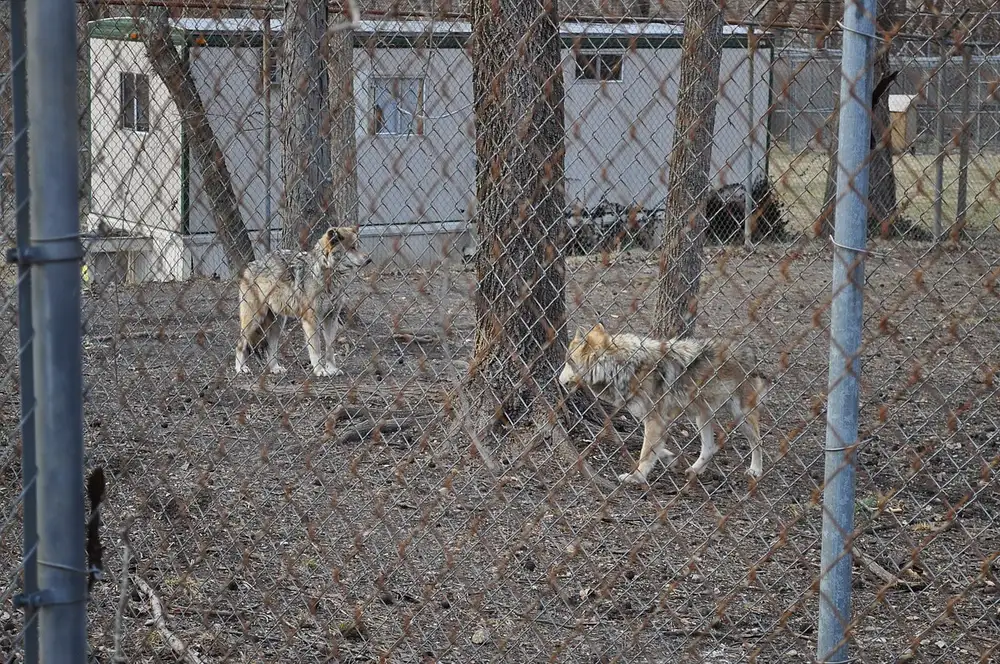
In captivity, a wolf gets steady food, veterinary care, and no predators, rivals, or traffic. The jump from 6 to 8 years in the wild to 12 to 16 years in care is one of the biggest gaps of any large mammal.
It is not only food and medicine. A captive wolf never goes hungry through a hard winter, never fights a rival pack, and never gets hit on a road. Its teeth still wear down with age, but a keeper can switch an old wolf to softer food. A wild wolf with worn teeth simply starves. The same pattern shows up in our animals with the longest lifespan chart.
Wolf Life Stages: From Pup to Senior
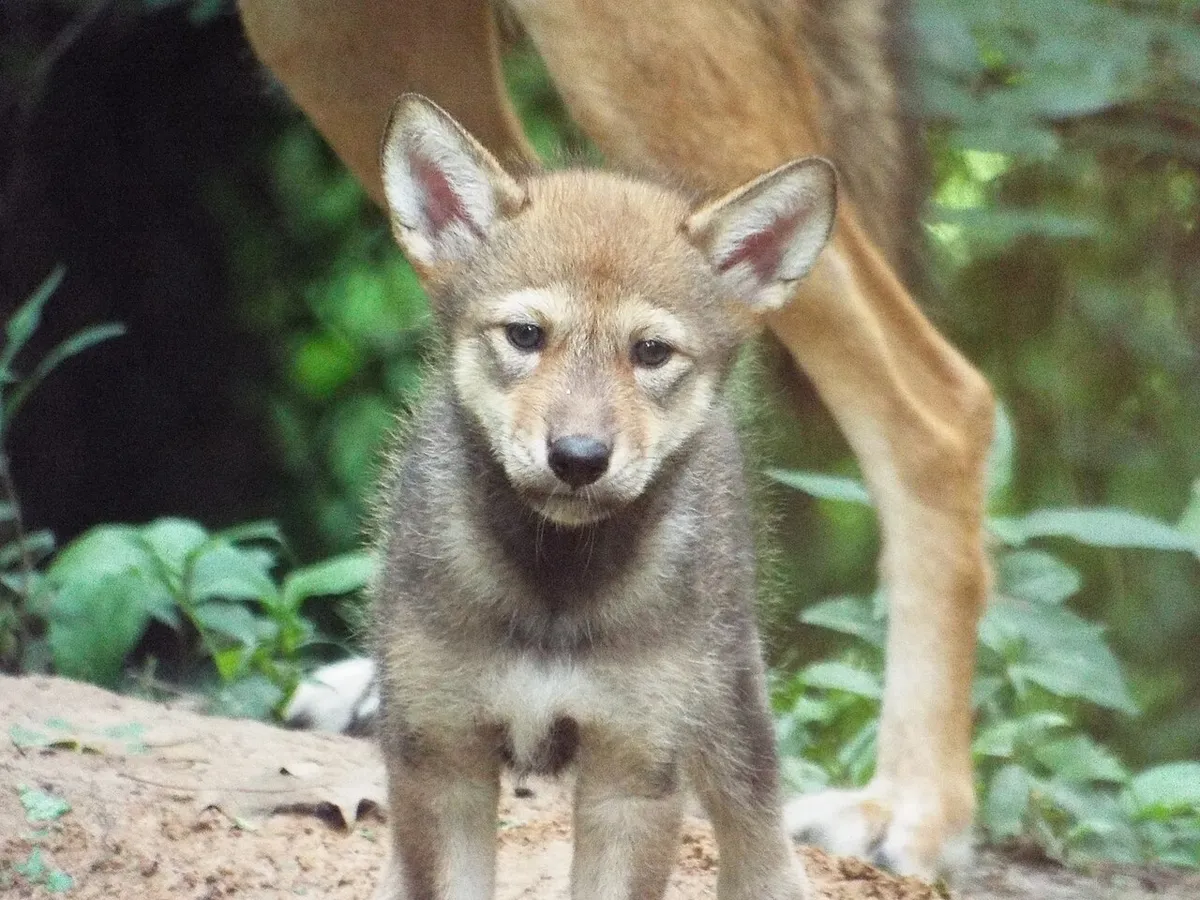
A wolf’s risk of dying shifts a lot across its life. Pups are the most vulnerable, and many do not survive their first winter.
| Life Stage | Approx. Age | What Happens |
|---|---|---|
| Pup | 0-1 year | Born blind and deaf in a den, usually in a litter of 4 to 6. Many die from disease, starvation, or predators. |
| Juvenile | 1-2 years | Learns to hunt with the pack. Still relies on adults for food and protection. |
| Young adult | 2-3 years | Reaches adult size. Many leave their birth pack to find a mate and start a new pack. |
| Prime adult | 3-6 years | Strongest years. Breeding wolves lead the pack, hunt large prey, and defend territory. |
| Mature adult | 6-10 years | Slows down. Teeth wear, old injuries add up, and younger wolves may challenge for the breeding role. |
| Senior | 10+ years | Genuinely old for a wolf. Rare in the wild, more common in captivity. |
Most wolves count as prime adults from about two to six years, then begin to slow down. A wolf past ten is genuinely old, whether in the wild or in care.
What Shortens a Wolf’s Life
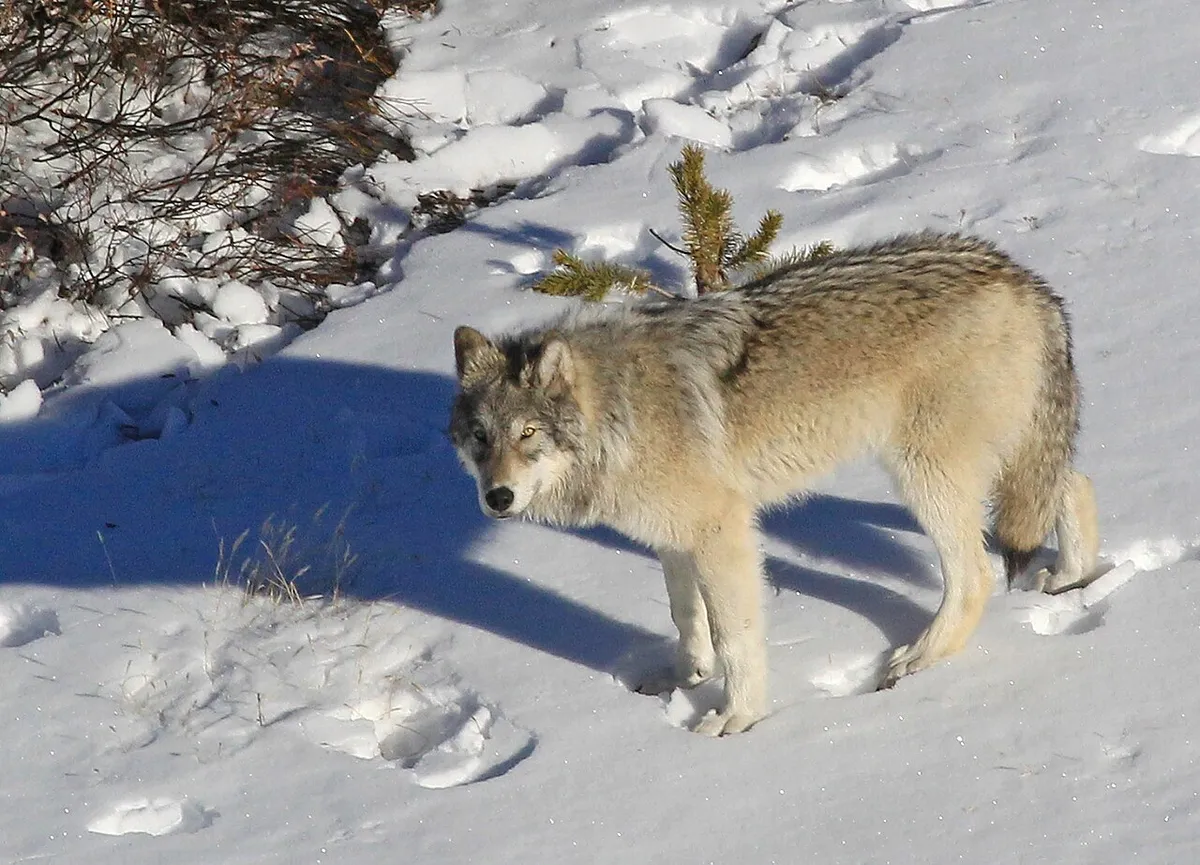
Human activity cuts many wild lives short. Hunting, trapping, and vehicle collisions are leading causes of death for adult wolves. Livestock conflicts add to the toll: a wolf that takes a sheep or calf may be shot, even where wolves are protected.
Disease is the second big killer, and it hits small populations hardest. Rabies and canine distemper spread fast through a pack, and mange weakens wolves until they cannot hunt in winter. Food supply decides whether a wolf survives a hard winter, and pups suffer first when prey is scarce.
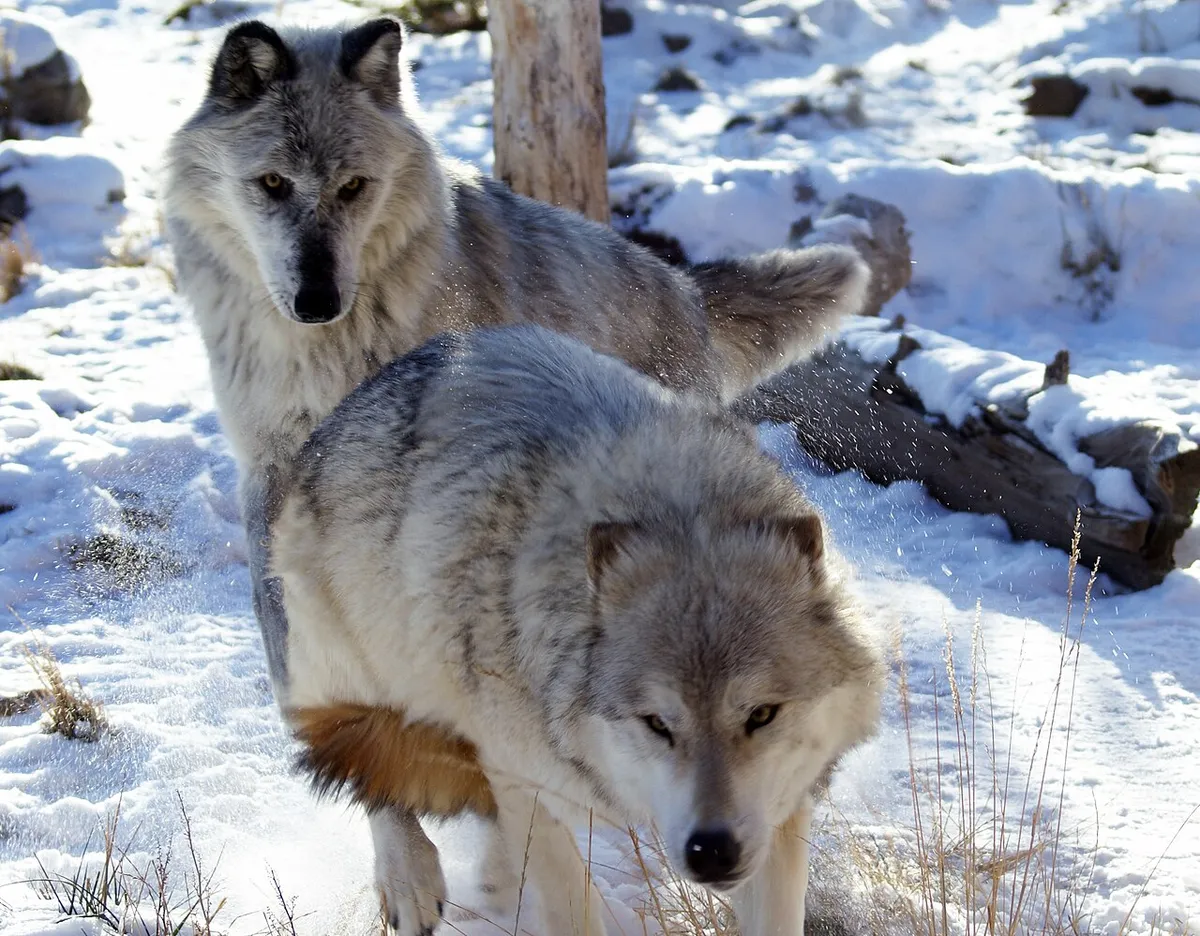
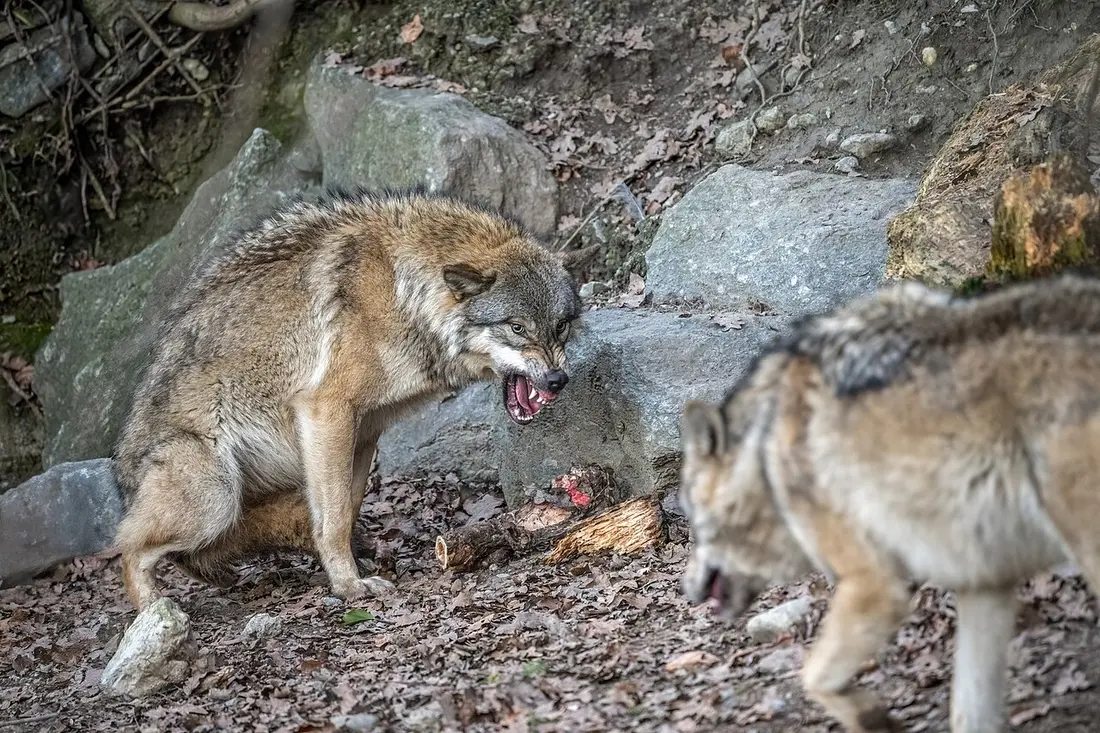
Pack conflict is the most wolf specific cause of death. Wolves defend territories fiercely, and fights between rival packs cause serious, often fatal injuries. Lone wolves face the worst of it: without a pack, a lone wolf cannot bring down large prey.
How Wolf Lifespan Compares to Other Canids
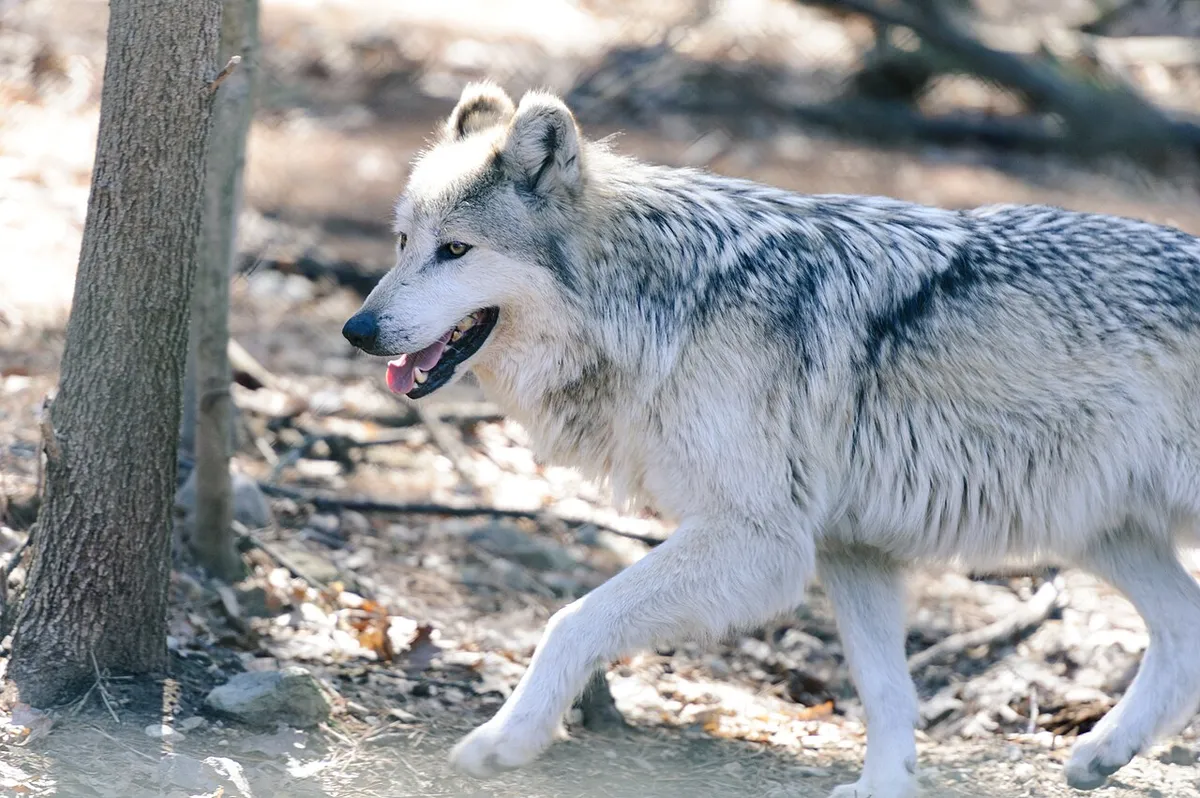
Wolves live longer than most wild cousins, but they fall short of a well cared for pet dog. Their size and pack life help them survive longer than a lone fox.
| Canid | Avg Wild Lifespan | Avg Captive Lifespan | Notes |
|---|---|---|---|
| Gray wolf | 6-8 years | 12-16 years | Largest wild canid, pack hunter |
| Coyote | 6-8 years | 13-15 years | Adaptable, thrives near humans |
| Red fox | 3-5 years | 10-14 years | High wild mortality from traffic and disease |
| Dingo | 5-10 years | 13-18 years | Australian wild dog |
| African wild dog | 4-6 years | 10-12 years | Endangered pack hunter |
| Golden jackal | 8-9 years | 12-16 years | Small, adaptable, widespread |
| Domestic dog | 10-13 years | 10-13 years | Gets the captive advantage for life |
Domestic dogs win on average because they get the captive advantage for their whole lives. A small dog breed passes 15 years with ease, while a wild wolf almost never does. Big cats show the same gap: our tiger lifespan chart shows captive tigers outliving wild ones by years, just as captive wolves do.
Record Holders: The Oldest Wolves on Record
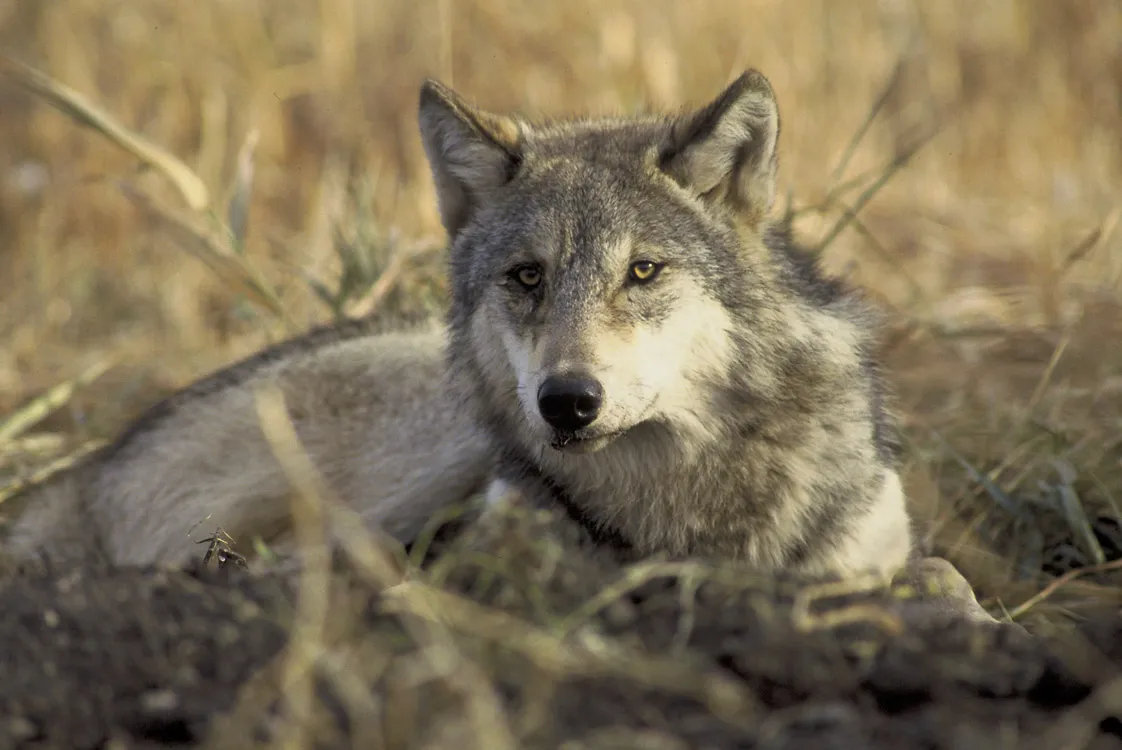
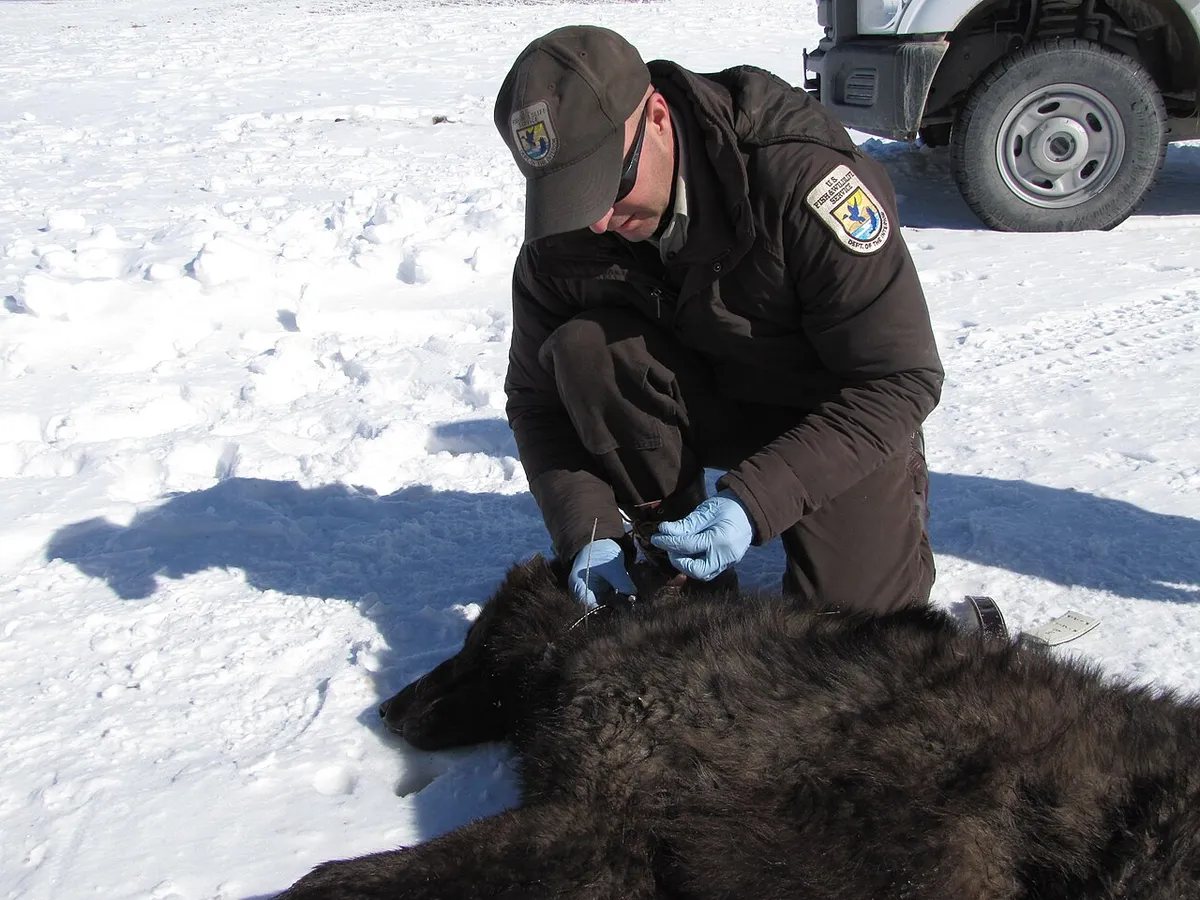
The oldest verified wolf was Madadh, a female who lived to 19 after being rescued as a ten day old pup. A wild born male gray wolf reached 20.6 years in captivity, the highest documented age for the species. Wild record holders top out near 13 to 14 years, a milestone few wolves ever see.
Wolf Lifespan Myths
The most common myth is that wolves live 20 to 25 years in the wild. They do not. Twenty years is a captive maximum, not a wild average. A wild wolf that reaches 10 is already old.
Another myth is that lone wolves live longer because they avoid pack fights. The opposite is true: lone wolves hunt alone, eat less, and die younger. A third myth is that all wolves live about the same length of time. They do not. An Arabian wolf at 5 to 7 years and an Arctic wolf at 7 to 10 years live in different worlds.
Frequently Asked Questions
How long do wolves live on average?
Most wild wolves live 6 to 8 years, while captive wolves often reach 12 to 16 years with steady food and veterinary care.
What is the longest living wolf species?
Cold climate wolves such as the Arctic, tundra, and northwestern wolf reach 18 to 20 years, mostly in protected settings.
Why do wolves live longer in captivity than in the wild?
Captive wolves avoid starvation, disease, traffic, and pack fights, so removing those threats roughly doubles their expected lifespan.
What is the oldest wolf ever recorded?
A female named Madadh lived to 19, and a wild born male gray wolf reached 20.6 years in captivity, the highest documented age for the species.
Which wolf has the shortest lifespan?
The Arabian, Mexican, and Ethiopian wolves average about 5 to 7 years in the wild, with the Ethiopian wolf hit hardest by disease.
Do male and female wolves live the same length of time?
Lifespans are broadly similar between the sexes. Habitat, disease, and human pressure matter far more than sex.
Conclusion
The wolf lifespan chart tells a short, sharp story. A wild wolf lives 6 to 8 years on average, a captive wolf 12 to 16, and the luckiest few reach 20. Cold climate wolves live longest, desert wolves live shortest, and the pack is the best thing a wolf has going for it.
What decides a wolf’s years is not mostly its species. It is food, disease, people, and its pack.