One wrong size turns a cozy cat sweater into a struggle, and a cat clothes size chart is the fix. Measure three spots on your cat, match the numbers to the chart below, and you will know the right size before you order.
Most cats fall between XS and XL. Kittens and petite adults usually wear XXS or XS, average house cats wear S or M, and big breeds such as the Maine Coon often need L or XL. Weight alone is a poor guide, because two cats at the same weight can have very different chest sizes.
Cat Clothes Size Chart
Measure your cat first, then find the row where all three numbers fit. If your cat falls between two sizes, size up.
| Size | Neck (in) | Neck (cm) | Chest (in) | Chest (cm) | Back Length (in) | Back Length (cm) | Weight (lbs) | Typical Cats |
|---|---|---|---|---|---|---|---|---|
| XXS | 5 to 7 | 13 to 18 | 8 to 10 | 20 to 25 | 5 to 6 | 13 to 15 | Up to 3 | Very young kittens |
| XS | 6 to 8 | 15 to 20 | 10 to 12 | 25 to 30 | 7 to 8 | 18 to 20 | 3 to 5 | Kittens, Singapura, Munchkin |
| S | 8 to 10 | 20 to 25 | 12 to 14 | 30 to 36 | 9 to 10 | 23 to 25 | 5 to 7 | Small adults, Siamese, Devon Rex |
| M | 10 to 12 | 25 to 30 | 14 to 16 | 36 to 41 | 11 to 12 | 28 to 30 | 7 to 10 | Average house cats, British Shorthair |
| L | 12 to 14 | 30 to 36 | 16 to 18 | 41 to 46 | 13 to 14 | 33 to 36 | 10 to 15 | Large adults, Ragdoll, Bengal |
| XL | 14 to 16 | 36 to 41 | 18 to 20 | 46 to 51 | 15 to 16 | 38 to 41 | 15 to 20 | Maine Coon, Norwegian Forest Cat |
| XXL | 16 to 18 | 41 to 46 | 20 to 22 | 51 to 56 | 17 to 18 | 43 to 46 | 20 to 25 | Very large Maine Coons |
| XXXL | 18 to 20 | 46 to 51 | 22 to 24 | 56 to 61 | 19 to 20 | 48 to 51 | 25 and up | Extra large or overweight cats |
Brand sizing varies, so always check the size chart on the product page before you buy. One brand’s M can be another brand’s L. If a listing gives only a weight range, confirm with chest size, which decides comfort most often.
How to Measure Your Cat for Clothes
Good measurements take about two minutes and a soft measuring tape, or a piece of string and a ruler. Measure your cat while it is standing on all four legs, not sitting or lying down, because a sitting cat gives a shorter back length and a compressed chest reading.
1. Neck. Wrap the tape around the base of the neck, where a collar would sit, keeping it loose enough to slide two fingers underneath. This is the same spot you would measure for a collar, and our cat collar size chart explains the two finger rule in detail.
2. Chest. Find the widest part of the chest, usually one to two inches behind the front legs. Wrap the tape around the body there and keep it level. For long-haired cats, press the fur down lightly so you measure the body, not the fluff. Chest is the most important number on the chart, so measure it twice and use the larger reading.
3. Back length. Measure along the spine from the base of the neck to the base of the tail. Do not include the tail itself. A sweater that runs past the tail base will bunch up when your cat sits and can catch under its back legs.
Measure when your cat is calm, ideally after a meal or a play session. If your cat will not stand still, ask someone to hold a treat at nose height. Never pull the tape tight around a squirming cat, because a reading taken under protest is usually wrong.
What Size Is My Cat?
Most healthy adult house cats weigh between 8 and 11 pounds and wear size S or M. Breed makes a real difference at the extremes, though.
Small breeds stay petite for life. A Singapura adult often weighs only 4 to 6 pounds and fits XS or S. Siamese and Devon Rex cats are slender even at a healthy weight, so match the chest first and accept a slightly longer body.
Large breeds need the upper end of the chart. A male Maine Coon can reach 18 to 25 pounds and often wears XL or XXL, while a female may fit L. Ragdolls and Norwegian Forest Cats usually land in L. Bengals are muscular rather than bulky, so a Bengal that weighs 12 pounds can still need an L chest.
Hairless cats are a special case. A Sphynx has no fur to compress, so its measurements run true, but it feels the cold sooner than any other breed, and a soft, stretchy sweater is a daily essential for it.
Kitten Sizes vs Adult Sizes
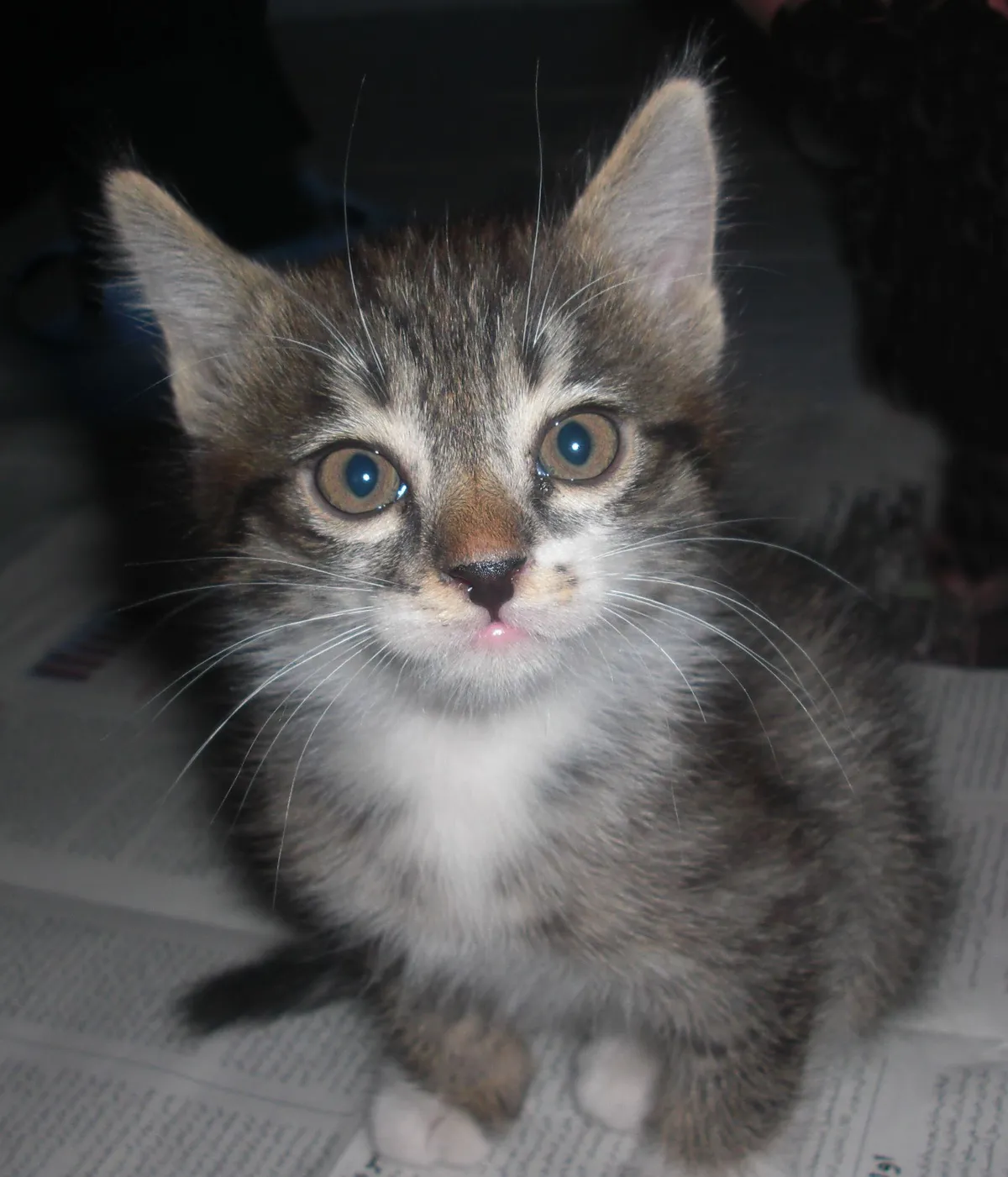
Kittens grow fast, and a sweater that fits in October may be tight by December. A kitten under 12 weeks old usually wears XXS. By four to six months most kittens move into XS, and by eight to ten months many are already in S. If you are buying for a kitten, size up one step and let the kitten grow into it, provided the garment is not so loose that it trips them.
Never dress a kitten younger than eight weeks unless a vet asks you to, for example after surgery or when a kitten cannot keep warm. Once a kitten is weaned and active, short supervised sessions in a light sweater are fine. Choose wide neck openings and no small buttons or dangling ties, because a kitten will chew anything within reach.
How Cat Clothes Should Fit
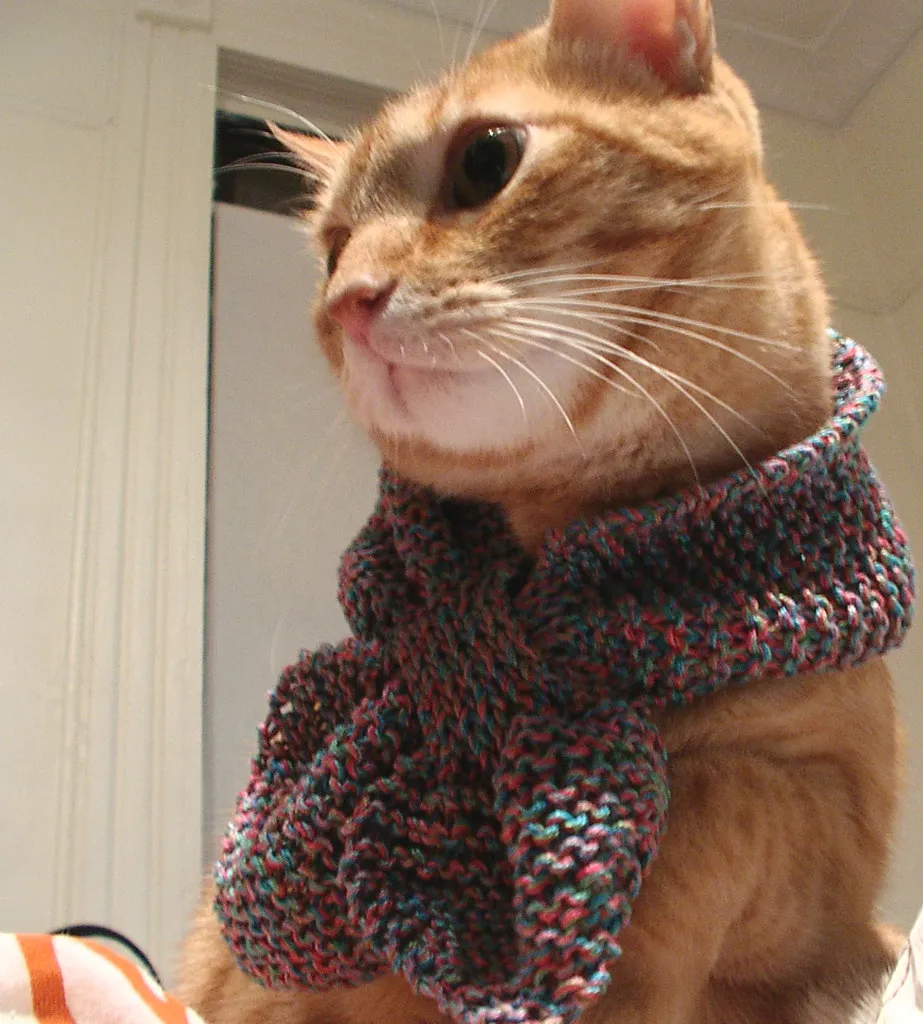
A well fitting garment passes three quick checks. First, the two finger test: slide two fingers flat under the neckline and under the chest band. If they fit comfortably, the size is right. If you cannot get two fingers in, it is too tight. If four fingers fit, it is too loose.
Second, watch your cat walk. It should move normally, with its usual stride and tail carriage. A cat that walks stiffly, freezes, or flops over sideways is telling you the garment is uncomfortable. Some cats flop the first time they wear anything, so give it five minutes. If the flop continues, the fit is wrong, not the cat.
Third, check the leg holes. The front legs should move freely without the fabric rubbing the armpits, and red skin there after an hour means the armholes are too small. Heavy breathing and a hunched back signal a tight fit, while fabric bunching under the legs signals a loose one. Either problem is fixed by going one size in the right direction, not by forcing the cat to get used to it.
Types of Cat Clothes and How They Fit
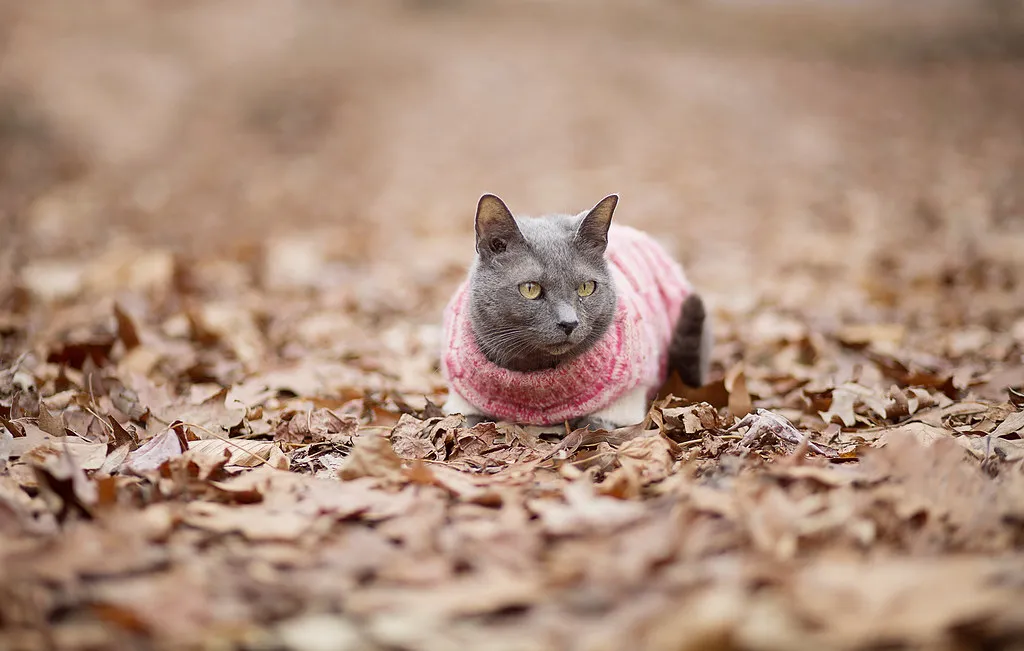
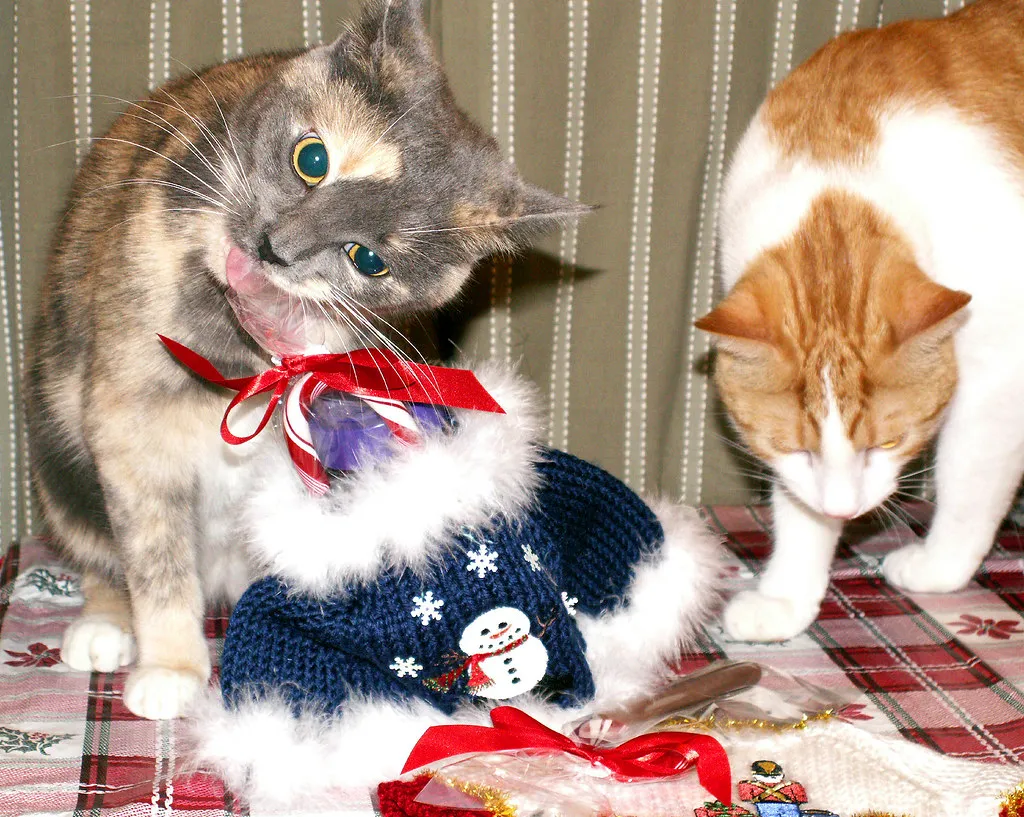
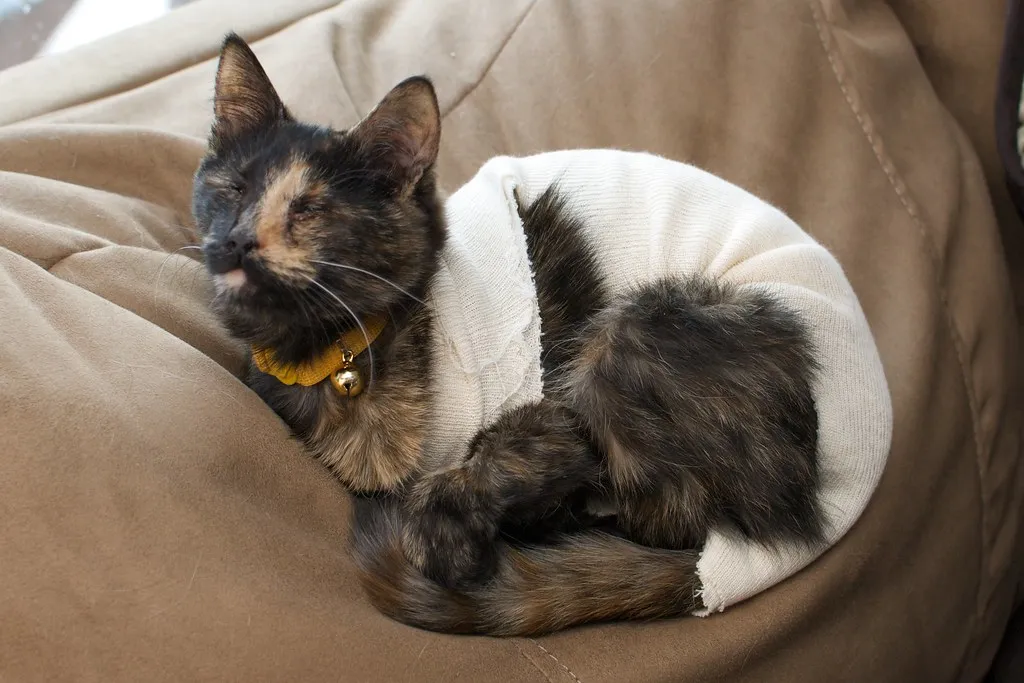
Not every garment fits the same way, so the chart is only half the story. A sweater should be snug but stretchy, sitting close to the body without squeezing the chest. A jacket or coat needs a little more room, because it usually goes over a sweater or over a thick winter coat of fur, and the chest measurement should allow for that extra layer.
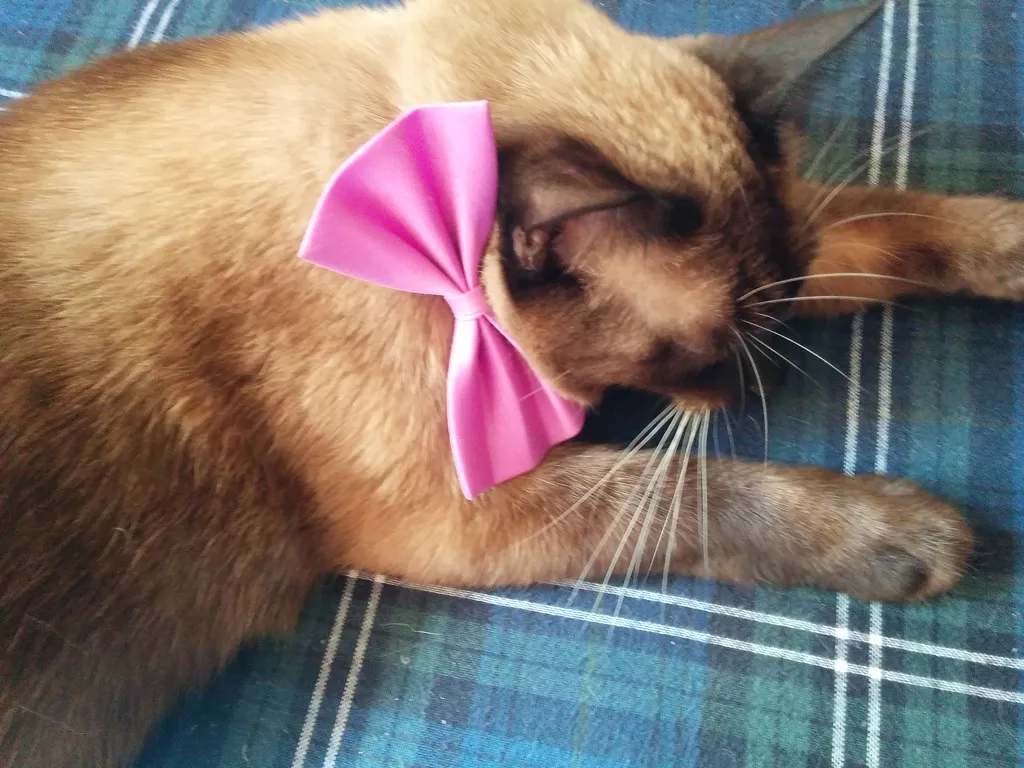
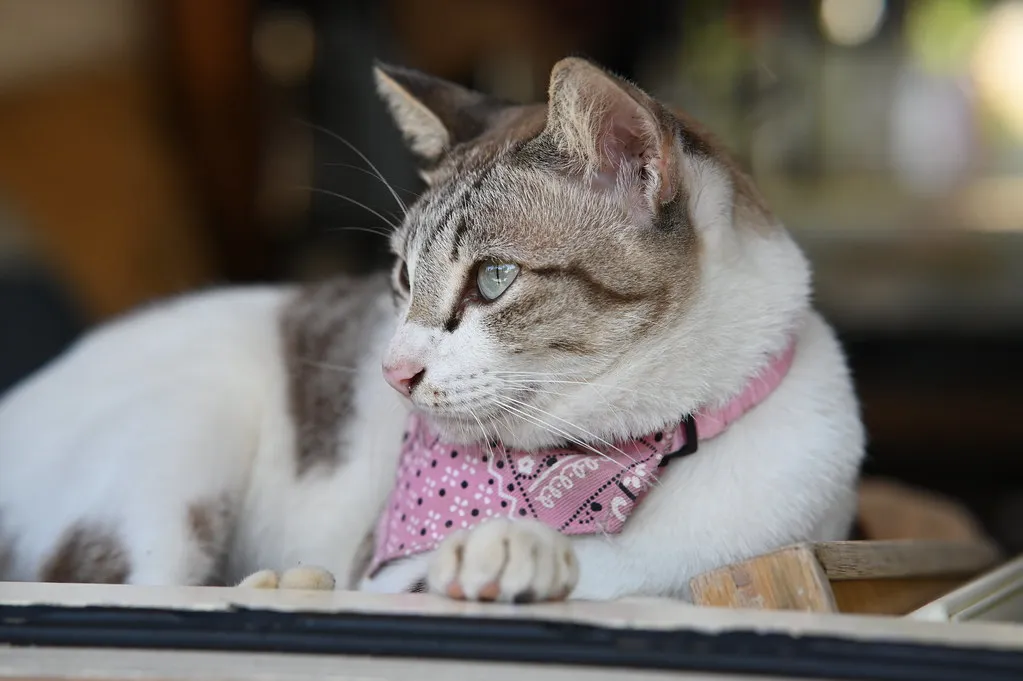
Accessories follow their own rules too. A scarf should sit loosely and never wrap twice, because a looped scarf can catch on furniture. A bandana should fasten with a breakaway clip, and a bow tie should attach to a breakaway collar. Our cat body language chart explains the comfort signals to watch for, such as flattened ears and a twitching tail.
Common Sizing Mistakes to Avoid
The most common mistake is ordering by weight alone. Weight bands on product pages are wide and overlap, and a muscular 12 pound cat and a chubby 12 pound cat need different chest sizes. Always measure the chest, and let it overrule the weight guide when the two disagree.
The second mistake is measuring a sitting cat. Sitting shortens the back and expands the chest, so the numbers come out wrong in both directions. The third mistake is forgetting the fur. Long-haired cats measure an inch or more larger than their body if you measure over the fluff, so press the fur down gently and measure the body underneath.
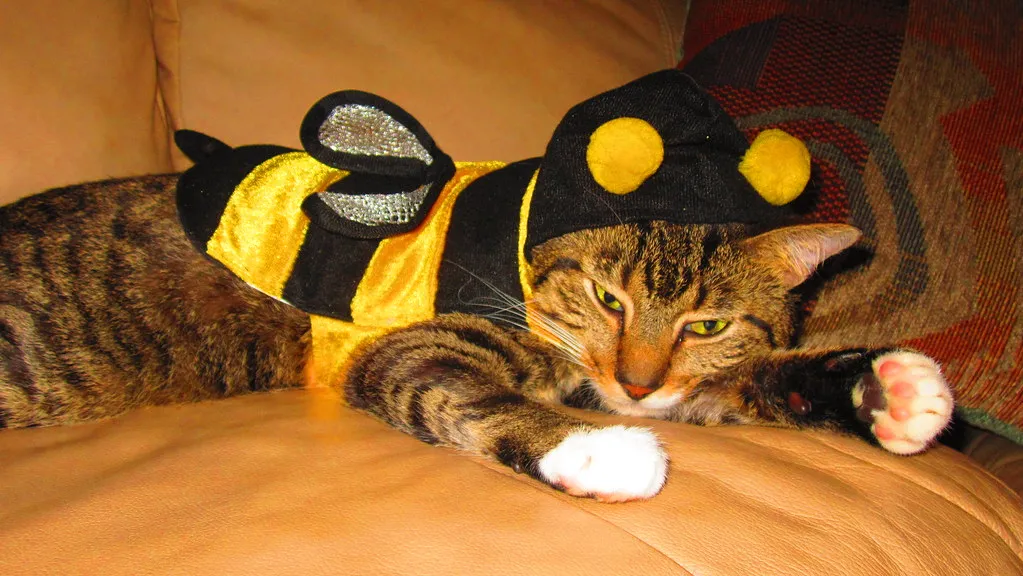
The fourth mistake is buying a costume in the same size as a sweater. Costumes run small and do not stretch, so go one size up for anything with stiff fabric or fixed seams. And the fifth mistake is ignoring the return policy. Even with perfect measurements, some brands run small, so buy from sellers that allow free exchanges, and read reviews that mention the reviewer’s cat breed and weight before you order.
Frequently Asked Questions
What size clothes does an average cat wear?
Most average adult house cats wear size S or M. A typical 8 to 11 pound cat with a 14 to 16 inch chest fits M, while a smaller cat fits S. Measure the chest to be sure.
How do I know if a cat sweater is too small?
A sweater is too small if you cannot slide two fingers under the neckline, if the cat walks stiffly or refuses to move, or if the fabric pulls tight across the chest when the cat sits.
Should I size up if my cat is between sizes?
Yes. When your cat falls between two sizes on the cat clothes size chart, choose the larger size. A slightly loose garment is comfortable and safe, while a tight one restricts movement and breathing.
Do cats need clothes in winter?
Most cats do not need clothes indoors in winter. Hairless breeds, senior cats, and cats recovering from illness are the exceptions. For outdoor trips in snow or wind, a coat helps short-haired cats stay warm.
Can kittens wear clothes?
Kittens over eight weeks old can wear light, stretchy clothes for short supervised periods. Choose wide neck openings and no small buttons or ties, and never leave a kitten unsupervised in clothing until you are sure it moves freely.
Conclusion
A cat clothes size chart turns a guessing game into a two minute job. Measure the neck, chest, and back length while your cat is standing, match all three numbers to the chart, and size up when your cat falls between sizes. Remember that chest size matters most, brand charts vary, and a comfortable cat is the real test of any garment. Our cat behavior chart explains more about how cats respond to new experiences. Measure first, order second, and let your cat have the final say.