
There are more than 7,000 recognized types of frogs in the world, and honestly, most of us could name maybe three of them. Bullfrog, tree frog, toad (which is technically a frog too). The rest of this enormous family stays invisible, even though frogs live on every continent except Antarctica and come in colors that look almost unreal.
This guide fixes that. Below you will find 20 of the most interesting types of frogs in one complete chart with pictures, sizes, habitats and identification details.

Types of Frogs Chart: 20 Species Compared
Here is the full chart. Every entry below includes the species name, its typical adult size, where it lives, and the one feature that makes it stand out.
| Species | Adult Size | Range / Habitat | Standout Feature |
|---|---|---|---|
| American Bullfrog | 3.6 to 6 inches | Ponds and lakes, North America | Largest North American frog; deep booming call |
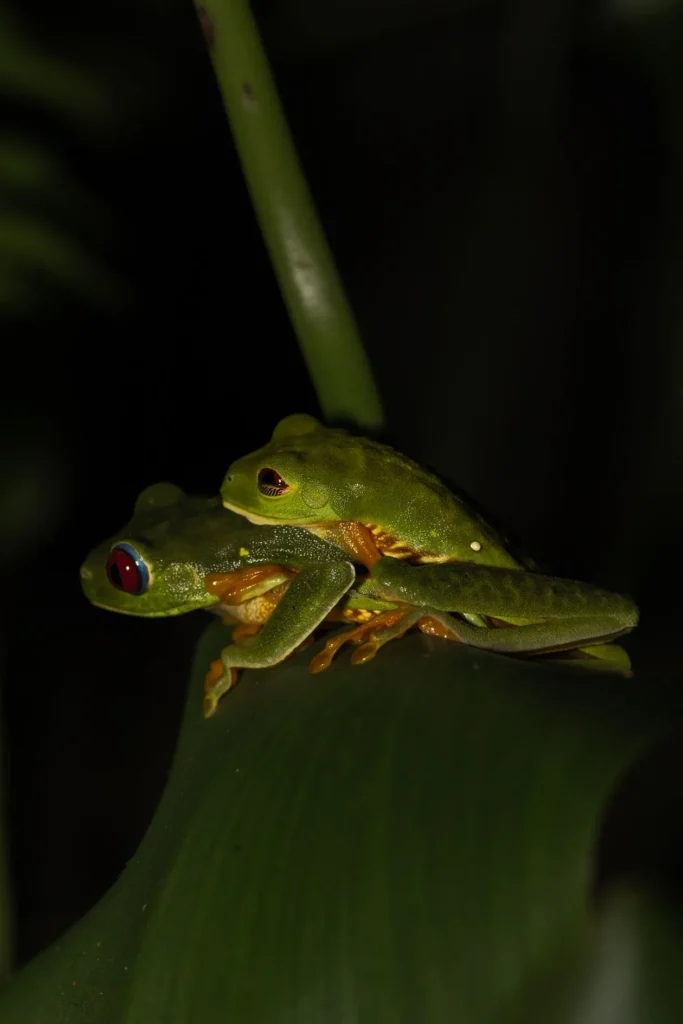
| Red-Eyed Tree Frog | 2 to 3 inches | Rainforest canopy, Central America | Bright red eyes and orange feet; startle coloration |
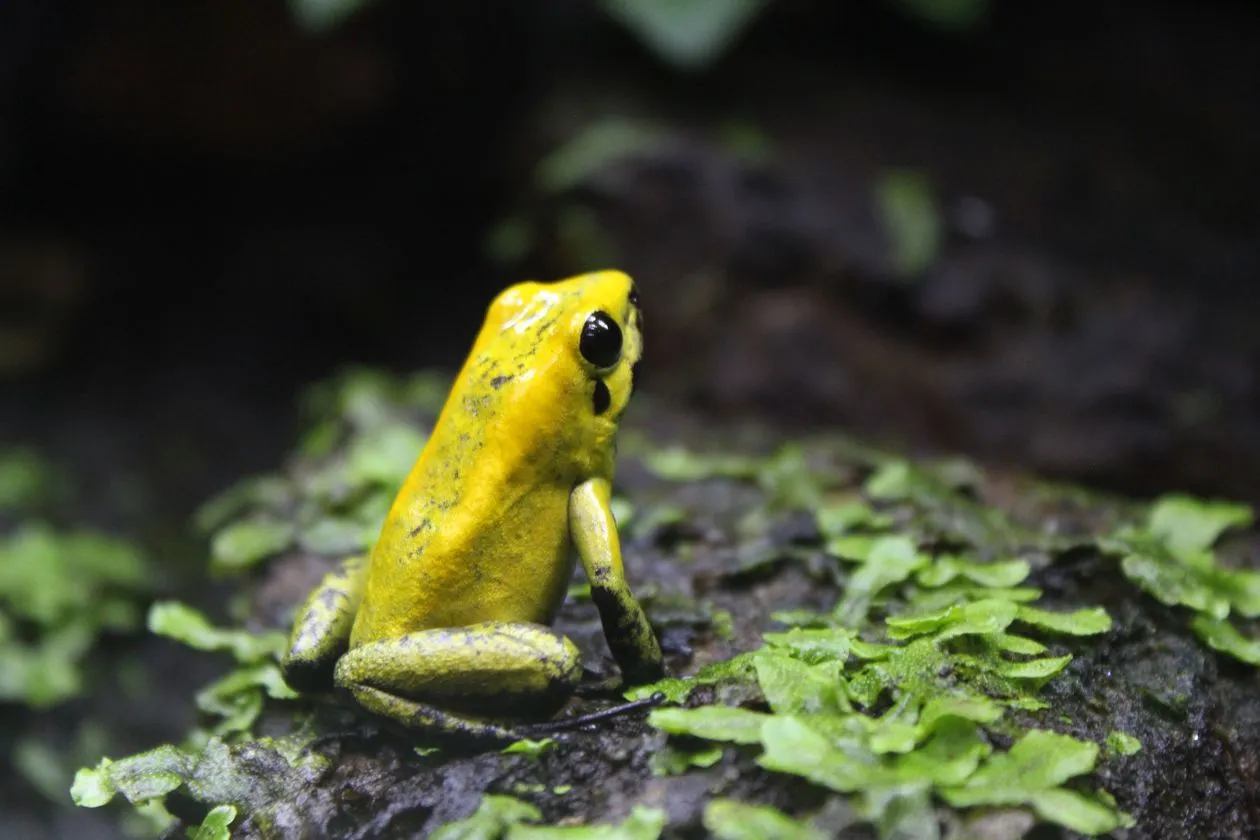
| Golden Poison Dart Frog | Up to 2 inches | Rainforest floor, Colombia | Most toxic land animal known; enough poison to kill 10 men |
| Blue Poison Dart Frog | 1.5 to 2 inches | Forest floor, Suriname | Brilliant blue skin with black spots; warning coloration |
| Northern Leopard Frog | 2 to 5 inches | Wetlands and meadows, North America | Dark leopard-like spots; classic “true frog” |
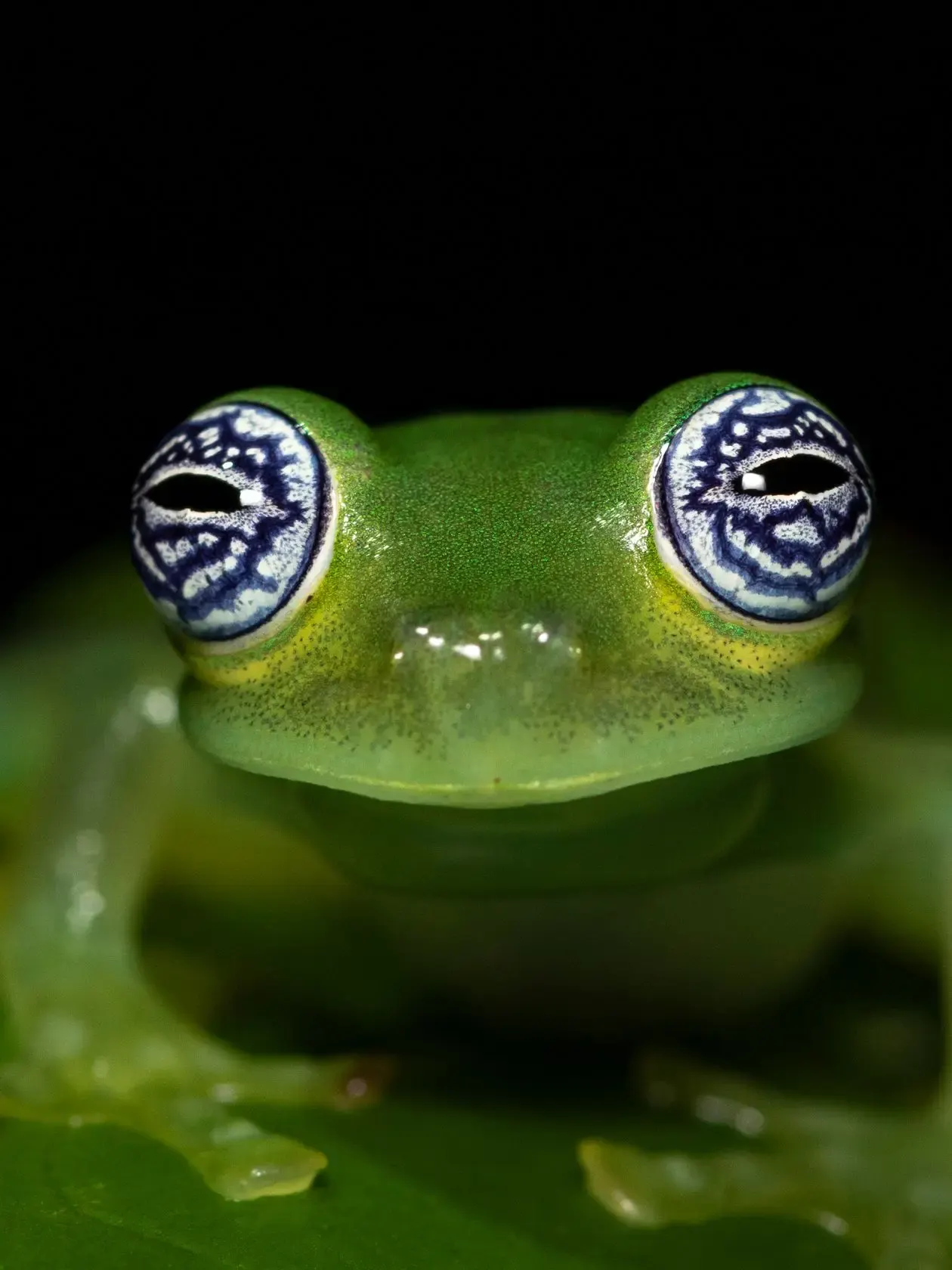
| Fleischmann’s Glass Frog | 0.8 to 1.2 inches | Streamsides, Central and South America | Transparent belly; organs visible through skin |
| Goliath Frog | Up to 13 inches | Rivers, Cameroon and Equatorial Guinea | World’s largest frog; can weigh over 7 pounds |
| Paedophryne amauensis | 0.3 inches | Leaf litter, Papua New Guinea | World’s smallest vertebrate; discovered in 2009 |
| American Green Tree Frog | 1.25 to 2.5 inches | Swamps and backyards, southeastern USA | Sticky toe pads; Louisiana’s state amphibian |
| Gray Tree Frog | 1.25 to 2 inches | Woodlands, eastern North America | Changes color from gray to green; musical trill call |
| Wood Frog | 1.4 to 2.75 inches | Forests, northern North America | Survives being frozen solid in winter |
| Pacific Chorus Frog | 0.75 to 2 inches | Wetlands, western North America | Tiny frog with a big chorus; three dark stripes |
| Spring Peeper | 0.75 to 1.5 inches | Woodland ponds, eastern North America | High-pitched “peep” heralds spring; X mark on back |
| Pickerel Frog | 2 to 3.5 inches | Streams and meadows, eastern USA | Only poisonous frog native to the USA; rectangular spots |
| African Clawed Frog | 2 to 5 inches | Ponds and rivers, sub-Saharan Africa | Fully aquatic; clawed hind feet; famous lab animal |
| Wallace’s Flying Frog | 3 to 4 inches | Rainforest canopy, Southeast Asia | Glides between trees on webbed feet |
| Tomato Frog | 2.5 to 4 inches | Swamps and ponds, Madagascar | Bright red; secretes sticky white toxin when threatened |
| Ornate Horned Frog | 4 to 6 inches | Grasslands, South America | “Pacman frog”; huge mouth, ambush predator |
| Desert Rain Frog | 1.6 to 2.4 inches | Coastal dunes, Namibia and South Africa | Round body, tiny limbs; famous squeaky call |
| Cane Toad | 4 to 6 inches | Native to the Americas; invasive in Australia | Huge invasive toad; toxic to predators |
What Are the Main Types of Frogs?
Scientists group the 7,000-plus frog species into families, but for everyday identification it is easier to think in the big lifestyle groups. Most of the types of frogs you will ever see fall into one of these: tree frogs, true frogs, poison dart frogs, glass frogs, and toads. Each group evolved a different answer to the same basic problem, which is how to live half your life in water and half on land.
Tree Frogs: The Climbers
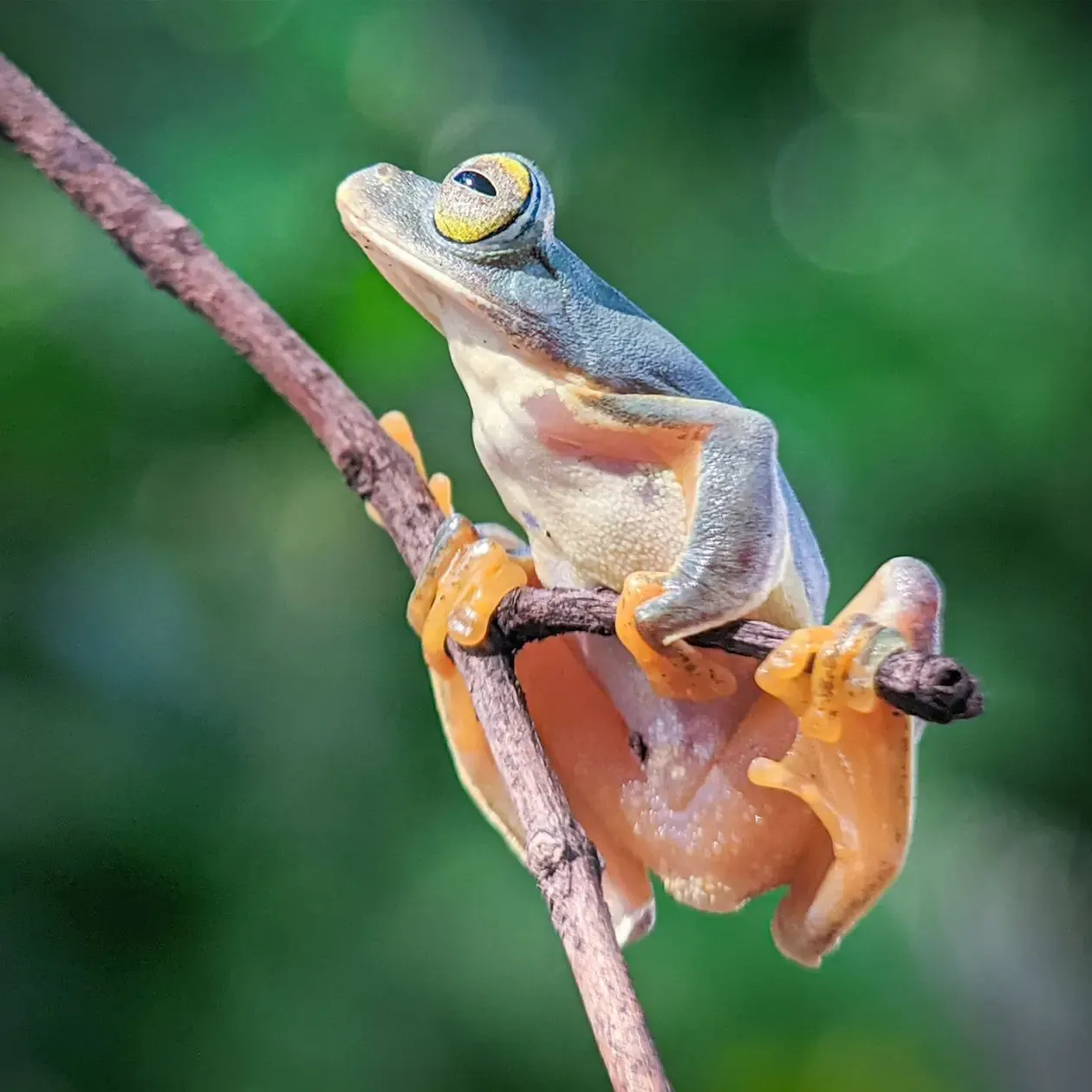
Tree frogs are the acrobats of the frog world. Their toes end in sticky adhesive pads that let them climb smooth leaves, glass, and even vertical stems with ease. The red-eyed tree frog is the poster child: emerald green body, enormous red eyes, bright orange feet. Those flashy colors are not decoration. When a predator startles the frog, the eyes snap open and the colors flash for a split second, a trick called startle coloration that buys the frog time to escape.
Not all tree frogs live in rainforests. The American green tree frog is a common backyard visitor across the southeastern United States, and the gray tree frog survives freezing winters across the eastern US and Canada. If you hear a musical trill on a summer night in the east, a gray tree frog is probably the singer.

True Frogs: Bullfrogs and Leopard Frogs
The “true frogs” (family Ranidae) are the classic pond frogs most people picture. The American bullfrog is the heavyweight of the group and the largest frog in North America. A big male can stretch past 6 inches and bellow a call so deep it carries across an entire lake. Bullfrogs eat insects, fish, small turtles, birds, and even other frogs.
The northern leopard frog is the prettier cousin, named for the dark rounded spots scattered across its green or brown back. It is one of the most widespread frogs in North America and a familiar sight in meadows and marshes. Watch out for its lookalike, the pickerel frog, which has squarer, rectangular spots in neat rows and is the only US frog with genuinely poisonous skin secretions.


Poison Dart Frogs: Small, Bright, Dangerous
No group of frogs gets more attention than the poison dart frogs of Central and South America. These are tiny animals, most under 2 inches long, painted in warning colors: electric blue, sunny yellow, fire-engine red. The colors are honest advertising. Their skin carries alkaloid toxins, and in the wild they get that poison from their diet of ants and mites.
The golden poison dart frog of Colombia takes this to an extreme. It is considered one of the most toxic animals on Earth. Indigenous Embera hunters historically tipped their blow darts with its secretions, which is where the whole family gets its name.

Glass Frogs: The See-Through Wonders
Glass frogs look like a special effect, but they are completely real. These small Central and South American frogs have translucent skin on their undersides, and in some species you can watch the heart beat and see the liver, intestines, and bones right through the belly. They spend their lives on leaves overhanging rainforest streams, and males guard the eggs laid on the underside of leaves. When the tadpoles hatch, they simply drop into the water below.
Frogs vs Toads: How to Tell Them Apart
Here is the fact that confuses everyone: all toads are frogs, but not all frogs are toads. Toads are simply the members of the frog family Bufonidae, with dry, warty skin and shorter legs built more for hopping than for long leaps. True frogs have smooth, moist skin and long powerful hind legs.
| Feature | Frogs | Toads |
|---|---|---|
| Skin | Smooth and moist | Dry and bumpy or warty |
| Legs | Long, built for jumping | Shorter, built for walking |
| Habitat | Usually near water | Tolerate drier areas |
| Eggs | Laid in clusters | Laid in long chains |
| Eyes | Bulge prominently | Have poison glands behind eyes |

The cane toad deserves a special mention. Introduced to Australia in 1935 to control sugarcane beetles, it became one of the worst invasive species in history, spreading across the continent and poisoning native predators that try to eat it. It is a reminder of how tough these animals are.

The Biggest and Smallest Frogs on Earth
The size range in frogs is genuinely absurd. The goliath frog of West Africa can reach 13 inches from snout to vent and weigh more than 7 pounds, about the size of a house cat. It builds its own breeding pools by moving rocks and gravel in rivers, which is remarkable behavior for an amphibian.
At the other end, Paedophryne amauensis from Papua New Guinea measures about 0.3 inches long, smaller than a dime and one of the smallest vertebrates ever discovered. It was only described by science in 2009, which tells you how much of the frog world is still being mapped. For perspective, you could line up roughly 40 of them along the body of a single goliath frog.

Where Do Frogs Live?
Almost everywhere there is fresh water, and some places where there is not much of it at all. Tropical rainforests hold the greatest diversity by far: the Amazon basin alone hosts hundreds of species. But frogs also thrive in temperate woodlands, deserts, mountains, and even cities. The desert rain frog of Namibia lives in coastal sand dunes and gets its moisture from fog.
Like other amphibians, frogs breathe partly through their skin, which makes them living indicators of environmental health. If you want to see how pond creatures compare, our types of sea turtles chart covers another group of water-dwelling reptiles, and the types of crocodiles guide looks at the top predators that share frog habitats.

Are Frogs Endangered?
Unfortunately, yes, at an alarming rate. Amphibians are the most threatened group of vertebrates on the planet. Around 40 percent of amphibian species face extinction, hit by a combination of habitat destruction, pollution, climate change, and a fungal disease called chytridiomycosis that has wiped out entire populations. The golden toad of Costa Rica, once abundant, has not been seen since 1989 and is presumed extinct.
The good news is that frogs respond quickly to protection. Captive breeding programs have pulled species like the Panamanian golden frog back from the edge, and wetland restoration projects across the US have revived local populations. Paying attention to which types of frogs live near you is a small first step.

Types of Frogs: FAQs
How many types of frogs are there in the world?
Scientists currently recognize more than 7,000 frog species, and new ones are described every year. They belong to the order Anura, which also includes toads.
What is the difference between a frog and a toad?
All toads are frogs, but toads (family Bufonidae) have dry, warty skin and shorter legs, while true frogs have smooth, moist skin and long jumping legs.
What is the largest frog species?
The goliath frog of Cameroon and Equatorial Guinea is the largest, reaching up to 13 inches long and weighing over 7 pounds.
What is the smallest frog species?
Paedophryne amauensis from Papua New Guinea, at about 0.3 inches long, is the smallest known frog and one of the smallest vertebrates in the world.
Are poison dart frogs dangerous to humans?
Wild poison dart frogs are toxic because of their diet, and some species like the golden poison dart frog are extremely dangerous. Captive-bred dart frogs are harmless.
Why are so many frog species endangered?
Habitat loss, pollution, climate change, and the chytrid fungus are the main threats. Amphibians absorb chemicals through their skin, making them especially vulnerable.
Conclusion
From the transparent belly of the glass frog to the house-cat-sized goliath frog, the types of frogs in this chart show how much variety hides behind one small word. Next time you hear a chorus of croaks on a summer night, listen closely: you are hearing one of the oldest and most diverse animal groups on the planet.


Pingback: Types of Snakes: 20 Species, Sizes and Habitats – Chart Identify