When a doctor first says low potassium diet, most people picture a plate with nothing on it. Vegetables seem like the problem, because so many are rich in potassium. This low potassium vegetables chart shows the other side: 30 everyday vegetables under 200 mg per serving, ranked with real USDA values.
Every vegetable below suits someone watching potassium, usually because of kidney disease or a medicine that raises blood potassium. The list covers salad vegetables, leafy greens, root vegetables, and cooked vegetables. For a related chart, see our low sodium foods chart.
Low Potassium Vegetables Chart: 30 Vegetables Ranked
Values below come from USDA FoodData Central, rounded to the nearest whole number, for the plain version of each vegetable, with no salt, sauce, or added fat. Servings are half a cup or one cup.
| # | Vegetable | Serving | Potassium (mg) | Group |
|---|---|---|---|---|
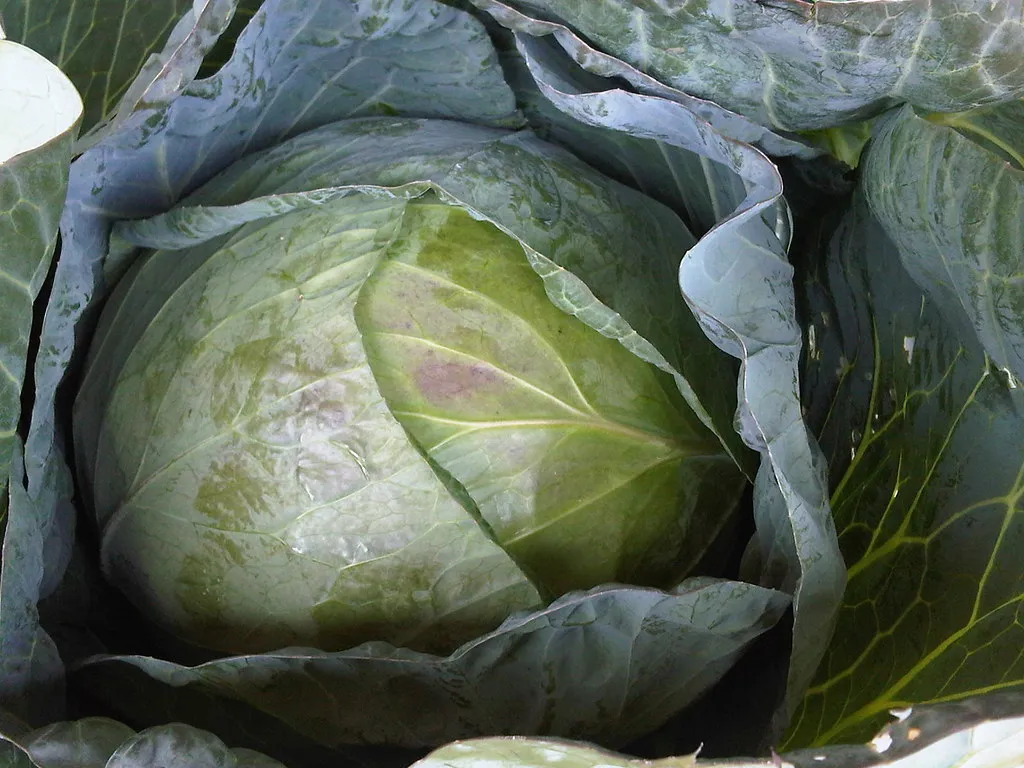
| 1 | Cabbage, cooked | 1/2 cup | 73 | Leafy green |
| 2 | Cucumber, sliced | 1/2 cup | 76 | Salad |
| 3 | Cauliflower, cooked | 1/2 cup | 88 | Cruciferous |
| 4 | Leeks, cooked | 1/2 cup | 89 | Allium |
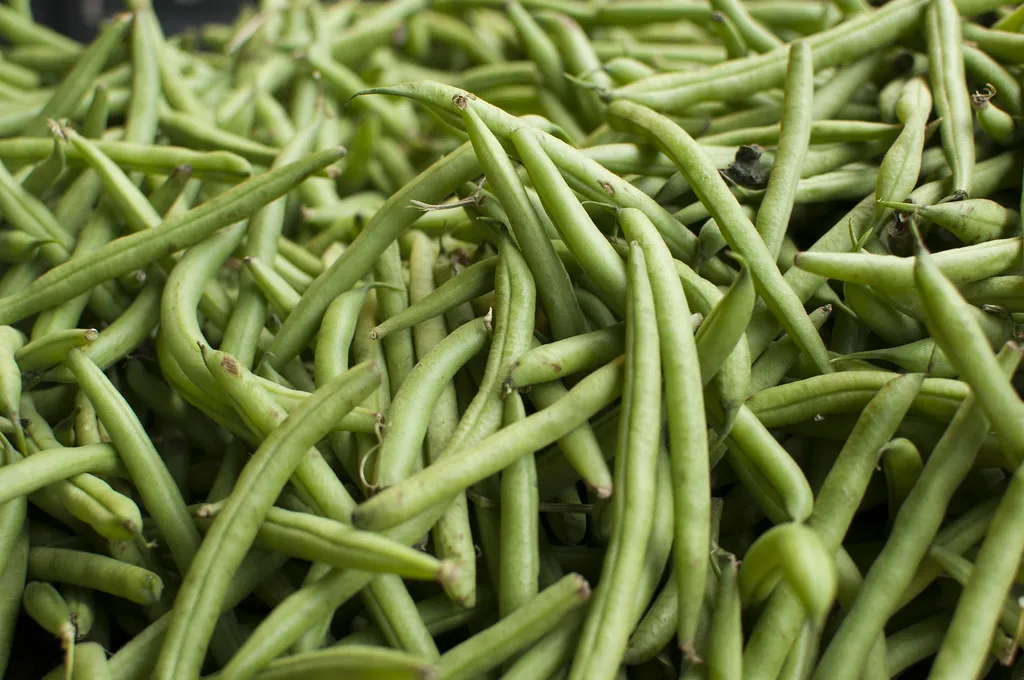
| 5 | Green beans, cooked | 1/2 cup | 90 | Legume |
| 6 | Wax beans, cooked | 1/2 cup | 95 | Legume |
| 7 | Daikon radish, sliced | 1/2 cup | 100 | Root |
| 8 | Iceberg lettuce, shredded | 1 cup | 102 | Leafy green |
| 9 | Romaine lettuce, shredded | 1 cup | 116 | Leafy green |
| 10 | Onion, chopped | 1/2 cup | 117 | Allium |
| 11 | Eggplant, cooked | 1/2 cup | 122 | Cooked |
| 12 | Snow peas, raw | 1 cup | 126 | Legume |
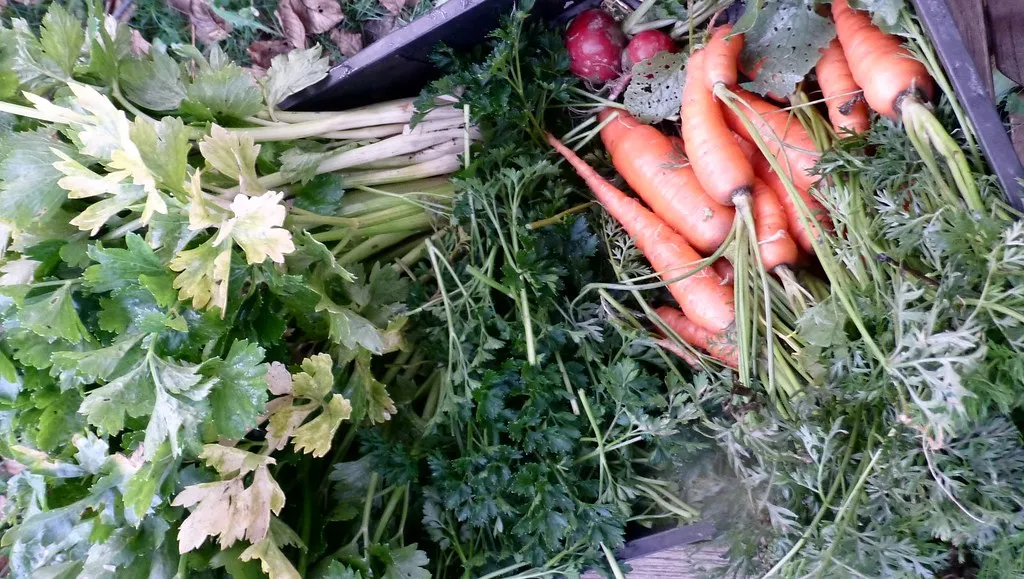
| 13 | Celery, chopped | 1/2 cup | 130 | Salad |
| 14 | Green bell pepper, chopped | 1/2 cup | 132 | Salad |
| 15 | Green peas, cooked | 1/2 cup | 134 | Legume |
| 16 | Radishes, sliced | 1/2 cup | 135 | Root |
| 17 | Okra, cooked | 1/2 cup | 135 | Cooked |
| 18 | Turnips, cooked | 1/2 cup | 138 | Root |
| 19 | Mushrooms, white, cooked | 1/2 cup | 139 | Cooked |
| 20 | Mustard greens, cooked | 1/2 cup | 141 | Leafy green |
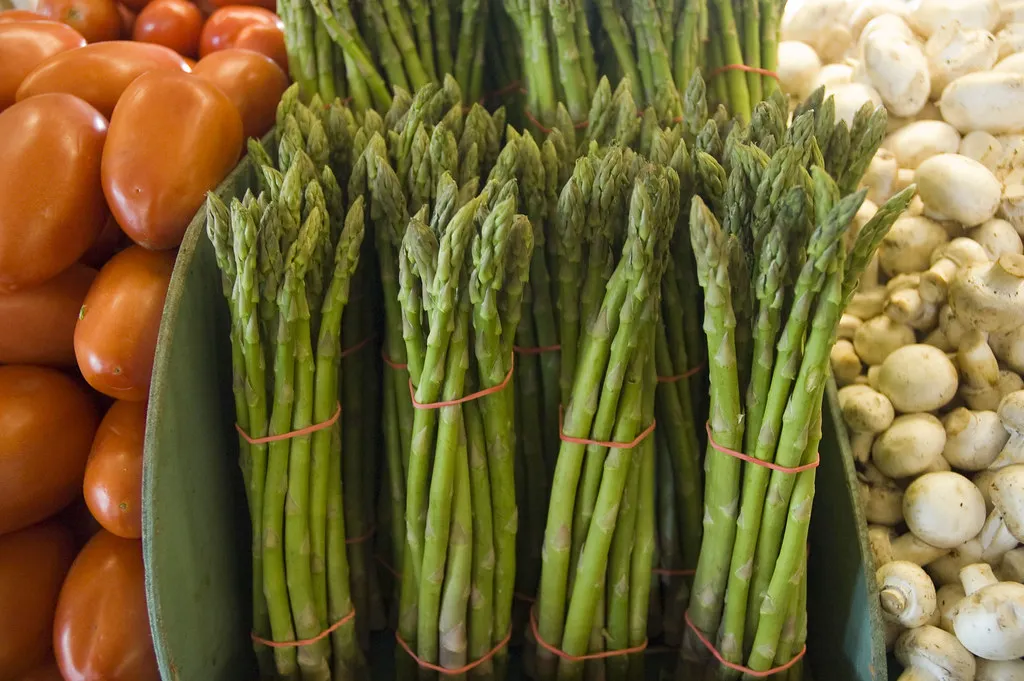
| 21 | Asparagus, cooked | 1/2 cup | 144 | Cooked |
| 22 | Rutabaga, cooked | 1/2 cup | 148 | Root |
| 23 | Collard greens, cooked | 1/2 cup | 155 | Leafy green |
| 24 | Bean sprouts, raw | 1 cup | 155 | Salad |
| 25 | Endive, raw | 1 cup | 157 | Leafy green |
| 26 | Corn, cooked kernels | 1/2 cup | 169 | Cooked |
| 27 | Broccoli, cooked | 1/2 cup | 172 | Cruciferous |
| 28 | Zucchini, cooked | 1/2 cup | 173 | Cooked |
| 29 | Yellow squash, cooked | 1/2 cup | 173 | Cooked |
| 30 | Carrots, raw, chopped | 1/2 cup | 177 | Root |
Two things stand out. The lowest potassium vegetables are the watery, crunchy ones: cabbage, cucumber, cauliflower, and green beans all sit under 100 mg per serving. Even the highest entry, carrots at 177 mg per half cup, still counts as low. Portion size matters more than picking one vegetable over another.
What Counts as Low Potassium?
There is no official low potassium label, so dietitians use a practical rule: low is 200 mg or less per serving, moderate is 200 to 400 mg, and high is more than 400 mg. All 30 vegetables in this chart sit in the low range.
Daily targets vary by person. A healthy adult needs about 2,600 to 3,400 mg of potassium a day, while a person on a restricted diet is usually given 2,000 to 3,000 mg a day, sometimes lower. If your doctor or dietitian gave you a personal limit, follow that number instead. Doubling a serving doubles the potassium, so measure servings until the amounts feel familiar.
Leafy Greens and Salad Vegetables
Not all leafy greens are equal on potassium: spinach and beet greens are among the highest potassium vegetables there are. The safe ones are paler and crunchier: iceberg lettuce about 102 mg per cup, romaine about 116 mg, and cooked cabbage about 73 mg per half cup.
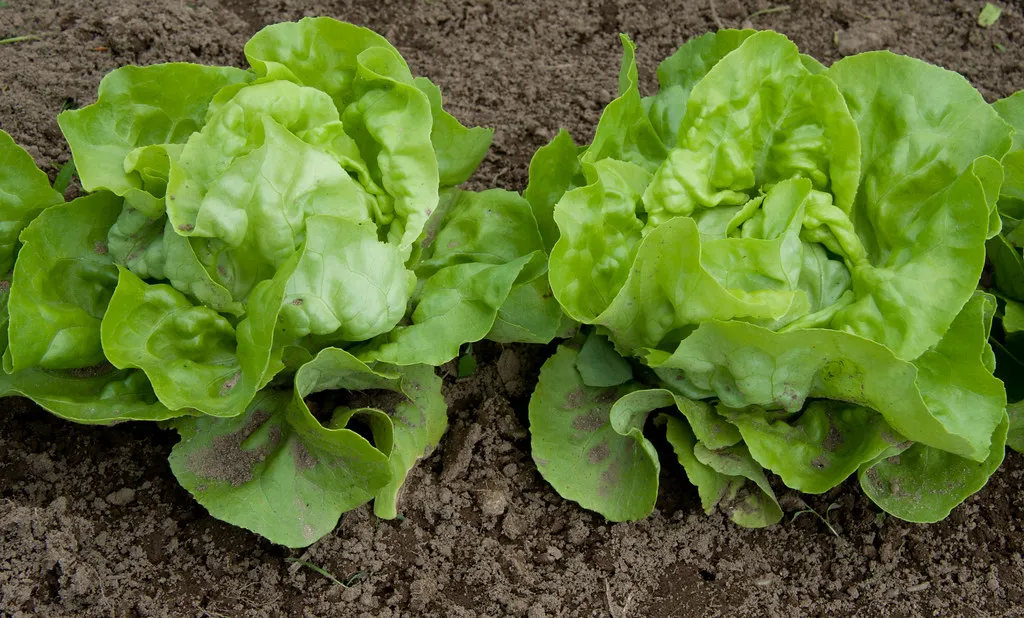
Cabbage is cheap and works raw in coleslaw, cooked in soup, or stir fried with chicken. For everyday salads, cucumber is the easiest base at about 76 mg per half cup sliced. Add celery, green bell pepper, and bean sprouts, and a full salad stays well under 500 mg. Use oil and vinegar dressing, not tomato dressing.

Root Vegetables and Crunchy Vegetables
Root vegetables have a mixed reputation on a low potassium diet, and the reason is the potato: one baked white potato carries about 900 mg, and a baked sweet potato about 540 mg. But not every root vegetable is a potato: carrots, radishes, turnips, and rutabaga are all low in normal servings.
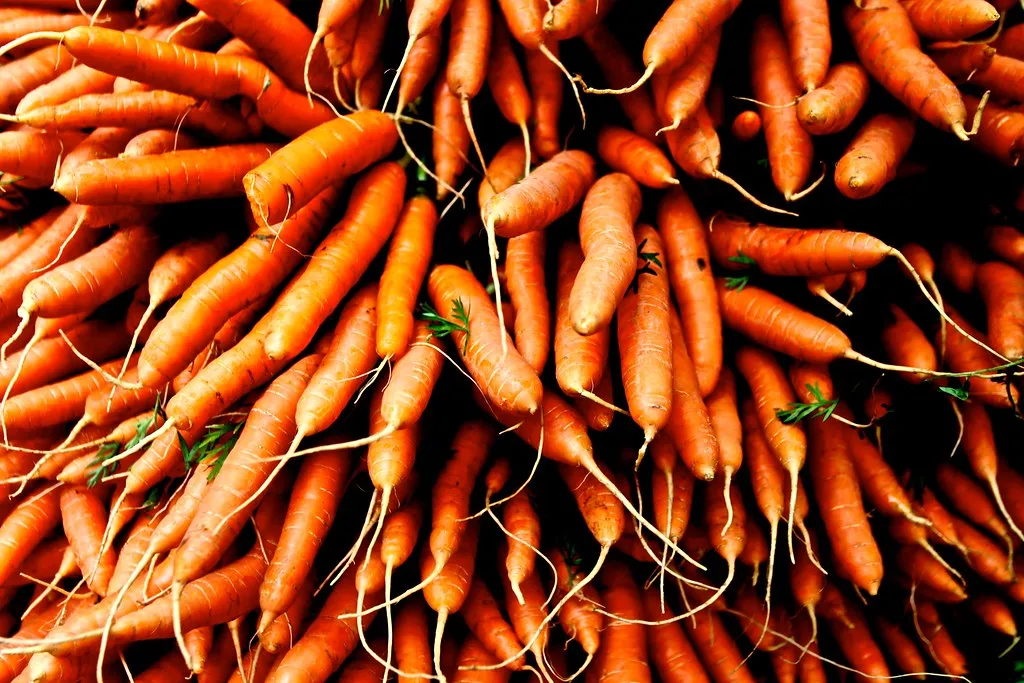
Carrots are the most useful of the group at about 177 mg per half cup raw, the highest value in this chart but still low. Radishes come in at about 135 mg per half cup sliced, turnips at about 138 mg cooked, and rutabaga at about 148 mg. Turnips and rutabaga mash well as a stand in for mashed potato, especially mixed half and half with cauliflower. Celery, at about 130 mg, is another crunchy staple. See our purine food chart for another group of foods many people track alongside potassium.

Cooked Vegetables That Stay Low in Potassium
Cooking changes potassium, usually in your favor: potassium dissolves in water, so boiling a vegetable and throwing the water away removes some of it. The chart lists several vegetables cooked: green beans about 90 mg, cauliflower about 88 mg, and broccoli about 172 mg per half cup.
Cauliflower is the most flexible cooked vegetable on this list: it roasts, steams, mashes, and blends into soup, at about 88 mg per half cup. Cauliflower mash with a little butter is the closest low potassium stand in for mashed potato. Broccoli needs more care: half a cup is low at 172 mg, but a full cup is moderate at about 340 mg.

The same rule applies to zucchini and yellow squash, both about 173 mg per half cup cooked, and corn at about 169 mg. Asparagus, at about 144 mg, grills well with lemon. Eggplant, mushrooms, okra, and bell peppers sit between 122 and 139 mg. Keep zucchini to half a cup. Our oxalate food chart covers another mineral that matters for kidney health.



High Potassium Vegetables to Limit
Knowing what to limit is as useful as knowing what to eat: a normal serving of these healthy vegetables can use up a large share of a restricted daily target.
| Vegetable | Serving | Potassium (mg) | Note |
|---|---|---|---|
| White potato, baked | 1 medium | about 900 | Leaching helps |
| Spinach, cooked | 1 cup | about 840 | Cooking concentrates it |
| Sweet potato, baked | 1 medium | about 540 | High even in a small serving |
| Winter squash, cooked | 1 cup | about 490 | Butternut and acorn squash |
| Tomato sauce | 1/2 cup | about 450 | Concentrated; fresh tomato is lower |
| Beets, cooked | 1/2 cup | about 260 | Small portions only |
| Brussels sprouts, cooked | 1/2 cup | about 250 | A little goes a long way |
Tomatoes deserve a careful note because they appear everywhere. A fresh tomato is moderate at roughly 290 mg, but half a cup of tomato sauce has about 450 mg and a tablespoon of tomato paste about 130 mg. Use fresh chopped tomato instead of sauce, or stretch less sauce with water and low potassium vegetables. Potatoes are the hardest food to give up, and they do not have to disappear: leaching cuts their potassium by a third or more, and many dietitians allow a small leached portion once or twice a week.
Cooking Methods That Lower Potassium
How you cook a vegetable can change its potassium more than which vegetable you choose. Leaching works best: peel the vegetable, slice it thin, and soak the slices in plain water for at least two hours. Then boil them in fresh unsalted water until tender, and drain the water away. Do not use the cooking water for soup or gravy. Leaching can cut potassium by about a third, and by more for potatoes with double boiling.
Double boiling means boiling the chopped vegetable, draining it, then boiling it again in fresh water. It takes more time and washes out some vitamins, so save it for foods you really miss, like potatoes. For the vegetables in this chart, plain boiling once is usually enough. Peel before cooking, since some potassium sits in or just under the skin, and boil rather than steam or roast when you want potassium lowered. Never use salt substitutes: most are potassium chloride, which adds potassium instead of sodium.
How to Build Low Potassium Meals
A low potassium plate follows a simple pattern: low potassium vegetables, a plain protein, and a low potassium grain. White rice and white pasta are lower in potassium than brown rice and whole wheat pasta, one of the few cases where the refined grain is better.
- Lunch: cucumber, lettuce, and bell pepper salad with grilled chicken and lemon.
- Dinner: steamed cabbage and green beans with baked fish and white rice.
- Soup: clear broth with carrots, cabbage, zucchini, and onion.
Snacks can stay low potassium too: celery sticks with cream cheese, cucumber slices with hummus, or lettuce wraps with turkey. Keep snacks small and count them, because that is where extra potassium sneaks in. When you shop, buy the vegetables at the top of this chart first. They are the most forgiving.
Frequently Asked Questions
What vegetables have the lowest potassium?
Cucumber, cabbage, cauliflower, leeks, and green beans, all under 100 mg per serving: cabbage cooked about 73 mg per half cup, cucumber about 76 mg, cauliflower about 88 mg.
Can I still eat potatoes on a low potassium diet?
Potatoes are usually high, about 900 mg for a medium baked potato, but small amounts are sometimes fine after leaching: peel and slice, soak in water for at least two hours, then double boil in fresh water and drain it away. Ask your doctor or dietitian first, and do not eat potatoes every day.
Are leafy greens safe if I need to limit potassium?
It depends on the type and the portion. Spinach, beet greens, and Swiss chard are very high and best avoided. Lettuce, cabbage, endive, collard greens, and mustard greens are much lower and fit normal portions. Even these add up in very large servings.
How much potassium per serving is considered low?
As a practical rule, low is 200 mg or less per serving, moderate is 200 to 400 mg, and high is more than 400 mg. Every vegetable in this chart is under 200 mg per serving.
Does boiling vegetables really lower potassium?
Yes. Potassium dissolves in water, so boiling a vegetable and throwing the cooking water away removes some of it. Peeling, slicing thin, soaking, and double boiling lower it further. Steaming and roasting do not lower it much.
Conclusion
A low potassium diet does not mean giving up vegetables. It means choosing the right ones, measuring the serving, and cooking them in ways that keep potassium low. Cabbage, cucumber, cauliflower, green beans, and lettuce give you a solid base under 100 mg per serving, and the other 25 vegetables in this chart fill out the week without passing 200 mg a serving.