
Most of the salt in an American diet does not come from the salt shaker. It comes from packaged foods, restaurant meals, and sauces. This low sodium foods chart shows the other side: 30 everyday foods with 140 mg of sodium or less per serving, ranked with real USDA values.
Every food here meets the FDA definition of low sodium, 140 mg or less per serving. The list covers fruits, vegetables, proteins, grains, and dairy. To compare healthy choices more broadly, see our healthy and junk food chart, which ranks 30 foods the same way.
Low Sodium Foods Chart: 30 Foods Under 140 mg
Values below come from USDA FoodData Central, rounded to the nearest whole number. They apply to the plain, unsalted version of each food.
| # | Food | Serving | Sodium (mg) | Group |
|---|---|---|---|---|
| 1 | Banana | 1 medium | 1 | Fruit |
| 2 | Blueberries | 1 cup | 1 | Fruit |
| 3 | Black beans, cooked, no salt | 1/2 cup | 1 | Protein |
| 4 | Apple | 1 medium | 2 | Fruit |
| 5 | Strawberries | 1 cup | 2 | Fruit |
| 6 | Watermelon, diced | 1 cup | 2 | Fruit |
| 7 | Cucumber, sliced | 1 cup | 2 | Vegetable |
| 8 | Lentils, cooked, no salt | 1/2 cup | 2 | Protein |
| 9 | Unsalted butter | 1 tablespoon | 2 | Dairy |
| 10 | Grapes | 1 cup | 3 | Fruit |
| 11 | Bell pepper | 1 medium | 5 | Vegetable |
| 12 | Oats, cooked with water | 1 cup | 5 | Grain |
| 13 | Green beans | 1 cup | 6 | Vegetable |
| 14 | Tofu, firm | 1/2 cup | 9 | Protein |
| 15 | Brown rice, cooked | 1 cup | 10 | Grain |
| 16 | Zucchini, sliced | 1 cup | 10 | Vegetable |
| 17 | Quinoa, cooked | 1 cup | 13 | Grain |
| 18 | Spinach, raw | 1 cup | 24 | Vegetable |
| 19 | Broccoli, chopped | 1 cup | 30 | Vegetable |
| 20 | Cauliflower | 1 cup | 32 | Vegetable |
| 21 | Salmon, cooked | 3 ounces | 50 | Protein |
| 22 | Turkey breast, cooked | 3 ounces | 54 | Protein |
| 23 | Swiss cheese | 1 ounce | 54 | Dairy |
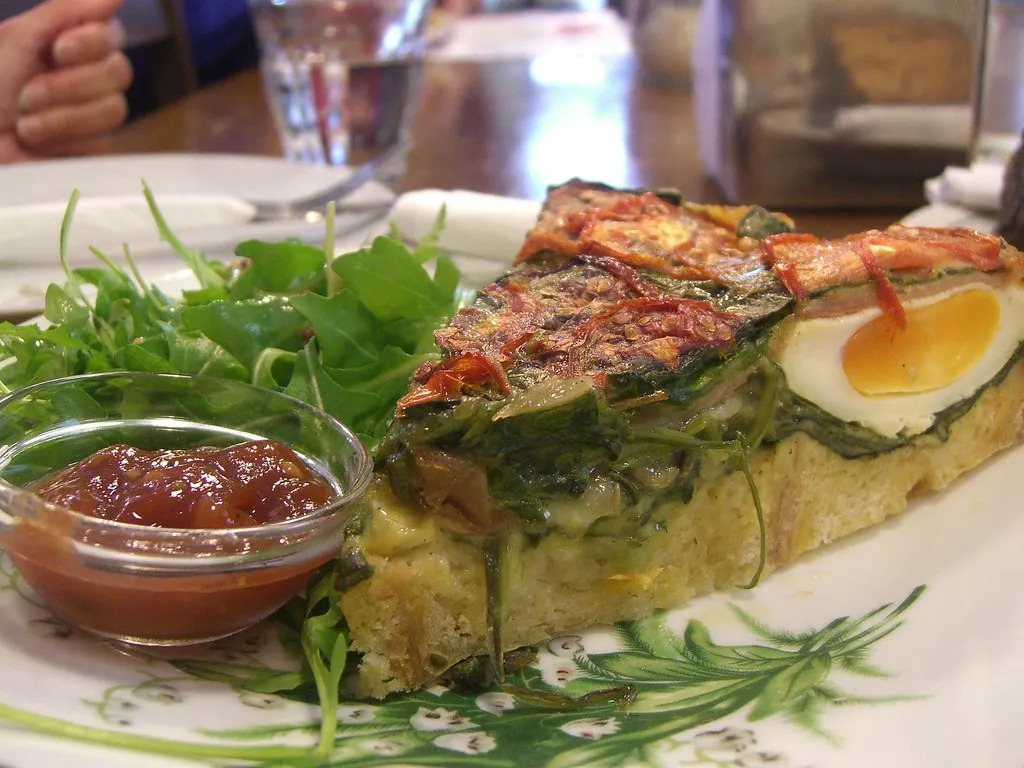
| 24 | Egg | 1 large | 62 | Protein |
| 25 | Chicken breast, cooked | 3 ounces | 74 | Protein |
| 26 | Cod, cooked | 3 ounces | 77 | Protein |
| 27 | Carrots, chopped | 1 cup | 88 | Vegetable |
| 28 | Milk, whole | 1 cup | 105 | Dairy |
| 29 | Plain yogurt | 1 cup | 113 | Dairy |
| 30 | Whole wheat bread | 1 slice | 132 | Grain |
Fresh fruits and vegetables sit at the bottom, mostly under 10 mg per serving. Plain cooked proteins stay low too, with no salt, brine, or sauce added. Milk, yogurt, and bread sit at the top, still low sodium, but they use more of your daily budget.
How Much Sodium Do You Need Each Day?
The Dietary Guidelines for Americans set the general daily limit at 2,300 mg of sodium, about one teaspoon of salt. The American Heart Association calls 1,500 mg per day the ideal target, especially for people with high blood pressure. Most American adults eat around 3,400 mg a day. If your doctor gave you a personal target, follow that instead.
How to Read a Food Label for Sodium
First, check the serving size, because the sodium number only applies to that amount. A bag of chips listing 200 mg per serving may hold three servings, which is 600 mg for the whole bag. Second, read the percent Daily Value. A food with 5 percent or less counts as low, while 20 percent or more counts as high.
The words on the package have legal meanings. Low sodium means 140 mg or less per serving. Very low sodium means 35 mg or less. Sodium free means less than 5 mg. Reduced sodium only means 25 percent less than the regular version, which can still be high. No salt added means no salt was added in processing, but check the panel anyway.
Fruits and Vegetables: The Lowest Sodium Foods
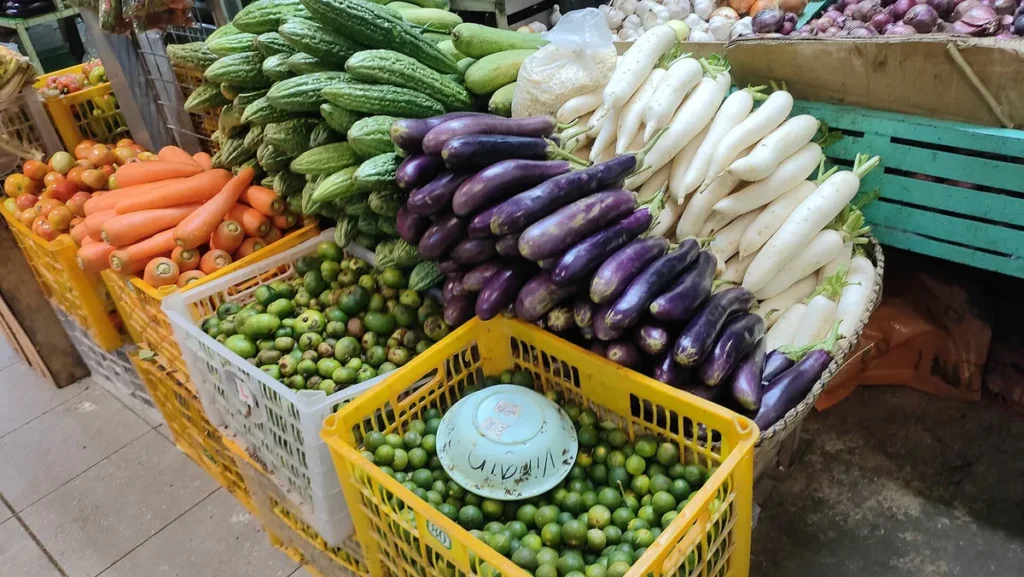
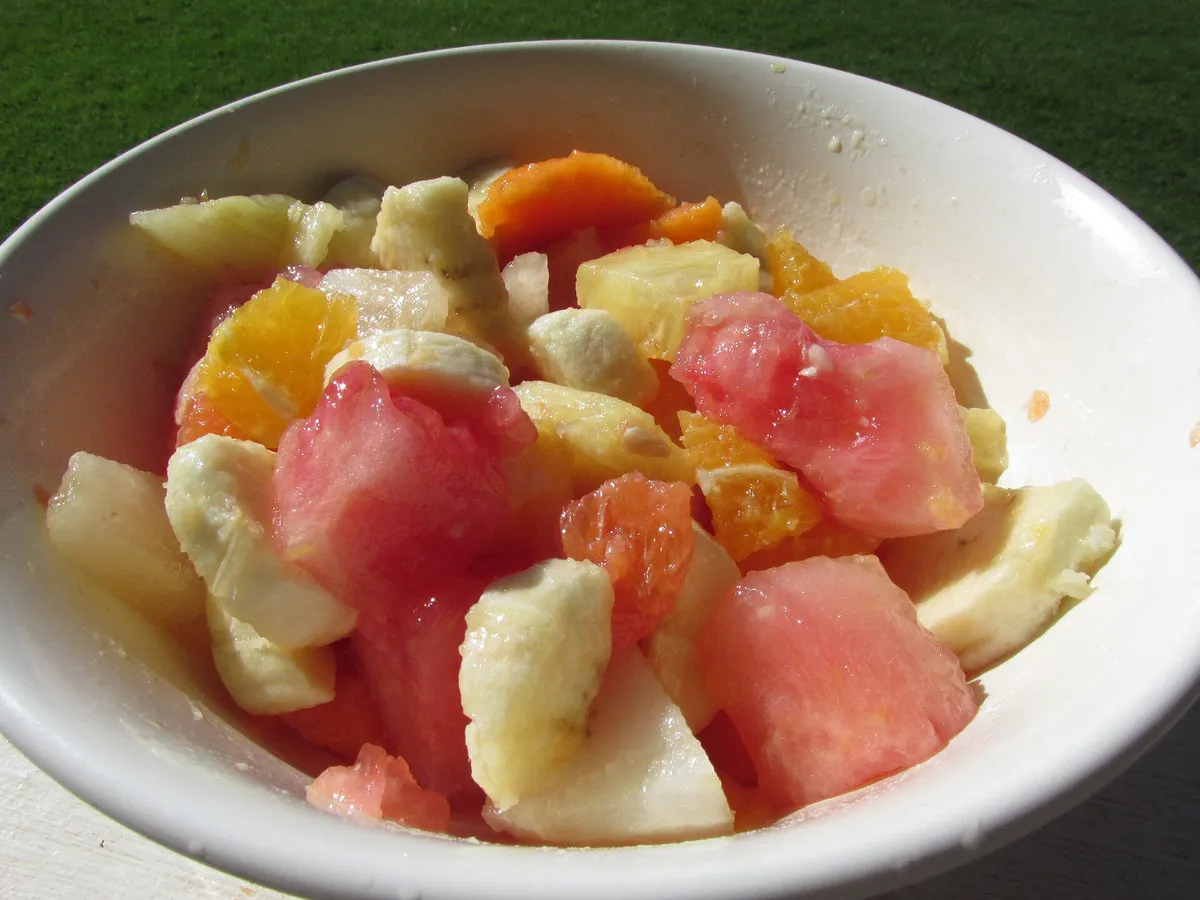
Fresh fruit is the easiest win in a low sodium diet. Every fruit in this chart has 3 mg of sodium or less per serving. A banana, an apple, a cup of berries, or a cup of grapes adds sweetness, fiber, and potassium with almost no sodium at all.
Most vegetables in the chart sit between 2 and 32 mg per cup, including broccoli, cauliflower, green beans, cucumber, bell pepper, and zucchini. Carrots are the outlier at 88 mg per cup, still low sodium, but worth knowing. A cup of raw spinach has about 24 mg.
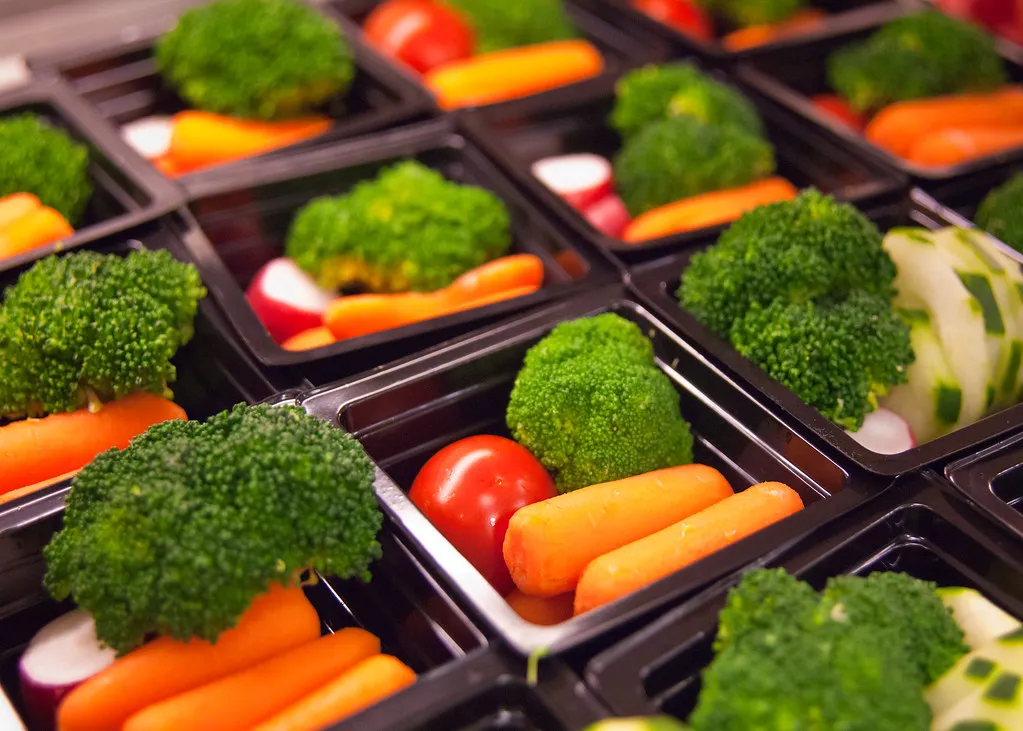
The rule that matters most is fresh versus processed. A cup of regular canned green beans can carry over 400 mg, while fresh green beans have about 6 mg. Rinsing canned vegetables can cut their sodium by about a third, but not to fresh levels.

Proteins That Stay Low in Sodium
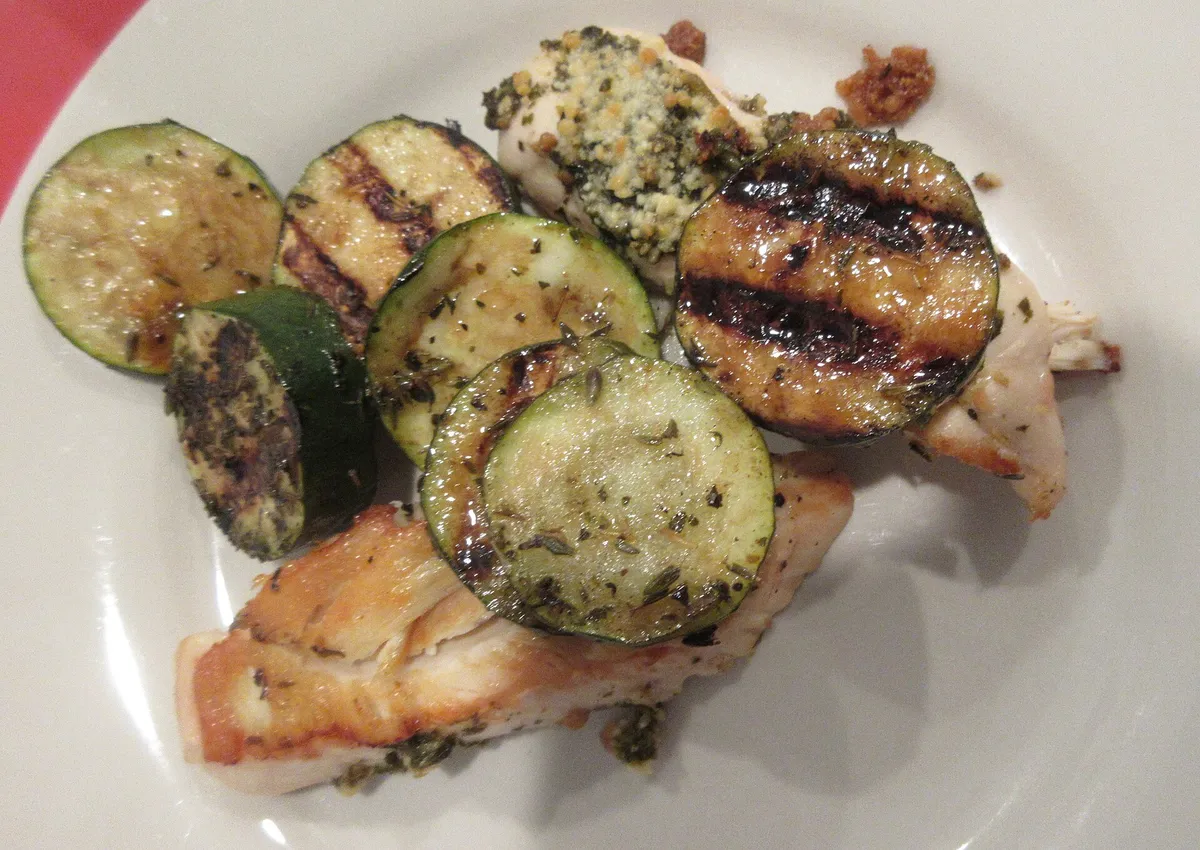
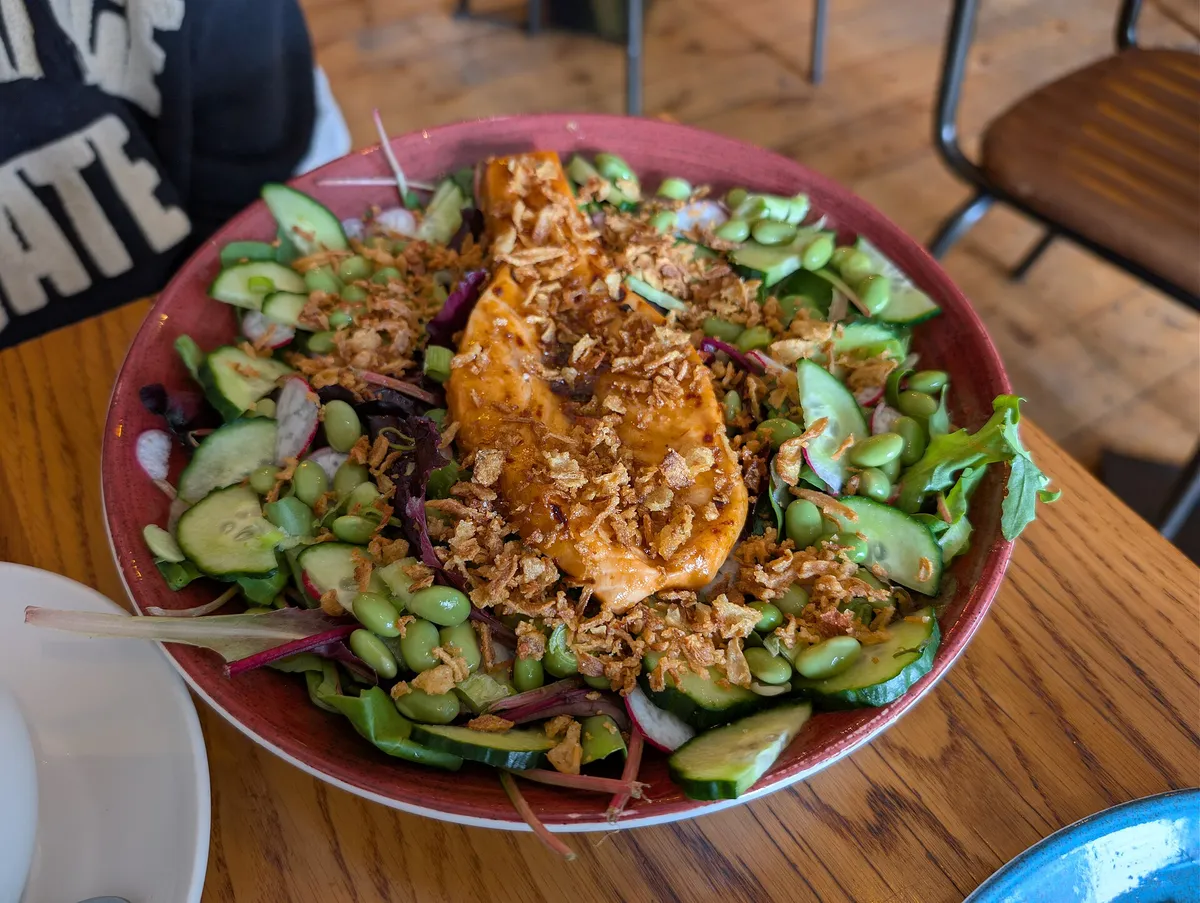
Plain, unprocessed protein is naturally low in sodium. A 3 ounce serving of cooked chicken breast has about 74 mg, turkey breast about 54 mg, salmon about 50 mg, and cod about 77 mg. A large egg has about 62 mg. Our seafood cholesterol chart ranks 30 seafoods the same way. Smoked salmon, by contrast, can pass 600 mg per serving.
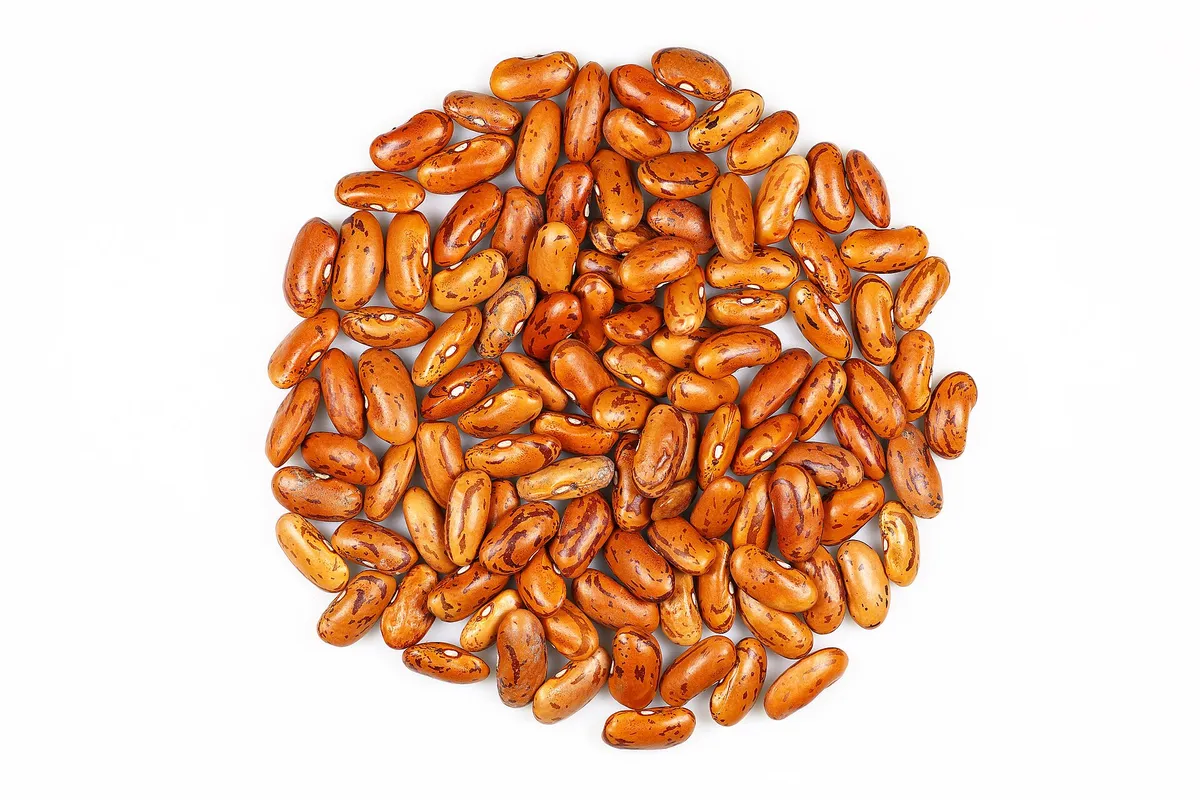
Plant proteins are the lowest of all. Half a cup of cooked black beans has about 1 mg of sodium, and half a cup of cooked lentils about 2 mg, when you cook them from dry beans with no salt added. The same half cup from a regular can can carry 400 mg or more, so rinse canned beans or buy the no salt added kind. Firm tofu is also low, about 9 mg per half cup.
Grains, Beans and Dairy
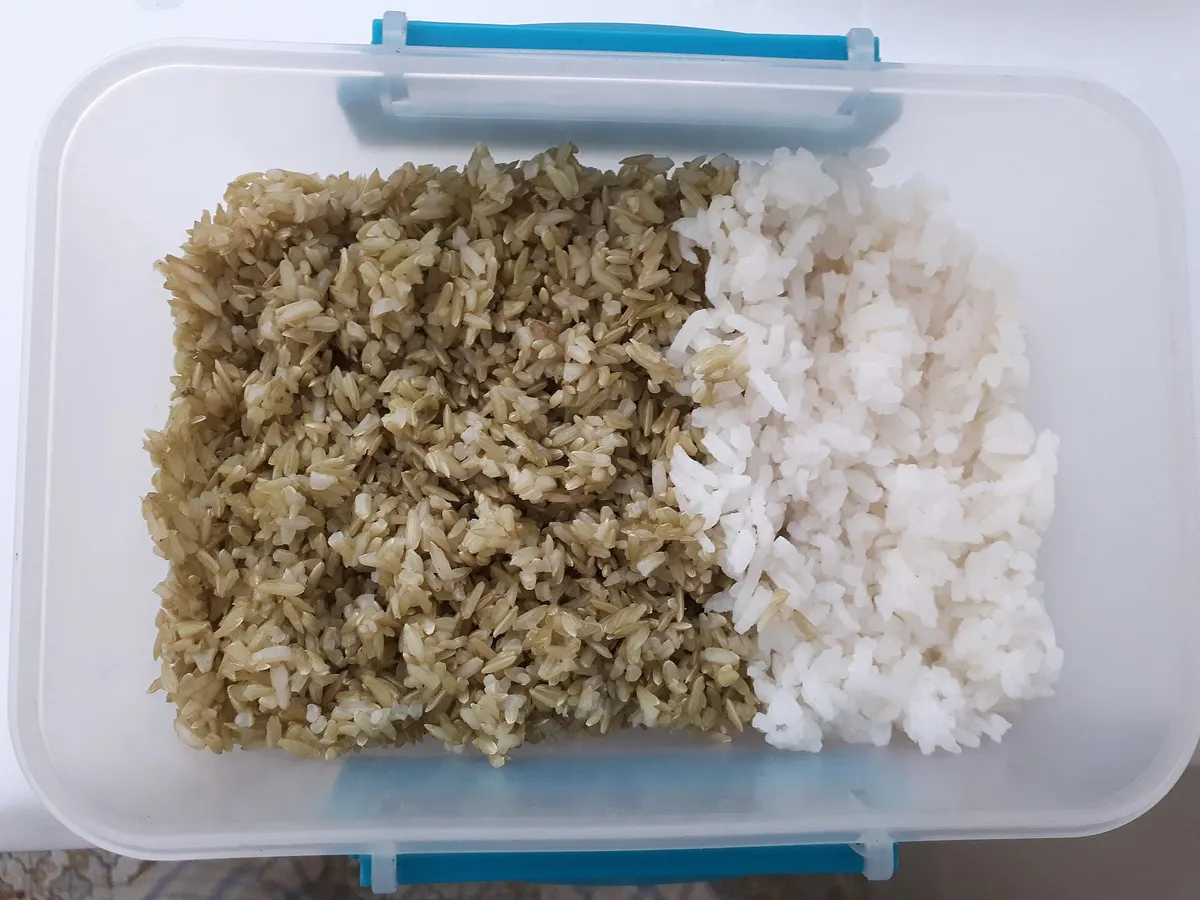
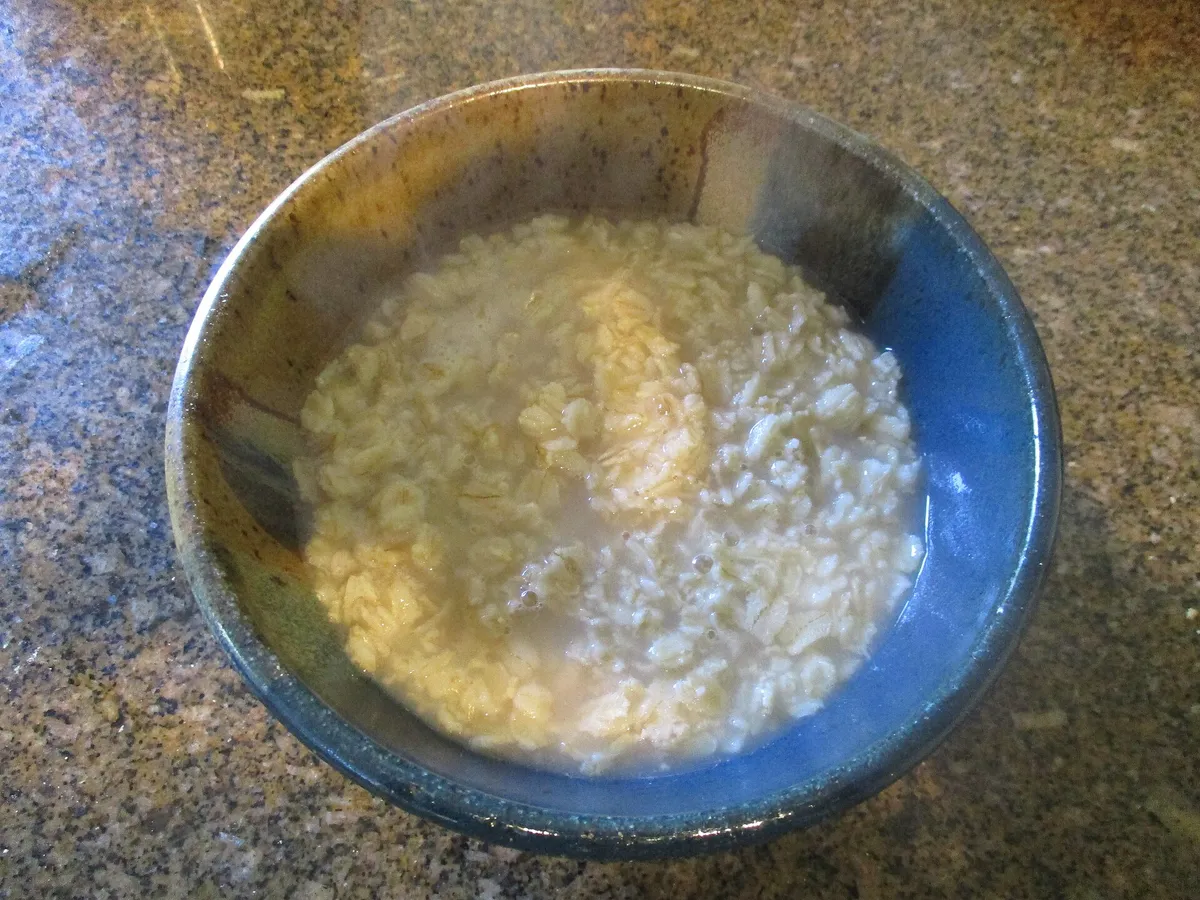
Plain grains are almost sodium free. A cup of cooked brown rice has about 10 mg, cooked oats about 5 mg, and cooked quinoa about 13 mg. Sodium appears when grains become a product: bread, crackers, and instant noodles. One slice of whole wheat bread has about 132 mg, still low sodium, but two slices plus a filling can pass 400 mg.
Dairy is where labels matter most. A cup of whole milk has about 105 mg and plain yogurt about 113 mg, both low sodium. Swiss cheese is the standout low sodium cheese at about 54 mg per ounce, while feta is around 320 mg. Unsalted butter has about 2 mg per tablespoon; salted butter has about 90 mg. For more high fiber choices that also tend to be low in sodium, see our high fiber foods for constipation chart.

For snacks, unsalted nuts are hard to beat. An ounce of unsalted almonds or walnuts has close to 0 mg of sodium, plus healthy fats and fiber. The salted version can carry 100 to 200 mg per ounce.

High Sodium Traps and Easy Swaps
Each food below can use up a third or more of a 1,500 mg daily target in a single serving.
| High Sodium Food | Sodium | Easy Low Sodium Swap | Swap Sodium |
|---|---|---|---|
| Canned tomato soup, 1 cup | about 700 mg | Homemade soup with no salt added tomatoes | about 50 mg |
| Deli ham, 3 ounces | about 800 mg | Fresh roasted turkey or chicken breast | about 55 mg |
| Soy sauce, 1 tablespoon | about 900 mg | Low sodium soy sauce, 1 tablespoon | about 575 mg |
| Canned baked beans, 1/2 cup | about 550 mg | Home cooked beans, no salt added | about 2 mg |
| Dill pickle spear | about 300 mg | Fresh cucumber slices with vinegar | about 2 mg |
| Feta cheese, 1 ounce | about 320 mg | Swiss cheese, 1 ounce | about 54 mg |
| Instant ramen noodles, 1 pack | about 1,500 mg | Plain noodles with homemade low salt broth | about 100 mg |
| Frozen pizza, 1 slice | about 700 mg | Homemade flatbread with fresh toppings | about 200 mg |
Restaurant food is the biggest trap, because you cannot read its label. One entree often carries 2,000 mg or more. Sauce on the side and grilled instead of fried can save hundreds of milligrams.
Seasoning Swaps That Add Flavour Without Salt
Cutting salt does not mean cutting flavor. Acid wakes up a dish the way salt does: lemon over fish, vinegar on vegetables, lime on beans and rice. Garlic, onion, and ginger add depth with no sodium. Herbs like basil and rosemary, and spices like cumin and chili flakes, add flavor with no sodium.
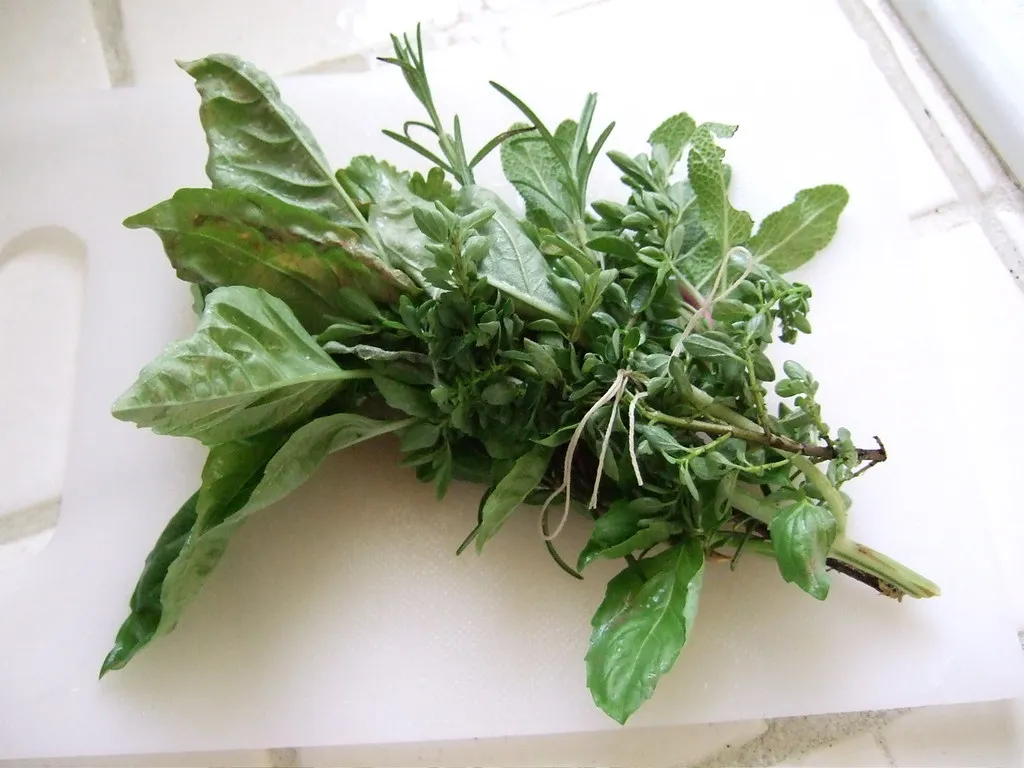
Season in layers while you cook, instead of salting at the table. Taste first, and you will often find no extra salt is needed.
Printable Low Sodium Grocery List
Take this list to the store. Everything on it is under 140 mg per serving when bought fresh or plain.
- Fruits: apples, bananas, blueberries, strawberries, watermelon, grapes, oranges, pears, peaches, mango
- Vegetables: carrots, broccoli, cauliflower, green beans, cucumber, bell peppers, zucchini, spinach, romaine lettuce, sweet potatoes
- Proteins: chicken breast, turkey breast, salmon, cod, eggs, black beans (dry or no salt added canned), lentils, firm tofu
- Grains: brown rice, oats, quinoa, whole wheat bread (check the label, aim for 140 mg or less per slice)
- Dairy: milk, plain yogurt, Swiss cheese, unsalted butter
- Snacks: unsalted almonds, unsalted walnuts, unsalted cashews, fresh fruit, air popped popcorn with no salt
- Seasonings: fresh herbs, garlic, onion, ginger, lemon, lime, vinegar, black pepper, cumin, paprika, chili flakes, no salt seasoning blend
- Pantry checks: no salt added canned tomatoes, no salt added beans, low sodium soy sauce, unsalted nuts and seeds
Frequently Asked Questions
What foods are lowest in sodium?
Fresh fruits and vegetables are the lowest, most under 10 mg per serving. A banana has about 1 mg and an apple about 2 mg. Plain cooked beans and lentils are nearly sodium free at 1 to 2 mg per half cup.
What does low sodium mean on a food label?
Low sodium is a legal label term meaning 140 mg or less per serving. Very low sodium means 35 mg or less, and sodium free means less than 5 mg. Reduced sodium only means 25 percent less than the regular version.
Is 1,500 mg of sodium a day safe?
Yes, 1,500 mg per day is the ideal target named by the American Heart Association, most often recommended for people with high blood pressure. The general limit is 2,300 mg per day. Ask your doctor for your personal target.
Can I eat bread on a low sodium diet?
Yes, but watch portions. One slice of whole wheat bread has about 132 mg, which fits the low sodium definition, but two slices plus a salty filling can pass 400 mg. Choose breads with 140 mg or less per slice.
Conclusion
A low sodium diet is not plain, boring food. It is built from fresh fruit, fresh vegetables, plain proteins, and plain grains, all naturally low in sodium. Use this chart to pick foods, read labels on anything in a box, bag, or can, and swap salt for herbs and spices. Those small choices save hundreds of milligrams a day.

Pingback: Low Potassium Vegetables Chart (2026) – Chart Identify