
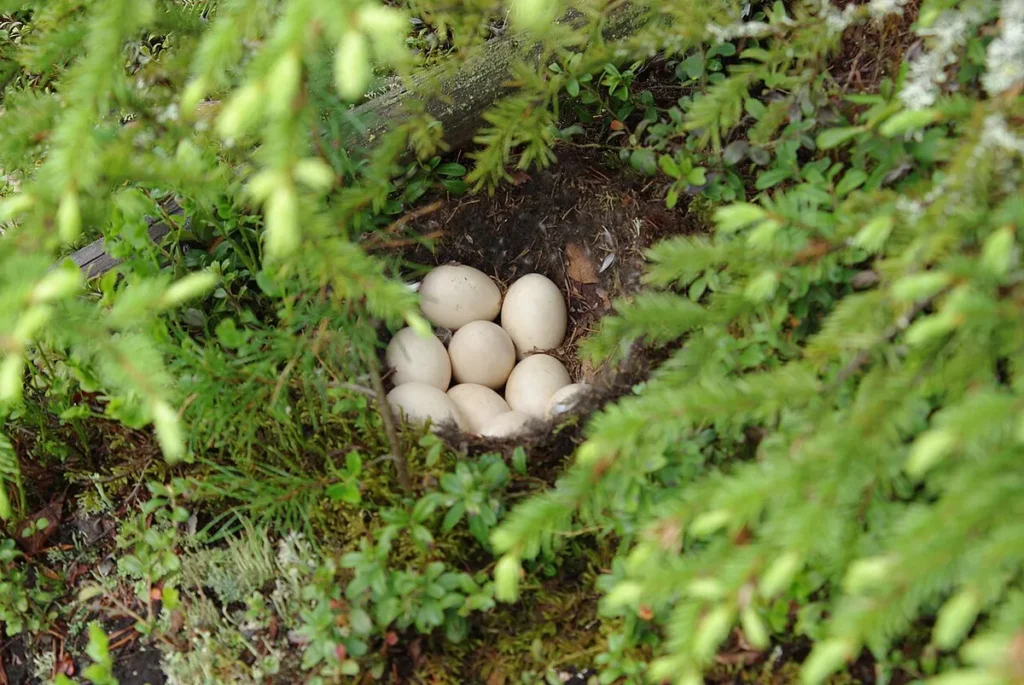
A duck egg identification chart is the fastest way to work out which duck left the eggs you found in a nest or a quiet corner of the yard. Duck eggs look plain at first glance, but color, size, shell texture, clutch size, and nest location narrow the owner down to one of a handful of species.
Use the chart below as your starting point, then read the species notes that follow it. Egg color alone is never enough: several ducks lay nearly identical creamy white eggs, so size and nest context always matter.
Duck Egg Identification Chart: 12 Species at a Glance
The table below lists the 12 species in this duck egg identification chart with egg color, egg length, clutch size, nest site, and incubation time.
| Species | Egg Color | Egg Length | Clutch Size | Nest Site | Incubation (Days) |
|---|---|---|---|---|---|
| Mallard | Pale green to white | About 2.3 in | 8 to 13 | Ground, near water | 26 to 30 |
| Wood Duck | Creamy white | About 2.0 in | 8 to 15 | Tree cavity or nest box | 28 to 30 |
| Northern Pintail | Pale olive buff | About 2.2 in | 6 to 10 | Ground, open grassland | 22 to 25 |
| American Wigeon | Creamy white | About 2.0 in | 6 to 12 | Ground, dry uplands | 23 to 25 |
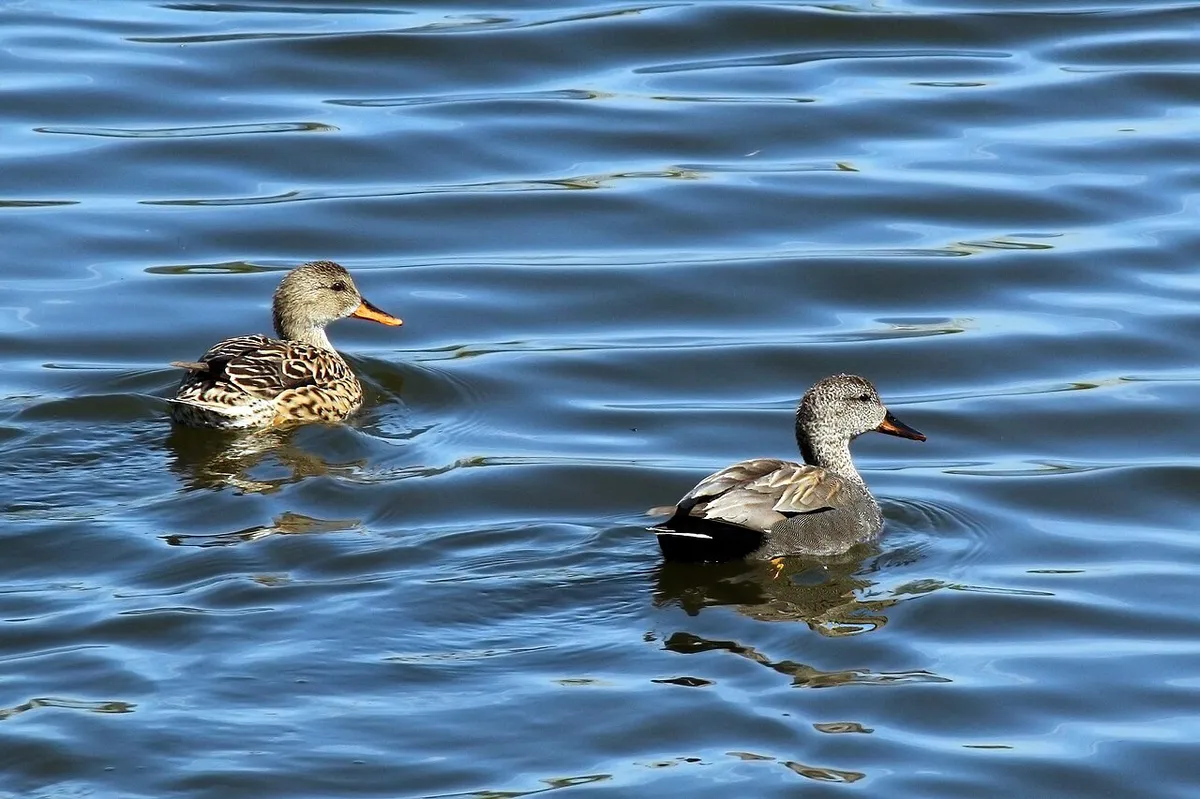
| Gadwall | Creamy white | About 2.1 in | 8 to 12 | Ground, dense cover | 24 to 27 |
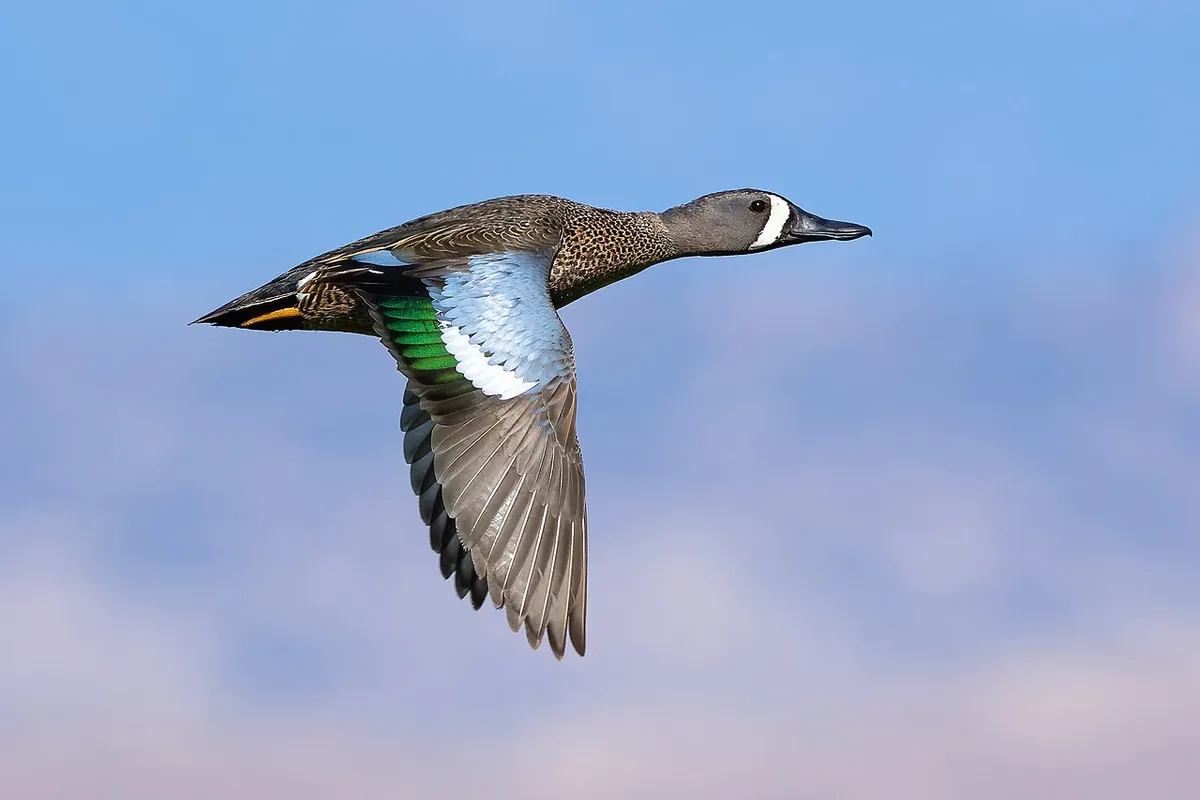
| Blue-Winged Teal | White to cream | About 1.8 in | 9 to 12 | Ground, grassy cover | 21 to 24 |
| Canvasback | Greenish gray | About 2.4 in | 7 to 9 | Ground, over water in marsh | 24 to 28 |
| Redhead | White to buff | About 2.3 in | 10 to 14 | Ground, marsh vegetation | 23 to 26 |
| Lesser Scaup | Olive buff | About 2.2 in | 8 to 11 | Ground, near water | 22 to 28 |
| Bufflehead | White to buff | About 2.0 in | 6 to 11 | Tree cavity or nest box | 28 to 33 |
| Hooded Merganser | White | About 2.1 in | 8 to 11 | Tree cavity or nest box | 26 to 31 |
| Ruddy Duck | White, rough pebbly shell | About 2.5 in | 5 to 10 | Ground, over water in marsh | 23 to 26 |
Incubation runs roughly 23 to 30 days for most dabbling ducks and 24 to 29 days for most divers, with cavity nesters sitting a little longer. The hen does nearly all of the incubating.
How to Identify Duck Eggs: 4 Clues That Work
No single feature identifies a duck egg on its own. Work through the four clues below in order, and the species list shrinks quickly.
1. Egg Color
Most duck eggs are white, cream, or buff, but a few species stand out. Mallard eggs often carry a pale green tint, canvasback eggs are greenish gray, and pintail and lesser scaup eggs lean olive buff.
2. Egg Size
Size is the most useful single measurement. Blue-winged teal eggs are the smallest here at about 1.8 inches, while ruddy duck eggs are the largest at about 2.5 inches. Mallard and redhead eggs sit in the middle at about 2.3 inches.
3. Shell Texture
Most duck eggs feel smooth, but ruddy duck eggs have a distinctly rough, pebbly shell that you can feel at once. A large white egg with a rough shell found in a marsh nest is very likely a ruddy duck egg.
4. Nest Location
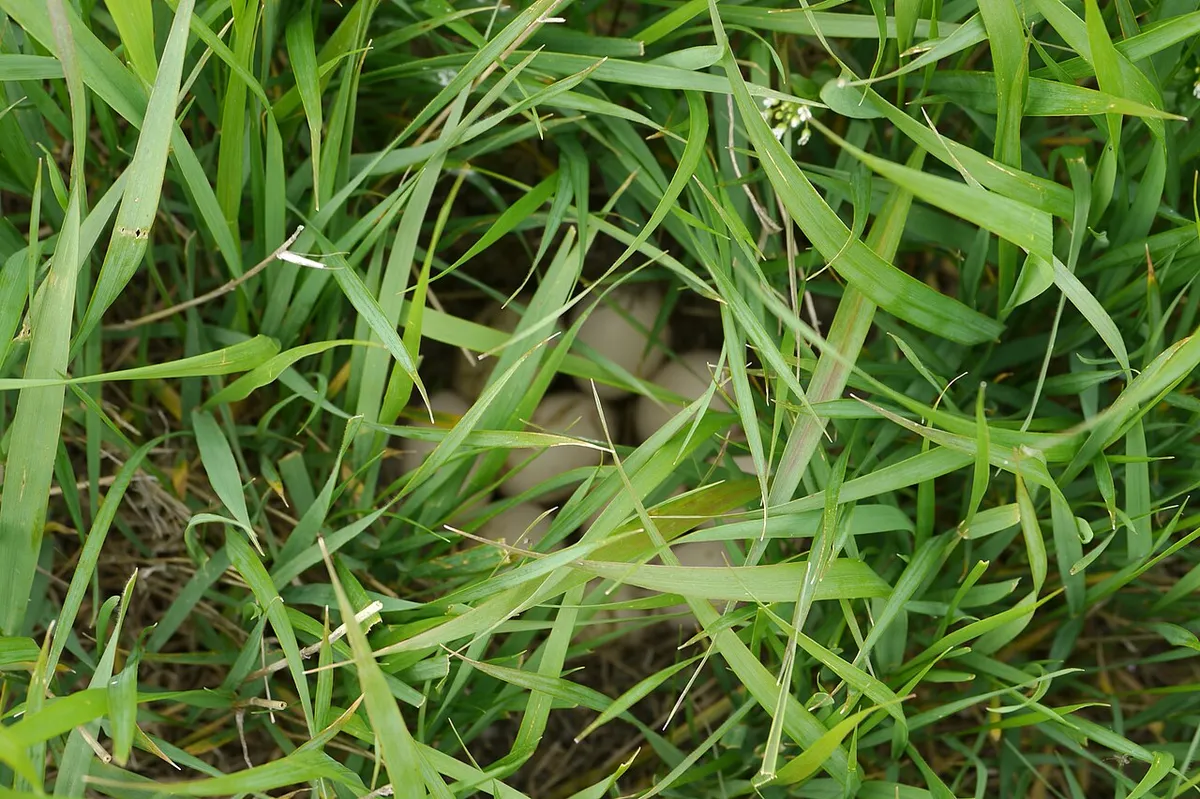
Where the nest sits is often the deciding clue. Eggs in a tree cavity or a nest box belong to a cavity nester: wood duck, bufflehead, or hooded merganser. Eggs on the ground near a pond could be mallard, canvasback, redhead, lesser scaup, or ruddy duck, while eggs in dry grassland far from water point toward northern pintail or American wigeon.
Dabbling Duck Eggs: Mallard, Pintail, Wigeon, Gadwall, and Teal
Dabbling ducks feed at the surface and nest on the ground, usually close to water but sometimes in dry cover, in a shallow scrape lined with grass and down.
Mallard. Mallard eggs are pale green to white, about 2.3 inches long, in clutches of 8 to 13, laid in a ground scrape near water, often in a garden or beside a pond. For a closer look at how chicken eggs differ from wild duck eggs, see our chicken egg identification chart.
Northern Pintail. Pintail eggs are pale olive buff and about 2.2 inches long, in clutches of 6 to 10. Pintails often nest in open grassland, sometimes a surprising distance from water.

American Wigeon. Wigeon eggs are creamy white, about 2.0 inches long, with clutches of 6 to 12. The nest sits on dry ground in upland grass, often farther from water than a mallard nest.

Gadwall. Gadwall eggs are creamy white, about 2.1 inches long, in clutches of 8 to 12. The nest is on the ground in dense cover, often in thick grass or reeds near a marsh. Gadwall and wigeon eggs overlap so closely that the two are hard to separate from the eggs alone.
Blue-Winged Teal. The smallest eggs in this chart. Blue-winged teal eggs are white to cream, only about 1.8 inches long, in clutches of 9 to 12, laid in a grass-lined scrape near shallow water.
Cavity Nesting Ducks: Wood Duck, Bufflehead, and Hooded Merganser
Three of the ducks in this chart nest above the ground, inside tree cavities or nest boxes. Their eggs are all white to buff, so nest location does most of the identifying work.
Wood Duck. Wood duck eggs are creamy white, about 2.0 inches long, in clutches of 8 to 15. The hen lays in a tree cavity, often over water, and the ducklings leap from the cavity within a day of hatching.
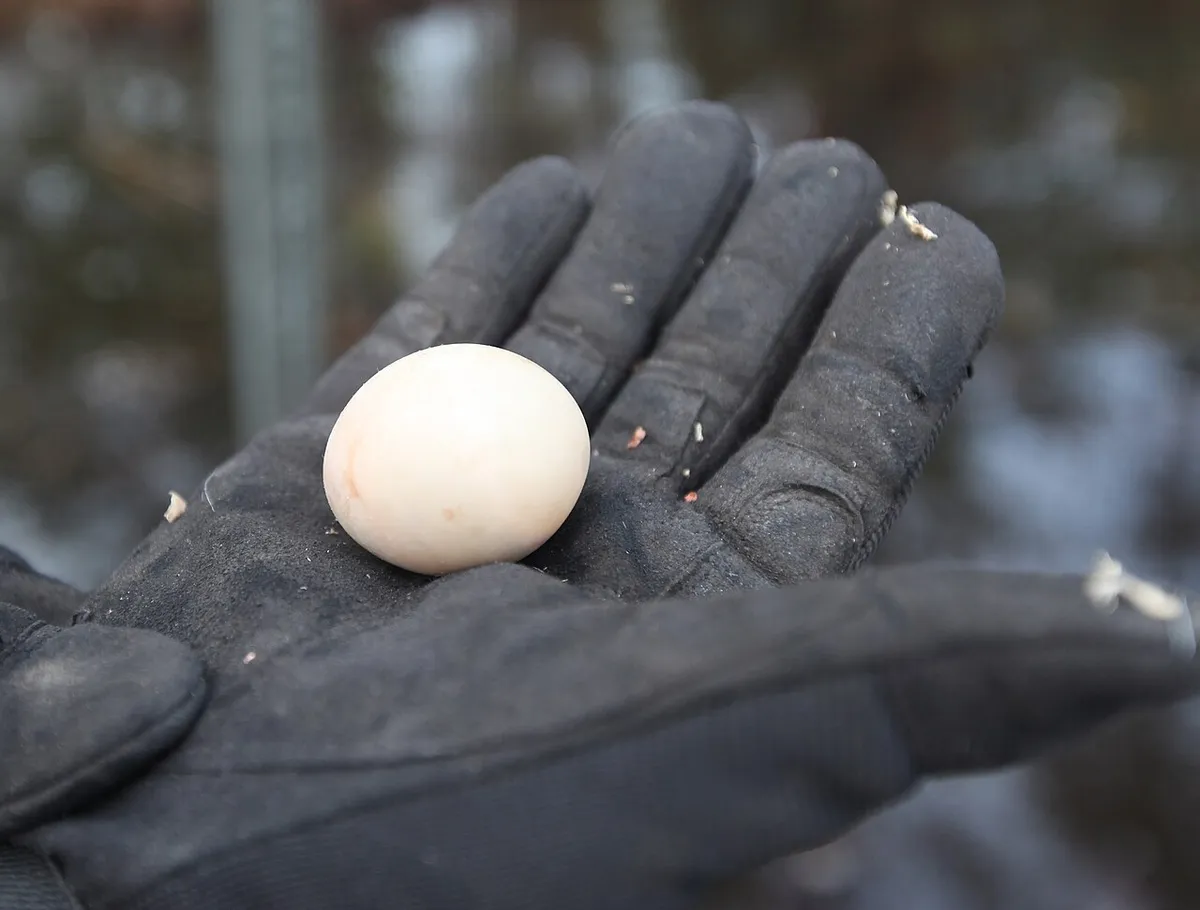
Bufflehead. Bufflehead eggs are white to buff, about 2.0 inches long, in clutches of 6 to 11. Buffleheads are the smallest diving duck in North America and nest in old woodpecker holes near northern lakes.

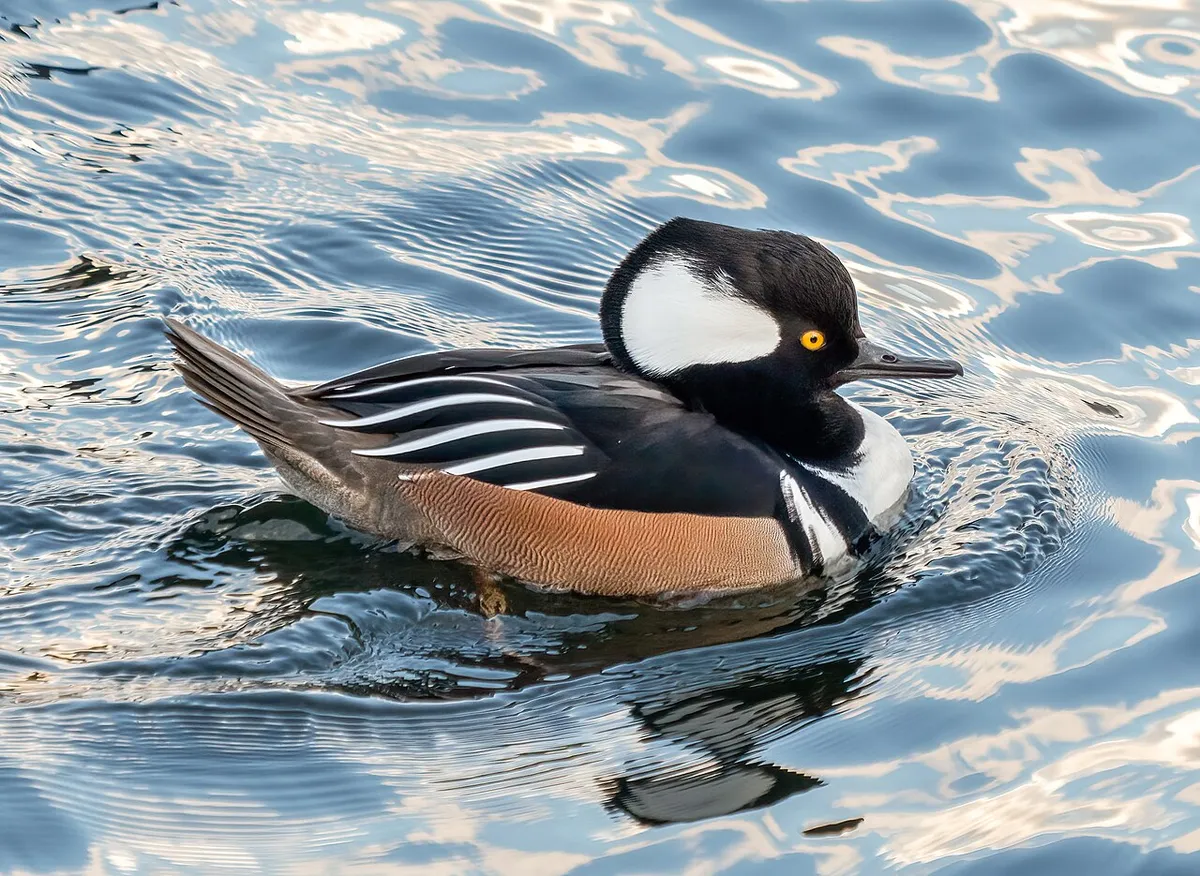
Hooded Merganser. Hooded merganser eggs are white, about 2.1 inches long, in clutches of 8 to 11. Like the bufflehead, this fish-eating duck nests in tree cavities and nest boxes near wooded ponds and rivers. For a wider comparison of wild bird eggs, see our bird egg identification chart.
Diving Duck Eggs: Canvasback, Redhead, Lesser Scaup, and Ruddy Duck
Diving ducks nest in marshes and on the edges of prairie potholes, and several build their nests over water in thick emergent vegetation.
Canvasback. Canvasback eggs are greenish gray, about 2.4 inches long, in clutches of 7 to 9. The nest is built over water in a marsh, anchored in cattails or bulrushes. That color and nest make canvasback eggs one of the easier identifications in this chart.
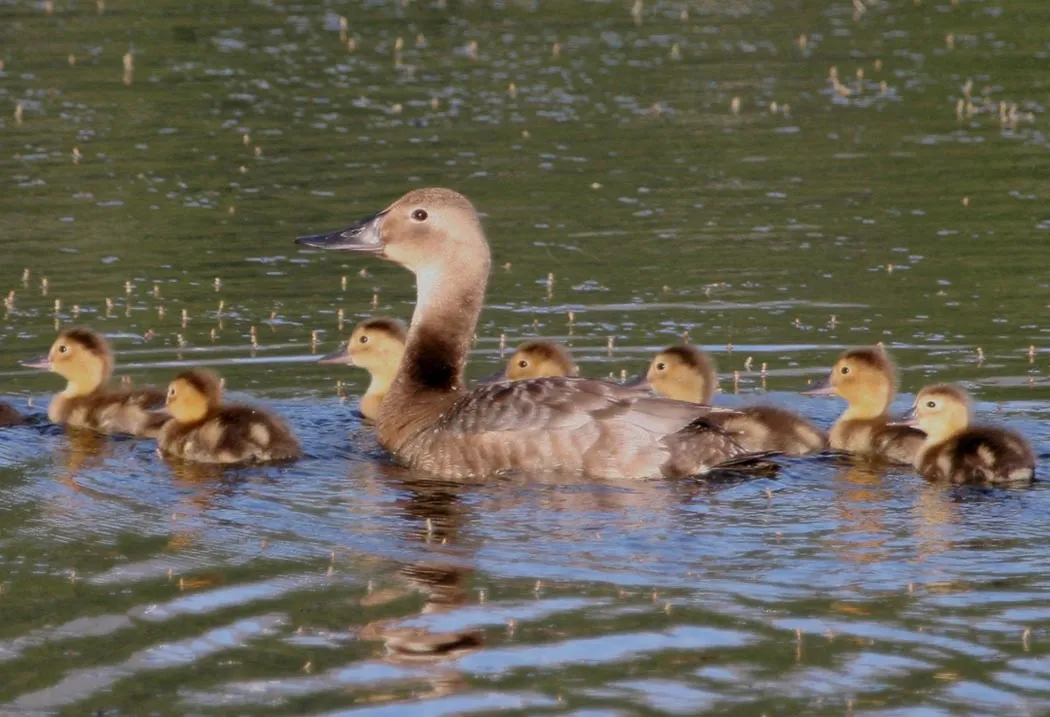
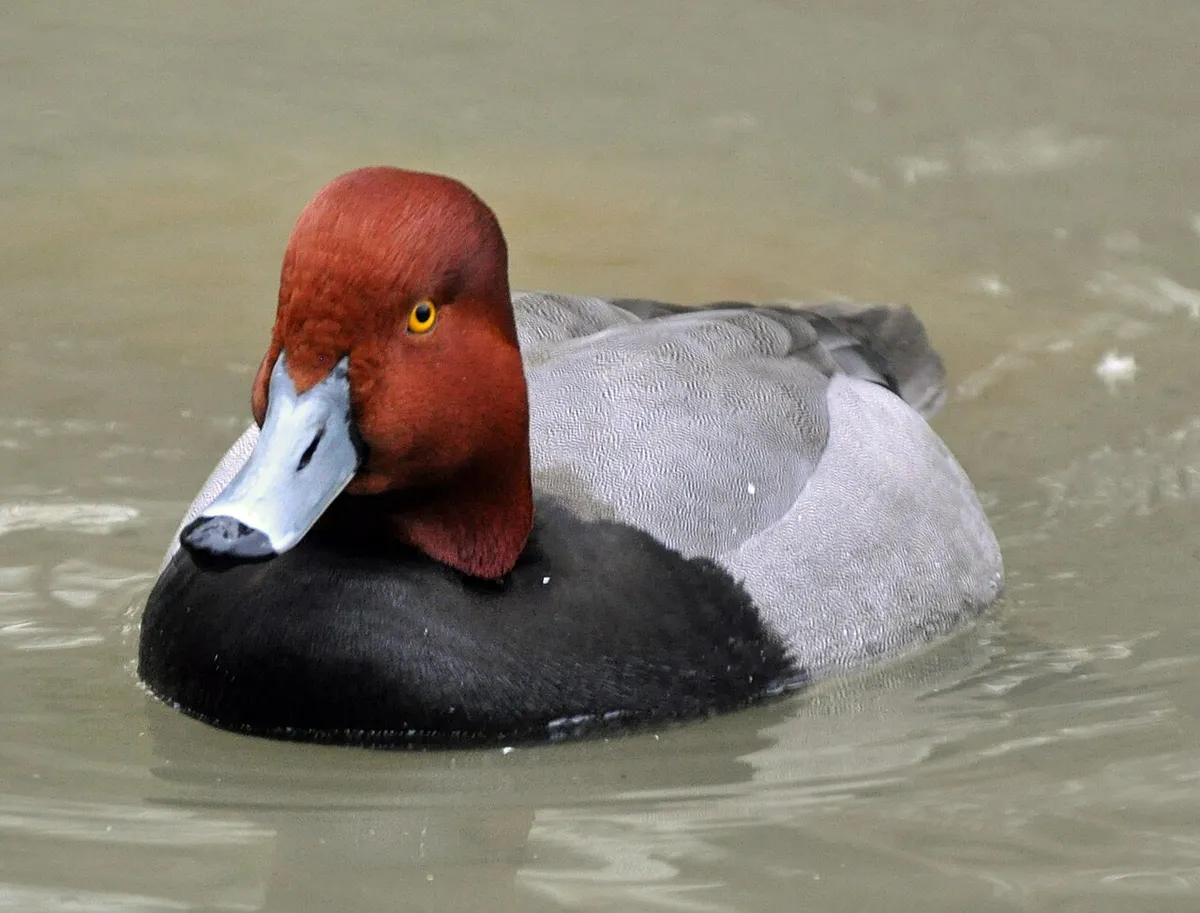
Redhead. Redhead eggs are white to buff, about 2.3 inches long, in clutches of 10 to 14. Redheads are famous brood parasites: hens often lay eggs in other ducks’ nests, especially canvasback and other redhead nests.
Lesser Scaup. Lesser scaup eggs are olive buff, about 2.2 inches long, in clutches of 8 to 11. The nest is on the ground near water, often on a small island or a floating mat of vegetation. Scaup are the most abundant diving duck in North America.
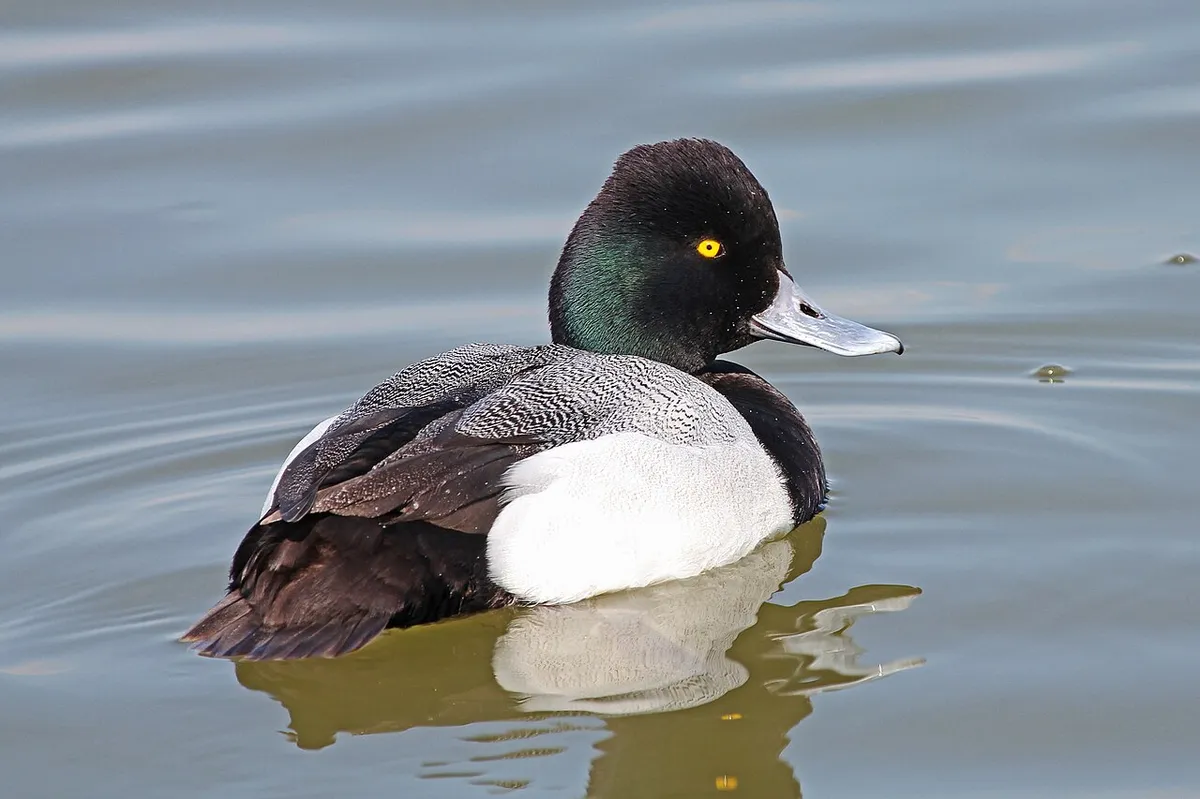
Ruddy Duck. Ruddy duck eggs are the most distinctive in this chart: white with a rough, pebbly shell, about 2.5 inches long, in clutches of 5 to 10. That length is unusually large for the bird’s size, since the ruddy duck is a small, stiff-tailed diving duck.

Cavity Nesters vs Ground Nesters: The Quickest Split
If you only remember one thing from this duck egg identification chart, make it the nest split. Eggs found in a tree cavity, a woodpecker hole, or a nest box belong to a wood duck, bufflehead, or hooded merganser. Everything else in this chart nests on the ground, so that single observation cuts 12 possibilities down to 3.
Within the ground nesters, the next split is habitat. Dry upland nests point to northern pintail or American wigeon, garden and pond-edge nests point to mallard, and marsh nests built over water point to canvasback, redhead, or ruddy duck. From there, egg color, egg size, and clutch size finish the job. For songbird eggs, see our blue bird egg identification chart.
What to Do If You Find a Duck Egg
Leave it alone. Wild ducks and their eggs are protected by law in the United States under the Migratory Bird Treaty Act, which makes it illegal to collect, move, or keep wild duck eggs without a permit.
Do not pick up the egg, do not move the nest, and do not try to hatch the egg yourself. If the nest is in a dangerous spot, contact a local licensed wildlife rehabilitator or your state wildlife agency and let them decide what to do. Keep pets and children away from the nest.
Frequently Asked Questions
Can you identify a duck egg by color alone?
No, color alone is not enough. Several species lay nearly identical creamy white eggs, and the same species can lay eggs that vary a little in tint. Color narrows the list, but you also need egg size, clutch size, shell texture, and nest location.
What duck lays green eggs?
Mallards lay pale green to white eggs, and canvasbacks lay greenish gray eggs. Check the nest to tell them apart: a garden or pond-edge nest points to mallard, while a nest built over water in a marsh points to canvasback.
How big is a duck egg compared to a chicken egg?
Most duck eggs are a little larger than a large chicken egg. A mallard egg is about 2.3 inches long, while a large chicken egg is about 2.2 inches long. Blue-winged teal eggs are smaller than chicken eggs at about 1.8 inches, and ruddy duck eggs are clearly larger at about 2.5 inches.
Why are there eggs in my nest box but no duck around?
The hen lays one egg a day and does not start incubating until the clutch is nearly complete, so she may visit the nest box only briefly each morning during the laying period. If the eggs are white and the box is near water, the owner is most likely a wood duck, bufflehead, or hooded merganser.
How long do duck eggs take to hatch?
Most dabbling duck eggs hatch in about 23 to 30 days, and most diving duck eggs in about 24 to 29 days, counted from the day the hen starts sitting full time. Cavity nesters sit a little longer: buffleheads take about 28 to 33 days and hooded mergansers about 26 to 31 days.
Conclusion
This duck egg identification chart turns a plain white egg into a solvable puzzle. Start with the nest: cavity or ground, dry land or marsh. Then measure the egg, note its color and shell texture, and count the clutch. Together, those clues separate all 12 species in this guide.


Pingback: British Butterflies Chart: 20 Species to Spot in the UK (2026) – Chart Identify