

Every dog owner asks the same question sooner or later: how long will my dog live? The answer depends mostly on breed and size, and the range is wider than most people expect. This dog lifespan chart covers 20 popular breeds, from Chihuahuas that often reach 18 years to Great Danes that average about 8. Use the chart to set realistic expectations, then read on for the factors that push a dog toward the long end of its range.
A dog’s lifespan is not a fixed number. It is a range, shaped by genetics, weight, diet, exercise, and veterinary care. Two dogs of the same breed can live years apart, and a well cared for large dog can outlive a neglected small one. The sections after the chart explain why small dogs usually live longer, and what you can do to help your own dog beat the average.
Dog Lifespan Chart: 20 Breeds
Find your breed in the left column, then read across for its typical lifespan and size group. Mixed breed dogs often live a little longer than purebreds of the same size, thanks to greater genetic variety.
| Breed | Average Lifespan | Size Group | Adult Weight |
|---|---|---|---|
| Chihuahua | 14 to 18 years | Small | 2 to 6 lb |
| Dachshund | 12 to 16 years | Small | 16 to 32 lb |
| German Shepherd | 9 to 13 years | Large | 50 to 90 lb |
| Labrador Retriever | 10 to 12 years | Large | 55 to 80 lb |
| Miniature Poodle | 14 to 18 years | Small | 10 to 15 lb |
| Beagle | 12 to 15 years | Medium | 20 to 30 lb |
| French Bulldog | 10 to 12 years | Medium | 16 to 28 lb |
| Yorkshire Terrier | 13 to 16 years | Small | 4 to 7 lb |
| Great Dane | 7 to 10 years | Giant | 110 to 175 lb |
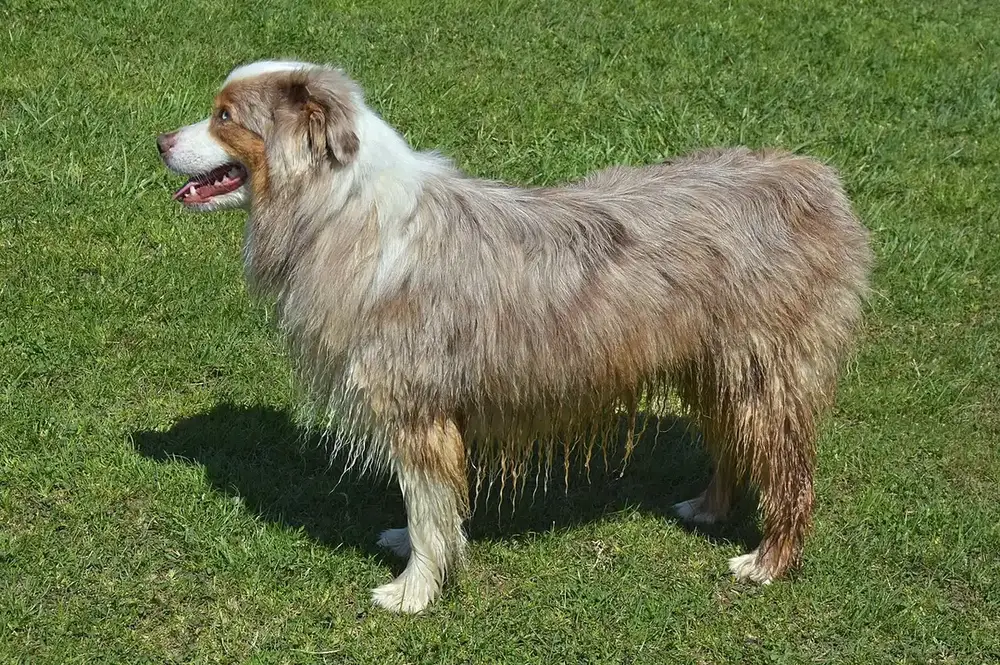
| Australian Shepherd | 12 to 15 years | Medium | 40 to 65 lb |
| Shih Tzu | 10 to 18 years | Small | 9 to 16 lb |
| Border Collie | 12 to 15 years | Medium | 30 to 55 lb |
| Golden Retriever | 10 to 12 years | Large | 55 to 75 lb |
| Boxer | 10 to 12 years | Large | 50 to 80 lb |
| Rottweiler | 9 to 10 years | Large | 80 to 135 lb |
| Pomeranian | 12 to 16 years | Small | 3 to 7 lb |
| Cocker Spaniel | 12 to 15 years | Medium | 20 to 30 lb |
| Siberian Husky | 12 to 14 years | Large | 35 to 60 lb |
| Dalmatian | 10 to 13 years | Large | 45 to 70 lb |
| Pug | 12 to 15 years | Small | 14 to 18 lb |
Why Small Dogs Live Longer
The pattern in the chart is clear: small dogs live longer than large dogs. Chihuahuas, miniature poodles, and Yorkshire Terriers regularly reach 15 years or more, while Great Danes and Rottweilers rarely pass 10. Scientists believe the reason is growth speed. Large dogs grow much faster as puppies, and that rapid growth seems to wear the body out sooner. Large dogs also develop age related diseases earlier than small dogs do.

The Dachshund is a good example of the small dog advantage with a catch. Dachshunds live 12 to 16 years, but their long backs make them prone to spinal problems, especially if they become overweight or jump from furniture. Each breed carries its own risks, and the longest lived dogs are the ones whose owners manage those risks early.
Medium Breeds: The Middle Ground
Medium breeds sit in the middle of the chart, usually living 12 to 15 years. Beagles, Border Collies, Australian Shepherds, and Cocker Spaniels are all in this range. They are sturdy, active dogs, and their size gives them a good balance: big enough to avoid the fragile bone problems of toy breeds, and small enough to escape the fast aging of giant breeds.

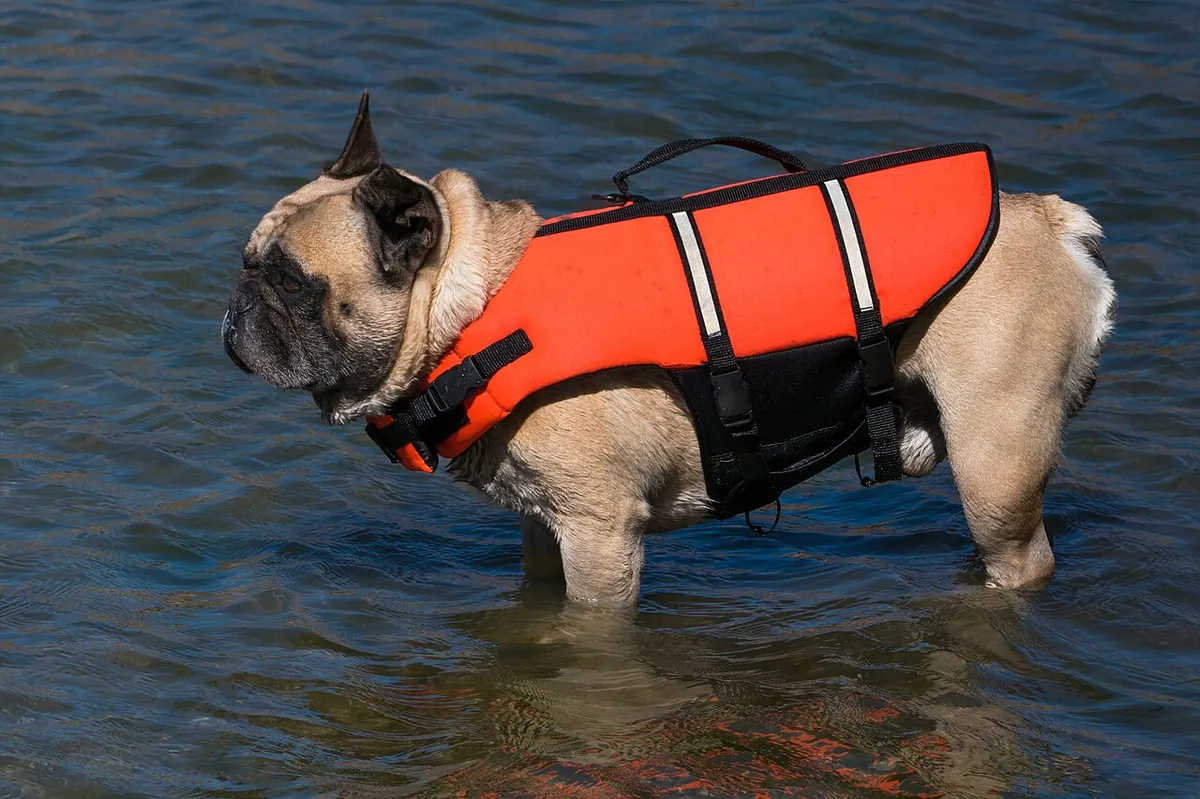
Medium breeds also tend to be the most forgiving for first time owners. A Beagle that lives 14 years or a Border Collie that lives 15 will still need daily exercise and training, but their health problems are usually manageable. The French Bulldog is the exception in this group. At 10 to 12 years, it lives shorter than most medium dogs, mostly because of breathing problems linked to its flat face. Owners of flat faced breeds should plan for vet visits and avoid heat.
Large and Giant Breeds: Shorter but Full Lives
Large breeds live 9 to 13 years, and giant breeds like the Great Dane live 7 to 10. That sounds short, but a large dog packs a lot of life into those years. German Shepherds, Labradors, and Golden Retrievers are among the most loyal and trainable dogs in the world.
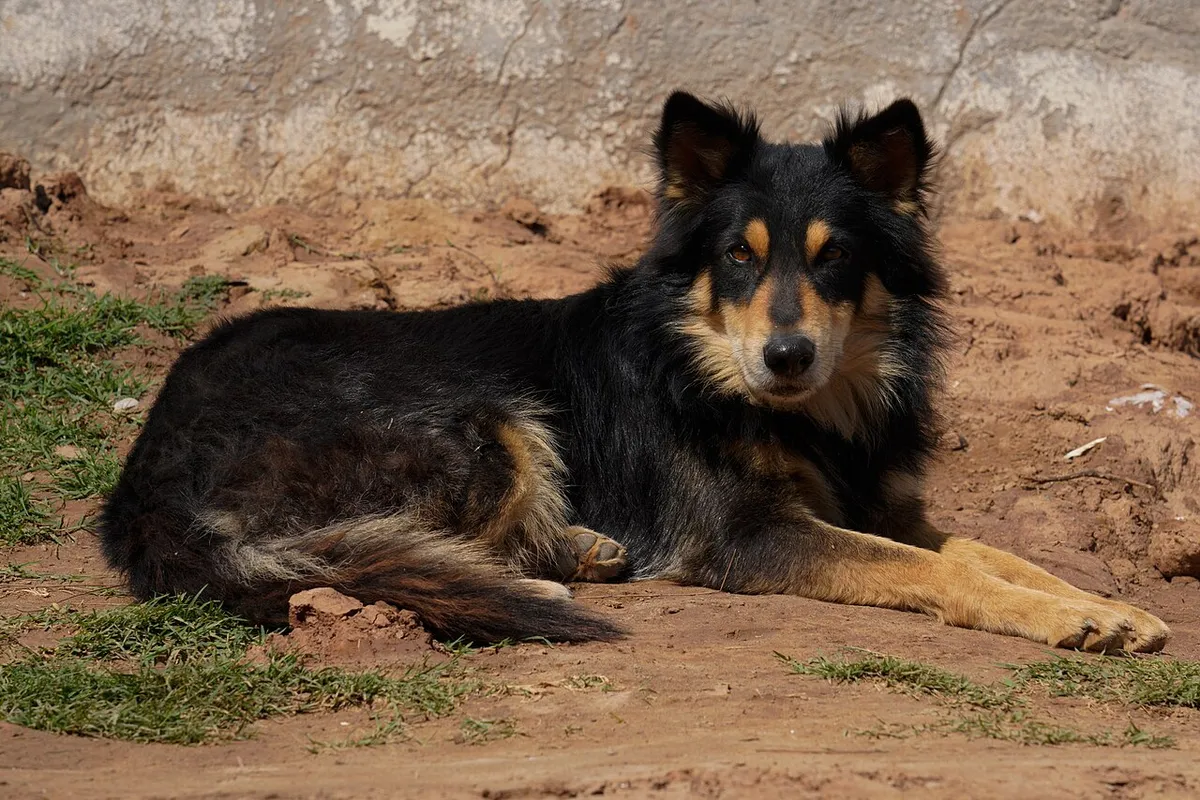
The biggest threat to large dogs is joint disease and bloat. Hip and elbow dysplasia are common in German Shepherds, Labradors, and Rottweilers, and bloat, a twisted stomach, can kill a large dog in hours. Owners of large breeds should feed two smaller meals a day instead of one big meal, avoid exercise right after eating, and ask the vet about preventive surgery for bloat in high risk breeds like the Great Dane.
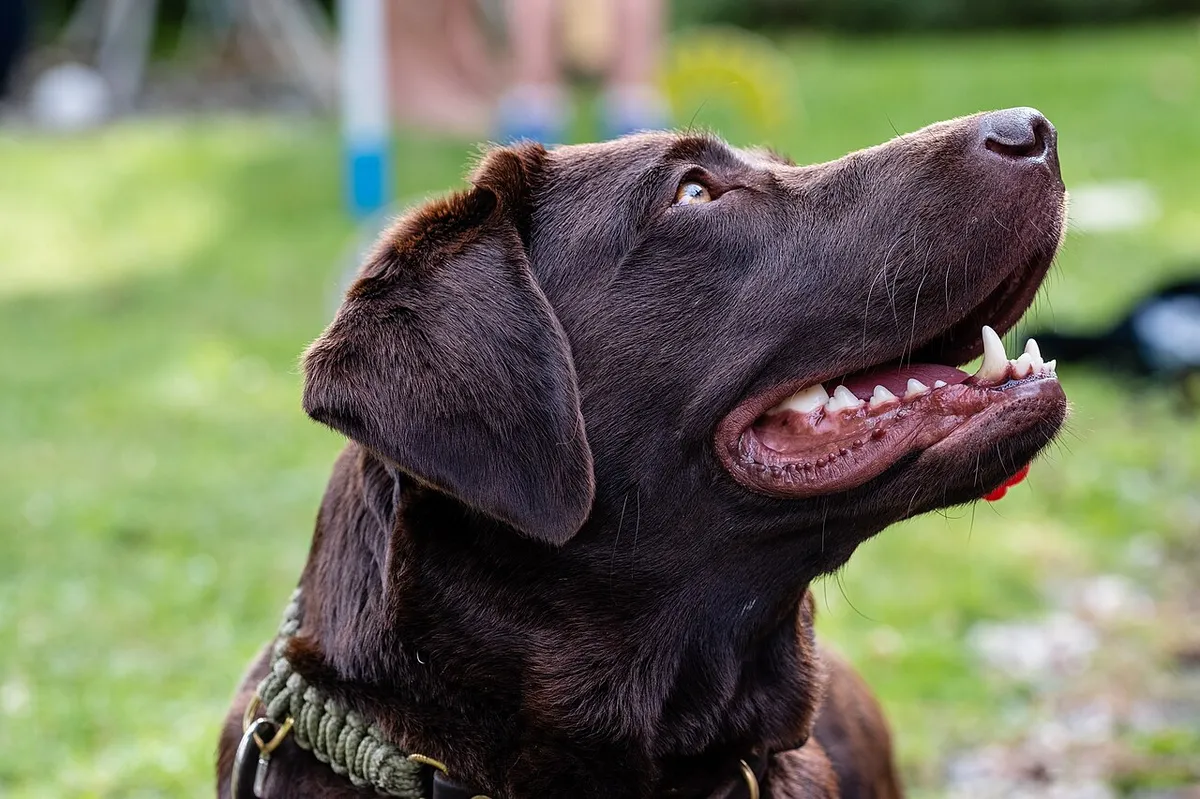
The Labrador Retriever deserves a special note. Labradors are the most popular breed in the United States, and their lifespan of 10 to 12 years is strongly affected by weight. A study of Labradors found that lean dogs lived about two and a half years longer than overweight ones. That is the single biggest lifespan factor any owner can control, and it applies to every breed in this chart.
What Affects How Long a Dog Lives
Breed sets the range, but six factors decide where inside that range a dog lands. Weight is the most important. Overweight dogs live shorter lives in every study, and the effect is large: about two years in medium and large breeds. Keep your dog lean enough that you can feel its ribs without pressing hard, and you can see a waist from above.

Genetics come second. Every breed has its own inherited risks: hip problems in Shepherds, cancer in Golden Retrievers and Boxers, heart disease in Cavalier King Charles Spaniels, and breathing trouble in Bulldogs and Pugs. A responsible breeder screens for these problems, so ask for health test results before buying a puppy. Mixed breed dogs often avoid the worst of these risks, which is one reason they tend to live longer than purebreds of the same size.
Diet, exercise, and dental care fill out the list. A complete and balanced dog food, fed in measured amounts, beats free feeding every time. Daily exercise keeps weight down and joints moving, and it matters more as a dog ages. Dental disease is easy to ignore and hard on the body: infected gums seed bacteria into the heart and kidneys, so brush your dog’s teeth or use dental chews. Finally, spaying and neutering usually add a year or two, mostly by preventing reproductive cancers and roaming injuries, though the best timing depends on the breed, so ask your vet.

How to Help Your Dog Live Longer
Start with the vet. Twice yearly checkups for senior dogs catch kidney disease, heart problems, and tumors early, when treatment works best. Keep vaccines and parasite prevention current, and ask about bloodwork once your dog passes seven. At home, weigh your dog every month and adjust food before the weight creeps up. Feed a food made for your dog’s life stage, and measure every meal with a cup instead of guessing.
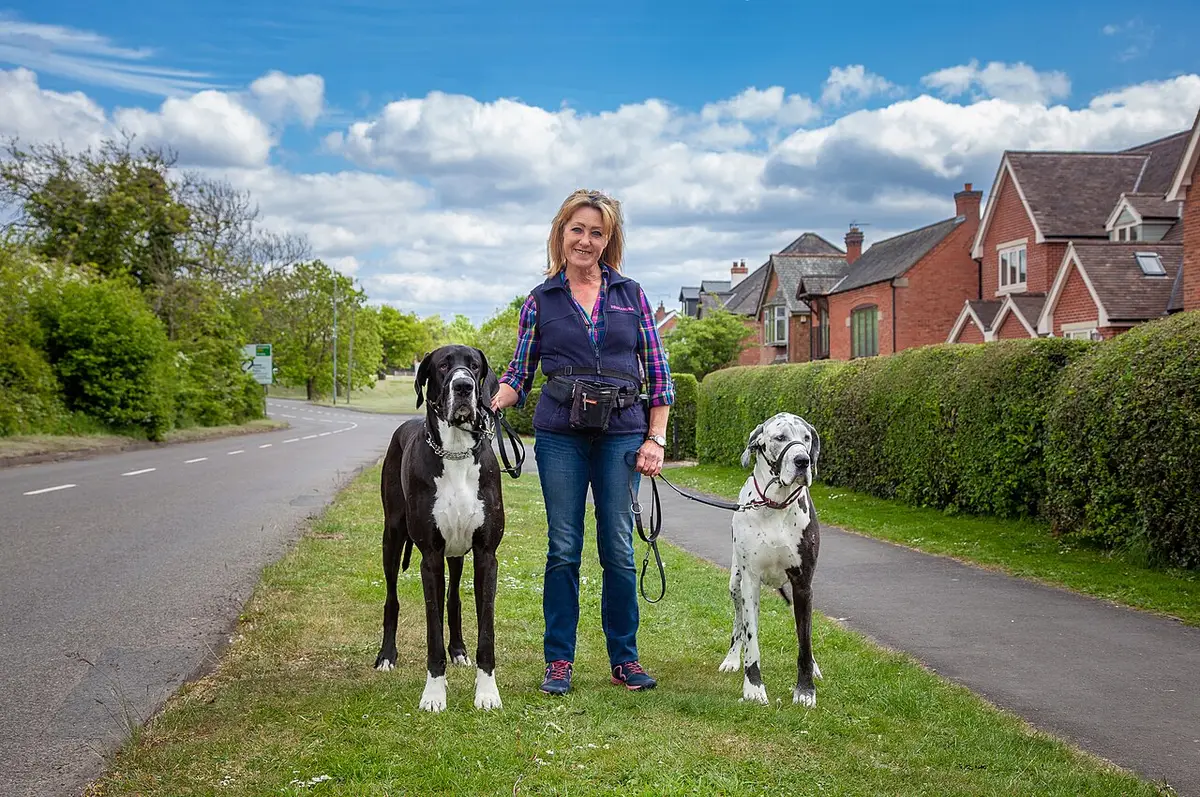
Exercise should fit the breed and the age. A Border Collie needs a job, a run, or agility work. A Great Dane needs gentle walks and a soft bed for its joints. A Chihuahua needs short walks and play, not a marathon. Mental exercise counts too: training, puzzle feeders, and new smells on a walk keep an old dog’s brain active. And do not skip the small things. Clean ears, trimmed nails, and brushed teeth prevent the infections that shorten lives quietly.
Watch for the early signs of aging: slower stairs, graying muzzle, cloudy eyes, and sleeping more. These are normal, but sudden changes are not. A dog that stops eating, drinks much more water than usual, or has trouble standing needs a vet visit, not a wait and see approach. Senior dogs that get prompt care live longer and feel better, and the cost of an early visit is usually far less than the cost of a crisis.

Frequently Asked Questions
Which dog breed lives the longest?
Chihuahuas live the longest of the popular breeds, at 14 to 18 years, followed closely by miniature poodles and Shih Tzus. Toy and small breeds generally outlive medium and large breeds by several years. The longest lived dogs on record are almost always small mixed breeds.
Do mixed breed dogs live longer than purebreds?
Yes, on average. Mixed breed dogs live about a year longer than purebreds of the same size, because genetic variety reduces the risk of inherited disease. The effect is strongest in breeds with heavy inbreeding, and weakest in breeds with large, diverse gene pools.
How long do Great Danes live?
Great Danes live 7 to 10 years, the shortest lifespan of any breed in this chart. Their giant size drives fast aging, and they are prone to bloat, heart disease, and bone cancer. Good care, lean weight, and preventive vet visits help, but no Great Dane owner should expect 15 years.
Does neutering a dog make it live longer?
Usually yes, by about one to two years. Spaying prevents uterine infections and mammary tumors in females, and neutering prevents testicular cancer and reduces roaming injuries in males. The best age to spay or neuter depends on the breed and size, so ask your vet for a recommendation.
Can I tell how long my dog will live from its size?
Size is the best single predictor. Small dogs usually live 14 to 18 years, medium dogs 12 to 15, large dogs 10 to 13, and giant dogs 7 to 10. Within that range, weight, genetics, and care make the difference. A lean, well cared for Labrador can live past 13, while an overweight Chihuahua may not reach 12.
Conclusion
This dog lifespan chart shows the pattern plainly: small dogs live longest, giant dogs live shortest, and every breed in between has its own typical range. But the chart is a starting point, not a verdict. Weight, diet, exercise, dental care, and regular vet visits can add years to any dog’s life, and they are all things an owner controls. Pick a breed whose lifespan and energy fit your life, keep it lean, and give it the care it needs, and you will get the most out of the years you have together. For comparison with other animals, see our cat lifespan chart and our animals with the longest lifespan chart, and read our butterfly lifespan guide for the shortest lives in the animal world.


Pingback: Sugar Glider Lifespan Chart: How Long Sugar Gliders Live – Chart Identify