

Look at any two cats sitting side by side and their coats tell a different story. One has neat stripes, another wears a black and white suit, and a third is patched in orange, black, and white like a quilt. Every one of those looks comes from a small set of patterns, and this cat markings chart explains 12 of them with pictures, so you can name the pattern on your own cat in a minute or two.
Cat markings are more than decoration. Breeders use them to predict what kittens in a litter will look like, and shelters use them to describe cats for adoption listings.
Cat Markings Chart: 12 Coat Patterns at a Glance
Find the pattern that matches your cat, then read the section below it for the details.
| Pattern | What It Looks Like | Common Breeds | Rarity |
|---|---|---|---|
| Solid (Self) | One even color from nose to tail | British Shorthair, Russian Blue, Bombay | Common |
| Mackerel Tabby | Narrow vertical stripes down the sides, with an M on the forehead | American Shorthair, Scottish Fold, Domestic Shorthair | Very common |
| Classic Tabby | Bold swirls and a bullseye circle on each side | American Shorthair, British Shorthair, Maine Coon | Common |
| Spotted Tabby | Clear spots instead of stripes, often in rows | Bengal, Egyptian Mau, Ocicat | Uncommon |
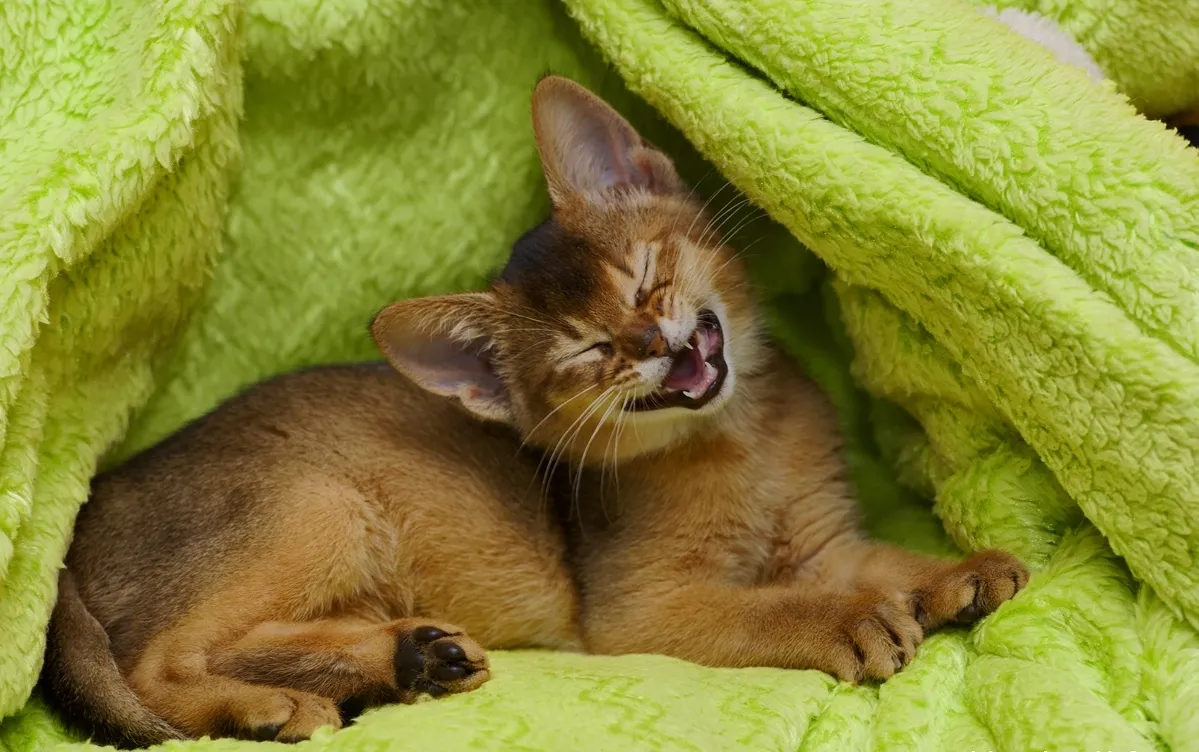
| Ticked Tabby | Each hair banded light and dark, so the coat looks speckled | Abyssinian, Somali | Uncommon |
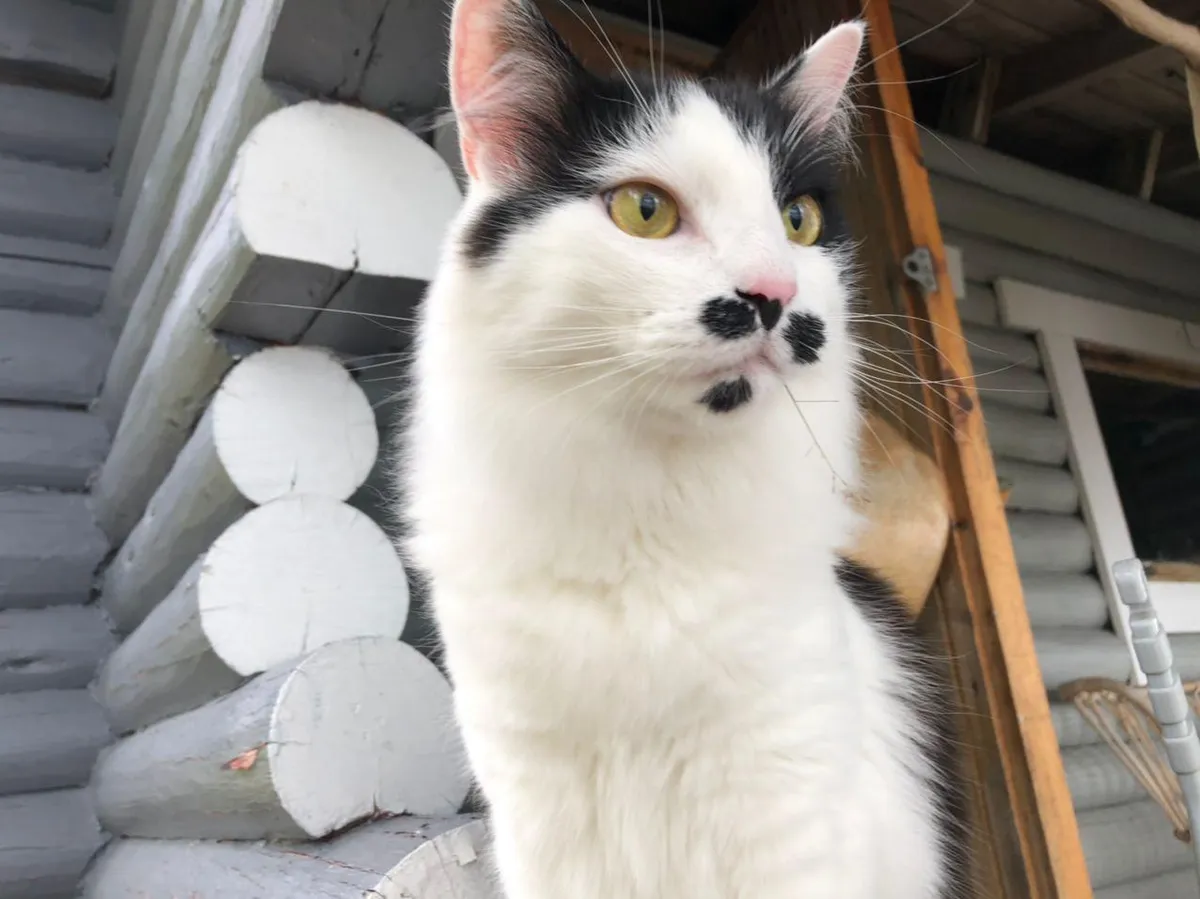
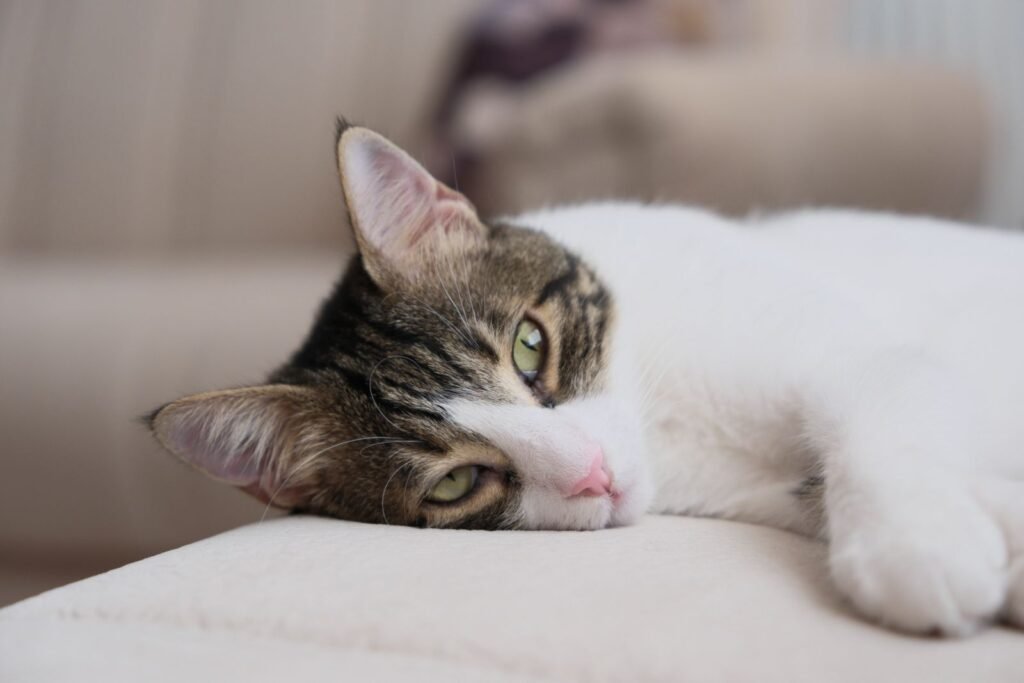
| Bicolor | White mixed with one other color in patches of any size | Turkish Van, American Shorthair, Ragdoll | Very common |
| Tuxedo | A dark coat with a white chest, belly, chin, and paws, like a formal suit | Domestic Shorthair, British Shorthair | Common |
| Van | Mostly white, with color only on the head and the tail | Turkish Van, Turkish Angora | Rare |
| Calico | White with large patches of black and orange | Domestic Shorthair, Japanese Bobtail, Manx | Uncommon |
| Tortoiseshell | Black and orange blended, little or no white | Domestic Shorthair, Persian, American Shorthair | Uncommon |
| Torbie | Tortoiseshell mixed with tabby striping | Maine Coon, Domestic Shorthair | Uncommon |
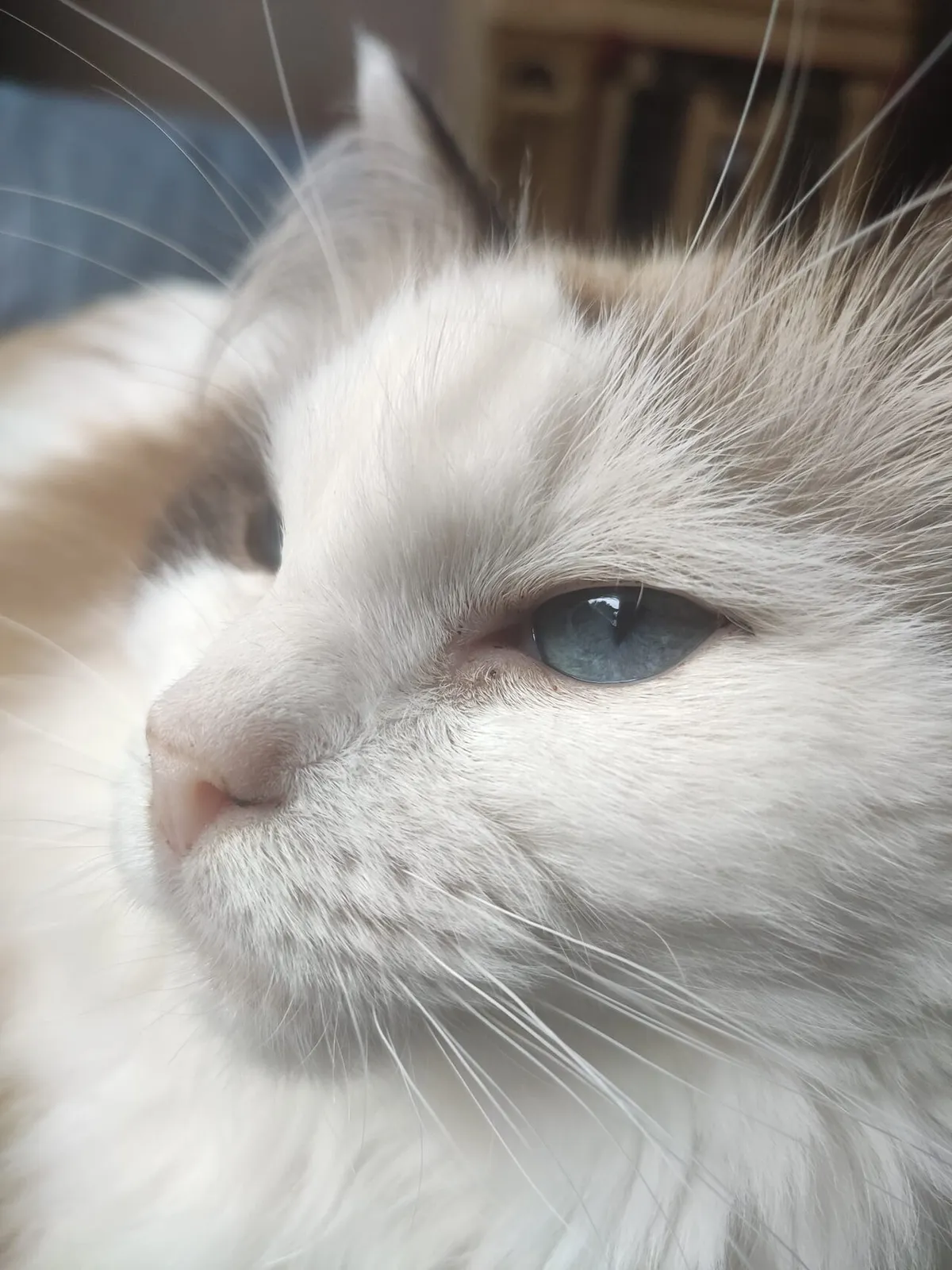
| Colorpoint | A pale body with darker ears, face, paws, and tail | Siamese, Himalayan, Ragdoll, Birman | Common |
Tabby Patterns: Mackerel, Classic, Spotted, and Ticked
Tabby is the most common cat pattern in the world, and it is not a breed. It is a coat pattern that shows up in dozens of breeds and in most mixed breed cats. Every tabby shares one clue: a clear M shape on the forehead, plus stripes on the legs and tail. From there, the pattern splits into four types.

The mackerel tabby is the one most people picture when they hear the word tabby. Narrow stripes run vertically down the sides, like the bones of a fish, and a dark stripe runs along the back from neck to tail. The American Shorthair is the classic example, and most striped street cats are mackerel tabbies. The classic tabby, sometimes called the blotched tabby, trades thin stripes for bold swirls, with a dark bullseye shape on each side. British Shorthairs and Maine Coons carry it often.
Spotted tabbies break the stripes into spots. A Bengal is the best known example: its rosettes look like a tiny leopard. The Egyptian Mau is the only naturally spotted domestic breed. If you want a cat that looks wild, the spotted tabby is the pattern to look for, and our cat lifespan chart shows how long these active breeds usually live.

The ticked tabby is the hardest to spot, because it barely looks striped at all. Each single hair is banded with two or three colors, which gives the coat a speckled, salt and pepper look. The legs and tail usually keep faint rings. Abyssinians and Somalis are the breeds built around this pattern.
Solid and White-Based Patterns: Bicolor, Tuxedo, and Van
A solid cat, also called a self colored cat, wears one color from head to tail. A black Bombay looks like polished stone, a Russian Blue looks gray-blue in every light, and a white cat is white all over. Solid coats show off eye color and body shape better than any pattern.

Bicolor is the most flexible pattern on this chart. White can cover a little or a lot, from a small locket on the chest to a coat that is mostly white with colored patches.
The tuxedo is a bicolor cat with a very specific look: a dark back and head with a white chest, belly, chin, and paws. It is not a breed, it is a pattern, and it shows up most in Domestic Shorthairs.
The van pattern sits at the far end of the white scale. The cat is almost all white, with color only on the head and the tail. The pattern is rare outside the Turkish Van and the Turkish Angora.

Calico, Tortoiseshell, and Torbie
Calico, tortoiseshell, and torbie are the three patterns that mix black and orange. The difference is simple: calico has white, tortoiseshell does not, and torbie adds tabby stripes to a tortoiseshell base.
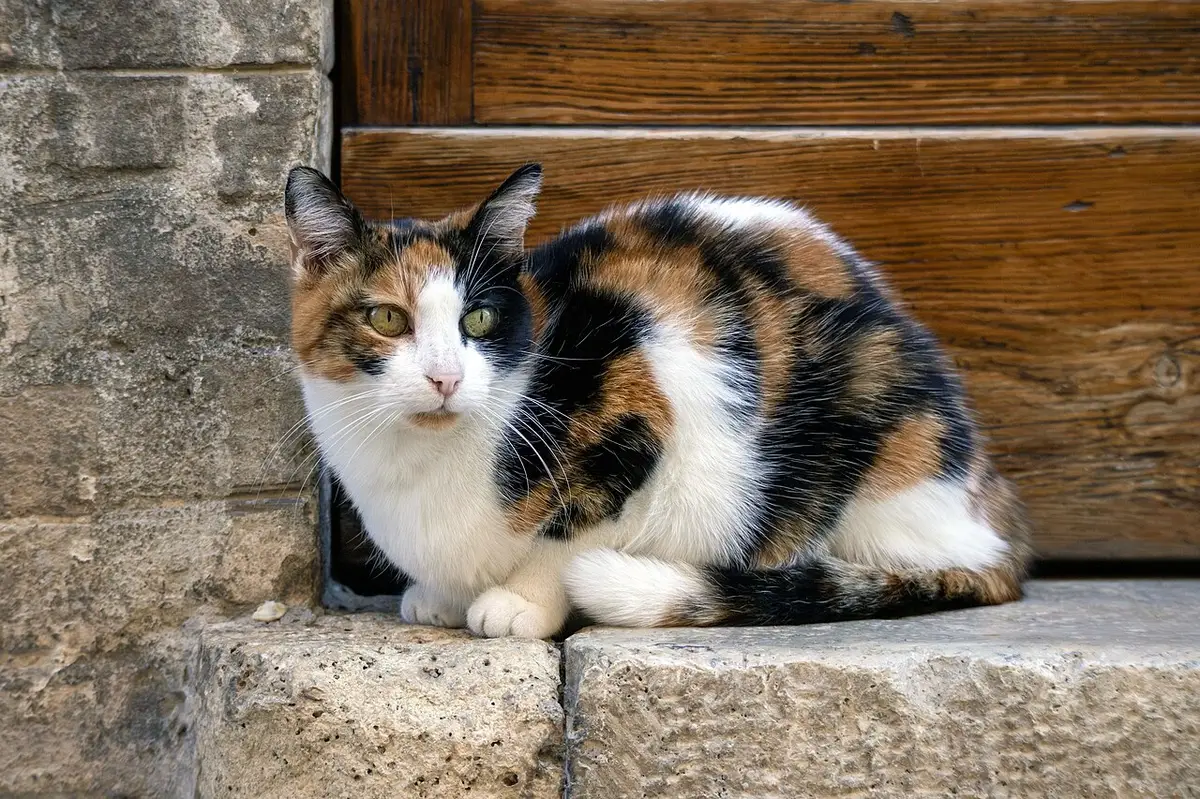
A calico coat is white with large, separate patches of black and orange. The patches have clean edges, so the three colors sit side by side like pieces of a quilt. In the dilute form, black softens to gray and orange softens to cream. Most calico cats are mixed breed Domestic Shorthairs.
A tortoiseshell coat blends the same two colors with little or no white. Black and orange swirl together, sometimes in big patches, sometimes in a fine brindle mix. No two tortoiseshell cats ever look alike.

A torbie, also called a patched tabby, is a tortoiseshell cat with tabby striping on top. Look closely at the orange patches and you will see stripes. Maine Coons produce torbies often. If your cat’s tail flicks while you study its coat, our cat body language chart explains what each movement means.
Colorpoint, Smoke, and Shaded Coats
Colorpoint cats look like they were dipped in dark paint at the ends. The body stays pale cream or white, while the ears, face, paws, and tail are dark. The Siamese is the famous example, and the pattern comes from a temperature sensitive gene: the cooler parts of the body grow darker fur. That is why colorpoint kittens are born almost white and darken as they grow. When the dark points also show tabby stripes, the result is called a lynx point, which Ragdolls and Balinese cats show often.

Smoke and shaded coats work the opposite way. Each hair is pale at the base and dark at the tip. In a smoke cat, most of the hair is dark and only the base is white, so the coat looks solid until the cat moves and the pale undercoat flashes. In a shaded cat, only the tip is colored, which gives a silvery or golden shimmer.
What Is the Rarest Cat Marking?
The rarest marking most breeders talk about is lilac, a soft pastel gray with a pink tint. It needs both parents to pass on the same recessive dilution gene, and a lilac cat also has a lavender nose and paw pads. Among true patterns, the van pattern is the rarest on this chart, because so few breeds carry it, and the rosetted Bengal pattern runs close behind.

Why Female Cats Carry Calico and Tortoiseshell
Almost every calico and tortoiseshell cat is female, and the reason sits on the X chromosome. The gene for black or orange fur lives on the X chromosome, and female cats have two of them. Each cell switches off one X chromosome at random, so some patches grow black and others orange.
Male cats have one X and one Y chromosome, so they normally show only one of the two colors. A male calico or tortoiseshell is possible only when the cat has an extra X chromosome, and those males are almost always sterile. That is why breeders say that if you see a calico kitten, you can be about 99.9 percent sure it is a girl. If you are planning for a new kitten, our cat teeth chart helps you judge a kitten’s age from its teeth before you bring it home.
How Genetics Decides a Cat’s Markings
Three genes do most of the work. The agouti gene controls the tabby pattern and decides whether a cat shows stripes at all. When it is switched on, the cat is a tabby; when it is switched off, the cat is solid. The same gene, in different forms, produces the four tabby types. The S gene controls white spotting, and it works like a volume dial: a little white gives a chest spot, more white gives a bicolor coat, and a lot of white gives a van pattern. The dilution gene softens colors, so black becomes blue gray and orange becomes cream.

How to Identify Your Cat’s Pattern in 4 Steps
First, look at the base: one color means solid, stripes or swirls mean tabby. Next, check for white. No white and two colors means tortoiseshell, white plus two colors means calico, a dark coat with a white chest and paws means tuxedo, and a mostly white coat with color only on the head and tail means van. Then look at the points: a pale body with dark ears, face, paws, and tail means colorpoint. A kitten’s pattern can shift in the first year, so check again at twelve months, and a cat human age chart helps you track how fast your kitten is growing up. Finally, compare a daylight photo of your cat with the table above.
Frequently Asked Questions
What is the rarest cat marking?
Lilac is the rarest color, a soft pastel gray with a pink tint that needs both parents to carry the same recessive gene. Among patterns, the van pattern is the rarest, because only a few breeds like the Turkish Van carry it.
Are calico cats always female?
Almost always. About 99.9 percent are female, because the black and orange colors sit on the X chromosome and females have two of them.
Do cat markings change as a kitten grows?
Yes, especially in the first year. Colorpoint kittens are born pale and darken as they grow, and tabby patterns sharpen with age. By twelve months, the adult pattern is usually set.
What is the difference between calico and tortoiseshell?
Calico has white plus black and orange in separate patches, while tortoiseshell blends black and orange with little or no white.
Conclusion
A cat markings chart turns a pretty coat into a story you can read. Twelve patterns cover almost every cat you will ever meet, from the everyday mackerel tabby to the rare van and the striking calico. Once you know the pattern names, you can describe your cat properly and understand the genetics behind its coat. Keep the table above bookmarked.
Pingback: Spotted Cat Breeds: 12 Breeds With Beautiful Spots – Chart Identify
Pingback: Asian Cat Breeds: 20 Breeds, Sizes and Facts – Chart Identify