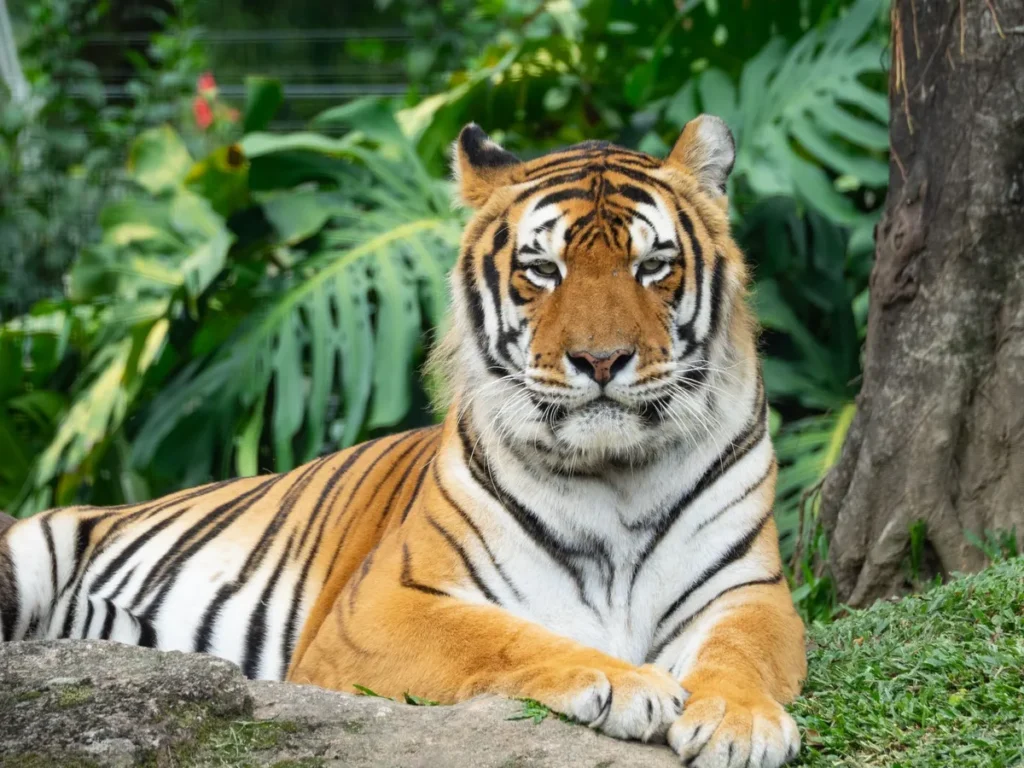
A tiger is the largest cat on Earth, yet its life is shorter than most people expect. This tiger lifespan chart lines up every subspecies, wild and captive, so you can see how long tigers live. The short answer: a wild tiger lives about 10 to 15 years, while a captive tiger often reaches 16 to 20 years and a few make it past 25.
That gap is not about genetics. A tiger’s body is built to last well into its twenties, but the wild rarely lets it. Half of all cubs die before age two, and surviving adults spend every year hunting, defending territory, and dodging poachers. Remove those pressures and the same animal gains five to ten extra years.

Tiger Lifespan Chart: Wild vs Captive by Subspecies
The numbers below are typical ranges, not hard limits. Since 2017, scientists formally recognize only two tiger subspecies, the continental tiger and the Sunda island tiger, but the older names are still the ones people use, so the chart keeps them.
| Tiger Subspecies | Modern Group | Status | Wild Lifespan | Captive Lifespan |
|---|---|---|---|---|
| Bengal | Continental | Endangered | 10 to 15 years | 16 to 20 years |
| Siberian (Amur) | Continental | Endangered | 10 to 15 years | 16 to 22 years |
| Indochinese | Continental | Endangered | 10 to 15 years | 15 to 20 years |
| Malayan | Continental | Critically Endangered | 10 to 15 years | 15 to 20 years |
| South China | Continental | Extinct in the Wild | None confirmed | 15 to 20 years |
| Caspian | Continental | Extinct | Gone | None |
| Sumatran | Sunda Island | Critically Endangered | 10 to 14 years | 15 to 20 years |
| Javan | Sunda Island | Extinct | Gone | None |
| Bali | Sunda Island | Extinct | Gone | None |
The pattern is steady. Almost every tiger lives 10 to 15 years in the wild and 15 to 20 in captivity, and the subspecies matters far less than the setting. The Siberian, the largest of all, often reaches the high end in captivity at 16 to 22 years, while the small Sumatran sits at the low end in the wild at 10 to 14 years. What changes from row to row is the chance of reaching it. The Malayan and Sumatran tigers are critically endangered, and three subspecies are gone for good. For sizes and habitats, see our types of tigers guide.
Why Tigers Live Longer in Captivity
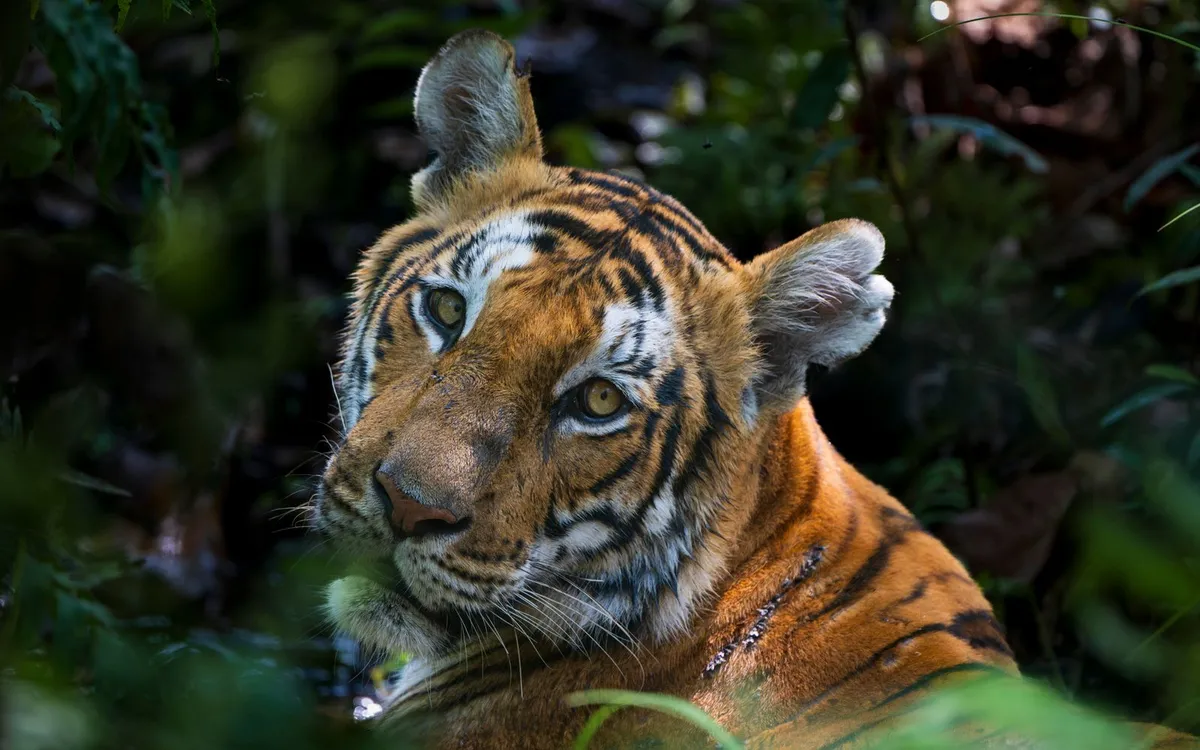
The gap comes down to three things the wild never guarantees: food, safety, and medicine. A wild tiger must kill to eat, and one failed hunt can mean days without a meal. A zoo tiger eats on schedule. A wild tiger faces poachers, rivals, and injuries that never heal properly, while a zoo tiger gets a vet at the first sign of trouble.
| Factor | Wild | Captivity |
|---|---|---|
| Typical lifespan | 10 to 15 years | 16 to 26 years |
| Cub survival past age 2 | About 50 percent | Most cubs survive |
| Food supply | Hunt or go hungry | Fed daily, balanced diet |
| Main threats | Poaching, prey loss, fights | Old age illness |
| Medical care | None | Regular vet checks |
| Oldest known | About 20 years, rare | 26 years (Guddu) |
The biggest difference shows up early. Roughly half of all wild cubs die before they turn two. In a zoo, almost all of them live, and that single fact lifts the captive average more than anything in adulthood.

A Tiger’s Life, Stage by Stage
A tiger’s odds change a lot with age. The dangerous years come early and late, and the middle is the only stretch that feels secure.
| Life Stage | Age | What Happens |
|---|---|---|
| Cubs | 0 to 2 years | Born blind and helpless, fed by the mother, about half do not survive |
| Subadults | 2 to 3 years | Leave the mother and search for a territory of their own |
| Prime adults | 3 to 10 years | Hold a range, hunt well, and raise the next litters |
| Old tigers | 10 to 15 years | Teeth wear down, hunts fail, and rivals take the territory |
Tiger cubs arrive after a gestation of about 100 days, usually two to four at a time, and stay with their mother for around two years while she teaches them to hunt. Females reach breeding age at three to four years, males at four to five, and males hold the largest ranges, sometimes up to 100 square kilometers.

What Shortens a Wild Tiger’s Life
A wild tiger’s life is short because almost everything is trying to kill it before old age can.
Cub mortality. About half of all wild cubs die before age two. Starvation leads when the mother struggles to hunt, followed by cold, disease, and attacks.
Prey loss. A tiger needs a steady supply of deer and wild pigs, and it will tackle prey as large as water buffalo when hungry. An adult eats roughly 5 to 7 kg of meat on a typical day. Strip the forest of those animals and the tiger starves long before its teeth wear out.
Poaching. Poaching for skins and body parts remains the top adult killer. A tiger that has survived a decade of hunting can be gone in one night to a snare or a poisoned carcass.
Territory fights. Tigers are solitary, and males fight hard over range. The loser often dies of infected wounds, and even the winner can pick up injuries that end its hunting career.
Worn teeth. A tiger’s canine teeth can reach 7 to 8 cm long. Once they wear down or break, hunts fail and the tiger weakens.
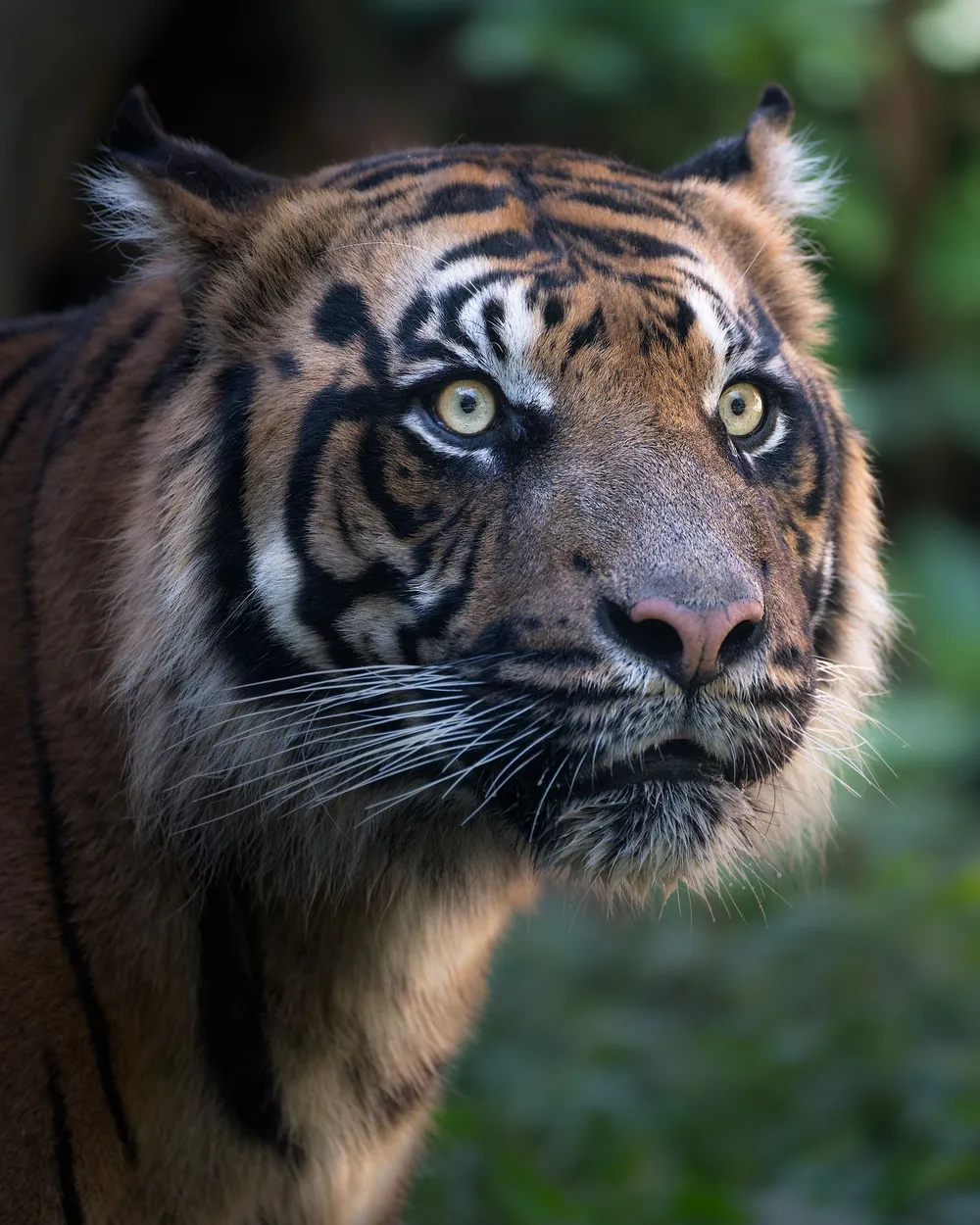

Do Male and Female Tigers Live the Same Length?
Not quite. Females tend to live slightly longer than males in the wild, usually by a year or two. The reason is behavior, not biology: males roam wider, fight more often, and take bigger risks. Females stay closer to a smaller range, especially while raising cubs. In captivity the gap mostly disappears.

The Oldest Tigers on Record
The record holders all lived in captivity. Guddu, a male Bengal tiger at Kanpur Zoo in India, reached 26 years, the oldest tiger age ever recorded. Two earlier tigers, Flavio and Ramu, each made it to 24. A wild tiger that reaches 20 is rare and remarkable, and even in captivity the smaller island tigers fall short.

Tiger Lifespan Compared With Other Big Cats
Tigers sit in the middle of the big cat lifespan range. They outlive cheetahs, roughly match lions and jaguars, and fall a little short of leopards. Our lion lifespan chart breaks down the lion numbers the same way.
| Big Cat | Wild Lifespan | Captive Lifespan |
|---|---|---|
| Tiger | 10 to 15 years | 16 to 26 years |
| Lion | 10 to 14 years | 20 to 25 years |
| Leopard | 12 to 17 years | 20 to 23 years |
| Jaguar | 12 to 15 years | 20 to 23 years |
| Cheetah | 8 to 12 years | 17 to 20 years |
| Snow leopard | 10 to 12 years | 15 to 20 years |
The pattern across all six is the same: captivity adds roughly five to ten years. The house cat is the extreme version, as our cat lifespan chart shows, with indoor cats often doubling the years of outdoor ones.
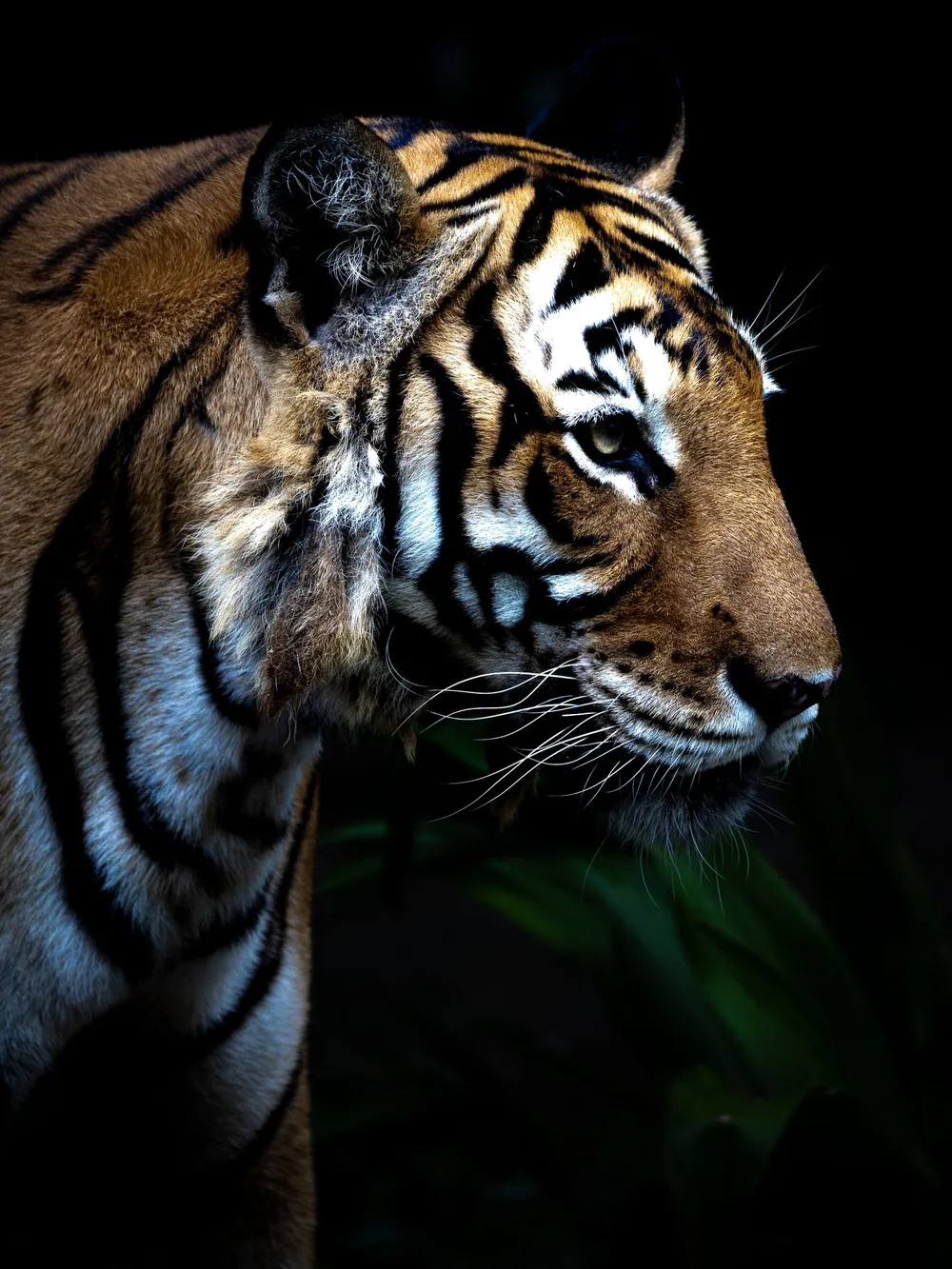
How Many Tigers Are Left, and Why It Matters for Lifespan
About 5,574 tigers remain in the wild, up from a low of around 3,200 in 2010. India holds the largest share, with 3,167 Bengal tigers counted in 2022. Elsewhere the picture is grimmer: fewer than 150 Malayan tigers survive in the wild, and fewer than 400 Sumatran tigers.
Those numbers matter because a tiger in a well protected reserve lives longer than one in a shrinking forest. Reserves with steady prey and anti poaching patrols let more cubs reach adulthood. If you enjoy these comparisons, our animals with the longest lifespan chart ranks the twenty longest lived animals on Earth.

FAQs
How long do tigers live in the wild?
Wild tigers live about 10 to 15 years. Roughly half of all cubs die before age two, so the average across a whole population is lower than the figure for surviving adults.
How long do tigers live in captivity?
Most captive tigers live 16 to 20 years. With steady food and veterinary care, a few have reached their mid-twenties, including Guddu, who lived to 26.
Which tiger subspecies lives the longest?
Lifespan is similar across subspecies. Siberian (Amur) tigers often reach the high end in captivity at 16 to 22 years.
How many tiger subspecies are there?
Two are formally recognized since 2017: the continental tiger and the Sunda island tiger. The older system named nine, six of which still exist.

Are any tiger subspecies extinct?
Yes. The Bali, Caspian, and Javan tigers are extinct, and the South China tiger is extinct in the wild and survives only in zoos.
Why do tigers live longer in zoos than in the wild?
Zoos remove the main killers: poaching, starvation, and territorial fights. Cubs survive at much higher rates, and adults get medical care.
Conclusion
A tiger’s lifespan is a story of two very different lives. In the wild, ten to fifteen years is a good run, cut short by hungry cub years, scarce prey, poachers, and teeth that wear down. In captivity, the same animal routinely reaches sixteen to twenty years and sometimes twenty-six, because food arrives on time and a vet is nearby. Every protected reserve with steady prey and real anti poaching patrols gives wild tigers a better shot at the long life their bodies were built for.