
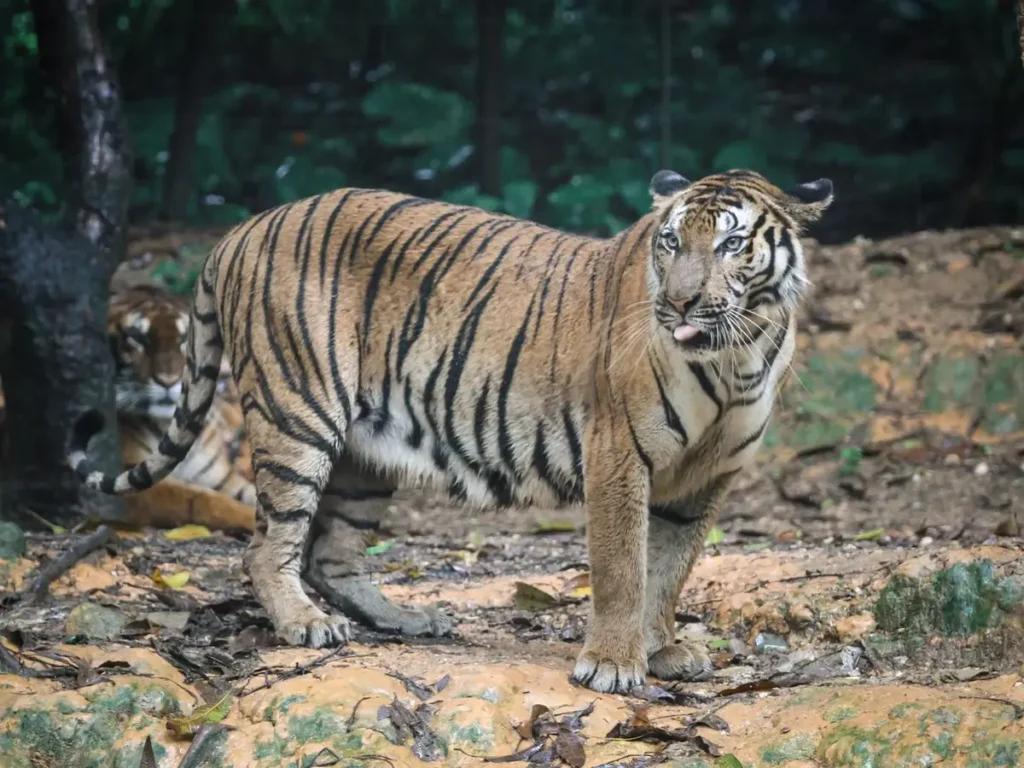
Ask ten people how many types of tigers exist and you will get ten different answers. Some say three, some say nine, and a few will insist that white tigers count as their own type. The real answer is refreshingly specific once you know where the confusion comes from. There are nine recognized types of tigers in total: six subspecies still alive in the wild, and three that disappeared during the last century. This chart walks through every one of them, with sizes, ranges, wild populations and the facts that actually matter.
What “Types of Tigers” Really Means
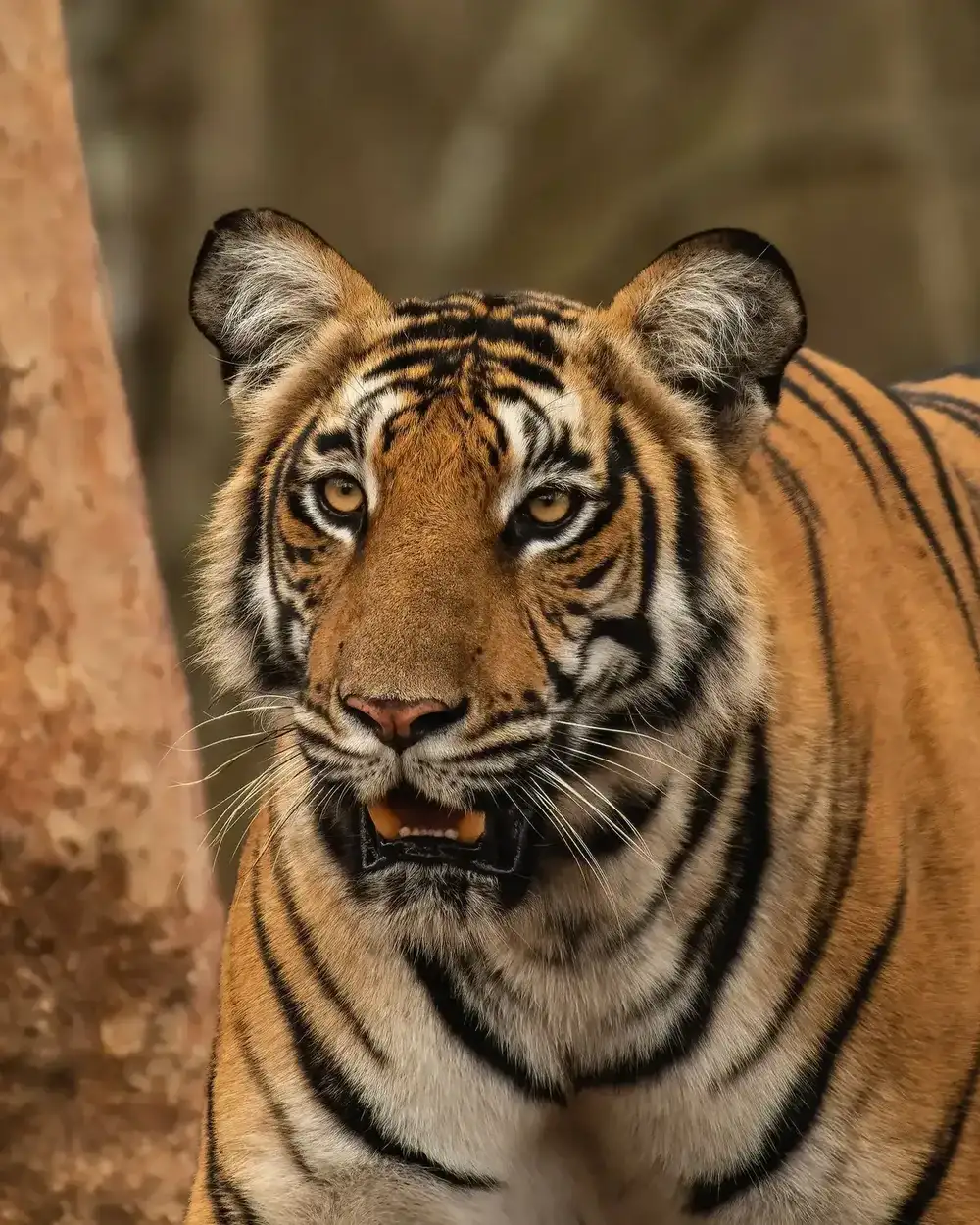
Before the names and numbers, one thing needs clearing up. Every tiger on Earth belongs to a single species, Panthera tigris. When people say types of tigers, they are really talking about subspecies: regional populations that evolved different sizes, coats and behaviors after thousands of years of adapting to different habitats.
The traditional model recognizes nine tiger subspecies, and it is still the one used by most field guides, zoos and conservation groups. In 2017 the IUCN Cat Specialist Group proposed simplifying things to just two subspecies (a mainland group and an island group), but the nine-subspecies model remains the standard reference, and it is the one this chart follows.
What does not count as a type: white tigers, golden tigers and snow tigers. Those are color variations of the Bengal tiger, caused by rare genetic mutations, not separate subspecies. More on those below. If charts of wild cats are your thing, the types of wild cats chart covers 18 smaller relatives in the same format.
Complete Chart: All 9 Types of Tigers
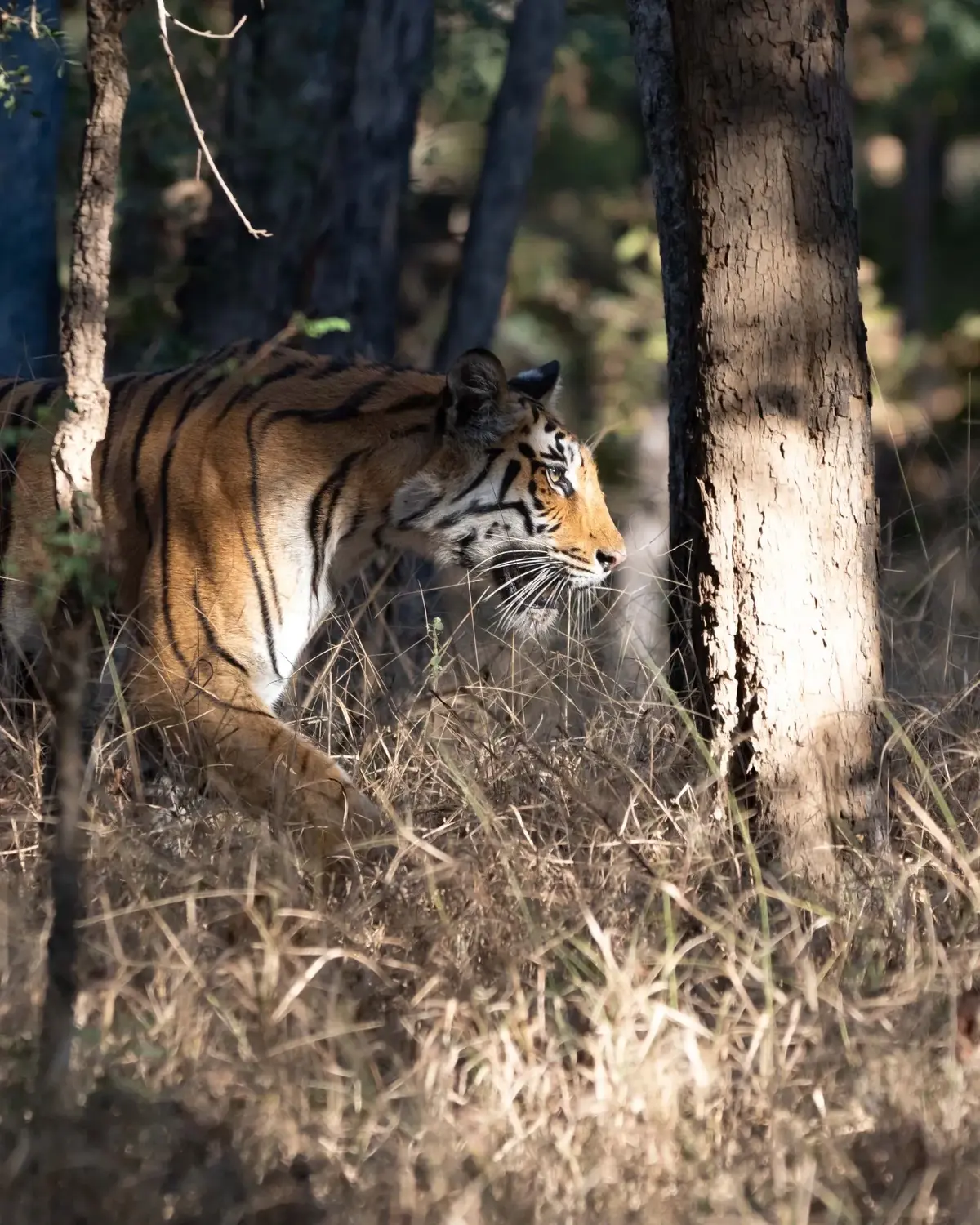
Here is the full reference: every recognized tiger subspecies, living and extinct, in one table.
| Subspecies | Scientific Name | Status | Male Weight | Range | Wild Population |
|---|---|---|---|---|---|
| Bengal | P. t. tigris | Endangered | 180-260 kg | India, Nepal, Bhutan, Bangladesh | ~3,000-4,000 |
| Siberian (Amur) | P. t. altaica | Endangered | 180-306 kg | Russian Far East, NE China | ~600-700 |
| Indochinese | P. t. corbetti | Endangered | 150-195 kg | Thailand, Myanmar | ~350 |
| Malayan | P. t. jacksoni | Critically Endangered | 120-140 kg | Peninsular Malaysia | Under 200 |
| South China | P. t. amoyensis | Critically Endangered | 127-177 kg | China | 0 in the wild |
| Sumatran | P. t. sumatrae | Critically Endangered | 100-140 kg | Sumatra, Indonesia | ~400 |
| Bali | P. t. balica | Extinct (1950s) | 65-100 kg | Bali, Indonesia | 0 |
| Javan | P. t. sondaica | Extinct (early 1980s) | 100-141 kg | Java, Indonesia | 0 |
| Caspian | P. t. virgata | Extinct (1970s) | 170-240 kg | Central Asia, Iran, Turkey | 0 |
The 6 Living Types of Tigers
1. Bengal Tiger (Panthera tigris tigris)
The Bengal is the tiger most people picture: deep orange coat, bold black stripes, white belly. It is also the most numerous subspecies by far, with the stronghold in India, which counted 3,167 wild tigers in its 2022 national census. Bengal tigers even hunt in the Sundarbans mangrove swamps, swimming between islands. Males average around 200 kg.
2. Siberian Tiger (Panthera tigris altaica)
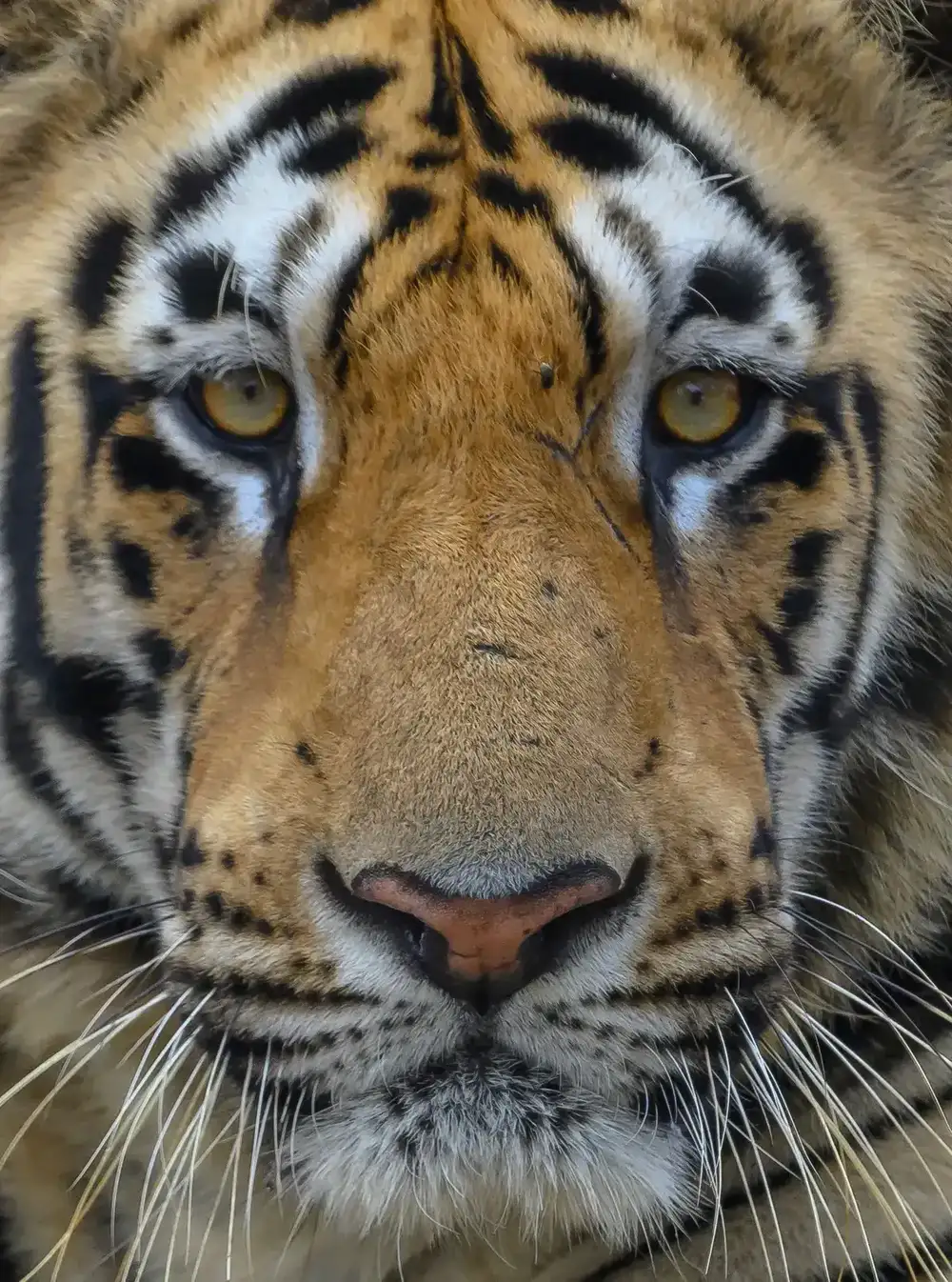
Also called the Amur tiger, this is the heavyweight of the cat world and the largest living tiger type. Built for brutal winters in the Russian Far East and northeast China, it wears a thicker, paler coat and carries a layer of fat that mainland tigers never need. Adult males commonly reach 200 kg, with exceptional individuals recorded above 300 kg. After nearly vanishing in the 1940s, strict protection has brought the population back to roughly 600-700.
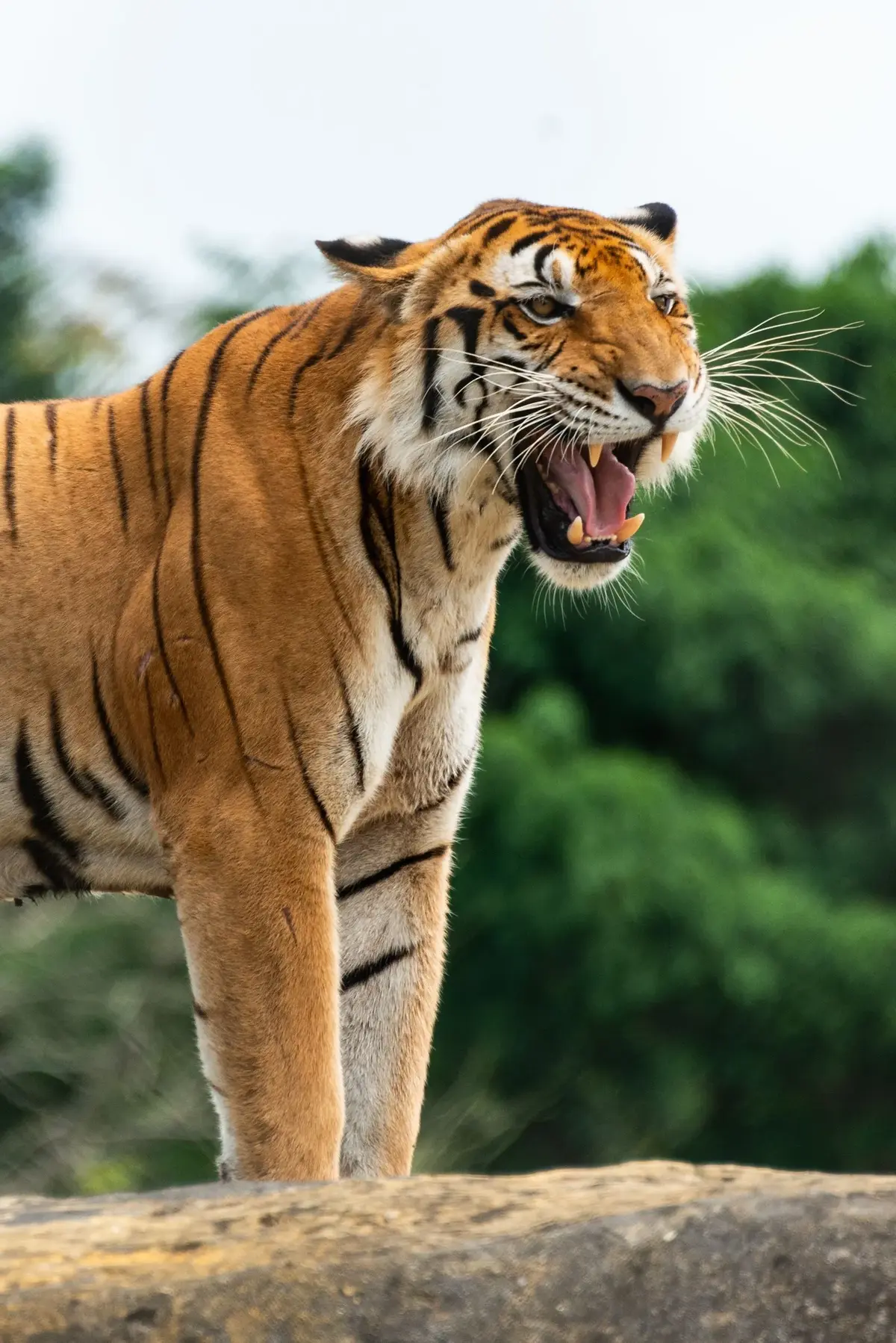
3. Indochinese Tiger (Panthera tigris corbetti)
Smaller and darker-striped than its Indian cousin, the Indochinese tiger haunts the forests of Thailand and Myanmar. It is the ghost of this list: shy, thinly spread and hammered by poaching for the illegal wildlife trade. Tigers have already been declared extinct in neighboring Vietnam, Cambodia and Laos, which makes the surviving Thai population one of the most important strongholds left, estimated at only a few hundred animals.

4. Malayan Tiger (Panthera tigris jacksoni)
Recognized as its own subspecies only in 2004, after genetic studies split it from the Indochinese tiger, the Malayan tiger is found only on the Malay Peninsula. It is one of the smallest mainland tigers and one of the most endangered big cats on Earth, with fewer than 200 left in the wild. Malaysia has put it on the national coat of arms, which makes its decline especially painful to watch.

5. South China Tiger (Panthera tigris amoyensis)
This is the tiger that exists on paper but not in the forest. No confirmed wild sighting has occurred since the 1970s, and it is considered functionally extinct in the wild. Around 100 descendants survive in Chinese zoos and breeding centers, all descended from just six founders. Rewilding experiments in South Africa have had only limited success.

6. Sumatran Tiger (Panthera tigris sumatrae)
The smallest living tiger type, and the only one left on an Indonesian island. Sumatran tigers have darker, more closely spaced stripes than mainland tigers, a pronounced ruff of fur around the neck in males, and slightly webbed toes that help them move through swampy forest. Roughly 400 survive in shrinking pockets of rainforest, squeezed by palm oil expansion and conflict with villages on the forest edge.

The 3 Extinct Types of Tigers
Three tiger subspecies vanished within living memory. None of them died out in ancient history; all three were lost in the 20th century to hunting and habitat conversion.
Bali Tiger (Panthera tigris balica)
The smallest tiger subspecies ever recorded, with males weighing just 65-100 kg. It lived only on the Indonesian island of Bali. The last confirmed individual was shot in 1937, and the subspecies was gone by the 1950s, wiped out as Bali’s forests were cleared for rice and settlements. It was not officially declared extinct until 2008.
Javan Tiger (Panthera tigris sondaica)
Java’s tiger survived a little longer, into the early 1980s, but the island’s exploding human population left it nowhere to go. By the 1970s only a handful remained in the Meru Betiri region, and despite a national park being created specifically to save them, no trace has been found since around 1980.
Caspian Tiger (Panthera tigris virgata)
The westernmost tiger, roaming reed beds and river valleys from Turkey and Iran through Central Asia. It was a large, long-legged cat, and genetic studies later showed it was nearly identical to the Siberian tiger. The last reliable records date to the 1970s. Drainage of wetlands for cotton farming and direct persecution finished it off.
Types of Tigers Ranked by Size
Size follows climate more than anything else. Cold-country tigers grow big to conserve heat; island and tropical-forest tigers stay small and agile. Ranked by typical adult male weight:
| Rank | Subspecies | Male Weight | Head-Body Length |
|---|---|---|---|
| 1 | Siberian (Amur) | 180-306 kg | Up to 3.3 m |
| 2 | Bengal | 180-260 kg | Up to 3.1 m |
| 3 | Caspian (extinct) | 170-240 kg | Up to 3.0 m |
| 4 | Indochinese | 150-195 kg | Up to 2.9 m |
| 5 | South China | 127-177 kg | Up to 2.6 m |
| 6 | Malayan | 120-140 kg | Up to 2.5 m |
| 7 | Javan (extinct) | 100-141 kg | Up to 2.5 m |
| 8 | Sumatran | 100-140 kg | Up to 2.6 m |
| 9 | Bali (extinct) | 65-100 kg | Up to 2.3 m |
One caveat: the largest reliably weighed Bengal males have matched the biggest Amurs, so prey density matters as much as latitude.
White, Golden and Snow Tigers: Colors, Not Types
No chart of tiger types is complete without addressing the color morphs, because they cause most of the confusion online.
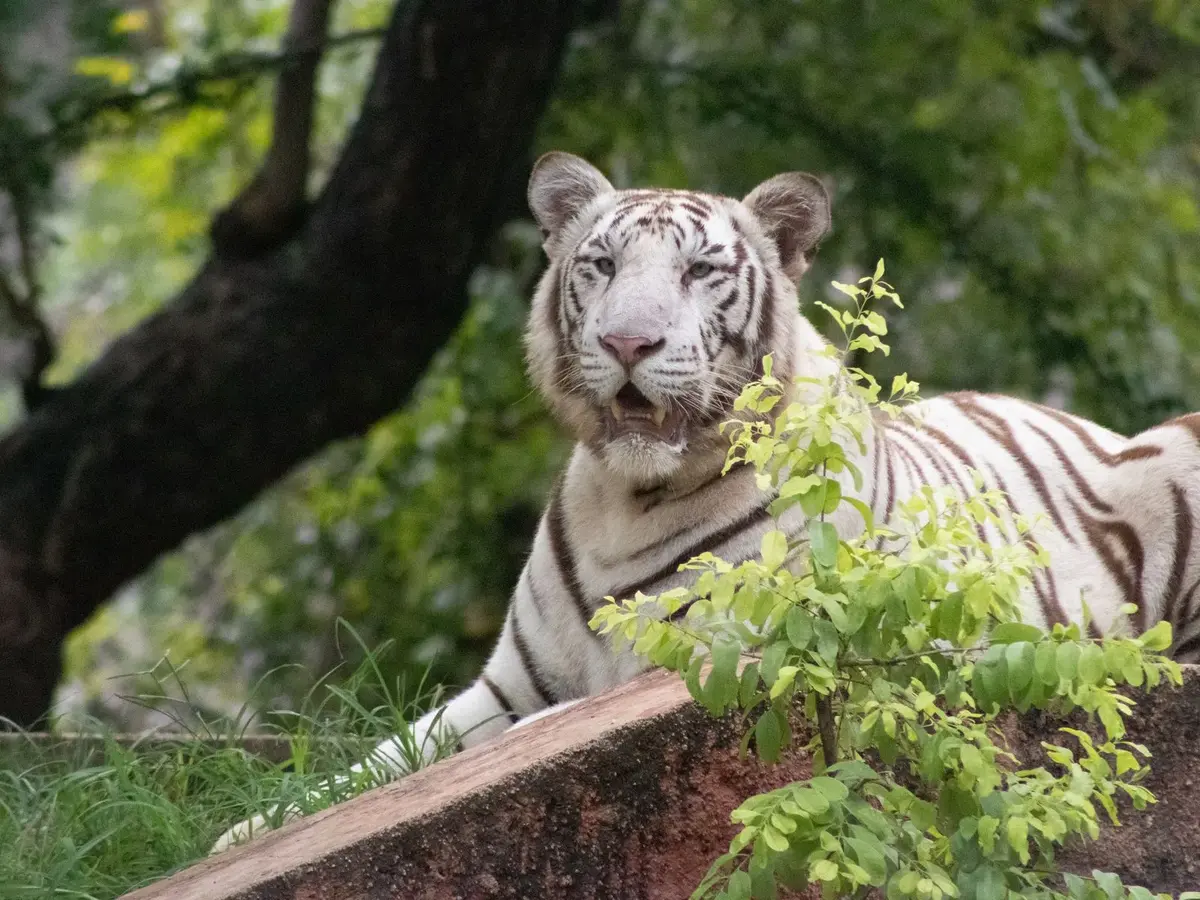
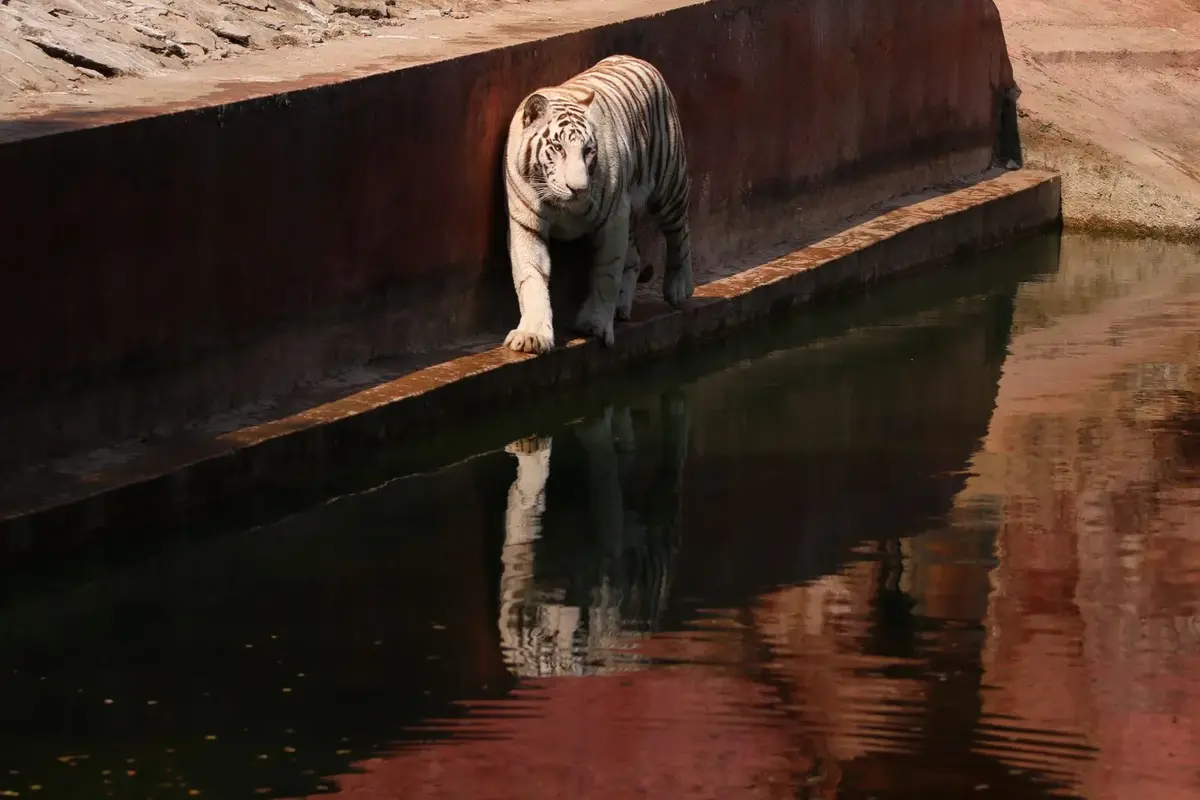
White tigers are Bengal tigers with a rare recessive mutation that strips the orange pigment from the coat, leaving white fur with dark stripes and blue eyes. The last confirmed wild white tiger was shot in 1951. Every white tiger in captivity today descends from a small number of captured animals, and the inbreeding required to produce more of them causes serious health problems, which is why responsible zoos have stopped breeding for the trait.
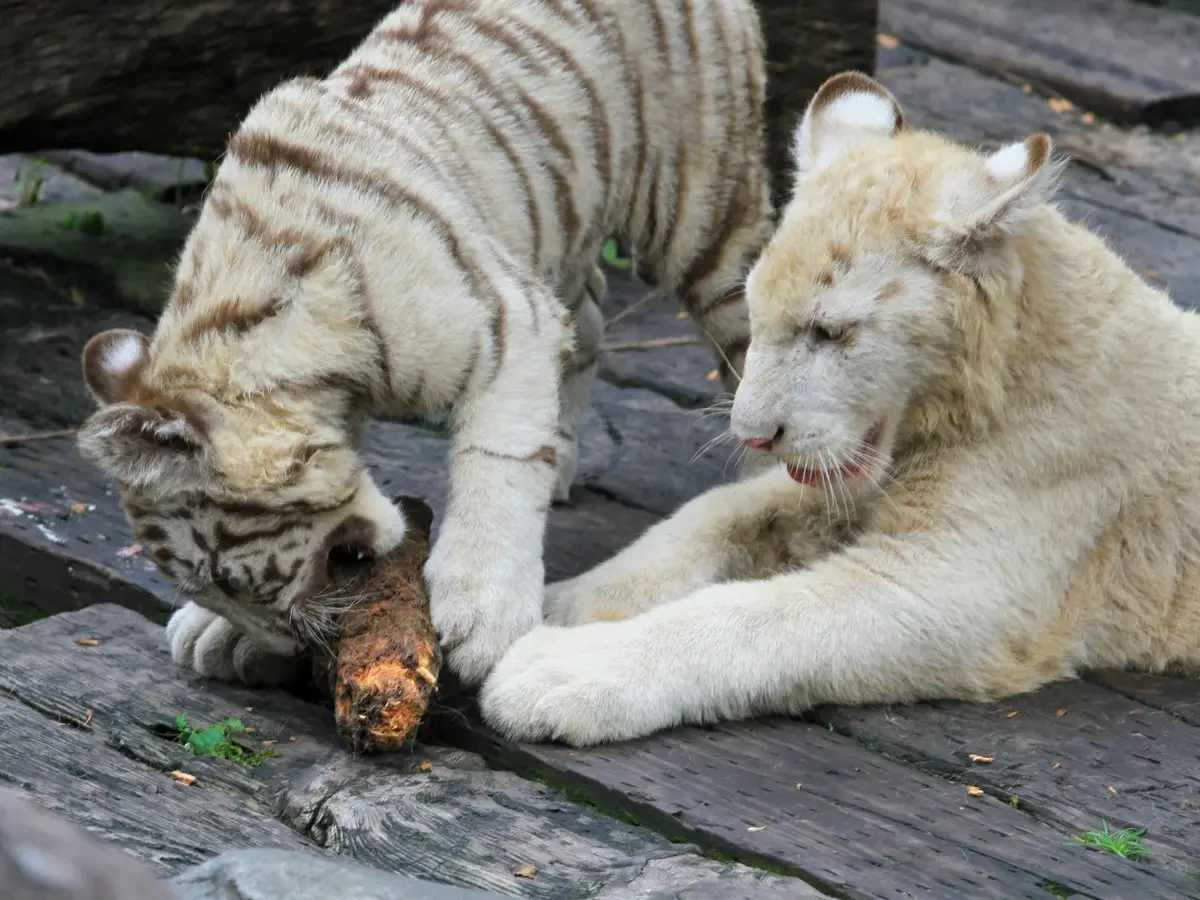
Golden tigers (sometimes called strawberry tigers) carry a different recessive gene that turns the stripes reddish-brown on a golden coat. Snow white tigers combine both mutations for an almost patternless white coat. Both exist almost entirely because of captive breeding. Neither is a subspecies, and neither belongs in a scientific list of tiger types.
How Many Tigers Are Left in the Wild
A century ago, roughly 100,000 tigers roamed Asia. Today the global estimate sits near 5,500, spread across just 5-7% of their historic range, and breeding populations are confirmed in only ten countries. India alone holds around three-quarters of the world’s wild tigers thanks to its reserve network. The threats are the same ones that killed the extinct three: poaching, habitat loss and conflict with people. The difference is that the six surviving subspecies now have conservation programs fighting for them, and for Bengal and Siberian tigers those programs are measurably working.

Frequently Asked Questions
How many types of tigers are there?
Nine subspecies are traditionally recognized: six still living (Bengal, Siberian, Indochinese, Malayan, South China and Sumatran) and three extinct (Bali, Javan and Caspian).
Are white tigers a separate type of tiger?
No. White tigers are Bengal tigers with a rare genetic mutation. They are not a subspecies and are virtually nonexistent in the wild.
What is the largest type of tiger?
The Siberian (Amur) tiger is the largest on average, with males reaching up to 306 kg and 3.3 meters long, though the biggest Bengal males can match it.
Which type of tiger is the most endangered?
The South China tiger is functionally extinct in the wild. Among tigers with wild populations, the Malayan tiger is the most endangered, with fewer than 200 remaining.
Why did three tiger subspecies go extinct?
Hunting and habitat loss. The Bali tiger lost its forests to agriculture, the Javan tiger was squeezed out by Java’s growing human population, and the Caspian tiger lost its wetland habitat to irrigation projects, all within the 20th century.
How many tigers are left in the wild?
Current global estimates put the number near 5,500 wild tigers, with India holding roughly three-quarters of them.
Conclusion
Nine types of tigers, six still with us and three gone within living memory. That is the short version of a century that nearly erased the world’s largest cat. The longer version is in the details: the Amur tiger’s comeback in the Russian snow, the Malayan tiger hanging on with fewer than 200 animals, the Sumatran tiger swimming through swamp forest, and the empty spaces where the Bali, Javan and Caspian tigers used to be. This chart is part of the site’s big-cat series: compare it with the all fox species chart and the all wolf species chart to see how the same format works across very different animals.


Pingback: Tiger Lifespan Chart: How Long Tigers Live – Chart Identify
Pingback: Types of Rhinos: All 5 Species, Sizes and Habitats (2026) – Chart Identify