
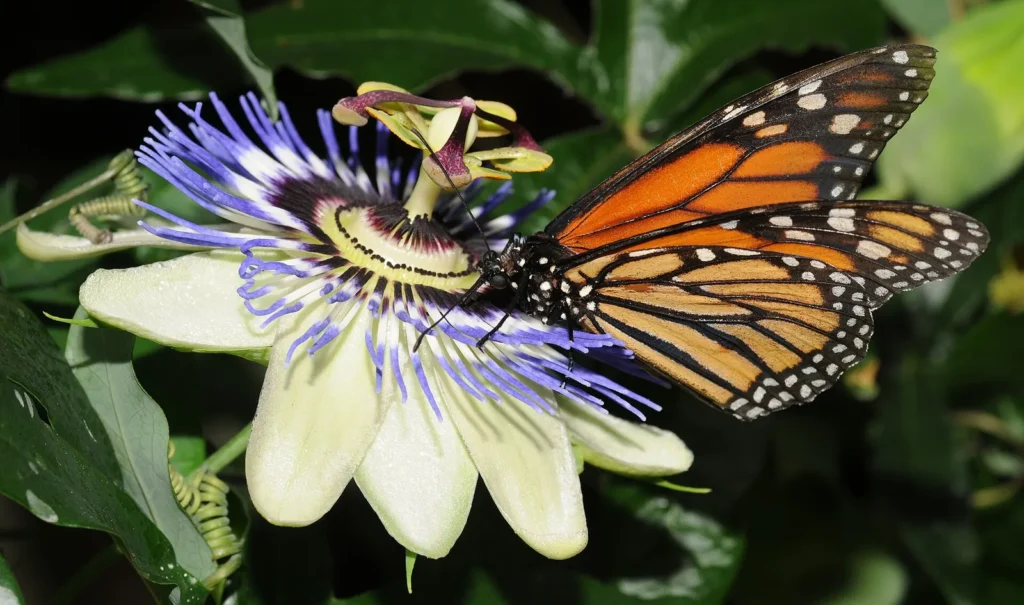
A butterfly lifespan is shorter than most people expect. Most adults live only two to four weeks, yet a few species stretch that to nearly a full year. The difference comes down to species, season, and one clever trick: some butterflies spend the winter as sleeping adults.
This chart compares 20 common species, with the adult lifespan and the total lifespan from egg to death. The second number matters, because the caterpillar and chrysalis stages often last longer than the winged adult. Find your species in the table, then read on, including the monarch migration secret.

Butterfly Lifespan Chart: How Long 20 Species Live
Ranges are wide because temperature, food, predators, migration, and hibernation all change the result. A monarch born in July and one born in September are the same species, but their lives differ completely. To compare wing patterns, see our butterfly identification chart.
| Species | Family | Adult Lifespan | Total Lifespan | Habitat and Range |
|---|---|---|---|---|
| Monarch | Nymphalidae | 2-6 weeks; 6-9 months migratory | 7 to 10 months | North America; winters in Mexico |
| Mourning Cloak | Nymphalidae | 8 to 11 months | 11 to 12 months | North America, Europe, Asia |
| Brimstone | Pieridae | 10 to 12 months | 12 to 13 months | Europe, North Africa, Asia |
| Peacock | Nymphalidae | 6 to 10 months | 11 to 12 months | Europe and temperate Asia |
| Question Mark | Nymphalidae | 6-8 months | 9 to 11 months | North America woodlands |
| Small Tortoiseshell | Nymphalidae | 8 to 10 months | 10 to 12 months | Europe and Asia gardens |
| Comma | Nymphalidae | 6 to 10 months | 10 to 12 months | Europe and Asia |
| Zebra Longwing | Nymphalidae | 3-6 months | 5-8 months | Southern US, Central America |
| Owl Butterfly | Nymphalidae | 2-4 months | 4-6 months | Central and South America |
| Glasswing | Nymphalidae | 6 to 12 weeks | 3-4 months | Central American rainforest |
| Blue Morpho | Nymphalidae | 3-4 weeks | About 115 days | Central and South America |
| Eastern Tiger Swallowtail | Papilionidae | 2-6 weeks | 2-3 months | Eastern North America |
| Black Swallowtail | Papilionidae | 2-6 weeks | 2-3 months | North America gardens |
| Painted Lady | Nymphalidae | 2-4 weeks | 6-8 weeks | Worldwide |
| Red Admiral | Nymphalidae | 2-6 weeks; up to 6 months overwintering | 2-3 months | North America, Europe, Asia |
| Cabbage White | Pieridae | 2-3 weeks | 5-7 weeks | Worldwide gardens |
| Common Blue | Lycaenidae | 2-3 weeks | 6-8 weeks | Europe and Asia grassland |
| Viceroy | Nymphalidae | 2-4 weeks | 2-3 months | North American wetlands |
| Common Buckeye | Nymphalidae | 2-4 weeks | 2-3 months | North American fields |
| Silver-Spotted Skipper | Hesperiidae | About 1 week | 5-7 weeks | North American woodland edges |
How Long Do Butterflies Live on Average?
For most species, the honest answer is two to four weeks as a flying adult. But an average hides the real story: lifespans split into short-lived summer breeders and long-lived survivors that pause their lives through winter.
A summer butterfly lives fast: it emerges, mates within days, lays eggs, and dies, often within three weeks. A hibernating butterfly does the opposite. It emerges in late summer, feeds hard to build up fat, then sleeps for months in a sheltered spot and wakes in spring to mate and lay eggs.
The Butterfly Life Cycle and Total Lifespan
Asking how long a butterfly lives usually means the adult stage, but the full life is much longer. Here is the typical timing for a summer generation:
| Life Stage | Typical Length | What Happens |
|---|---|---|
| Egg | 3 to 10 days | Laid on a host plant |
| Caterpillar | 2-5 weeks | Eats and grows fast |
| Chrysalis | 1-2 weeks | Body rebuilds itself inside |
| Adult butterfly | 2-4 weeks | Feeds, mates, and lays eggs |
Added together, a typical summer butterfly lives about 6 to 10 weeks from egg to death, though the winged adult is alive for only 2 to 4 of those weeks. For overwintering species the math changes completely. A peacock that emerges in August sleeps until April, so its total lifespan reaches 11 to 12 months. Some swallowtail chrysalises also sit out the whole winter.
This is also why the blue morpho causes confusion online. You will often read that it lives 115 days, and that figure is correct for the whole life cycle from egg to death. The adult itself lives only 3-4 weeks. Whenever a lifespan number sounds surprisingly long, check whether it counts the whole life cycle or just the adult. For more species and caterpillar stages, see our guide to the types of butterflies.
The Longest Living Butterflies
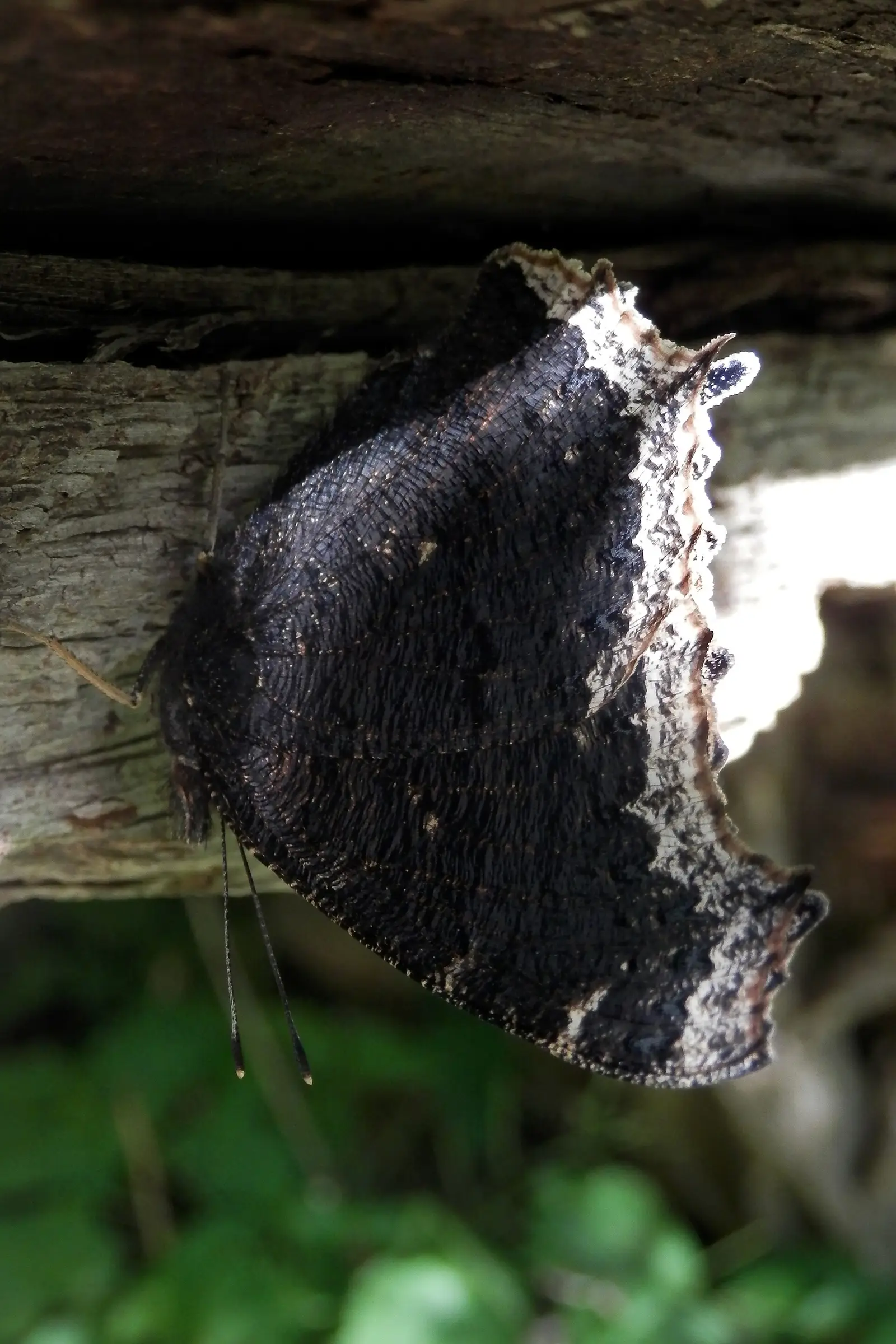
The mourning cloak is the long-life champion of North America. Adults live 8 to 11 months, one of the longest butterfly lifespans on the planet. It earns that record by hibernating as an adult. Mourning cloaks emerge in summer, feed on tree sap and rotting fruit, then tuck into a hollow tree or woodpile for winter. They are often the first butterflies seen in spring, flying on cold March days when nothing else is out.
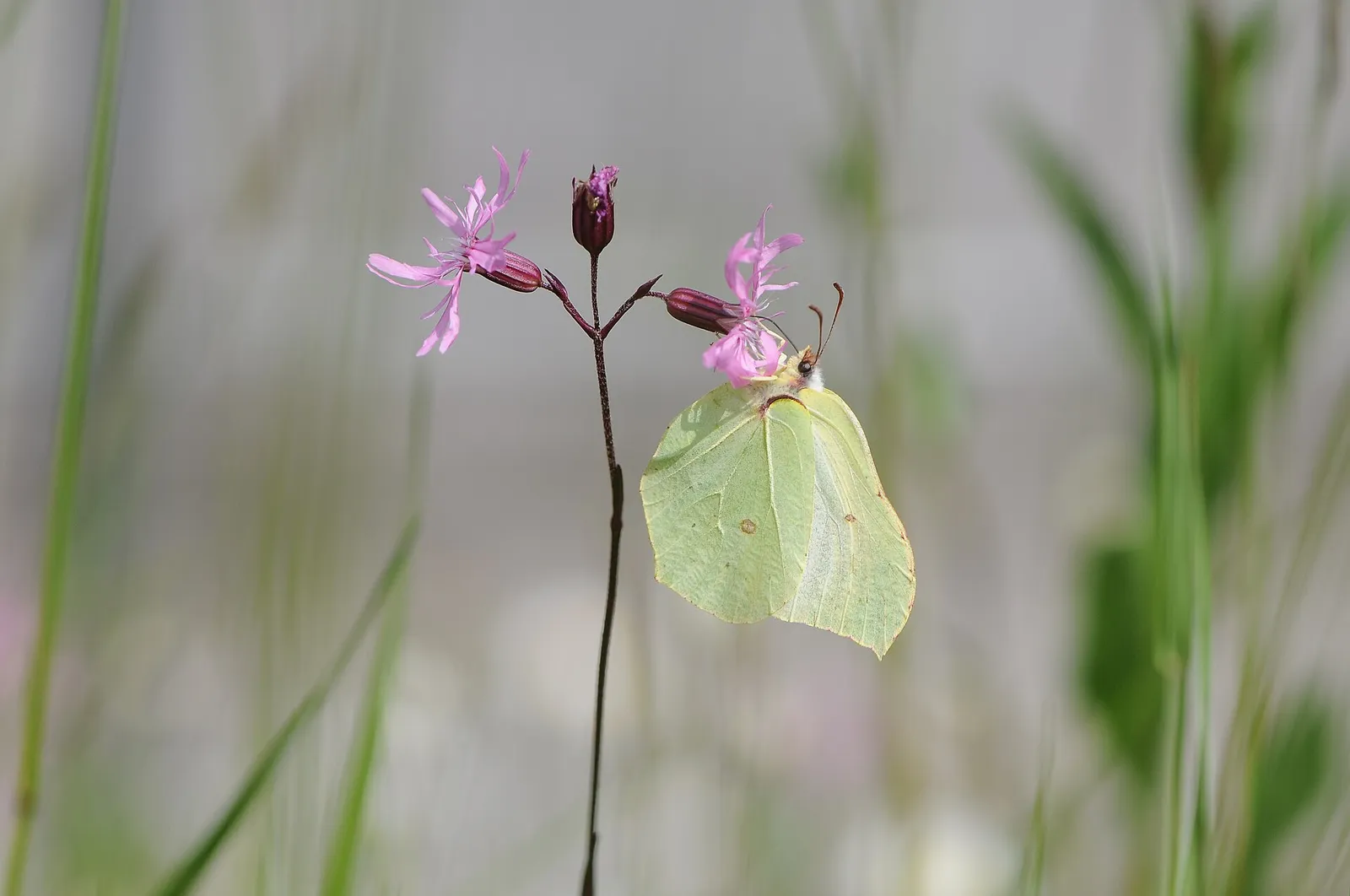
The brimstone holds the European record, with adults living 10 to 12 months. Brimstones emerge in summer, feed on nectar, then hibernate through winter in evergreen shrubs and ivy. Males wake in early spring and patrol hedgerows for females, resting with wings closed like a leaf.

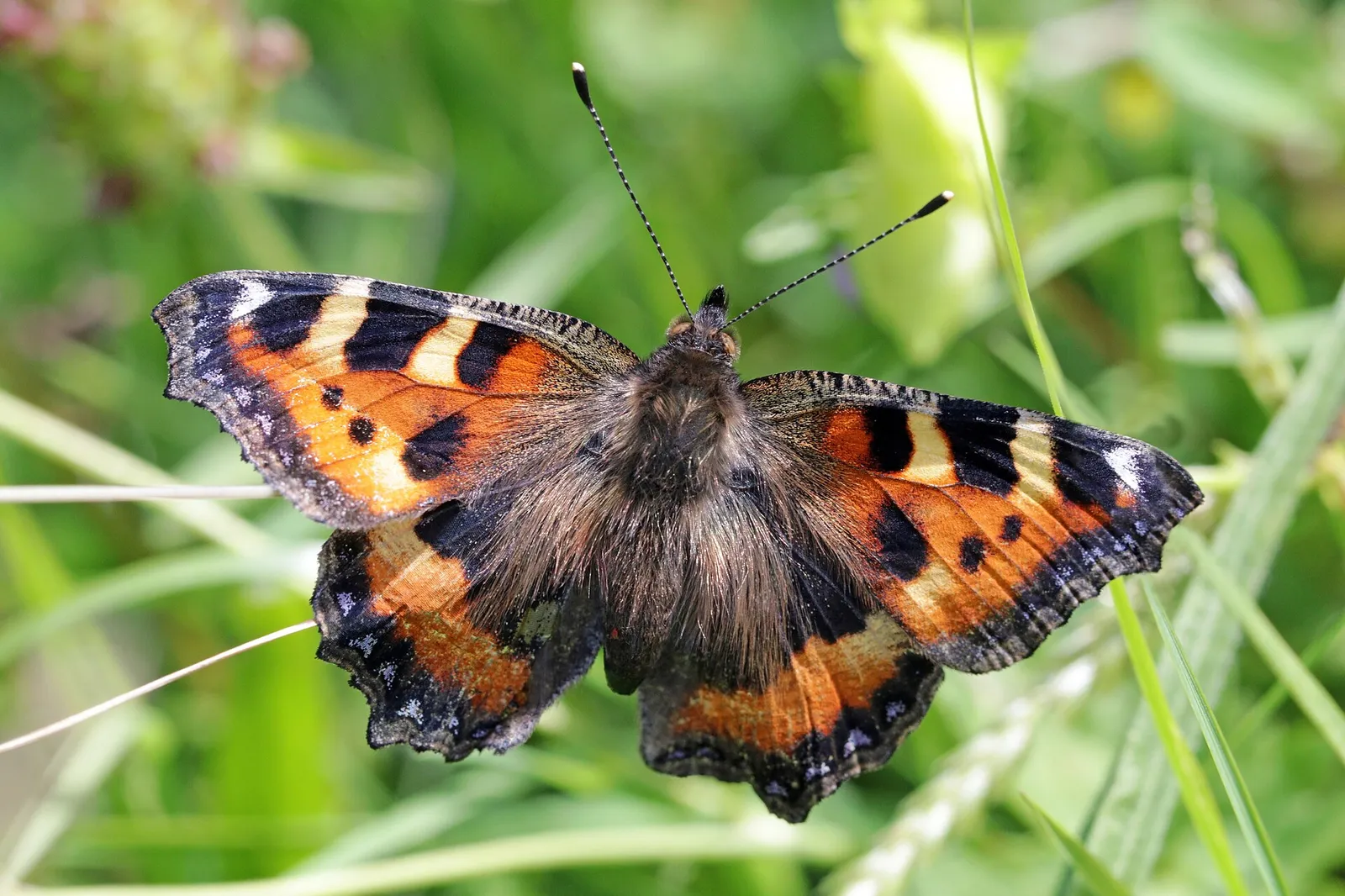
The peacock, the small tortoiseshell, and the comma all use the same trick in Europe: emerge in late summer, hibernate as adults, and breed in spring. Peacocks live 6 to 10 months, and their big eyespots scare off birds during the long sleep. Small tortoiseshells often hibernate in sheds and garages, and sometimes wake too early, when no flowers are out yet. The question mark, a North American relative of the comma, lives 6-8 months as an adult.
Two tropical species reach long lives without hibernating. The zebra longwing lives 3-6 months because it eats pollen as well as nectar, and pollen protein lets it keep producing eggs for months. The owl butterfly lives 2-4 months in the rainforest, feeding on rotting fruit and sap, and its huge eyespots help it dodge predators.
The Monarch Migration Secret
No butterfly lifespan story is complete without the monarch, because it breaks its own rules. A monarch born in June lives 2-6 weeks. It mates, lays eggs on milkweed, and dies, and its children do the same. But the monarchs born in late summer and early fall are different. They are the migratory generation, and they live 6-9 months.

The secret is a state called reproductive diapause. Shorter days and cooler nights switch off the migratory monarchs’ urge to mate, so they save all their energy for the journey. Eastern monarchs fly up to 3,000 miles to central Mexico, cluster in fir forests all winter, and fly north again in spring to lay the eggs that start the next summer’s generations. The butterfly that arrives back in Texas in March is the same individual that left the north in September, living roughly ten times longer than its parents did.
Why Most Butterflies Live So Short
A short adult life is not a flaw. It is a trade-off that works. Adult butterflies are built for one job: reproduction. They carry no armor, they cannot repair a torn wing, and birds, spiders, dragonflies, and wasps hunt them every day they fly. Evolution answered with speed, not longevity. Lay eggs quickly, in large numbers, and some will survive.

Energy is the second limit. Most adults drink only nectar, mostly sugar water. It gives quick energy for flight but almost no protein for body repair. Species with a richer food source live longer: zebra longwings eat pollen, mourning cloaks drink sap and fruit juice, and owl butterflies feed on fermenting fruit. Weather finishes the job. A cold snap or a heavy rainstorm can kill a butterfly that would otherwise have lived another week. Small species like skippers are the most exposed, which is why a silver-spotted skipper lives only about a week as an adult.
Moths, the butterfly’s close cousins, face the same pressures, and many adult moths live only a few days. Our guide to the types of moths explains how the two groups split the night and the day.
Butterfly Lifespan by Family
Family is a useful shortcut for guessing a lifespan. Brush-footed butterflies (Nymphalidae) hold both the longest and some of the shortest lives: 2-4 weeks for summer species, 6-11 months for hibernators and pollen feeders.

Swallowtails (Papilionidae) live 2-6 weeks as adults. Most whites (Pieridae) live 2-3 weeks, with the brimstone as the exception at 10-12 months. Blues (Lycaenidae) live 2-3 weeks, and skippers (Hesperiidae) about a week, balanced by two or three generations each summer.

How to Help Butterflies Live Longer in Your Garden
You cannot change a species’ lifespan, but you can remove the hazards that cut it short. Plant nectar flowers that bloom in sequence from spring to fall. Late-season flowers like asters, goldenrod, and sedum matter most, feeding migratory monarchs and hibernating species building fat for winter. Add host plants too: milkweed for monarchs, nettles for peacocks, and parsley, dill, and fennel for swallowtails.

Leave a messy corner. Hibernating butterflies need shelter: a log pile, a dense hedge, or leaves left alone until spring. Cleaning up every leaf in autumn destroys the winter bedrooms of peacocks, tortoiseshells, and commas. Skip pesticides, and provide water. A shallow dish with wet sand gives butterflies the minerals they need. With food, shelter, and clean water, your garden butterflies get the best chance of reaching their full natural lifespan.

Butterfly Lifespan FAQs
How long do butterflies live?
Most adult butterflies live 2-4 weeks. A few live much longer: mourning cloaks 8 to 11 months, brimstones 10 to 12 months, and migratory monarchs 6-9 months. Total lifespan from egg to death is usually 6 to 10 weeks for summer species.
What is the longest living butterfly?
The brimstone is one of the longest-lived butterflies, with adults surviving 10 to 12 months by hibernating through winter. The mourning cloak is close behind at 8 to 11 months.
How long do monarch butterflies live?
Summer monarchs live 2-6 weeks. The migratory generation, born in late summer and fall, lives 6-9 months, flying up to 3,000 miles to Mexico for winter and returning north in spring.
Do butterflies die after laying eggs?
Mostly, yes, but not instantly. A female lays eggs over several days, often hundreds, and her body wears out as she does it. Males usually die a few days after mating. The eggs they leave behind are the next generation.
Why do some butterflies live only a week?
Small, fast-breeding species like skippers put all their energy into quick reproduction instead of a long adult life. A week is enough to mate and lay eggs.
Conclusion
A butterfly lifespan is a range, not a single number. Most adults get two to four weeks of flight, a few get months, and the hibernators and the migratory monarch get nearly a year. Check the chart above for your species. Hibernation and migration are the two tricks that stretch a life.
Pingback: Ladybug Lifespan Chart: How Long Ladybugs Live – Chart Identify