Korean cat breeds are a mix of one true native and a set of much loved imports. If you search for Korean cat breeds, you will find lists that call many cats Korean, but the honest truth is simple: the Korean Shorthair is the only truly native Korean breed, a domestic shorthair type that has lived in Korean homes, streets, and markets for generations. The other nine breeds in this chart are the most popular breeds kept in Korea today. This guide covers all ten with size, weight, coat, and temperament, so you can compare them at a glance.
Most breeds on this list arrived from abroad and became favourites because they suit apartment life, which is how most Koreans live. Small and medium cats, quiet temperaments, and short coats all score highly. The Korean Shorthair fits that life perfectly, and it is also the hardiest and cheapest to keep. See our Asian cat breeds guide for how Korean cats compare with breeds from across Asia, and our Chinese cat breeds chart for the breeds most kept in China.
The Korean Shorthair: Korea’s Own Cat
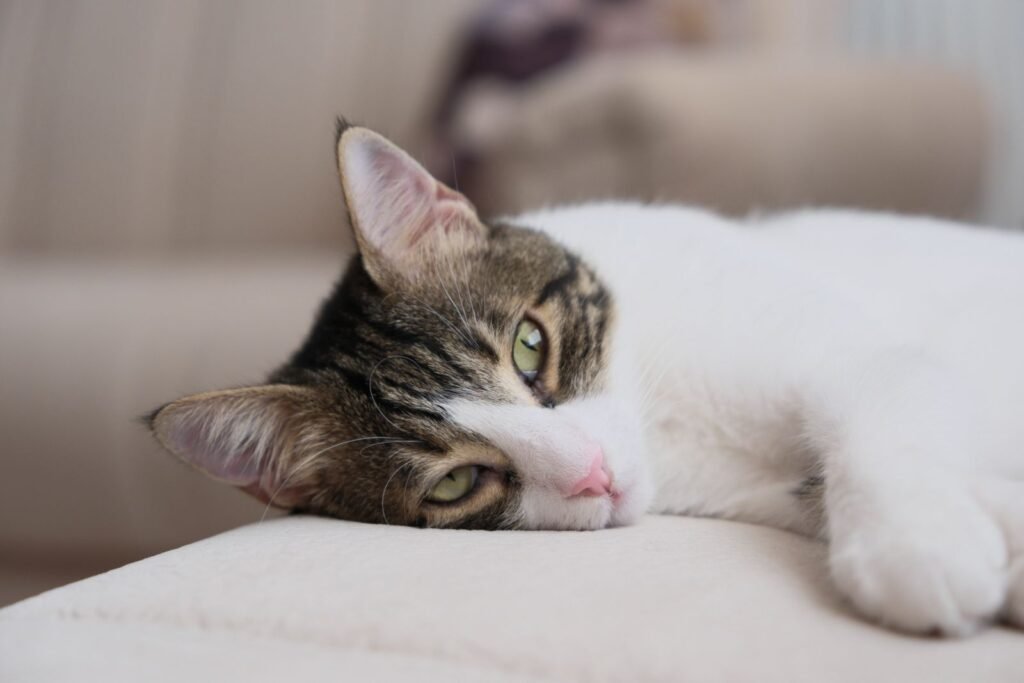
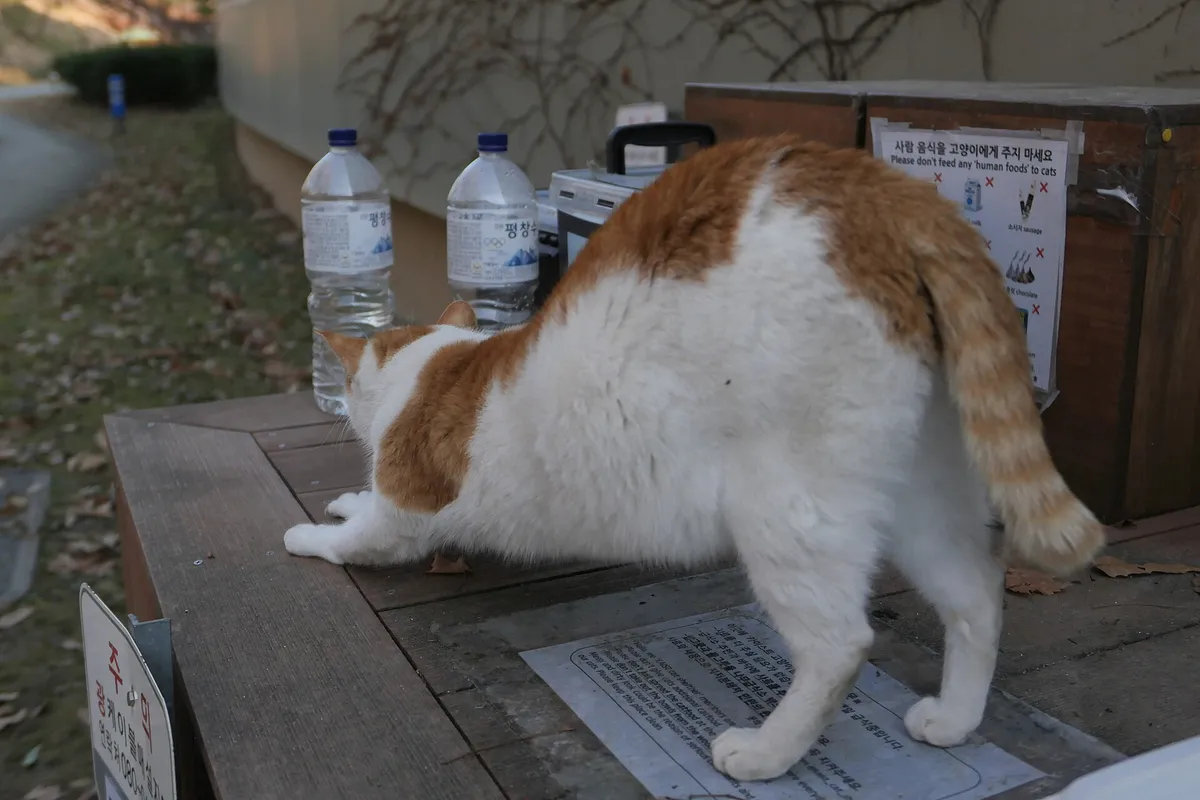
The Korean Shorthair is not a pedigree breed with a written standard. It is a domestic shorthair type, the natural cat of Korea, shaped by the Korean climate and by life in Korean towns and cities. Most are tabby, orange and white, or white, with a short dense coat, a medium build, and bright alert eyes. Adults usually weigh 8 to 12 pounds.
What makes the Korean Shorthair special is its hardiness. These cats cope well with cold winters and hot summers, they are strong hunters, and they are famously independent without being unfriendly. Many are street cats that become family pets. If you want a healthy low maintenance cat with a genuine Korean story, this is the breed to choose, and it costs far less than any imported pedigree.
Quiet and Loyal Favourites: Russian Blue and British Shorthair
The Russian Blue is one of the most popular pedigree cats in Korea, and it is easy to see why. It weighs 7 to 12 pounds, with a short silver blue coat, green eyes, and a graceful slim build. Russian Blues are shy with strangers but deeply loyal to their own people, and they are quiet cats, which matters in apartment buildings with thin walls.

The British Shorthair is the heavier, rounder cousin in this pair. Adults weigh 9 to 18 pounds, with a dense plush coat, most often blue grey, round cheeks, and copper or gold eyes. British Shorthairs are calm, quiet, and independent. They enjoy company but do not demand constant attention, so they suit busy owners and small flats.

Longhaired Favourites: Persian and Ragdoll
The Persian is the classic longhaired lap cat, and it has a loyal following in Korea. Persians weigh 7 to 12 pounds, with a long flowing coat, a flat face, and a calm gentle nature. They are quiet indoor cats that like routine and soft places to sleep. The trade off is grooming: a Persian coat needs daily brushing, and the flat face needs regular cleaning around the eyes.

The Ragdoll is the other longhaired favourite, and it is much bigger. Ragdolls weigh 10 to 20 pounds, with a semi long silky coat, blue eyes, and colorpoint markings. They are famous for going limp and relaxed when picked up, which is where the name comes from. Ragdolls follow their owners from room to room and suit families who want a large affectionate cat. Their coat needs brushing two or three times a week, less work than a Persian.

Talkative and Striking: Siamese and Bengal
The Siamese is the most vocal cat on this list. It weighs 8 to 12 pounds, with a slim body, blue eyes, and pale fur with darker points on the face, ears, paws, and tail. Siamese cats talk to their owners all day, follow them around, and get lonely if left alone for long hours. They are smart, playful, and best for owners who are home a lot.

The Bengal is the wild looking member of the group. Bengals weigh 8 to 15 pounds, with a short coat marked in rosettes or marbling, like a small leopard. They are very active and need play, climbing space, and attention every day. See our spotted cat breeds chart for more cats with wild looking coats.
Round Faces and Folded Ears: Scottish Fold
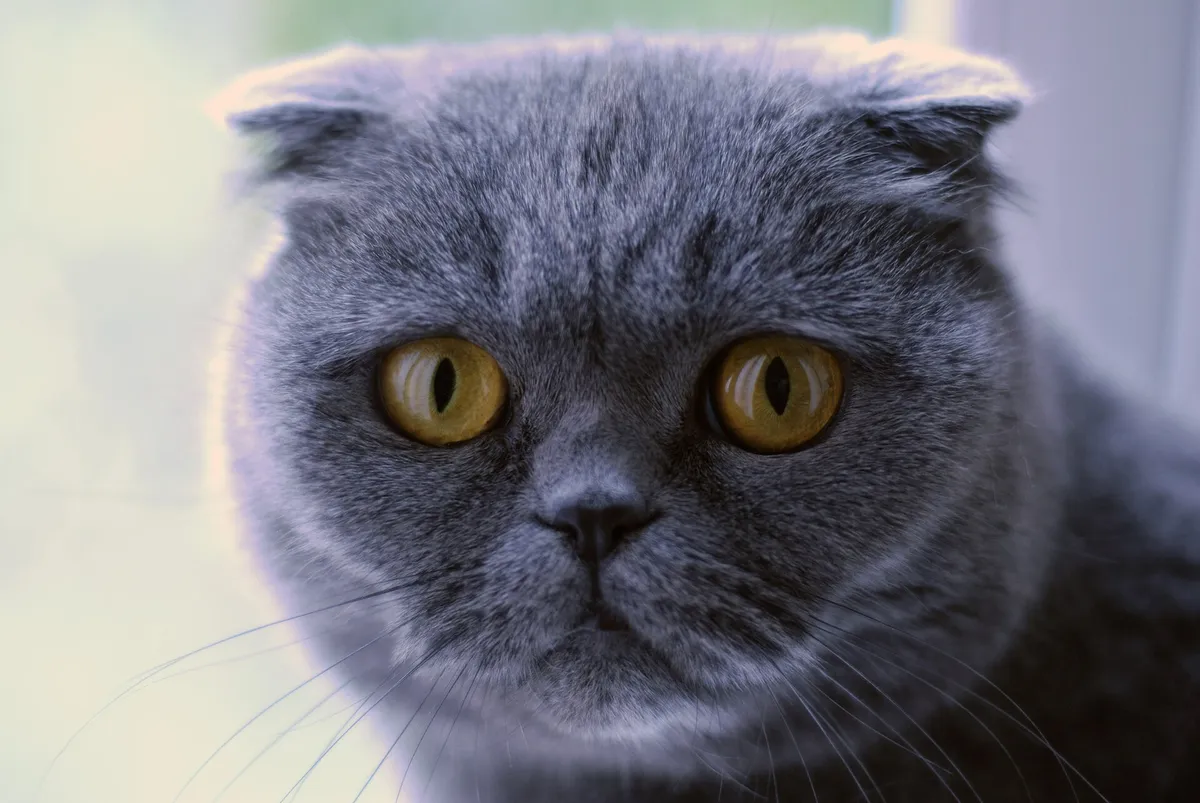
The Scottish Fold is easy to recognise by its folded ears, which give it a round owl like face. Scottish Folds weigh 9 to 13 pounds, with a dense coat in many colours, most often grey. They are gentle, quiet, and happy to sit beside you rather than on you.
One honest note: the folded ear gene is linked to cartilage problems, so buy only from a breeder who health tests, and watch for stiff joints as the cat ages. A healthy Scottish Fold is a calm and charming companion.
The Big Cats: Maine Coon
The Maine Coon is the largest breed in this chart, weighing 13 to 18 pounds, with some males going bigger. It has a long shaggy coat, tufted ears, a big bushy tail, and a friendly dog like manner. Maine Coons are gentle giants: sociable, playful, and good with children and other pets.
Size brings extra costs: more food, a bigger litter box, and more brushing. Their coat needs combing two or three times a week to stop mats forming. See our Maine Coon weight chart for healthy weights by age.

The Athlete: Abyssinian
The Abyssinian is the most active breed on this list. It weighs 8 to 12 pounds, with a short ticked coat, usually a warm ruddy brown, large ears, and a slim athletic build. Abyssinians are curious, clever, and always moving: climbing, exploring, and playing. They suit owners who want a lively cat and can give them daily play and high places to climb.

Korean Cat Breeds Compared: Size, Weight, Coat, and Temperament
Weights are typical adult ranges, and individual cats vary.
| Breed | Origin | Size | Weight | Coat | Temperament |
|---|---|---|---|---|---|
| Korean Shorthair | Korea (native) | Medium | 8 to 12 lb | Short, dense | Hardy, independent, loyal |
| Russian Blue | Russia, popular in Korea | Medium | 7 to 12 lb | Short, silver blue | Shy, loyal, quiet |
| Persian | Iran, popular in Korea | Medium | 7 to 12 lb | Long, flowing | Calm, gentle, quiet |
| Siamese | Thailand, popular in Korea | Medium, slim | 8 to 12 lb | Short, colorpoint | Vocal, social, smart |
| British Shorthair | United Kingdom, popular in Korea | Medium to large | 9 to 18 lb | Short, dense plush | Calm, quiet, independent |
| Scottish Fold | Scotland, popular in Korea | Medium | 9 to 13 lb | Short or long, dense | Gentle, quiet, sweet |
| Maine Coon | United States, popular in Korea | Large | 13 to 18 lb | Long, shaggy | Friendly, playful, gentle |
| Bengal | United States, popular in Korea | Medium to large | 8 to 15 lb | Short, rosette | Active, bold, playful |
| Ragdoll | United States, popular in Korea | Large | 10 to 20 lb | Semi long, silky | Relaxed, affectionate, calm |
| Abyssinian | Ethiopia, popular in Korea | Medium, slim | 8 to 12 lb | Short, ticked | Very active, curious, clever |
How to Choose the Right Korean Cat Breed
Start with your home. If you live in a small apartment and work long hours, a quiet independent breed like the Korean Shorthair, British Shorthair, or Russian Blue will be happier than a Siamese or Bengal that needs company and play. If you have children or other pets, the Maine Coon and Ragdoll are the safest bets.

Next, be honest about grooming. A Persian needs daily brushing, a Maine Coon or Ragdoll needs it two or three times a week, and the shorthaired breeds need only a weekly brush. Long coats also mean more shedding on clothes and furniture.
Finally, think about cost and health. The Korean Shorthair is the hardiest and cheapest choice, and adoption from a shelter costs far less than a pedigree kitten. For any pedigree breed, ask the breeder for health records and papers, and meet the kitten before you pay. A good breeder will welcome questions about health testing.
Frequently Asked Questions About Korean Cat Breeds
What is the only native Korean cat breed?
The Korean Shorthair is the only truly native Korean breed. It is a domestic shorthair type, not a pedigree breed, and it has lived in Korea for generations. Most other cats called Korean are popular imported breeds kept in Korea.
Are Korean Shorthair cats good pets?
Yes. Korean Shorthairs are hardy, independent, and loyal, and they settle well into homes once they trust you. They are healthy, low maintenance, and suit apartment life. Many are adopted from streets or shelters, so adoption is a good way to find one.
What is the most popular cat breed in Korea?
The Russian Blue and British Shorthair are among the most popular pedigree breeds in Korea, along with the Persian, Scottish Fold, and Ragdoll. The Korean Shorthair is the most common cat overall.
Do Korean cat breeds suit apartment living?
Most do. Quiet breeds like the Russian Blue, British Shorthair, Persian, and Ragdoll suit apartments well. Active breeds like the Bengal, Abyssinian, and Siamese need more play space and attention, so they suit owners who are home more often.

How much does a Korean cat breed cost?
A Korean Shorthair adopted from a shelter costs very little, often just an adoption fee. Pedigree breeds like the Russian Blue, British Shorthair, or Maine Coon cost much more, and prices vary by breeder, papers, and bloodline. Always budget for food, litter, and vet care on top of the purchase price.
Conclusion
Korean cat breeds give you a clear choice. The Korean Shorthair is the genuine native: hardy, independent, and easy to keep. The other nine are the ones Korea has chosen to love, from the quiet Russian Blue to the giant Maine Coon and the lively Abyssinian. Match the breed to your home, your hours, and how much grooming you will honestly do, and you will find a cat that fits your life, not just your wishlist.