A saltwater crocodile can outlive the people watching it. The famous Cassius, a captive saltwater crocodile in Australia, is estimated at 110 to 120 years old. This crocodile lifespan chart compares 14 species in the wild and in captivity, so you can see how long crocodiles live and which species last the longest.
All figures below are approximate: wild ages are estimated from growth rates and field records, and captive ages come from keeper records.
How to Read This Crocodile Lifespan Chart
The chart has four columns: average lifespan in the wild, average lifespan in captivity, max recorded age, and adult size. Two patterns run through the whole table: bigger species live longer than smaller ones, and captive crocodiles outlive wild ones by a wide margin, often by 20 years or more.

The Full Crocodile Lifespan Chart: 14 Species
Here is the complete chart, ordered from longest lived to shortest lived in the wild.
| Species | Average Lifespan in the Wild | Average Lifespan in Captivity | Max Recorded Age | Adult Size |
|---|---|---|---|---|
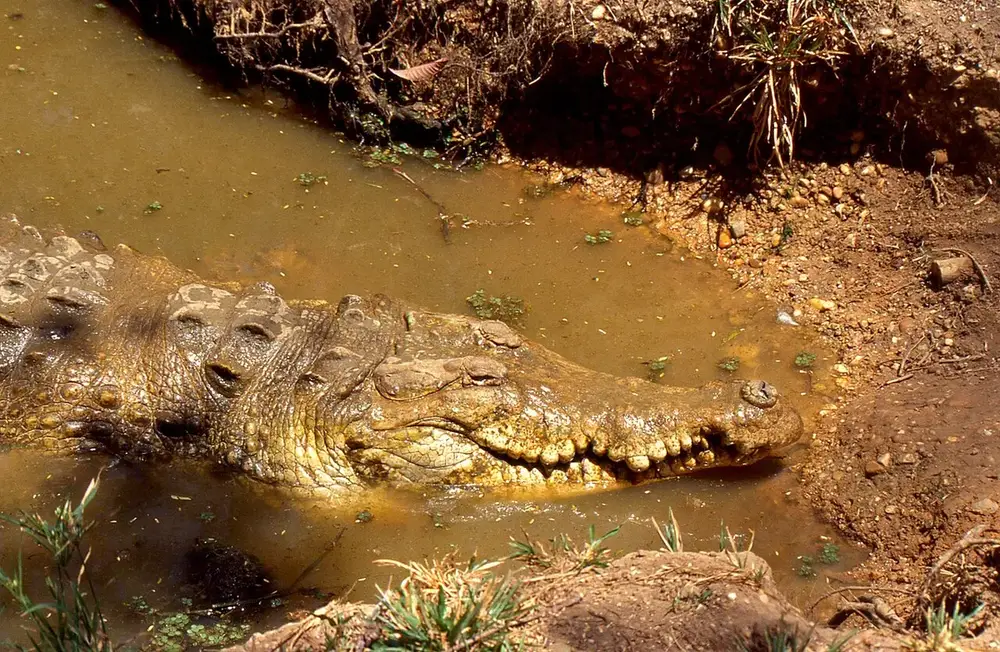
| Saltwater Crocodile | 60-70 years | 70-100 years | 110-120 years | 4-6 m |
| Nile Crocodile | 50-70 years | 70-90 years | About 100 years | 4-5 m |
| Orinoco Crocodile | 50-70 years | 70-80 years | About 80 years | 4-5 m |
| American Crocodile | 40-60 years | 60-70 years | About 70 years | 3-4 m |
| Morelet’s Crocodile | 50-65 years | 65-80 years | About 80 years | 2-3 m |
| West African Crocodile | 40-60 years | 60-80 years | About 80 years | 3-4 m |
| Siamese Crocodile | 40-50 years | 60-70 years | About 70 years | 3-4 m |
| Freshwater Crocodile | 40-50 years | 60-70 years | About 70 years | 2-3 m |
| Slender-Snouted Crocodile | 40-50 years | 50-70 years | About 70 years | 3-4 m |
| Cuban Crocodile | 30-50 years | 50-75 years | About 75 years | 2-3 m |
| Philippine Crocodile | 40-50 years | 50-60 years | About 60 years | 2-3 m |
| New Guinea Crocodile | 40-50 years | 50-60 years | About 60 years | 2-3 m |
| Mugger Crocodile | 30-45 years | 50-80 years | About 80 years | 3-4 m |
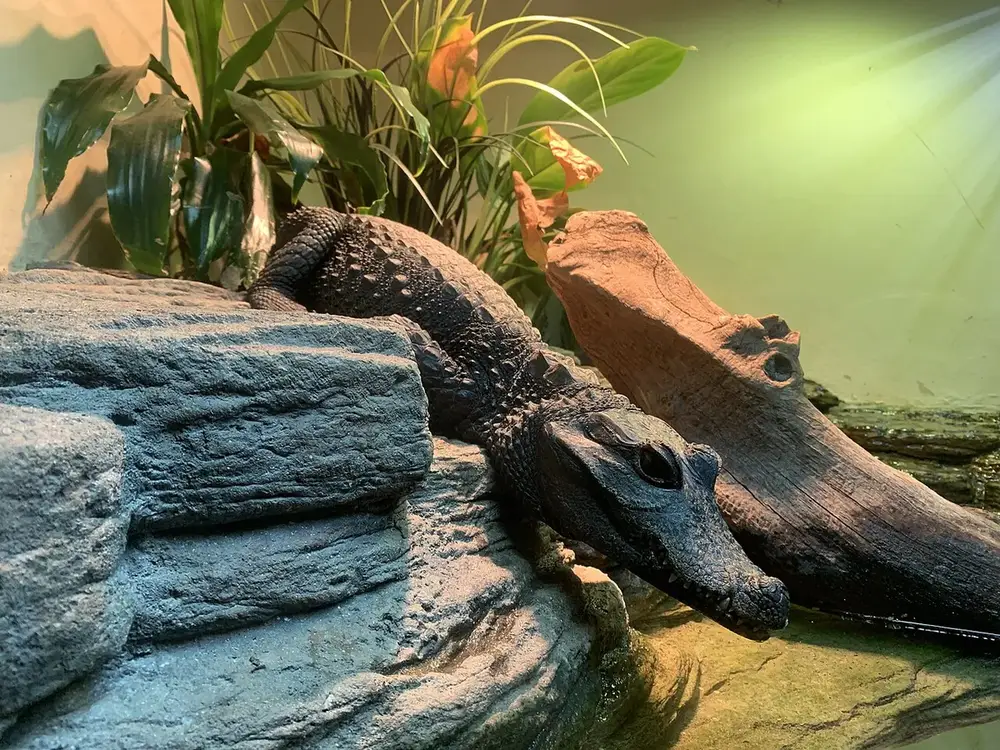
| Dwarf Crocodile | 30-50 years | 50-70 years | About 70 years | 1.5-2 m |
The saltwater crocodile tops the chart in every column: the largest living reptile, with the biggest individuals passing 6 metres. The Nile is close behind at 50 to 70 years in the wild, while the dwarf crocodile, the smallest true crocodile at under 2 metres, can still reach 50 years in the wild. See our types of crocodiles guide for all 16 species.

The Longest-Lived Crocodiles on Record
A few famous crocodiles have pushed the limits of reptile longevity. Their exact ages are estimates, since none was hatched under observation.
Cassius is the best documented case: a saltwater crocodile held in Australia, about 5.5 metres long and estimated at 110 to 120 years old. He was captured in the Northern Territory in 1984, already a huge adult, and his age is worked back from his size and growth rate. He is still growing, which fits the rule that crocodiles never fully stop growing.
Mr Freshie, a freshwater crocodile kept at a Queensland zoo until he died in 2010, was reported to be about 140 years old. That figure is disputed, because it rests on stories rather than written records, but even sceptics agree he was well past 100.

Henry, a Nile crocodile in South Africa, is estimated at around 120 years old after reportedly being caught in Botswana in 1903. All three record holders share two things: they are large species, and they spent most of their lives in captivity with steady food and care.
Why Crocodiles Live So Long
Crocodiles are built for the long haul. Their bodies waste almost nothing: a crocodile digests slowly, stores fat for months, and can go many months between large meals if it must. That slow metabolism means less cellular wear over time, and less wear means more years.
They also age slowly. Crocodiles keep growing for most of their lives, and their cells show fewer signs of breakdown than mammal cells of the same age. Scientists call this negligible senescence: ageing so slow it is hard to measure. It does not mean crocodiles are immortal, but tooth wear and cataracts arrive much later than in most animals.

Their immune system helps too. Crocodiles live in dirty water full of bacteria, yet their wounds heal fast and rarely become infected, and researchers have found powerful antimicrobial proteins in crocodile blood. Finally, size protects them: once a crocodile passes about 3 metres, almost nothing in its habitat can kill it except humans and a larger crocodile.
Big Crocodiles vs Small Crocodiles
Size shapes a crocodile’s lifespan more than almost anything else: the large species live longer because few predators can touch a full grown adult, while the smaller species face more risk and shorter lives.
| Trait | Large Species (Saltwater, Nile) | Small Species (Dwarf, Mugger) |
|---|---|---|
| Adult length | 4-7 m | 1.5-3 m |
| Wild lifespan | 50-70 years | 30-50 years |
| Captive record | 100-120 years | 50-80 years |
| Main threat | Hunting and habitat loss | Small range and habitat loss |
| Natural predators as adults | Almost none | Large crocodiles, big cats, humans |
Captivity narrows the gap. With steady food and no rivals, a smaller species can approach the lifespan of a large one: the mugger crocodile averages only 30 to 45 years in the wild, yet captive muggers have reached about 80.
Why Captive Crocodiles Live Longer
Wild crocodiles rarely reach their natural limit. Drought, starvation, and fights with rivals end most lives early, while a managed crocodile skips all of that: steady meals, no territorial battles, and care for injuries let it live out its full span.
| Factor | In the Wild | In Captivity |
|---|---|---|
| Food supply | Feast and famine with the seasons | Steady and reliable |
| Territorial combat | Common and often fatal | Rare or prevented |
| Injuries and disease | Untreated | Treated by keepers and vets |
| Hatchling survival | Roughly 1 in 100 reaches adulthood | Most hatchlings survive |
| Old age | Rarely reached | Commonly reached |
Only about 1 percent of saltwater crocodile hatchlings survive to adulthood in the wild, yet the few that make it can then live for decades.

What Shortens a Crocodile’s Life
Most crocodiles die long before old age. Hatchling predation is the biggest killer: birds, fish, monitor lizards, and larger crocodiles eat most young crocodiles in their first year, and once they scatter from the nest they are on their own.
Drought and starvation come next, as dry seasons shrink rivers and cut off prey. Territorial combat kills many adults: males fight over space and mates, and the loser can die from bite wounds. Humans remain the biggest pressure of all, through hunting, the skin trade, and habitat loss.

Several species in the chart are endangered for these reasons. The Cuban crocodile survives in just two swamps in Cuba. The Philippine crocodile is critically endangered, with only a few hundred adults left in the wild. The Orinoco crocodile was hunted almost to extinction for its skin and is still recovering.
How Scientists Estimate a Crocodile’s Age
Most crocodile ages are educated guesses. A crocodile has no easy clock to read, so researchers rely on indirect methods. The most common is growth rate: scientists measure how fast young crocodiles grow, then work backward from the size of the oldest animals. A saltwater crocodile grows fast for its first 10 to 15 years, then slows down sharply, so the estimate gets rougher with age. Bone layers help too, since crocodile bones lay down faint bands a thin slice can reveal under a microscope.

For captive animals, keepers track arrival dates, which is why famous crocodiles like Cassius have the firmest numbers. Even then, a wild caught adult arrives with an unknown head start, so the final figure is still an estimate. That is why every wild age in the chart is a range, and why record ages always come with words like estimated and reportedly.
Crocodile Lifespans Compared With Other Animals
Crocodiles outlive almost every land animal their size. A lion rarely passes 15 years in the wild, while a saltwater crocodile can triple that and keep going. A wolf lives about 8 years, a tiger about 15, and an elephant about 60 to 70.

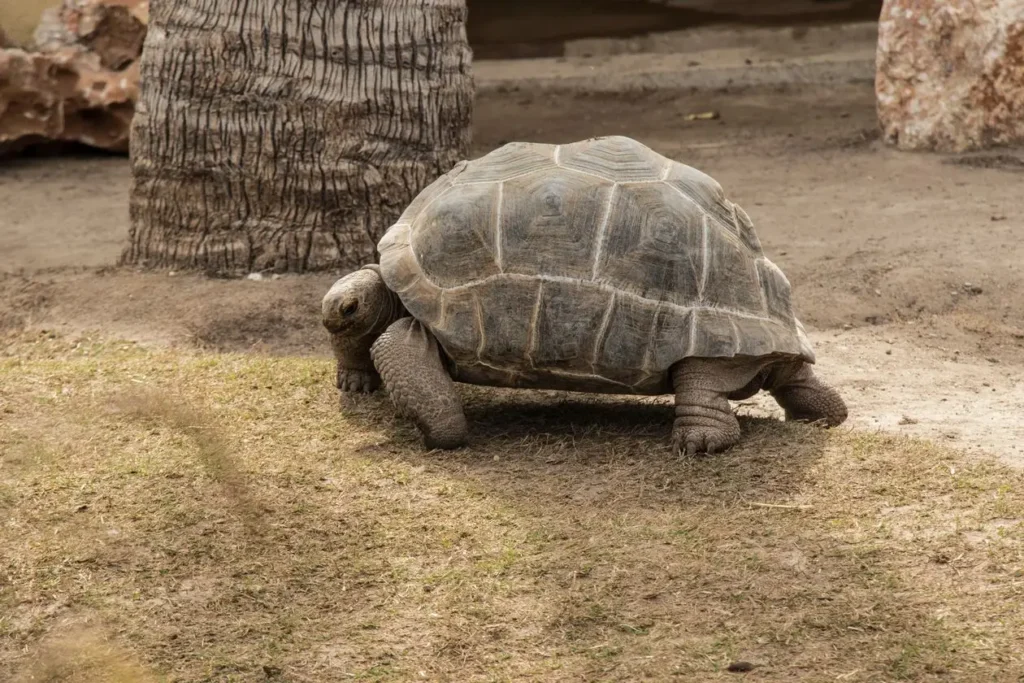
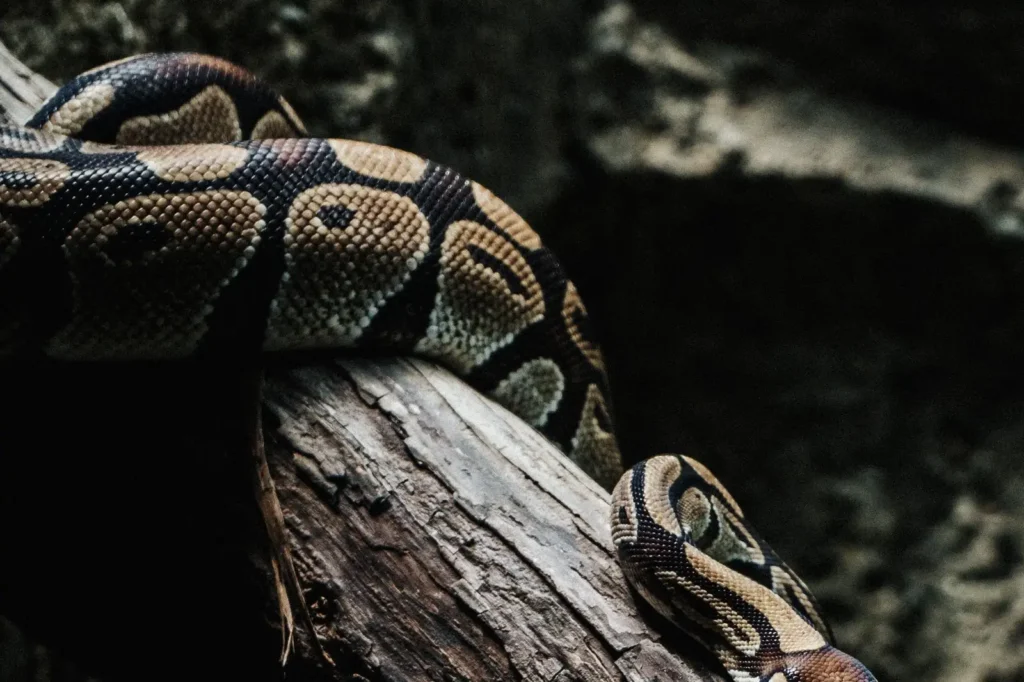
Only a handful of animals beat the crocodile. Some whales live past 100 years, certain tortoises pass 150, and our sea turtle lifespan chart shows large sea turtles can reach 80 to 100 years. Among reptiles, crocodiles are beaten mainly by large tortoises, while snakes trail far behind at 10 to 30 years, as our snake lifespan chart shows. For the full ranking, see our animals with the longest lifespan chart.
Frequently Asked Questions
How long do crocodiles live on average?
Most live 40 to 70 years in the wild, depending on species, with the saltwater and Nile at the higher end. In captivity, many pass 70 years, and a few approach 100.
What is the longest living crocodile?
The saltwater crocodile holds the records: Cassius, a captive saltwater crocodile in Australia, is estimated at 110 to 120 years old.
Do crocodiles live longer in captivity?
Yes, by a wide margin. With steady food and care, captive crocodiles often outlive wild ones by 20 years or more.
Can a crocodile die of old age?
It can, but it rarely gets the chance. Most wild crocodiles die from hunger, injury, or humans first.
Why do crocodiles live so long?
Their slow metabolism, lifelong growth, and strong immune system all help, and a crocodile can survive months without food.
Which crocodile has the shortest lifespan?
The dwarf and mugger crocodiles sit at the lower end, with wild averages around 30 to 50 years. Even so, that beats most mammals their size.
Conclusion
Crocodiles are among the longest lived animals on land. A saltwater crocodile can live 60 to 70 years in the wild and pass 100 in captivity, and even the dwarf crocodile can reach 50 years in the wild. Slow metabolism, lifelong growth, a powerful immune system, and freedom from predators stack the odds in their favour.

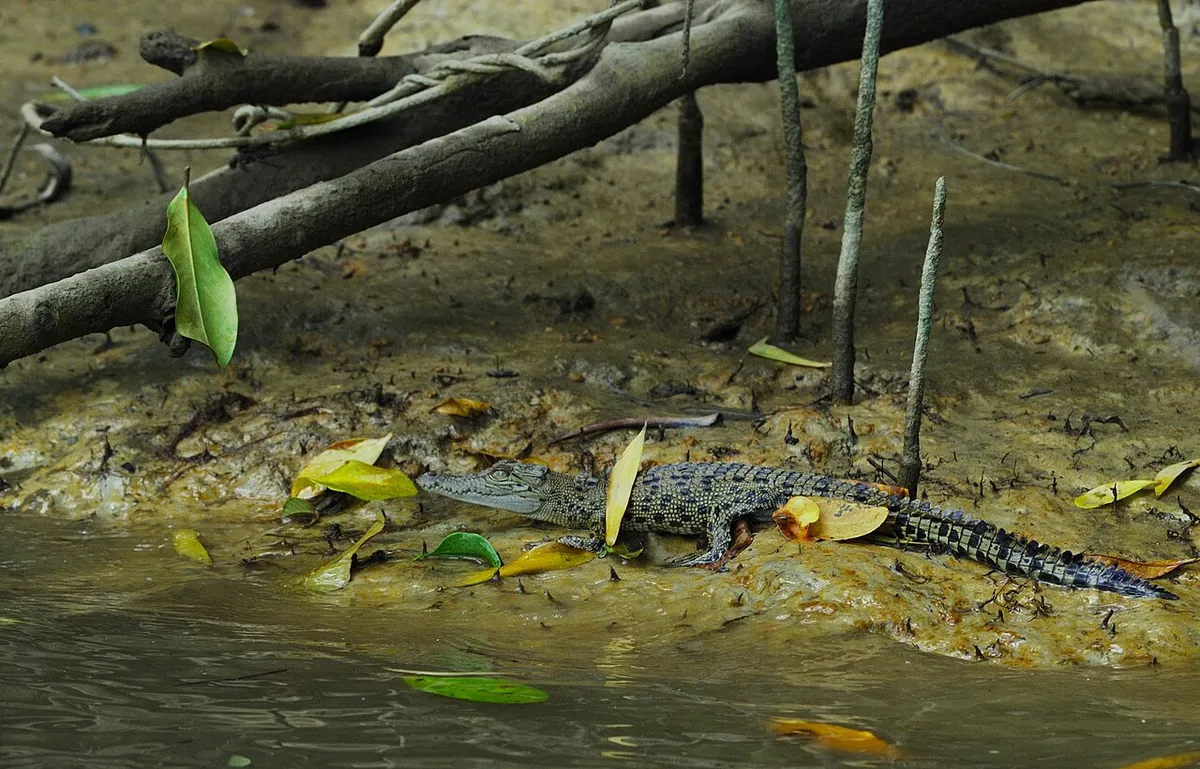
The catch is that most crocodiles never reach old age: only about 1 in 100 hatchlings survives to adulthood, and habitat loss and hunting cut many lives short. The crocodiles that do survive their dangerous first years can look forward to decades, which is why a crocodile basking on a riverbank may well be older than everyone watching it.