

If you have ever stood in the grocery aisle wondering whether your cart actually covers everything your body needs, a food groups chart is the simplest tool you can keep in your head. It sorts every food you eat into five main groups and makes it obvious when your meals are missing something. No calorie math, no apps, just a clear picture of a balanced diet.
Below you will find a complete food groups chart with the key nutrients of each group, real serving sizes, and more than 60 food examples. It follows the USDA MyPlate framework, the model dietitians in the United States use with their clients.
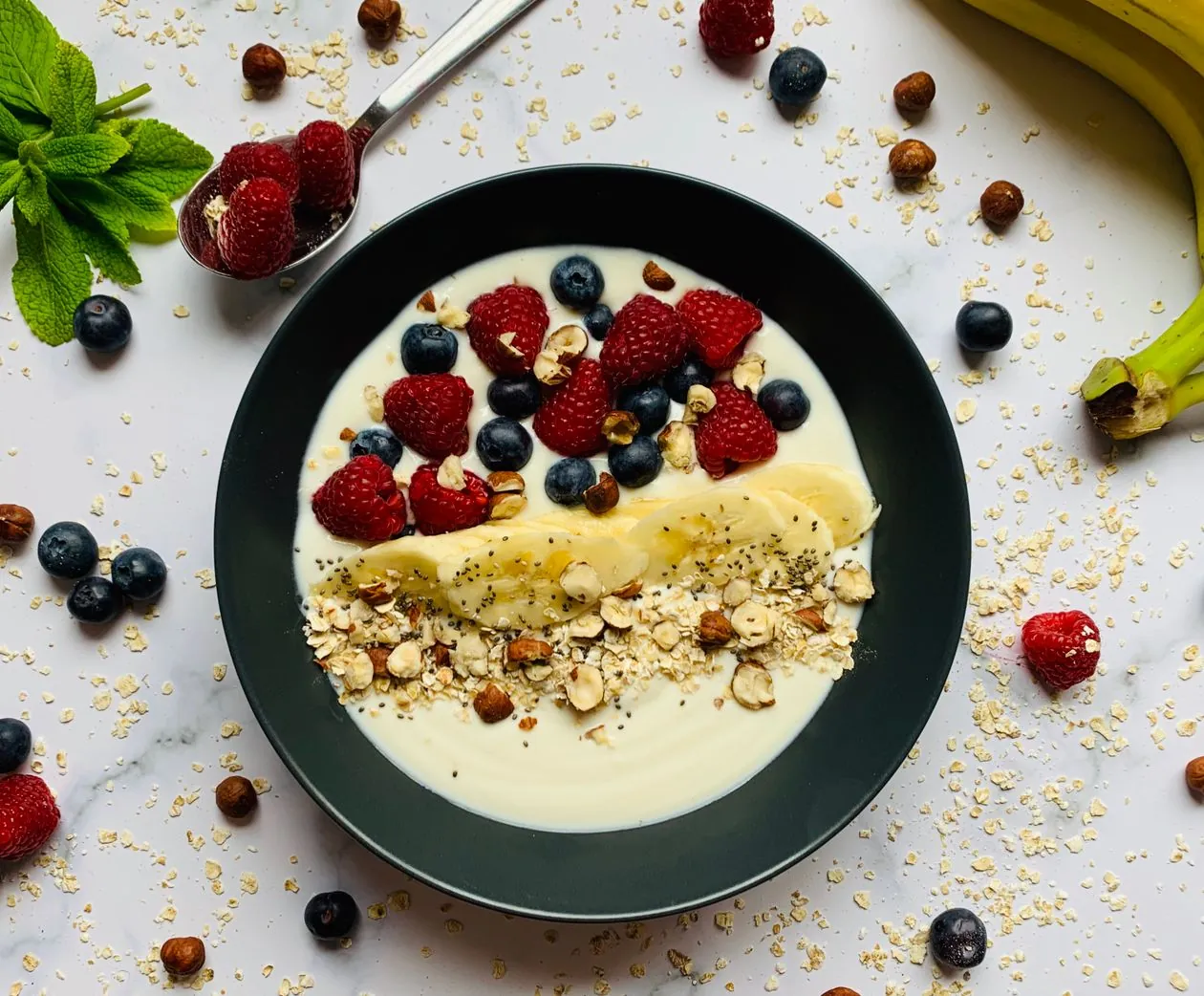
Food Groups Chart at a Glance
This is the chart to bookmark. Each row shows one food group, the nutrients it is best known for, how much an average adult needs daily, and a starter list of examples.
| Food Group | Key Nutrients | Daily Servings (Adults) | Example Foods |
|---|---|---|---|
| Fruits | Vitamin C, potassium, fiber, folate | 1.5 to 2 cups | Apples, bananas, oranges, berries, grapes, mango, pineapple, peaches, pears, watermelon |
| Vegetables | Vitamin A, vitamin C, vitamin K, potassium, fiber | 2.5 to 3 cups | Broccoli, spinach, carrots, bell peppers, tomatoes, sweet potatoes, kale, cauliflower, green beans, corn |
| Grains | B vitamins, iron, magnesium, fiber (whole grains) | 5 to 8 ounce-equivalents | Brown rice, oats, whole wheat bread, quinoa, barley, popcorn, whole wheat pasta, corn tortillas |
| Protein Foods | Protein, iron, zinc, vitamin B12, niacin | 5 to 6.5 ounce-equivalents | Chicken, turkey, fish, eggs, beans, lentils, tofu, lean beef, peanuts, almonds |
| Dairy | Calcium, vitamin D, potassium, protein | 3 cups | Milk, yogurt, cheese, cottage cheese, kefir, fortified soy milk |
A cup of fruit is easier to picture than it sounds: one large banana, about 8 large strawberries, or 32 grapes each count as one cup. For protein, a 3-ounce serving is roughly the size of a deck of cards. Once you can picture these amounts, the rest of the chart falls into place.
Fruits: The Sweetest Group
Fruit is the easiest group to enjoy. Fresh, frozen, dried, or canned in juice, all of it counts. The catch is juice: a small glass of 100% fruit juice counts toward your daily fruit, but it lacks the fiber of whole fruit, so keep juice to less than half of your fruit servings.

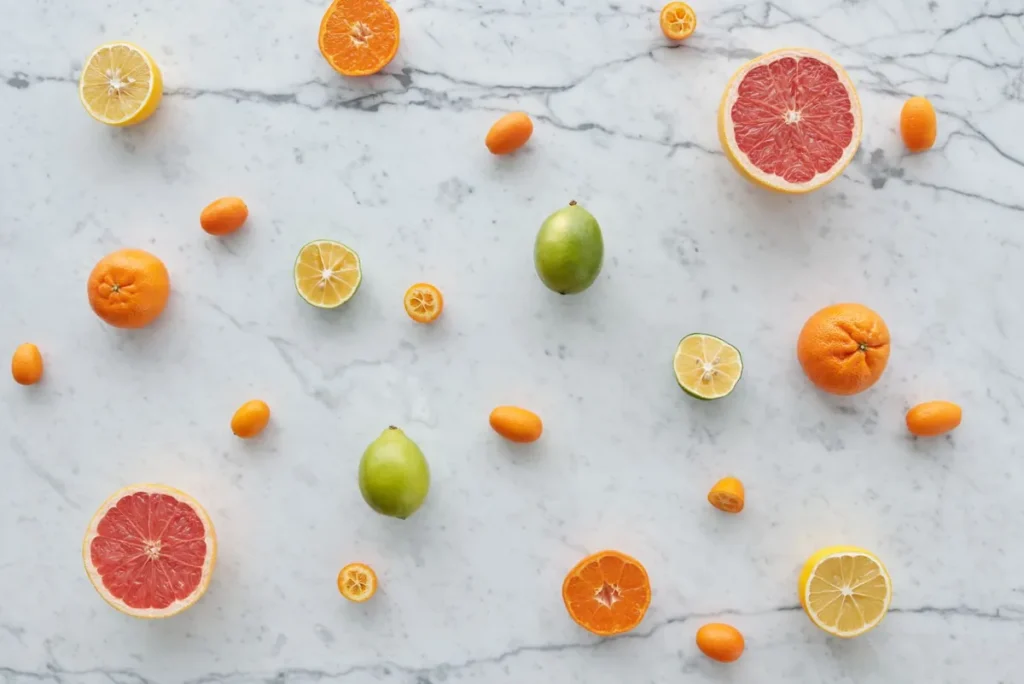
Different fruits shine in different nutrients. Citrus fruits and berries are vitamin C champions, bananas are rich in potassium, and dried fruits like prunes deliver fiber and iron. A good rule of thumb is to rotate colors through the week: red strawberries, orange mango, green kiwi, blue blueberries.
If you want to know which fruits are at their best right now, our Fruit Season Chart shows what is fresh every month of the year, which usually means better flavor and lower prices too.
Vegetables: The Group We All Undershoot
Vegetables are the food group Americans fall shortest on, and the one where variety matters most. Dietitians break vegetables into five subgroups, each bringing something different:
- Dark green: spinach, kale, broccoli, romaine, collard greens
- Red and orange: carrots, sweet potatoes, red peppers, tomatoes, winter squash
- Starchy: corn, peas, potatoes, green lima beans
- Beans and peas: black beans, chickpeas, lentils, kidney beans (these count as vegetables and protein)
- Other: cauliflower, celery, cucumbers, mushrooms, onions, zucchini

Try to include at least three subgroups in your week. Frozen vegetables are just as nutritious as fresh, often cheaper, and they never go bad in the drawer. A bag of frozen broccoli in the freezer is worth more than a fresh head that rots before Friday.
Grains: Make Half of Them Whole
Grains get a bad reputation they do not deserve. Your brain and muscles run on the glucose that grains provide, and whole grains add fiber, B vitamins, and magnesium on top. The rule that matters is simple: make at least half your grains whole grains.

What counts as one ounce-equivalent of grains? One slice of bread, half a cup of cooked rice or pasta, or one cup of ready-to-eat cereal. A sandwich plus a bowl of oatmeal at breakfast already covers about half of an adult’s daily grain target.

Protein Foods: More Than Meat
Protein builds and repairs muscle, supports immune function, and keeps you full longer than carbs do. This group is wider than most people think: meat, poultry, fish, eggs, plus beans, lentils, peas, soy products, nuts, and seeds.

Variety here pays off twice. Different proteins carry different bonus nutrients: fatty fish like salmon bring omega-3s, beans bring fiber, and eggs bring choline. And plant proteins are cheaper: a dinner that mixes lentils with a little ground turkey stretches the meat, adds fiber, and tastes richer than either one alone.
If you cook meat regularly, it is worth knowing the safe internal temperatures by heart. Our Meat Cooking Temperature Chart lists the exact safe temps for every cut, so you never have to guess whether the chicken is done.
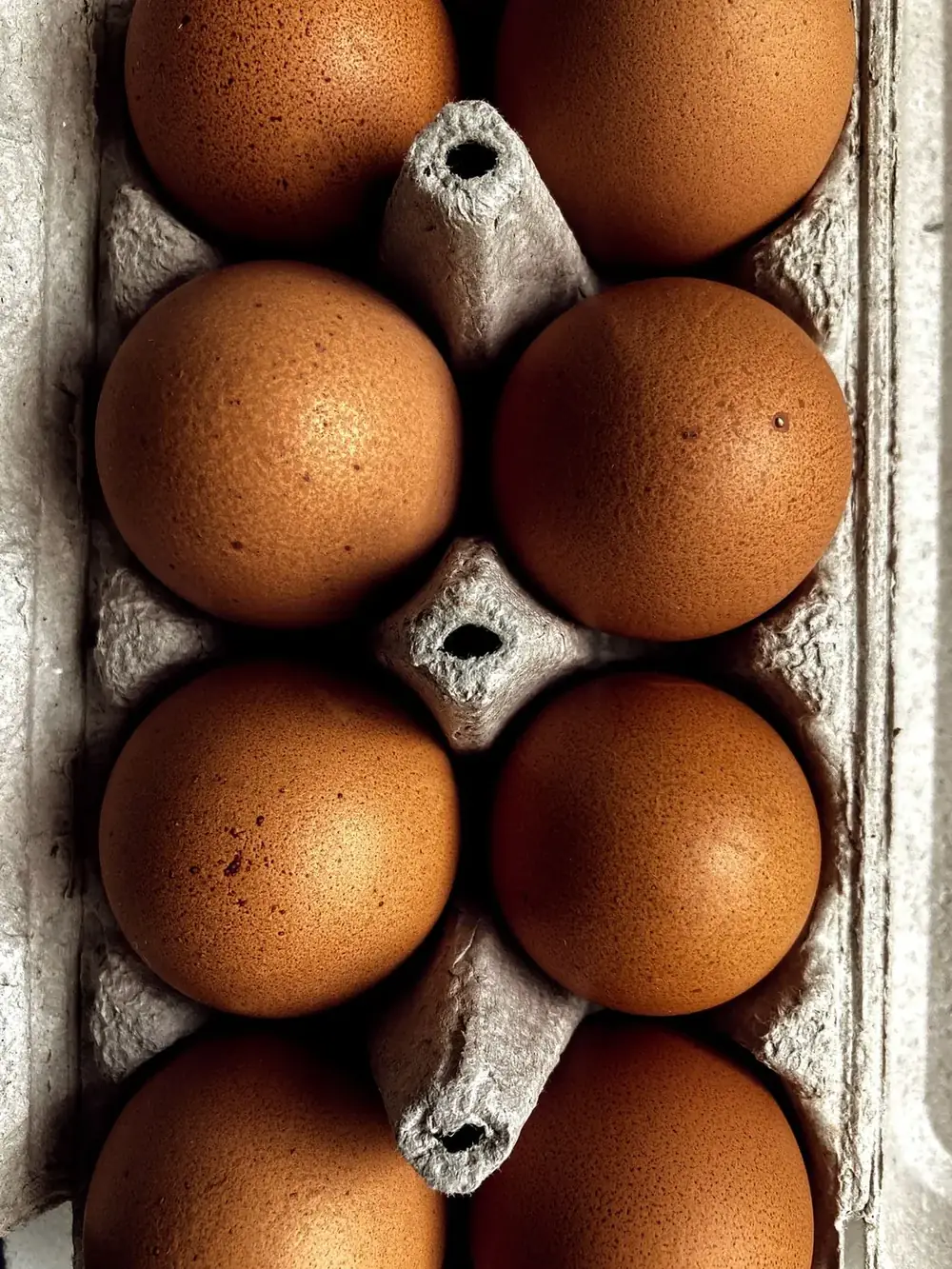
Eggs deserve a special mention as one of the cheapest complete proteins in the store. One large egg has 6 grams of protein, and the yolk carries most of the vitamins, so skip the whites-only habit unless your doctor advised it.
Dairy and Calcium-Rich Alternatives
Dairy is the main calcium source in the American diet, and calcium plus vitamin D is what keeps bones dense as you age. Adults need the equivalent of 3 cups a day: one cup of milk, one cup of yogurt, or 1.5 ounces of hard cheese each count as a cup.

Lactose intolerant or dairy-free? You have solid options. Lactose-free milk and fortified soy milk count cup for cup in this group. Other plant milks (almond, oat, coconut) count too, as long as they are fortified with calcium and vitamin D, so check the label. Dairy is not the only calcium in town either: canned sardines with bones, calcium-set tofu, and cooked collard greens all contribute.
Watch the sugar trap in flavored yogurts. A plain yogurt with fresh berries gives you the same protein and calcium as the candy-flavored cup, with far less added sugar.
Daily Servings by Age Group
Kids do not eat like adults, and teenagers eat like nobody else on earth. This table adjusts the food groups chart for age, based on USDA MyPlate daily amounts for moderately active people. Use it as a starting point, not a prescription: appetite, activity level, and body size all move the needle.
| Age Group | Fruits | Vegetables | Grains | Protein | Dairy |
|---|---|---|---|---|---|
| Children 2 to 3 | 1 cup | 1 cup | 3 oz | 2 oz | 2 cups |
| Children 4 to 8 | 1 to 1.5 cups | 1.5 cups | 5 oz | 4 oz | 2.5 cups |
| Girls 9 to 13 | 1.5 cups | 2 cups | 5 oz | 5 oz | 3 cups |
| Girls 14 to 18 | 1.5 cups | 2.5 cups | 6 oz | 5 oz | 3 cups |
| Boys 9 to 13 | 1.5 cups | 2.5 cups | 6 oz | 5 oz | 3 cups |
| Boys 14 to 18 | 2 cups | 3 cups | 8 oz | 6.5 oz | 3 cups |
| Women 19 to 30 | 2 cups | 2.5 cups | 6 oz | 5.5 oz | 3 cups |
| Women 31+ | 1.5 cups | 2.5 cups | 5 oz | 5 oz | 3 cups |
| Men 19 to 30 | 2 cups | 3 cups | 8 oz | 6.5 oz | 3 cups |
| Men 31 to 50 | 2 cups | 3 cups | 7 oz | 6 oz | 3 cups |
| Men 51+ | 2 cups | 2.5 cups | 6 oz | 5.5 oz | 3 cups |
Starting babies on solids is its own topic with its own timeline. If you are feeding an infant, our Baby Food Chart by Month walks through exactly which foods to introduce and when.

Building a Balanced Plate
The chart tells you what to eat; the plate shows you how much of each. Picture your dinner plate divided up:
- Half the plate: fruits and vegetables (a little more vegetables than fruit)
- Just over a quarter: grains, preferably whole
- Just under a quarter: protein foods
- On the side: a serving of dairy or a fortified alternative, plus water

This visual beats portion counting for most people because it works at restaurants and holiday tables where nobody is measuring cups. If half your plate is plants and the rest is split between grains and protein, you are eating from every food group without thinking about it.
Common Mistakes People Make with the Food Groups
Treating potatoes as a vegetable serving. Potatoes are starchy vegetables, closer to grains in how your body handles them. They still count, but pair them with a non-starchy vegetable rather than letting fries be the only “vegetable” of the day.
Counting cheese as your protein. Cheese sits in the dairy group: 1.5 ounces equals a full cup of dairy. A cheese-heavy diet can overshoot saturated fat while the actual protein group goes neglected.
Forgetting oils and fats. Oils are not a food group, but they belong in the pattern. A drizzle of olive oil or a handful of nuts helps your body absorb the fat-soluble vitamins (A, D, E, K) in your vegetables. Fat-free is not the goal; smart fat is.
Eating the same three vegetables forever. If your rotation is corn, potatoes, and iceberg lettuce, you are missing the dark greens and the red-orange subgroup almost entirely. Add one new vegetable a week and your nutrient coverage widens fast.
Food Groups Chart FAQ
How many food groups are there?
Five: fruits, vegetables, grains, protein foods, and dairy. Oils are often shown alongside the groups because they supply essential fatty acids and help absorb vitamins, but they are not counted as a sixth food group in the USDA model.
What is the difference between the food pyramid and MyPlate?
The old Food Guide Pyramid stacked groups by suggested servings, which many people found confusing. MyPlate (2011) replaced it with a simple plate graphic: half fruits and vegetables, grains and protein splitting the other half, plus dairy on the side. The five groups are the same; only the visual changed.
Can vegetarians follow the food groups chart?
Easily. Beans, lentils, tofu, tempeh, nuts, and seeds cover the protein group, and fortified soy milk or yogurt covers dairy. Vegetarians should pay extra attention to vitamin B12, iron, and zinc, since the richest sources of all three are animal foods.
Do snacks count toward the food groups?
Yes. An apple with peanut butter covers fruit plus protein, carrot sticks with hummus cover vegetables plus protein, and a small yogurt covers dairy. Snacks are just mini-meals as far as the chart is concerned.

Conclusion
A food groups chart works because it turns nutrition from a list of rules into a picture you can check at a glance. Five groups, a handful of daily servings, and a plate that is half plants: that is the whole system. Start by fixing your weakest group, keep this chart handy, and balanced eating stops feeling like a project.

Pingback: Food Digestion Time Chart: How Long 25 Foods Take to Digest – Chart Identify
Pingback: Seasonal Vegetables Chart: What Is in Season Every Month – Chart Identify
Pingback: Food Pyramid Chart: Daily Servings for Every Food Group – Chart Identify
Pingback: Food Serving Sizes Chart: Portions for Every Food Group – Chart Identify
Pingback: Food Combining Chart: What to Eat Together – Chart Identify
Pingback: Potassium Rich Foods Chart: 30 Foods Ranked – Chart Identify
Pingback: Types of Cheese: 20 Varieties, Flavors and Uses – Chart Identify
Pingback: Energy Giving Food Chart: 30 Foods That Fuel Your Day – Chart Identify
Pingback: Healthy and Junk Food Chart: 30 Foods Ranked – Chart Identify
Pingback: High Fiber Foods for Constipation: 30 Foods That Help You Go – Chart Identify