
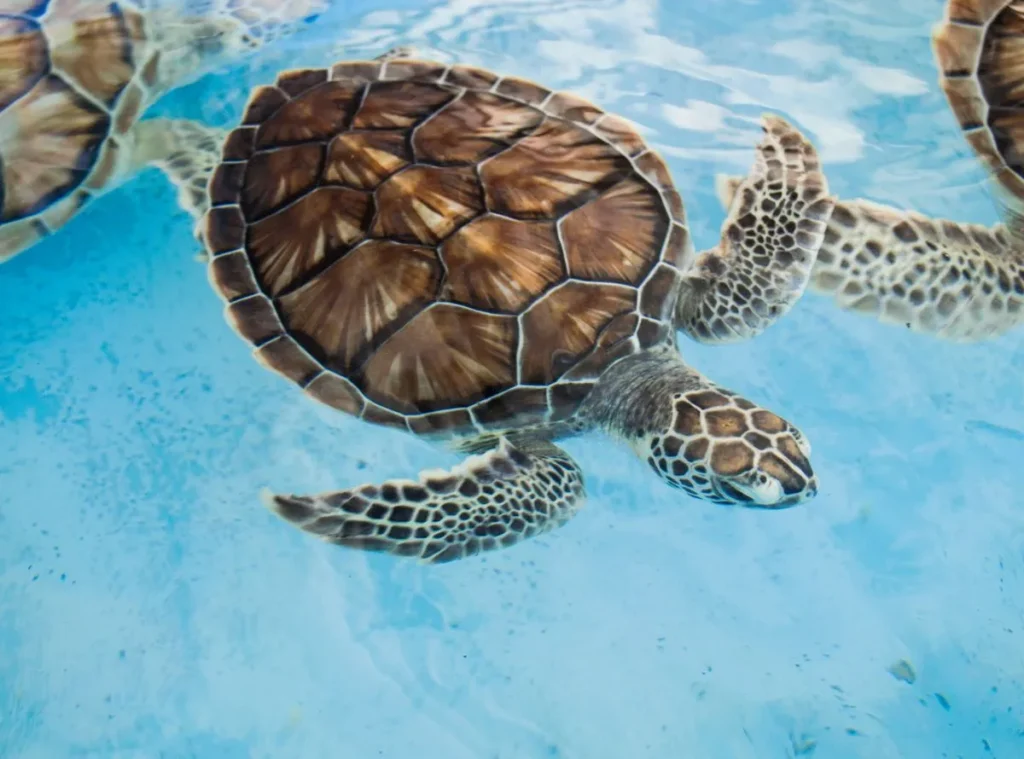
Some turtles cross whole oceans. Others spend their lives in one small pond. This guide to all turtle species puts 31 of the best known kinds in one chart, with shell lengths, weights, ranges and conservation status for every kind.
Scientists recognise more than 350 living turtle species in the order Testudines. This chart covers every sea turtle, the best known freshwater turtles, and the tortoises most people ask about. Lengths are straight shell (carapace) length, and weights are typical adult ranges, which vary by sex and population.
The Complete All Turtle Species Chart
Use the chart to find a species fast, then read the grouped profiles below. For a land mammal comparison, our all antelope species chart shows the same size range without a shell.
| Species | Scientific Name | Shell Length | Weight | Range and Habitat | Standout Fact | IUCN Status |
|---|---|---|---|---|---|---|
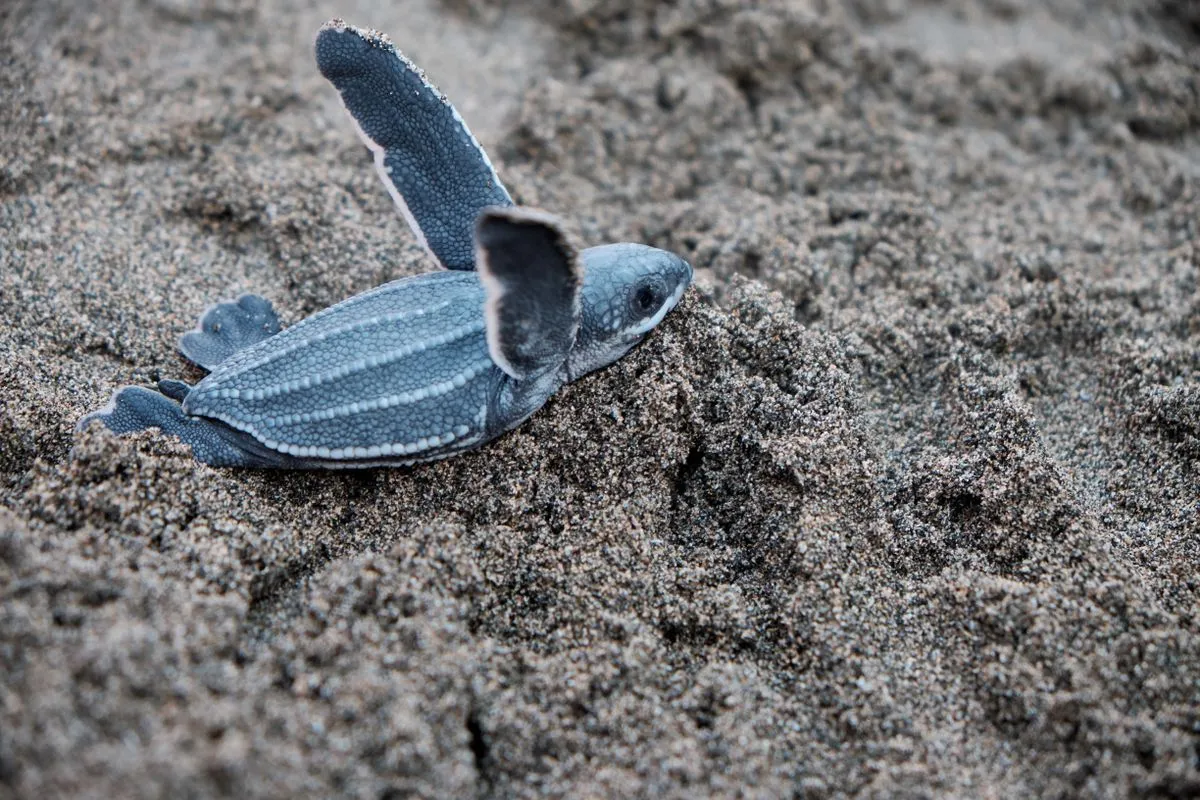
| Leatherback Sea Turtle | Dermochelys coriacea | 130-183 cm | 250-700 kg | Global oceans | Largest turtle, leathery shell | Vulnerable |
| Green Sea Turtle | Chelonia mydas | 83-120 cm | 110-190 kg | Tropical and subtropical oceans | Adults graze seagrass | Endangered |
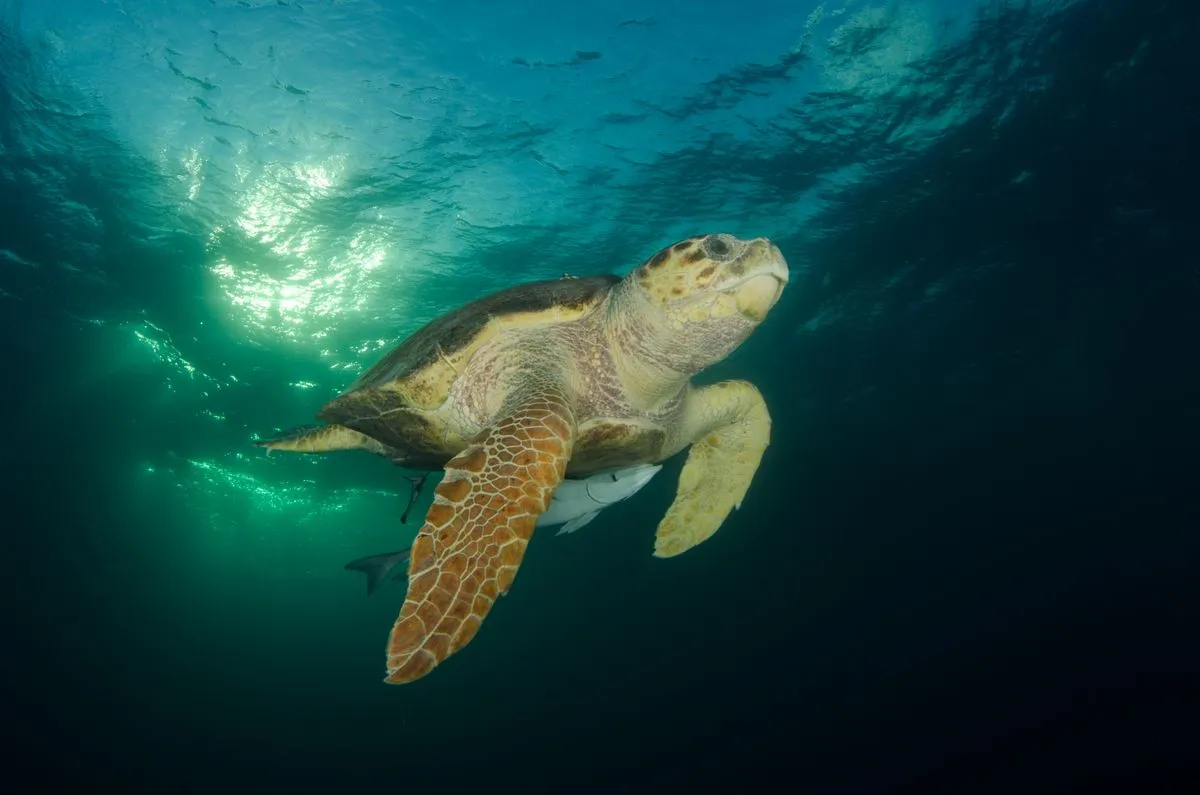
| Loggerhead Sea Turtle | Caretta caretta | 80-110 cm | 70-170 kg | Worldwide temperate oceans | Huge head, crushing jaws | Vulnerable |
| Hawksbill Sea Turtle | Eretmochelys imbricata | 60-100 cm | 40-90 kg | Tropical coral reefs | Pointed beak, eats sponges | Critically Endangered |
| Olive Ridley Sea Turtle | Lepidochelys olivacea | 60-70 cm | 35-50 kg | Tropical oceans | Mass nesting arribadas | Vulnerable |
| Flatback Sea Turtle | Natator depressus | 76-96 cm | 70-90 kg | Northern Australia | Nests only in Australia | Data Deficient |
| Kemp’s Ridley Sea Turtle | Lepidochelys kempii | 58-70 cm | 32-45 kg | Gulf of Mexico, US Atlantic coast | Smallest sea turtle | Critically Endangered |
| Common Snapping Turtle | Chelydra serpentina | 25-47 cm | 4.5-16 kg | North American fresh water | Powerful bite, tiny lower shell | Least Concern |
| Alligator Snapping Turtle | Macrochelys temminckii | 40-66 cm | 50-90 kg | Southeast US rivers | Worm shaped lure on its tongue | Vulnerable |
| Red-Eared Slider | Trachemys scripta elegans | 15-30 cm | 0.5-2 kg | Americas, now worldwide | Red stripe behind each eye | Least Concern |
| Painted Turtle | Chrysemys picta | 10-25 cm | 300-600 g | North American ponds | Can freeze partly in winter | Least Concern |
| Diamondback Terrapin | Malaclemys terrapin | 13-23 cm | 300 g-1.4 kg | US Atlantic and Gulf salt marshes | Lives in brackish water | Vulnerable |
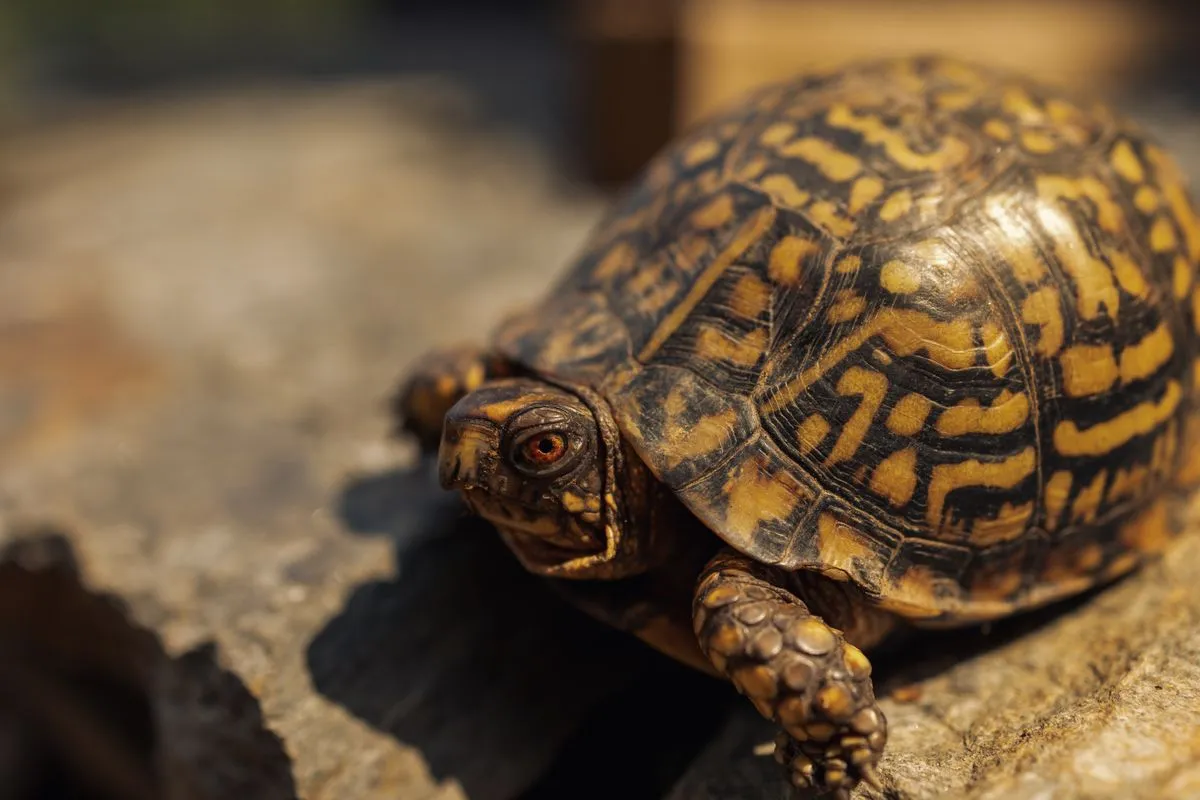
| Eastern Box Turtle | Terrapene carolina | 11-20 cm | 400-900 g | Eastern US forests | Hinged shell closes completely | Vulnerable |
| Mata Mata | Chelus fimbriatus | 40-50 cm | 10-20 kg | Amazon and Orinoco basins | Looks like bark and leaves | Least Concern |
| Pig-Nosed Turtle | Carettochelys insculpta | 55-70 cm | 20-25 kg | New Guinea, northern Australia | Flippers like a sea turtle | Endangered |
| Florida Softshell | Apalone ferox | 30-76 cm | 3-20 kg | Florida lakes and canals | Long snorkel nose | Least Concern |
| Chinese Softshell | Pelodiscus sinensis | 25-33 cm | 2-6 kg | East Asian rivers and ponds | Leathery, flexible shell | Vulnerable |
| Ganges Softshell | Nilssonia gangetica | 70-100 cm | 30-70 kg | South Asian rivers | One of Asia’s giant river turtles | Critically Endangered |
| Bog Turtle | Glyptemys muhlenbergii | 8-11 cm | 80-150 g | Eastern US wetlands | Orange patch on each cheek | Critically Endangered |
| Yellow-Spotted River Turtle | Podocnemis unifilis | 40-47 cm | 5-12 kg | Amazon and Orinoco rivers | Side-neck turtle | Vulnerable |
| Common Musk Turtle | Sternotherus odoratus | 8-14 cm | 200-600 g | Eastern North America | Releases musk when threatened | Least Concern |
| Galapagos Giant Tortoise | Chelonoidis niger | 100-150 cm | 150-300 kg | Galapagos Islands | Can live past 150 years | Vulnerable |
| Aldabra Giant Tortoise | Aldabrachelys gigantea | 90-120 cm | 150-250 kg | Aldabra Atoll, Seychelles | Stands up to reach leaves | Vulnerable |
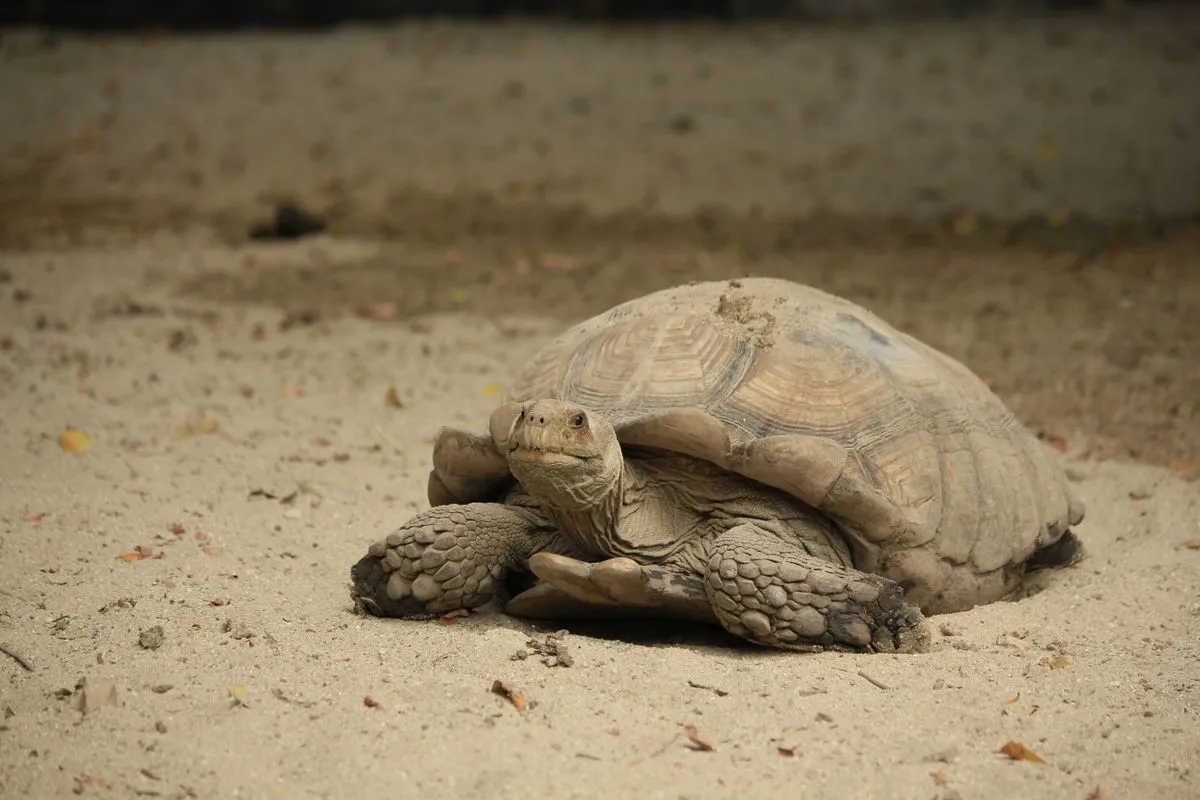
| African Spurred Tortoise | Centrochelys sulcata | 60-85 cm | 45-90 kg | Southern Sahara fringe | Digs deep burrows, also called sulcata | Endangered |
| Leopard Tortoise | Stigmochelys pardalis | 40-70 cm | 13-40 kg | East and southern African savanna | Spotted, pyramid patterned shell | Least Concern |
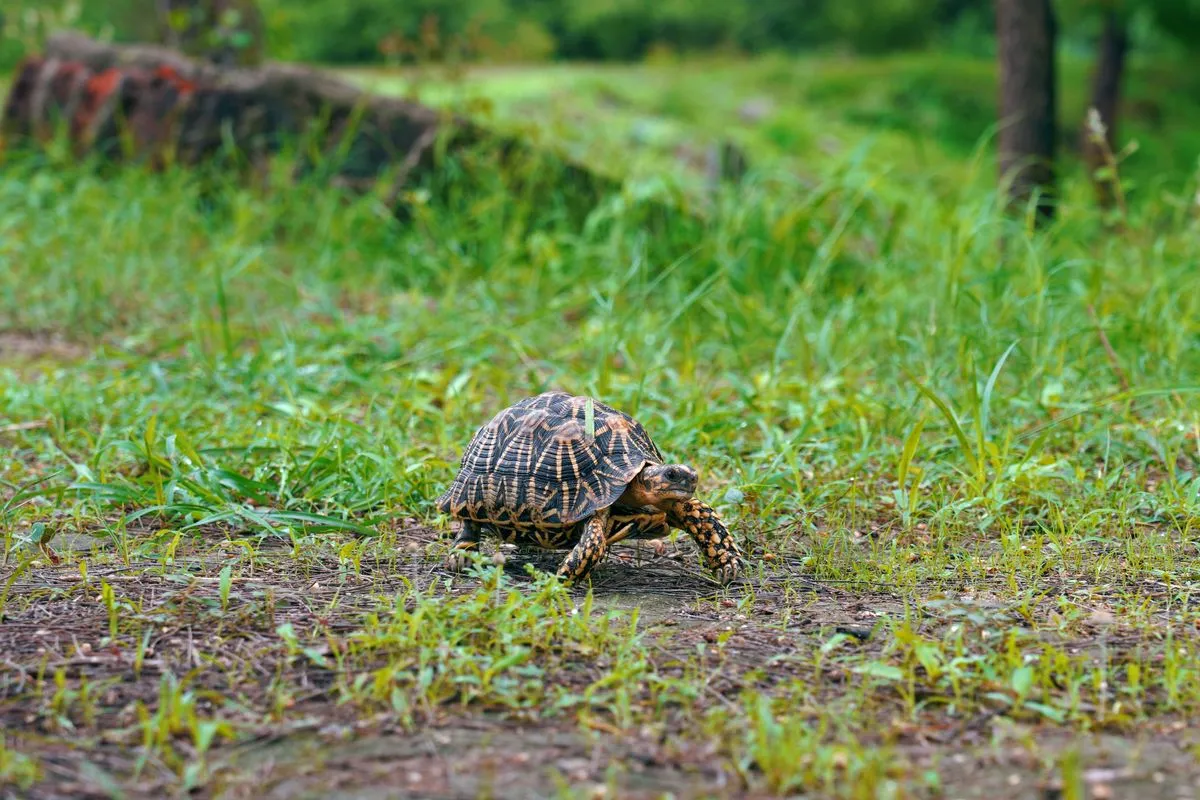
| Indian Star Tortoise | Geochelone elegans | 20-30 cm | 1.5-6 kg | India, Pakistan, Sri Lanka | Star patterns radiate on each scute | Vulnerable |
| Red-Footed Tortoise | Chelonoidis carbonarius | 30-40 cm | 4-9 kg | Northern South America | Red scales on its legs | Vulnerable |
| Gopher Tortoise | Gopherus polyphemus | 23-38 cm | 4-6 kg | Southeast US pine woods | Burrows shelter 350 other species | Vulnerable |
| Russian Tortoise | Testudo horsfieldii | 15-25 cm | 0.5-1.5 kg | Central Asian steppe | Four toes, also called Horsfield’s | Vulnerable |
| Hermann’s Tortoise | Testudo hermanni | 18-28 cm | 1-2 kg | Southern Europe | Single horny tip on the tail | Near Threatened |
| Speckled Padloper | Chersobius signatus | 6-10 cm | About 100 g | Western South Africa | Smallest tortoise in the world | Endangered |
Sea Turtles: The Seven Ocean Species
Only seven sea turtle species exist, and six are threatened. All have flippers instead of toes, cannot pull their heads into their shells, and return to land only to nest, on the same beaches where they hatched, sometimes after migrations of more than 10,000 km.
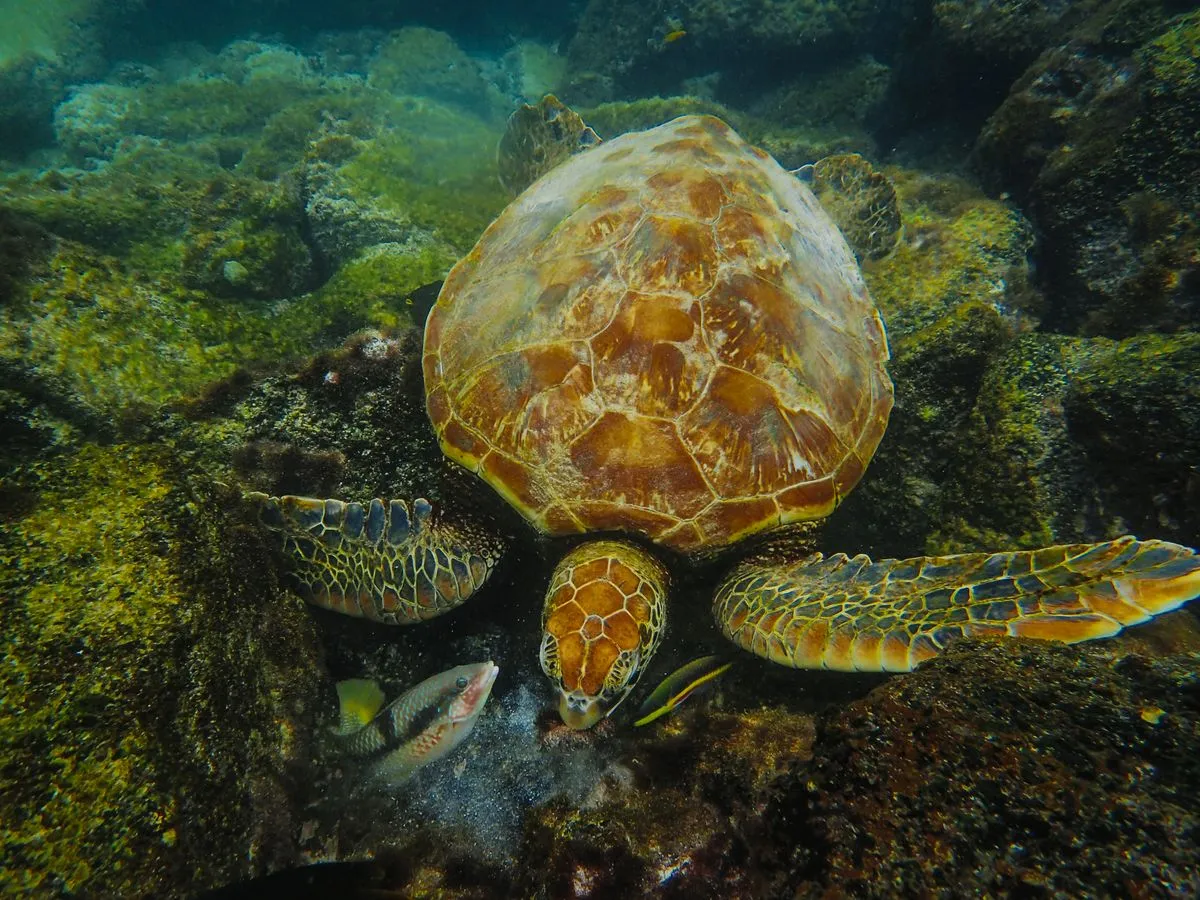
The green sea turtle is the gardener of the group: adults graze seagrass meadows, keeping them trimmed and healthy for fish. The loggerhead goes the other way, with jaw muscles strong enough to crush conch and crabs. The hawksbill uses its narrow pointed beak to pick sponges out of coral crevices that almost nothing else can reach.

The leatherback breaks every turtle rule. It has no hard scutes, just tough leathery skin over fat, and it dives deeper than 1,000 m hunting jellyfish in near freezing water. At the small end, Kemp’s ridley nests almost entirely on one Mexican Gulf beach, while the olive ridley nests in arribadas, where tens of thousands of females come ashore on the same nights.

Freshwater Turtles: Pond, River and Swamp Species
Most of the world’s turtles live in fresh water. They have webbed feet rather than flippers, and many can retract their heads fully. North America is a hotspot, home to the painted turtle, the continent’s most widespread native turtle, and to sliders that bask in lines on any sunny log.

The snapping turtles are the heavyweights here. A common snapper defends itself on land with a fast, powerful bite, while the alligator snapping turtle sits motionless on a riverbed and wiggles the pink, worm shaped lure on its tongue until a fish comes too close.


Softshells traded the hard shell for speed: flat, leathery shells and long necks make them strong swimmers, and the Florida softshell breathes through a snorkel like nose while buried in mud. At the other extreme, the eastern box turtle is barely aquatic at all: its hinged lower shell closes so tightly that a predator’s tooth cannot slip inside.

Tortoises: The True Land Turtles
Every tortoise is a turtle, but not every turtle is a tortoise. Tortoises live on land, walk on stubby elephant like feet, and carry high domed shells. The giants tell the most famous story: Galapagos and Aldabra tortoises evolved huge sizes on islands with no large predators, and can outlive the scientists who study them. Compare their bulk with the runners in our all fox species chart and the size gap is hard to believe.


Mainland tortoises solve different problems. The sulcata digs burrows several metres deep to escape Sahara heat. The leopard tortoise relies on spotted camouflage in dry grass, and the Indian star tortoise’s radiating patterns break up its outline in scrub.

Biggest vs Smallest Turtles
The leatherback is the champion: the largest recorded measured about 183 cm and weighed over 900 kg. A big male Galapagos tortoise can pass 300 kg. Set either beside the speckled padloper, a 6 to 10 cm tortoise that weighs about as much as a small apple, and the full size range of turtles is difficult to take in.
Fresh water has its own miniatures. The bog turtle tops out near 11 cm, and the common musk turtle spends so much time walking along pond bottoms that it rarely needs to swim. Small size is no weakness: these species slip into marshes and leaf litter where bigger turtles cannot follow. Mammals show the same spread in our all wolf species chart and all bear species chart.
How Turtles Split: Hidden Necks and Side Necks
Turtles divide into two groups by one simple trick. Hidden-neck turtles (Cryptodira) pull the head straight back into the shell. Side-neck turtles (Pleurodira) fold the neck sideways under the shell rim. Sea turtles, tortoises, sliders and snappers are hidden-necks. Side-necks, such as the yellow-spotted river turtle and the mata mata, live only in Southern Hemisphere fresh water.
Quick ID Tips
Flippers or feet? Flippers mean a sea turtle. Webbed feet mean a swimmer from fresh water. Short, round, elephant like feet mean a tortoise.
Check the shell. A flat, rubbery shell with no visible scutes is a softshell. A high dome with bold patterns on land is usually a box turtle or a star or leopard tortoise.
Look at the head. A red stripe behind the eye is a red-eared slider. A beak like, overlapping shell pattern over a reef is a hawksbill. An orange cheek patch on a very small marsh turtle is a bog turtle.
Conservation: Why So Many Turtles Are in Trouble
More than half of all turtle species are threatened, one of the worst records of any large animal group. Turtles grow slowly and may not breed until they are 10, 20 or even 30, so losing adults hurts fast. Sea turtles face plastic, fishing gear and lit up nesting beaches. River turtles are collected for food and the pet trade, and tortoises lose habitat to farms and roads.

The hopeful part is that turtles respond when protected. Beach patrols have brought green turtles back to several coasts, Kemp’s ridley has climbed from a few hundred nests to thousands, and breeding programmes have returned more than 2,000 young giant tortoises to the Galapagos. Leaving hatchlings alone, keeping beaches dark in nesting season, and never releasing pet turtles all help.
Frequently Asked Questions
How many turtle species are there in the world?
More than 350 living species are recognised, in 14 families. This chart covers 31 of the best known, including all seven sea turtles.
What is the largest turtle species?
The leatherback sea turtle, at up to about 183 cm long and 900 kg in the largest recorded case.
What is the smallest turtle species?
The speckled padloper of South Africa, a tortoise just 6 to 10 cm long as an adult. The bog turtle is close behind at around 11 cm.
What is the difference between a turtle and a tortoise?
All tortoises are turtles. In everyday use, tortoise means the land species with domed shells and stubby feet, while turtle covers the sea and freshwater species built for swimming.
How long can turtles live?
Many species pass 50 years. Giant tortoises are the record holders, with verified ages over 150 years.
Conclusion
From a 900 kg leatherback crossing an ocean to a 100 g padloper under a South African shrub, all turtle species share one ancient design that has worked for more than 200 million years. Keep this chart bookmarked for quick size and range checks, and explore the rest of the series next: foxes, wolves, bears and antelope each get the same complete chart treatment.


Pingback: Types of Sea Turtles: All 7 Species, Sizes, Habitats and Facts – Chart Identify