

Foxes look similar at a glance: pointed ears, a narrow snout, and a tail that seems too big for the body. Look closer and the family splits into desert specialists lighter than a house cat, Arctic hunters in white fur, and one South American species heavier than a medium dog. This guide to all fox species puts every recognised fox in one place, with weights and ranges most lists leave out.
Biologists usually count 22 fox species, spread across the genera Vulpes, Urocyon, Otocyon, Cerdocyon, and Lycalopex. The chart below is your quick reference, and the profiles after it explain how they live.
The Complete All Fox Species Chart
Weights are typical adult ranges. Males and females are close in most foxes, unlike in wolves (compare our all wolf species chart).
| Species | Scientific Name | Weight | Where It Lives | Standout Trait | Status |
|---|---|---|---|---|---|
| Red Fox | Vulpes vulpes | 3.5 to 14 kg | N. America, Europe, Asia, N. Africa | Largest true fox, white tail tip | Least Concern |
| Arctic Fox | Vulpes lagopus | 3 to 9 kg | Arctic tundra | White winter coat, furred paws | Least Concern |
| Fennec Fox | Vulpes zerda | 1 to 1.5 kg | Sahara, North Africa | Smallest fox, 15 cm ears | Least Concern |
| Kit Fox | Vulpes macrotis | 1.6 to 2.7 kg | SW US and Mexico deserts | Big heat-shedding ears | Least Concern |
| Swift Fox | Vulpes velox | 1.8 to 3 kg | Great Plains, N. America | Fast, black muzzle marks | Least Concern |
| Corsac Fox | Vulpes corsac | 1.6 to 3.2 kg | Central Asian steppes | Pale coat, reuses burrows | Least Concern |
| Tibetan Fox | Vulpes ferrilata | 3.8 to 6.5 kg | Tibetan Plateau | Square face, pika hunter | Least Concern |
| Bengal Fox | Vulpes bengalensis | 1.8 to 3.2 kg | India, Nepal, Pakistan grassland | Black tail tip | Least Concern |
| Cape Fox | Vulpes chama | 3.6 to 5 kg | Southern Africa | Silver back, rounded ears | Least Concern |
| Pale Fox | Vulpes pallida | 1.5 to 3.6 kg | Sahel, Africa | Very pale, little studied | Least Concern |
| Ruppell’s Fox | Vulpes rueppellii | 1.5 to 3 kg | N. Africa and Middle East deserts | Sandy coat, white tail tip | Least Concern |
| Blanford’s Fox | Vulpes cana | 0.9 to 1.5 kg | Middle East, Central Asia hills | Huge ears, bare gripping paw pads, hunts at night | Least Concern |
| Gray Fox | Urocyon cinereoargenteus | 3.6 to 7 kg | N. and Central America | Climbs trees, grizzled grey | Least Concern |
| Island Fox | Urocyon littoralis | 1.3 to 2.8 kg | Channel Islands, California | Dwarf island fox, 6 subspecies | Near Threatened |
| Bat-Eared Fox | Otocyon megalotis | 3 to 5.3 kg | E. and S. African savanna | Huge ears, termite eater | Least Concern |
| Crab-Eating Fox | Cerdocyon thous | 4 to 8 kg | S. American woodland, savanna | Eats crabs in wetlands | Least Concern |
| Culpeo | Lycalopex culpaeus | 5 to 13.5 kg | Andes, Colombia to Patagonia | Largest S. American fox | Least Concern |
| Pampas Fox | Lycalopex gymnocercus | 3.5 to 8 kg | Pampas: Argentina, Brazil, Bolivia | Grey coat, black chin | Least Concern |
| South American Gray Fox (Chilla) | Lycalopex griseus | 2.5 to 5.5 kg | Argentina, Chile | Small Patagonian grey fox | Least Concern |
| Sechuran Fox | Lycalopex sechurae | 2.6 to 4.2 kg | Peru, Ecuador coastal desert | Smallest S. American fox | Near Threatened |
| Darwin’s Fox | Lycalopex fulvipes | 1.8 to 4 kg | S. Chile forests, Chiloe Island | Dark coat, rarest here | Endangered |
| Hoary Fox | Lycalopex vetulus | 3 to 4 kg | Brazil cerrado savanna | Small teeth, insect eater | Least Concern |
True Foxes: The Vulpes Group
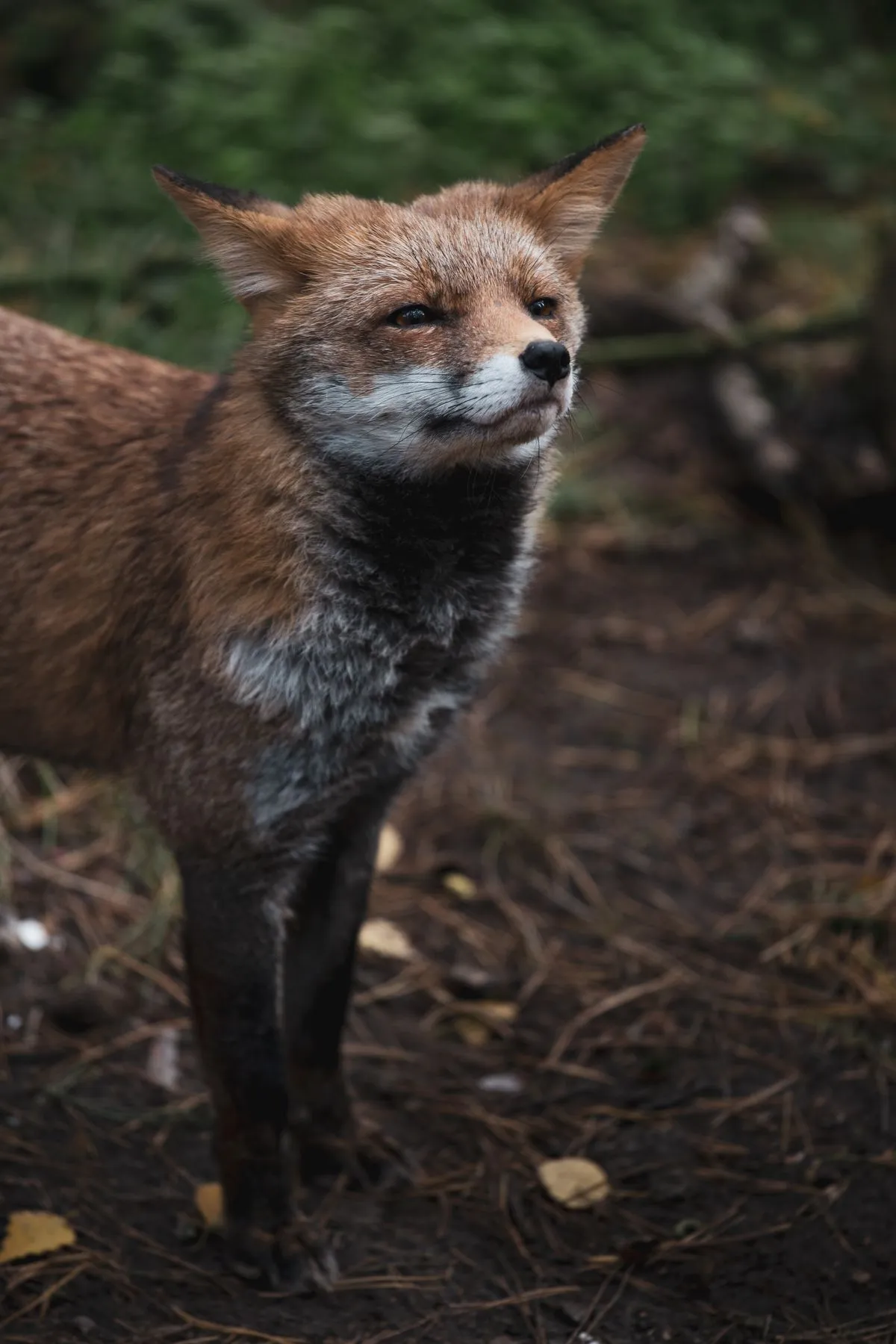
The twelve Vulpes species are the true foxes, and the red fox is the one that shaped the word itself. It lives on more land than any other carnivore its size, from Irish farmland to Alaskan tundra to the suburbs of Toronto and London. A big northern male can reach 14 kg, while a desert red fox in North Africa may weigh half that. Color lies, too: red foxes also come in silver, black, and cross patterns, all the same species.
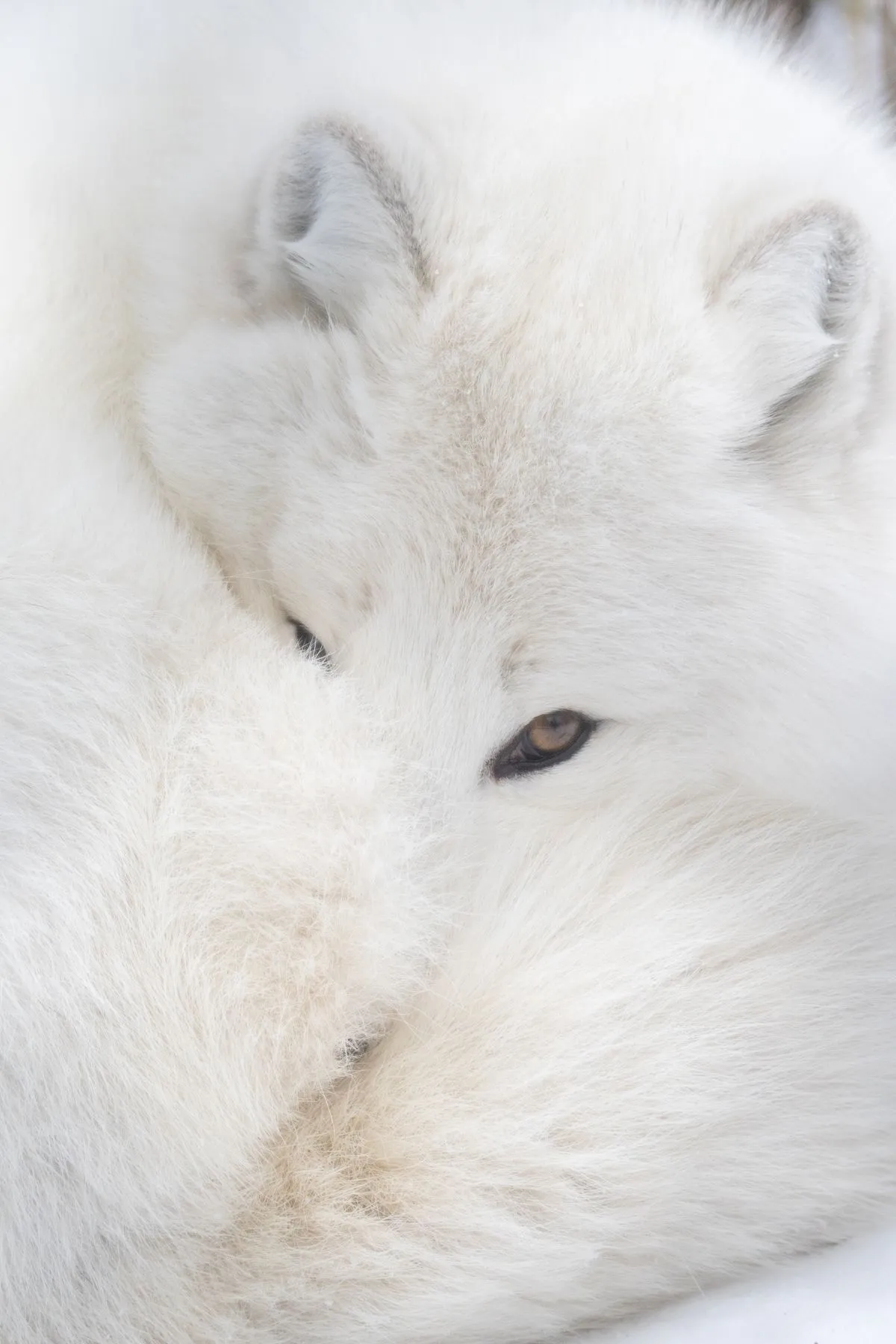
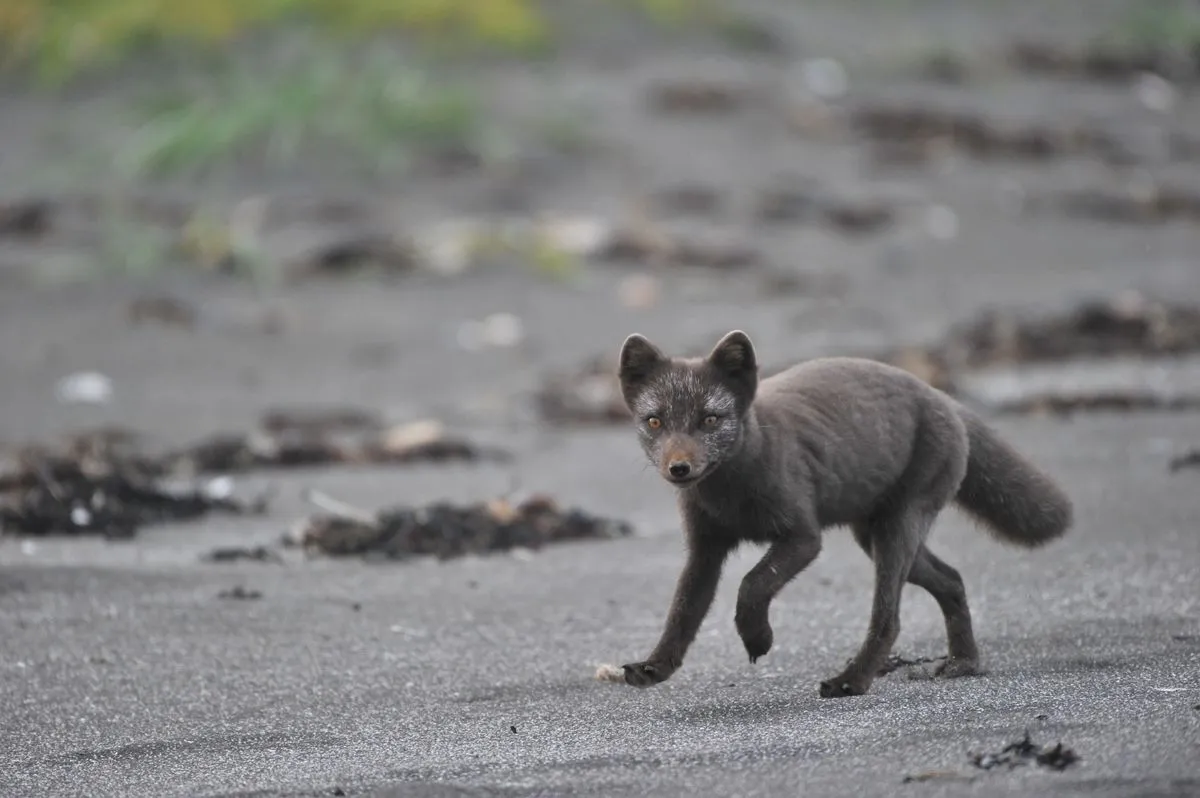
The Arctic fox trades color for insulation. Its winter coat is white (a blue morph stays dark grey), its ears are short and rounded, and even its paw pads are furred. It follows polar bears to scavenge seal kills. Our all bear species chart shows the bear side of that Arctic story.
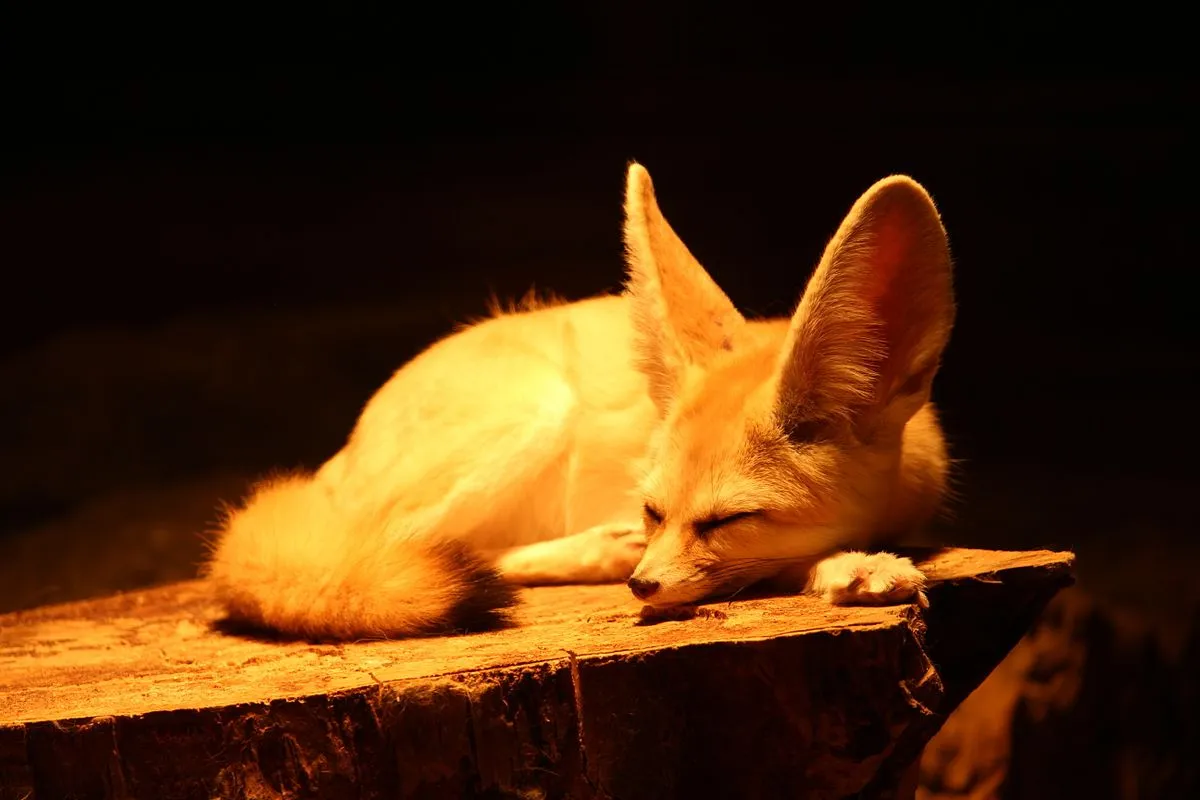
At the other extreme sits the fennec fox of the Sahara. At 1 to 1.5 kg it is the smallest fox in the world, yet its ears can reach 15 cm, the largest ear to body ratio of any canid. Those ears radiate heat and pick up insects moving under sand. Fennecs rarely drink free water, getting most of their moisture from prey.
The rest of Vulpes fills the dry belt of the Old World and North America. Kit and swift foxes work American deserts and plains at night. The corsac fox crosses Central Asian steppe, often moving into burrows dug by other animals. The Tibetan fox hunts pikas on plateau grassland 3,500 to 5,300 metres up. Bengal, cape, pale, Ruppell’s, and Blanford’s foxes round out the group.
North American Foxes Beyond Vulpes

North America also holds the two Urocyon foxes, an older lineage than Vulpes. The gray fox is the climber: semi-retractable claws and rotating forearms let it scramble up trunks and walk along branches. Its coat is grizzled grey with rusty flanks, and its tail ends in black, not white. If a fox goes up a tree, it is this one.
Its cousin, the island fox, lives only on six of California’s Channel Islands. Cut off from the mainland, it shrank: most adults weigh under 3 kg. Each island holds its own subspecies, and the animals are famously tame around campers.

South American Foxes: The Lycalopex Group
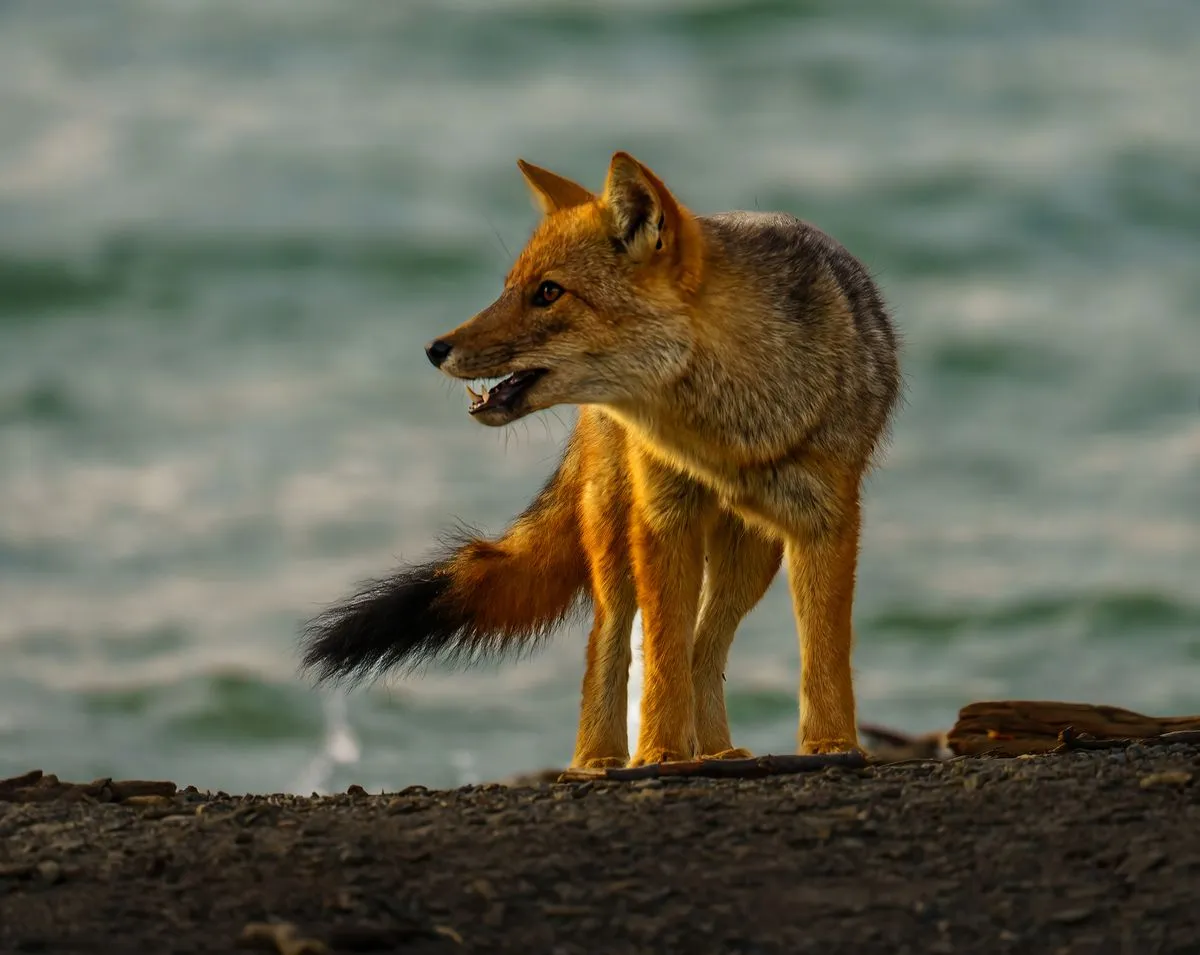
South America’s six Lycalopex species are foxes in name and shape, though genetic work puts them closer to wolves than to Vulpes. The culpeo is the heavyweight, reaching 13.5 kg in the southern Andes. Its trademark look: tawny head and legs, grey back, and a bushy tail with a black tip.
The pampas fox and the chilla (South American gray fox) cover the open grasslands, eating rodents, birds, fruit, and carrion. The Sechuran fox works Peruvian and Ecuadorian coastal desert, the smallest of the group. The hoary fox of Brazil’s cerrado has unusually small teeth, a clue to its diet of termites and fruit.
Darwin’s fox is the concern here. Darwin collected the type specimen on Chiloe Island in 1834, and today only a few thousand survive in southern Chile’s temperate rainforest. It is the only fox on this chart listed as Endangered.
African and Asian Specialists

Africa’s standout specialist is not a Vulpes at all. The bat-eared fox listens for termites underground, then digs them up in seconds. It carries up to 48 small teeth, more than any other canid, to process thousands of insects a night.
Asia’s specialists are quieter. Blanford’s fox hunts on rocky slopes from Israel to Afghanistan, gripping cliffs with bare paw pads. The pale fox crosses the Sahel in family groups and remains so poorly studied that even its numbers are rough estimates. The crab-eating fox belongs in this company too, snapping up crabs when floods cover the savanna.

Biggest vs Smallest Fox: The Size Gap

Put the extremes side by side and the gap is startling. A large culpeo or northern red fox at 13 to 14 kg weighs about ten times a fennec at 1 to 1.5 kg. A red fox body runs 45 to 90 cm before the tail, while a fennec body is just 24 to 41 cm.
- Largest overall: red fox and culpeo, both up to about 13.5 to 14 kg at their heaviest.
- Largest true fox: red fox, the biggest Vulpes by a clear margin.
- Smallest overall: fennec fox, 1 to 1.5 kg, with Blanford’s fox close behind.
- Smallest in the Americas: island fox and swift fox, both often under 3 kg.
Size tracks climate. Cold country foxes carry bulk, desert foxes stay small with big ears, and island foxes shrank because their islands offered small prey.
Quick ID Tips: Tell Fox Species Apart Fast

- Tail tip: white on a red fox, black on a gray fox, Bengal fox, and most Lycalopex species.
- Ears: ears nearly as tall as the head means fennec. Very large ears on a savanna fox mean bat-eared. Short, rounded ears in snow country mean Arctic.
- Climbing: a fox in a tree is a gray fox. No other fox climbs as a habit.
- Coat change: white in winter and brown grey in summer is the Arctic fox. The red fox keeps its color all year.
- Face shape: an unusually square, wide cheeked face on a high plateau is the Tibetan fox.
- Location first: range rules out most options. A small pale fox in the Sahara is a fennec or Ruppell’s fox, never a kit fox.

Conservation Notes: Which Foxes Need Help
Most foxes are doing fine. Twenty of the 22 species here are Least Concern or Near Threatened, helped by wide ranges and flexible diets. The red fox is even invasive in Australia, where it threatens native wildlife.
The exceptions deserve attention. Darwin’s fox is Endangered, squeezed by forest loss and dogs that carry disease. The Sechuran and island foxes are Near Threatened. The island fox is also a recovery story: some populations fell by over 90 percent in the early 2000s after golden eagles colonised the islands, then rebounded after eagle relocation, captive breeding, and vaccination. The San Joaquin kit fox subspecies remains endangered in California.
Frequently Asked Questions
How many fox species are there in the world?
Most authorities recognise 22, across five genera. Broader lists reach 37 by counting other fox like canids, including the raccoon dog, which are not true foxes.
What is the largest fox species?
The red fox, reaching 14 kg in northern populations. The culpeo matches it at up to 13.5 kg, making them joint heavyweights.
What is the smallest fox species?
The fennec fox, at just 1 to 1.5 kg. Blanford’s fox is nearly as small, at 0.9 to 1.5 kg.
Are South American foxes real foxes?
They look like foxes, but the six Lycalopex species are closer to wolves and jackals. Scientists sometimes call them false foxes.
Which fox can climb trees?
The gray fox of N. and Central America. Strong claws and flexible wrists let it climb trunks and rest on branches, a skill no other fox uses regularly.
Which fox species is endangered?
Darwin’s fox is the only one listed as Endangered. The island and Sechuran foxes are Near Threatened, and the San Joaquin kit fox subspecies is endangered in the US.
Conclusion
Twenty two species, five genera, and every continent except Antarctica: that is the full fox family. Keep this chart bookmarked, use the tail tip and ear checks in the field, and you will never lump all fox species together as just red foxes again.
For more predator charts, see our all wolf species guide and the all bear species chart.


Pingback: All Antelope Species: Complete Chart of Size, Range and Facts – Chart Identify
Pingback: All Turtle Species: Complete Chart of Size, Range and Facts – Chart Identify