
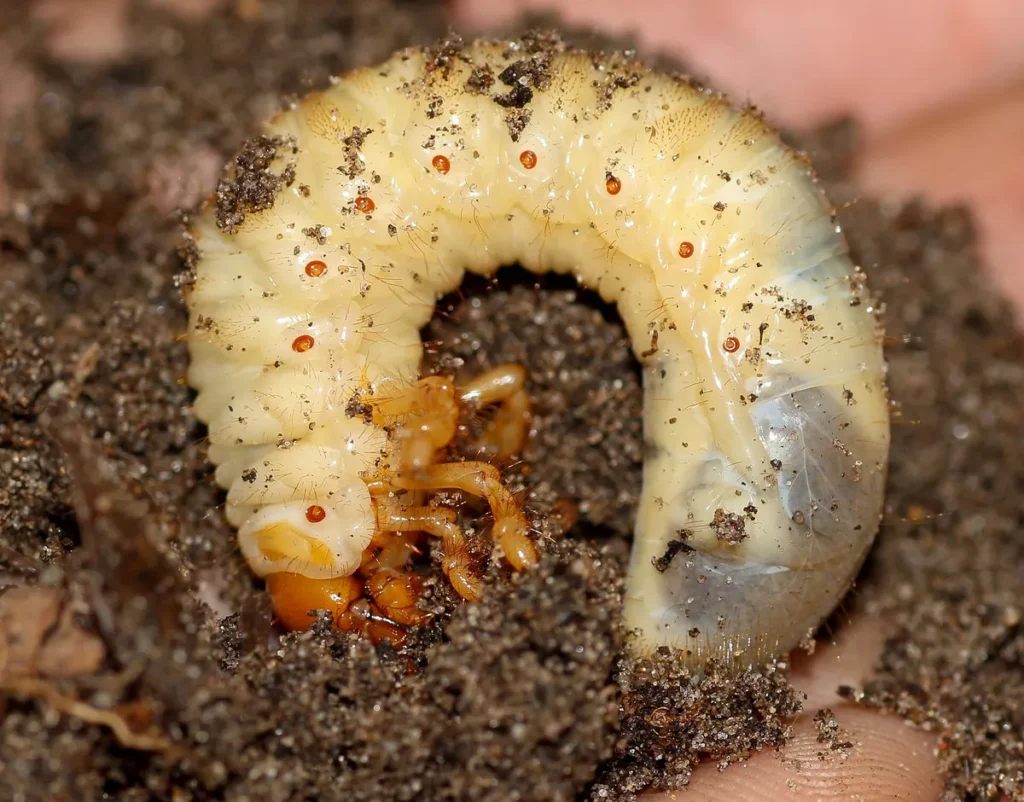
Your lawn is going brown in patches, the turf peels back like a loose carpet, and skunks have started digging at night. Nine times out of ten, the culprits are living just under the surface: white grubs, the C-shaped larvae of scarab beetles. But not every grub is the same pest, and treating your lawn without knowing which species you have wastes money and time. This grub identification chart shows you how to identify 15 common grubs by size, head color, and the pattern of bristles on the rear end, the detail the pros actually use.
Here is the honest part first: grub identification is done at the level of groups, not always exact species, because many larvae look nearly identical until they become adult beetles. The good news is that control decisions rarely need an exact species. Size, season, and the raster pattern (the arrangement of hairs on the tail end) will get you to the right answer almost every time. If you want the adult side of the story, our beetle lifespan chart shows how long each stage of these beetles lasts.
Grub Identification Chart: 15 Common Grubs Compared
| Grub (Adult Beetle) | Full Grown Size | Head Color | Raster Pattern Clue | Main Damage |
|---|---|---|---|---|
| Japanese beetle | About 1 inch | Tan brown | Short V of hairs on the rear | Lawns, very common in the East |
| European chafer | About 1 inch | Tan brown | Y shaped anal slit, two rows of hairs | Lawns, often worse than Japanese beetle |
| Masked chafer | About 1 inch | Chestnut brown | Scattered hairs, no neat rows | Lawns in the South and Midwest |
| May and June beetles (Phyllophaga) | 1 to 1.5 inches | Dark brown | Two neat rows of hairs | Lawns, gardens, tree roots, 3 year cycle |
| Green June beetle | Up to 2 inches | Brown | Short stiff bristles, crawls on its back | Compost, manure, some turf burrowing |
| Asiatic garden beetle | About 0.9 inch | Orange brown | Single row of hairs in a curve | Lawns and vegetable roots |
| Oriental beetle | About 1 inch | Light brown | Two rows of short hairs | Lawns and container plants |
| Black turfgrass ataenius | About 0.4 inch | Dark brown | Tiny, with paired pads on the rear | Golf greens and fine lawns |
| Billbug larvae | 0.25 to 0.5 inch | No legs, cream body | Legless, so not a true grub shape | Grass stems and crowns, sawdust frass |
| Annual white grubs (mixed chafers) | 0.75 to 1 inch | Tan | Varies by species | General lawn root feeding |
| Flower chafer larvae | About 1 inch | Brown | Found in compost, often harmless | Usually none, eats decaying matter |
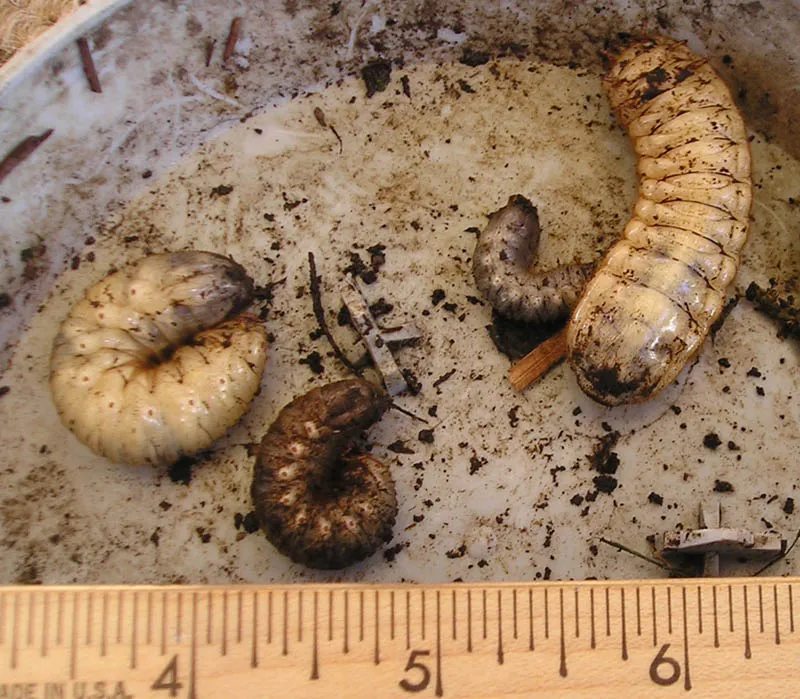
| Rhinoceros beetle larvae | 2 to 4 inches | Reddish brown | Huge size gives it away | Compost and rotting wood, harmless |
| Stag beetle larvae | 1 to 3 inches | Orange brown | Found inside dead wood, not lawns | None, a protected garden friend |
| Crane fly larvae (leatherjackets) | 1 to 1.5 inches | No clear head, grey brown skin | No legs, tough leathery skin | Lawn crowns in wet areas |
| Sod webworm larvae | About 0.75 inch | Brown, spotted body | Slender caterpillar, not C shaped | Grass blades at night, not roots |
How to Identify a Grub in 4 Steps
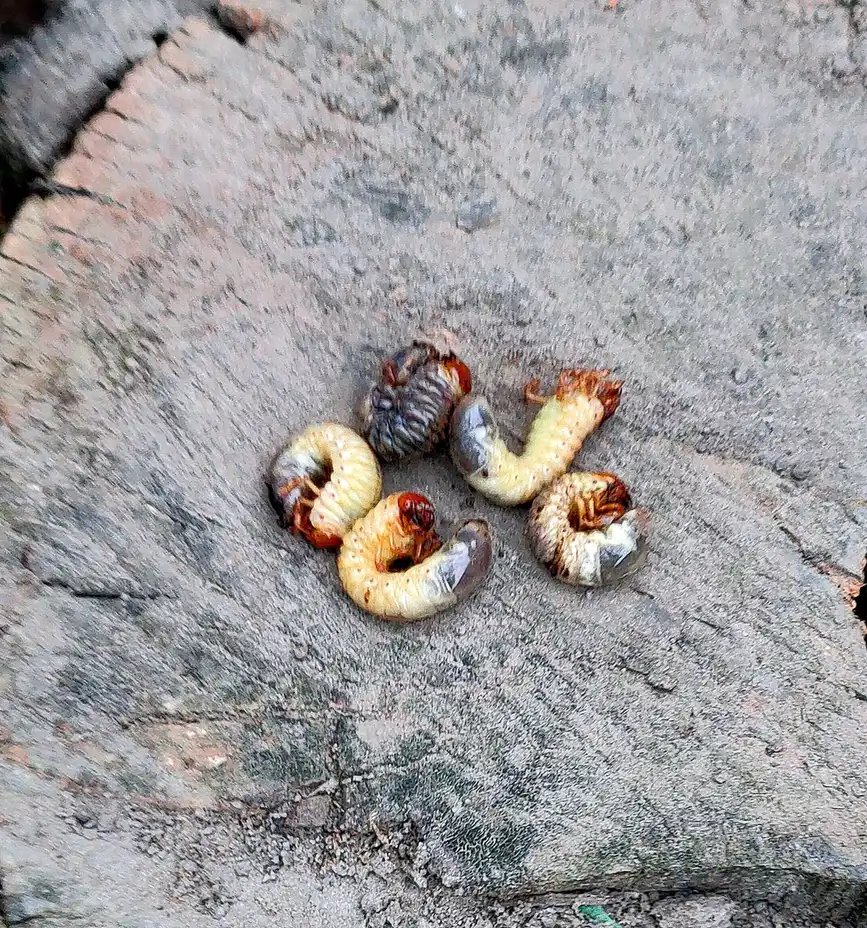
Step 1: Check for legs. True scarab grubs have three pairs of legs right behind the head. If it has no legs at all, you are looking at a billbug larva, a crane fly larva, or a fly maggot, and the control approach is completely different.
Step 2: Measure it. A grub under half an inch in a fine lawn points to black turfgrass ataenius. A grub over 2 inches long is a compost species like a rhinoceros beetle larva and should be left alone.
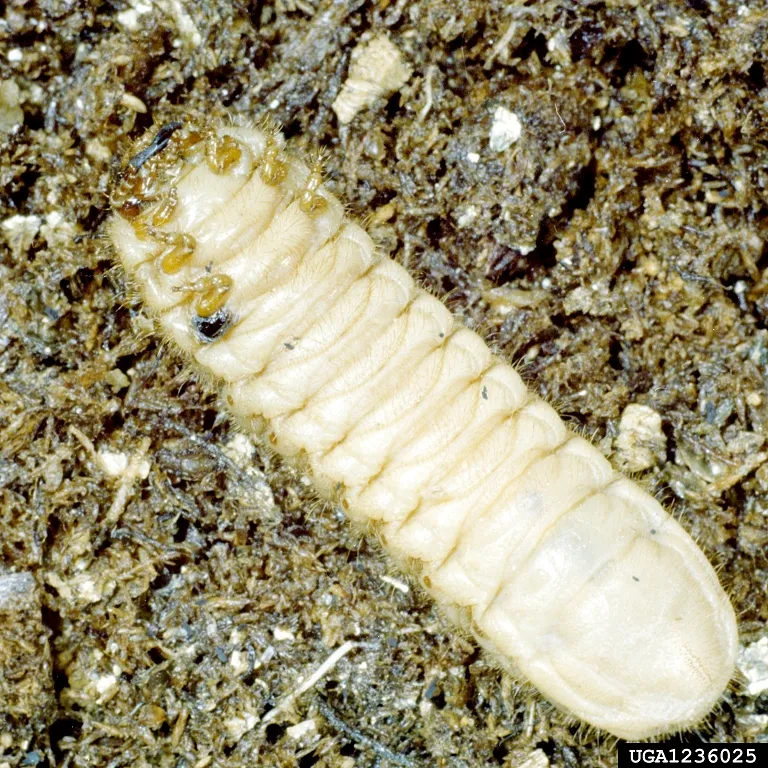
Step 3: Flip it over and find the raster. The raster is the pattern of hairs and spines on the underside of the last segment. A hand lens helps. The short V means Japanese beetle, two tidy rows suggest May beetle or Oriental beetle, and scattered hairs with no pattern point to masked chafer.
Step 4: Note the season. One year grubs (Japanese beetle, chafers) feed hardest in late summer and early fall. Three year May beetle grubs can appear in almost any month. Season turns a shortlist into a confident ID.

White, Yellow, Brown, and Black: Using Color Clues
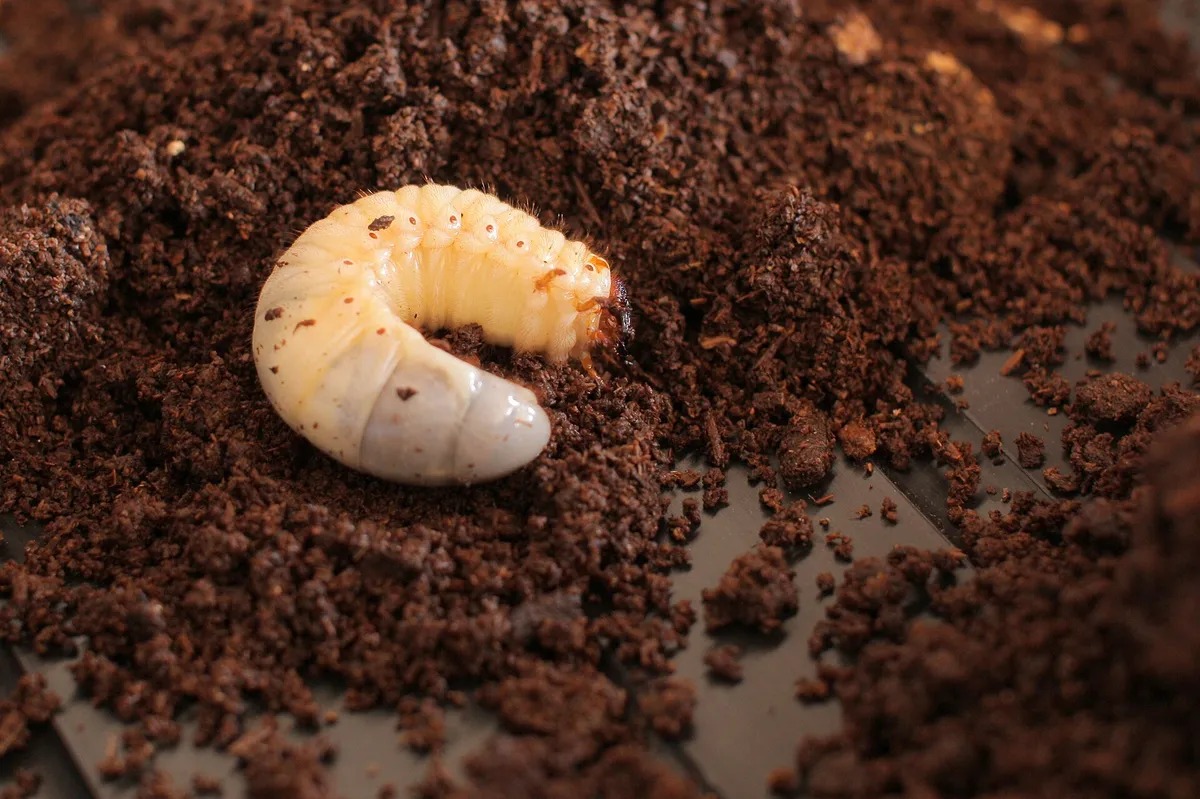
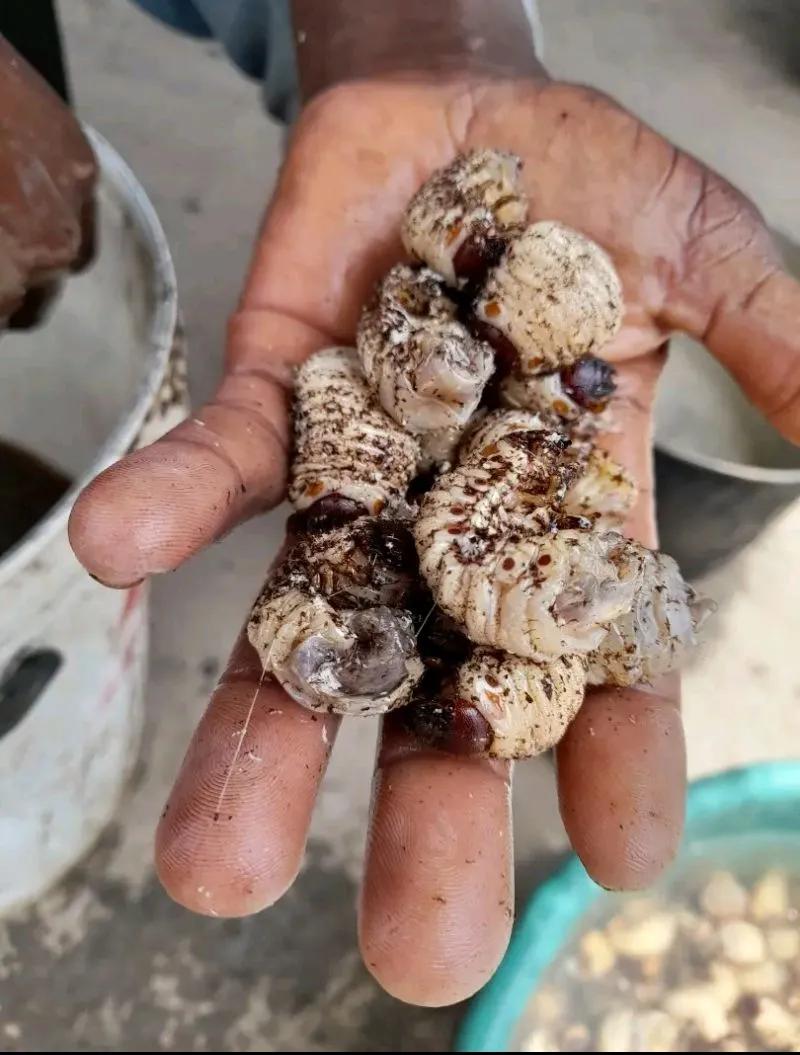
Almost all scarab grubs are creamy white; the color differences that matter are in the head capsule and legs, which range from pale tan (Asiatic garden beetle) through chestnut (masked chafer) to dark brown (May beetles). A grey brown, legless, leathery larva in wet soil is a crane fly leatherjacket, not a grub at all. A yellowish larva with a dark head found in a manure or compost heap is usually a flower chafer, a decomposer you want to keep. Genuinely black grubs do not exist; anything black and segmented in your soil is more likely a beetle larva of another family or a pupa.
Sorting lookalikes is exactly where a visual reference earns its keep, the same way our beneficial insects chart separates the garden helpers from the pests before you reach for a spray.
Which Grubs Actually Damage Lawns?
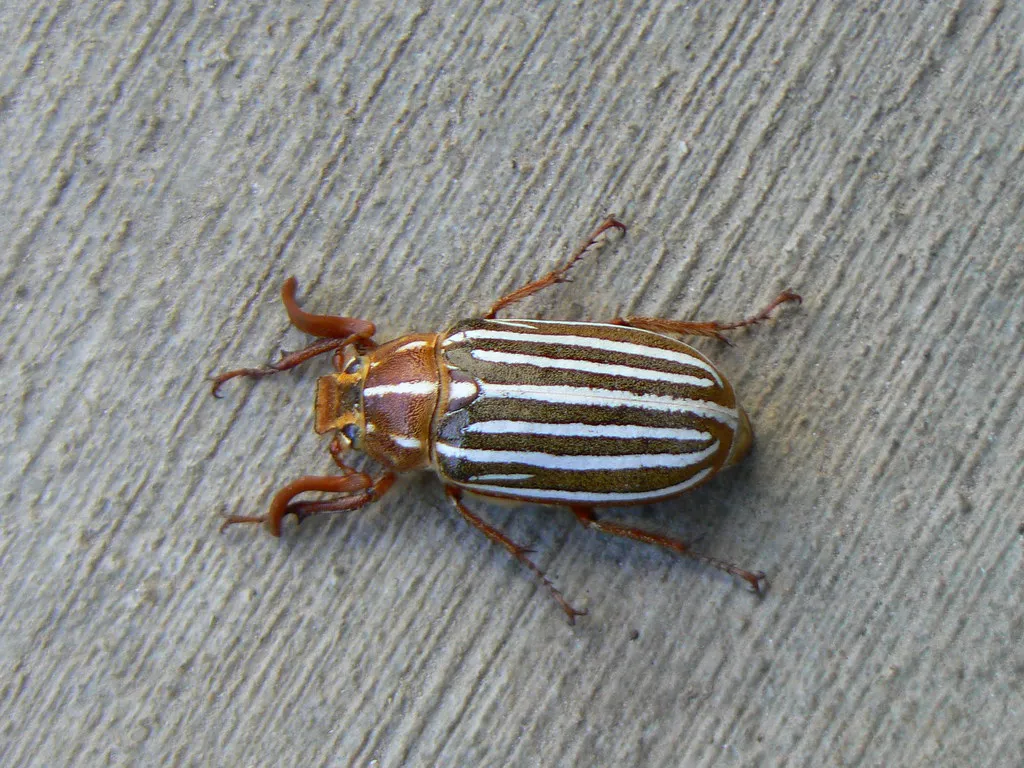
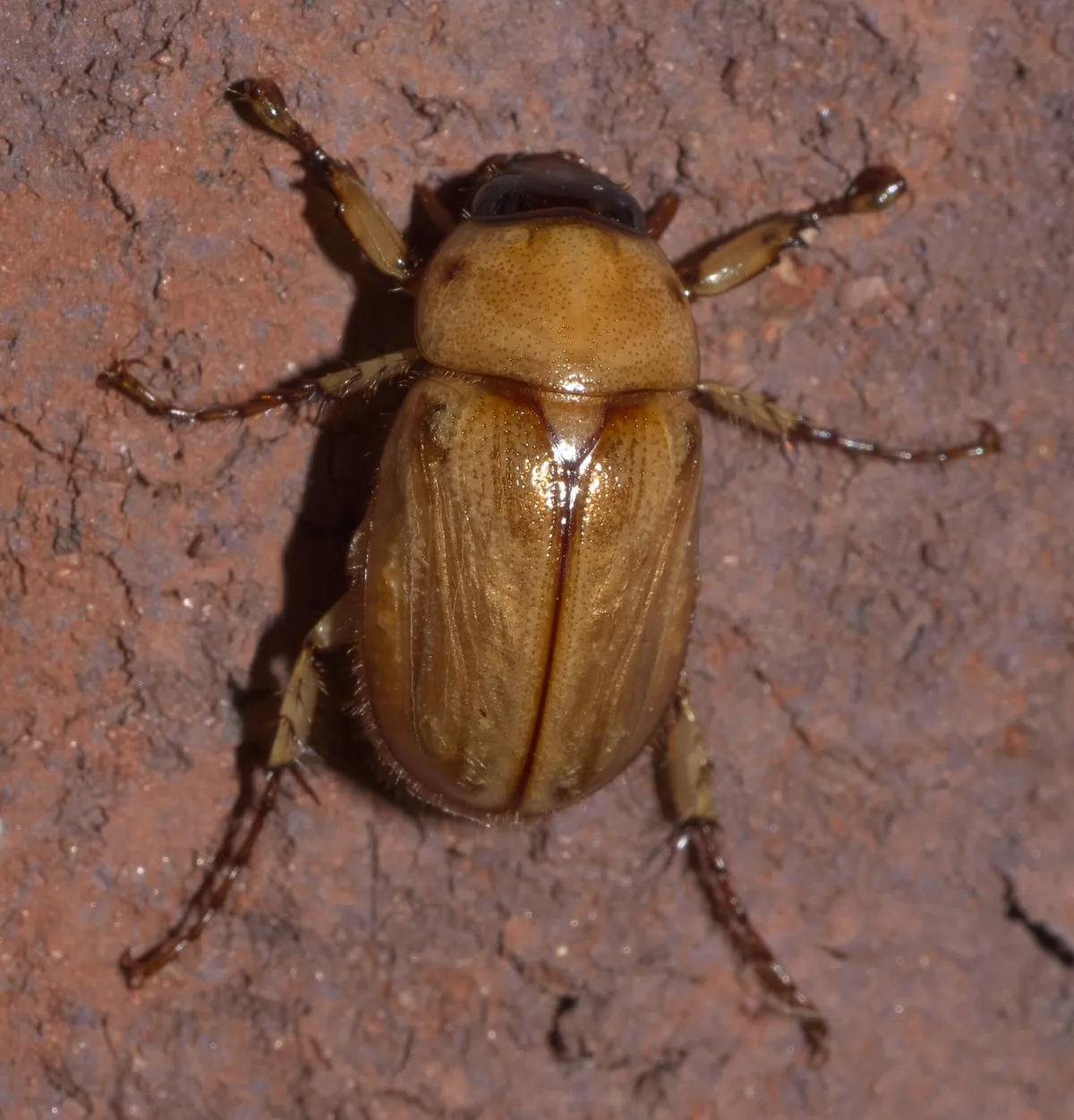
The root feeders are the problem: Japanese beetle, European chafer, masked chafer, Oriental beetle, Asiatic garden beetle, and May beetle grubs all prune grass roots until the turf starves and lifts. Extension services usually set the action threshold around 8 to 10 grubs per square foot of lawn; below that, a healthy, watered lawn outgrows the feeding. Dig a one foot square of turf in a damaged patch in early fall and count honestly before buying any product.
Animal digging is a useful free survey. Skunks, raccoons, and armadillos dig where grubs are dense, and birds pecking at the lawn in fall are telling you the same thing. Those animals follow the same grub populations all season, from the eggs adults lay in summer to the fat larvae of fall.

Grubs You Should Never Kill
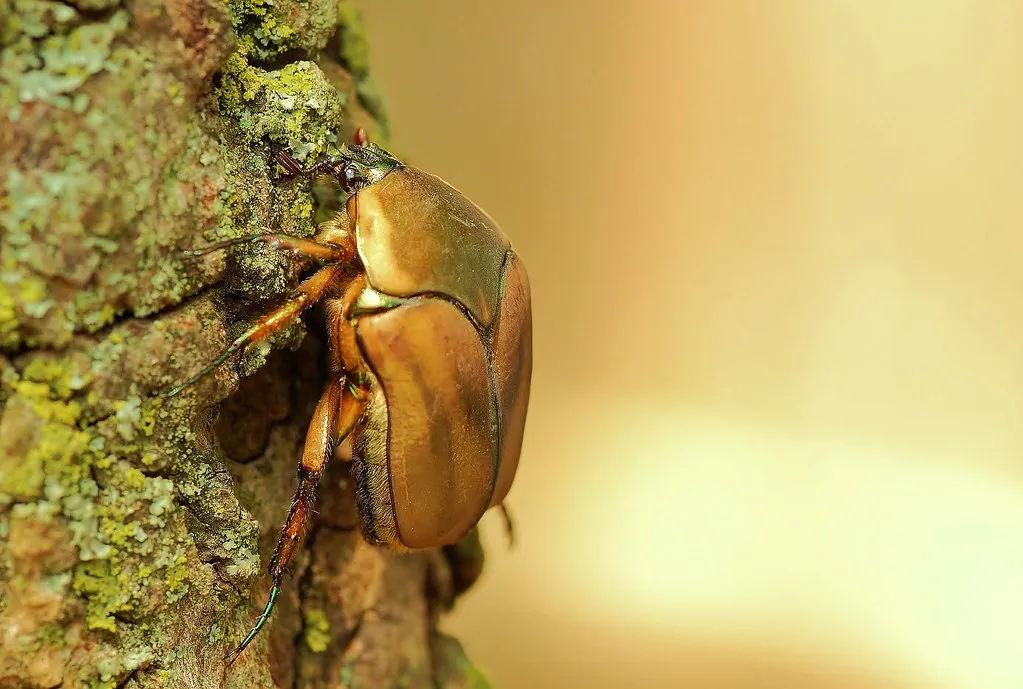
Not every white larva is a pest. Rhinoceros and stag beetle larvae live in compost, mulch, and rotting wood, eat dead material, and harm nothing living; stag beetles are protected in parts of Europe and declining in many places. Flower chafer larvae in the compost heap speed up decomposition. Green June beetle larvae mostly eat decaying matter and are a problem mainly when their burrowing disturbs seedlings. If the larva came out of the compost and not the lawn, use this grub identification chart to confirm it, then put it back.
Knowing which insects help you is half of garden pest control. The adults of several grub species become the pollinators and decomposers covered in our beetle identification chart, so a careful ID protects them too.
Frequently Asked Questions
How can I tell a Japanese beetle grub from a chafer grub?
Flip it over and look at the rear underside with a hand lens. Japanese beetle grubs show a short V of hairs; European chafer grubs show a Y shaped slit with two rows of hairs. Size and head color are nearly identical, so the raster is the decider.
Are all white grubs bad for my lawn?
No. Only root feeding scarab grubs damage turf, and only above roughly 8 to 10 per square foot. Compost and wood species like stag and rhinoceros beetle larvae are harmless decomposers.
When is the best time to check my lawn for grubs?
Late summer to early fall, when grubs are large, feeding near the surface, and easiest to identify. A second check in spring catches overwintered three year May beetle grubs.
My grub has no legs. What is it?
Most likely a billbug larva if it was inside grass stems, or a crane fly leatherjacket if the soil is wet and the skin looks tough and grey. Neither is a true grub, and both need different treatment.
Do grubs bite or harm people and pets?
No. Grubs cannot bite and are not poisonous. Dogs sometimes eat them without serious effects, though the lawn treatments people apply afterward are a different story, so always follow label directions.
What eats grubs naturally?
Skunks, raccoons, moles, starlings, and robins all dig for grubs, and parasitic wasps and beneficial nematodes attack them underground. A lawn full of grub predators rarely has a grub problem for long.
Conclusion
Good grub identification takes ten minutes, a trowel, and a hand lens: legs first, then size, then the raster pattern, then the season. That small effort separates the six lawn pests worth treating from the harmless decomposers worth protecting, and it stops the expensive habit of treating every white larva the same. Use the chart, count a square foot honestly, and let the threshold, not the panic, make the decision.

