A lion lifespan chart surprises most people. The king of the savanna does not enjoy a long reign: a wild male is often past his prime by ten, while a lioness in the same pride may still hunt and raise cubs at fifteen. A zoo lion can live almost twice as long as a wild male that loses his pride.
This guide pulls those numbers into one clear place: wild and captive lifespans by sex, a population chart, a stage by stage breakdown, a big cat comparison, and the reasons some lions beat the odds.
Lion Lifespan Chart: Wild vs Captivity at a Glance
The single biggest split in lion longevity is not region. It is sex, followed closely by whether the lion lives wild or under human care. Males pay a high price for defending territory. Females benefit from staying in a stable pride for life.
| Group | Wild lifespan | Captive lifespan | Main reason for the gap |
|---|---|---|---|
| Wild male lion | 8 to 12 years | 14 to 18 years | Fights, eviction, and lone nomad years |
| Wild female lion | 12 to 16 years | 16 to 20 years | Stable pride life and cooperative hunting |
| All wild lions, average | 10 to 14 years | Not applicable | Cub losses pull the average down |
| All captive lions, average | Not applicable | 16 to 20 years | Steady food, shelter, and veterinary care |
| Exceptional captive lions | Up to about 19 years in the wild | Into the mid 20s | Long lived individuals are rare in both settings |
Read those figures as typical ranges, not promises for any single animal. A lion that survives the cub and nomad years, keeps a pride, and avoids conflict with people has the best chance of reaching the top of its range.
Lion Lifespan by Population and Region
Lions once ranged across Africa, southern Europe, and Asia. Today surviving populations are scattered, and their risks differ even when their biology does not. Lions in large fenced reserves often have steadier protection than small West African populations, where every adult loss matters more.
| Population | Typical wild lifespan | Typical captive lifespan | Key pressure |
|---|---|---|---|
| African lion, overall | 10 to 14 years | 16 to 20 years | Habitat loss, livestock conflict |
| East African lion | 10 to 14 years | 16 to 20 years | Prey decline, retaliatory killing |
| Southern African lion | 10 to 14 years | 16 to 20 years | Fenced reserves, limited space |
| West African lion | 10 to 14 years | 15 to 18 years | Tiny, fragmented range |
| Central African lion | 10 to 14 years | 16 to 20 years | Poaching, prey loss |
| Asiatic lion, Gir Forest | 12 to 16 years | 18 to 20 years | One main population, disease risk |
| Barbary lion descendants | Extinct in the wild | 16 to 20 years | Only zoos and collections |
Asiatic lions deserve a special note. They live almost entirely in and around Gir Forest in India, where protection is strong and prey is reliable, which helps explain their slightly higher wild range. For a wider look at the cat family, see our guide to types of wild cats.

A Lion’s Life, Stage by Stage
Most lions never reach old age because early stages are so risky. About half of cubs die before age two, from disease, starvation, and infanticide after a takeover. Survivors then face a second bottleneck: young males must leave and survive alone.
| Life stage | Age | What happens | Survival outlook |
|---|---|---|---|
| Cub | 0 to 2 years | Hidden in dens, then joins the pride | About half die before age two |
| Juvenile | 2 to 3 years | Learns by watching pride hunts | Improving, but still vulnerable |
| Subadult | 3 to 4 years | Females stay; males pushed out | Males face the hardest transition |
| Nomadic male | 4 to 8 years | No territory; must avoid stronger males | Many die before winning a pride |
| Pride male | 6 to 10 years | Defends territory; tenure lasts a few years | Peak strength, short tenure |
| Pride female | 5 to 16 years | Hunts, raises cubs, stays for life | Best long term survival of any wild group |
| Senior | 12 years and older | Slower, thinner, worn teeth | Rare in the wild, more common in captivity |
The nomad years explain much of the male disadvantage. A young male without a pride has no safe territory and no buffer when injured. If he wins a pride, he gains food and mating rights, but younger coalitions are always testing him, and one lost fight can end his pride life for good.

Why Lionesses Usually Outlive Males
Lion society is built around related females that hunt together, defend cubs together, and share pride work. A lioness rarely faces the savanna alone. A male must repeatedly prove himself against rivals, and losing is costly.
Males also carry the physical cost of their role. Fights leave wounds that can turn infected, and a deposed male may go from regular meals to starvation within weeks. Lionesses do most of the hunting, but they do it as a team, while a lone male must hunt, patrol, and fight on his own.
The result shows up in every dataset. Wild females commonly reach 12 to 16 years. Wild males commonly reach 8 to 12 years. In captivity, where fights are managed and food is steady, both sexes gain years, but females still tend to edge ahead, often reaching 16 to 20 years against 14 to 18 for males.
How Long Do Lions Live in Captivity?
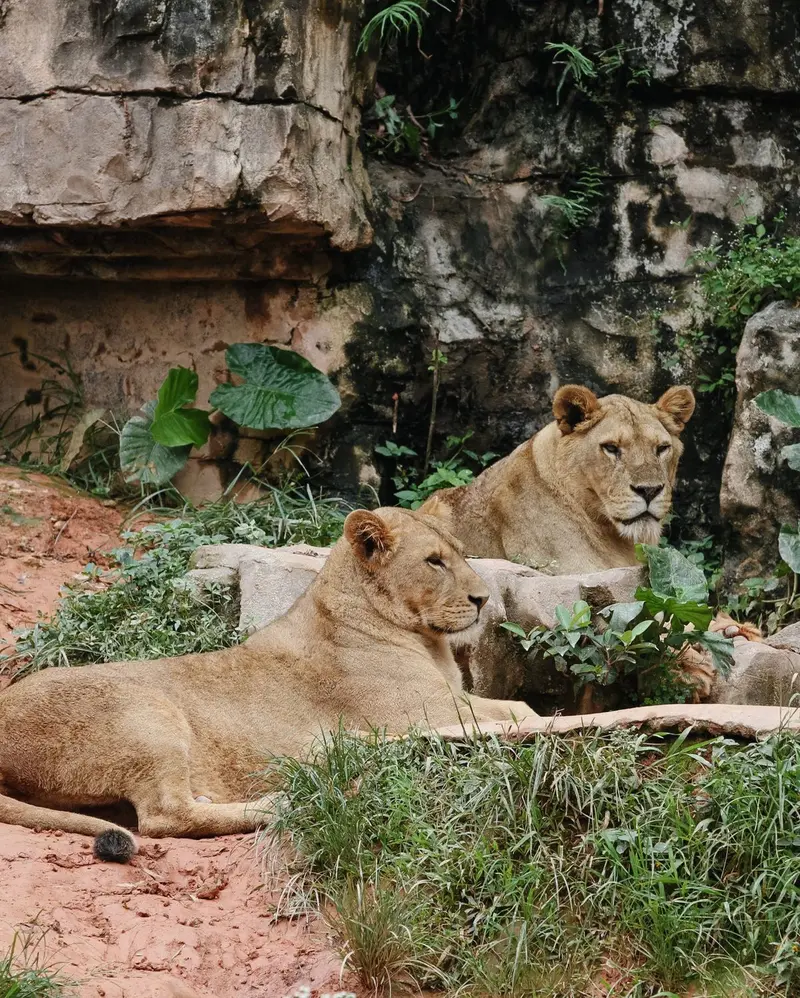
A captive lion skips the worst wild hazards: no takeovers, no drought starvation, no poachers. Food arrives on schedule, injuries get treatment, and old animals get softer food and shelter. Most zoo and sanctuary lions therefore reach 16 to 20 years, and a few have lived into their mid 20s.
Sanctuary lions sometimes fall slightly short of the zoo range, because animals rescued from circuses or private ownership may arrive with old injuries or chronic health problems. Even in good facilities, obesity, joint problems, and dental disease are the main challenges for an aging zoo lion, managed with diet, enrichment, and checkups.
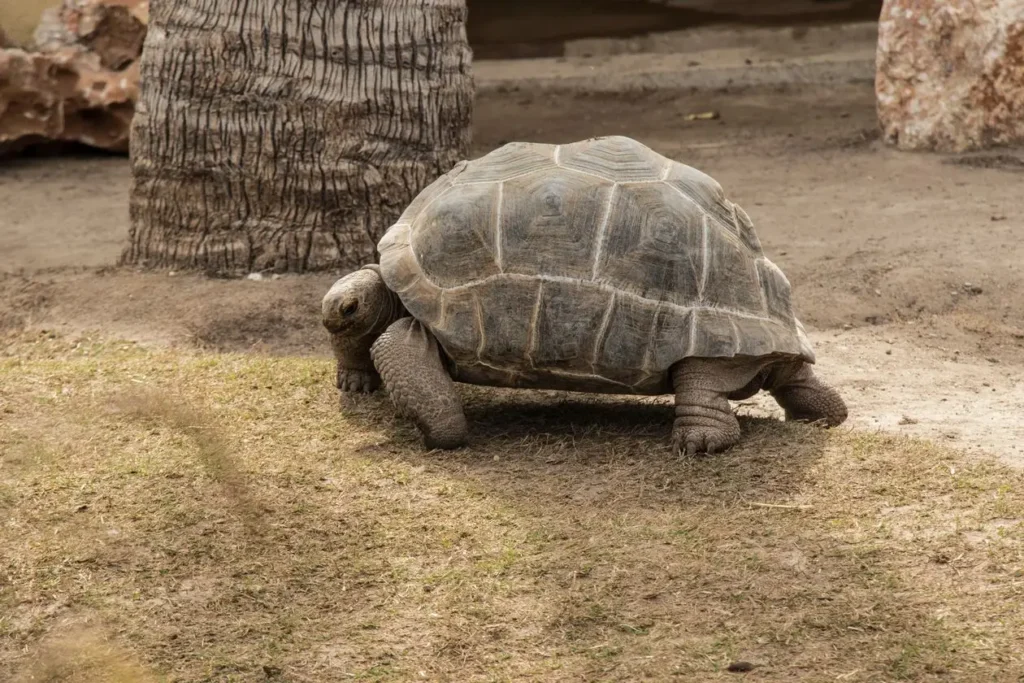
Lions are not among the longest lived mammals. Our chart of animals with the longest lifespan shows tortoises, whales, and some sharks living many times longer than any lion. A lion’s life is intense and social, but it is not built for decades.

Lion Lifespan Compared With Other Big Cats
Compared with other big cats, the lion sits in the middle. Tigers can live a little longer in captivity, leopards are famously durable, and cheetahs tend to live shorter wild lives. Protected domestic cats routinely outlive wild lions by years.
| Cat | Wild lifespan | Captive lifespan | Note |
|---|---|---|---|
| Lion | 10 to 14 years | 16 to 20 years | Males shorter, females longer |
| Tiger | 10 to 15 years | 16 to 20 years, sometimes longer | Solitary, wide ranging hunter |
| Leopard | 12 to 17 years | 20 years or more | Adaptable and secretive |
| Jaguar | 12 to 15 years | 20 years or more | Strong swimmer, powerful bite |
| Cheetah | 8 to 12 years | 12 to 15 years | Cub losses are very high |
| Domestic cat | 2 to 5 years for feral cats | 12 to 18 years as a pet | Shows how much care changes the numbers |
A wild tiger and a wild lion have similar averages, but tigers live alone, so their risks come from injury and prey loss rather than pride politics. See our guide to types of tigers. The domestic cat line shows the same point at pet scale: care extends life. Our cat lifespan chart breaks that down by breed.
How Researchers Estimate a Lion’s Age
Wild lions carry no birth certificates, so researchers combine several clues, since no single clue is perfect.
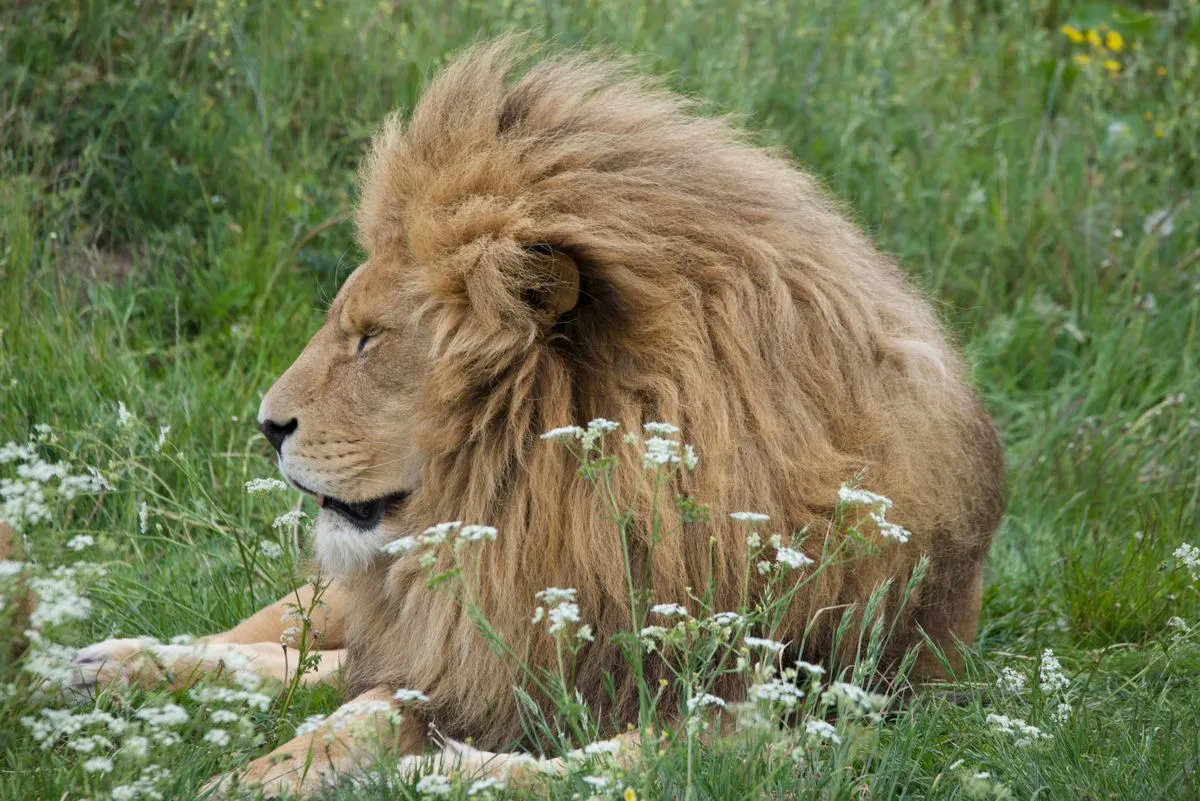
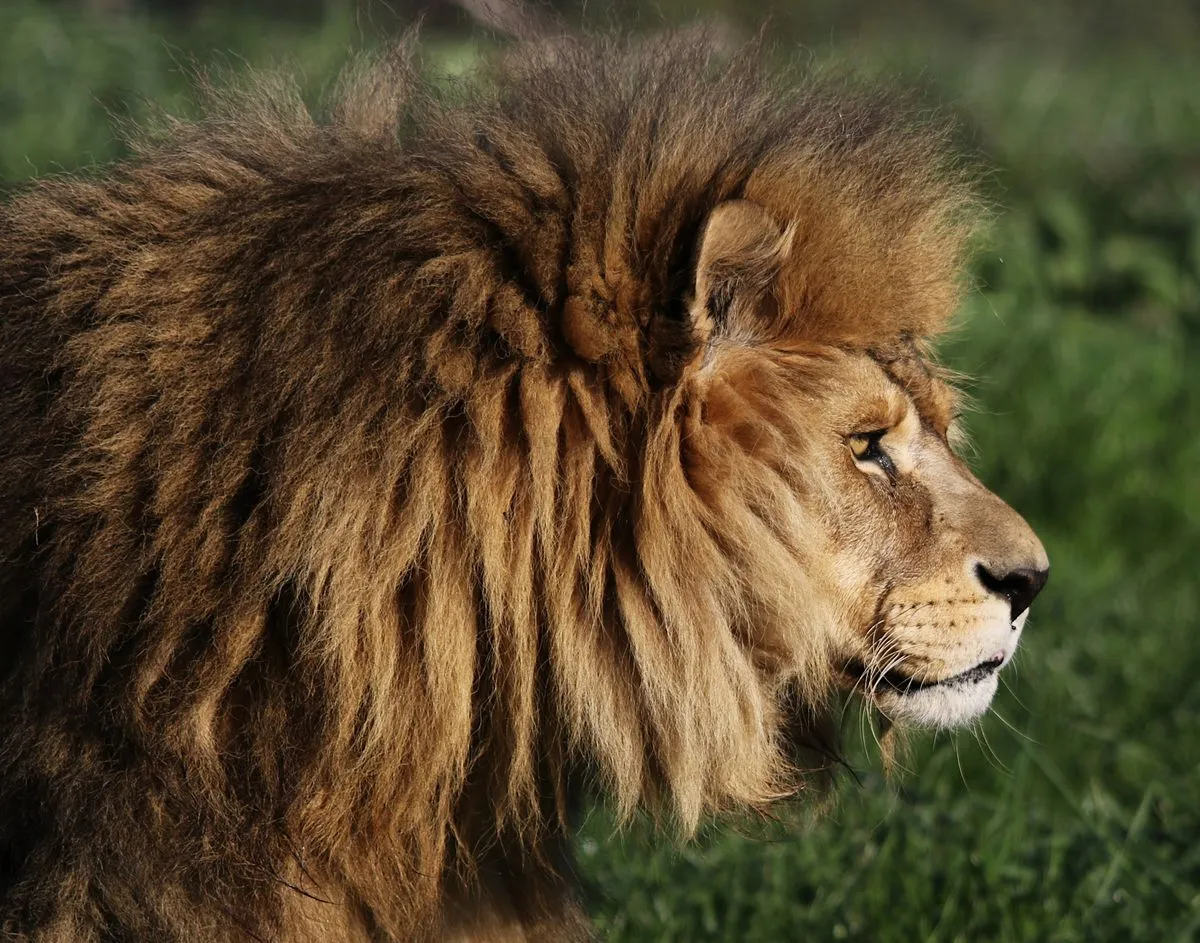
First, teeth: young lions have clean, sharp teeth, while older lions show wear, chips, yellowing, or missing teeth. Second, nose pigmentation: a young nose is pink or lightly spotted, and dark spots spread with age. Third, the mane, which typically darkens as a male matures, though genetics and nutrition also matter. Fourth, body condition: older lions lose muscle and move more slowly.
Researchers also use whisker spot patterns, much like a fingerprint, to follow the same animal across years. When you read that a wild lion lived to 19, it usually means that individual was known and photographed over many seasons, not estimated once.
What Shortens a Lion’s Life in the Wild
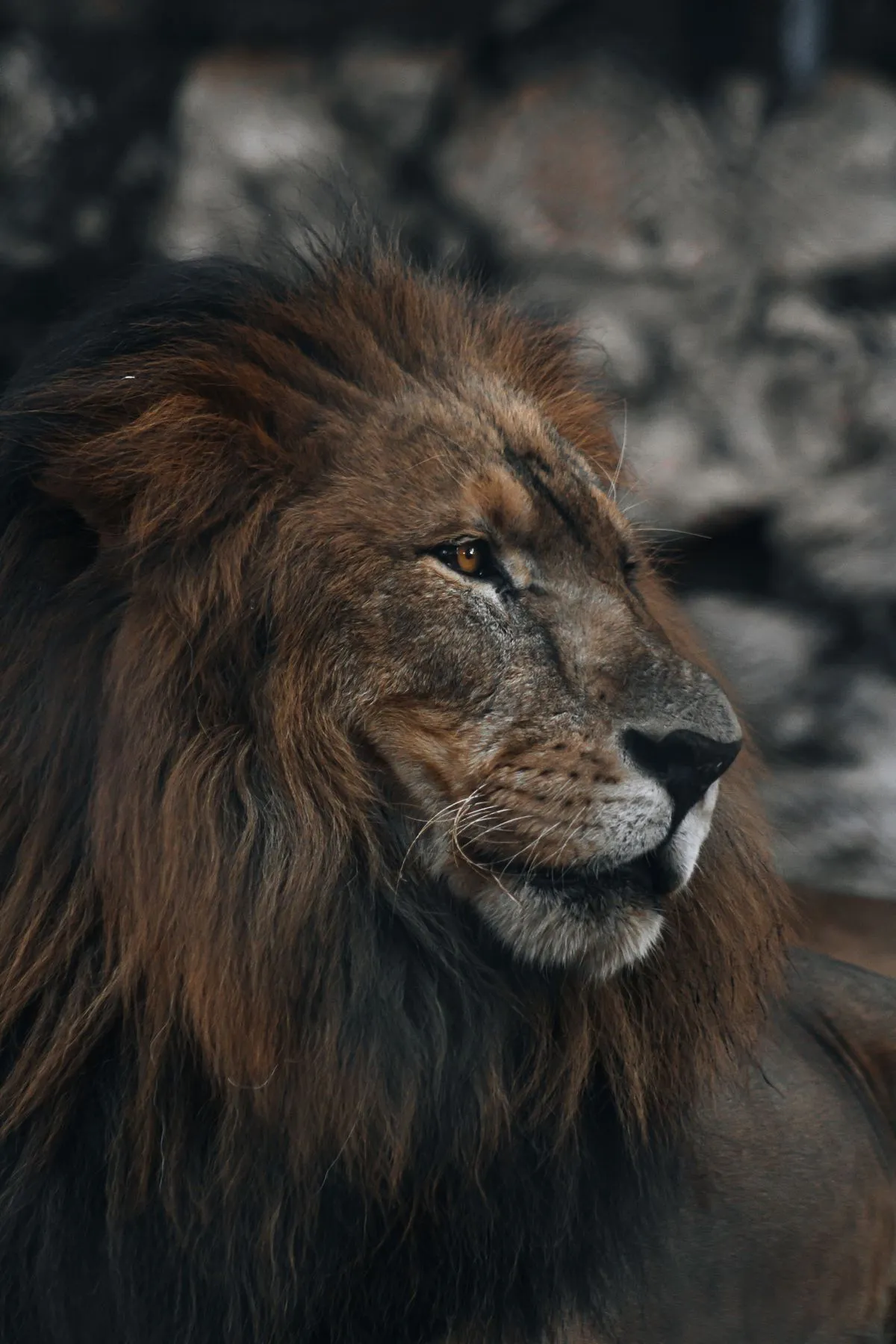
Five pressures do most of the damage, and they often combine. A drought thins prey, hungry lions move closer to livestock, conflict with people follows, and an injured lion then cannot hunt well enough to recover.
Habitat loss comes first: as grassland becomes farmland, prides are squeezed into smaller areas with fewer prey animals. Conflict comes second, as lions that kill livestock are often killed in return. Poaching and trophy hunting take a third toll, especially when adult males are removed, triggering takeovers and cub deaths. Disease is fourth, and prey loss itself shortens lives, because hungry lions breed less and cubs starve sooner.
Conservation work therefore focuses on the whole system: protecting habitat corridors, compensating livestock owners, reducing retaliatory killing, and keeping prey healthy. A lion that avoids snares, rifles, and long hunger has a real chance of reaching its teens.

Frequently Asked Questions
How long do lions live in the wild?
Wild lions live about 10 to 14 years on average: females 12 to 16 years, males 8 to 12 years, mainly because males fight for prides and spend years as nomads.
How long do lions live in captivity?
Most captive lions live 16 to 20 years. With steady food and veterinary care, a few exceptional individuals have lived into their mid 20s.
Why do male lions die younger than females?
Males fight rivals for territory, get evicted, and then survive alone. Females stay in their birth pride, hunt as a team, and share cub care.
Which lion lives the longest?
Asiatic lions in Gir Forest often reach 12 to 16 years in the wild, slightly above most African populations. In captivity, lions of any population can pass 20 years, and a few have reached their mid 20s.
Are Barbary lions extinct?
Barbary lions are extinct in the wild. Descendants of captive Barbary lineage lions still live in zoos, typically reaching 16 to 20 years.
How old is the oldest lion on record?
Wild records near 19 years have been reported for known individuals in Kenya. Captive records reach higher, into the mid 20s, but such animals are exceptional and should not be taken as typical.

Conclusion
A lion’s life is short, social, and shaped by risk. Wild males rarely pass twelve, wild females often reach sixteen, and captive lions commonly reach twenty. The pattern is clear: pride life protects females, nomad life punishes males, and steady care adds years in captivity.
The best way to help lions live longer in the wild is straightforward: protect habitat, keep prey plentiful, reduce conflict with people, and give prides room to stay together.