

A good garden is never empty. Even when you cannot see them, dozens of small hunters, parasites, and pollinators are working through your beds, and this beneficial insects chart puts names to the twenty helpers that matter most. A beneficial insect is any insect that helps your garden more than it harms it, usually by eating pests, parasitizing them, or pollinating your crops. Once you can recognize these allies, you stop spraying them by accident, and that one change can do more for pest control than any bottle on the shelf.
Most gardeners know the ladybug, but the full cast is much wider. Some helpers hunt in the open, some work at night under mulch, and some are so small you will only notice their results: fewer aphids on the roses and fewer caterpillars on the cabbage. The chart below gives you the essentials for each insect, and the sections after it explain how each group works and how to keep them around.
Beneficial Insects Chart: The 20 Garden Helpers at a Glance
Use this table as your quick reference. The how it helps column gives real numbers where they are known, so you can see which insects do the heavy lifting. If you only learn five names from this article, make them the ladybug, the hoverfly, the green lacewing, the ground beetle, and the braconid wasp.
| Insect | Pests controlled | How many and how it helps | Where to find it | How to attract and keep it |
|---|---|---|---|---|
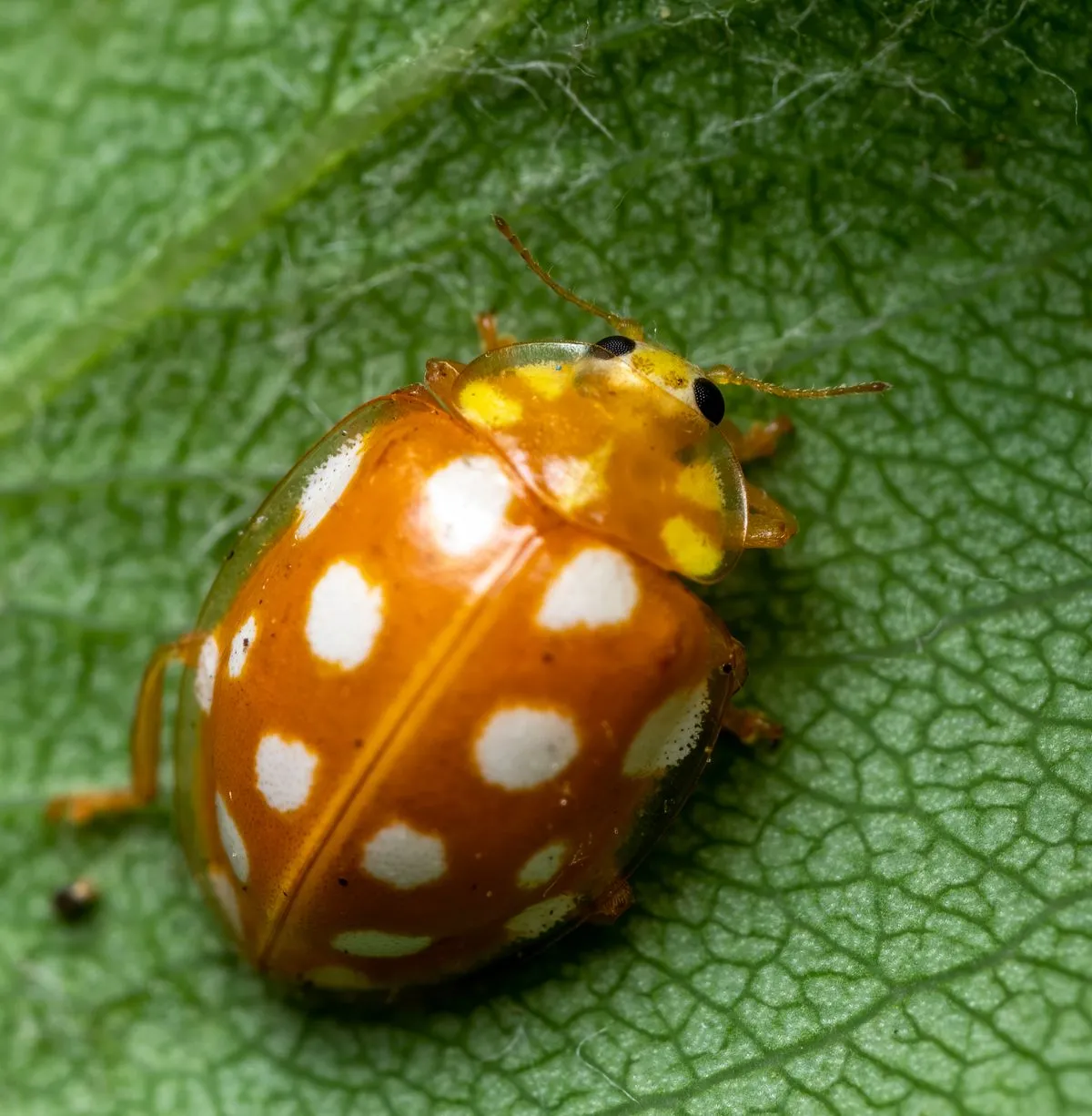
| Seven-spotted ladybug | Aphids, mites, scale insects | An adult can eat around 50 aphids a day, and up to 5,000 in its lifetime | On roses, beans, and weedy field edges | Grow dill, fennel, and yarrow; never spray broad insecticides |
| Convergent ladybug | Aphids, mealybugs, whitefly eggs | Larvae eat hundreds of aphids before pupating | On crops and garden flowers across the United States | Leave some aphids on sacrificial plants so larvae have food |
| Common hoverfly | Aphids | One larva can eat several hundred aphids in two to three weeks | Hovering over flowers in sunny beds | Plant alyssum, cosmos, and dill for nectar |
| Green lacewing | Aphids, mites, mealybugs, small caterpillars | One larva, called an aphid lion, can eat thousands of aphids | On leaves at dusk, near porch lights at night | Grow angelica, dill, and yarrow; avoid bright light traps |
| Carolina praying mantis | Flies, crickets, caterpillars, grasshoppers | One mantis eats dozens of insects over a season | On tall stems and shrubs in late summer | Leave tall grasses and shrubby corners undisturbed |
| Ground beetle | Slugs, snails, cutworms, root maggots | Adults and larvae hunt nightly at soil level | Under stones, boards, and mulch | Keep mulch and flat stones on the soil surface |
| Rove beetle | Fungus gnats, root maggots, small larvae | Adults patrol soil and compost for small prey | In compost, leaf litter, and mulched beds | Keep compost moist and leave leaf litter in place |
| Soldier beetle | Aphids, caterpillar eggs, small larvae | Adults feed on pests and pollinate flowers | On goldenrod and milkweed flowers | Plant goldenrod, milkweed, and hydrangea |
| Assassin bug | Caterpillars, aphids, leafhoppers, beetles | One bug pierces and drains many pests over its life | On shrubs and garden plants in warm regions | Grow diverse flowering borders and avoid spraying |
| Predatory stink bug | Colorado potato beetle larvae, caterpillars, sawfly larvae | One nymph can eat many beetle larvae a day | On potatoes, tomatoes, and beans | Plant beans and potatoes near flowering borders |
| Minute pirate bug | Thrips, mites, aphids, small caterpillars | Adults and nymphs eat several thrips a day each | In flowers, especially daisies and goldenrod | Plant alfalfa, clover, and goldenrod nearby |
| Trichogramma wasp | Moth eggs, including corn earworm and cabbage looper eggs | Each female parasitizes dozens of eggs; releases can cut egg survival sharply | Tiny and rarely seen, near moth host plants | Plant dill and yarrow; buy releases for serious moth problems |
| Braconid wasp | Tomato hornworms, cabbage worms, aphids | One parasitized hornworm can carry dozens of wasp cocoons | Near tomatoes and brassicas in summer | Leave parasitized caterpillars alone so wasps emerge |
| Ichneumon wasp | Wood borers, caterpillars, sawfly larvae | Females lay eggs inside or on host larvae | Around trees, logs, and garden beds | Keep dead wood and undisturbed corners for hosts |
| Tachinid fly | Caterpillars, beetle larvae, squash bugs, stink bugs | Females lay eggs on or inside many host pests | On flowers such as dill, parsley, and sweet clover | Plant dill, parsley, and buckwheat for nectar |
| Honeybee | None as a pest eater; it pollinates | One colony visits millions of flowers in a season | On open flowers through the growing season | Grow clover, lavender, and borage; avoid spraying open blooms |
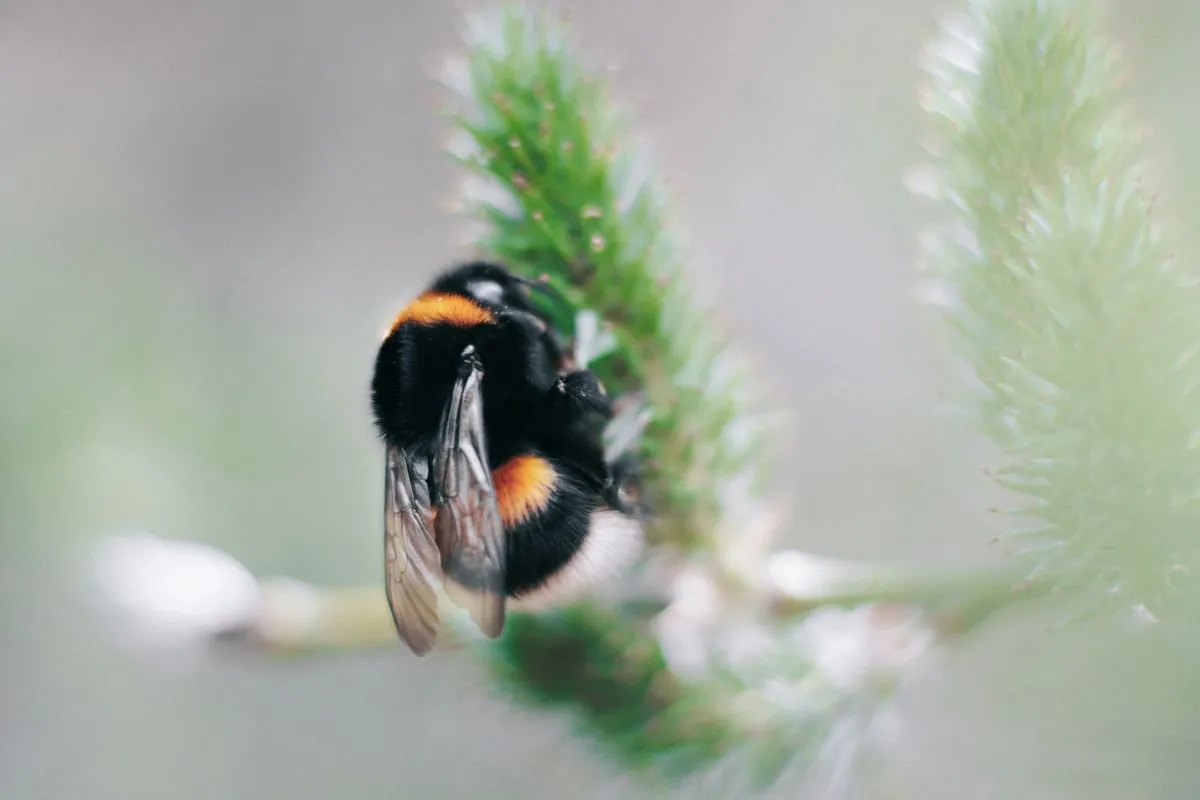
| Bumblebee | None as a pest eater; it pollinates | Buzz pollination shakes pollen loose from tomatoes and blueberries | On tomatoes, squash, and wildflowers | Leave undisturbed grassy banks for nesting |
| Mason bee | None as a pest eater; it pollinates | One mason bee can pollinate as many blossoms as dozens of honeybees | Near fruit trees and bee houses in spring | Put up a bee house facing morning sun |
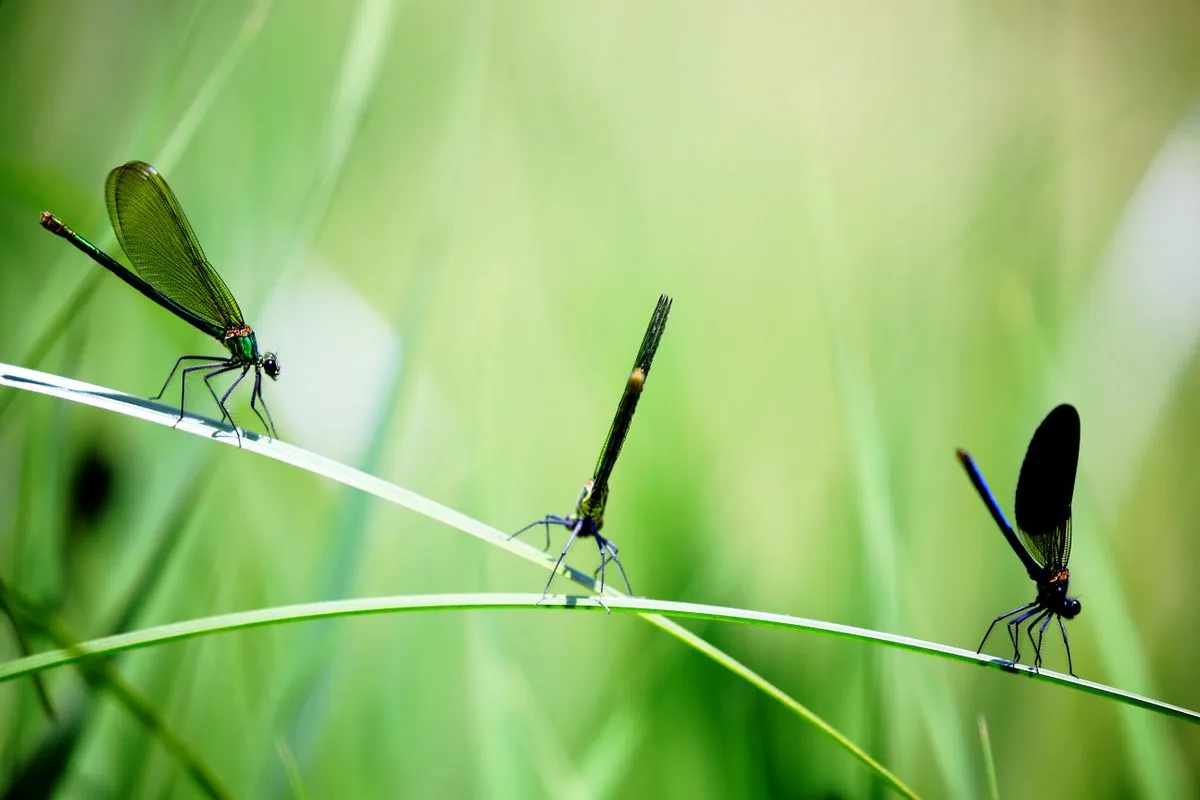
| Dragonfly | Mosquitoes, midges, flies | Adults catch hundreds of flying insects over their lives | Near ponds, streams, and damp gardens | Add a small pond or water feature with emergent plants |
| Damselfly | Mosquitoes, midges, small flies | Adults and aquatic nymphs both hunt small insects | Near ponds and slow water, resting on stems | Keep pond edges planted with rushes and grasses |
Predators That Hunt in the Open
Predators are the easiest group to spot, and they do the most visible work. Ladybugs are the classic example. The adults are easy to recognize, but the larvae do even more damage to aphids, and they look nothing like the adults: dark, spiky, and alligator shaped. If you see one on an aphid covered stem, leave it alone.

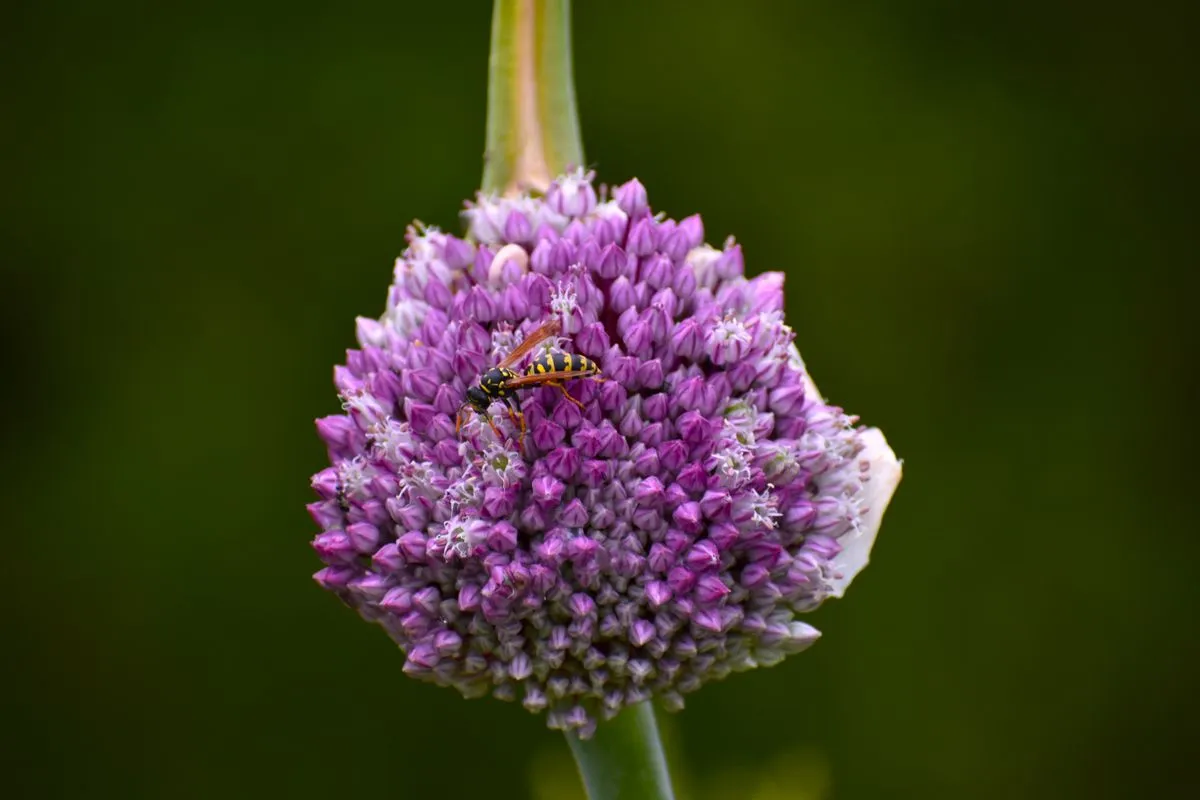
Hoverflies deserve far more credit than they get. The adults look like small bees and visit flowers for nectar, but their larvae are the real pest controllers. A hoverfly larva is a blind, slug-like maggot that crawls through aphid colonies and eats them one by one. Gardeners sometimes mistake these larvae for pests and wash them off. Do not. A plant with hoverfly larvae on it is a plant already under treatment.

Green lacewings are delicate, pale green insects with large, veined wings and coppery eyes. You will most often see them near lights at night or resting on leaves in the evening. Their larvae are the hunters, and they are so aggressive that they are sold commercially for aphid control. Lacewing eggs are easy to recognize too: tiny green ovals on thin stalks, usually on the undersides of leaves.

Praying mantises are generalists, which is both their strength and their limit. A mantis will eat almost any insect it can grab, including other beneficial insects. That is why mantises are best treated as a bonus, not a plan. You do not need to buy egg cases for most gardens. A garden with tall stems, shrubs, and undisturbed corners will attract wild mantises on its own, and they will handle grasshoppers, crickets, and caterpillars without any help from you.

Ground beetles do their work where you rarely look: at soil level, at night. They eat slugs, cutworms, and root maggots, and they hide by day under stones, boards, and mulch. This is why a tidy garden is not always a healthy garden. A few flat stones, a log at the edge of a bed, and a layer of mulch give ground beetles daytime shelter, and in return they patrol your beds every night.
Parasitoids: The Quiet Specialists
Parasitoids are different from predators. Instead of eating pests outright, a parasitoid wasp or fly lays its eggs in or on a pest, and the developing young consume the host from the inside. It sounds grim, and it is remarkably effective, because parasitoids are usually specific to one pest or a small group of pests.
Trichogramma wasps are the smallest helpers on this chart, barely bigger than a speck of dust, and they attack moth eggs before caterpillars ever hatch. That timing matters. Stopping a corn earworm or cabbage looper at the egg stage means no feeding damage at all. Braconid wasps are easier to notice: if you find a tomato hornworm covered in small white cocoons, that caterpillar is already finished, and the wasps emerging from it will protect your next crop. Never remove a parasitized caterpillar. For more on telling caterpillars apart, our caterpillar identification chart helps you recognize which caterpillars are in your beds before you decide what to do about them.
Tachinid flies round out the group. They look like ordinary houseflies, often bristly, and they parasitize caterpillars, beetle larvae, and squash bugs. Because the adults feed on nectar, planting dill, parsley, and buckwheat near your vegetables feeds the adults and keeps them close to the pests you want controlled.
Pollinators That Do Double Duty
Pollinators earn their place on a beneficial insects chart twice over. Hoverflies and soldier beetles both eat pests and visit flowers. And without pollinators, much of your vegetable garden simply does not fruit. Squash, cucumbers, tomatoes, beans, and fruit trees all depend on insect visits, and a garden rich in pollinators usually outyields a garden that is only sprayed and weeded.

Honeybees get most of the attention, but native bees do a large share of the work. Bumblebees are especially valuable for tomatoes and blueberries because they use buzz pollination, vibrating their flight muscles to shake pollen loose from flowers that honeybees cannot work as well. Mason bees are even more efficient flower by flower, and they are gentle, solitary bees that nest in hollow stems and bee houses rather than hives. Our bee identification chart can help you put names to the bees visiting your beds.
Dragonflies and damselflies belong in this section for a different reason: they control the insects that bother you rather than your plants. Both hunt mosquitoes, midges, and flies on the wing, and their aquatic nymphs hunt mosquito larvae in the water. A garden pond, even a small one, quickly becomes a dragonfly nursery. For help recognizing the species around your pond, see our dragonfly identification chart.

How to Attract Beneficial Insects and Keep Them
Attracting beneficial insects is mostly about food, shelter, and restraint. Food means flowers, and not just any flowers. Small, open flowers such as dill, fennel, alyssum, yarrow, cosmos, and goldenrod give tiny wasps and flies access to nectar, while larger blooms serve bees and butterflies.

Shelter matters just as much. Leave some leaf litter under shrubs, keep a few flat stones and a log or two at bed edges, and let a corner of the garden stay a little wild. Many ground beetles live in that litter layer, and many bees nest in bare soil or hollow stems. Cutting everything back hard in fall destroys winter shelter, so wait until spring to clear dead stems.
Restraint is the hardest part. Broad spectrum insecticides kill beneficial insects along with pests, and they often make the pest problem worse, because pests rebound faster than their predators do. If you must spray, use the most targeted option available, spray in the evening when pollinators are less active, and never spray open blooms. Tolerate a small number of pests, too. A garden with zero aphids has nothing to keep ladybugs and lacewings around.
Water helps as well. A shallow dish with pebbles for landing spots gives bees, hoverflies, and wasps a safe drink, and a pond supports dragonflies and damselflies. Change the water in dishes regularly so it does not breed mosquitoes.
Beneficial Lookalikes: Do Not Kill These by Mistake
Some of the most useful garden insects are killed because they resemble pests. Learning three pairs will save more beneficial insects than any other single habit.
Hoverfly vs wasp. Hoverflies mimic bees and wasps with yellow and black stripes, but they cannot sting, they have only two wings instead of four, and they hover in place before darting sideways. If it hovers motionless over a flower, it is a hoverfly. Leave it alone.

Predatory stink bug vs brown marmorated stink bug. The pest, the brown marmorated stink bug, is mottled brown with white bands on its antennae and a blunt, rounded shoulder. The beneficial predatory stink bug, often called the spined soldier bug, has sharp, pointed shoulders. If you are unsure, watch what it is doing. A bug feeding on a caterpillar is a helper, not a pest.
Ladybug vs Asian lady beetle. Both are ladybugs in the broad sense, and both eat aphids, so neither deserves to be killed in the garden. The Asian lady beetle is usually orange, often has a black mark shaped like the letter M behind its head, and gathers in large numbers inside houses in fall. The practical point is simple: do not squash ladybugs of any kind in the garden.
Frequently Asked Questions
What is the most beneficial insect for a vegetable garden?
There is no single winner, because different pests need different helpers. For aphids, ladybugs, hoverflies, and lacewings are the best trio. For caterpillars, braconid wasps and tachinid flies do the most work. For soil pests, ground beetles and rove beetles matter most.
How long does it take for beneficial insects to control aphids?
Often one to three weeks after helpers arrive, depending on pest numbers and the weather. You may see aphid numbers rise first, then fall sharply as ladybug and lacewing larvae get to work. Avoid spraying during that window, or you will reset the cycle.
Should I buy ladybugs or other beneficial insects?
Usually not. Purchased ladybugs often fly away within days, and your garden may not have enough food or shelter to hold them. Planting flowers, leaving shelter, and stopping broad sprays will attract wild helpers already adapted to your area, and they will stay.
Are all wasps in the garden beneficial?
Most small wasps you see on flowers are either harmless or helpful, including parasitoid wasps that control caterpillars and aphids. Large social wasps can sting and may bother picnics, but they also hunt caterpillars and flies. Leave solitary wasps alone, and only manage nests that are in a genuinely dangerous spot.
Do beneficial insects work in containers and small gardens?
Yes. Even a balcony with a few pots can host hoverflies, lacewings, and small bees if you include dill, alyssum, or lavender and avoid spraying.
Conclusion
This beneficial insects chart is a starting point, not a finish line. Walk your garden once a week, look under leaves and at soil level, and try to name what you see before you reach for any control. The more helpers you recognize, the fewer pests you will need to fight. Plant the flowers, leave the shelter, skip the broad sprays, and let the twenty helpers on this chart do their work.


Pingback: Types of Mosquitoes: 20 Species Compared – Chart Identify
Pingback: Types of Crickets: 20 Species, Sizes and Habitats – Chart Identify
Pingback: Types of Stink Bugs: 20 Species, Sizes and Habitats – Chart Identify