I used to judge doneness the way most home cooks do: poke the meat, cut it open, squint at the color, and hope for the best. That method ruined a lot of expensive steaks and once gave my whole family a nervous night after undercooked chicken at a cookout. The fix cost about twelve dollars. A simple probe thermometer, plus a reliable meat cooking temperature chart taped inside my kitchen cabinet, ended the guessing for good.
This guide gives you the complete chart: safe minimum internal temperatures for every common meat, steak doneness levels with pull temperatures that account for carryover cooking, rest times, and the thermometer technique that makes the numbers work. All temperatures follow USDA Food Safety and Inspection Service guidelines, shown in both Fahrenheit and Celsius.
Meat Cooking Temperature Chart: The Complete Table
Here is the full reference table. These are safe minimums: the lowest internal temperature at which each meat is considered safe to eat. For whole cuts of beef, pork, lamb, and veal, the USDA pairs 145°F with a three minute rest.
| Meat | Cut | Safe Temp (°F) | Safe Temp (°C) | Rest Time |
|---|---|---|---|---|
| Chicken | All cuts, whole or pieces | 165 | 74 | None required |
| Turkey | Whole, pieces, or ground | 165 | 74 | None required |
| Duck and goose | Whole or pieces | 165 | 74 | None required |
| Ground beef | Burgers, meatloaf, meatballs | 160 | 71 | None required |
| Ground pork, lamb, veal | All ground preparations | 160 | 71 | None required |
| Beef | Steaks | 145 | 63 | 3 minutes |
| Beef | Roasts | 145 | 63 | 3 minutes (large roasts: 10 to 15) |
| Pork | Chops | 145 | 63 | 3 minutes |
| Pork | Roast and tenderloin | 145 | 63 | 3 minutes |
| Lamb | Chops, roast, and leg | 145 | 63 | 3 minutes |
| Veal | Chops and roasts | 145 | 63 | 3 minutes |
| Ham, fresh | Uncooked cuts | 145 | 63 | 3 minutes |
| Ham, fully cooked | Reheating | 140 | 60 | None required |
| Fish | Fillets and whole fish | 145 | 63 | None required |
| Shrimp, lobster, crab | All preparations | 145 | 63 | None required |
| Venison and elk | Steaks and roasts | 145 | 63 | 3 minutes |
| Leftovers and casseroles | Reheating | 165 | 74 | None required |
| Stuffing | Cooked inside the bird or separately | 165 | 74 | None required |
Notice the pattern: poultry and ground meat sit at the top of the scale, whole red meat cuts sit lower, and fish lands in the middle. The sections below explain why each group gets its number.
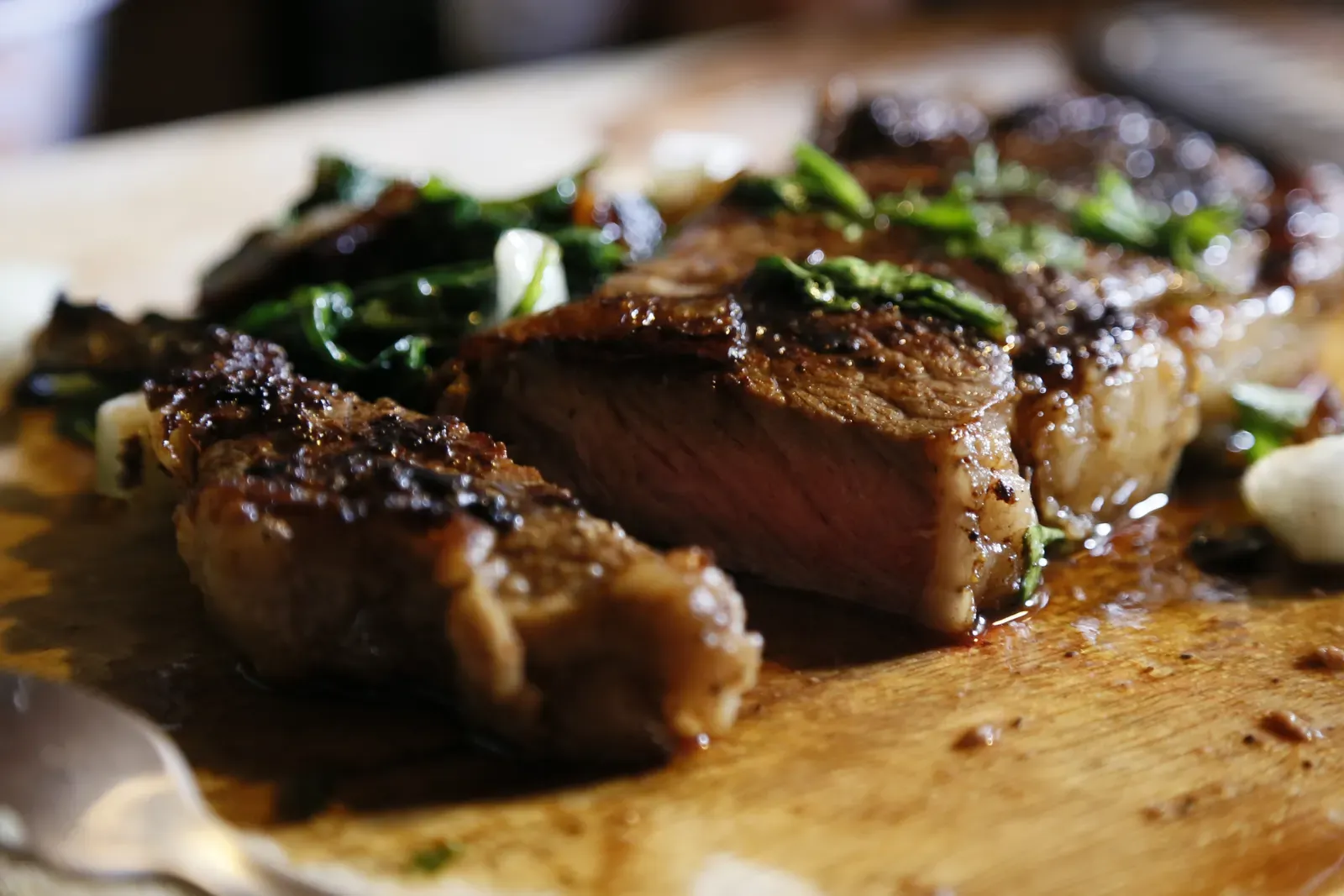
Steak Doneness Temperatures, With Carryover Built In
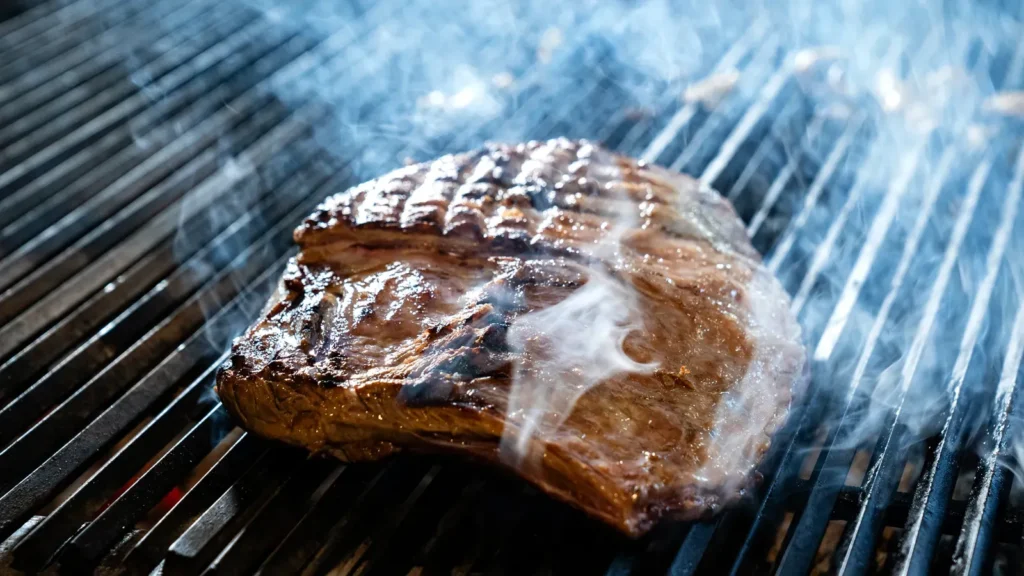
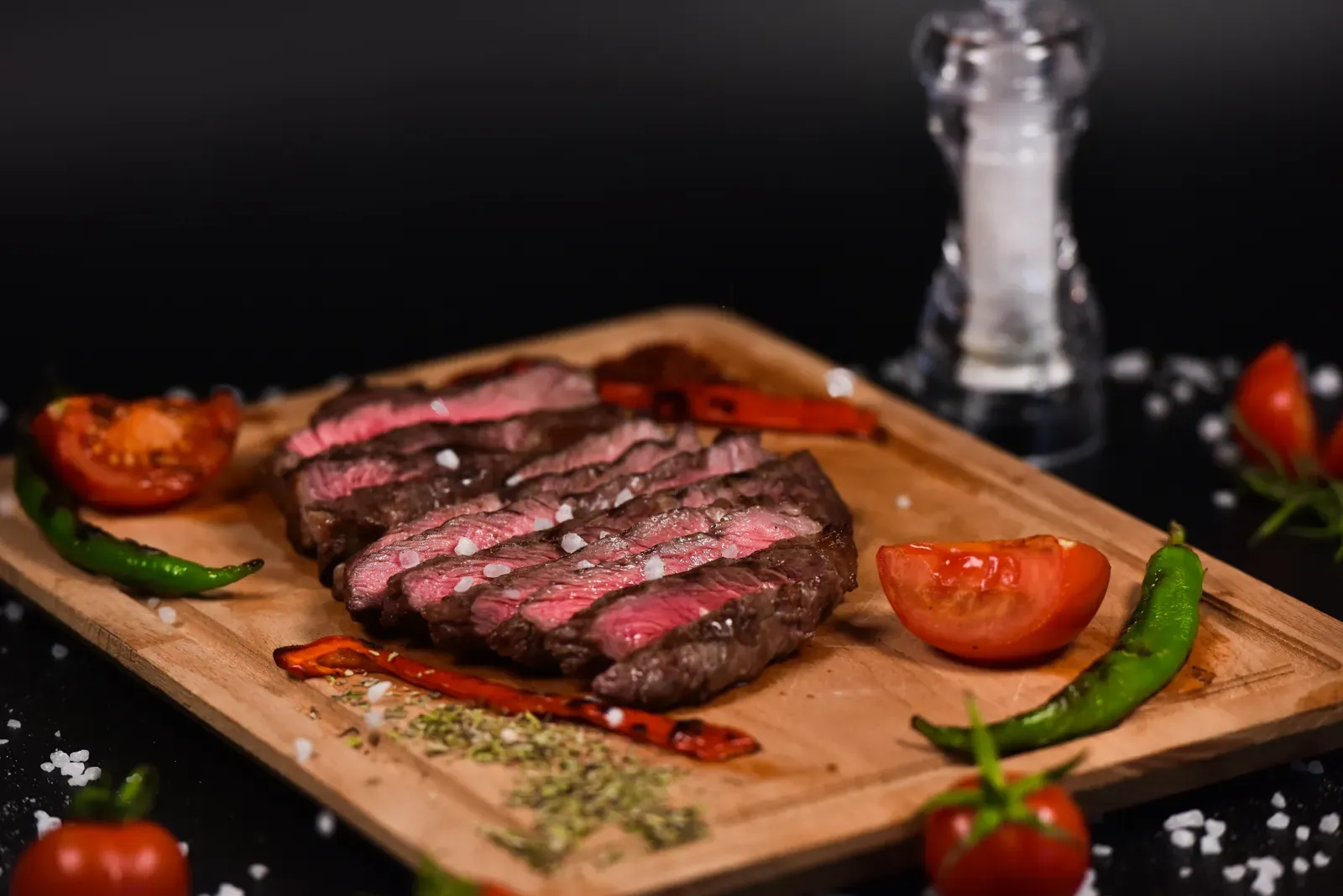
Safe minimums keep you healthy, but doneness is about how you like your steak. Here is the catch most charts skip: meat keeps cooking after it leaves the heat. This carryover cooking typically adds 5 to 10 degrees for steaks and even more for large roasts. So you pull the steak before it hits your target, and let the rest do the final few degrees. The pull temperatures below assume a few minutes of resting.
| Doneness | Pull Temp (°F) | Final Temp (°F) | Final Temp (°C) | What It Looks Like |
|---|---|---|---|---|
| Rare | 120 to 125 | 125 | 52 | Cool red center, very soft |
| Medium-rare | 130 to 135 | 135 | 57 | Warm red center, the steakhouse standard |
| Medium | 140 to 145 | 145 | 63 | Warm pink center, slightly firmer |
| Medium-well | 150 to 155 | 155 | 68 | Slightly pink center |
| Well done | 160+ | 160+ | 71+ | Little or no pink, firm throughout |
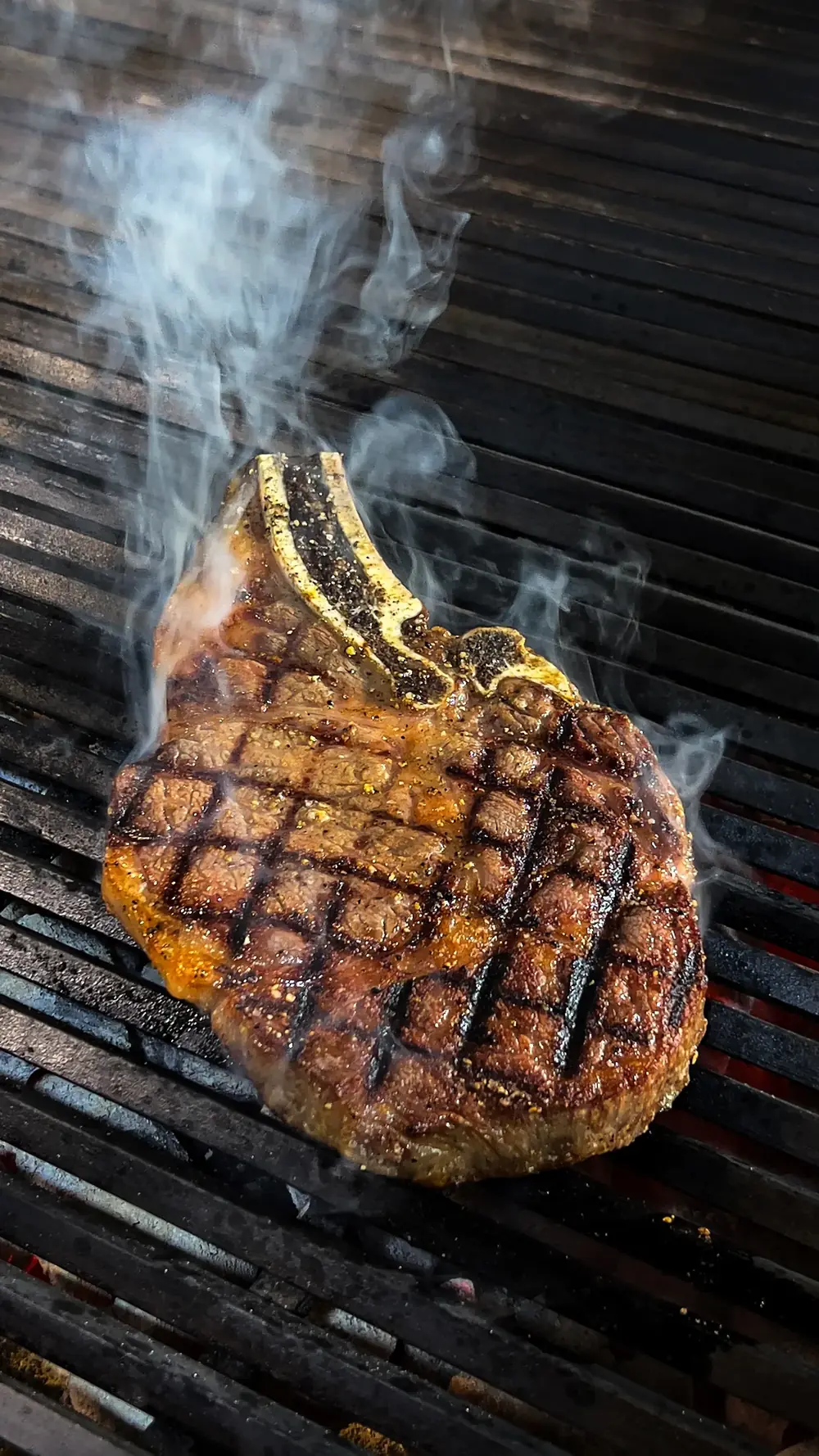
A practical tip: if you like medium-rare, pull the steak at about 130°F and rest it. Wait until the thermometer reads 135 on the grill and carryover will push it to medium. Thick steaks carry over more than thin ones.
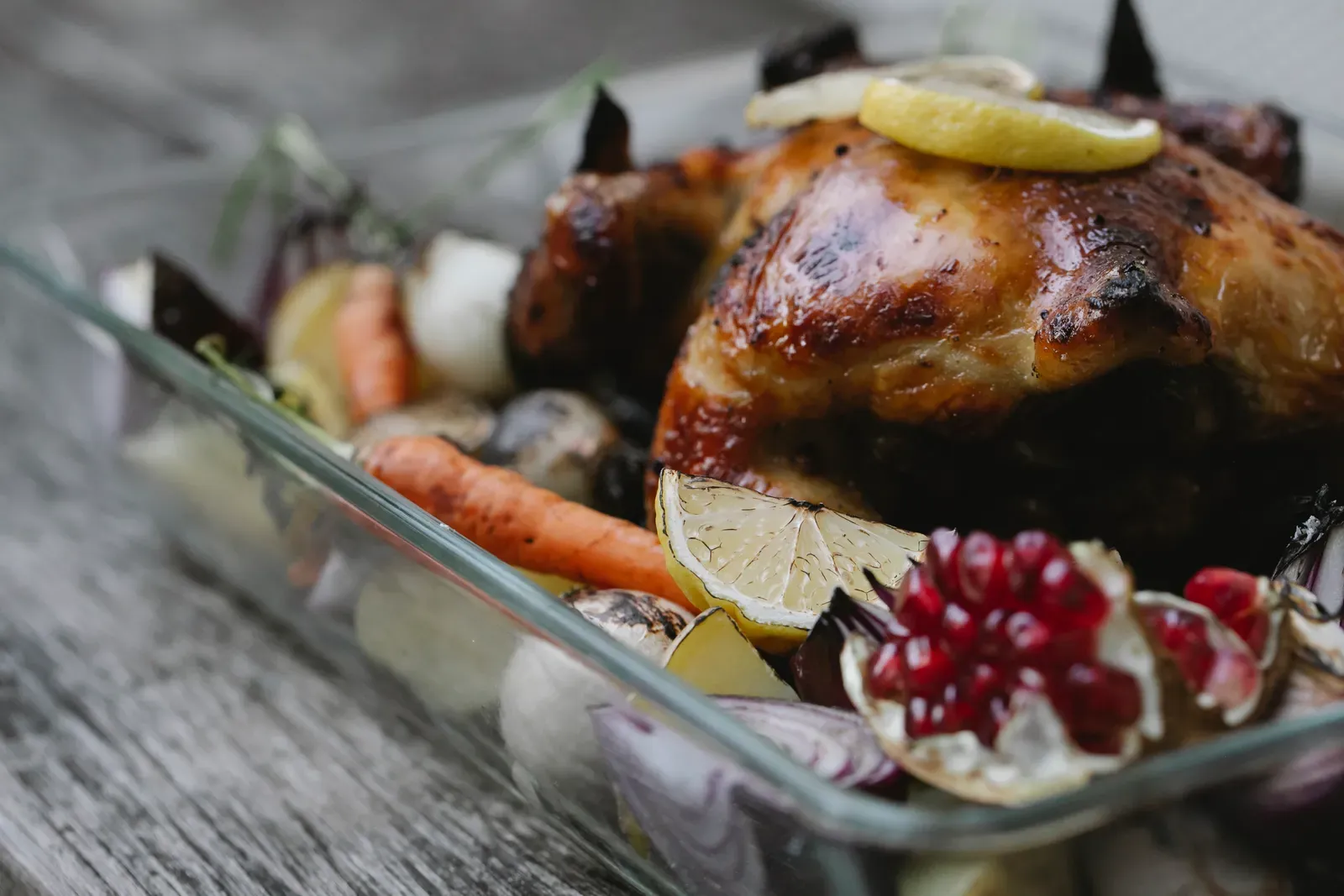
Poultry: 165°F, Every Time, No Exceptions
Chicken and turkey get the highest number on the chart for a simple reason: harmful bacteria like salmonella can live throughout poultry meat, not just on the surface. There is no rare chicken the way there is rare steak. Every part of the bird needs to reach 165°F (74°C).
Where you measure matters as much as the number. For a whole chicken or turkey, check three spots: the thickest part of the breast, the inner thigh, and the wing joint. Keep the probe in thick meat without touching bone, which conducts heat differently and gives a false high reading. If you stuffed the bird, the stuffing itself must hit 165°F, since it soaks up raw poultry juices.
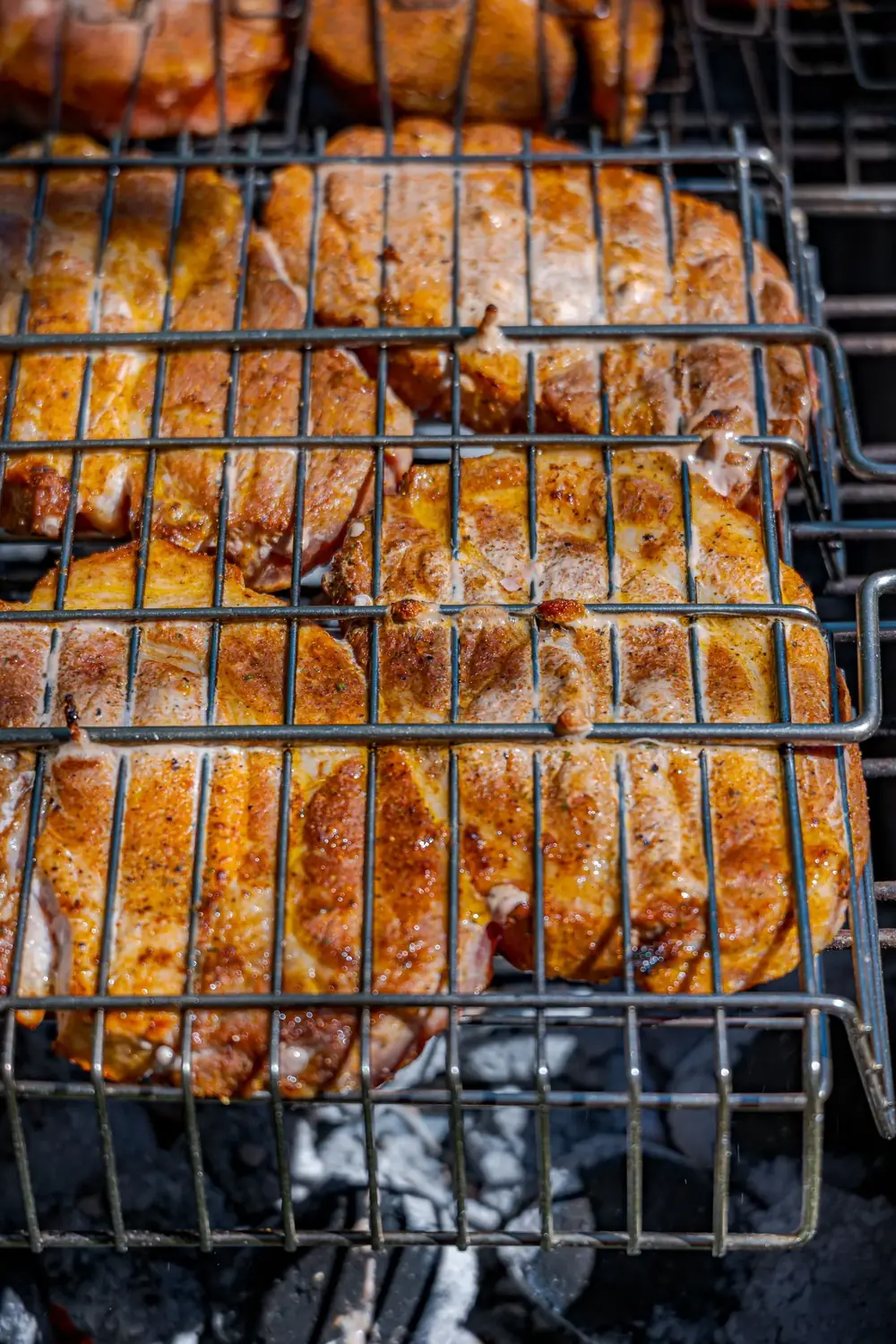
Pork, Lamb, and Veal: 145°F Plus a Short Rest
Whole cuts of pork, lamb, and veal share the same safe minimum: 145°F (63°C) followed by a three minute rest. The pork number surprises people who grew up hearing pork must be cooked to 160. The USDA lowered it in 2011 after improved farming practices reduced the risks behind the old rule. A pork chop with a blush of pink in the center is safe at 145°F, and far juicier than the gray, dry chops the old rule produced.
Lamb follows the same rule, and it is one of the meats that benefits most: a rack of lamb pulled at 145°F and rested is tender and rosy, while taking it further turns it tough fast. The three minute rest is part of the USDA recommendation, and it also lets juices redistribute instead of running out onto the cutting board.
Why Ground Meat Needs 160°F
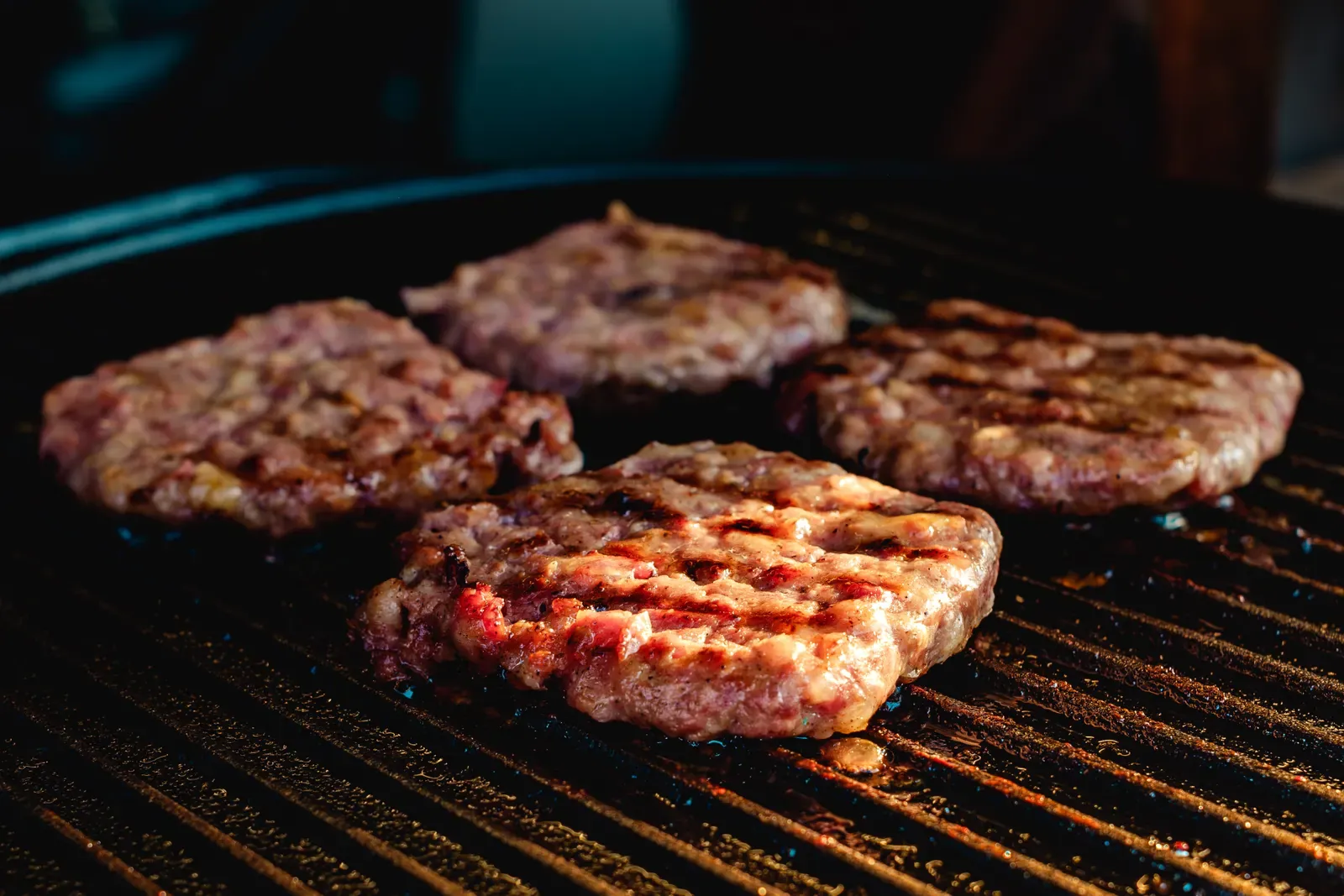
Grinding changes the food safety math completely. On a whole steak, bacteria live almost entirely on the outside surface, and searing kills them. Grinding mixes that surface, with everything on it, all through the meat. So the center of a burger has to reach 160°F (71°C) to be safe.
This is why a medium-rare steak is fine but a medium-rare burger is a gamble. For store bought ground beef, pork, or lamb, cook to 160°F and verify with the thermometer. Color is unreliable here: ground beef can stay pink at safe temperatures and turn brown before it is safe.
Fish and Seafood: 145°F and Watch It Closely
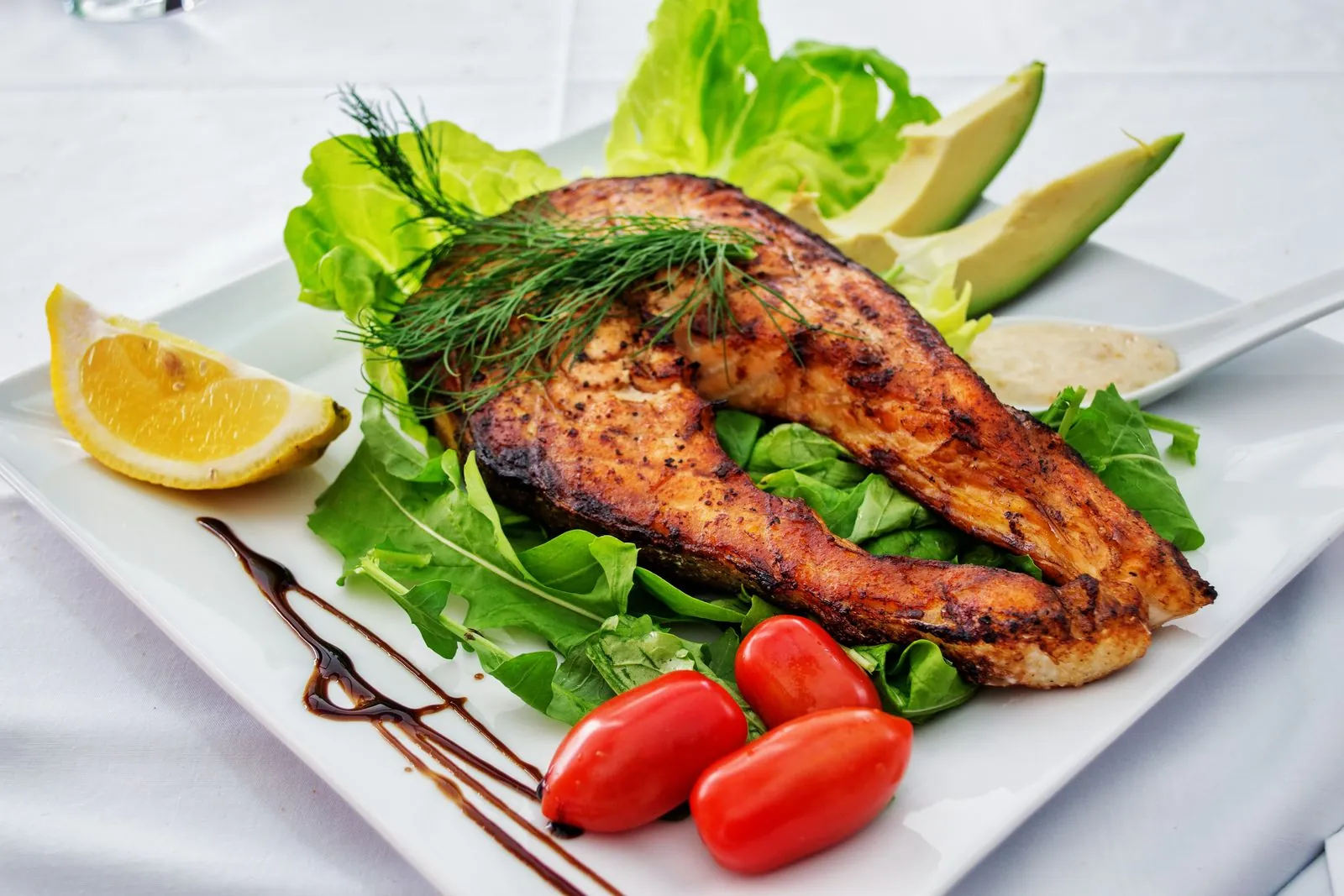
Fish gets 145°F (63°C), and the visual cue is flesh that has turned from translucent to opaque and flakes easily with a fork. Fish is less forgiving than meat about overshooting: it goes from perfect to dry in a minute or two, so start checking thin fillets early.
Shrimp, lobster, and crab are done when the flesh turns pearly and opaque. Shrimp should curl into a C shape; a tight O means overcooked. One honest caveat: sushi and crudo follow separate sourcing and freezing rules for parasite control. This chart covers cooked seafood.
How to Take a Temperature Reading You Can Actually Trust
A chart is only as good as the reading. An instant read digital thermometer is the best tool here, faster and far more accurate than the old dial types. Insert the probe into the thickest part of the meat, away from bone, fat pockets, and gristle, and wait a few seconds until the number stops climbing.
For whole birds and big roasts, a leave-in probe with an oven safe cable is worth it, since it tracks the climb without opening the oven and dumping heat. Check calibration with ice water: a correct thermometer reads 32°F (0°C) in a glass of ice with just enough water to fill the gaps. Start checking a few degrees before you expect doneness so carryover does not ambush you.
Rest Times: The Step Everyone Skips
For 145°F whole cuts, the USDA counts the rest as part of the safety process. For everything else, resting keeps juices in the meat instead of on the board. Tent loosely with foil so the crust does not steam soft.
| Cut | Rest Time | Why |
|---|---|---|
| Steaks and chops | 3 minutes minimum | Completes USDA safety guidance, keeps juices in |
| Pork tenderloin | 3 to 5 minutes | Small cut, short rest is enough |
| Burgers and ground patties | 3 to 5 minutes | Juice redistribution |
| Large roasts | 10 to 15 minutes | Even internal temperature, easier slicing |
| Whole turkey or chicken | 20 to 30 minutes | Juicier meat, much easier carving |
| Fish fillets | 2 to 3 minutes | Brief rest, fish cools fast |
Five Mistakes That Ruin Good Meat
Trusting color. Beef can brown before it is safe and stay pink after it is safe. Chicken is the reverse trap: it can look done while the center lags behind. The thermometer settles it.
Cutting to peek. Every slice to check doneness is a juice leak. One probe hole is far less damaging than a cut, and it gives you a number instead of a guess.
Probing against the bone. Bone heats differently from meat. A probe touching bone reads hot and lies to you, so angle into the thickest pure meat you can find.
Skipping the rest. The difference between a steak rested three minutes and one sliced straight off the grill is visible on the cutting board. Patience is an ingredient.
Checking only once, in one spot. Big roasts and whole birds cook unevenly. Two or three readings in different spots catch the cold center that a single probe misses.
Meat Temperature FAQs
Do I really need a meat thermometer?
Yes, if you want consistent results. Touch tests and timing charts vary with thickness, starting temperature, and your equipment. A thermometer measures what actually matters: the internal temperature of the meat in front of you.
Can pork be pink and still safe to eat?
Yes. Whole cuts of pork are safe at 145°F with a three minute rest, and at that temperature a blush of pink in the center is normal and expected. This has been the USDA guidance since 2011.
Why does chicken need a higher temperature than steak?
Bacteria can be present throughout poultry meat, while on whole cuts of beef they live mainly on the surface where searing destroys them. That is why chicken needs 165°F all the way through, while a steak is safe at 145°F with rest.
Should I rest meat after cooking?
Always. For 145°F beef, pork, lamb, and veal cuts, the rest is part of the USDA safety recommendation. For everything else, resting keeps the juices in the meat instead of on the cutting board. Tent loosely with foil and wait.
What temperature is medium-rare in Celsius?
Medium-rare finishes at about 57°C (135°F). Pull it from the heat around 52 to 54°C and let carryover cooking finish the job during the rest.
Is it safe to eat a rare burger?
Not from standard store bought ground meat. Grinding mixes surface bacteria throughout, so burgers need 160°F (71°C) in the center. The only exception is beef ground fresh from a single whole cut under very clean conditions.
The Bottom Line
Safe, juicy meat comes down to three habits: know the number from the meat cooking temperature chart above, measure it with a thermometer instead of guessing, and rest the meat before slicing.
Once the main course is handled, plan the sides to match. Our fruit season chart shows which fruits are at their peak each month. You will find more reference guides like this one in the Food Chart archive.